BBQ thermometers
Buy BBQ Thermometers | Meat Thermometers for Precise Grilling
A BBQ thermometer is the difference between guessing and guaranteed perfectly cooked meat. With a meat thermometer you measure the exact internal temperature, so you know precisely when your steak is medium-rare or your chicken is safely…





BBQ thermometer probes, yellow + purple
You save: 134,- (-90%)

BBQ thermometer with 2 probes
Sold outYou save: 73,05 (-49%)

SALE DAYS
Get extra savings on garden furniture


Instant thermometer
Sold outYou save: 108,05 (-73%)
Buy BBQ Thermometers | Meat Thermometers for Precise Grilling
A BBQ thermometer is the difference between guessing and guaranteed perfectly cooked meat. With a meat thermometer you measure the exact internal temperature, so you know precisely when your steak is medium-rare or your chicken is safely cooked through. At Boender Outdoor you'll find thermometers with one or multiple probes for every barbecue type. Also check out the full range of accessories.
Why use a meat thermometer?
- Food safety — check that poultry and pork have reached a safe core temperature
- The perfect doneness — from rare to well-done on red meat, without cutting into it and losing juices
- Ideal for low-and-slow — during long sessions on the kamado (pulled pork, brisket), a multi-probe thermometer lets you measure both the meat's core temperature and the ambient temperature inside the kamado
- No more guesswork — no need for the finger-press test to estimate doneness
Instant-read or wired probes?
| Type | How it works | Best for |
|---|---|---|
| Instant-read | Insert briefly into the meat, reading within seconds | Quick checks while grilling |
| Fixed wired probe | Stays in the meat, continuous display readout | Long sessions like rotisserie or low-and-slow on the kamado |
| Wireless probe | Connects via Bluetooth/WiFi to an app or receiver | Monitoring meat remotely while you do something else |
Core temperature guidelines
- Beef (steak) rare — 48–52°C
- Beef (steak) medium — 58–63°C
- Beef (steak) well-done — 70°C+
- Chicken / poultry — minimum 74°C
- Pork — minimum 63°C
- Pulled pork / brisket (low-and-slow) — 92–96°C for optimal tenderness
Combining a thermometer with other accessories
During long sessions on the kamado, it's wise to use a thermometer with multiple probes: one for the meat, one for the ambient temperature inside the kamado itself. That way you're sure you're staying within your target temperature range, whether you're using a plate setter for indirect cooking or turning a rotisserie.
Care and calibration
Clean probes after every use with a damp cloth — don't submerge the digital unit in water. Check accuracy occasionally by placing the probe in ice water (0°C) or boiling water (100°C); a large deviation means the thermometer should be replaced.
 9.5
9.5102 reviews
Our customers love us!
We score an average of 9.5 on KiYoh — based on real, certified customer reviews.
Frequently asked questions
What is the safe core temperature for chicken?
Chicken and other poultry must reach a minimum core temperature of 74°C to be safe. Measure this at the thickest point, usually the breast or thigh, without touching the bone.
What's the difference between an instant-read and a wired probe thermometer?
An instant-read thermometer gives you a quick single reading and is then removed. A wired probe thermometer stays in the meat throughout the whole cooking process and shows a continuous readout — ideal for longer sessions.
Why is the core temperature for pulled pork so high (92–96°C)?
At this temperature, the collagen in the meat breaks down completely into gelatine, making the meat buttery-tender and easy to pull apart — very different from, say, a steak.
Can I use a wired thermometer with the kamado lid closed?
Yes, most kamado models have a probe port or a small gap for the wire to pass through while the lid stays closed, keeping the internal temperature stable.
How do I check whether my thermometer is still accurate?
Place the probe in ice water — it should read 0°C — or in freshly boiled water, where it should read around 100°C (at sea level). A large deviation means the thermometer needs recalibrating or replacing.
What's the benefit of a wireless thermometer?
With a wireless (Bluetooth or WiFi) thermometer, you can track the temperature remotely via an app, so you don't have to stand by the barbecue the whole time during long sessions.
Read also
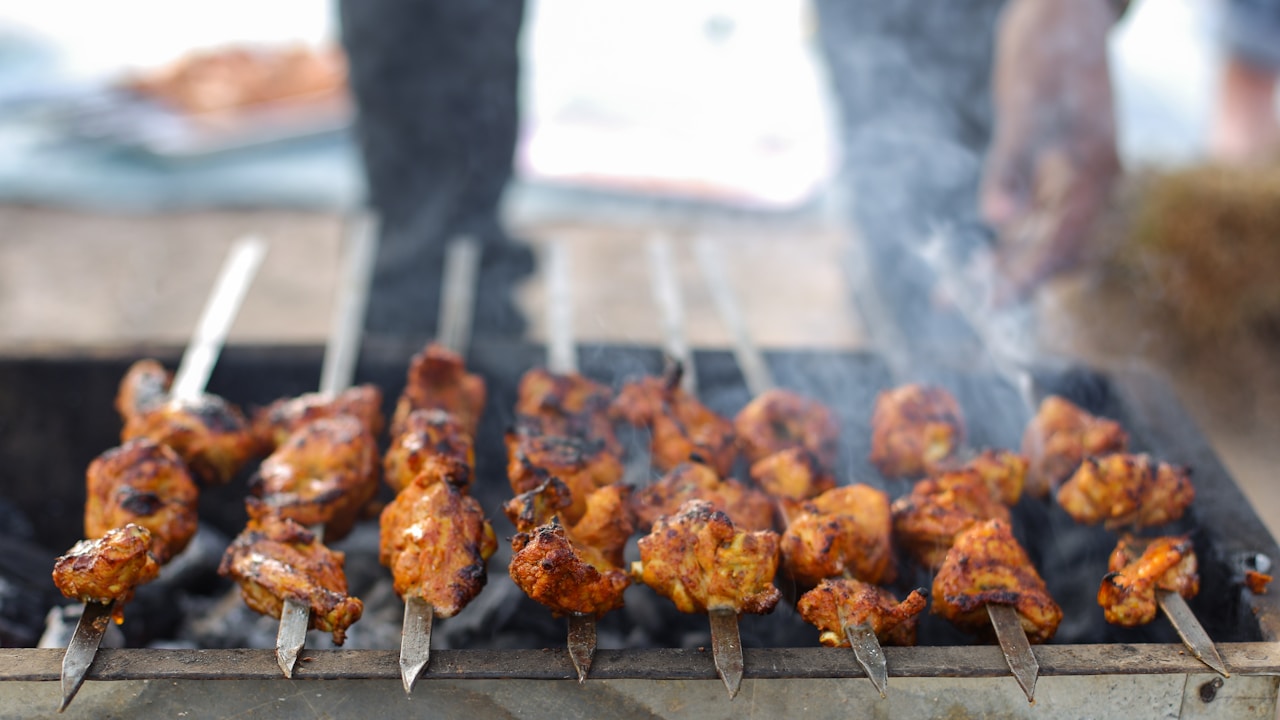
Keij Kamado buying guide: Legend vs Pro compared (2026)
Buying a Keij Kamado? Compare the Keij Legend and Keij Pro on size, quality and price. From compact 15 inch to…
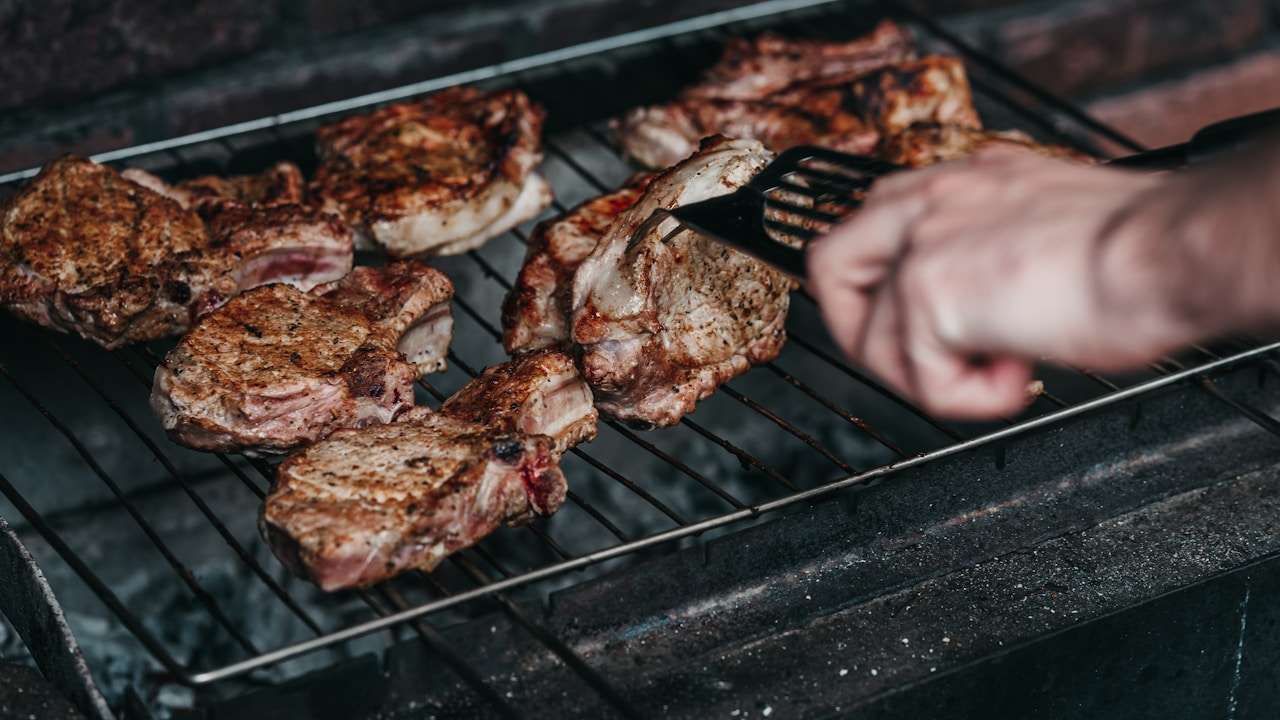
How do you use a kamado barbecue? Complete guide for beginners
A kamado barbecue works differently from a gas or charcoal BBQ. Once you understand the basics — lighting it, …
Cleaning a Kamado barbecue: how to do it properly
Cleaning a Kamado is different from cleaning a regular BBQ. Thanks to its ceramic construction, it has a sort …