Green algae on your garden furniture? We all know it! Whether you're a seasoned garden enthusiast or someone who simply wants to enjoy a clean terrace, those pesky green stains can be an eyesore. But don't worry, at Boender Outdoor Garden Furniture we have the solution for you. In this guide we'll tell you everything about removing green algae, so your garden furniture looks as good as new again.
What is green algae and why does it form?
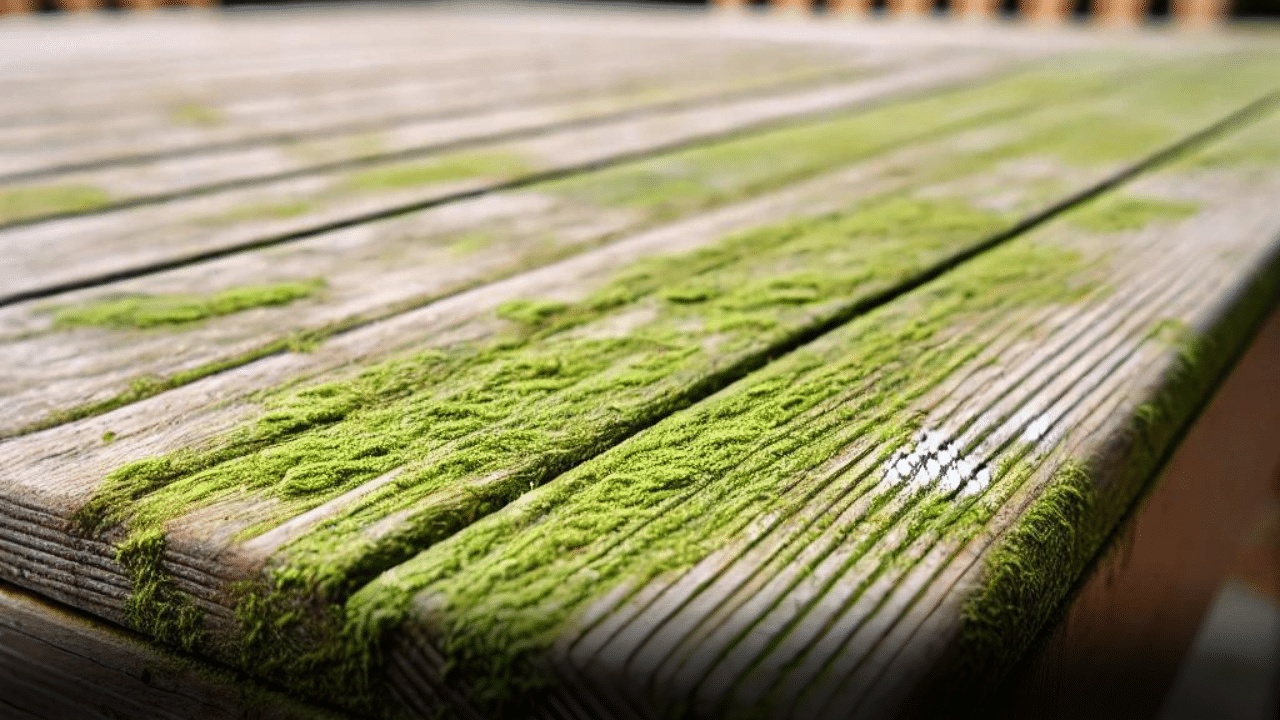
Before we go into how to remove green algae, it's helpful to understand what it actually is. Green algae is a combination of algae, moss and fungi that settle on surfaces, especially in damp, shady conditions. This often happens in autumn and winter when the weather is wet and your garden furniture is used less.
This coating can attach itself to various types of materials, such as wood, plastic, aluminium and even natural stone. It's not only unsightly, but can also damage your furniture if you leave it too long. So the sooner you remove it, the better!
Method 1: Water and soap approach
The first method is perhaps the simplest and most accessible: a bucket of soapy water. This works especially well if the green algae is not yet too stubborn.
What you'll need:
- A bucket of warm water
- Mild soap or washing-up liquid
- A soft brush or sponge
- A garden hose or bucket of clean water
Step-by-step guide:
- Make a solution of warm water and soap.
- Dip the brush or sponge into the soapy water and scrub away the green algae.
- Work in small sections and rinse regularly with clean water.
- Use the garden hose to rinse away the last of the soapy water.
- Let your garden furniture dry thoroughly before using it again.
This method is environmentally friendly and prevents you from damaging your furniture with aggressive cleaning products.
Method 2: Green algae cleaner – quick and effective
Sometimes soap is not enough and you need a stronger product to remove the green algae. In that case, a special green algae cleaner is a good choice.
What you'll need:
- Green algae cleaner (available at most garden centres)
- Protective gloves
- A brush
- A garden hose
Step-by-step guide:
- Put on the protective gloves.
- Apply the green algae cleaner according to the instructions on the packaging.
- Let the product work for a few minutes (usually 10-15 minutes).
- Scrub away the algae with a brush.
- Rinse thoroughly with clean water and let dry.
This is a quick and effective way to remove stubborn algae. Just make sure you don't get the cleaner on any plants or grass, as it can be harmful to the flora in your garden.
Method 3: Natural alternatives – vinegar and soda
Would you prefer an environmentally friendly and natural solution? Vinegar and soda are then your best friends. These products are safe, inexpensive and effective against green algae.
What you'll need:
- White vinegar or cleaning soda
- Warm water
- A brush
- A garden hose
Step-by-step guide with vinegar:
- Mix one part white vinegar with one part water in a spray bottle or bucket.
- Spray or pour the mixture over the green algae.
- Let it work for 30 minutes to an hour.
- Scrub away the algae with a brush.
- Rinse with clean water and let dry.
Step-by-step guide with soda:
- Sprinkle cleaning soda over the damp green algae.
- Let it work for a while (about 30 minutes).
- Scrub the surface with a brush.
- Rinse with water and let dry.
Both methods are ideal if you prefer not to use chemical products. Moreover, they give your garden furniture a fresh appearance without harmful substances.
Method 4: High pressure – Powerful but careful
A pressure washer can also be an excellent option for removing green algae, especially if you're dealing with stubborn stains. But be careful! Too strong a jet can damage the surface of your furniture.
What you'll need:
- A pressure washer with adjustable nozzle
- Water
Step-by-step guide:
- Set the pressure washer to a low setting to start.
- Aim the nozzle at the green algae and spray gently.
- Increase the pressure if necessary, but be careful not to spray too close to the surface.
- Work in sections and make sure you treat the entire piece of furniture.
- Let the furniture dry thoroughly before using it again.
This method is effective, but it's important to test it on a small area first to make sure you don't damage your furniture.
Prevention is better than cure
Now that you've got your garden furniture back in top condition, you'll naturally want to prevent the green algae from coming back quickly. Here are a few tips to keep your furniture clean longer:
- Place your furniture in the sun: Algae and moss thrive in damp, shady environments. By placing your furniture in a sunnier part of the garden, you reduce the chance of green algae forming.
- Cover your furniture in winter: Protect your furniture with a waterproof cover during the cold and wet months. This keeps it dry and prevents the algae from returning quickly.
- Clean regularly: By cleaning your furniture regularly, you prevent green algae from having a chance to build up.
Conclusion
Removing green algae from your garden furniture doesn't have to be a tedious chore. With the right approach and a little patience, your furniture will look as good as new in no time. Whether you choose traditional cleaning with soap, a powerful cleaner, natural alternatives, or even a pressure washer, the important thing is to carry out regular maintenance. This way you can fully enjoy your outdoor space!
At Boender Outdoor Garden Furniture we're always ready to help you maintain and restore your garden furniture. Have questions or need advice? Feel free to contact us or visit our shop for more tips and the best cleaning products.
Enjoy your clean, gleaming garden furniture and outdoor living!
Would you like to know more about cleaning garden furniture? Read our comprehensive blog post for helpful tips: Cleaning garden furniture