
A garden bench stays outside all season and gets everything thrown at it: rain, harsh sun, pollen, bird droppings and green growth. With a little attention it will look good for years, but what "a little attention" means depends on the material. A wooden bench needs something different from an aluminium park bench or a lounge bench with wicker and thick cushions. This article covers what to do for each material, how often and with what, how to give the bench a thorough clean, and what to tick off each season.
In short: for almost every garden bench, a mild soapy solution with a soft brush is enough. Wood also needs oil when it turns dull, while aluminium and teak-look or Vironwood never need oil. Give the bench a thorough clean in spring and autumn, store cushions somewhere dry, and protect the bench over winter with a breathable cover. A seasonal checklist keeps things manageable.
Maintenance per material in one table
Not sure what material your bench is made from? Check the product details for both the frame and the seat. A bench described as "light teak look", for example, is usually aluminium with a wood-effect finish. The table below shows you at a glance what to do.
| Material | How often | With what |
|---|---|---|
| Acacia and other hardwood | Soapy clean now and then, oil when it turns dull | Soapy water, outdoor wood oil |
| Teak | Soapy clean now and then, oil only for colour | Soapy water, teak oil |
| Aluminium | Soapy clean now and then, check in spring and autumn | Mild soap, soft cloth |
| Teak-look and Vironwood | Soapy clean now and then | Mild soap, no oil |
| Wicker and rope | Brush regularly | Soft brush, lukewarm soapy water |
| Cushions | Store after use and when it rains | Cushion bag, wash cover according to the label |
| Stainless steel | When stained or with limescale marks | Soft cloth, stainless steel cleaner |
Still unsure which material needs the least work? Read comparing garden bench materials first.
Maintaining a wooden garden bench
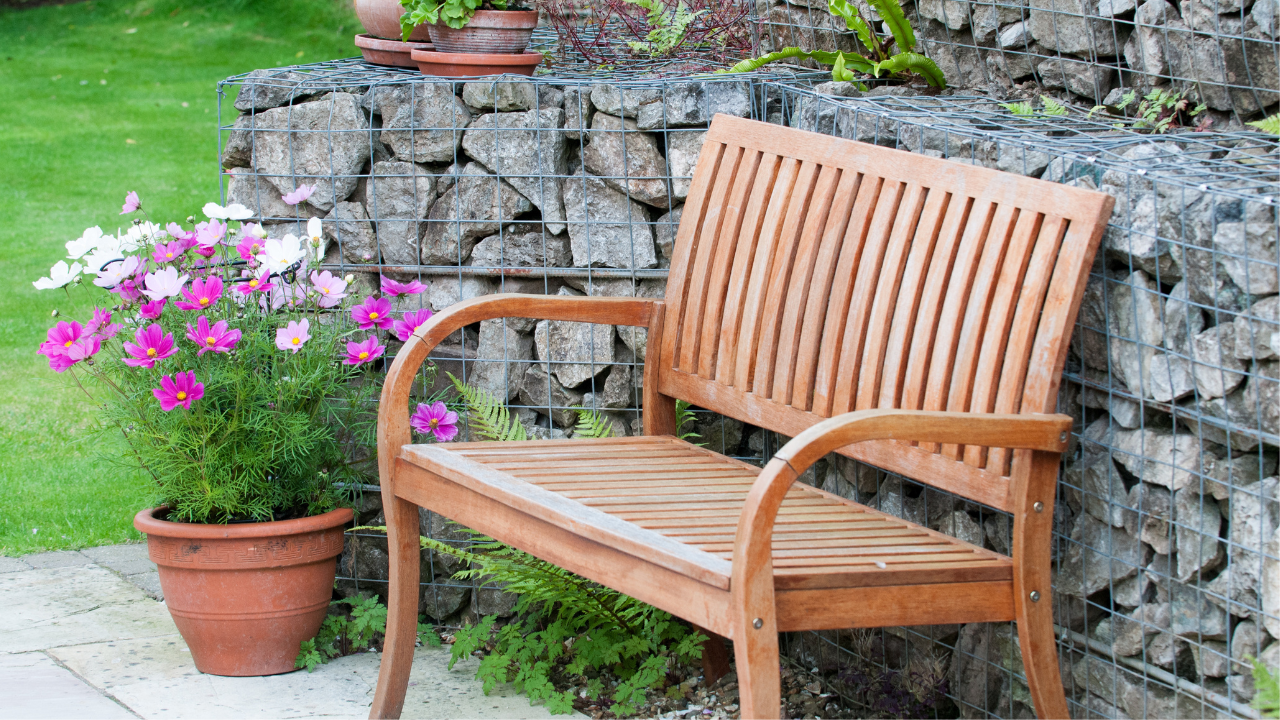
Wood needs the most attention, but it rewards you with a warm, natural look. Garden benches are mostly made from acacia and teak. Outdoors, wood absorbs moisture and then dries out again. Without protection, its colour changes and fine hairline cracks can appear.
- Cleaning: wipe the bench down with a soft brush or cloth and lukewarm soapy water. Work along the grain of the wood and rinse afterwards with clean water.
- Drying: let the bench dry completely before applying oil or putting a cover over it. Choose a dry, not too hot day for this.
- Oiling: if the wood feels dull and dry, apply a thin coat of outdoor wood oil with a cloth or brush, following the grain. After it has soaked in, wipe off the excess oil, otherwise the surface will stay sticky.
- Going silver is fine too: teak that you leave alone will turn a silvery grey. This is a layer on the surface, not rot. If you want the honey colour back, first use a cleaner for teak or hardwood and then teak oil.
The Montreal tete-a-tete is an example of an acacia wood bench. According to the instructions, you clean it regularly with a soft cloth and lukewarm soapy water, and cover it with a protective cover during long spells of bad weather.
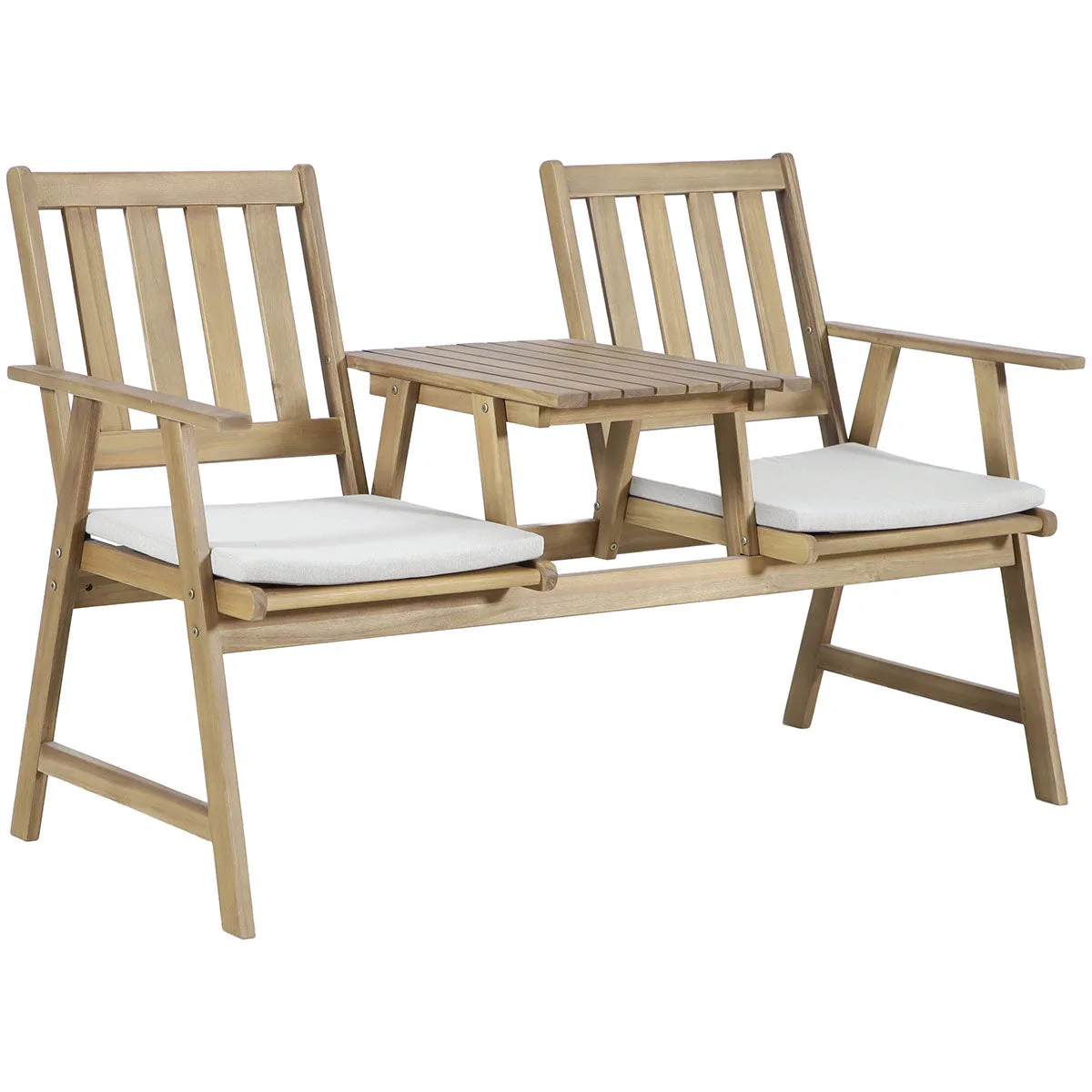
Montreal tete-a-tete garden bench acacia wood
For a detailed step-by-step guide to oil and stain: treating wooden garden furniture and treating teak for outdoor use. You'll find more models in the wooden garden benches range.
Maintaining an aluminium garden bench
Aluminium is the easiest material to look after. It doesn't rust, and the powder coating, the baked-on paint layer that gives it its colour, only needs a wash now and then. For the aluminium benches in our range, the maintenance advice is always the same: wash the frame with a mild soapy solution and a soft cloth, rinse with clean water and let it dry thoroughly. During long spells of bad weather and in winter, store the bench somewhere dry, preferably under a protective cover.
Do watch out for scratches. A scouring pad or dragging the bench over paving will damage the coating. During the spring check, also make sure screws and bolts are still tight, because a wobbly bench wears out its joints faster.
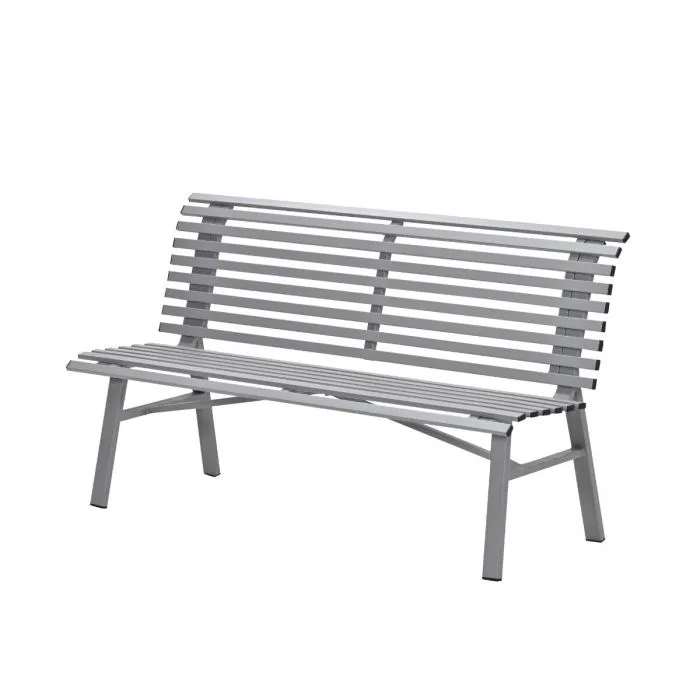
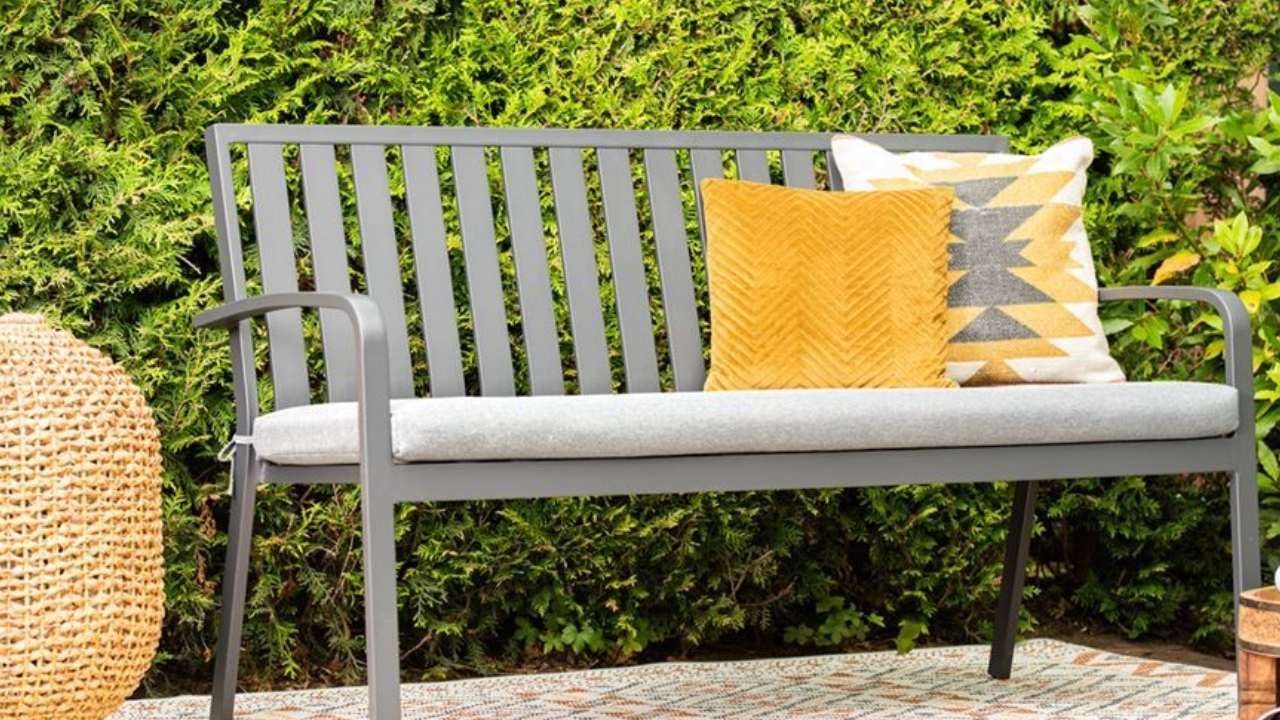
Le Duc park bench taupe
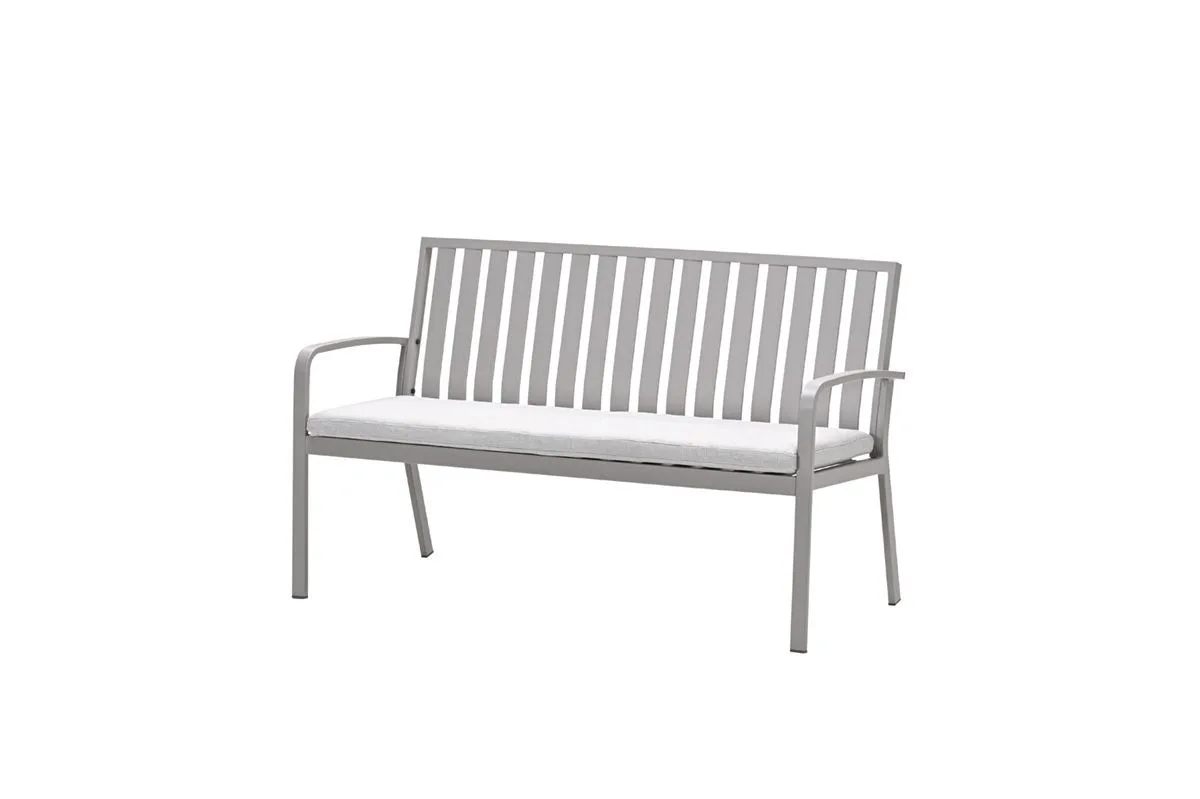
Bruno aluminium park bench
White spots on the frame? That's usually not rust. Read can an aluminium garden set rust? and maintaining aluminium garden furniture. You'll find all the models in the aluminium garden benches range.
Teak-look and Vironwood
Teak-look and Vironwood look like wood, but you look after them the same way as aluminium. Teak-look is a print or finish that resembles wood. Vironwood is a low-maintenance plastic with a warm wood-like appearance. You don't need to sand, oil or stain them: a soapy solution and a soft cloth are enough. Don't use teak oil or teak cleaner on these materials, as they are meant for real wood.
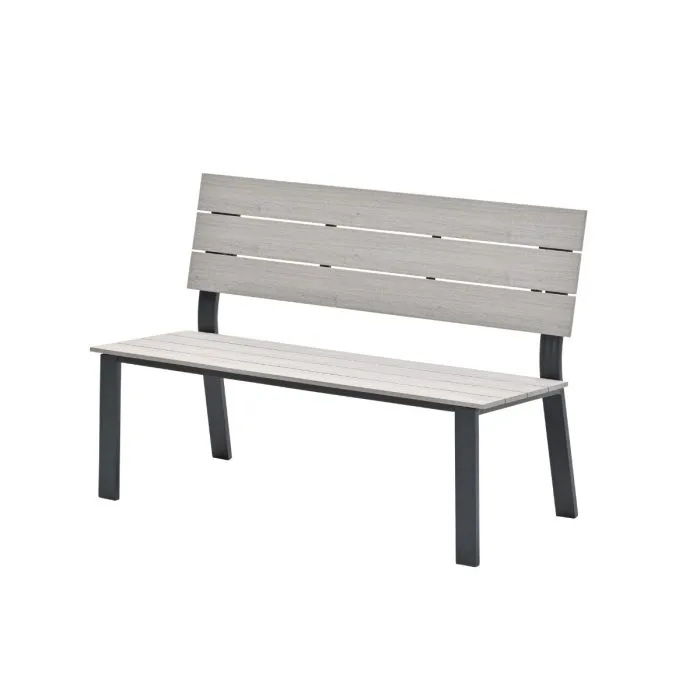
Jondal park bench light teak Vironwood
At 12.7 kg, the Jondal is easy to lift on your own, whether you want to sweep underneath it or move it into the shed. You can read more about the material in what is Vironwood.
Wicker and rope
On lounge benches, the frame is usually aluminium, and the maintenance mainly involves the woven part. Wicker is plastic weaving, and rope is outdoor cord. Dust, sand and leaves collect in the seams and weaving.
- Brush the weaving regularly with a soft brush, or vacuum it with a brush attachment.
- Clean stains with lukewarm water and a mild cleaning product, rinse and let it dry thoroughly.
- Let rope dry completely after rain before putting a cover over it, so no moisture gets trapped.
- Repair loose ends of wicker promptly, before a fray spreads further.
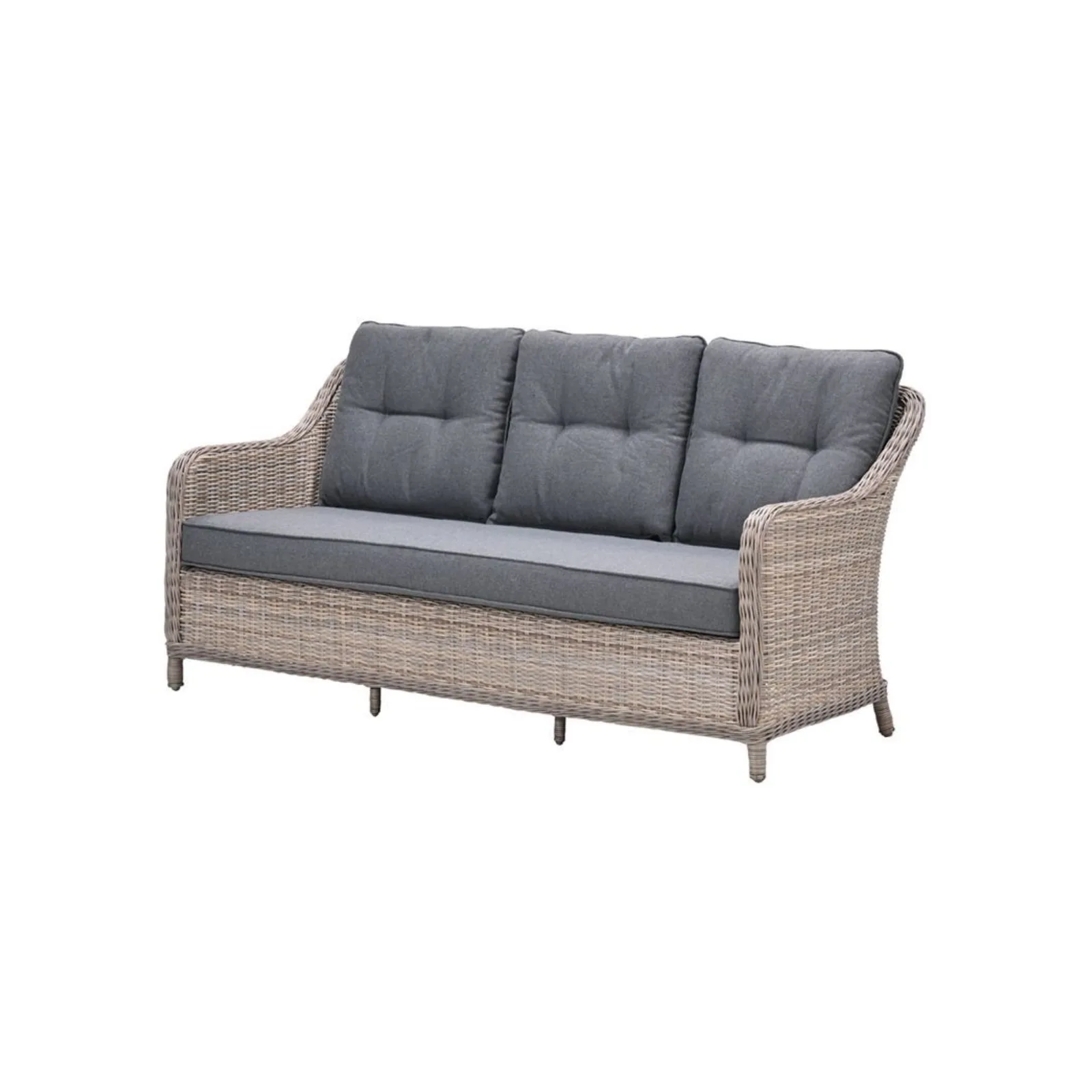
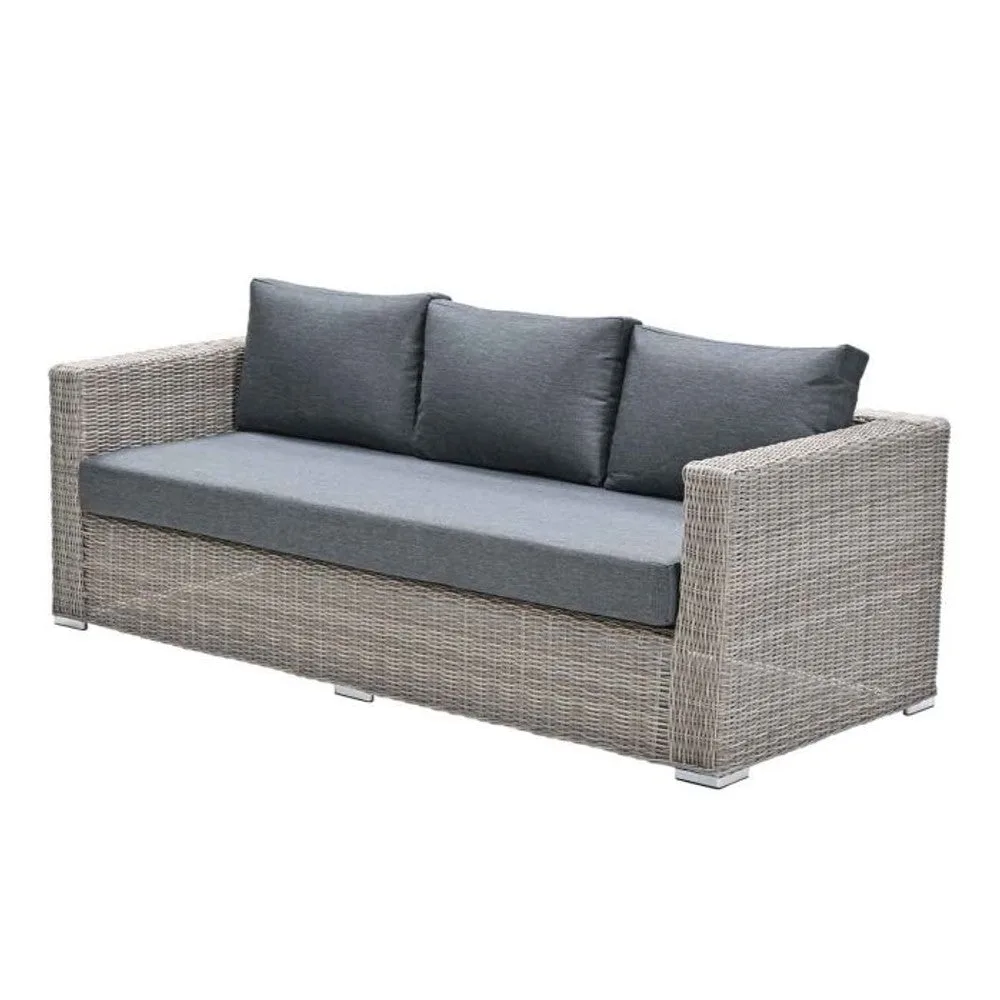
Milwaukee three-seat garden bench wicker
More tips per weaving material: maintaining wicker garden furniture and maintaining rope garden furniture. You'll find lounge models in the lounge benches range.
Garden bench cushions
Cushions determine the comfort, but they also wear out the fastest. Even cushions with a water-repellent coating, like those on the Milwaukee, are not waterproof. So don't leave them out in the rain or overnight in the dew. This helps prevent mould spots and discolouration.
- Beat cushions regularly and brush off crumbs and sand.
- Wash removable covers according to the care label and let them dry in the shade.
- Stand wet cushions upright so the water can drain out.
- Store them in a shed or in a cushion bag after use.
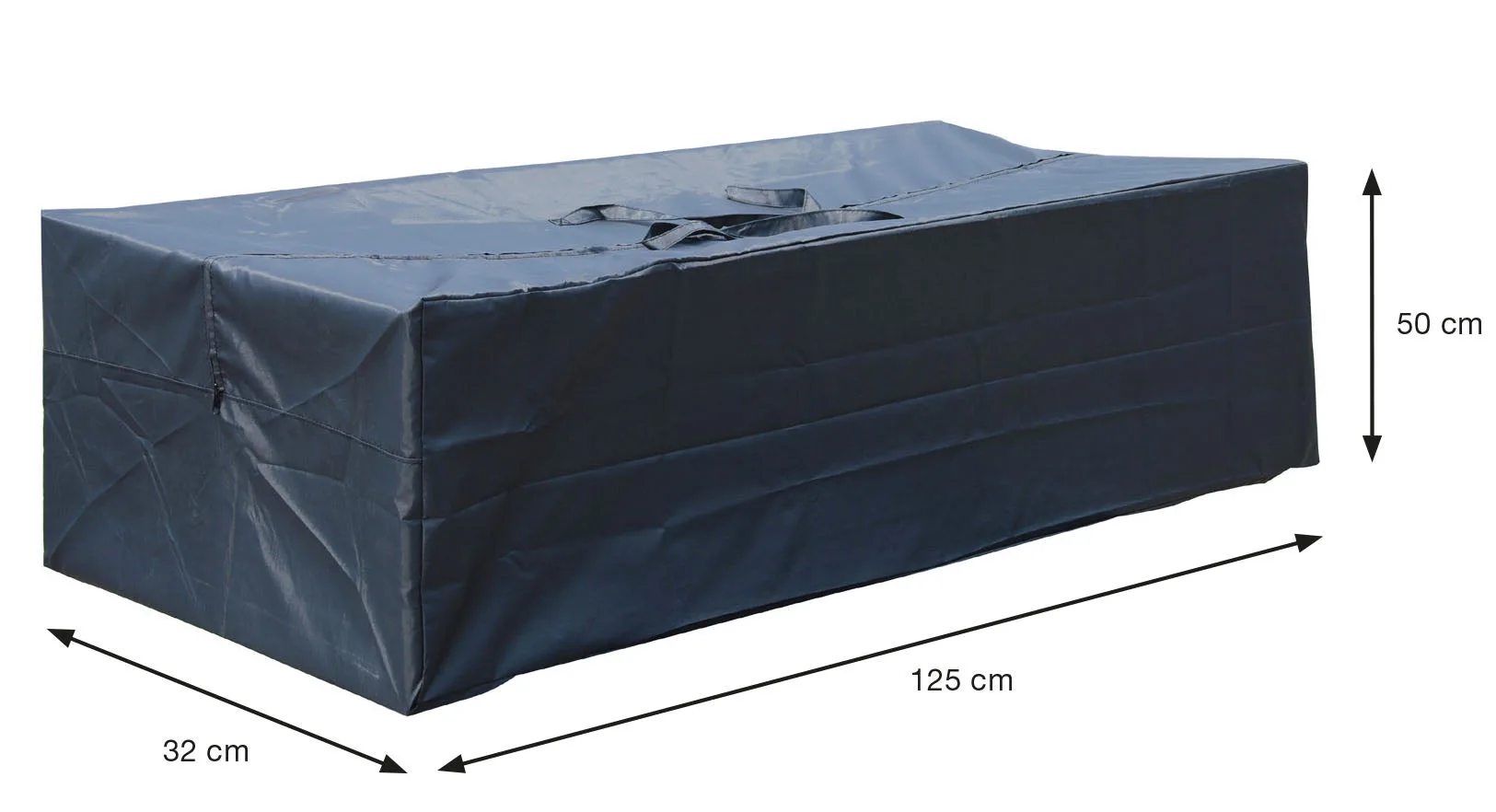
Coverit cushion bag 125x32xH50 cm
According to the product information, even a cushion bag like this is never completely waterproof. So place it somewhere where water can't pool. Read on about cleaning garden cushions and storing garden cushions.
Stainless steel garden bench
Stainless steel doesn't rust through, but it shows fingerprints, limescale marks and water drops clearly. Wipe it with a soft cloth and a mild cleaner, then dry it off. For small rust spots on the surface, for example near the coast or from metal particles left by tools, a special stainless steel cleaner helps. Don't use abrasive cleaners or steel wool. More information is available in maintaining stainless steel garden furniture.
Thorough clean in 6 steps
Give the bench a thorough clean in spring, before the garden season starts, and again in autumn, before the bench goes into winter. Choose a dry, overcast day: in harsh sun, soap dries too quickly and leaves streaks.
Remove the cushions and covers and move the bench to a spot where you don't mind getting water everywhere, such as the lawn or the driveway. Beat the cushions separately.
Sweep away leaves, cobwebs, sand and dust with a dry, soft brush, including underneath the seat and between the slats or the weaving.
Use lukewarm water with a few drops of mild soap and a soft brush or cloth. On wood, work along the grain. Let green growth and bird droppings soak first.
Rinse off all the soap residue with a garden hose on a gentle setting or a bucket of clean water. Soap residue attracts new dirt.
Dry metal with a soft cloth. Leave wood, wicker and rope to air-dry before moving on. A bench that goes under a cover while still wet can develop mould.
Tighten any loose screws and bolts, and look for scratches in the coating and loose strands of weaving. If it's a wooden bench, now is a good time to oil it if needed. Then put the cushions back or cover the bench for winter.
A little often is better than a lot now and then. If you remove bird droppings and leaves straight away, you'll hardly need to scrub in spring.
Dealing with stains and green growth
Green growth
Algae and moss grow in spots that stay damp for a long time, especially in the shade. Brush the growth off with a soapy solution, then, if possible, move the bench somewhere it will dry faster. You can also read cleaning garden furniture: tips.
Bird droppings
Remove bird droppings as soon as possible. Place a damp cloth over them, let them soak for a while and then wipe them off gently. Scraping off dried droppings leaves scratches in wood and coating.
Oil and drink stains on wood
Stains from sun cream, barbecues or red wine soak quickly into bare wood. Clean them up straight away with soapy water. An oiled bench resists these stains better than untreated wood.
Limescale marks on metal
Remove white water marks from aluminium or stainless steel with a cloth dampened with diluted white vinegar. Then rinse with clean water and dry the frame.
Garden bench in winter: protective covers
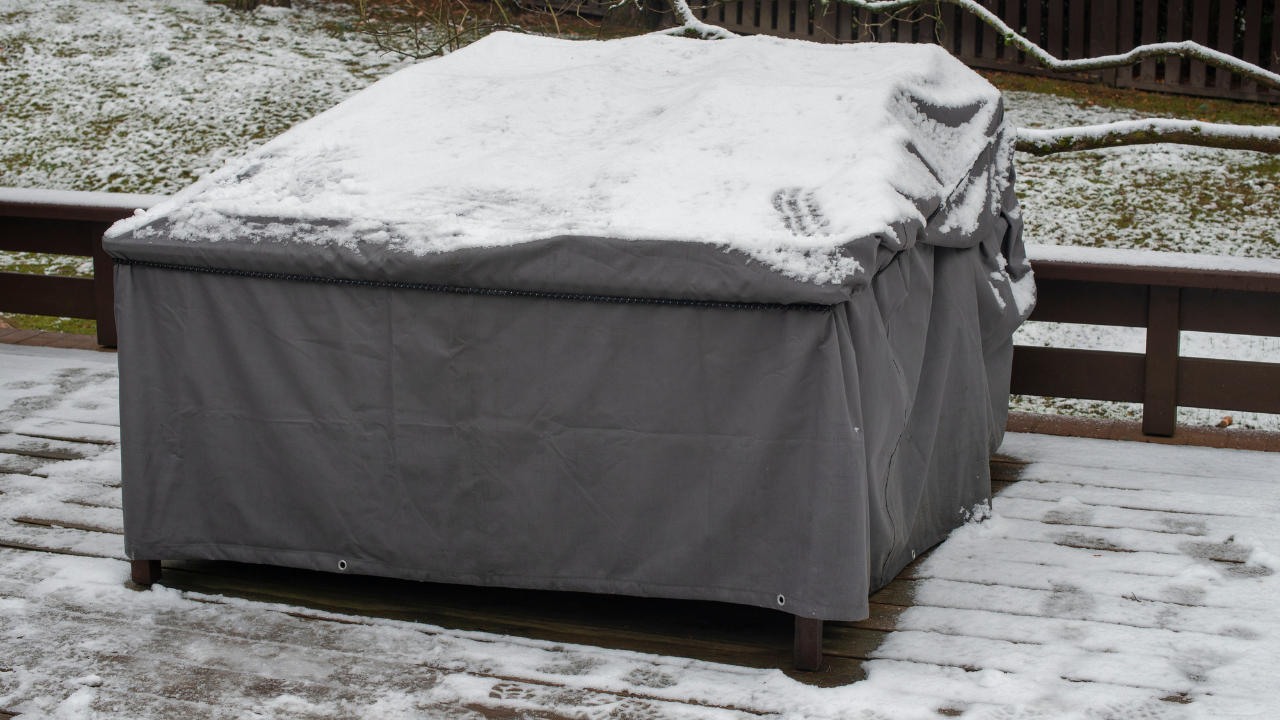
The best place for a garden bench in winter is a dry shed or garage. If that's not possible, use a breathable protective cover. A cover keeps out rain, leaves and dirt, while moisture underneath can escape. Only put the cover on a clean, dry bench, and make sure water can't pool on the cover. Preferably stand the bench on blocks or tiles so the feet don't sit in a puddle.

AeroCover garden bench cover 130x75xH65/85
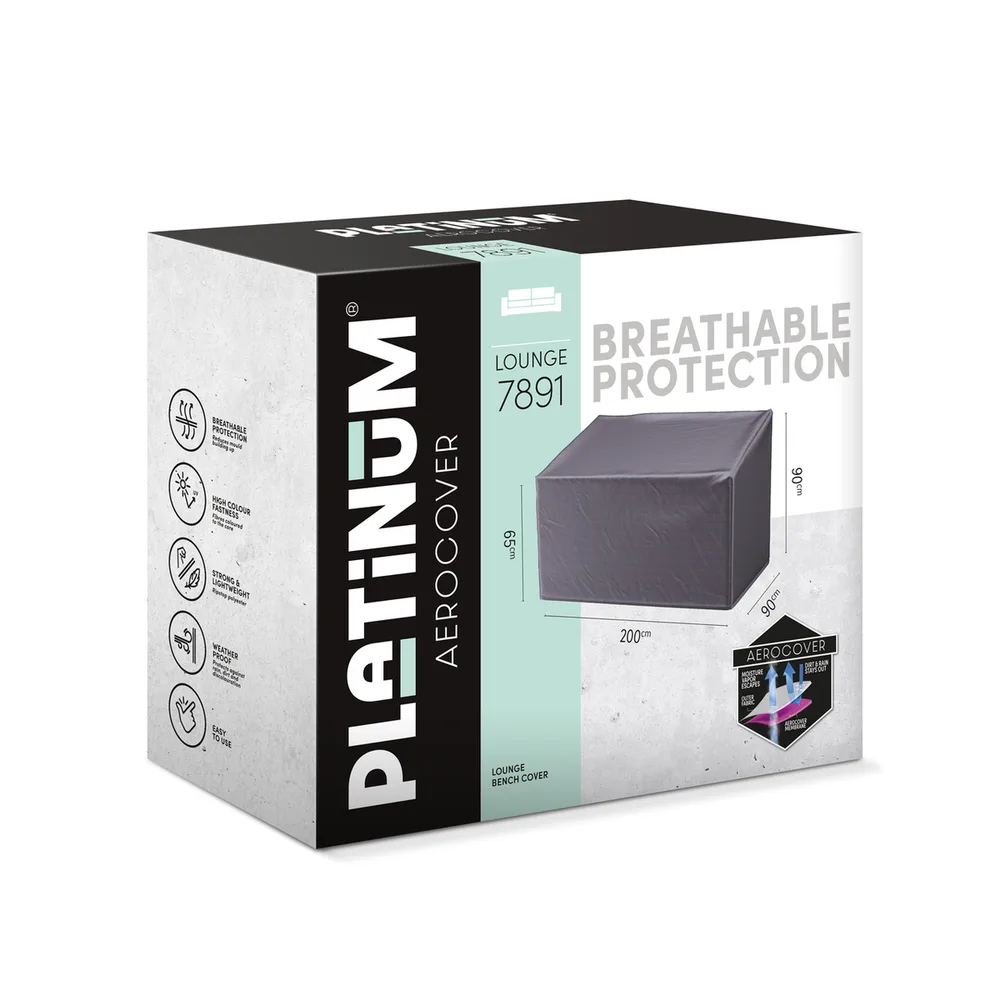
AeroCover lounge bench cover high back 200x90
Measure the bench before choosing a cover: length, depth, and the height of the seat and backrest. The Jondal, for example, is 125 cm long and 85 cm high. Compare these measurements with the cover's dimensions before you order. The cover itself also needs looking after: clean it now and then with a mild soapy solution and a soft cloth, and let it dry thoroughly. You'll find all sizes in protective covers. For more tips, see covering garden furniture and what to do with garden furniture in winter?
Maintenance by season
Tick off the points throughout the year. That way you won't forget anything, and the upkeep stays manageable.
- Spring: thorough clean following the 6 steps
- Spring: screws and bolts tightened, coating and weaving checked
- Spring: wooden bench oiled if the wood feels dull
- Summer: bird droppings, pollen and stains removed straight away
- Summer: cushions stored after use and when it rains
- Autumn: leaves swept away, bench cleaned and left to dry thoroughly
- Autumn: cushions washed and stored dry indoors or in a cushion bag
- Winter: bench in the shed or under a breathable protective cover, cover checked now and then
Keep maintenance simple
- A mild soapy solution and a soft brush are enough for almost every material
- Oil only on real wood, never on teak-look, Vironwood or aluminium
- Always dry things first, then apply oil, cushions or a cover
- Cushions and covers are water-repellent, not waterproof
Common mistakes
Reaching for the pressure washer
The harsh jet roughens wood, can force an already damaged coating open further, and loosens wicker or rope. A soft brush with soapy water is safer.
Teak oil on teak-look or Vironwood
Oil doesn't soak into a print or plastic and leaves a greasy, dusty film behind. Only real wood needs oil.
Covering a wet bench
A wet bench dries poorly under a cover. This leads to mould and green growth. Wait until the bench is completely dry.
A non-breathable cover or plastic sheet
A sealed sheet traps moisture, so condensation can't escape. Choose a breathable protective cover that fits snugly around the bench.
Scouring pads and harsh cleaners
Steel wool, abrasive cleaners and bleach damage powder coating, wood and weaving. Always start with the mildest option.
Not got a garden bench yet, or ready for a new one?
If you want a bench that needs as little maintenance as possible, look at aluminium or wood-look models. Not sure which type suits your garden? Use our selection guide. Or browse all garden benches and the top 10 garden benches of 2026.
Frequently asked questions
How often should you maintain a garden bench?
Wipe the bench down now and then during the garden season with a soapy cloth, especially after bird droppings, pollen or fallen leaves. Give it a thorough clean in spring and in autumn. A wooden bench also needs oil as soon as the wood feels dull and dry.
What should you clean a garden bench with?
For almost any material, lukewarm water with a little mild soap and a soft brush or cloth is enough. Then rinse with clean water and let the bench dry thoroughly. Don't use scouring pads, steel wool or harsh cleaners: these damage wood, powder coating and wickerwork.
Can you clean a garden bench with a pressure washer?
Better not. On wood, the hard jet raises the wood fibres, on aluminium it can open up a damaged coating further, and wicker or rope can come loose or fray. A soft brush with a little soapy water is safer and just as effective.
Should you oil a wooden garden bench?
It isn't essential, but it keeps the colour warm and the wood supple. Without oil, hardwoods such as teak or acacia turn grey and hairline cracks can appear. Apply exterior wood oil to a clean, dry bench, following the grain, and wipe off any excess.
Can a garden bench stay outside in winter?
An aluminium bench can cope with rain and frost, but most manufacturers advise storing benches somewhere dry during prolonged bad weather, or covering them with a breathable protective cover. Wooden benches are best kept dry and sheltered. Always store cushions indoors or in a cushion bag.
Should you oil teak-look or Vironwood?
No. Teak-look is a wood print or finish, and Vironwood is a low-maintenance plastic with a wood-like appearance. Soapy water is enough. Teak oil and teak cleaner are meant for real wood and can leave a greasy film on these materials.