
How to keep your wicker garden furniture in top condition: Tips for sustainable maintenance
Wicker garden furniture is a beautiful addition to any outdoor space, but to preserve its charm and durability, it's important to maintain it properly. Whether you've created a cosy seating area for summer barbecues or a relaxation spot for those quiet moments with a book, proper maintenance ensures your wicker furniture looks as good as new for years to come. In this blog post, you'll discover practical tips and tricks to keep your wicker garden furniture clean, beautiful and weather-resistant. Read on and get ready for a summer full of comfort and style!
What is wicker?
If you've ever enjoyed a sunny afternoon in a comfortable lounge set, or relaxed in a stylish hanging chair, you've likely come across wicker. But what exactly is wicker?
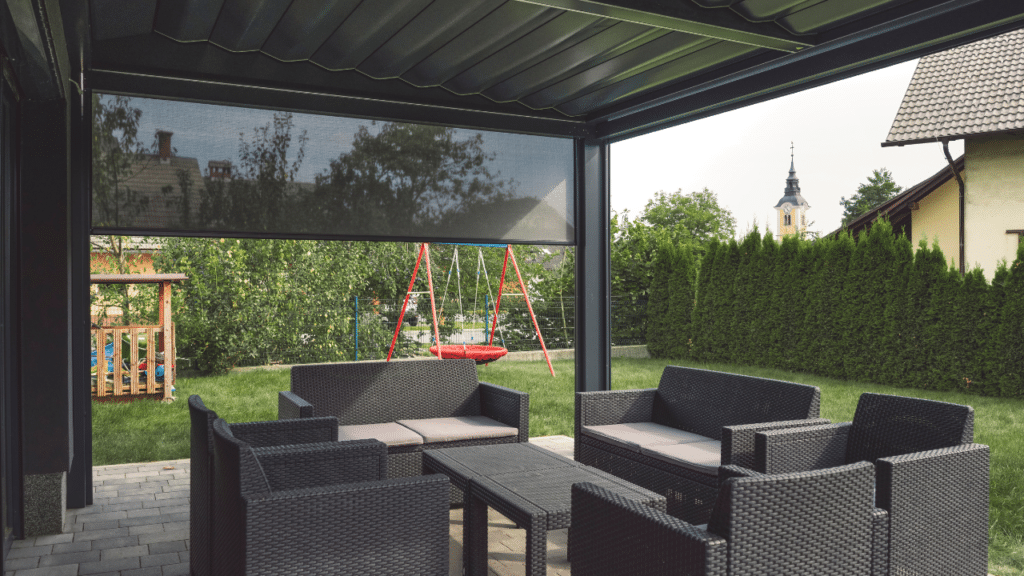
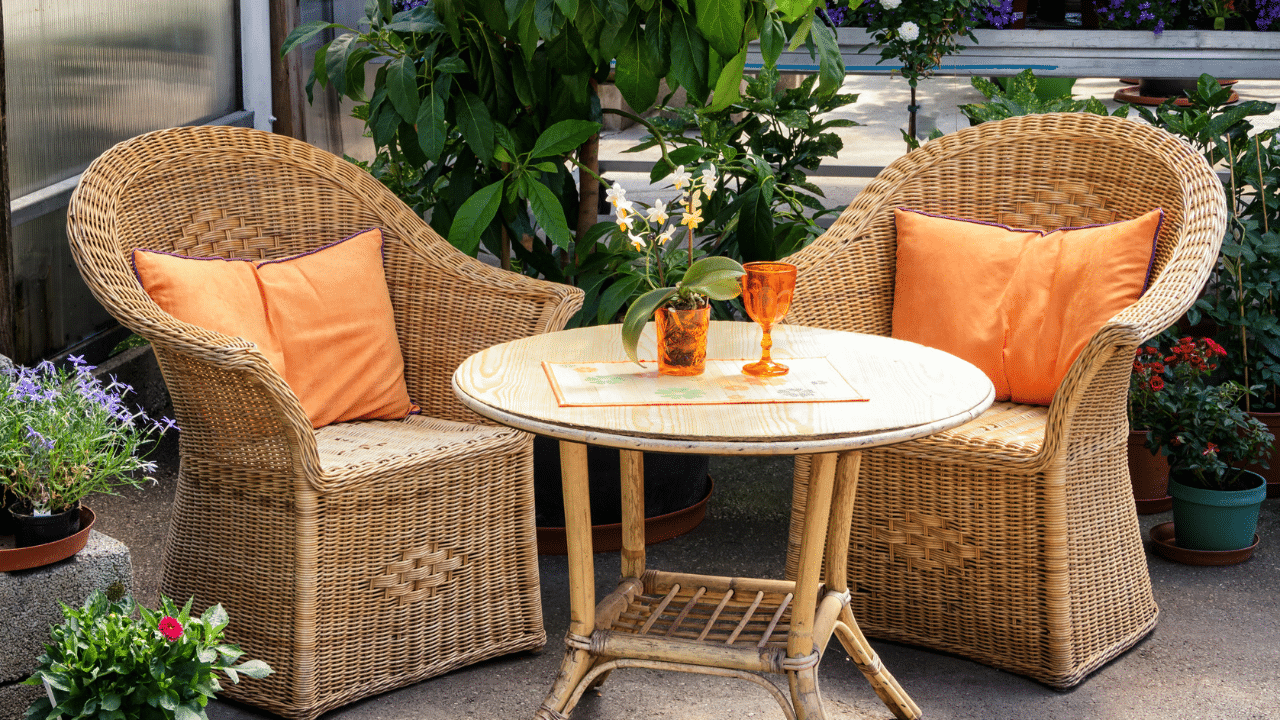
Wicker is a collective term for woven materials used to make furniture. Originally, it was made from natural materials such as reed, rattan and willow branches. Today, we increasingly see synthetic variants, such as polyethylene, which are not only more durable but also more resistant to various weather conditions.
What makes wicker so popular for garden furniture? The answer lies in the unique combination of aesthetics and functionality. Wicker has a timeless charm and a natural appearance that fits perfectly into any garden or patio. Whether you choose a complete lounge set, a couple of comfortable garden chairs or a trendy hanging chair, wicker always adds a touch of elegance and comfort.
Furthermore, wicker is incredibly versatile. It can easily be shaped into different styles and designs, making it suitable for both classical and modern outdoor spaces. Additionally, it's lightweight, allowing you to easily move your furniture around to rearrange your outdoor space again and again.
The characteristics/properties of wicker
We've listed a number of important properties for you:
- Durable: Wicker, especially the synthetic variety, is resistant to various weather conditions and has a long lifespan.
- Low maintenance: Dust and dirt can be easily removed, and the material is resistant to mould and rot.
- Lightweight: Wicker furniture is easy to move, which is handy for rearranging or storing.
- Design flexibility: The material can be woven into all sorts of shapes and styles, from classic to modern.
- Comfort: The natural flexibility of wicker provides a comfortable, slightly springy seating, often complemented by thick cushions.
- Aesthetics: Wicker has a warm, organic appearance that gives any garden or patio an elegant and relaxing atmosphere.
- Environmentally friendly: Natural wicker is biodegradable, and many synthetic variants are produced in an environmentally friendly manner.
- Weather-resistant: Wicker, especially synthetic, is resistant to UV rays and rain, allowing it to retain its colour and quality in various weather conditions.
How do you maintain wicker?
Wicker garden furniture gives your garden a stylish and comfortable appearance, but how do you keep it looking tip-top? Here are a few simple and easy tips!
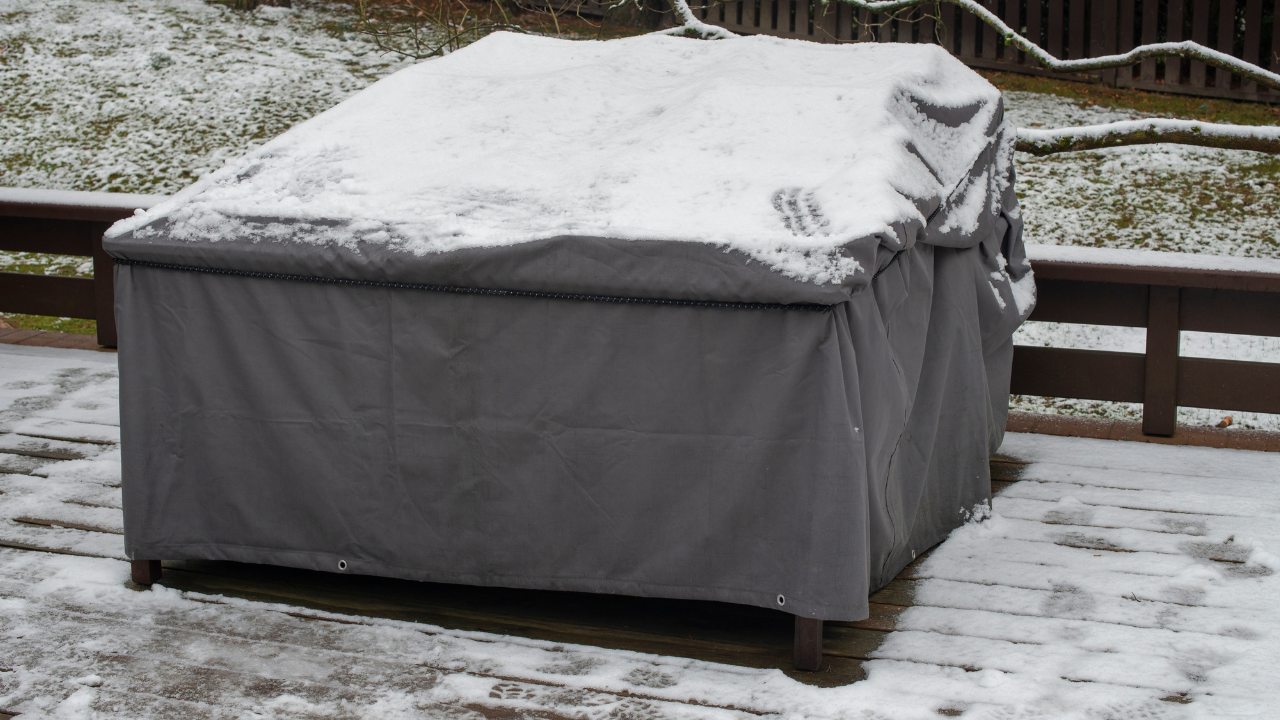
Protect your furniture with covers when you're not using them for long periods, such as in winter. This extends their lifespan and keeps them looking as good as new.
Temperature fluctuations can cause the wicker to come loose. No need to panic! Simply push it back in and use strong superglue to secure it extra firmly. Easy as pie!
Don't place your furniture too close to heat sources like a barbecue. And when it really gets hot, give your furniture a refreshing spray with the garden hose.
How do you clean wicker garden furniture?
Wicker garden furniture gives your outdoor space a stylish look, but it needs to stay clean, of course. Fortunately, cleaning wicker furniture is a piece of cake! Here are a few quick tips to keep your furniture sparkling.
Start with a soft brush or vacuum cleaner with a brush attachment to remove dust and dirt from your furniture. This prevents dirt from accumulating in the crevices of the weave.
For a thorough cleaning, make a mixture of mild soap and warm water. Dip a soft brush or sponge into the soapy water and gently scrub the weave. Then rinse with a garden hose to remove all soap residue. Allow the furniture to dry completely before using it again.
Struggling with stubborn stains? No problem! Make a solution of vinegar and water, apply it to the stain and gently rub with a cloth. For really tough stains, you can add some baking soda to the mixture.
If you notice that the wicker is coming loose due to temperature fluctuations, you can easily tuck it back in or wrap it up. Use strong superglue to secure it extra firmly. This repairs the damage immediately and ensures your furniture looks like new again. Enjoy your beautiful outdoor space!
Our advice for winter
Wicker garden furniture is completely weather-resistant and can stay outside all year round, regardless of the weather. Rain, sun, wind and winter weather have no impact on the material. For a longer lifespan, we recommend keeping the furniture clean and covering it in winter.
Can intense sunlight damage wicker garden furniture?
Wicker garden furniture is not only stylish and comfortable, but also popular because it's low maintenance. However, it's good to know that prolonged exposure to intense sunlight can cause damage. UV radiation can attack the colour pigment over time, causing the wicker to fade or discolour unevenly. The plastic material can also dry out, become brittle or lose its shape.
Fortunately, you can easily prevent this. Preferably choose high-quality UV-resistant wicker garden sets, such as those you'll find at Boender Outdoor. Additionally, use a protective cover or place your garden set under a parasol or canopy when you're not using it for long periods. This way, you'll extend its lifespan and keep your garden furniture looking as good as new for years to come.
Read also: Rope vs. wicker lounge set: what's the difference?