
If you're shopping for garden furniture, you'll come across the word wicker everywhere: wicker lounge sets, wicker garden chairs, wicker tables. But what is wicker, really? The answer surprises many people: wicker isn't a material, it's a way of weaving. In this guide you'll read what wicker is, what modern outdoor wicker is made of, which types of weaving strand exist, what frame sits underneath, and what the pros and cons are. With examples from our range, so you can see straight away in the product information what you're buying.
In short: wicker is a weaving technique. Outdoor wicker is plastic weaving strand, usually polyethylene (PE), wrapped around a frame of aluminium or steel. You'll see the types listed in the specifications as half-round, flat, L-shape or round: that mainly determines the look. Also check the frame underneath and read the product information using the checklist.
What is wicker?
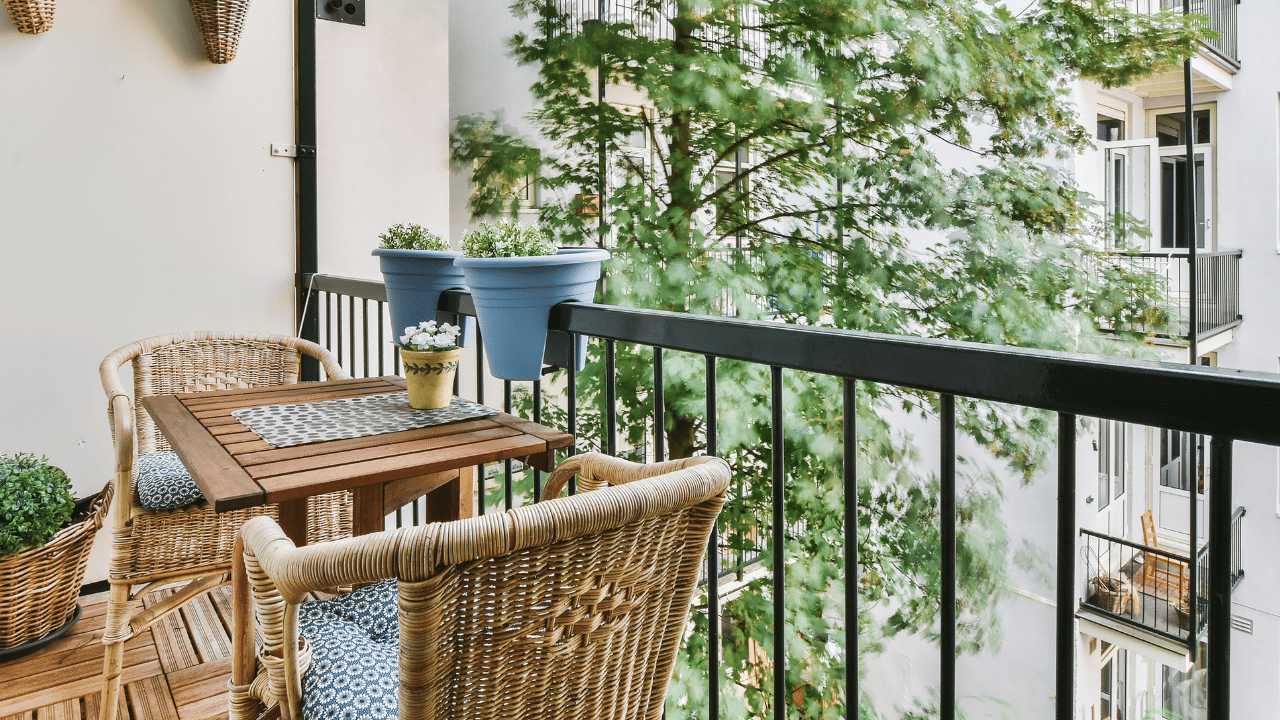
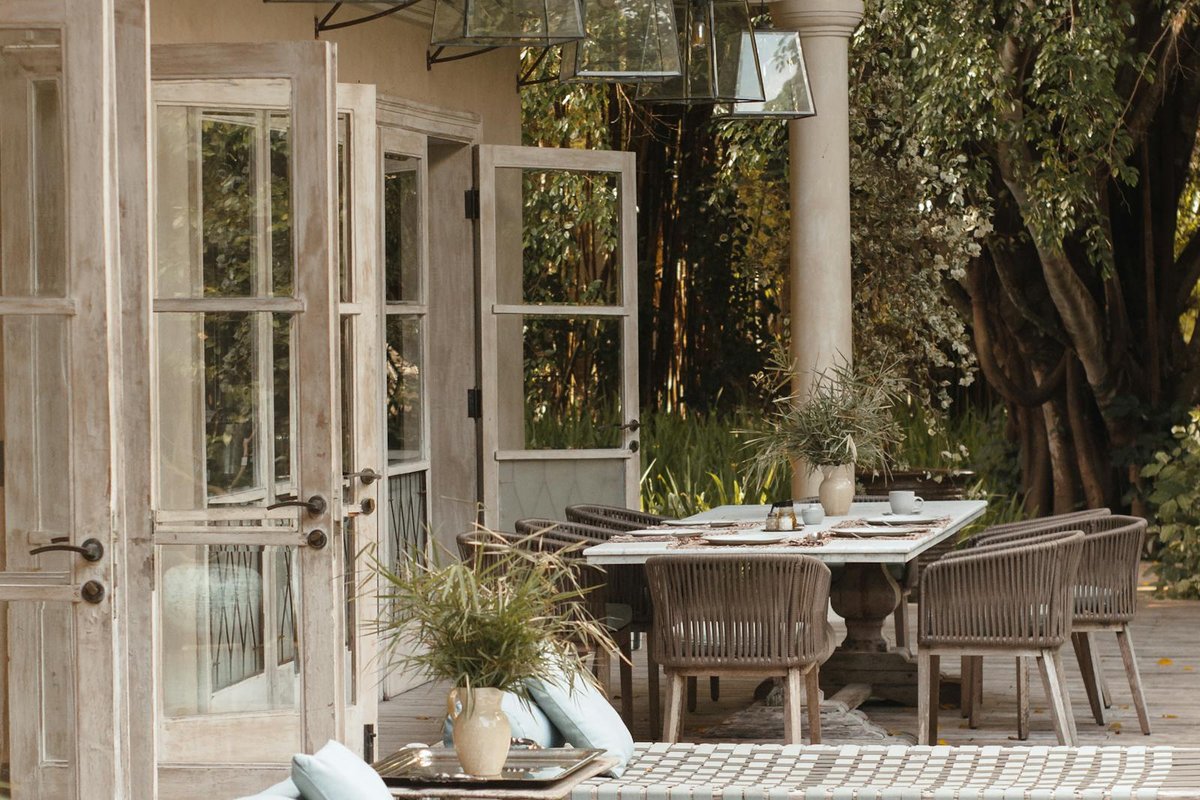
Wicker is the name for woven furniture and for the weaving itself. Long, flexible strands are woven around and through a frame until a sturdy seat, backrest or table edge takes shape. The technique is centuries old: baskets, chairs and benches have been made this way for a very long time.
In the past, weaving was done with natural materials such as rattan, reed and willow. A wicker chair can therefore be made of rattan, but it doesn't have to be. That's also why the words wicker and rattan get mixed up in shops. You can read exactly how that works in the difference between wicker and rattan. The natural product itself is covered in what is rattan.
Rattan is what you weave with, wicker is how you weave. So don't look at the name in the product information, look at the material of the weaving strand and the frame.
Plastic wicker: the wicker of today
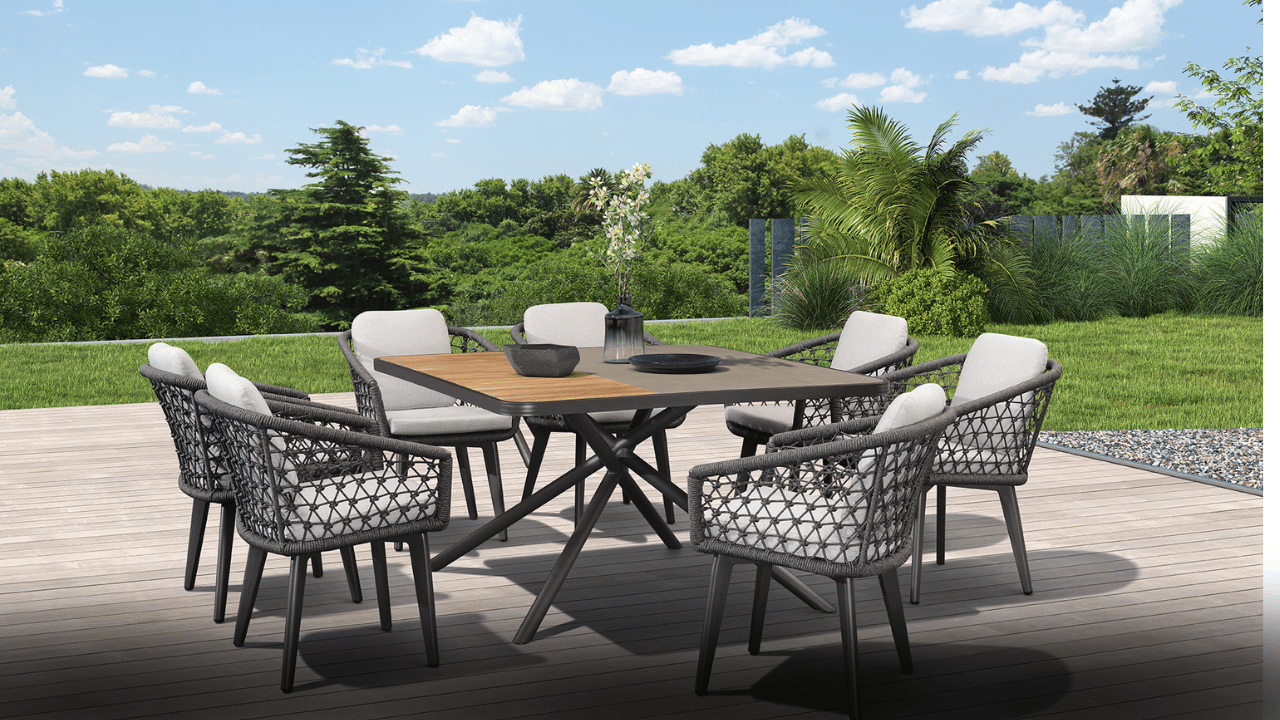
Natural weaving materials absorb moisture and dry out in the sun. For garden furniture that stays outside, plastic weaving strand is therefore used. This is usually polyethylene, or PE for short. You'll also see it called PE wicker, plastic rattan or polyrattan: it's all the same idea.
- Woven around a frame: the plastic strand is woven around a frame of aluminium or steel. For many models the product information states that this is done by hand.
- Colour in the strand: plastic wicker doesn't need to be painted, oiled or varnished. Colour names such as vintage willow or organic grey are the manufacturer's names; the specifications often use a simpler description, such as "Weave colour: Mid brown".
- Weave: in the specifications the woven part is often called the weave. If you see "Weave material: Wicker", it refers to the woven part, not the frame.
Not all plastic wicker is the same. The thickness and quality of the strand, and how tightly the weaving sits around the frame, make a big difference to how it looks after a few seasons. You can read why weaker wicker wears out faster in wicker broken? causes and repairs.
Types of wicker
The type of wicker is about the shape of the weaving strand. In the product information this is often listed as "Wicker type". The shape mainly determines how the weave looks and feels. Below are the types you'll come across in the specifications, with examples available to buy.
| Type of wicker | How it looks | Where to find it |
|---|---|---|
| Half-round | Rounded strand, full and classic | Tennessee, Veracruz |
| Flat | Flat strand, finer and sleeker | Margriet |
| L-shape | Angular profile, robust | Menorca |
| Round | Round strand, looks like rattan | Currently not available |
| "2- half" | Not further described | Orangebird, Blue Bird |
Half-round wicker
Half-round wicker has a rounded outer surface. This gives you a full weave pattern with depth, which is reminiscent of classic rattan. You'll see it a lot on lounge and dining furniture in warm brown tones, such as the Tennessee bench, the Veracruz lounge chair and the Tennessee lounge-dining table, where half-round wicker is wrapped around an aluminium frame.
Flat wicker
Flat wicker is a flat, wider strand. The weave lies smooth and tight against itself and looks finer and calmer. An example is the Margriet dining garden chair, with flat wicker in mid brown around a steel frame.
L-shape wicker
L-shape wicker has an angular profile, like the letter L. This gives the weave more relief and a robust appearance. In the product information for the Menorca lounge armchair, it literally states that the hand-woven L-shape wicker gives the chair "a robust appearance".
Round wicker
Round wicker is a completely round strand. It looks most like the weave of natural rattan and gives a traditional look. At the moment there is no piece of furniture in our available range where round wicker is listed as the type in the specifications.
And "2- half"?
For some models the specifications say "Wicker type: 2- half", without further explanation. For the Orangebird lounge garden chair, this entry appears next to a description of half-round plastic weave. If you're unsure what is meant, check the close-up photos or ask the retailer.

The frame under the wicker
You can see the weave, but not the frame. Even so, the frame determines how heavy a piece of furniture is and how well it copes with the weather. With outdoor wicker you'll come across two types of frame:
| Frame | Feature | Watch out for |
|---|---|---|
| Aluminium | Light, doesn't rust | Often with powder coating |
| Steel | Heavier, sturdy | Coating must stay intact |
Most wicker furniture in our range has an aluminium frame, such as the Tennessee, Veracruz, Menorca and Orangebird. The Margriet dining garden chair has a steel frame with a protective e-coating. Steel rusts if the coating gets damaged, so it's better to lift such a chair than to drag it. You can read more about caring for aluminium in aluminium garden furniture maintenance.
Wicker from our range
To make the types more concrete, below you'll find four wicker pieces, each with its own type of weaving strand or frame. The specs come from the product information; you can see the current prices on the cards.
Tennessee 3-seater bench: half-round wicker
A lounge bench for 3 people with an aluminium frame and half-round wicker in mid brown. The seat depth is 65 cm, the seat height is 47 cm and the seat cushions with a Texfiber cover are 13 cm thick. The specifications list the bench as All Weather.
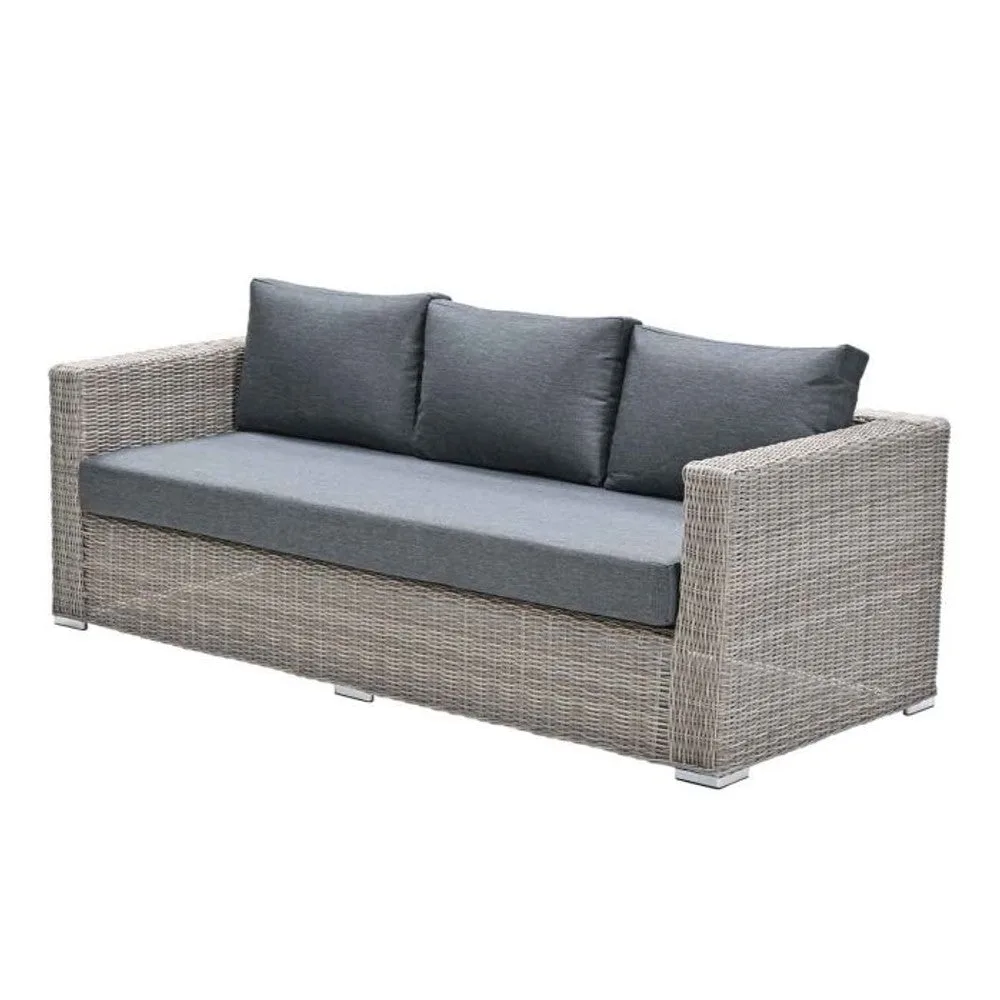
Tennessee 3-seater bench vintage willow
Veracruz lounge chair: half-round wicker with footstool
An adjustable lounge chair with a powder-coated aluminium frame and half-round wicker in vintage willow. The backrest is infinitely adjustable with a gas spring, and the footstool is made from the same wicker as the chair. The seat is 59 cm wide and 65 cm deep.
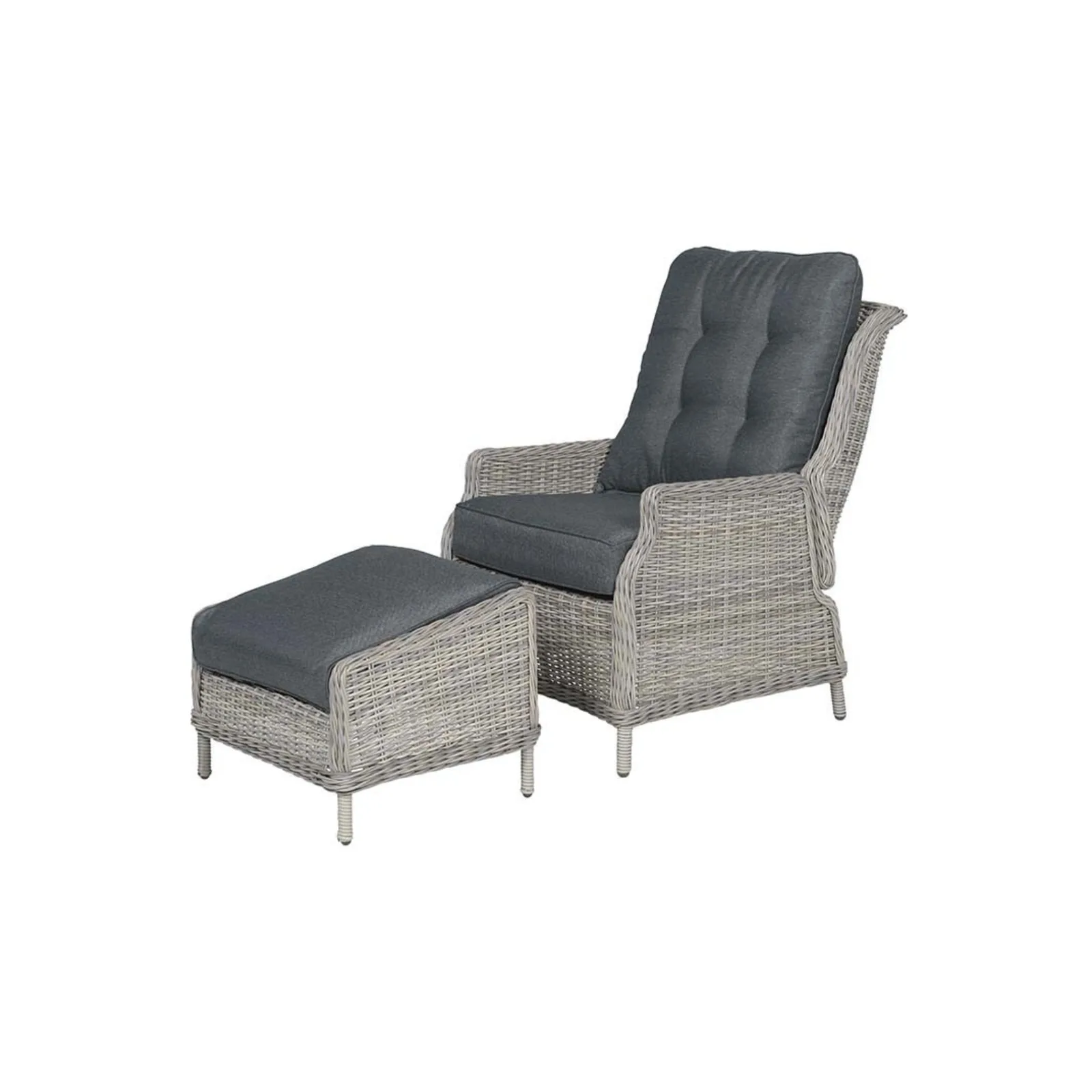
Veracruz lounge chair with footstool
Margriet dining garden chair: flat wicker on steel
A dining garden chair with a retro look. The seat and backrest are finished in plastic flat wicker in mid brown, and the frame is steel with a protective e-coating in carbon black. The seat height is 45 cm, and you get back and seat cushions in mid grey included.
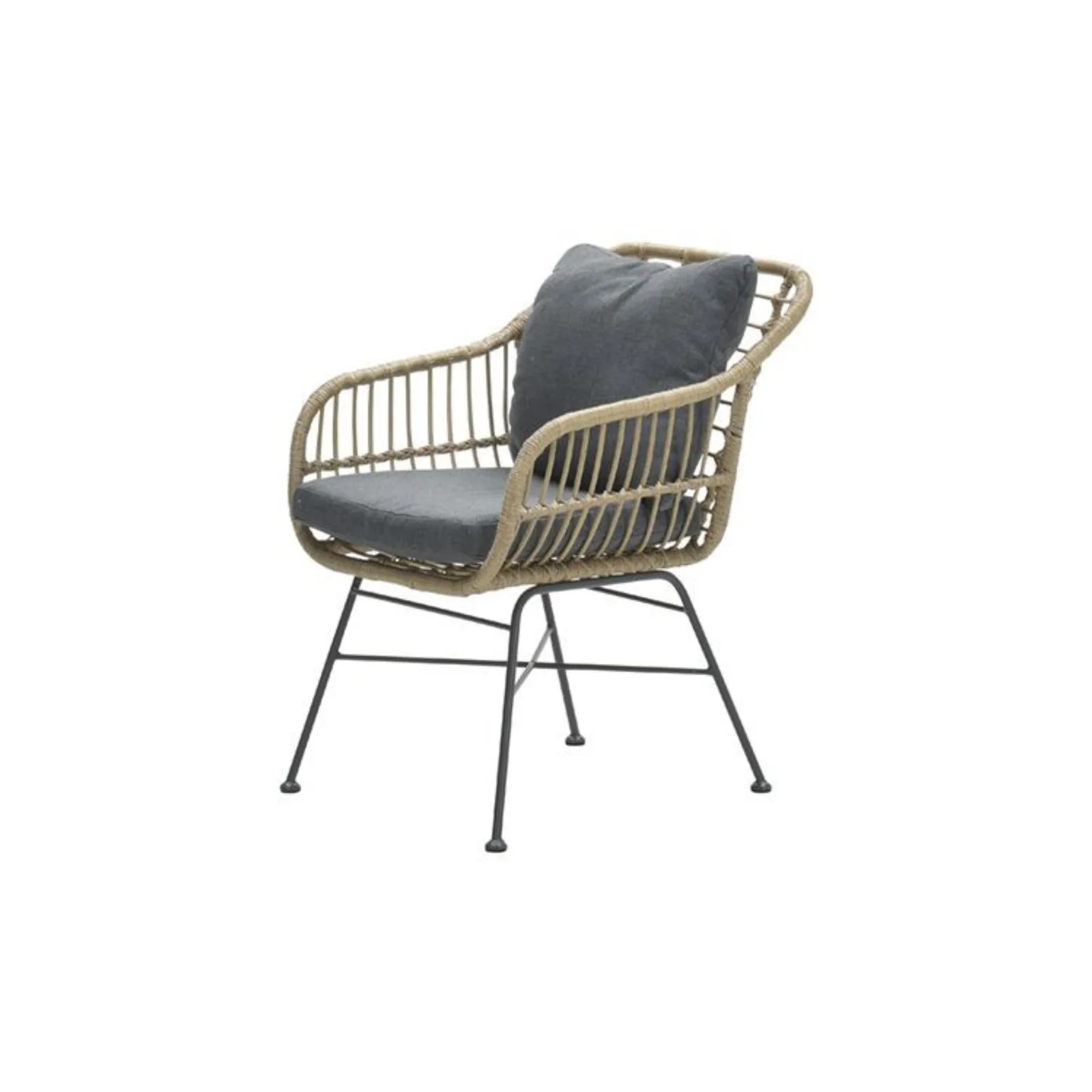
Margriet dining garden chair carbon black
Menorca lounge armchair: L-shape wicker
A lounge armchair with a lightweight aluminium frame and hand-woven L-shape wicker in light grey. The cushions have a PU coating, which makes them dirt- and water-repellent. The seat height is 44 cm.
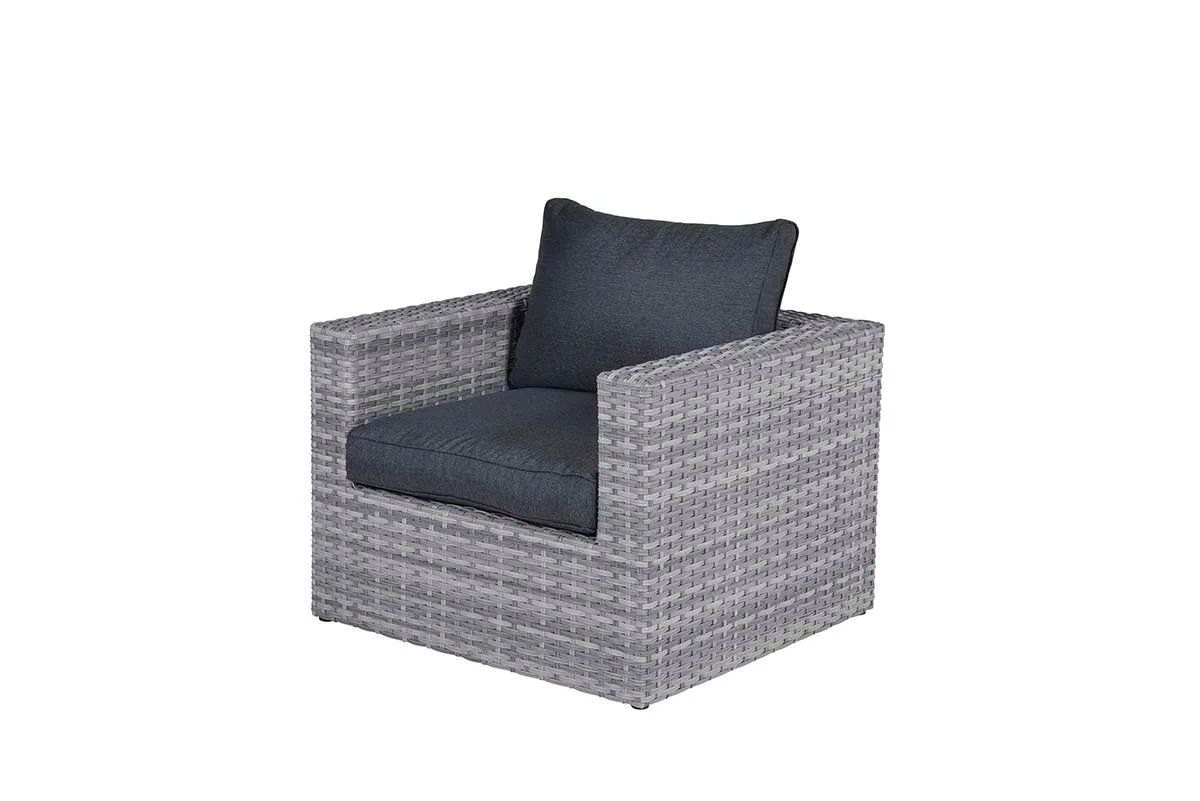
Menorca lounge armchair cloudy grey
Also worth a look:
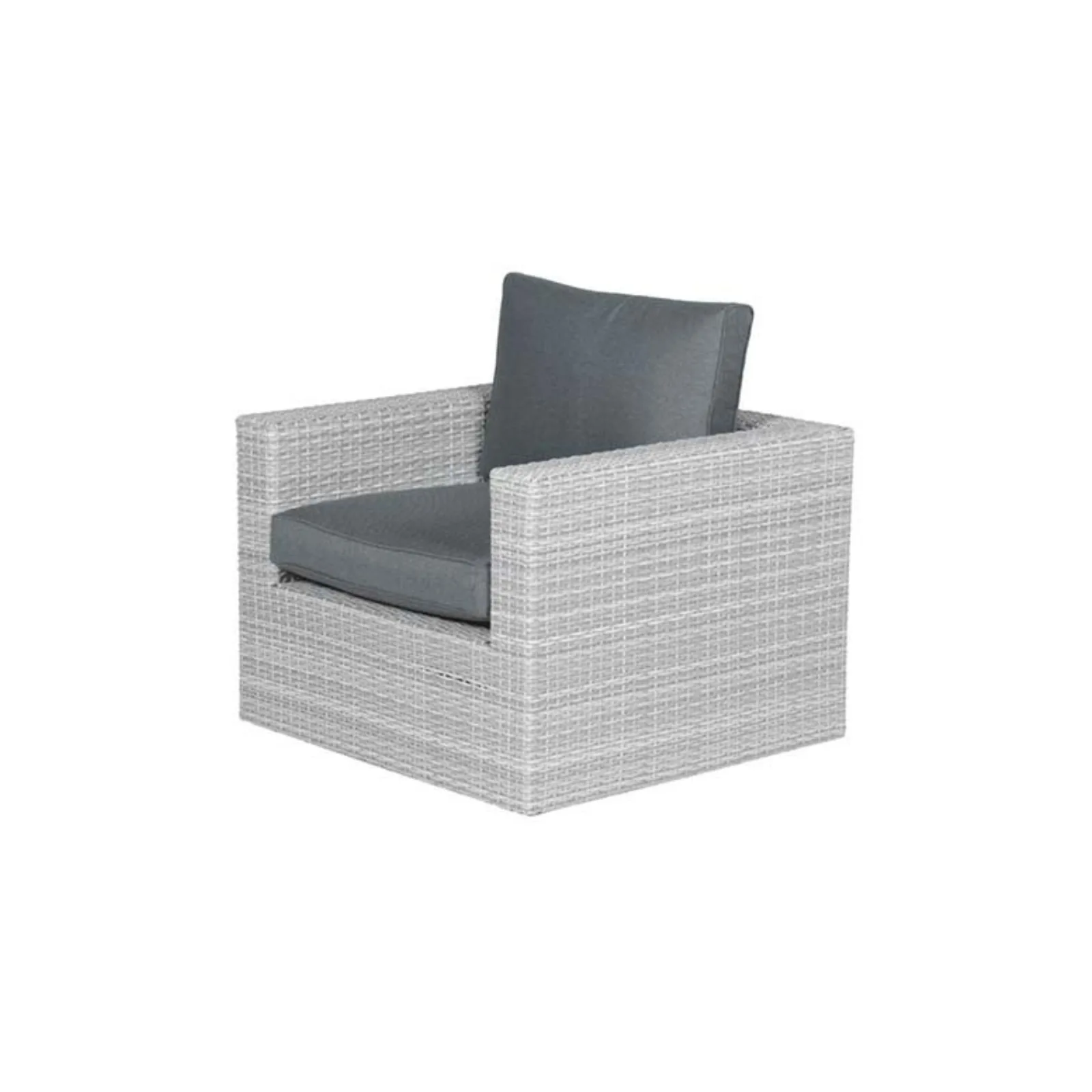
Orangebird lounge garden chair
View chair →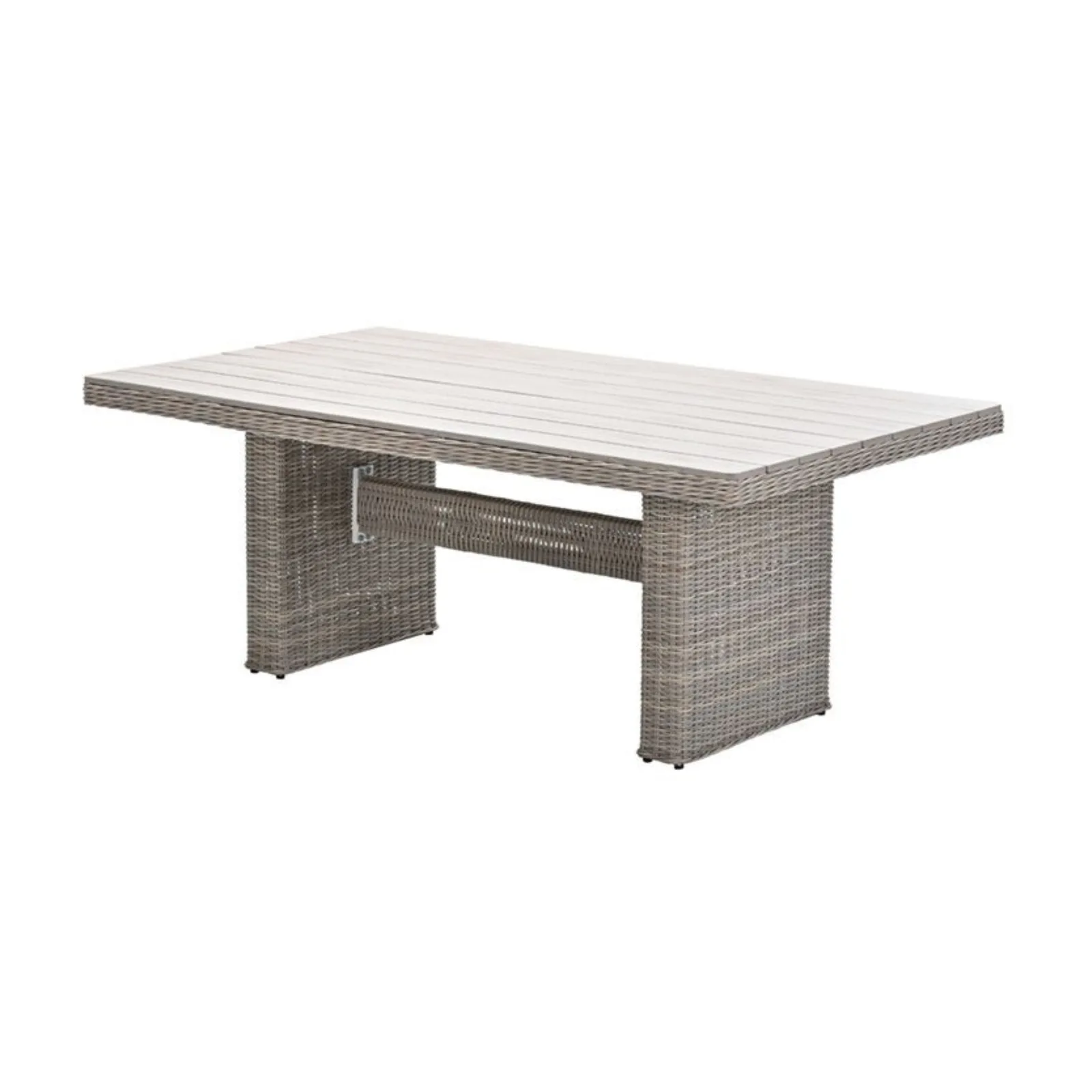
Tennessee lounge-dining table
View table →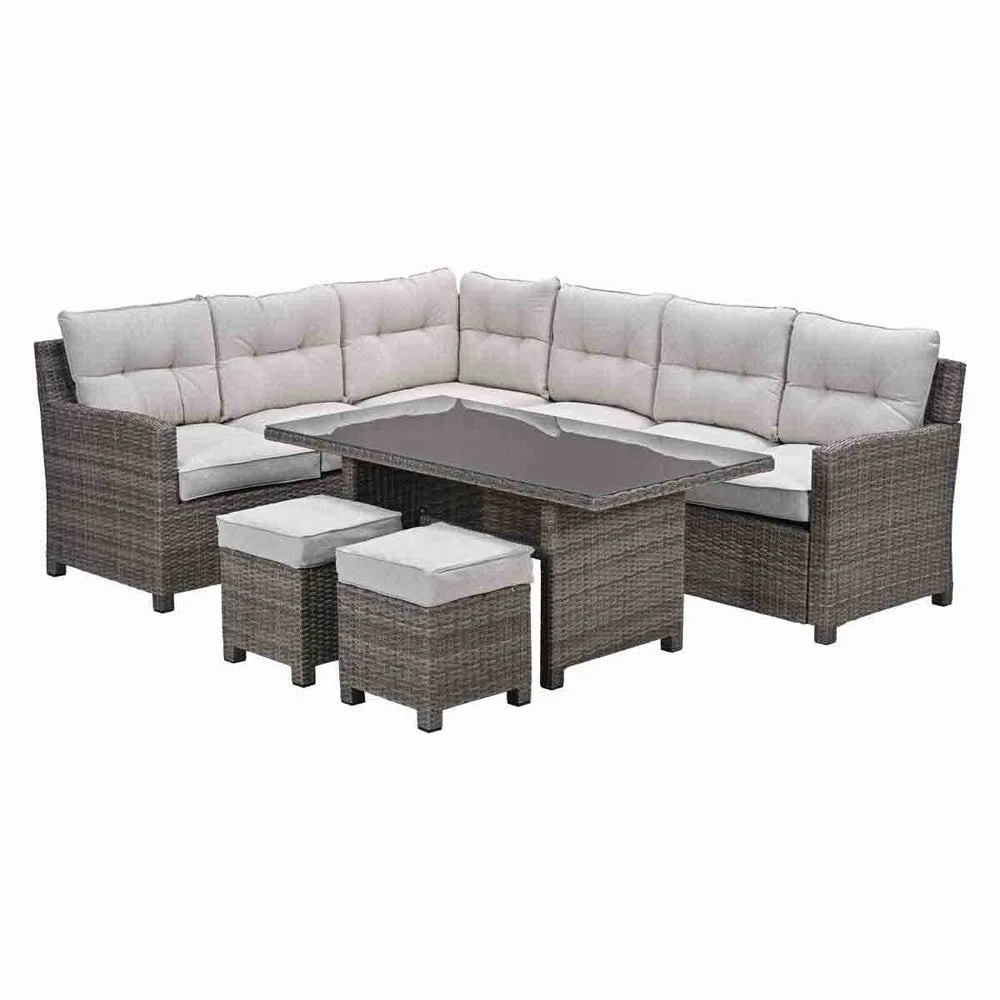
Blue Bird lounge-dining set
View set →Or browse all wicker garden chairs, wicker lounge sets, wicker garden tables and lounge benches. Still not sure which piece of furniture or material suits you? Our selection guide will get you on your way in a minute.
Pros and cons of wicker
Plastic wicker is popular, but it isn't the best choice for everyone. Put the pros and cons side by side.
Advantages of plastic wicker
- Can handle rain, unlike natural rattan
- No oil, stain or varnish needed
- Light and easy to move thanks to an aluminium frame
- Warm, natural look with a visible weave pattern
- Wide choice of weaving strand: half-round, flat or L-shape
Disadvantages of wicker
- Dirt in the gaps: sand, leaves and bird droppings get stuck in the weave. A soft brush is therefore a must.
- Sun and cold: after years of sun and cold, plastic wicker can fade and become stiffer. Shade and a breathable cover out of season help.
- Vulnerable at one point: sitting on armrests or dragging a chair over tiles puts strain on the weave in one spot.
- Cushions needed for comfort: without cushions, wicker is firm. With lounge furniture, comfort depends mainly on the cushions.
Torn between wicker and rope? Rope or wicker lounge set explains how they differ in comfort, maintenance and look.
Checklist: how to read the product information
These points will quickly show you what kind of wicker you're buying. Tick them off as you go through the specifications.
- Does the wicker say plastic or PE, or is it natural rattan?
- Which wicker type is listed in the specifications: half-round, flat, L-shape or round?
- Is the frame aluminium or steel, and is it coated?
- Do the close-up photos show a tight, even weave?
- Is there a weave colour listed that suits your other furniture?
- What does the manufacturer advise for winter: leave outside or store dry?
- Are the cushion covers water-repellent and removable?
Common mistakes
Going by the name alone
A "rattan" lounge set in a shop is almost always plastic wicker. Look at the specifications for the weave and frame, not the product name.
Putting natural weave outside
Rattan, reed and willow absorb moisture and dry out in the sun. They belong indoors or under a dense canopy. Read how to maintain rattan garden furniture.
Thinking wicker needs no attention
Low maintenance isn't no maintenance. Dirt that stays in the weave and damp cushions under a closed cover lead to stains and mould.
Matching with what you already have
If you're adding a chair or bench, look at the type of wicker and the colour of the weave. Half-round and flat wicker side by side stand out more than you might think.
Maintenance in brief
Plastic wicker should be wiped dry regularly during the season, and given a clean in spring and autumn with lukewarm water, a mild soapy solution and a soft brush. Then let it dry thoroughly and store the cushions somewhere dry. The full step-by-step plan for each season is in how to maintain wicker garden furniture. For winter, a breathable protective cover is a good investment. If a strand has come loose, read how to repair wicker yourself.
Frequently asked questions
Is wicker a material?
No. Wicker is a weaving method: strands woven around a frame. In the past, rattan, reed or willow was used for this. Today's garden furniture almost always uses plastic weaving strand, usually polyethylene (PE), around an aluminium or steel frame.
What types of wicker are there?
In product information you mainly see half-round, flat and L-shape wicker, and sometimes round. Half-round gives a full, classic weave pattern, flat gives a sleeker and finer pattern, and L-shape gives a sturdy, angular look. The type is usually listed in the specifications as "Type wicker".
What is the difference between PE wicker and rattan?
Rattan is a natural material from a climbing palm and should be kept indoors or in a covered spot. PE wicker is plastic weaving strand that resembles rattan but can withstand rain. In shops, PE wicker is often also called plastic rattan or polyrattan.
Can wicker stay outside all year round?
Plastic wicker around an aluminium frame can handle rain, but sun and cold will make the weave stiffer over time. Follow the advice in the product information: for many models this says to store them dry in winter or cover them with a breathable cover. Always store cushions dry.
What frame is under wicker garden furniture?
Usually aluminium, as with the Tennessee, Veracruz and Menorca. It is lightweight and does not rust. Some chairs have a steel frame, such as the Margriet dining garden chair with a protective e-coating. Steel is heavier, so an intact coating is important to prevent rust.