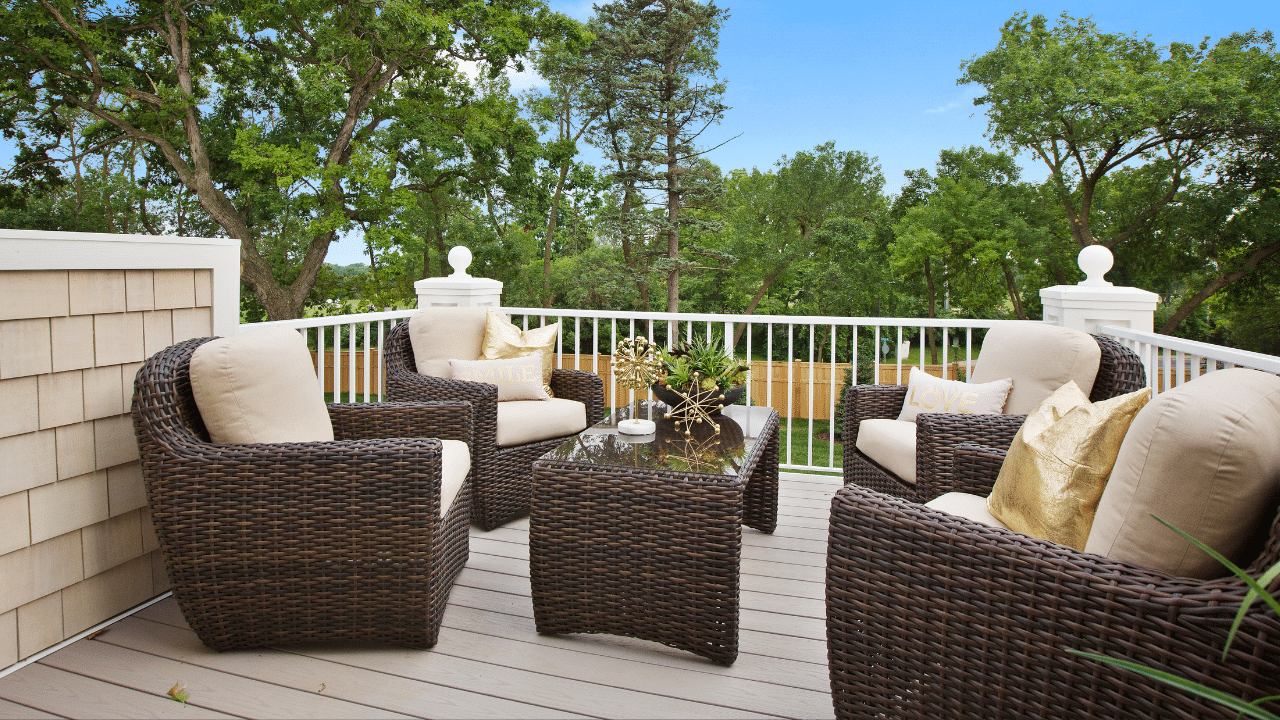

Rattan garden furniture is not only stylish, but also durable and perfect for any garden. However, rattan does require some extra love and attention to keep it looking beautiful. In this blog post we share all the tips and tricks to keep your rattan furniture in top condition! Whether you're dealing with cleaning, protecting against the elements or tackling wear and tear, we'll explain step by step how to do this best. Read on and enjoy your beautiful rattan garden set for even longer!
How do you clean rattan garden furniture?
Cleaning rattan furniture is essential to keep it looking beautiful and in good condition. Fortunately, it's not difficult, but it does require the right approach to prevent damage. Below you can read step by step how to safely clean your rattan furniture.
Step 1: Remove dust and dirt
Start by removing loose dirt such as dust and leaves. Use a soft brush or a vacuum cleaner with an upholstery attachment for this. This ensures that the dirt doesn't get into the fibres of the rattan and damage them. Brush gently along the crevices and seams, where dirt often accumulates.
Step 2: Make a mild cleaning solution
Use a mixture of lukewarm water and a little mild soap, such as green soap or washing-up liquid. Strong cleaning products or harsh chemicals can dry out or discolour the rattan, so avoid these. Make sure the solution isn't too foamy, as too much soap can be difficult to rinse out.
Step 3: Clean with a soft cloth
Dip a soft cloth in the soapy solution, wring it out well so it's damp but not too wet, and then gently clean the rattan. Make sure you cover each surface, but avoid soaking the rattan. Too much water can weaken the material.
Step 4: Use a toothbrush for difficult spots
For hard-to-reach corners and crevices, where the brush can't reach, use an old toothbrush. With small, gentle movements you can remove the dirt without damaging the rattan.
Step 5: Rinse with clean water
After cleaning with the soapy solution, take a fresh clean cloth, dip it in clean water and wipe away all soap residue. Make sure no soap is left behind, as this can cause discolouration over time.
Step 6: Let it dry thoroughly
Dry the rattan furniture with a dry, soft cloth and then let it air dry further. Place the furniture in a spot where it can ventilate well, but avoid direct sunlight, as this can dry out the rattan and make it brittle. Never let the furniture dry completely in the sun or in a humid environment, as this can damage the material.
Bonus Tip: Use a little linseed oil
To maintain the lustre and flexibility of the rattan, you can apply a thin layer of linseed oil after cleaning. This prevents drying out and keeps the material supple.
Prefer a ready-made product? A garden furniture cleaner suitable for almost all materials works just as well on rattan as on wicker, wood or plastic.

Garden Furniture Cleaner 650ml
With these steps, your rattan furniture will remain clean, fresh and beautiful, ready to be enjoyed for many more years!
Protection against the elements
Rattan garden furniture is beautiful and gives your garden or terrace a stylish, natural appearance. But because rattan is a natural material, it can be vulnerable to the elements. Rain, sun, cold and moisture can damage the material over time if you don't take precautions. In this guide you'll learn how best to protect your rattan garden furniture against the elements, so you can enjoy it for many years to come.
Curious about how to restore weathered rattan? Read this article!
Are rattan garden furniture weatherproof?
Rattan garden furniture is naturally not fully weatherproof. Natural rattan doesn't fare well with prolonged rain, harsh sunlight and frost. Without protection, the material can dry out, develop mould or become brittle.
If you want to make your rattan garden furniture weatherproof, you can do this by:
- Using breathable, waterproof furniture covers.
- Placing furniture preferably under a shelter or protected spot.
- Treating natural rattan regularly with linseed oil or a protective spray.
- Consider synthetic rattan (polyrattan) if your furniture stays outside all year round: that is almost completely weatherproof.
1. Protection against rain and moisture
Although rattan is reasonably resistant to light moisture, prolonged exposure to rain can weaken the fibres and cause mould. Here are a few tips to protect rattan furniture from moisture:
- Use furniture covers: Make sure you have sturdy, waterproof covers for your rattan furniture. This protects them from rain, as well as from dust and dirt when not in use.
- Place furniture under a shelter: If possible, place your rattan garden set under a shelter or in a protected spot. This reduces direct exposure to rain and other weather conditions.
- Avoid direct contact with the ground: Ideally place rattan furniture on a hard surface, such as tiles, rather than on grass or earth. This prevents moisture from the soil being drawn into the furniture, which can cause mould.
2. Protection against sun and heat
Although rattan is naturally resistant to sunlight, prolonged exposure to the sun can dry out the material and make it brittle. Follow these tips to protect your rattan furniture from UV damage:
- Place furniture in the shade: Try to place your rattan garden furniture in a shady spot. Direct sunlight can cause the rattan to lose its colour and dry out faster.
- Use UV-protective sprays: There are special sprays available that apply a UV-protective layer to your furniture. This can help prevent discolouration and drying out by the sun. Make sure you choose a product that is safe for natural fibres such as rattan.
- Rotate your furniture: If it's difficult to keep your furniture out of the sun, consider moving or rotating them occasionally. This way, not the same parts are constantly exposed to direct sunlight.
Want to make it easy for yourself? A suitable garden furniture protector applies a UV- and moisture-resistant layer in one step that works just as well on rattan as on most other garden furniture materials.

3. Protection against cold and frost
Cold temperatures, especially frost, can make rattan stiff and brittle, making it easy to break. Here are some tips to protect rattan furniture in winter:
- Store indoors in winter: The best thing you can do is bring your rattan furniture indoors during the cold months. A dry garage, shed or storage room is ideal for protecting them from winter cold.
- Use winter covers: If you don't have indoor storage, use special winter covers that protect against both cold and moisture. Make sure the cover ventilates well to prevent mould formation.
- Ensure a dry storage location: If you must leave the furniture outside, make sure it's in a dry, elevated spot and covered. Moisture and cold together can cause considerable damage to the material.
4. Regular maintenance for protection
Besides taking protective measures, regular maintenance is essential to keep rattan furniture looking good, especially if it's exposed to changing weather conditions.
- Treat rattan with linseed oil: As with cleaning, you can occasionally treat rattan furniture with a thin layer of linseed oil. This helps keep the fibres supple and protected against drying out.
- Inspect for damage: Regularly check your furniture for signs of wear and tear, such as loose fibres or small cracks. Repair these immediately to prevent further damage.
5. Consider synthetic rattan as an alternative
If you live in an area with lots of changing weather conditions, considering synthetic rattan might be a good option. This material looks like natural rattan, but is much more resistant to rain, sun and cold. It requires less maintenance and often lasts longer under extreme conditions.
Maintaining rattan in winter
When the cold months approach, it's important to pay extra attention to your rattan garden furniture. Rattan is a natural material and can be vulnerable to frost, moisture and temperature fluctuations. Without proper care, your furniture can dry out, become brittle or even crack. In this guide you'll learn everything you need to know about maintaining rattan in winter, so you can enjoy it again in spring.
1. Storing indoors is best
The very best way to protect rattan furniture in winter is to store it indoors. Cold temperatures and moisture can damage the material, especially if the furniture is exposed to winter conditions for a long time.
- Store in a dry location: Place your rattan furniture in a garage, shed or other dry spot where it's protected from the cold and moisture. It's important that the space is well ventilated to prevent mould formation.
- Use blankets or cloths: If you don't use a cover, you can cover your rattan furniture with old blankets or cloths. This provides extra protection against dust and minor damage.
2. Leaving outside? Use winter covers!
If you don't have the option to store your furniture indoors, using winter covers is a good alternative. Make sure you choose quality, breathable covers, specifically designed for garden furniture.
- Waterproof and breathable covers: It's crucial that the cover is waterproof, but at the same time allows sufficient air circulation. This prevents moisture from becoming trapped under the cover, which can lead to mould and rot.
- Place furniture on a raised platform: If your furniture remains outside, ensure it doesn't come into direct contact with the ground. Place it on wooden blocks or another platform, so rainwater doesn't collect under the furniture and moisture from the ground doesn't affect them.
3. Give it a thorough cleaning
Before you pack away or store your rattan furniture, it's important to clean it thoroughly. Dirt and dust that remains can cause mould formation or damage the material.
- Clean with mild soap: Use a soft cloth and a mixture of lukewarm water and mild soap to thoroughly clean the furniture. Make sure you remove dirt from the joints and crevices with a soft brush or an old toothbrush.
- Let it dry completely: After cleaning, allow the furniture to dry completely before storing it or covering it. It's important that no moisture is left in the rattan, as this can cause mould or rot in winter.
4. Protection against cold and frost
Frost can make rattan stiff and vulnerable, making it more likely to break or crack. Natural rattan in particular is sensitive to extreme cold. Follow these tips to protect your furniture:
- Avoid direct frost contact: If your furniture must remain outside, ensure it's not in direct frost. A sheltered spot such as under an awning can help reduce direct cold and precipitation.
- Use oil: To give rattan extra protection against drying out from cold, you can apply a thin layer of linseed oil to the material. This helps keep the fibres supple and prevents them from becoming brittle.
5. Regular inspection during winter
Even if you've stored or covered your rattan furniture well, it's wise to check on it occasionally throughout the winter. This way you can address problems such as moisture accumulation or mould in an early stage.
- Ventilate the storage space: If your furniture is stored indoors, ensure good ventilation in the space. This helps reduce moisture and prevents mould from forming on the furniture.
- Check for mould: Every few weeks, check whether there are signs of mould, especially in the corners and seams of the furniture. If you do find mould, treat it immediately by removing it with a mixture of water and white vinegar.
6. Using synthetic rattan in winter
If you live in a region with harsh winters, considering synthetic rattan might be a smart choice. Synthetic rattan is made from plastic fibres and is more resistant to weather conditions such as cold, moisture and rain. It requires less maintenance in winter, but can still provide the same appearance as natural rattan.
Curious about how to clean plastic garden furniture? Read this article!
Solving wear and tear and cracks
Even with good maintenance, rattan can show signs of wear and tear and small cracks over time. Fortunately, you don't have to buy new furniture immediately when this happens. With the right care and a few simple repairs, you can restore your rattan furniture and significantly extend its lifespan. In this guide, we show you how to detect, repair and prevent wear and cracks in rattan furniture.
1. Inspect your furniture regularly
Before you start repairing, it's important to thoroughly inspect your furniture for signs of wear and cracks. This helps you discover problems early, making repairs simpler.
- Watch for loose fibres: One of the first signs of wear in rattan is loose fibres or splitting of the material. If this is noticed early, there's a better chance you can prevent further damage.
- Check the tension of the weave: Rattan is often woven in patterns. Watch whether the weave is still tight. Loose or sagging sections are signs that the fibres have worn or become looser.
2. Repairing small cracks
Small cracks in rattan can be easily repaired, especially if they're detected in an early stage. Here's a simple method to address minor damage:
- Use water to soften the material: Rattan is a natural material that becomes more flexible when wet. Start by lightly dampening the damaged area with a damp cloth or sponge. This makes the rattan flexible and prevents it from cracking further during repair.
- Linseed oil for repair and protection: After dampening the crack, apply a thin layer of linseed oil to the damaged area. This helps nourish the rattan and prevents drying out, making it less likely to break.
- Gently press the crack together: While the rattan is still damp, gently press the crack together to reshape it. Let the furniture dry in the shade so the rattan maintains its flexibility and doesn't dry out too quickly.
3. Restoring loose weaving
Loose or sagging sections of the weaving can affect the appearance and stability of your furniture. Fortunately, you can easily repair this yourself:
- Reweave loose strands: If a strand of rattan has come out of the weave, first dampen it lightly with water to make the material supple. Then try to reweave the strand into the pattern. Make sure it sits firmly.
- Use rattan repair cord: For larger damage or if rattan strands are missing, you can use special rattan repair cord. This cord is available in various colours and thicknesses so it matches your furniture. Dampen the cord lightly and weave it into the empty spots of the furniture.
- Finish with glue: After you've repaired the weave, you can apply a bit of wood glue to the ends of the strands to prevent them from coming loose again. Use transparent or rattan-coloured glue for the best finish.
4. Repairing larger cracks
With larger cracks or damage, a more intensive repair may be necessary. This can still be done at home, as long as you use the right materials and techniques:
- Remove damaged material: If a part of the rattan is severely damaged, you may need to remove the broken piece. Use scissors or a sharp knife for this. Carefully cut away the damaged sections, but be careful not to damage the surrounding weave.
- Replace rattan strands: Buy replacement rattan strands of similar thickness and colour to your furniture. Dampen the strands to make them flexible and weave them into the furniture's pattern so the damaged area is restored. Make sure the ends are secure.
- Finish and protect: After repair, apply a protective oil or varnish to strengthen and protect the new strands against future wear.
5. Preventing future damage
Prevention is always better than repair. By taking good care of your rattan furniture, you can prevent new wear and cracks. Here are some tips:
- Protect against extreme weather: Rattan is sensitive to both moisture and heat. Make sure your furniture is not exposed for long periods to rain, direct sunlight or frost. Use furniture covers or keep them inside during bad weather.
- Clean and oil regularly: Clean your furniture regularly with a damp cloth and apply a layer of linseed oil once a year to hydrate the fibres. This prevents the rattan from drying out and becoming brittle.
- Avoid heavy loads: Although rattan is sturdy, it can wear faster under heavy loading or rough handling. Avoid overloading your furniture and ensure the weight is distributed evenly.
The difference between natural and synthetic rattan
When choosing rattan furniture for your garden, you're often faced with a choice: do you go for natural or synthetic rattan? Both materials have their own characteristics, advantages and disadvantages. In this guide, we explain the difference between natural and synthetic rattan, so you can make an informed choice for your garden furniture.
1. What is natural rattan?
Natural rattan is a material that comes from the rattan palm, a tropical climbing plant that grows mainly in Southeast Asia. It's a sturdy, flexible and durable fibre that has been used for centuries to make furniture and baskets. Because it's a natural product, natural rattan has an authentic, warm appearance that contributes to a natural atmosphere in your garden or home.
Advantages of natural rattan:
- Aesthetic charm: Natural rattan has a beautiful, rustic and natural appearance. It looks handmade and organic, making it ideal for a rustic or boho-style garden.
- Environmentally friendly: Because it's a natural material, rattan is biodegradable and sustainable. With responsible harvesting, rattan can be an environmentally friendly choice.
- Lightweight and strong: Despite its light weight, rattan is surprisingly strong and can withstand daily use well.
Disadvantages of natural rattan:
- Vulnerable to the elements: Natural rattan is sensitive to moisture, extreme temperatures and UV radiation. Prolonged exposure to rain can lead to mould and rot, whilst sunlight can dry out and make the material brittle.
- Requires more maintenance: Natural rattan needs regular maintenance, such as cleaning and treating with oil, to keep it flexible and beautiful. You also need to protect it from bad weather with covers or by storing it indoors.
- Less suitable for outdoors: Whilst rattan can survive well in a sheltered garden, it's less suitable for outdoor furniture that remains outside all year round.
2. What is synthetic rattan?
Synthetic rattan, also called polyrattan or wicker, is made from plastic fibres specifically designed to resemble natural rattan. The biggest advantage of synthetic rattan is that it's weatherproof and requires minimal maintenance, making it an excellent choice for garden furniture.
Advantages of synthetic rattan:
- Weatherproof: Synthetic rattan is resistant to all weather conditions, from rain and snow to heat and UV radiation. The material doesn't rot, doesn't dry out and hardly discolours.
- Easy to maintain: Unlike natural rattan, synthetic rattan requires little maintenance. Occasional cleaning with a damp cloth is often sufficient to keep it in top condition.
- Durable and strong: Synthetic rattan is often stronger than natural rattan and can withstand intensive use better. It's also resistant to cracking and breaking.
- Suitable for outdoors: Because it's resistant to various weather conditions, you can leave synthetic rattan furniture outside all year round without worrying about weather damage.
Disadvantages of synthetic rattan:
- Less authentic: Whilst synthetic rattan resembles natural rattan, it sometimes lacks the warm, authentic appearance of the real material. It has more of a 'manufactured' look, which may be less attractive to those seeking the charm of natural materials.
- Plastic base: Synthetic rattan is made from plastic, which means it's less environmentally friendly than natural rattan, especially if it's not recycled.
3. Differences in appearance
One of the biggest differences between natural and synthetic rattan is the appearance. Natural rattan has an irregular structure, colour variations and an authentic appearance that only becomes more beautiful over time. This gives it a handmade and unique look.
Synthetic rattan is often more uniform in structure and colour, as it's machine-made. Whilst it visually resembles natural rattan, it can sometimes have a smoother or more artificial appearance, depending on the quality of the plastic fibres.
4. Maintenance and durability
Natural rattan requires more maintenance than synthetic rattan. It must be cleaned regularly, and to prevent drying out, you need to treat it occasionally with a protective oil, such as linseed oil. Additionally, you must protect natural rattan from rain and direct sunlight by storing it indoors or covering it with a cover.
Synthetic rattan, on the other hand, is very low maintenance. A simple cleaning with water and a soft cloth is usually sufficient. It doesn't need to be treated with oils and can remain outside without problems, even in bad weather conditions.
5. Price difference
Generally, natural rattan is often more expensive than synthetic rattan, particularly due to production processes and the authentic materials used. Synthetic rattan is machine-made, which often keeps costs lower. However, the price can vary depending on the quality of the synthetic rattan; high-quality polyrattan can be just as expensive as natural rattan.
| Natural rattan | Synthetic rattan (wicker) | |
|---|---|---|
| Appearance | Warm, authentic, unique | Uniform, sleek |
| Maintenance | Regular, with oil | Minimal, water & soap |
| Weather resistance | Vulnerable to moisture/frost | Excellent, outdoors all year |
| Price | Often higher | Often lower, varies by quality |
6. Which should you choose?
The choice between natural and synthetic rattan depends on your personal preference and where you want to use the furniture:
- Natural rattan is the best choice if you're looking for an authentic, natural appearance and are willing to provide some extra care and maintenance. It's perfect for covered patios or indoor spaces where it's less exposed to extreme weather conditions.
- Synthetic rattan is ideal for those who seek practical convenience and want to leave furniture outside all year round. It's resistant to all weather conditions and requires minimal maintenance, making it perfect for outdoor use.
For a comprehensive article about the difference between rattan and wicker read this article! And want to know why wicker can sometimes break and how to prevent it? Read this article.
Final conclusion
Whether you choose natural or synthetic rattan, it's important to maintain and protect your furniture properly so it lasts a long time and retains its beauty. Natural rattan offers a warm, authentic appearance but requires a bit more care, whilst synthetic rattan is low maintenance and perfect for all weather conditions. Whichever option you choose, with proper care you'll enjoy your rattan garden furniture for many years to come!
Looking for beautiful rattan garden furniture? At Boender Outdoor Garden Furniture you'll find an extensive range of rattan garden furniture, both natural and synthetic. Browse our range and find the perfect set for your garden!
Also read: Rope vs. wicker lounge set: what's the difference?