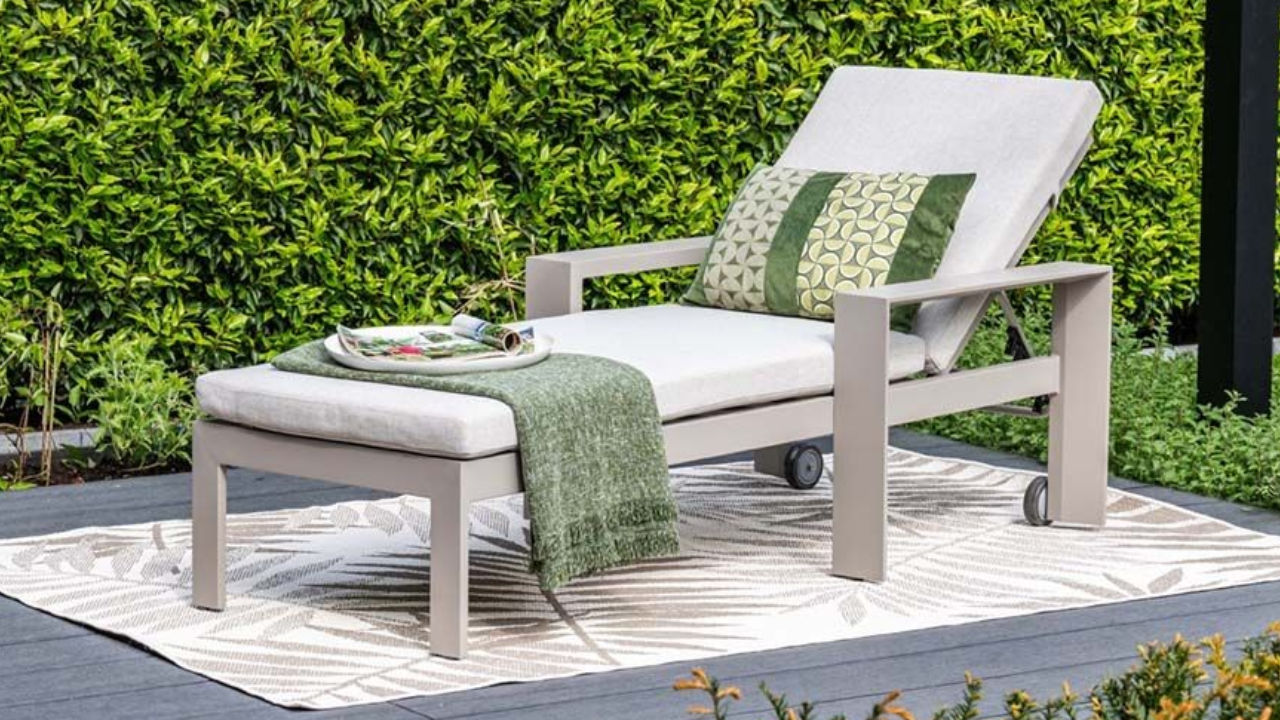


A lounge set with thick cushions is the nicest spot in your garden. But as soon as you're back indoors, those cushions are left outside to face rain, dust, bird droppings and harsh sun. If you store them properly, they'll last for years. If you leave them out, they'll smell musty by spring. The only question is where to put them: in a cushion box next to the sofa, in a cushion bag in the shed, or simply indoors? In this article we compare the options, help you choose with a short quiz, and walk you through how to get your garden cushions through winter mould-free, step by step.
In short: only store cushions clean and fully dry to the core. For everyday use, a cushion box next to the set is the most convenient. For winter, a dry spot indoors is best, with a cushion bag in the shed as a good second choice. Don't use plastic bags, don't put cushions on the cold floor, and check halfway through winter whether everything still smells fresh. Not sure? Take the storage quiz.
Why store garden cushions?
Most garden cushions have a water-repellent cover. That means a shower will bead off at first, but it's not the same as waterproof. During prolonged rain, or when a wet cushion stays outside for days, water seeps through the seams and the zip into the filling. Foam works like a sponge: it absorbs a lot of water and releases it only slowly. That's where musty smells, patches of mould and green algae develop.
On top of that, cushions fade in the sun, and leaves, pollen and bird droppings settle on them. Cushions that you store when you're not using them:
- stay clean for longer, so you have to wash them less often;
- keep their colour longer, because they spend fewer hours in the harsh sun;
- stay dry, so the filling won't go mouldy;
- are ready to go as soon as the weather improves, without having to dry out first.
You can read exactly how that fading works in garden cushions faded by the sun.
Daily storage or winter storage
Storing is really two different jobs, and they call for different solutions.
During the season you want to be able to put cushions away quickly when you go indoors or when a shower is coming, and grab them just as quickly the next morning. In that case, being close by matters most: a cushion box on the terrace or a bag under a canopy works best. A cushion you have to lug up to the attic first will, in practice, just stay outside.
In winter the cushions sit still for months. Then what matters is a spot that stays dry and airy, even in frost, wind and weeks of rain. A place indoors or a dry shed is better than a box outside. Many people combine the two: a cushion box in summer, and in winter the cushions in a bag in the shed or attic.
Four storage options compared
The best storage depends on your space and how often you use the cushions. This is how the four options compare:
| Option | Strong in | Watch out for |
|---|---|---|
| Cushion box | Close by, quick to grab | Not always waterproof |
| Cushion bag | Compact, dust-free | Needs a dry spot |
| Shed or garage | Lots of space | Damp, cold and mice |
| Indoors | Dry and stable | Takes up room in the house |
A cushion bag isn't really a place, it's a packaging. You combine it with the shed, the garage or a spot indoors. That combination works well: the bag keeps dust, dirt and pests at bay, and the space keeps everything dry.
Which storage suits you?
Answer four short questions and see which solution best fits your garden and habits.
Which cushion storage suits you?
Where do you have room left for the cushions?
- Next to the lounge set on the terrace
- In a shed, garden house or garage
- In the attic, a storage room or a cupboard indoors
How often do you take the cushions out when the weather is nice?
- Almost every day, they need to be ready to go quickly
- A few times a week
- Now and then, mostly at weekends
How dry is the spot you have in mind?
- It's outside, so the storage has to provide protection itself
- Dry, but cold and sometimes a bit dusty
- Indoors, dry and frost-free
What should happen to the cushions once summer is over?
- They preferably stay close to the set
- Neatly packed together on a shelf
- Right inside, out of the cold and damp
A cushion box next to the set. You use your cushions often and want to grab them quickly. A generous cushion box on the terrace keeps out rain, dust and bird droppings. Only put the cushions in when they're dry, and air the box regularly, especially in winter.
A cushion bag in the shed. You have a dry shed or garage: pack the cushions in a breathable cushion bag with a zip and keep them off the floor. That way they stay dust-free and dry.
Indoors, in a bag for indoor use. The best place for winter. A breathable bag keeps the cushions clean and dust-free in the attic or storage room.
Storing cushions winter-ready in 6 steps
The end of the season is the moment to store your cushions properly. Choose a dry period, because you don't want to put them away wet for the winter.
Beat the cushions out, vacuum sand and crumbs from the seams and remove stains. Dirt that goes into winter sets in harder by spring. For how to tackle stains, mould and green algae, read cleaning garden cushions. If you want to wash the covers, see how to wash lounge set cushions.
Stand the cushions upright in an airy spot, out of the harsh sun, and turn them now and then. Press firmly on the middle: if it feels cool or damp, the filling is still wet. In that case, wait another day.
Keep seat cushions, back cushions and decorative cushions together per set, so you can find everything quickly in spring. Close the zips on the covers so no dust or pests get into the filling.
Lay the cushions flat or on their side in a cushion bag or cushion box. Don't squash them in: cushions that are compressed for months won't come back looking as good in shape. Don't use a plastic bag, because moisture gets trapped in it.
Place the bag on a shelf, rack or pallet, and not against a cold outside wall. A cold floor or wall can cause damp and condensation, even in an otherwise dry room.
Open the bag or box once on a dry day. If it smells fresh and everything feels dry, it can stay that way. If it smells musty, take the cushions out and air them indoors.
The instructions for Madison cushions say it in one sentence: let the cushion dry completely before you store it. That's the most important rule of this whole article. A cushion that goes into the bag damp will come out musty, no matter how good the storage is.
Storing in a cushion box
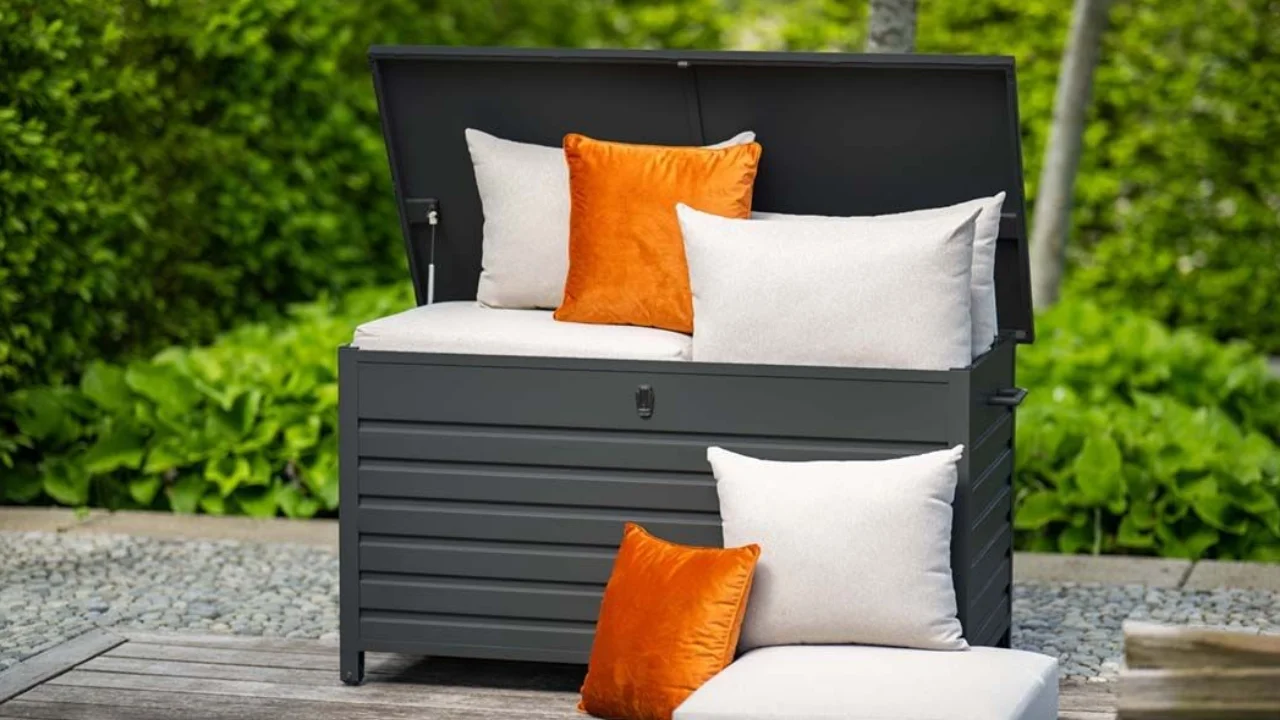
A cushion box is a large chest with a lid that you place on the terrace, right next to your lounge set. The big advantage: after an evening outside, the cushions go in within seconds, and the next morning they're back on the sofa just as quickly. A cushion box keeps out rain, dust, leaves and bird droppings.
What should you look out for?
- Capacity: check how many cushions need to fit. The thick seat and back cushions of a complete lounge set take up a lot of space.
- Material: plastic is light and low-maintenance, aluminium is sturdy and doesn't rust.
- Waterproof or not: not every cushion box is fully waterproof. If the product information doesn't say so, don't assume it is. Position the box so that water doesn't keep pooling against it.
- Ventilation: in a closed box, moisture can get trapped. Leave the lid open for a while on a dry, sunny day.
These cushion boxes are available. The details come from the product information; you can see the current prices on the cards.
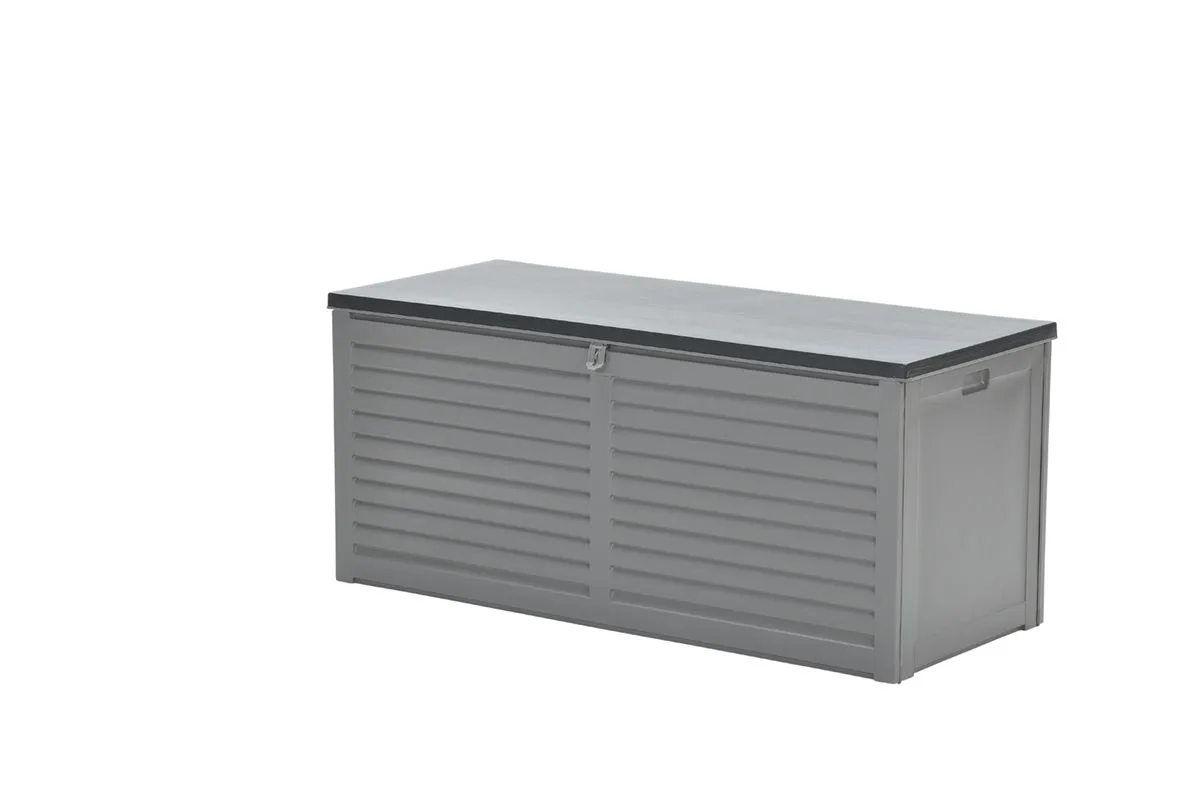
Primo cushion box 490 litre
A plastic cushion box measuring 146.4 by 61 cm and 64.4 cm high, with a 490 litre capacity. Dark grey and black, light in weight and easy to keep clean with a soft cloth and lukewarm soapy water.
Primo cushion box 490L
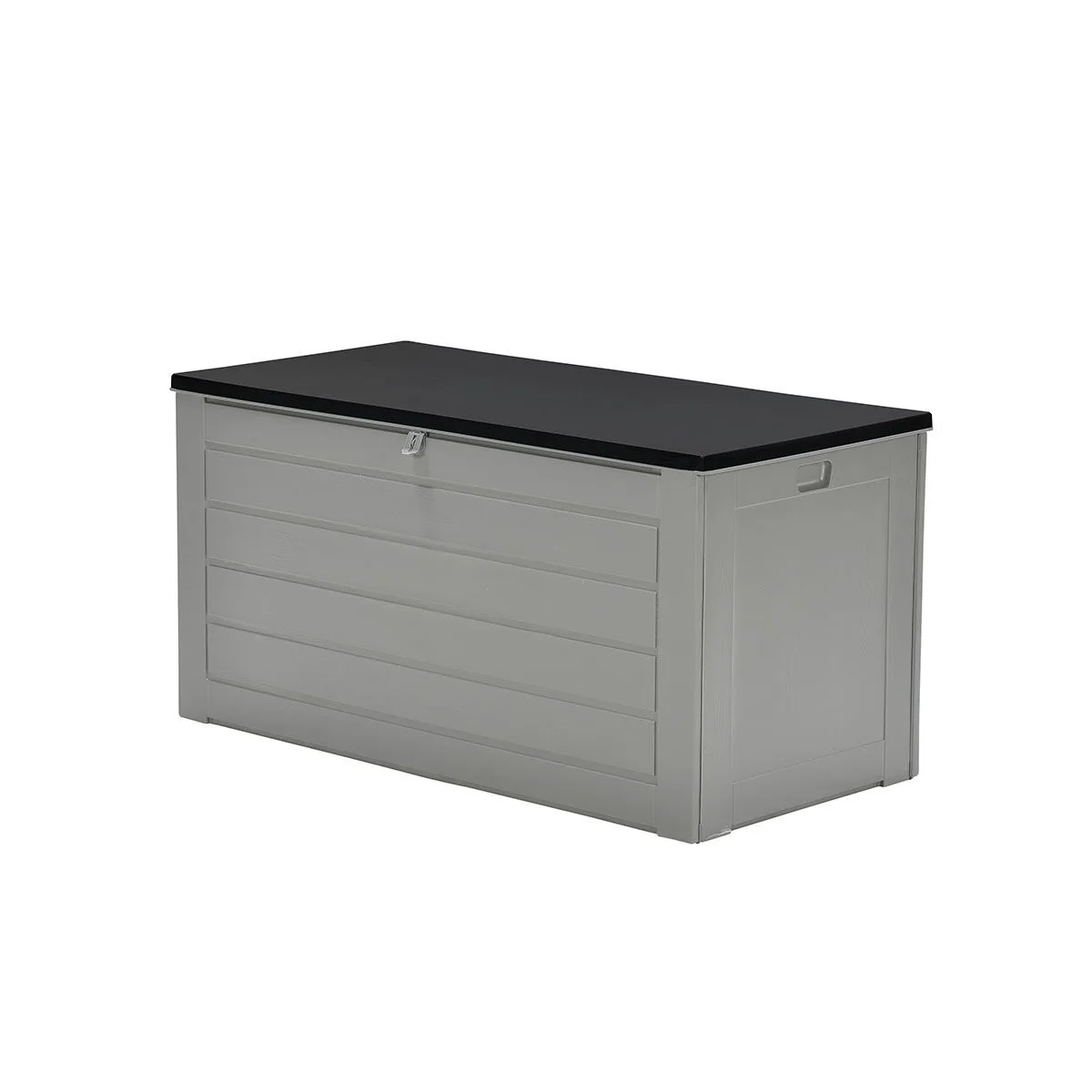
Primo cushion box 680 litre
The same series, but deeper and taller: 146.4 by 71 cm and 74.9 cm high, with a 680 litre capacity. Handy if you need to fit the cushions of a larger lounge set.
Primo cushion box 680L
Cambridge cushion box taupe
An aluminium cushion box measuring 155 by 97 cm and 82.5 cm high, in taupe. That colour matches lounge sets with a taupe or sand-coloured frame nicely, so the box stands out less on the terrace.
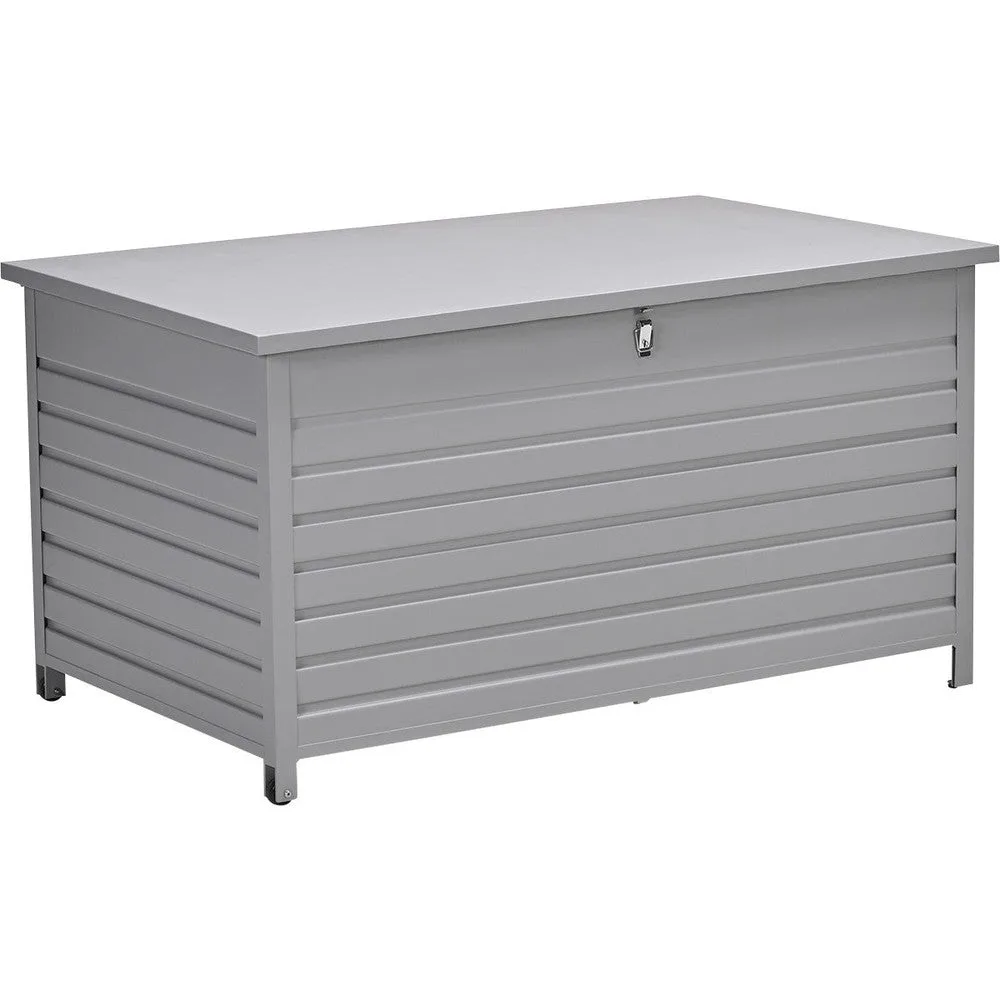
Cushion boxes from Keter, Toomax and Biohort
Looking for a different size or colour? Also take a look at Keter and Toomax. Both brands make plastic boxes in many sizes, from a small chest for a few chair cushions to a large box for the cushions of a complete lounge set. According to the product information these two are waterproof; still, position them so that water doesn't keep pooling against them.
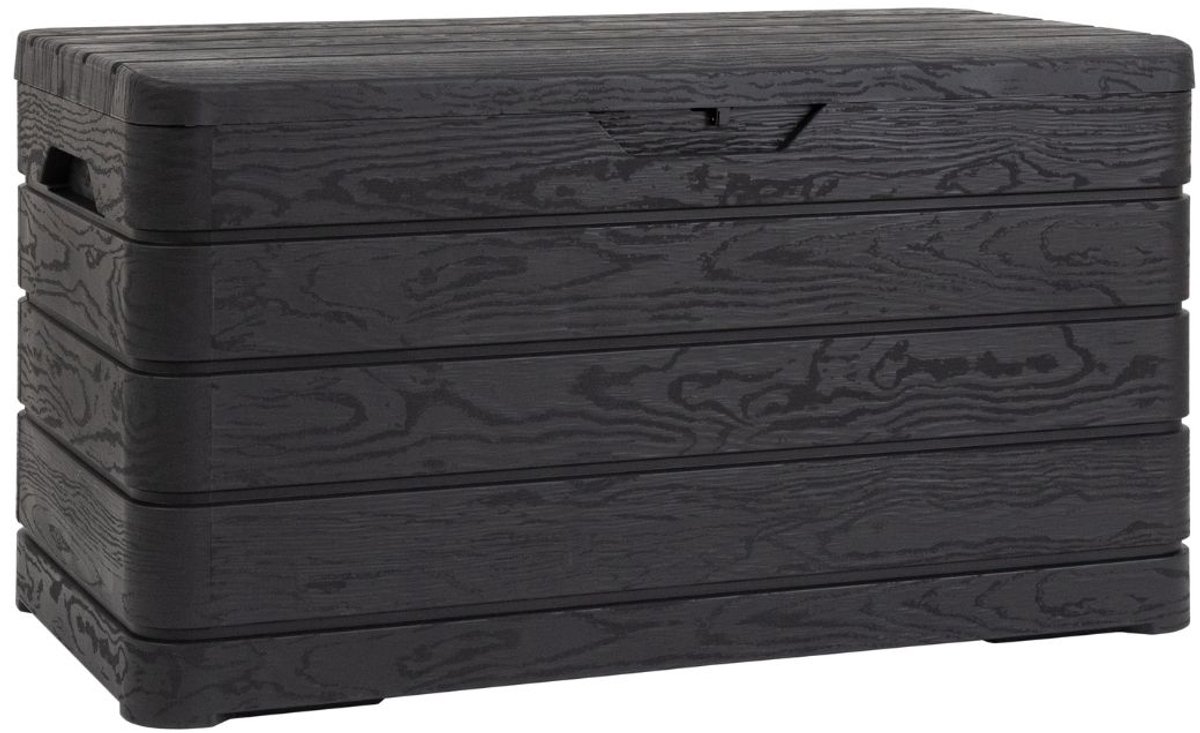

Prefer metal? The Biohort Hobbybox is a steel cushion chest. And if you also want to store tools or toys, a standing Keter garden cupboard is a middle ground between a box and a shed. Also worth a look:

Biohort Hobbybox: steel, 160 cm
View chest →
Keter Signature: 757 litre
View box →
Keter Cortina Alto: cupboard
View cupboard →Compare all cushion boxes and storage cupboards in the storage boxes section.
Extra security: bag in the box
Are the cushions staying in the box on the terrace over winter? Then put them in a breathable, water-repellent cushion bag first. If some moisture or dust gets into the box anyway, the cushions themselves stay clean.
Cushion bags: which size?
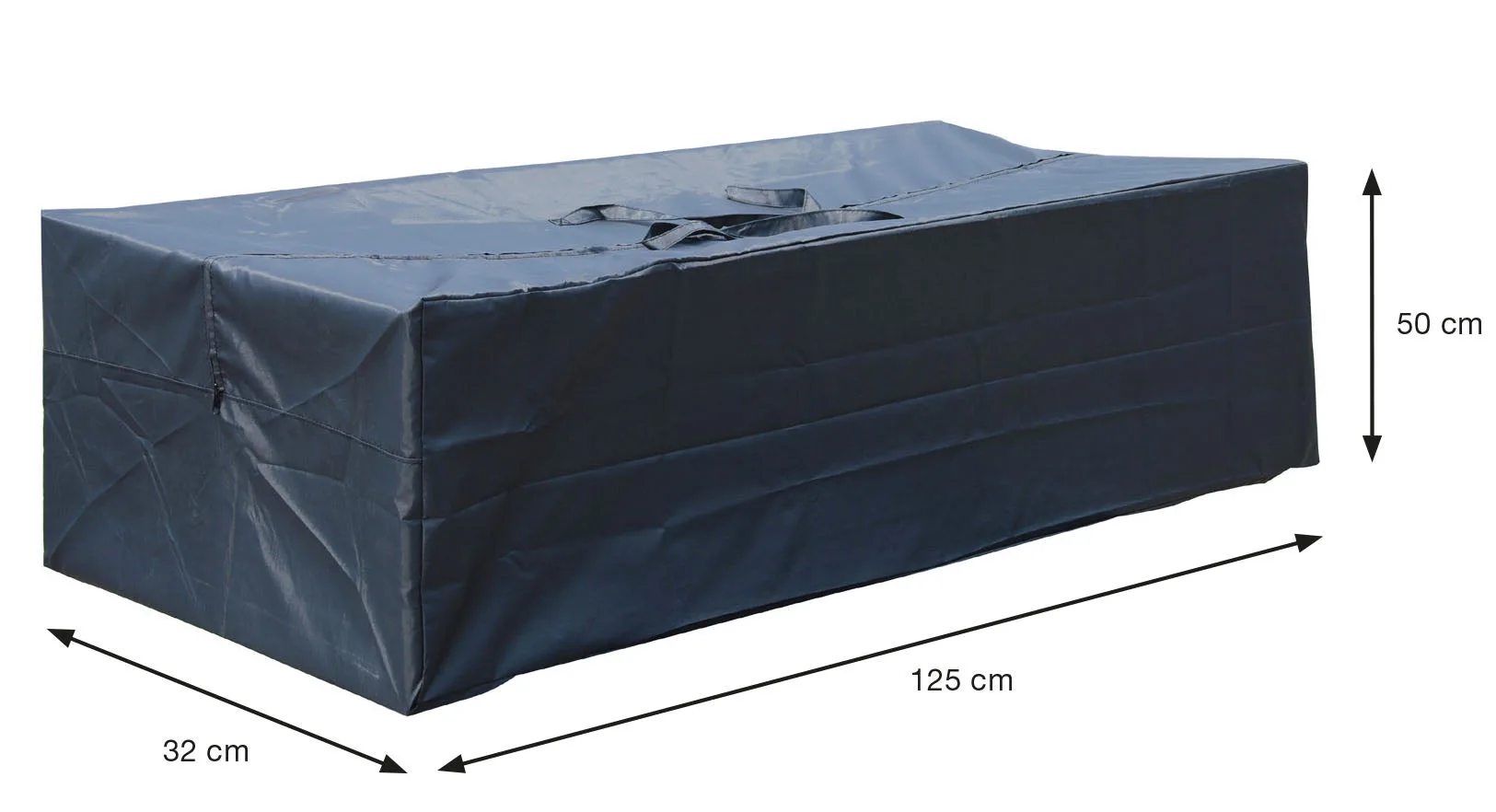
A cushion bag is a large bag with a zip in which you store the cushions of a set together. It takes up little space, keeps out dust and dirt, and you can easily move it using the handles. There are two types on offer, and the difference matters:
- Coverit cushion bags (Garden Impressions): made of 300D ripstop polyester with a TPU coating. The product information mentions a breathable membrane, a water-repellent fabric and a zip closure. Suitable for a dry spot in the shed or under a canopy. Do note: the manufacturer itself says that a protective cover is never fully waterproof.
- AeroCover cushion bags (Platinum): made of breathable ripstop polyester which, according to the manufacturer, counteracts mould formation, with reinforced handles and a double zip. These bags are expressly for indoor use: in the attic, storage room or garage.
| Bag | Size (LxWxH) | Use |
|---|---|---|
| Coverit | 125x32x50 cm | Shed, dry spot |
| Coverit | 153x68x41 cm | Shed, dry spot |
| Coverit lounge set | 200x75x60 cm | Shed, dry spot |
| AeroCover | 80x80x60 cm | Indoors |
| AeroCover | 125x32x50 cm | Indoors |
| AeroCover | 175x80x60 cm | Indoors |
| AeroCover | 200x75x60 cm | Indoors |
Measure your cushions as a stack and choose a bag that's slightly roomier. A narrow bag 125 cm long suits oblong cushions, such as chair cushions with a high back. For a complete lounge set, you'd do better to pick one that's 175 or 200 cm long.
Coverit lounge set cushion bag 200x75xH60
The largest Coverit bag, for the cushions of a lounge set. Made of 300D ripstop polyester with TPU coating, with a breathable membrane, a water-repellent fabric and a zip closure.
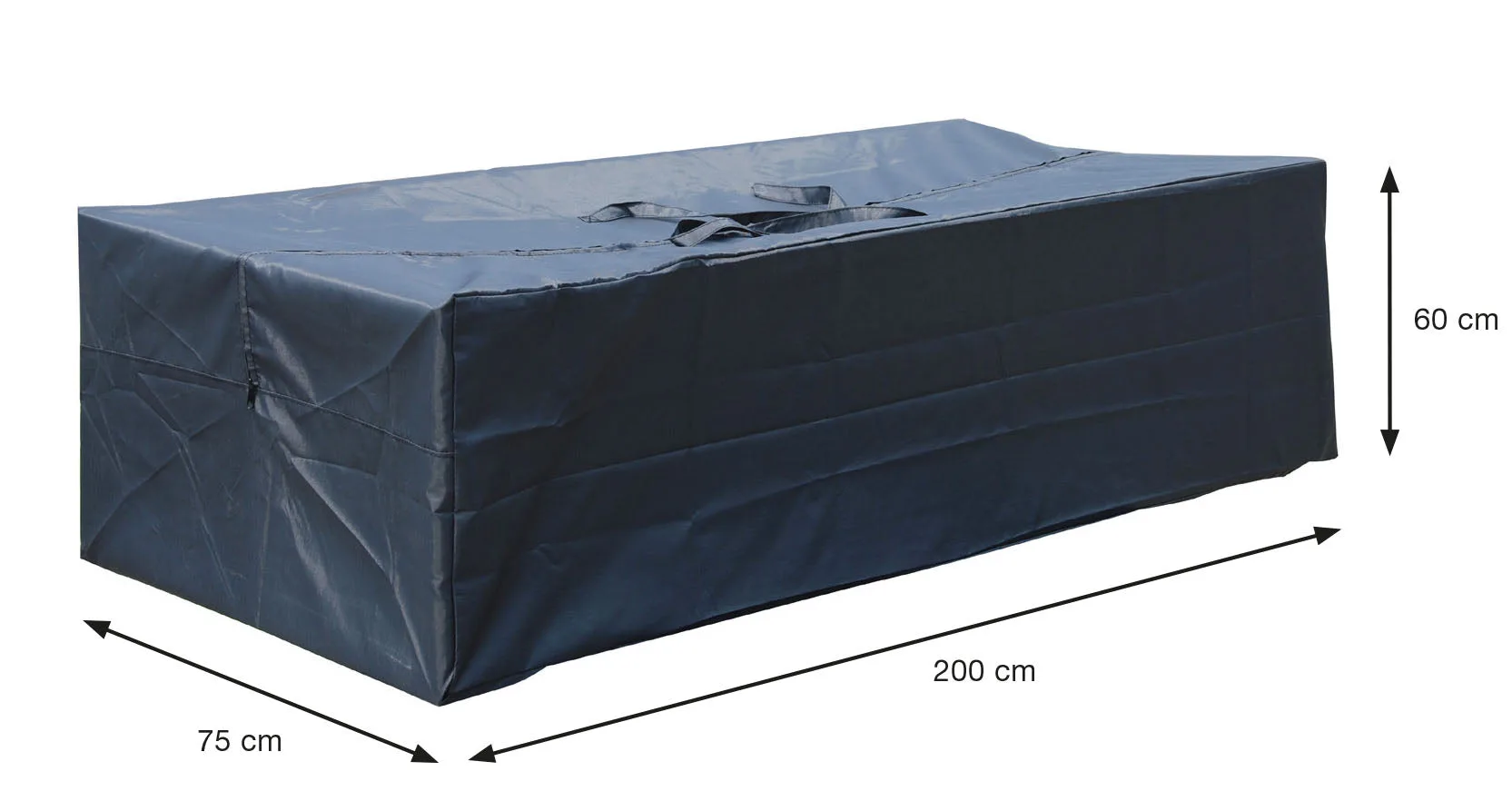
Coverit lounge set cushion bag 200x75xH60
Platinum AeroCover cushion bag 175x80xH60
A breathable cushion bag in anthracite for indoor use. According to the manufacturer, the fabric counteracts mould formation and keeps the cushions clean and dust-free. With reinforced handles and a double zip.
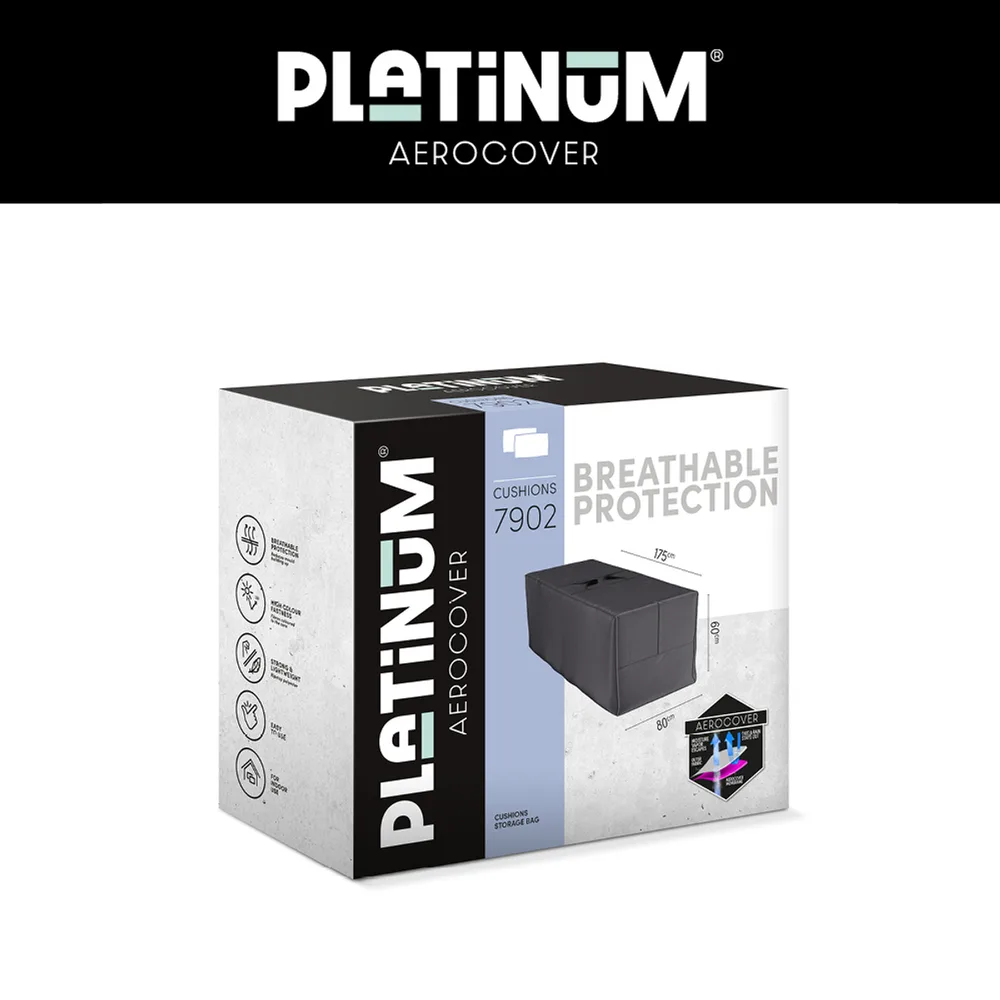
AeroCover cushion bag 175x80xH60
Other sizes:
Coverit cushion bag 125x32xH50
View bag →
Coverit cushion bag 153x68xH41
View bag →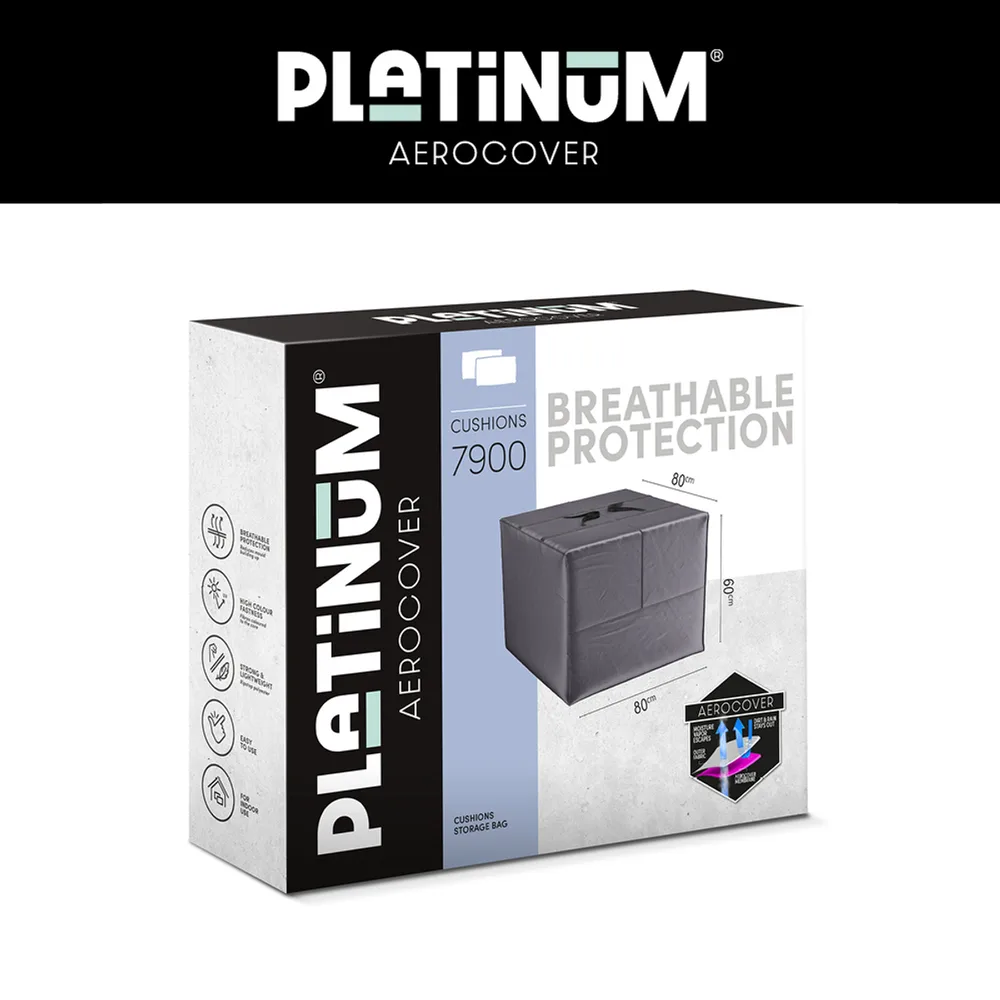
AeroCover 80x80xH60, indoors
View bag →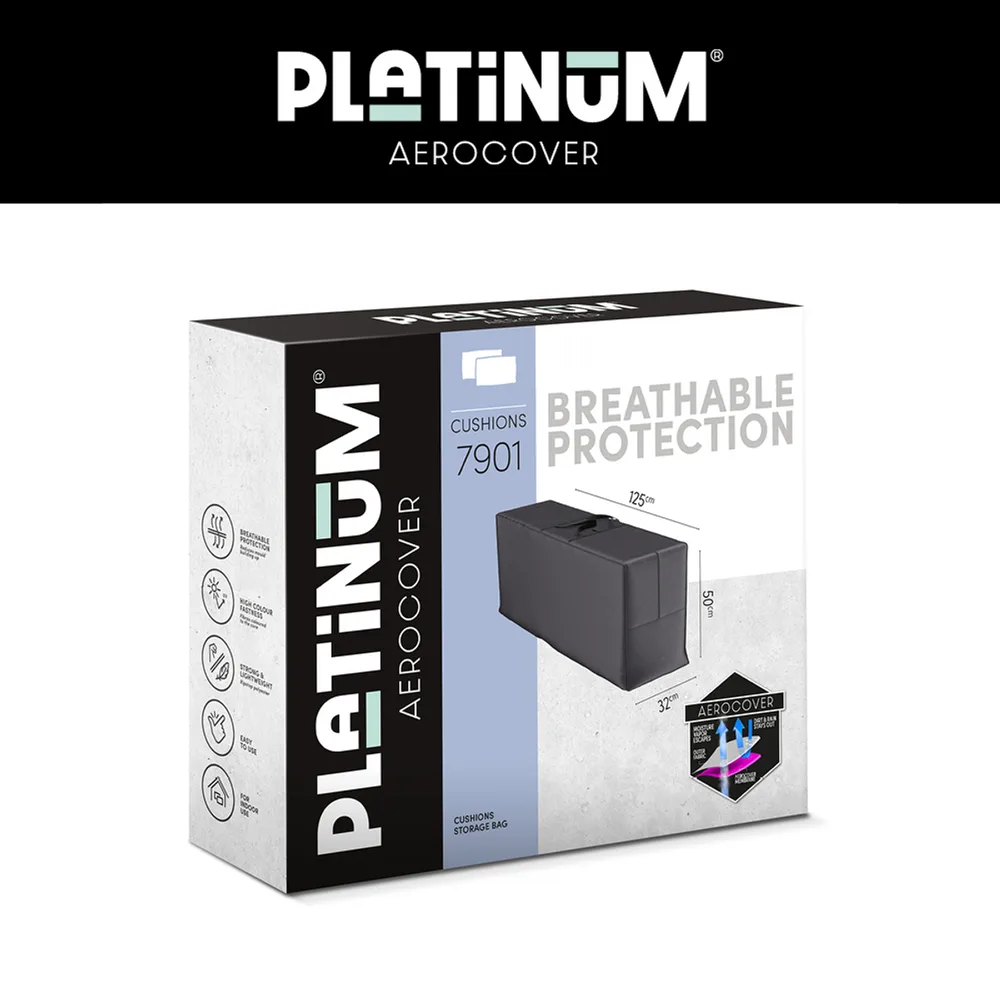
AeroCover 125x32xH50, indoors
View bag →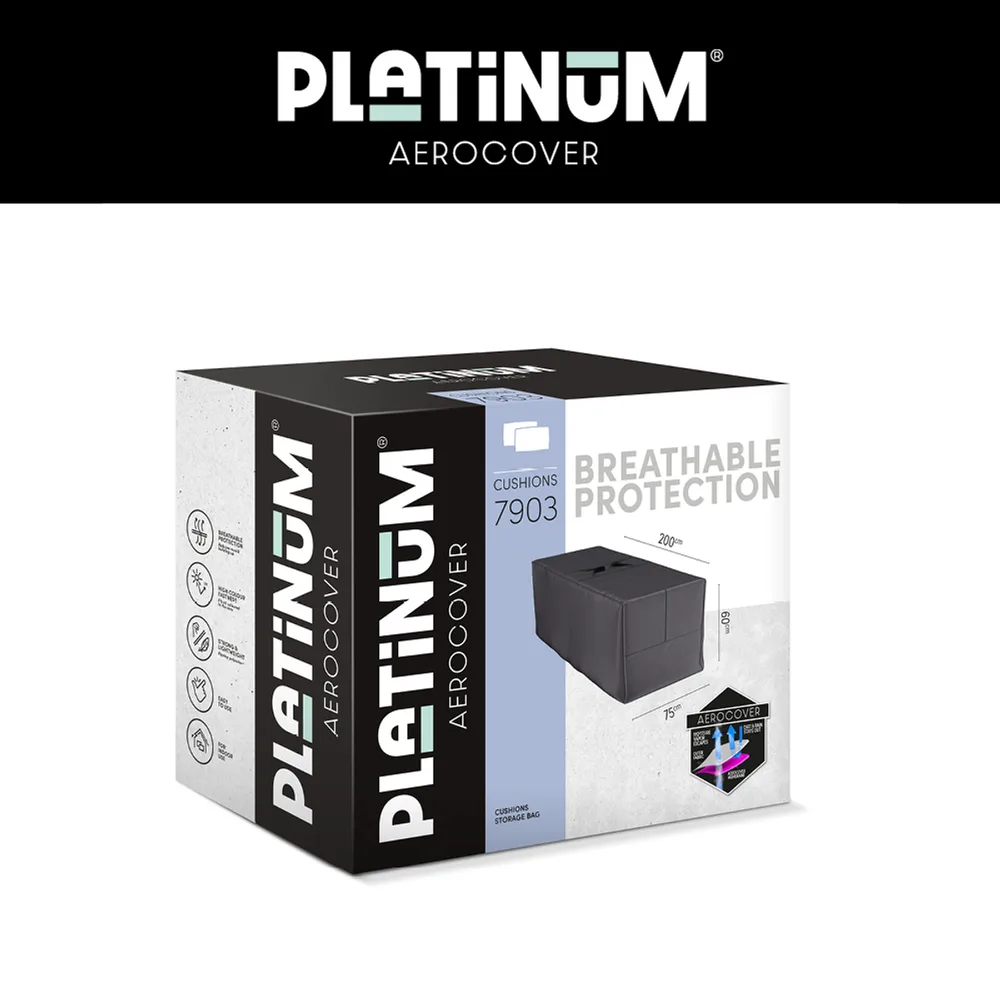
AeroCover 200x75xH60, indoors
View bag →
All protective covers
View range →Storing in the shed or garage
A shed, garden house or garage often has enough room for all the cushions. But such a space is usually unheated, and that can make it damp. A few measures will get you through:
- Off the floor: place the cushions on a shelf, rack or pallet. A concrete or stone floor is cold and can become damp.
- Not against the outside wall: leave some space between the cushions and a cold wall so air can circulate.
- In a bag with a zip: a closed cushion bag keeps dust, spiders and mice at bay. Mice love soft filling as nesting material.
- Check the roof: after a heavy downpour, look for any water coming in. A single leaky spot above the cushions is enough for a wet winter.
- Air it now and then: open the door for a while on a dry day so damp air can escape.
In the shed, use a bag that is also allowed outside, such as the Coverit bags. The AeroCover bags are, according to the manufacturer, for indoor use.
Storing indoors
The best place for winter is indoors: in the attic, a storage room, a spare bedroom or a dry garage attached to the house. There the temperature stays stable and you don't have to worry about frost or leaks. Even then, a bag is useful, because cushions that sit exposed for months collect dust.
- Choose a breathable bag: an AeroCover bag is made for indoor use and keeps the cushions dust-free.
- Don't put anything heavy on top: cushions that lie under a stack of boxes for months come out flattened.
- No vacuum bags for thick cushions: it may seem clever to save space, but foam that is compressed for months doesn't always fully recover its shape.
- Keep away from the heating: a spot next to a radiator or central heating boiler is unnecessarily warm and dry for the fabric.
Short on space indoors?
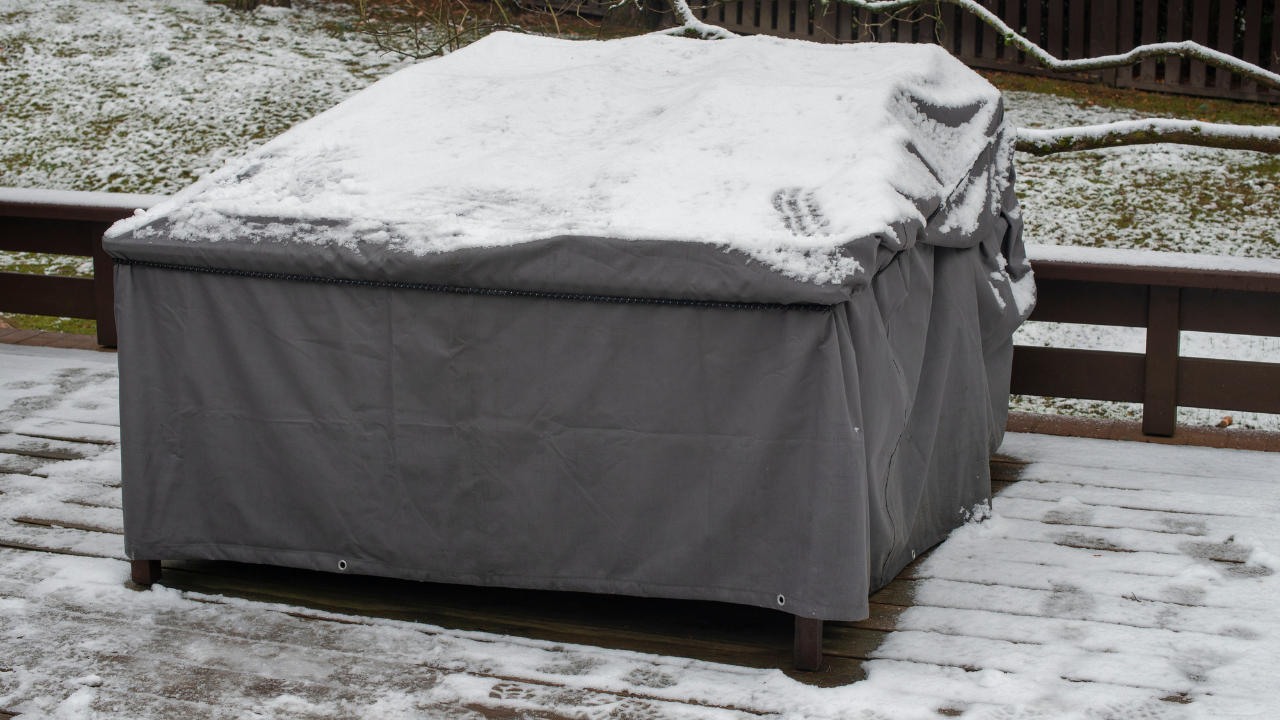
Only store the thick seat and back cushions indoors, and leave the lounge set itself outside under a cover. For whether your set can handle winter outside, read can a lounge set stay outside?. You'll find covers in the right shape at the lounge set covers section.
Cushions that are easy to store
Have your old cushions gone musty or worn out, and do you want new ones? Then choose cushions with a zip. A removable cover you can wash separately and let dry before storing, and if in doubt you can feel the filling. According to the product information, these Madison cushions have a zip with a removable cover and are water-repellent.
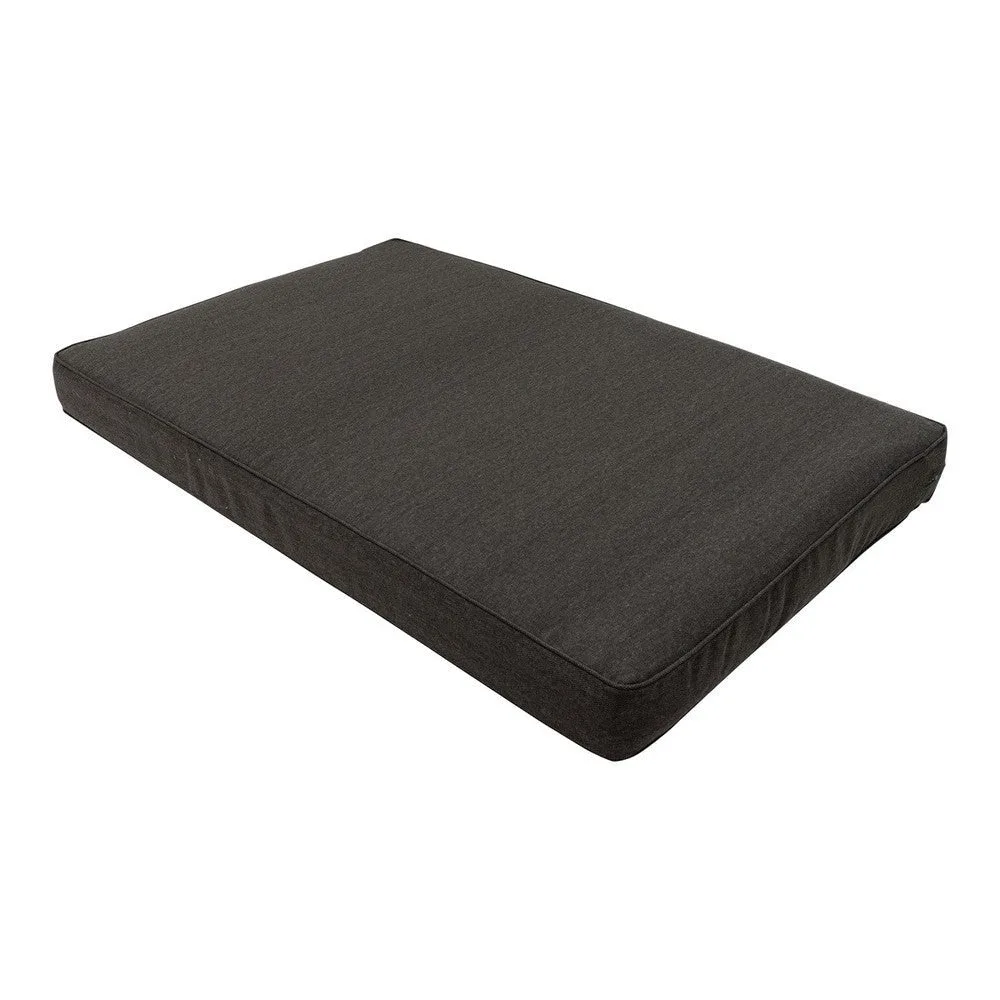
Pallet cushion Eco+, zip
View cushion →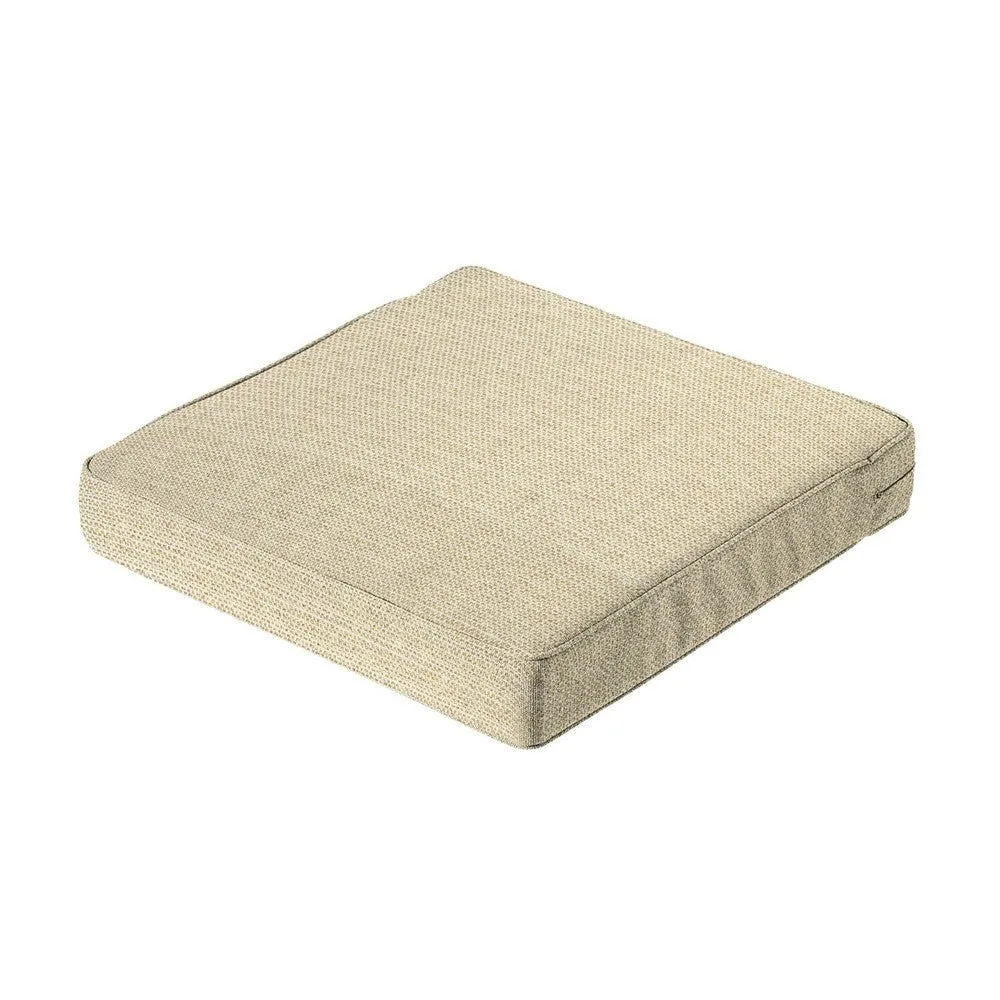
Richmond seat cushion, zip
View cushion →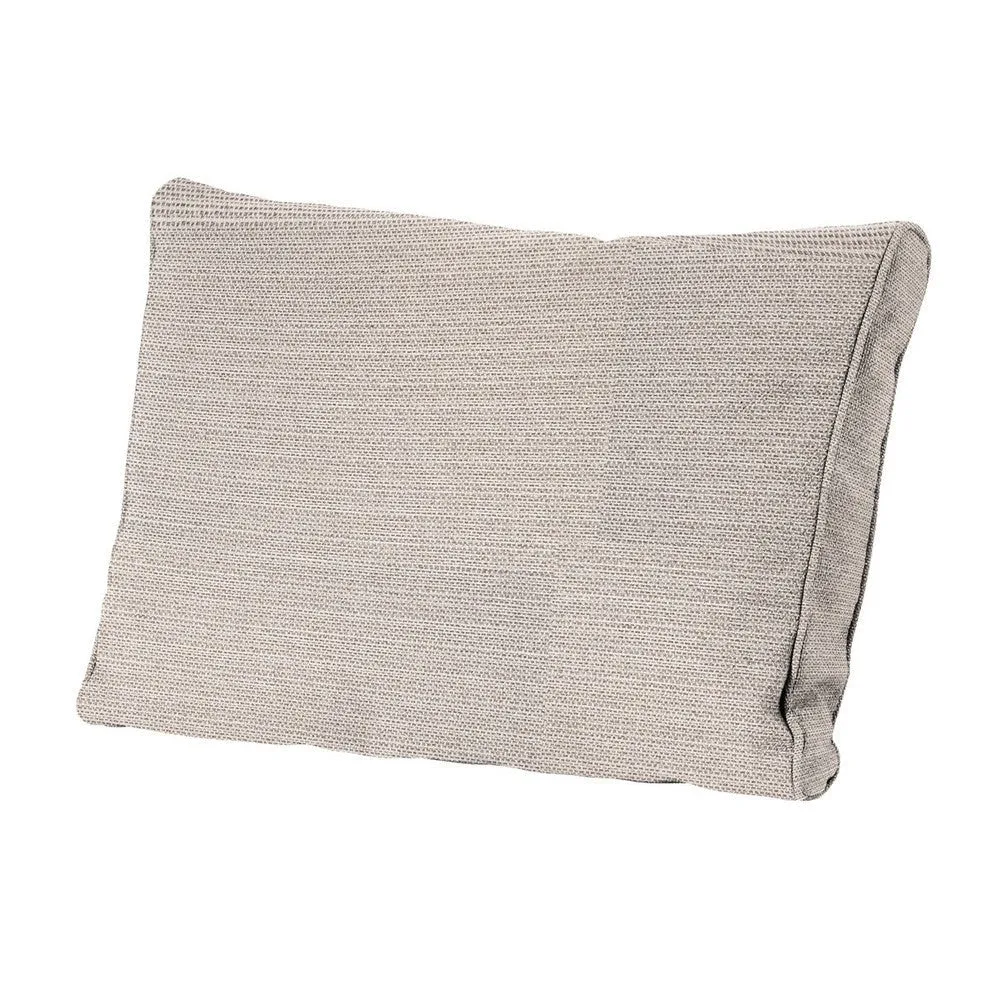
Richmond back cushion, zip
View cushion →You can also browse all garden cushions and lounge cushions, or read tips for replacing your lounge set cushions. Still looking for a new lounge set or garden set? The selection tool will help you on your way in a few questions.
Cushion storage checklist
Tick off what's done. Only once everything is ticked do the cushions go into winter storage.
- Cushions beaten out, seams vacuumed and stains removed
- Dry through to the core, checked by pressing on the middle
- Sorted by set and zips closed
- In a breathable cushion bag or cushion box, not in plastic
- Not compressed and nothing heavy on top
- On a shelf or rack, away from the cold floor and outside wall
- Checked halfway through winter for a musty smell
How to choose the right storage
- Do you use the cushions almost every day: a cushion box on the terrace
- Do you have a dry shed: a breathable cushion bag with a zip, off the floor
- Do you have space indoors: store inside in a bag for indoor use
- Measure your cushions as a stack and choose a bag or box that's slightly roomier
Common mistakes
Storing damp cushions
A cushion that feels dry on the outside can still be wet on the inside. In a closed bag or box, you'll get mould and a musty smell within a few weeks. Better to wait an extra day.
Using a plastic bag or rubbish bag
Plastic doesn't let moisture escape. Residual moisture and condensation get trapped, exactly where mould thrives. Choose a breathable cushion bag.
Assuming the box is waterproof
A cushion box protects well against rain and dirt, but not every box is fully waterproof. Check the cushions now and then and air the box on a dry day.
Laying cushions on the shed floor
A cold floor can become damp, and mice find their way in easily. Place the cushions on a shelf or rack, in a bag with a zip.
Using an indoor bag in the shed
Not every cushion bag is meant for outdoors or a cold shed. The AeroCover bags are, according to the manufacturer, for indoor use. So always check what it says on the bag.
Packing cushions too tightly
Cushions that are squeezed for months, under heavy items or in a bag that's too small, come back looking less good in shape. Choose a roomy bag and don't put anything heavy on top.
Frequently asked questions
Where is the best place to store garden cushions over winter?
In a dry, airy spot where it doesn't freeze or leak, such as a storage room, loft or dry garage. Clean the cushions first and make sure they are completely dry all the way through, then place them in a breathable cushion bag so they stay dust-free. If you have no indoor space, a cushion bag on a dry shelf in the shed, off the floor, is the next best option.
Can garden cushions stay in a cushion box all winter?
They can, but it isn't ideal. A cushion box keeps out rain, dust and bird droppings, but not every box is fully waterproof, and moisture can get trapped inside a sealed box. So check the cushions now and then and air the box on a dry day. If you want to be sure, store them indoors or in the shed instead.
How do you prevent mould in stored garden cushions?
Only store cushions once they are clean and dry right through to the core. Use a breathable bag rather than a plastic bag, keep the cushions off the floor and away from a cold outside wall, and check halfway through winter that everything still smells fresh. A musty smell is the first sign that moisture is present.
Can you store garden cushions in a plastic bag or rubbish bag?
Better not. A plastic bag doesn't let moisture escape, so condensation and a little residual dampness stay trapped in the filling. That is exactly where mould and a musty smell come from. A breathable cushion bag with a zip protects against dust and dirt and still lets moisture out.
Can you keep garden cushions in the shed?
Yes, as long as the shed is dry and doesn't leak. Place the cushions in a zipped cushion bag, set them on a shelf, pallet or rack so they aren't lying on the cold floor, and keep them away from the outside wall. This reduces the risk of damp, and mice find it harder to get into the filling.
What size cushion bag do I need?
Stack your cushions and measure the length, width and height. Choose a bag that is slightly larger so you don't have to force the cushions in. For a complete lounge set, a bag around 175 or 200 cm long is handy; for a few seat cushions with high backs, a narrow bag of about 125 cm long is often enough.