
After a summer full of drinks, kids, sun cream and the odd unexpected shower, the cushions on your lounge set are not as fresh as they were in spring. So the question is: can they just go in the washing machine? The short answer: the cover sometimes, the cushion itself never. In this article you can read step by step how to wash lounge set cushions, when to use the washing machine and when it's better to wash by hand, how to get the foam filling dry, and how to prevent mould if the cushions go into winter storage afterwards.
In brief: first check whether the cover has a zip. With a zip: remove the cover and wash it according to the care label, on a low temperature. Without a zip: wipe it down with a damp cloth and mild soapy water. The foam filling never goes in the machine. Dry everything in the shade and only store a cushion once it is completely dry right through to the core. For stains and mould, read how to clean garden cushions.
First: does the cover have a zip?
Everything starts with one question: can you take the cover off the cushion? Turn the cushion over and look for a zip on the back or underside. It is often hidden under a flap or in the seam, so you won't see it when the cushion is lying on the sofa.
- With a zip: the cover is removable. You can wash it separately and keep the inner cushion dry. This is the easiest and most thorough method.
- Without a zip: the cover is fixed around the filling. In that case you wash the whole cushion by hand, and you need to be much more careful with water.
The product information for garden cushions usually states this too. For example, Madison lists "Zip: Yes (removable cover)" for the lounge cushions from the Manchester, Richmond and Eco-line ranges, and "Zip: No" for the Florance cushions. If you are buying new cushions and want them to be easy to wash, pay close attention to this detail.
If the cover has a zip, it is there so the cover can be washed. But always read the care label first: not every removable cover can go in the machine, and a cover that shrinks will never fit the cushion again.
Which approach suits your cushion?
Not every cushion needs the same treatment. This table will help you choose quickly:
| Situation | Approach |
|---|---|
| Cover with zip, label allows washing | Cover in the machine, low temperature |
| Cover with zip, no label | Hand wash the cover |
| No zip | Wipe down with cloth and mild soapy water |
| Dust and sand only | Shake off and vacuum |
| Isolated stain | Blot immediately, don't rub |
| Filling wet or musty | Dry upright in a airy spot |
| Mould or green film | See how to clean garden cushions |
If you are mainly dealing with isolated stains from wine, grease, sun cream or bird droppings, or with patches of mould and green film, then a targeted approach for each stain will serve you better. This is covered in detail in how to clean garden cushions. This article is about the complete wash for your lounge cushions.
Machine wash or hand wash?
The care instructions for Madison lounge cushions are short and clear: wash the cushion cover on a low temperature if it is removable, or clean the fabric with a damp cloth and mild soapy water. Afterwards, let the cushion dry completely before you store it. Other brands often give similar advice, but the care label inside the cover always has the final word.
The washing machine
If the label allows the cover to go in the machine, choose a low temperature and a delicates or wool programme with a low spin speed. Close the zip before you put the cover in the drum, so the teeth don't catch on the fabric, and turn the cover inside out. Use a mild detergent and skip the fabric conditioner: it can reduce the water-repellent finish of outdoor fabric. Don't put too many covers in the drum at once, or they won't rinse properly.
By hand
Is the cover not allowed in the machine, or does the cushion have no zip? Then wash it by hand. Fill a bucket with lukewarm water and a little mild detergent or gentle soap. Work over the fabric with a soft brush or sponge using calm movements, then rinse thoroughly with clean water. Soap residue actually attracts dirt. For a cushion without a zip, use as little water as possible: better to wipe twice with a damp cloth than once with a full bucket.
Wash all covers from the set at the same time
If you only wash one cover, it may end up looking slightly fresher or lighter than the rest of the set. So wash all seat and back cushions in the same batch, with the same detergent. That way the colour of your lounge set stays even.
How to wash lounge set cushions in 6 steps
This is how to tackle a complete wash, from shaking off to storing. Plan it for a dry, preferably slightly breezy day: that way the cushions dry the fastest.
Give the cushions a good shake outside and vacuum away sand, crumbs, dust and leaf debris, especially from the seams and around the zip. This prevents dirt dissolving into the water and staying in the fabric as a grey haze.
Check whether the cover has a zip and what the label says: temperature, machine or hand wash, and whether it can go in the tumble dryer. No label? Then assume hand wash or a low temperature on a delicates programme.
Carefully pull the cover off the inner cushion. If that's tricky, gently push the foam together and slide it out. Set the fillings aside, then close the zip on the cover.
In the machine: inside out, delicates, low temperature, mild detergent and no fabric conditioner or bleach. By hand: lukewarm water, gentle soap and a soft brush, then rinse thoroughly. No zip? Then wipe the whole cushion with a damp cloth and mild soapy water.
Hang the wet cover up, ideally in its shape, in an airy spot out of the sun. Meanwhile, stand the inner cushion upright so it can air. Don't put the cover in the tumble dryer unless the label explicitly allows it.
Only slide the cover back over the cushion once both are completely dry. A slightly damp cover may be easier to pull on, but you'd be trapping moisture. Smooth out the seams, close the zip and plump the cushion back into shape.

The filling: foam and fibrefill
The inside of a lounge cushion is the part you see least, but it needs the most care. Lounge cushions usually contain foam, sometimes combined with fibre filling. For Madison, the filling is listed in the product information: for example SG-35 or SG-28 foam in the seat cushions and pallet cushions, and a mix of foam flakes and polyester fibrefill ("Foam Flakes + polyester fiberfill mix") in the back cushions and the Florance cushions. The number after SG indicates the density of the foam.
Why be so careful? Foam works like a sponge. It soaks up a lot of water and releases it only slowly. A soaked block of foam stays damp on the inside for days, and that is exactly where musty smells and mould develop. In a washing machine, foam can also tear or crumble, and a flake filling clumps together.
- Never in the machine: the inner cushion does not belong in the washing machine, even if it fits in the drum.
- Musty or a stain on it? Wipe the foam locally with a damp cloth and a little mild soapy water, then rinse with a cloth dampened with clean water.
- Got wet anyway? Gently press the water out, don't wring it, and stand the cushion upright in an airy place. Turn it over now and then.
There is also foam that is specially designed to let water through quickly. If you want to know how that works, read Quick Dry Foam cushion filling: pros and cons.
Letting cushions dry properly
Drying is the step where things most often go wrong. A clean cover over a damp cushion will develop a musty smell or patches of mould within a few weeks. So take your time over it.
- In the shade or indoors: hang covers and set cushions in an airy spot away from strong sun, for example under a canopy or in a ventilated shed. Sun on wet fabric speeds up fading.
- Upright or on their side: this lets the water run down and air reach all sides.
- Turn them over: turn the cushions a few times a day so they dry evenly.
- Feel, don't guess: press firmly into the middle of the cushion. If it feels cool or damp, the core is still wet.
Wash at the start of a dry spell
Check the weather forecast and wash your cushions when a few dry days are coming. Then they can dry outside in the shade and you won't have to carry wet cushions through the house.
You can read why sun on wet fabric is a bad idea in garden cushions faded by the sun.
Washing day checklist
Tick off what you have done. Only once everything is ticked do the cushions go back on the sofa or into the box.
- Cushions shaken off and seams vacuumed
- Zip located and care label read
- Cover inside out, zip closed
- Low temperature, mild detergent, no fabric conditioner or bleach
- All covers from the set washed in the same batch
- Cover and filling dried separately, in the shade
- Core of the cushion checked by feel and genuinely dry
- Cushions stored dry in a cushion box or cushion bag
How to choose lounge cushions that are easy to wash
- Zip: yes, so the cover is removable
- Water-repellent: yes, so a shower doesn't soak straight in
- A firm foam filling in the seat cushion
- High colourfastness, so the colour still looks good after washing
Common mistakes
Putting the whole cushion in the washing machine
The foam soaks up water, can tear and then takes days to dry. Only the removable cover belongs in the machine, and only if the label allows it.
Washing too hot
A cover that shrinks no longer fits over the cushion. Wash on a low temperature, even if you think a hotter wash will get it cleaner.
Drying in strong sun
It seems handy: cushions in the sun, dry quickly. But strong sunlight on wet fabric speeds up fading. Dry in the shade or in an airy spot.
Putting the cover in the tumble dryer
The heat can shrink a cover and damage the water-repellent finish. Hang it up instead, unless the label explicitly allows tumble drying.
Storing damp cushions
A cushion that feels dry on the outside may still be wet on the inside. In a sealed cushion box or bag that moisture stays trapped, and you'll get mould and a musty smell. Only store once the core is dry.
Bleach and fabric conditioner
Bleach strips colour from the fabric, and fabric conditioner leaves a film that can reduce the water-repellent effect. Mild detergent or gentle soap is enough.
Lounge cushions with a removable cover
Are your old cushions impossible to get clean, or do you want cushions you can easily wash from now on? According to the product information, these lounge cushions have a zip with a removable cover and are water-repellent. The details come from the catalogue; you can see current prices on the cards. If you are still unsure about the size or type of cushion, first read tips for replacing the cushions on your lounge set.
Seat cushion: Richmond moss 60x60 cm
A lounge seat cushion made of 65% acrylic and 35% polyester with SG-35 filling, approximately 60 by 60 cm and 10 cm thick. Colourfastness 7 or 8. There is also a 73x73 version for wider lounge benches.
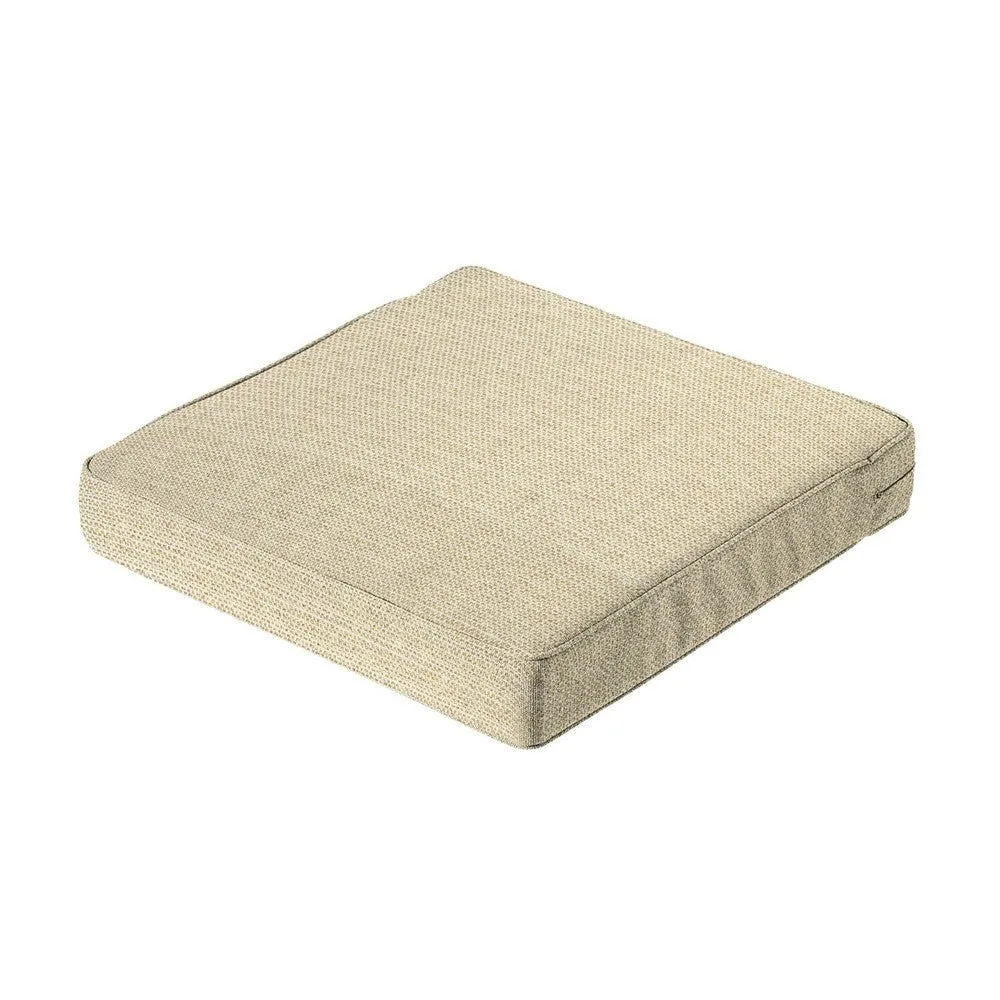
Lounge seat cushion Richmond moss 60x60
Back cushion: Richmond natural 40x60 cm
The matching back cushion, with the same fabric and a filling of foam flakes and polyester fibrefill. Approximately 40 by 60 cm, 10 cm thick, with a zip.
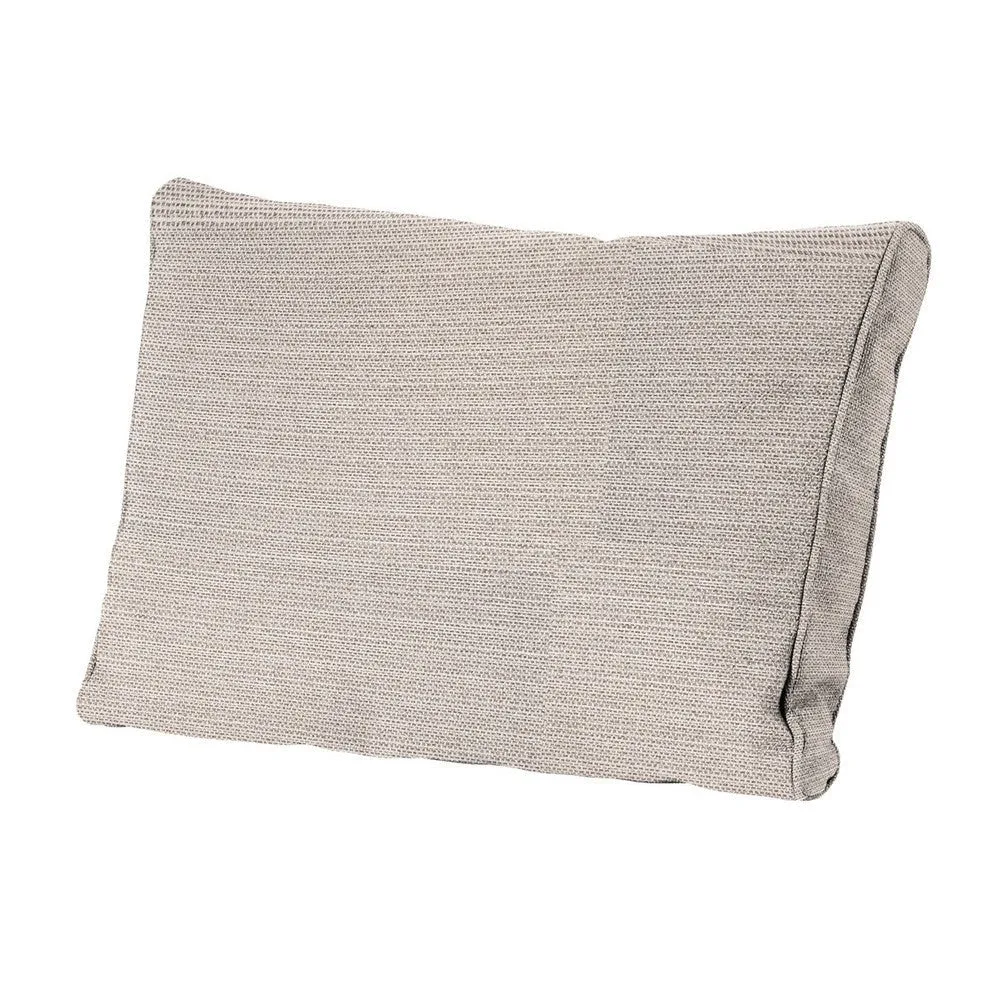
Lounge back cushion Richmond natural 40x60
Pallet cushion: Eco-line canvas 120x80 cm
A pallet cushion of approximately 120 by 80 cm and 10 cm thick, with SG-28 foam and a fabric of 75% cotton, 20% polyester and 5% other fibres, fully recycled. The cover is removable and with colourfastness 8 or 8, this cushion is among the highest scoring in the range.
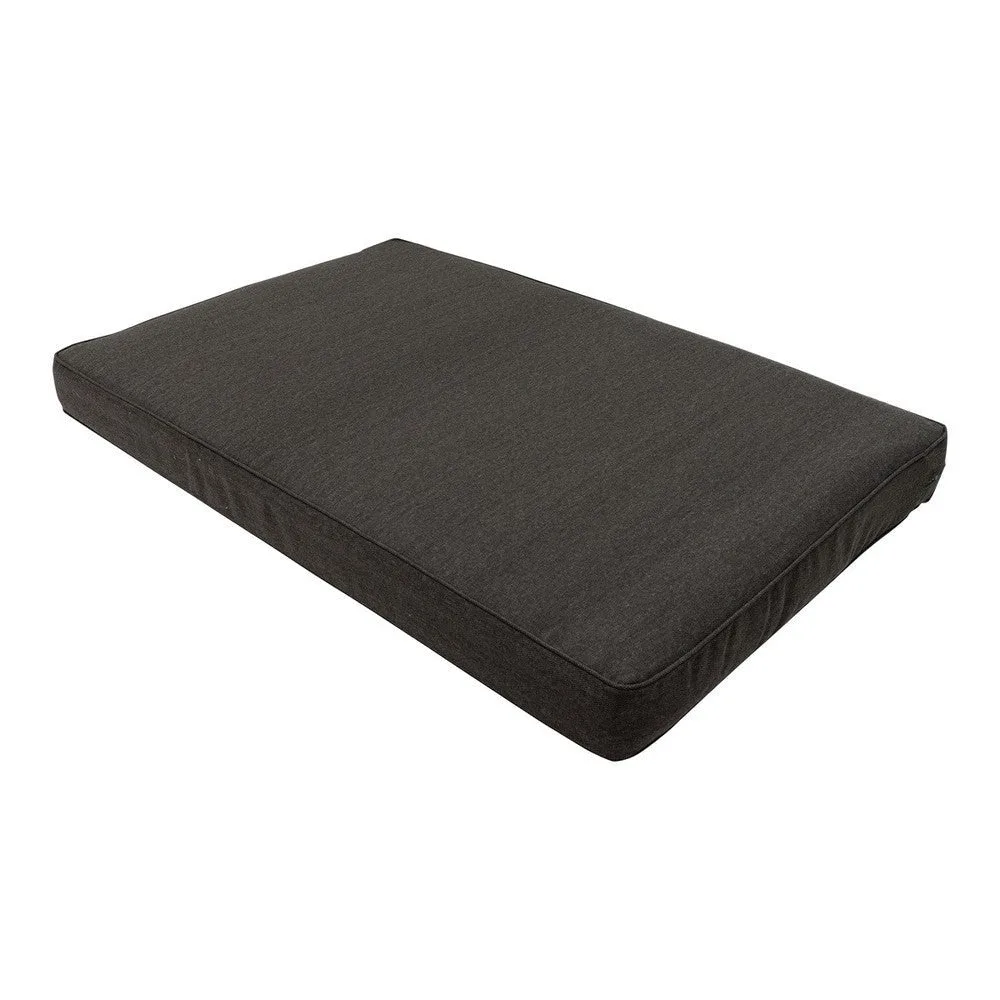
Pallet cushion Dark grey canvas Eco+
More options:
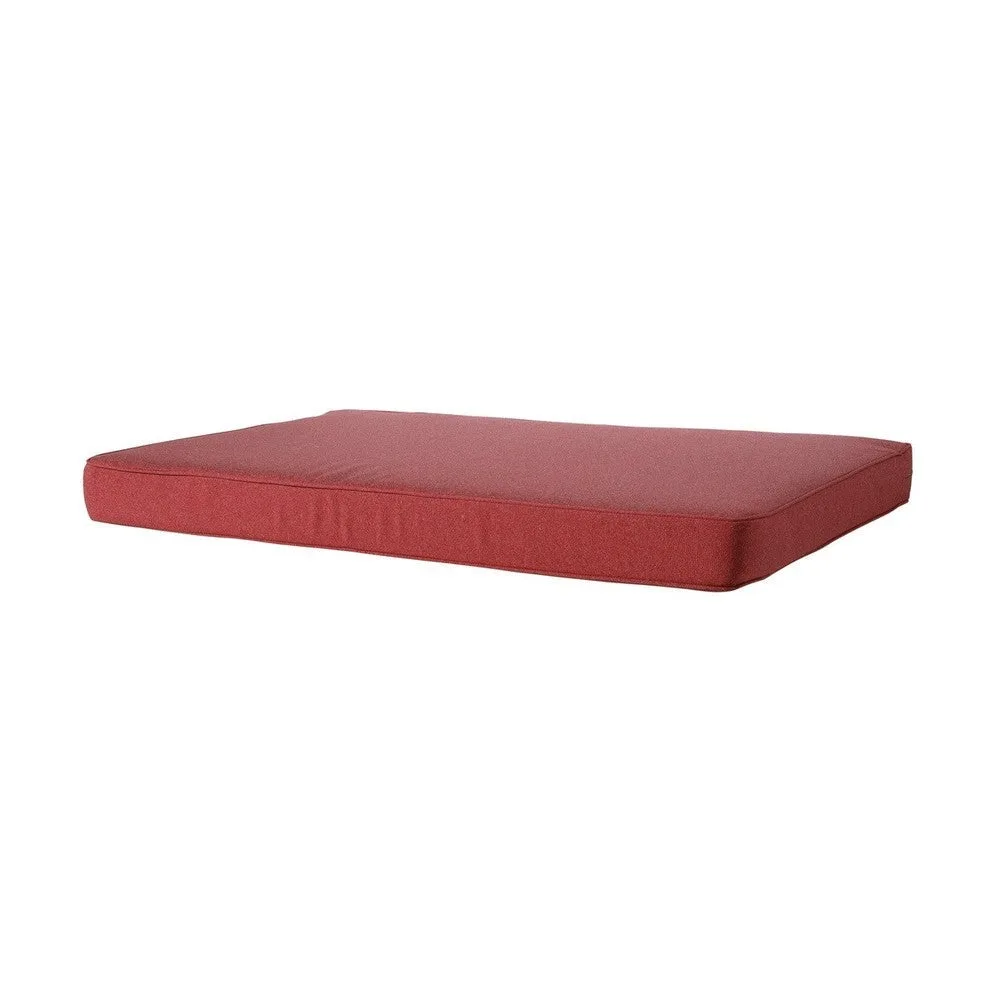
Manchester pallet cushion, 100% acrylic
View cushion →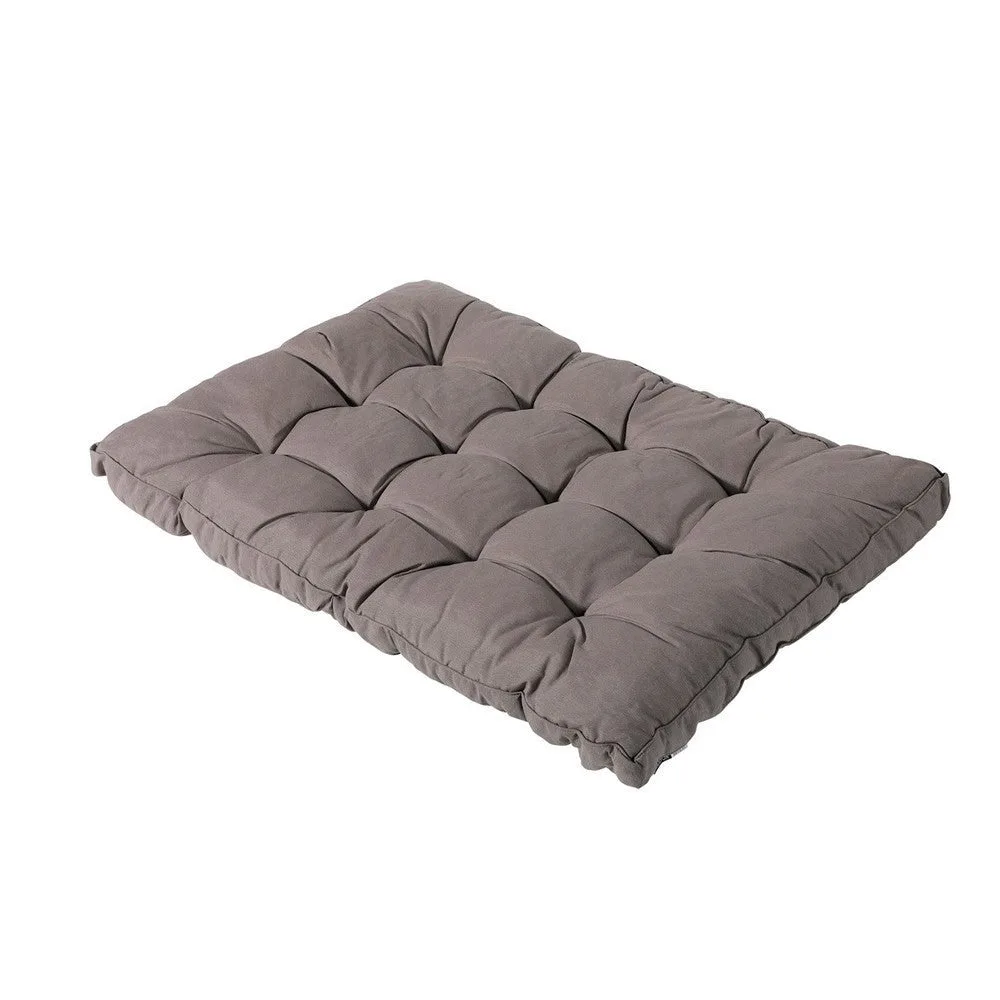
Florance pallet cushion, no zip
View cushion →
All lounge cushions
View range →Do note the difference: according to the product information, the Florance pallet cushion has no zip. That's fine if you only plan to wipe it down with a cloth, but if you want to be able to wash the cover, choose a version with a zip. You can also browse all garden cushions. If you still need to choose a lounge set, the selection guide will help you along with a few questions.
Storing after washing
A clean, dry cushion stays looking best for longest when it has a fixed place away from rain and sun. The Madison instructions say so too: store cushions in a protective cover or indoors when they are not going to be used for a longer period.
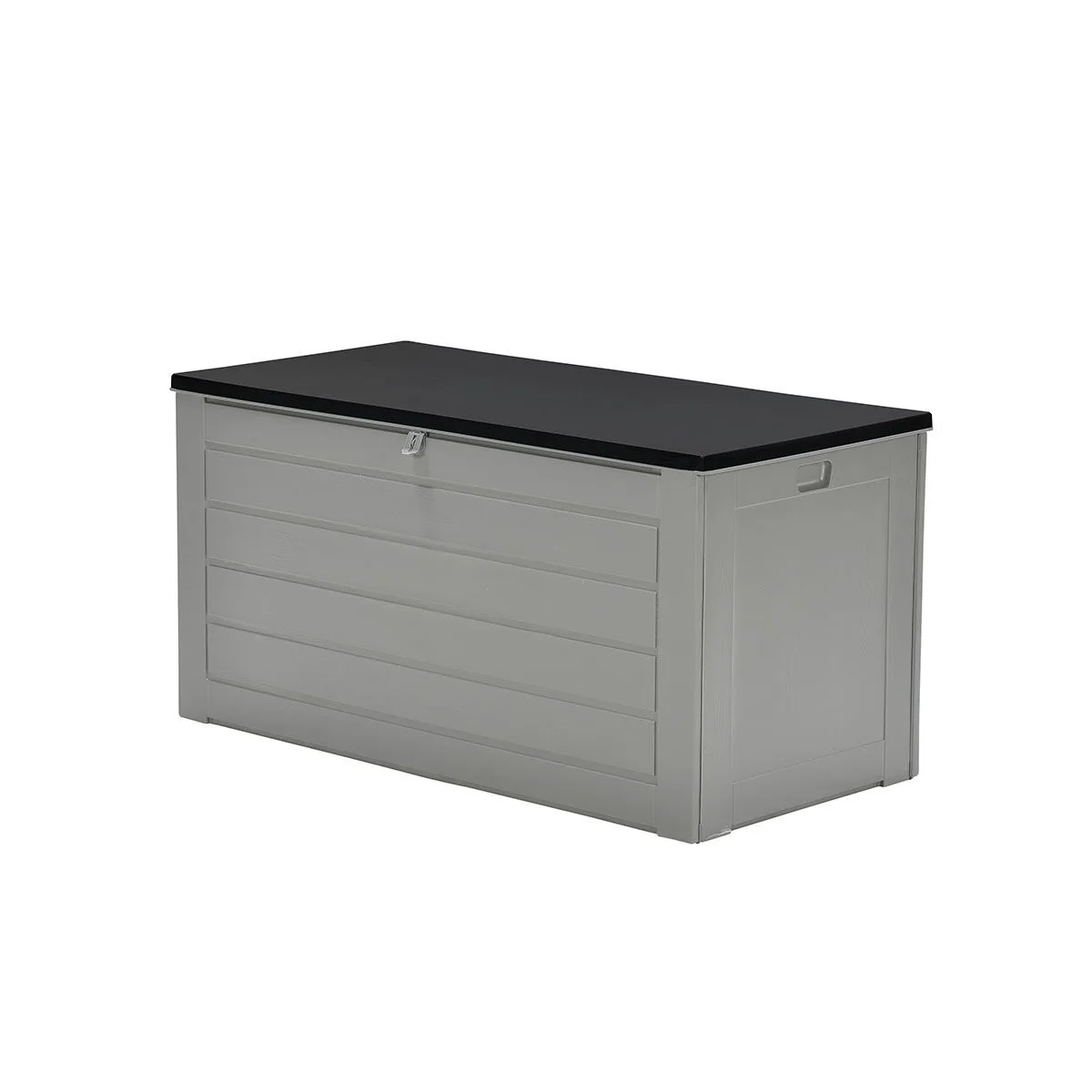
Primo cushion box 680L
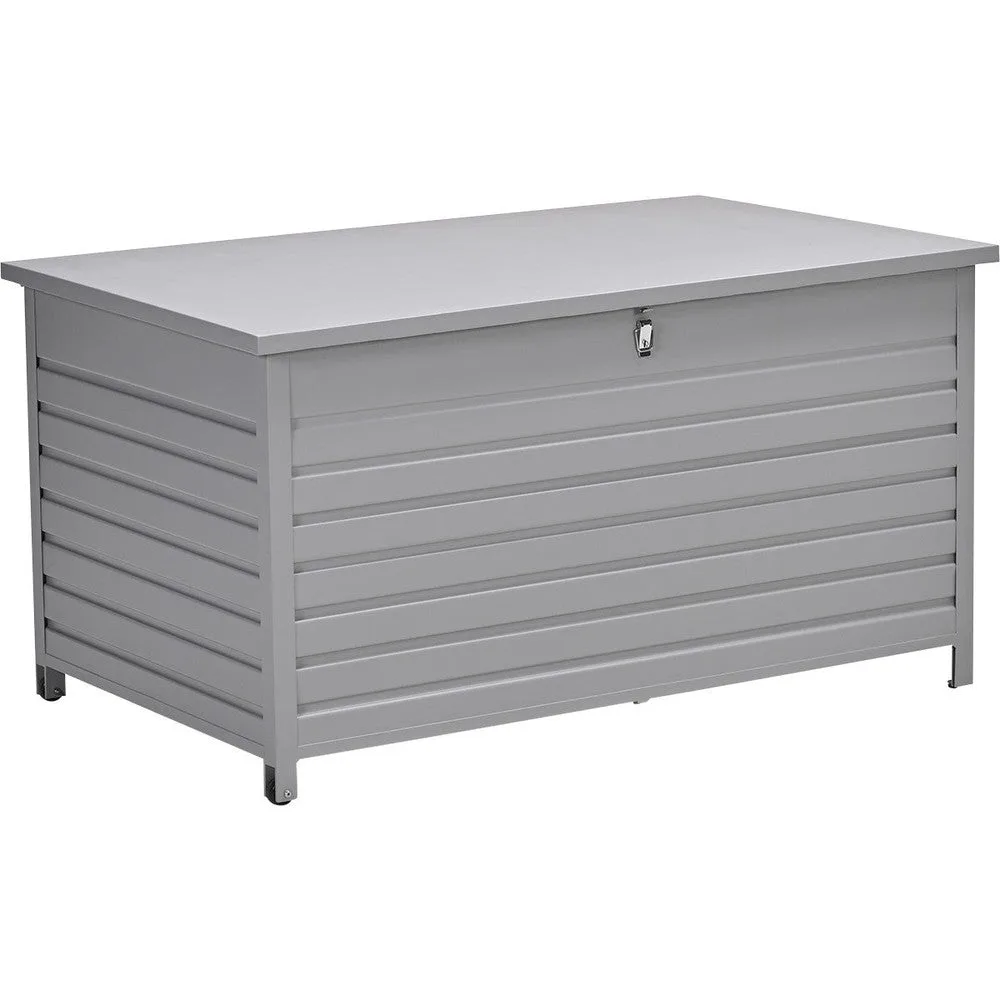
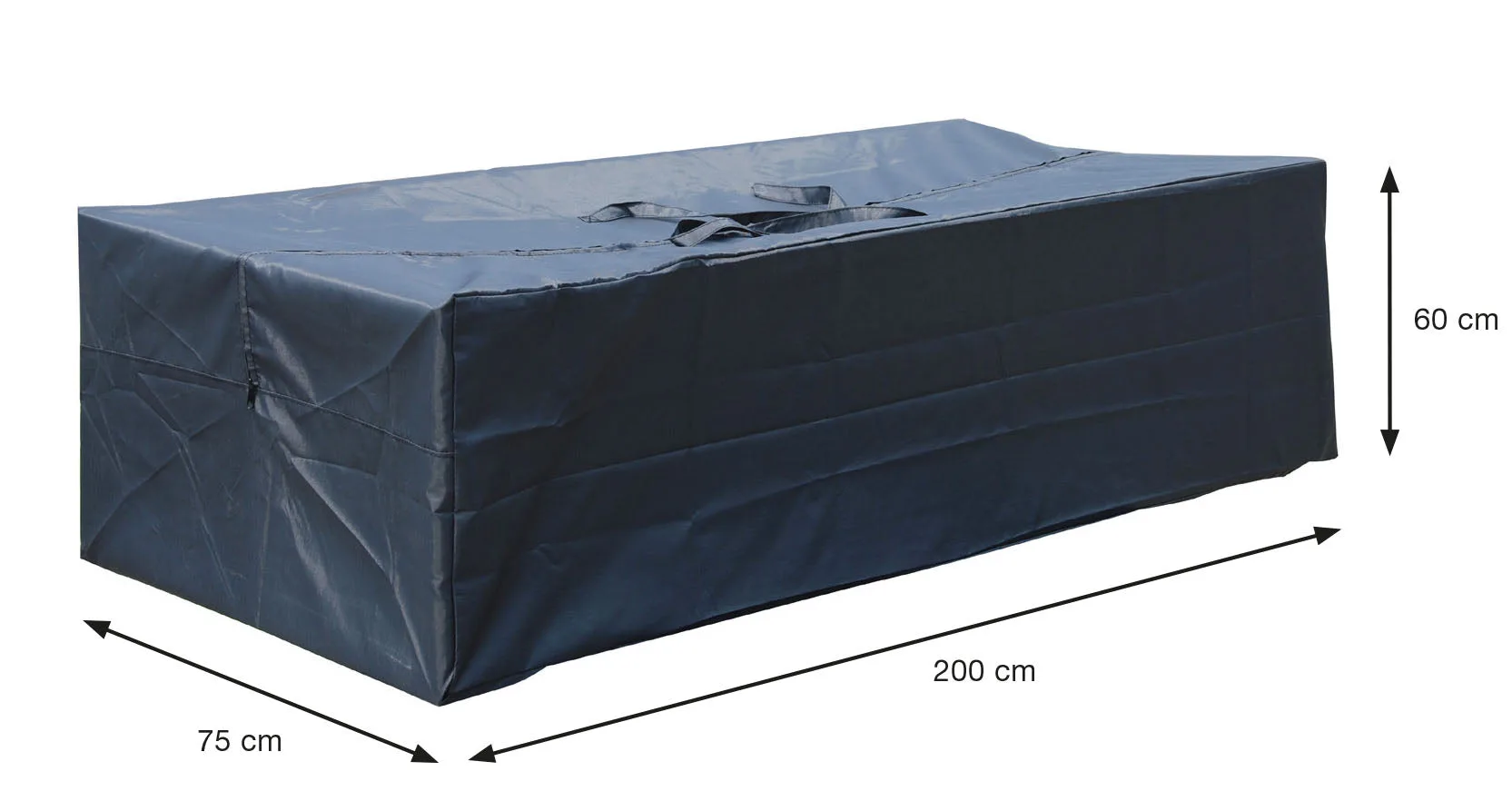
Prefer to store them in the shed or garage? A cushion bag keeps dust and dirt out. According to the manufacturer, the Platinum AeroCover cushion bag is made of a breathable fabric that counteracts mould formation and is intended for indoor use, so for the shed, garage or storage room.
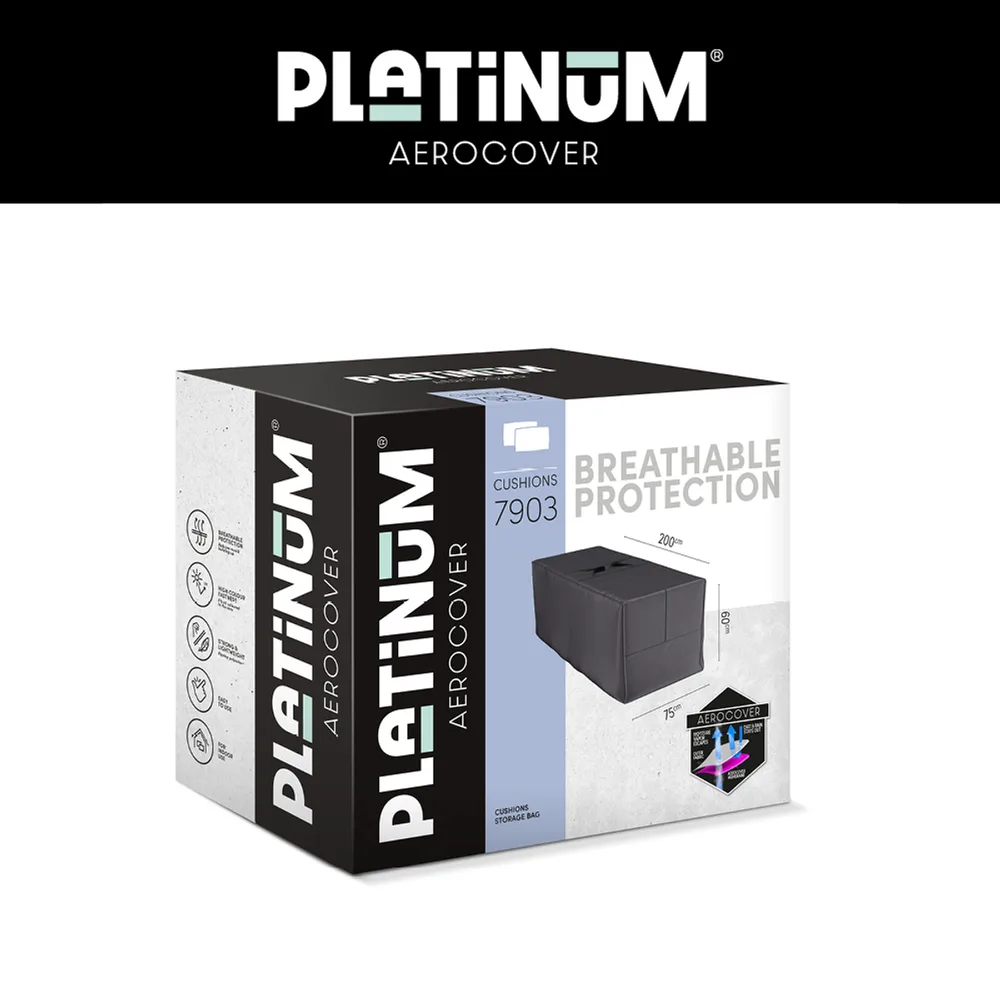
AeroCover cushion bag 200x75xH60


To find out how to get your cushions through the winter without a musty smell, read storing garden cushions. And if you want to know whether the lounge set itself can stay outside, read can a lounge set stay outside?.
Frequently asked questions
Can lounge set cushions go in the washing machine?
Only the cover, and only if it has a zip and the care label allows machine washing. For Madison lounge cushions, the instruction is: wash the cushion cover on a low temperature if it is removable, or clean the fabric with a damp cloth and mild soapy water. The complete cushion with the foam filling inside does not belong in the washing machine.
What temperature should I wash a lounge cushion cover at?
Always follow the care label inside the cover. If there is no label, keep to a low temperature and choose a delicate or wool programme with a low spin speed. This is also what Madison advises: wash on a low temperature. A hot wash can shrink a cover so that it no longer fits the cushion.
How do I wash lounge cushions without a zip?
A cushion without a zip is washed as a whole, by hand. First vacuum it, then wipe the fabric with a damp cloth and mild soapy water, and rinse with a cloth dampened with clean water. Do not soak the cushion, as the filling will then dry very slowly. Afterwards, leave it upright in a airy place to dry.
How long does a lounge cushion take to dry?
That depends on the thickness of the foam, the weather and how wet the cushion has become. A loose cover is often dry within a day, while a thoroughly soaked cushion 10 cm thick can take several days. Always check the filling by touch, and only store the cushion once the core is also dry.
Can lounge cushions go in the tumble dryer?
Better not. Outdoor fabric covers can shrink in a tumble dryer or lose their water-repellent coating, and foam should never go in one. Hang the cover up and let the cushion air dry, in the shade or in a well-ventilated indoor space. If the care label explicitly says the cover can be tumble dried, then follow the label.
How often should I wash lounge set cushions?
For most gardens, one thorough wash at the end of the season, just before you store the cushions, is enough, and possibly once in spring. In between, knocking off dirt, vacuuming and treating a stain straight away is usually sufficient. The less often a cover has to go in the machine, the longer it will stay looking good.