

Garden cushions take a lot of punishment: dust, pollen, rain, sun cream, a spilled glass of wine and birds perching in the tree above your lounge set. Even water-resistant cushions get dirty sooner or later, and a cushion that stays damp too long develops green algae or mould. The good news is that a few simple things will freshen up most cushions. In this article you'll learn how to clean seat cushions, sunbed cushions, seat pads and lounge cushions, with or without a removable cover, how to tackle each type of stain, and how to dry and store them properly.
In short: first check whether your cushion has a zip and what the label says. Beat and vacuum the cushion, clean it with lukewarm water and mild soapy water, and treat stains according to the stain table. Don't use bleach or a pressure washer. Let the cushion dry completely before you store it: that prevents mould.
First check: zip, label and fabric
How you clean a garden cushion depends mainly on one thing: can you take the cover off? A cover with a zip can be washed separately. Without a zip, the filling stays inside and you clean the cushion by hand. So first look at the cushion and the label:
- Zip or no zip: at Madison, this is listed in the product information as Zip: Yes or Zip: No. In our range, the seat cushions and sunbed cushions don't have a zip. For seat pads and lounge cushions, it varies by model.
- Care label: if there's a washing temperature or a hand-wash symbol on it, follow that. Madison itself advises washing a removable cover on a low temperature, or otherwise cleaning the fabric with a damp cloth and mild soapy water.
- Fabric: acrylic, polyester and cotton blends can all be cleaned with mild soapy water. A water-repellent finish lasts longest if you avoid harsh cleaning products.
| Type of cushion | Removable cover? | How to clean |
|---|---|---|
| Cushion with zip | Yes | Wash the cover separately |
| Cushion without zip | No | By hand, with a cloth or brush |
| Lounge cushion with zip | Yes | See washing lounge set cushions |
Are you dealing with the large seat and back cushions of your lounge set? Then you'll find step-by-step instructions for machine washing and refitting the cover in washing lounge set cushions. This article covers all garden cushions, with a focus on stains.
What do you need?
You don't need expensive products. This is enough for almost any garden cushion:
- A vacuum cleaner with a brush attachment, or a beater
- A soft brush and a few clean cloths or sponges
- Lukewarm water with a mild soap: green soap, a drop of washing-up liquid or a mild detergent
- Cleaning vinegar for mould and limescale rings
- Cornflour or baking soda for fresh grease stains
- Optionally, a textile cleaner for outdoor dirt
Not needed, and even best avoided: bleach, chlorine, abrasive cleaners and a pressure washer.
Cleaning garden cushions in 5 steps
This step-by-step plan works for any garden cushion. In step 3, choose the route that suits your cushion: with or without a zip.
Beat the cushion outside and vacuum away sand, dust, fluff and leaf debris, especially from the seams and edges. Do this while it's dry: otherwise you'll rub loose dirt into the fabric when you start working wet.
First tackle any visible stains using the approach in the stain table. Dab from the outside inwards so the stain doesn't spread, and don't rub hard.
If the cushion has a zip, remove the filling, close the zip, turn the cover inside out and wash it on a low temperature with a mild detergent, following the label. Without a zip, go over the whole cushion with a sponge or soft brush and mild soapy water, section by section, so you don't end up with streaks.
Wipe the cushion with a cloth and clean water, or carefully rinse it with the garden hose on a gentle setting. Soap residue attracts new dirt and leaves rings.
Press out excess water without wringing, and stand the cushion upright in a airy spot, out of harsh sun. Only put a washed cover back on once it's completely dry, and only store the cushion once the filling is dry too. You can read more about this under drying properly.
Cushion soaked through? Choose a dry day
A cushion without a zip dries slowly, because the water soaks into the filling. So clean it on a dry, windy day, and start in the morning. That way it has the whole day to dry.
Removing stains: which approach for which stain?
The sooner you tackle a stain, the easier it comes out. Always test a product first on an inconspicuous spot, such as the underside or a seam.
| Stain | Approach | Avoid |
|---|---|---|
| Mould (black specks) | Brush off dry, then diluted vinegar | Bleach, scrubbing indoors |
| Green algae | Brush with green soap | Pressure washer |
| Grease, sun cream, BBQ | Cornflour, then washing-up liquid | Rubbing hard |
| Bird droppings | Soften, then soapy water | Smearing it if it's fresh |
| Wine, fruit, fizzy drinks | Dabbing, cold water, soapy water | Hot water |
| Pollen | Shake out dry and vacuum | Rubbing when wet |
Grease and sun cream
Sun cream, barbecue oil and greasy snacks leave dark, shiny patches. Blot up whatever is still sitting on top with kitchen roll. For a fresh stain, sprinkle cornflour or baking soda over the spot, leave it for a while so the grease is absorbed, then brush it off. Work the rest out with a drop of washing-up liquid in lukewarm water, as washing-up liquid is designed to break down grease. Rinse thoroughly afterwards.
Bird droppings
Remove fresh bird droppings with kitchen roll by lifting them off, not by wiping. If they've dried, first lay a damp cloth over the spot so it softens. Then remove it with soapy water and a soft brush. Don't leave it too long: bird droppings can damage the fabric and leave a ring behind.
Wine, fruit and fizzy drinks
Blot up as much liquid as possible with a dry cloth. Rinse the spot with cold water and work the rest out with a mild soapy water. Hot water can actually set these kinds of stains. For a stubborn stain, you can use a textile cleaner for outdoor fabrics, provided you test it on an inconspicuous spot first.
Dab, don't rub. Rubbing pushes a stain deeper into the fabric and roughens the fibres, so that spot will get dirty faster than the rest of the cushion.
Mould and green algae
Mould and green algae have the same cause: a cushion that stays damp for too long. They look different, though, and need a slightly different approach.
Mould shows up as black, grey or sometimes pink specks, often together with a musty smell. First brush off the mould while dry, outside, so the spores don't end up indoors. Then make a solution of cleaning vinegar and water, apply it to the spot, leave it to work for about fifteen minutes and scrub. Rinse thoroughly with clean water and let the cushion dry completely. If that doesn't work, there are textile cleaners specifically for mould. Don't use bleach on coloured fabric, and never mix vinegar with chlorine or a product containing chlorine: this releases a toxic gas.
Green algae are algae that attach themselves to damp fabric, especially on the underside and on cushions that sit in the shade or under trees. Loosen the algae with lukewarm water and green soap, rinse, and let the cushion dry in an airy spot. If the algae are on your terrace as well, read how to remove green algae from your terrace.
Mould in the filling?
If a cushion still smells musty after washing, or the stains keep coming back, the mould is often deep in the filling. With a zip, you can replace the filling. Without a zip, a new cushion is usually the best solution.
Drying properly
Drying is the step that most often goes wrong, and that's exactly where mould starts. A few rules:
- Upright or on its side: that way the water runs down and out of the cushion. Lying flat, it stays in the middle.
- Airy and in the shade: wind dries faster than harsh sun, and wet fabric in strong sunlight fades faster. Also see garden cushions faded by the sun.
- Not in the tumble dryer: unless the label allows it. Heat can shrink the cover and damage the water-repellent layer.
- Turn the cushion now and then: that way both sides dry evenly.
- Check deep inside the filling: the outside often feels dry before the inside is. If you're not sure, wait another day.
Cushions with quick-drying filling are ready sooner. You can read how that works in quick dry foam cushion filling.

Cushions that are easy to keep clean
Are your cushions no longer cleanable, or would you like to make things easier for yourself from now on? Then choose a cushion with a zip, so you can wash the cover separately. These examples have a removable cover. The details come from the product information, and you can see current prices on the cards.
For the pallet sofa: Manchester pallet cushion
A pallet cushion of approximately 120 by 80 cm made from 100% acrylic, with a zip so you can remove the cover. Colourfastness 7 or 8 and water-repellent.
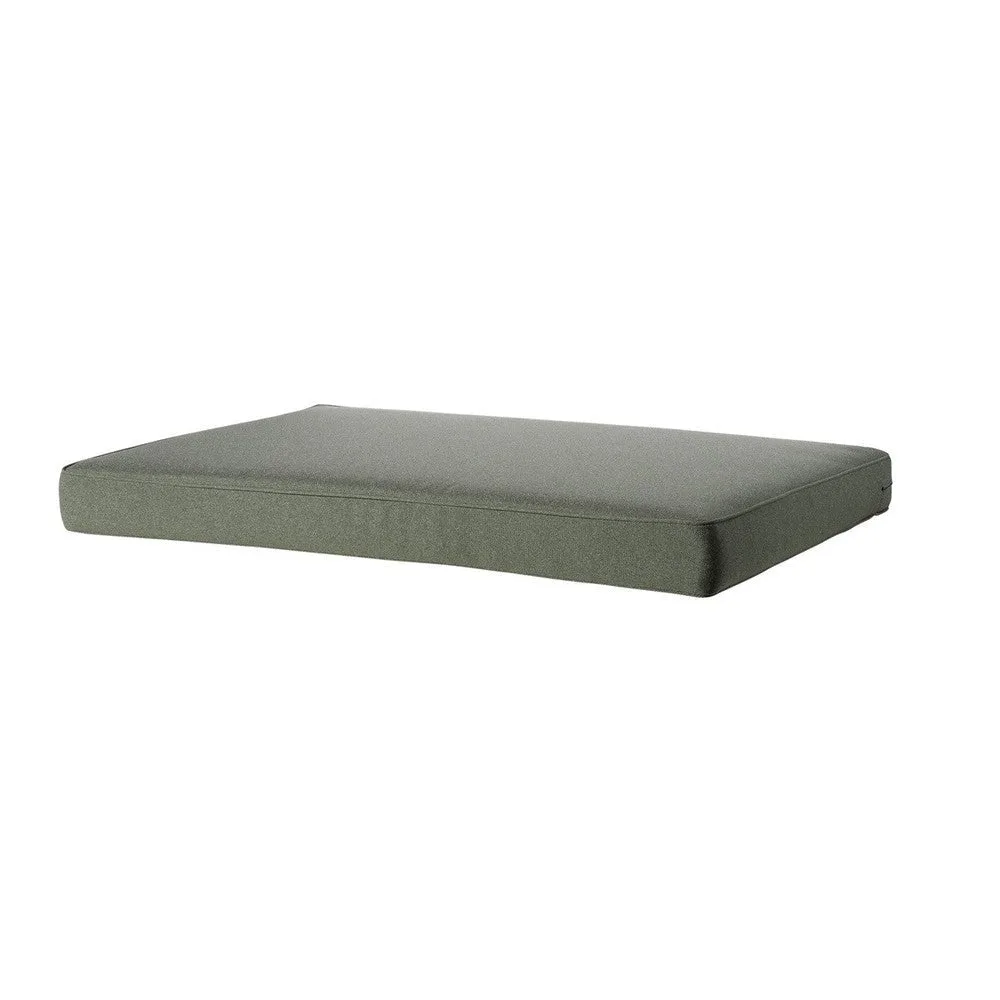
Palletkussen Manchester green
Also for the pallet sofa: Eco-line canvas
A pallet cushion of approximately 120 by 80 cm and 10 cm thick, with a fabric made of 75% cotton, 20% polyester and 5% other fibres, fully recycled. The cover has a zip, and with colourfastness 8 or 8, the colour stays looking good even after washing.
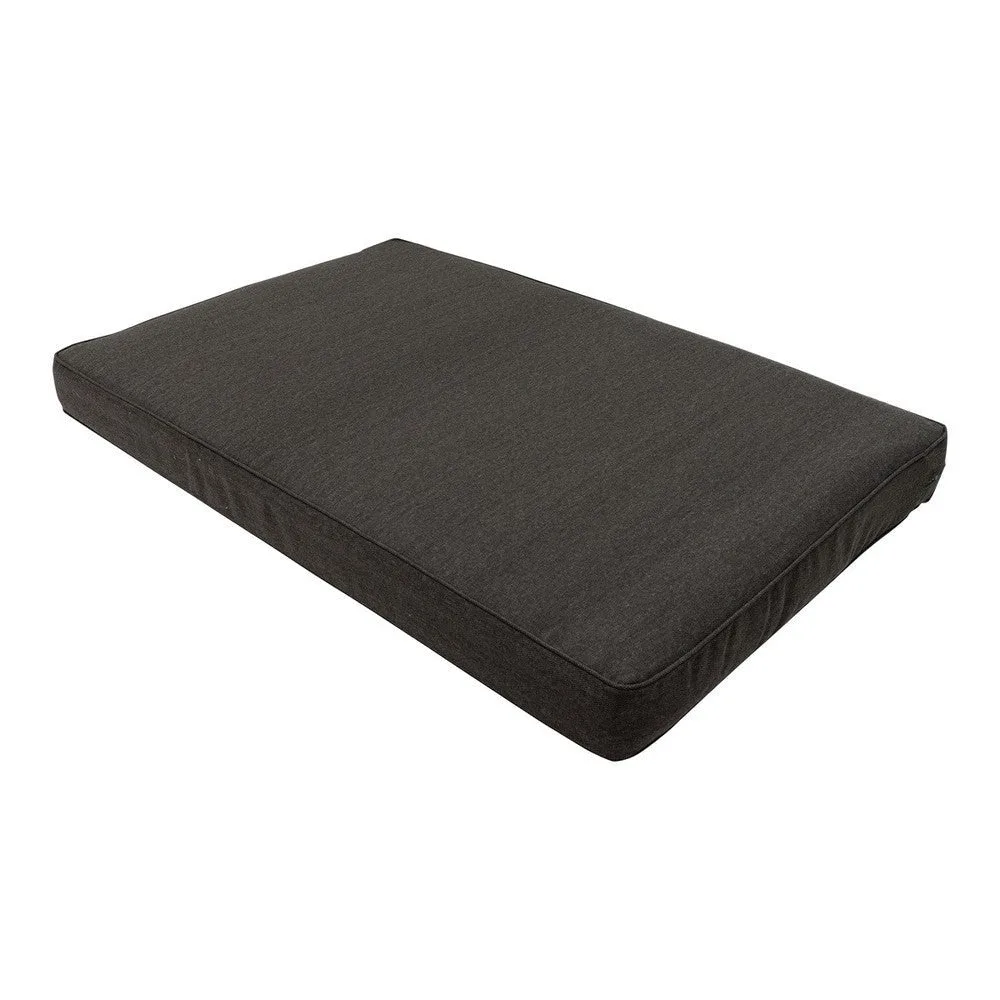
Palletkussen Dark grey canvas Eco+
For the wicker chair: seat cushion with a zip
A zip is handy even on small seat cushions. These Madison seat cushions for wicker chairs measure approximately 48 by 48 cm, and both have a removable cover: the Richmond in 65% acrylic and 35% polyester, and the Eco-line in a cotton blend.
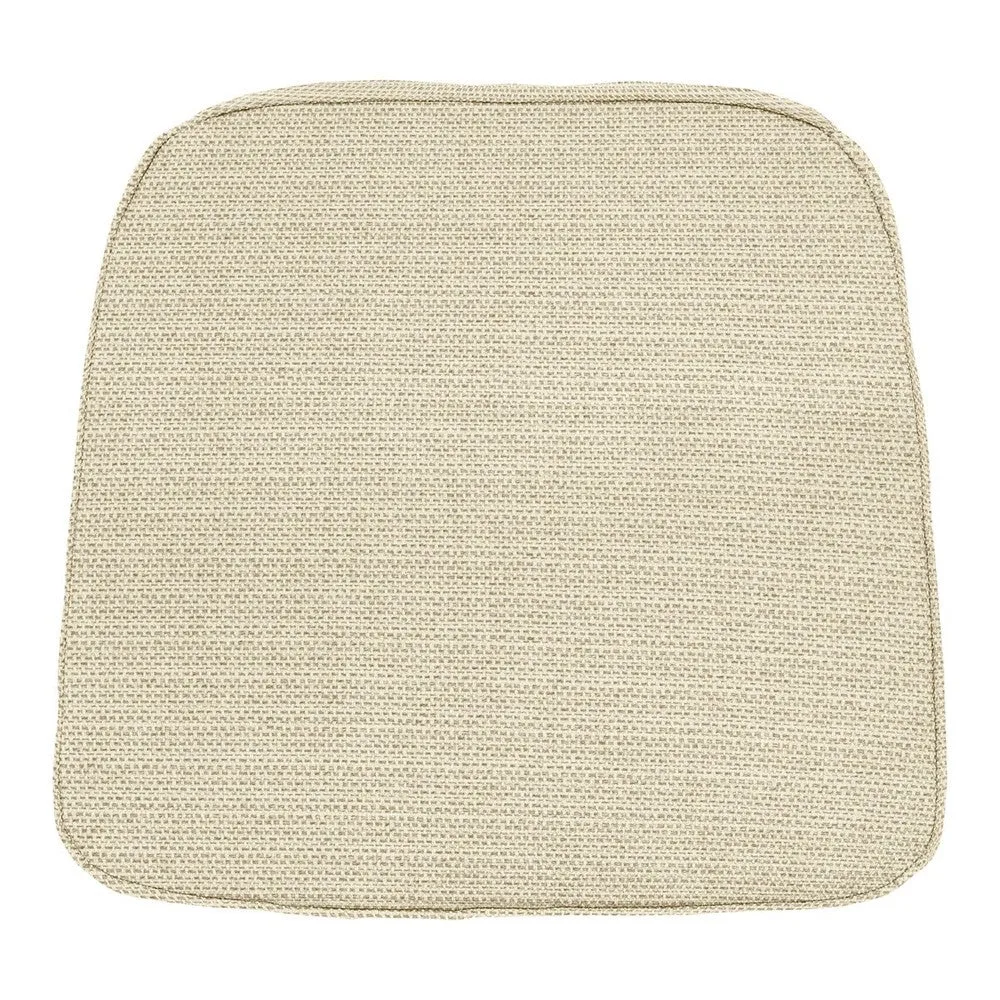
Richmond moss seat cushion, zip
View cushion →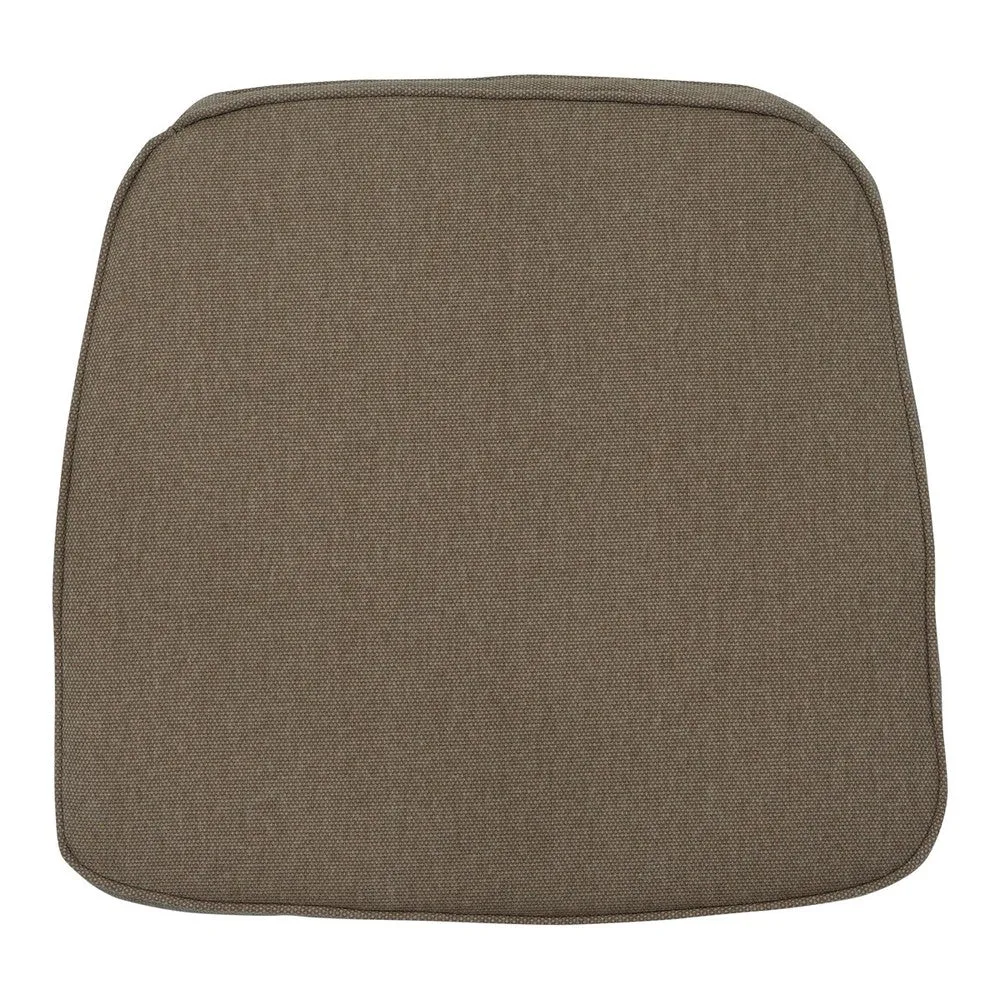
Eco+ taupe seat cushion, zip
View cushion →
All seat cushions
View range →Without a zip: choose a colourfast, water-repellent fabric
Seat cushions with high backs and sunbed cushions don't have a zip in our range. For these, a fabric that repels dirt and water well is especially important. The Richmond sunbed cushion (65% acrylic, 35% polyester, approximately 190 by 60 cm) and the Manchester seat cushion with high back (100% acrylic, approximately 123 by 50 cm) are both water-repellent, with colourfastness 7 or 8.
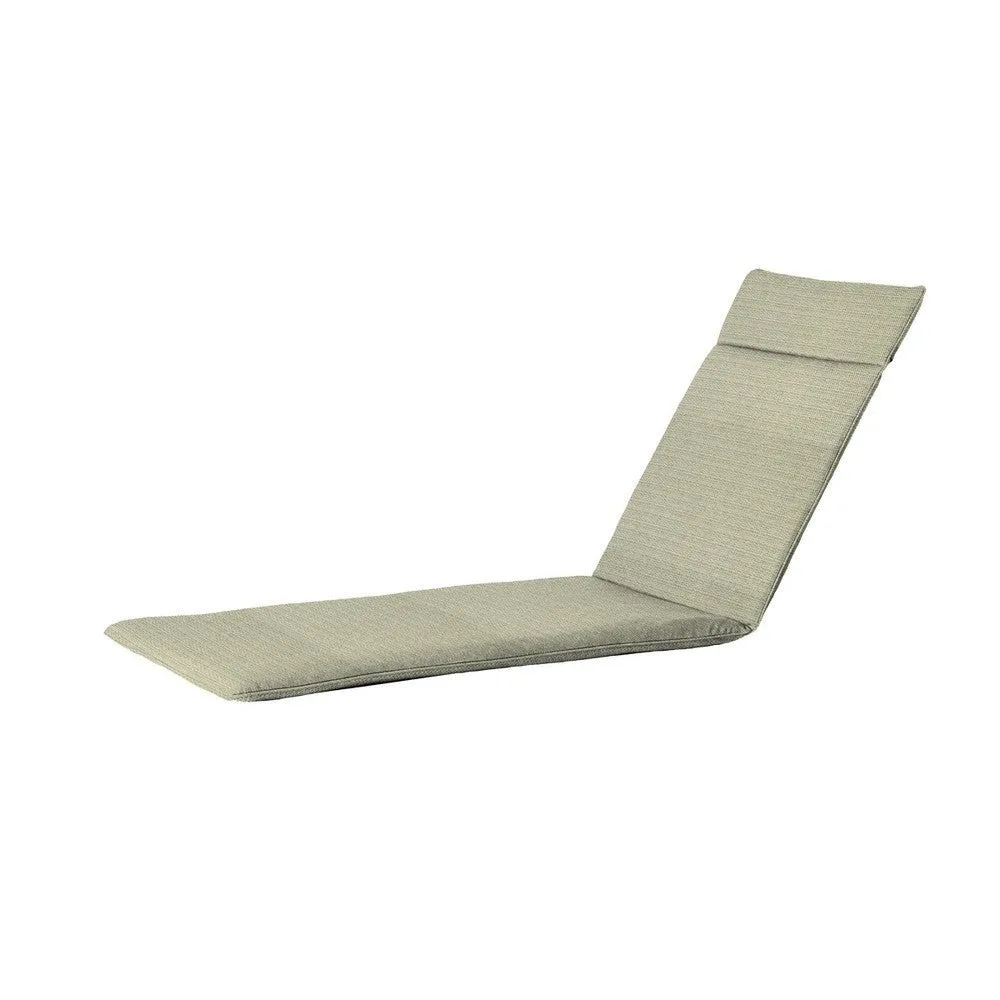
Ligbedkussen Richmond moss 190x60 cm
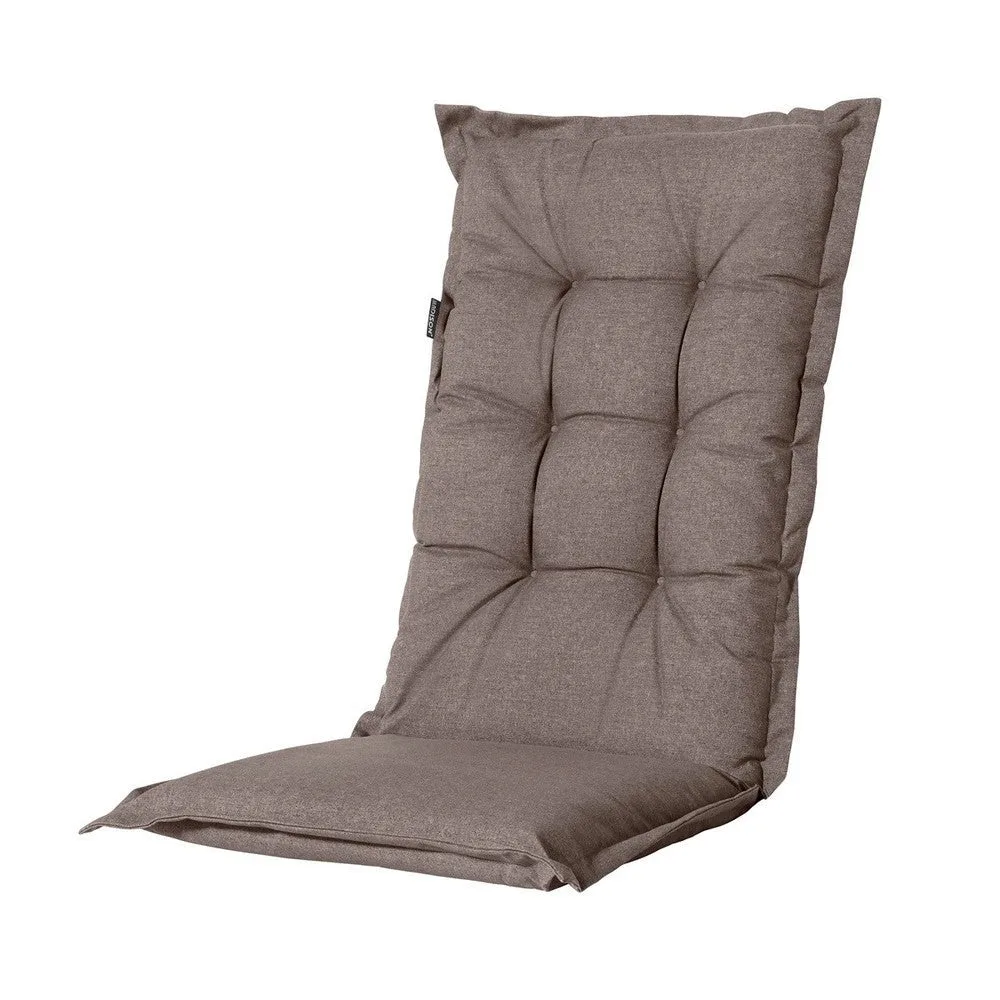
Manchester high back taupe
View cushion →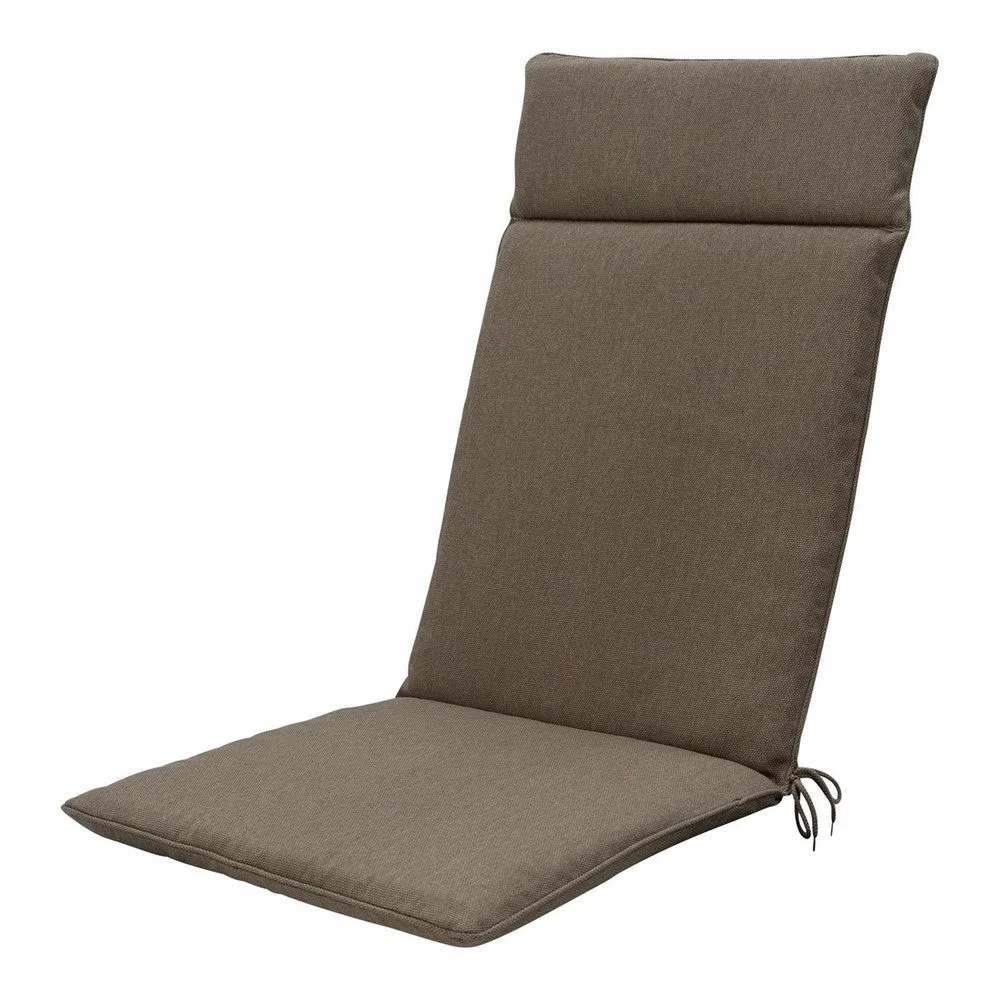
Eco+ high back taupe
View cushion →
All sunbed cushions
View range →Or browse all garden cushions, cushions with high backs and lounge cushions. Not sure which cushions and furniture suit your garden? The selection guide will help you get started with a few questions. For more on what to look for in new cushions, read buying garden cushions: what should you look out for?.
Storing them clean
Clean cushions stay clean longest if they have a fixed, dry place to go after use. A cushion box next to your lounge set or a cushion bag in the shed keeps out dust, rain and bird droppings. Only store them when they're dry: in a sealed box, moisture lingers for a long time.
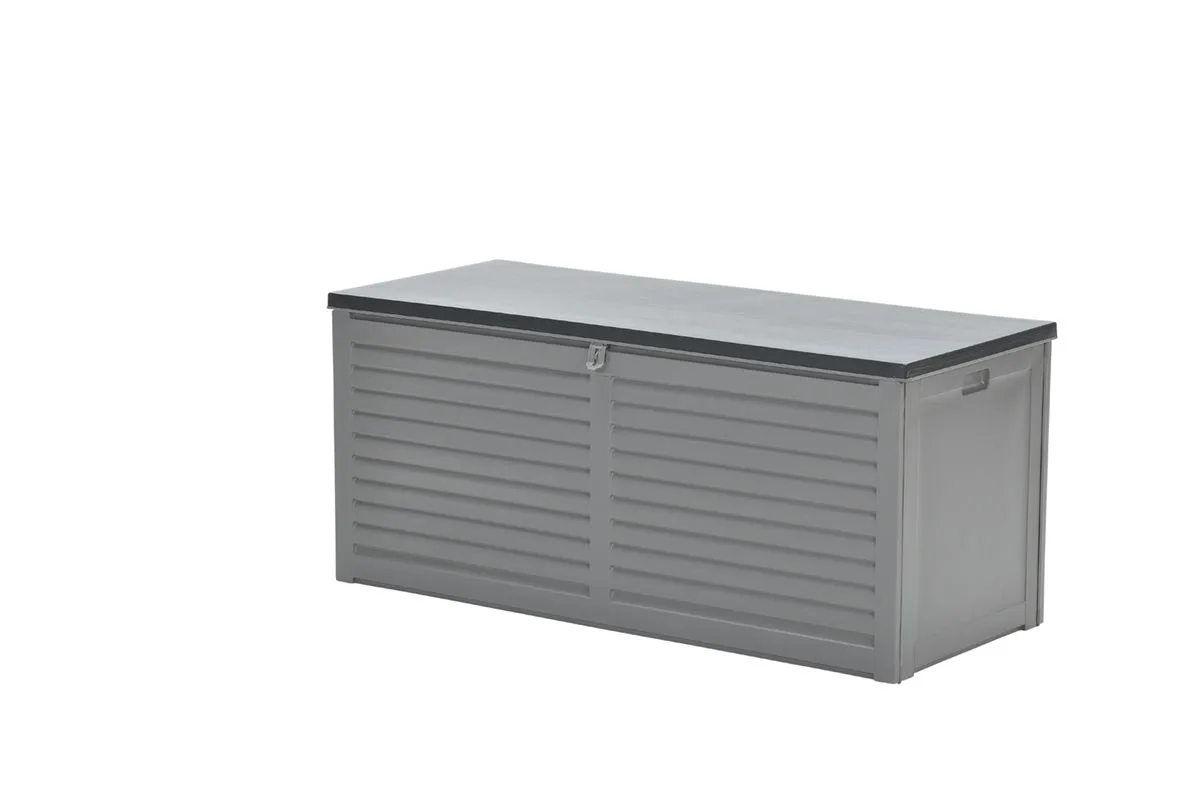
Primo kussenbox 490L
Prefer to store them indoors? The AeroCover cushion bag from Platinum is made of a breathable fabric that, according to the manufacturer, prevents mould from forming, and keeps the cushions clean and dust-free.
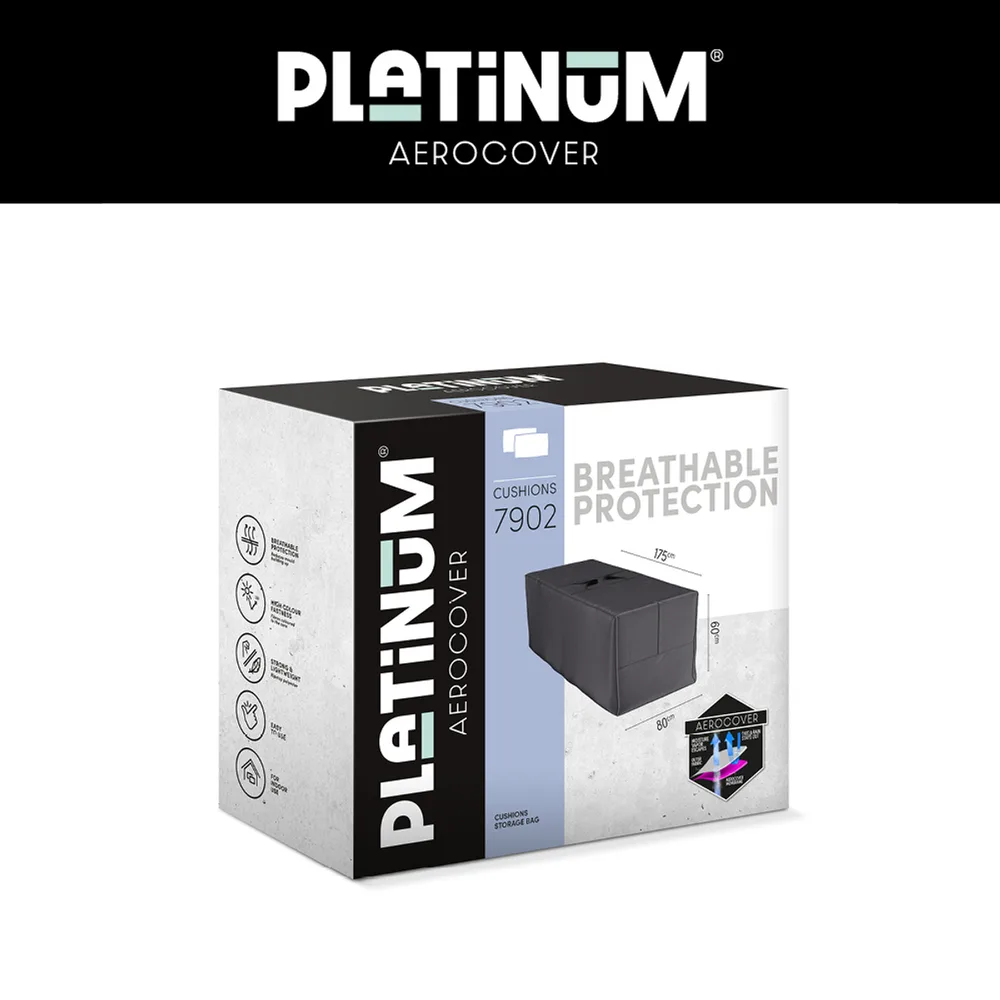
AeroCover kussentas 175x80xH60
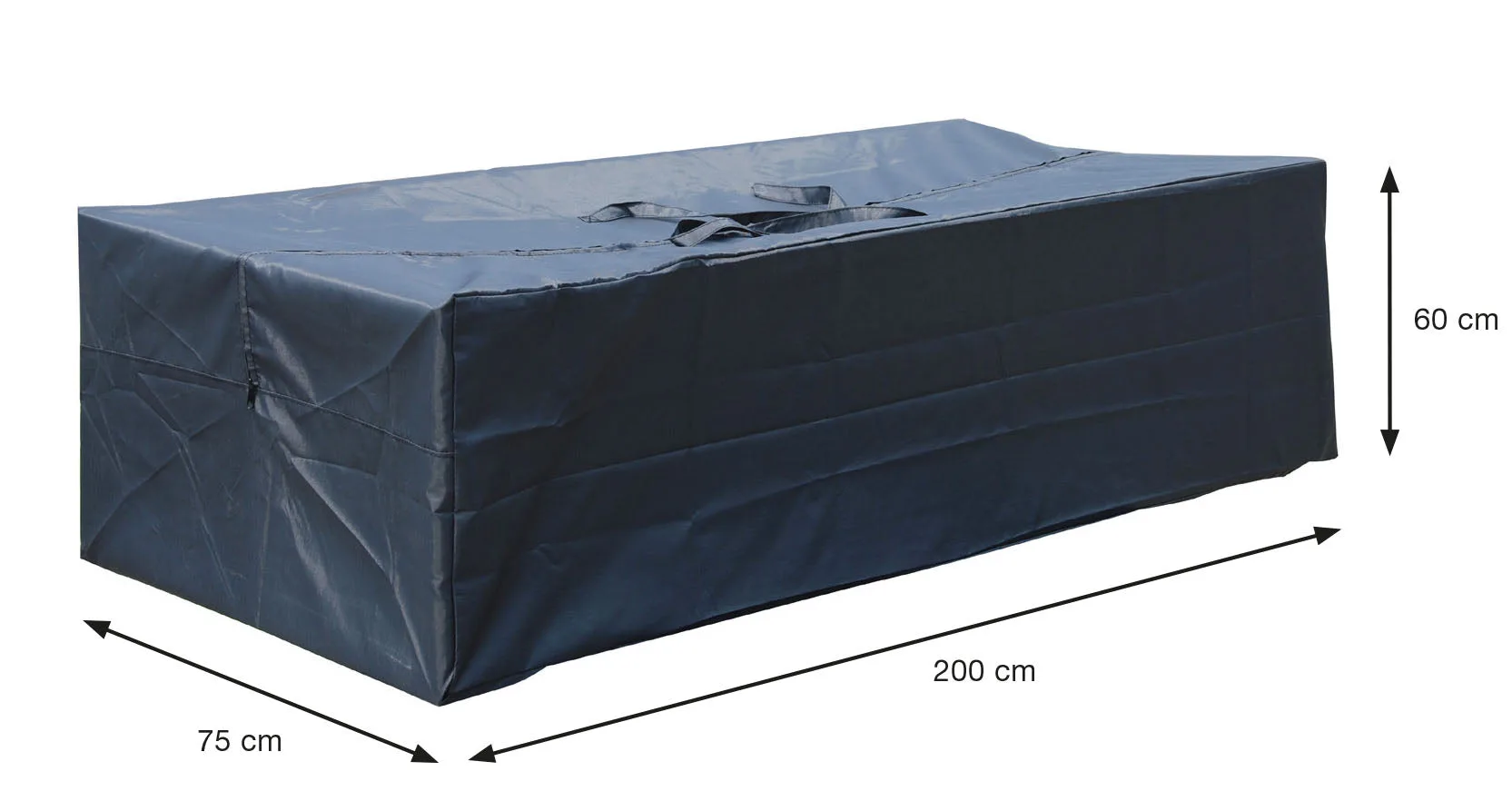


For more tips on winter and shed storage, read storing garden cushions.
Checklist for clean garden cushions
Tick off what you already do. The more ticks, the less often you'll need to scrub.
- I know which cushions have a zip and what the care label says
- I beat and vacuum the cushions regularly, including the seams
- I remove stains straight away, dabbing rather than rubbing
- I use mild soapy water, no bleach or chlorine
- After washing, I rinse off soap residue
- Cushions dry upright and completely, including the filling
- After use, they go into a cushion box or cushion bag
- Before winter, they're stored clean and dry
How to keep garden cushions clean for longest
- When buying new cushions, choose a cover with a zip so you can wash it separately
- Check Water-repellent: yes in the product information
- Only put cushions outside when you're using them
- A light or mid-tone shows less dirt than white
Common mistakes
Putting the whole cushion in the washing machine
A cushion with filling doesn't belong in the machine: the filling gets damaged and hardly dries. Only wash the cover, and only if it has a zip.
Using bleach or chlorine
Bleach removes mould, but also the colour. You'll be left with pale patches that never come back. Use diluted vinegar or a textile cleaner, and never mix vinegar with chlorine.
Using a pressure washer
The hard jet damages the fabric and seams and forces water deep into the filling. A soft brush and the garden hose on a gentle setting are safer.
Rubbing stains hard
Rubbing makes a stain bigger and roughens the fabric. Dab from the outside inwards and let a product work for a moment.
Storing it damp
A cushion that feels dry on the outside can still be wet on the inside. In a sealed box, you'll get mould within a few weeks. Better to wait an extra day.
Leaving soap residue behind
Soap left in the fabric attracts new dirt and causes rings. Always rinse with clean water.
Frequently asked questions
Can garden cushions go in the washing machine?
Only the cover, and only if it has a zip and the care label allows it. Remove the filling, close the zip, turn the cover inside out and choose a low temperature and a mild detergent. A cushion without a zip is best cleaned by hand with a cloth or soft brush and mild soapy water.
How do you remove mould from garden cushions?
Brush the mould off outdoors first so the spores don't end up indoors. Then treat the spot with diluted cleaning vinegar or a mould-removing textile cleaner, leave it to soak in briefly, scrub it and rinse with clean water. Test on an inconspicuous spot first and let the cushion dry completely afterwards. Don't use bleach on coloured fabric.
How do you remove green algae from garden cushions?
Green algae grow on fabric that stays damp for long periods. Brush off the algae with lukewarm water and green soap or a mild washing-up liquid solution, rinse thoroughly and leave the cushion to dry in an airy spot. Storing the cushions completely dry afterwards helps stop the algae from coming back.
How do you remove grease or suncream stains from a garden cushion?
First blot off any excess with kitchen roll, without rubbing. For a fresh grease stain, sprinkle cornflour or bicarbonate of soda over the spot to absorb the grease, then brush it away after a while. Work through the remaining mark with a drop of washing-up liquid in lukewarm water and rinse with clean water.
Can you clean garden cushions with a pressure washer?
It's better not to. The harsh jet can damage the fabric and seams, and it forces water deep into the filling, so the cushion stays wet for a long time and may develop mould. A soft brush, a garden hose on a gentle setting and mild soapy water are safer options.
How often should you clean garden cushions?
Shake and brush them regularly during the season and remove stains as soon as possible. A thorough wash is usually enough at the start and at the end of the season. Make sure the cushions are completely dry before you store them away for winter.