
Why good garden cushions make a difference
The right garden cushions make the difference between a garden set that merely looks good and a place where you want to sit for hours. A sleek aluminium lounge set or sturdy teak garden bench looks beautiful in a photo, but without good cushions, it simply isn't comfortable to sit on. Yet not every cushion is suitable for outdoors: a cushion that works perfectly indoors can fade, become mouldy or lose its shape within a single season when used outside.
In this guide, we'll walk you through everything you need to consider before ordering new garden cushions: from fabric choice and filling to sizing, colour and maintenance.
Choose fabric that can withstand the elements
Outdoor fabrics need to withstand sun, rain and moisture — and that requires different properties from ordinary indoor fabric. When purchasing, pay attention to the following points:
- UV resistance: a good outdoor fabric is treated against fading caused by sunlight, so bright colours stay bright even after a summer outdoors.
- Water-repellent finish: this means rainwater largely rolls off the surface rather than being absorbed directly into the fibres.
- Quick-drying material: so a cushion doesn't feel damp for days after a shower before you can sit on it again.
- Mould-resistant treatment: prevents dark stains that develop when moisture remains in the fabric for too long.
If in doubt, always ask whether a cushion is specifically designed for outdoor use — some cushions look outdoor-like in pattern, but are actually made from indoor fabric and will deteriorate quickly with regular outdoor use.
The right filling: comfort versus drying time
Alongside the outside of a cushion, the filling is just as important. There are roughly three types of filling you'll encounter in garden cushions:
- Quick dry foam: this special foam filling lets rainwater literally pass through it rather than holding it, so the cushion is usable again after a short drying period. Ideal if you often leave your cushions outside, even if the weather unexpectedly changes.
- Standard foam filling: comfortable and often more affordable to purchase, but holds moisture considerably longer. With this filling, it's wise to bring cushions indoors or place them in a storage box when it rains.
- Fibre filling: feels softer and airier, comparable to an indoor cushion, but is generally less suitable for permanent outdoor use because the filling compresses more quickly and absorbs moisture.
Torn between comfort and convenience? Then consider above all how often you actually leave your cushions outside. If your furniture is under a covered area or you routinely store cushions indoors in the evening, standard foam filling is often perfectly fine. If your cushions are outside all season long, however, quick dry foam is worth the investment.
Measure your furniture before you order
Garden cushions come in many sizes, and each type of furniture has its own standard dimensions: chair cushions, lounge cushions, garden bench cushions and sun lounger cushions differ considerably in shape and size.
So always measure the seat of your furniture first: width, depth, and in the case of a corner lounge set, also the exact corner construction. A cushion that's just a bit too small will constantly shift while you're sitting; a cushion that's too large won't fit neatly within the edge of the seat and will quickly look untidy. If in doubt, it's wise to contact the customer service of the shop where you're ordering — they can often recommend the correct cushion size based on your brand and model.
Pay attention to the cover and the zip
A removable cover with a zip is extremely practical: you can simply wash the cover, or replace it once the colour has faded after a couple of seasons. When purchasing, pay attention to the following points:
- Is the cover made from the same weather-resistant material as the rest of the cushion, or just the top?
- Is the zip placed somewhere that won't be directly exposed to rain (for example, on the underside)?
- Is there a loose inner filling that you can replace separately if the filling becomes compressed after years?
Cushions without a removable cover are often somewhat cheaper, but less practical in the long term — especially if you plan to use your cushions for multiple seasons.
Colour and style: let your cushions tell your garden's story
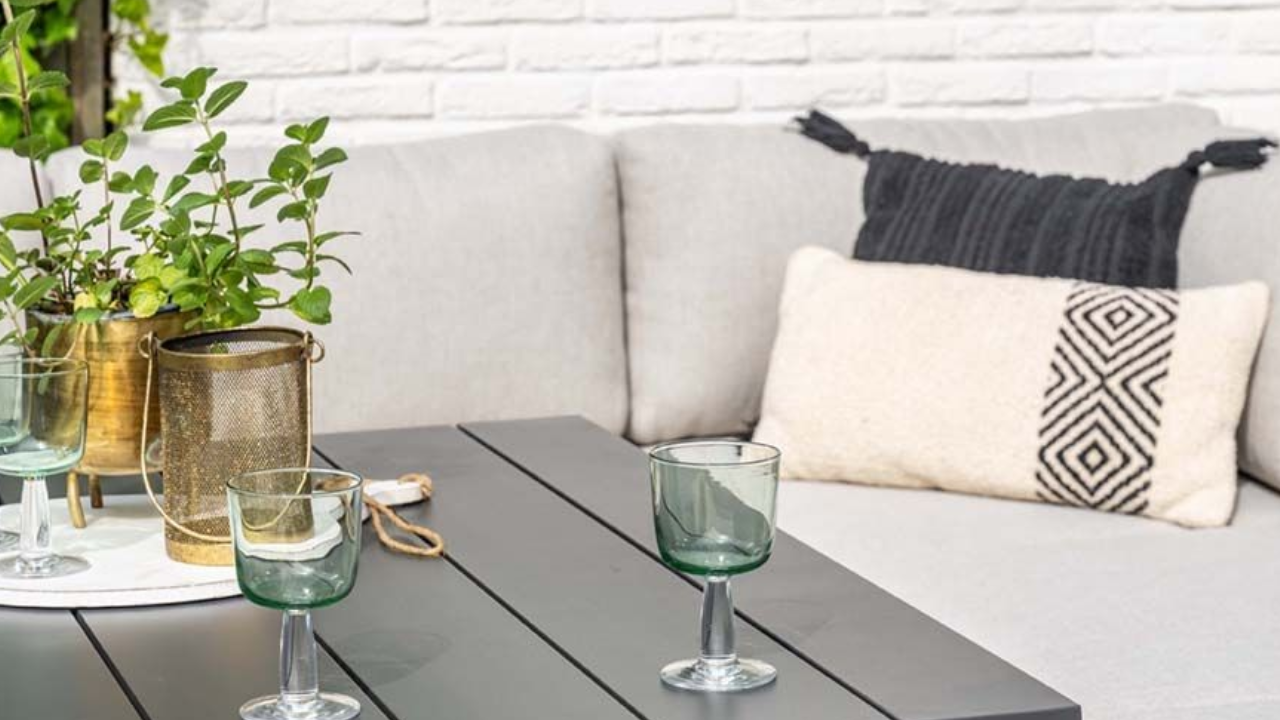
Besides comfort and material, cushions play a major role in how your garden looks. Do you want a calm, timeless aesthetic? Then choose neutral shades like grey, taupe or ecru, which suit almost any lounge set or garden set. If you prefer atmosphere and colour, you can easily create a bohemian, Mediterranean or rural look with coloured decorative cushions and subtle patterns without replacing your entire furniture set.
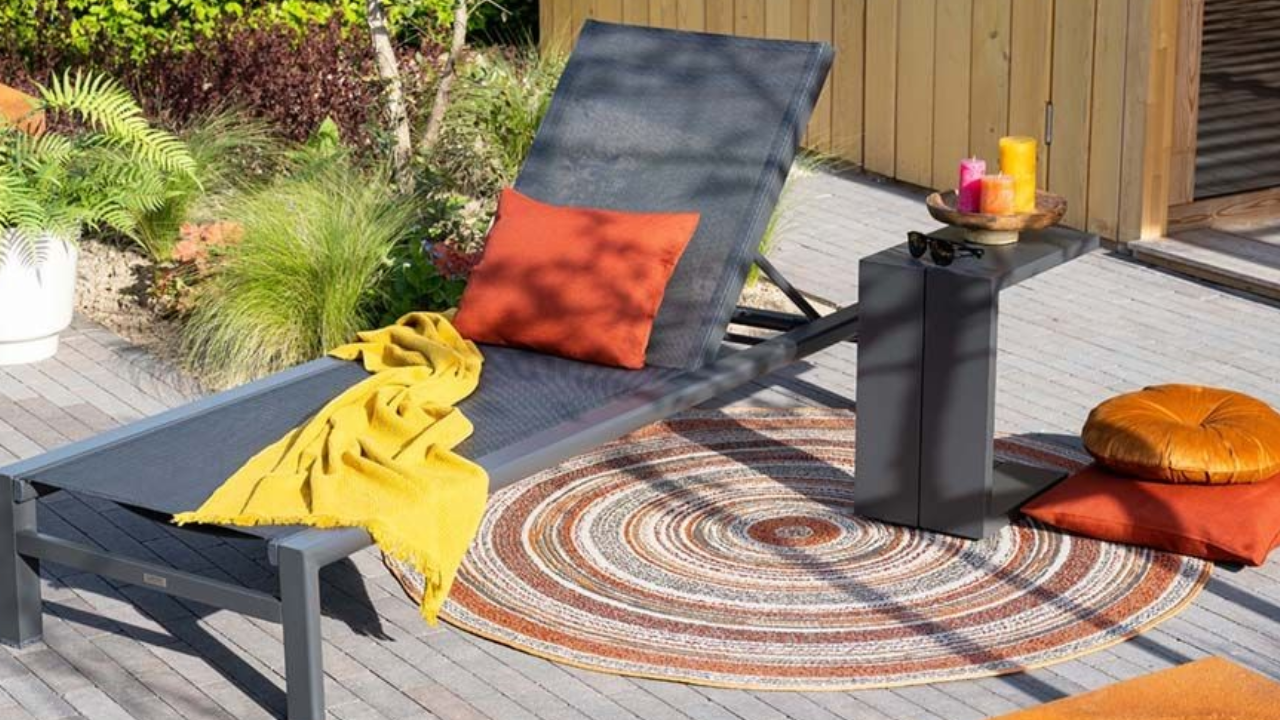
A handy rule of thumb: stick to two or three colours that you repeat throughout your outdoor space, for example also in an outdoor rug or a decorative cushion on a garden bench. This way your styling looks curated rather than cluttered.
Maintenance: how to keep your cushions looking beautiful for years
Even the most beautiful cushion deteriorates more quickly without proper maintenance. A few simple habits make a big difference:
- Store cushions during prolonged rain or over the winter months, preferably in a storage box that is dry and ventilated.
- Clean cushions regularly with a soft brush and mild soapy water, and let them dry thoroughly before storing them again.
- Flip cushions occasionally so the filling is evenly stressed and doesn't compress faster on one side.
- Remove leaves and dirt as quickly as possible, before stains have a chance to set into the fabric.
Which cushion suits which garden furniture?
Not every cushion is interchangeable between furniture types — the shape, thickness and fastening differ per type of furniture. A brief overview of what to look out for per type.
Lounge cushions
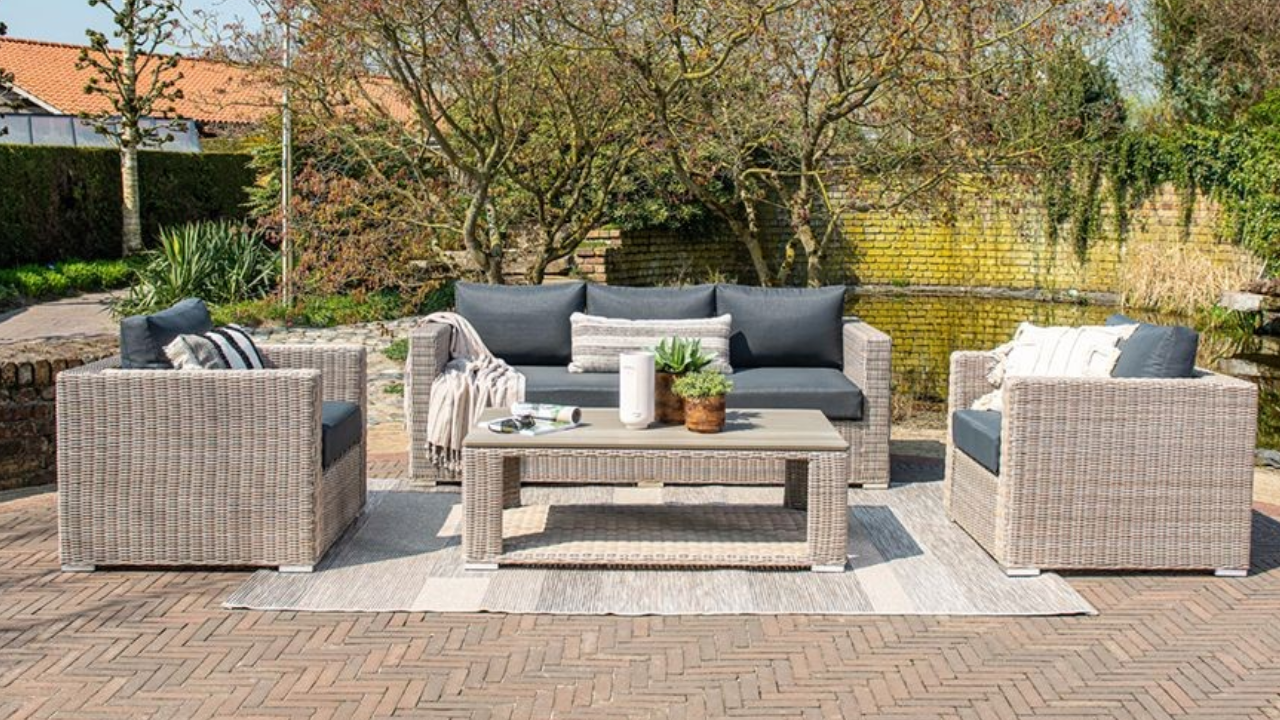
Lounge cushions are often thicker than other garden cushions, because they serve as both seat and backrest. With a corner lounge set, pay extra attention to the correct corner pieces — these have a different shape than the straight middle sections and cannot simply be swapped for one another.
Chair cushions and garden bench cushions
Chair cushions are usually thinner and simpler in shape than lounge cushions, and often fitted with straps to fasten them to the chair back so they don't slip away. Garden bench cushions are often more oblong, and with a bench that has armrests, it's important to measure the exact width between the armrests.
Sun lounger cushions
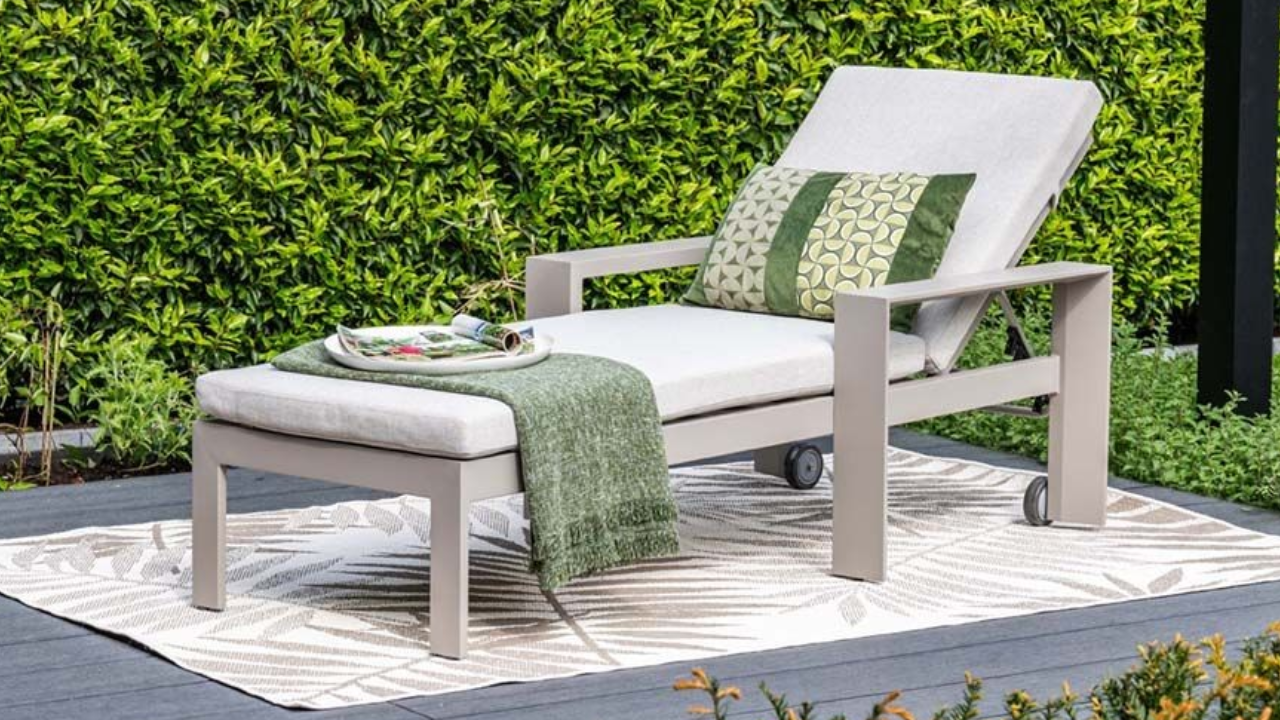
Sun lounger cushions are longer and narrower than lounge or bench cushions, and are often used together with a separate headrest pillow. With an adjustable sun lounger, it's important that the cushion is flexible enough to bend with the backrest without bunching up.
Frequently asked questions
Can garden cushions stay outside all year round?
That mainly depends on the filling. Cushions with quick dry foam can easily stay outside for longer periods, because rainwater passes through them quickly. Cushions with standard foam or fibre filling are better stored indoors during prolonged rain or in winter.
Which filling is best for outdoor use?
Quick dry foam is generally the best choice for permanent outdoor use, because it dries quickly and is less prone to mould. Standard foam is more comfortable in terms of price, but requires more attention during rain.
How often should I wash my garden cushions?
That mainly depends on use and dirt, but a thorough cleaning at the beginning and end of the season is sufficient for most cushions, supplemented with occasional brushing of loose dirt in between.
How do I prevent my garden cushions from fading in the sun?
When purchasing, choose a UV-resistant outdoor fabric, and flip cushions occasionally so they're not constantly exposed to direct sunlight in the same spot. Storing them during the hottest summer weeks also helps, although that's not always practical.
How do I know what size garden cushion I need?
Measure the seat of your furniture — width, depth and possibly the corner construction in the case of a lounge set — before you order. Still in doubt? Then contact customer service; based on your brand and model, they can often recommend the correct size.
Can I replace just the filling of a garden cushion?
With cushions that have a removable cover, that's often possible, provided the inner filling is available separately in the same size. If the filling is permanently sewn into the cover, you'll have to replace the whole cushion if the filling becomes compressed. This is exactly why a removable cover with loose filling is often the more economical choice in the long term.
Looking for the right garden cushions for your lounge set, garden bench or sun lounger? Browse our full range of garden cushions, or get in touch with us for personal advice.