
An unexpected shower, overnight dew, or a sprinkler that reaches a little too far: garden cushions get wet sooner or later. Many people then look for a way to make their cushions waterproof. The honest answer is that a garden cushion can never be truly waterproof, but impregnating goes a long way. A well-impregnated fabric makes rain bead off, stays clean for longer and dries faster. In this article you'll read the difference between waterproof and water-repellent, which approach suits which fabric, how to impregnate step by step, and how to keep your cushions as dry as possible afterwards.
In brief: garden cushions never become fully waterproof, but they can be water-repellent. Clean the cushion first and let it dry completely. Impregnate with a product that suits your fabric, test it on an inconspicuous spot first and follow the label. Then do the droplet test, and store the cushions dry during prolonged rain and after use.
Waterproof or water-repellent: what's the difference?
In shops and on spray cans the words are used interchangeably, but they mean something different. That difference determines what you can expect from your cushions.
- Water-repellent: the fibres have been treated so that water sits on the fabric as droplets and rolls off. The fabric stays breathable. During a brief shower the cushion mostly stays dry, but during prolonged rain water will still soak in.
- Waterproof: no water passes through at all, not even under pressure. This is only achieved with a solid layer, such as a coated raincoat or a tarpaulin. Such a layer hardly breathes.
| Property | Water-repellent | Waterproof |
|---|---|---|
| Brief shower | Beads off | Stays dry |
| Prolonged rain | Still soaks in | Stays dry |
| Breathable | Yes | Barely |
| Comfort to sit on | Soft, like ordinary fabric | Stiffer, can make you sweat |
| For garden cushions | The norm | Not achievable |
At Madison the product information states Water-repellent: Yes. That is exactly what you should expect from a good outdoor cushion: the fabric withstands a shower, but during persistent rain the cushion belongs indoors or in a box.
Why a garden cushion never becomes fully waterproof
Even when the fabric itself repels water well, there are always places where water gets in:
- Seams and stitching: every needle passes through the fabric. Water creeps in along the seams.
- The zip: a cushion with a removable cover has a zip, and water easily runs along it.
- The filling: foam and fibre filling absorb water like a sponge. Once the filling is wet, it dries much more slowly than the cover.
- Pressure: when you sit on a damp cushion, you squeeze water through the fabric.
A truly waterproof layer would also stop breathing. If moisture then gets in, through a seam or by condensation, it can no longer escape. That is precisely a recipe for mould and a musty smell. Water-repellent and breathable is therefore better than waterproof.
Think of impregnating as a raincoat for your cushion, not a diving suit. It helps you get through a shower, but after the rain the cushion should dry, not be left lying outside.
Which fabric do you have, and which approach suits it?
First check the label or the product information for your cushion to see which fabric it is. That determines which product you choose and how careful you need to be.
| Fabric | Approach | Watch out for |
|---|---|---|
| Acrylic | Product for outdoor fabric | Test for colour first |
| Polyester | Product for outdoor fabric | Thin coats |
| Acrylic with polyester | Product for both fabrics | Check the label |
| Cotton blend (canvas) | Product for cotton or canvas | Absorbs more moisture |
| Unknown fabric | Test a small area first | If in doubt, don't |
Cotton naturally absorbs more moisture than synthetic fibres such as acrylic and polyester. A cotton blend such as canvas therefore benefits especially from a good water-repellent layer and from storing it dry. If the label says the cushion is already water-repellent, re-impregnating is mainly needed once the factory finish starts to wear off.
What do you need?
- An impregnating product that the label says is suitable for outdoor fabric and for your fabric, preferably PFAS-free
- A vacuum cleaner with a brush attachment, or a beater
- A soft brush, clean cloths and lukewarm water with a mild soap solution
- A spot outside that is dry and free from strong wind
- Old newspaper or a sheet to protect the surface underneath
- Gloves, and possibly a face mask if the label recommends one
Impregnating garden cushions in 6 steps
This is a general step-by-step plan. The label of your product always takes precedence: it gives the correct distance, quantity and drying time.
Check the cushion's label to see what fabric it is, and the product label to see whether it is suitable for it. Spray a small amount on an inconspicuous spot, such as the underside or a seam, and let it dry. No ring, no stain and no colour change? Then you can go ahead.
Impregnating product doesn't bond well to dirt, and it actually seals in dirt and stains. Beat and vacuum the cushion, then clean it with mild soapy water. Rinse off any soap residue, as that also works against the new layer. You can read how to do this in how to clean garden cushions.
The product must go onto dry fabric. Let the cushion dry upright in a airy spot until the filling is dry too. This can take a day or longer. If the cushion has a zip, you can impregnate the cover separately once it is dry.
Spray outside or in a well-ventilated room, and not in strong wind or when rain is expected. Lay newspaper or a sheet under the cushion and keep away from plants, pets and any garden furniture you don't want to get sprayed.
Spray from the distance stated on the label, in calm passes that slightly overlap. Two thin coats work better than one wet coat, because too much product can leave marks or make the fabric stiff. Don't forget the seams and edges, as that is where most water gets in.
Let the cushion dry for as long as the label states, out of the rain and preferably in an airy spot. Only use it after that. Check the result with the droplet test.
Cover with a zip? Impregnate the cover separately
If you can take the cover off, impregnate it separately and flat. That way you can reach everything easily, including the sides, and no product gets into the filling. Only put the cover back on once it is completely dry.
The droplet test: is it still working?
You can see whether your cushion still repels water in a minute. Let a few drops of water fall onto the fabric, for example with a plant sprayer or your fingers.
- Drops stay round and roll off: the water-repellent layer is still working. Do nothing.
- Drops flatten and slowly soak in: the effect is weakening. Plan a new coat.
- Water soaks in immediately and the fabric darkens: time to clean and re-impregnate.
How often this is needed depends on the product, the fabric and how often the cushions are left outside. Many products recommend once per season or after heavy use. The effect is also often reduced after washing, so always do the droplet test after washing.
Beyond impregnating: keeping cushions dry
Impregnating helps, but the best protection against dampness is not letting your cushions get wet in the first place. These habits make more difference than any spray:
- Only leave cushions outside when you're using them: dew also makes cushions damp overnight.
- Stand them upright when it showers: that way the water runs off and doesn't collect in the middle.
- Let them dry after rain first: upright, airy and out of harsh sun, before they go into the box.
- Choose a quick-drying filling: read more about quick dry foam cushion filling.
- Cover your lounge set: a breathable cover over the set also keeps the cushions drier. See how to cover garden furniture.

New cushions that repel water
Have your old cushions sagged, faded or started to smell musty? Then impregnating is often no longer enough. In that case choose a cushion that the product information already describes as water-repellent, and preferably with a zip, so you can wash and impregnate the cover separately. The details below come from the product information; you can see current prices on the cards.
Acrylic with zip: Manchester pallet cushion
A pallet cushion of around 120 by 80 cm made of 100% acrylic, with a zip so you can remove the cover. Water-repellent and with colourfastness 7 or 8.
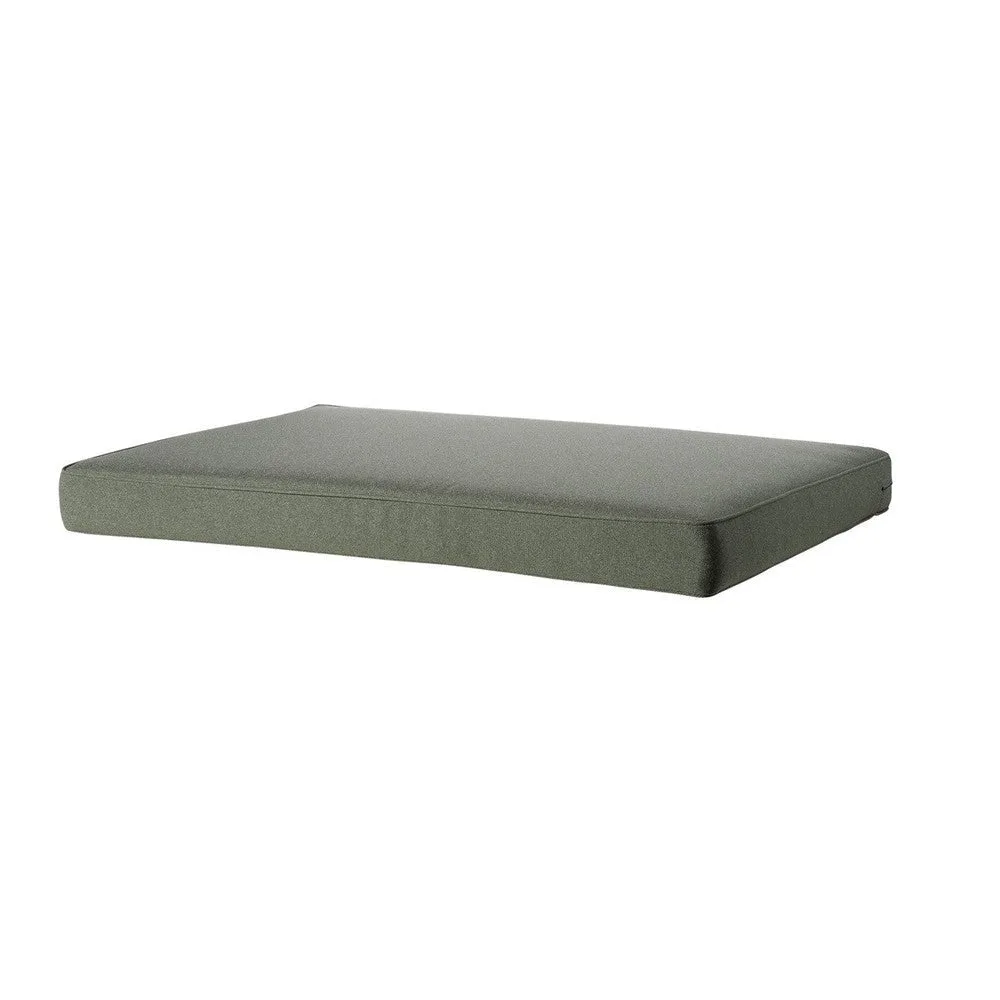
Pallet cushion Manchester green
For the sunbed: Richmond sunlounger cushion
A sunlounger cushion of around 190 by 60 cm and 6 cm thick, made of 65% acrylic and 35% polyester. Water-repellent, with colourfastness 7 or 8. This cushion has no zip, so storing it dry is especially important here.
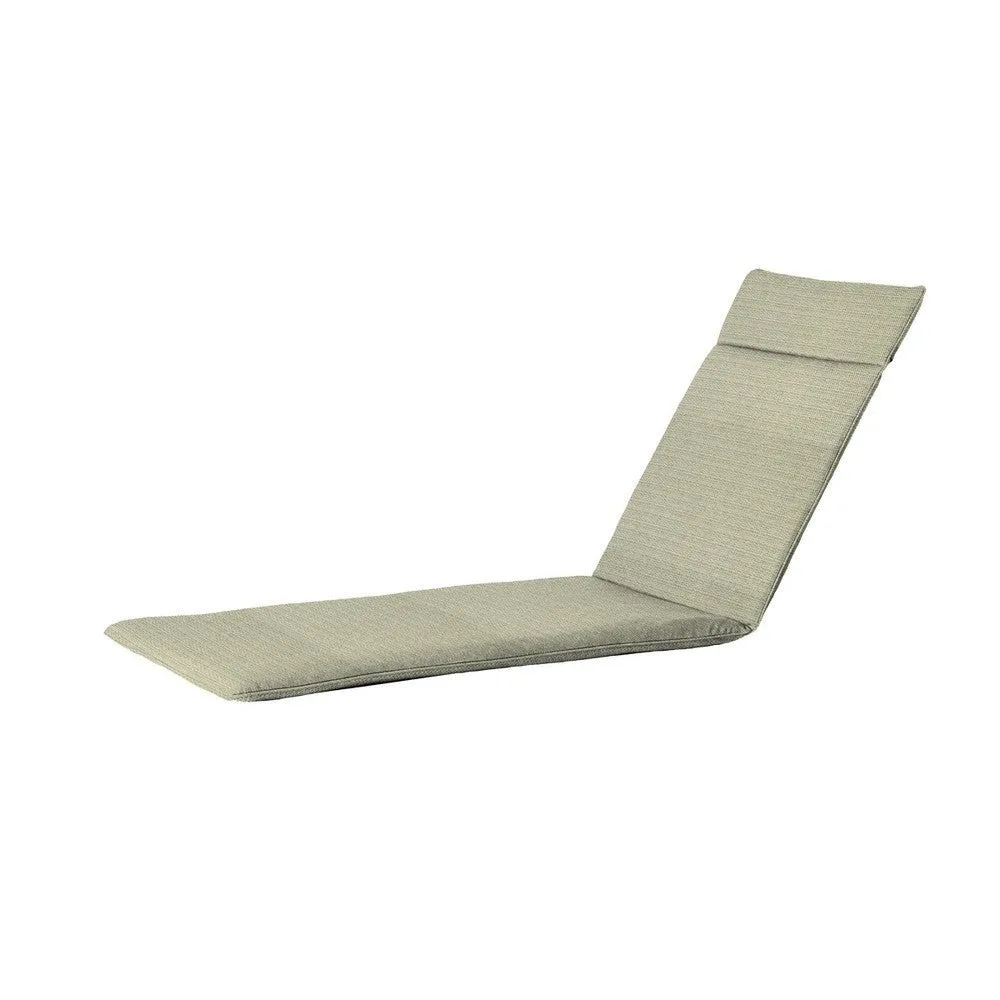
Sunlounger cushion Richmond moss 190x60 cm
Canvas with zip: Eco-line pallet cushion
A pallet cushion of around 120 by 80 cm and 10 cm thick, with a fabric made of 75% cotton, 20% polyester and 5% other fibres, fully recycled. Water-repellent, with a zip and colourfastness 8 or 8. Because it contains cotton, it's worth bringing this cushion indoors quickly when it rains.
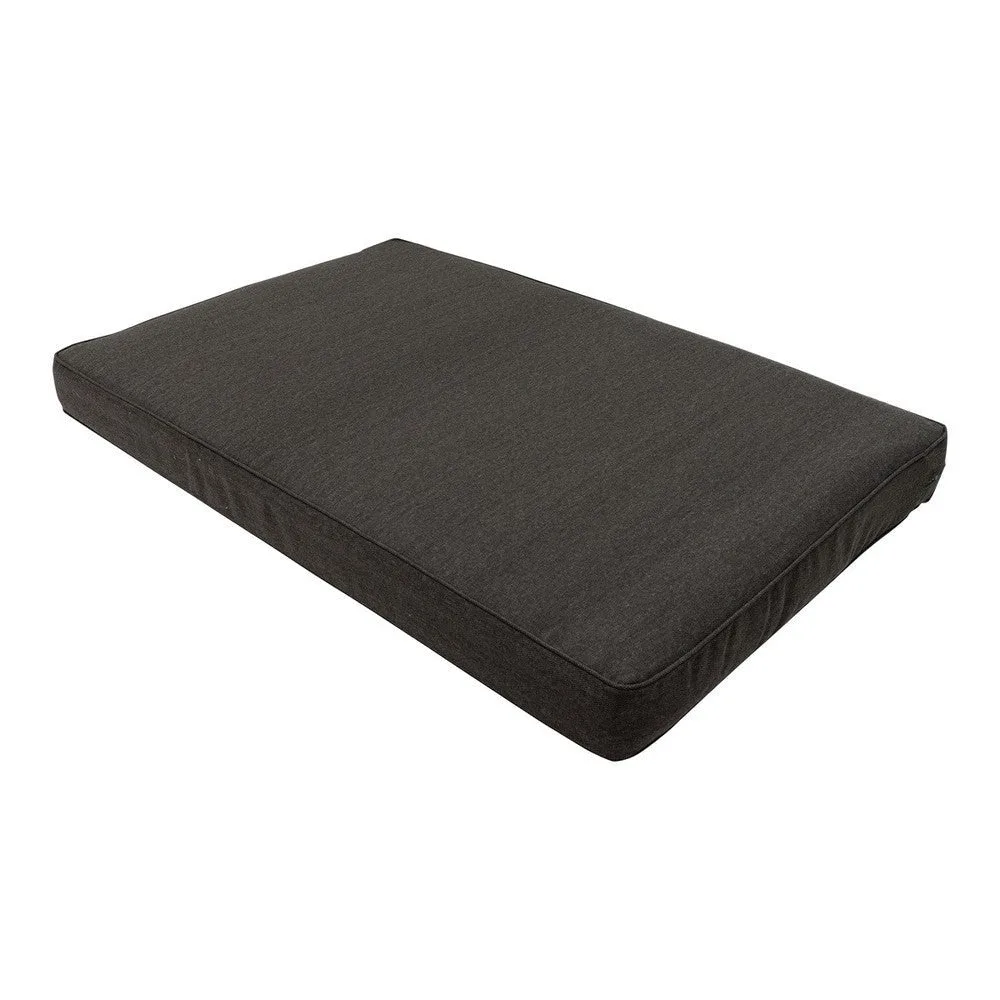
Pallet cushion Dark grey canvas Eco+
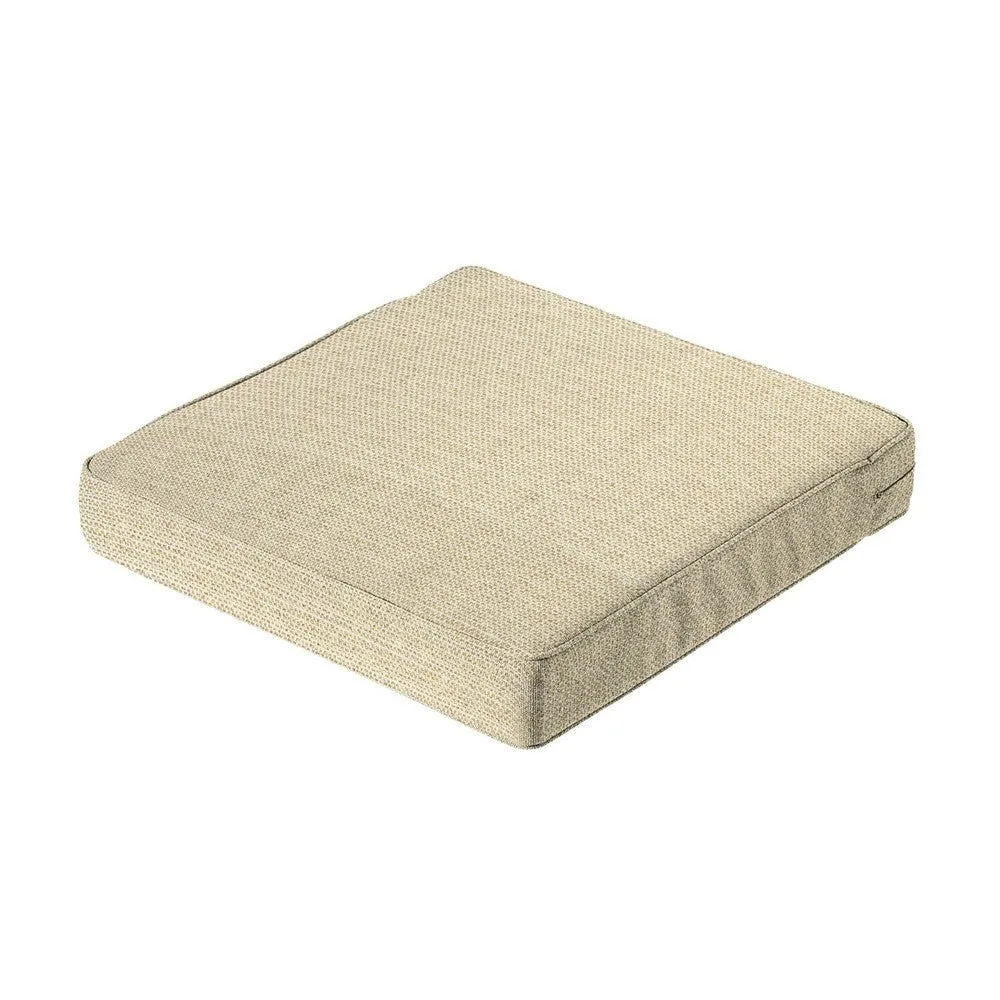
Richmond seat cushion 60x60, with zip
View cushion →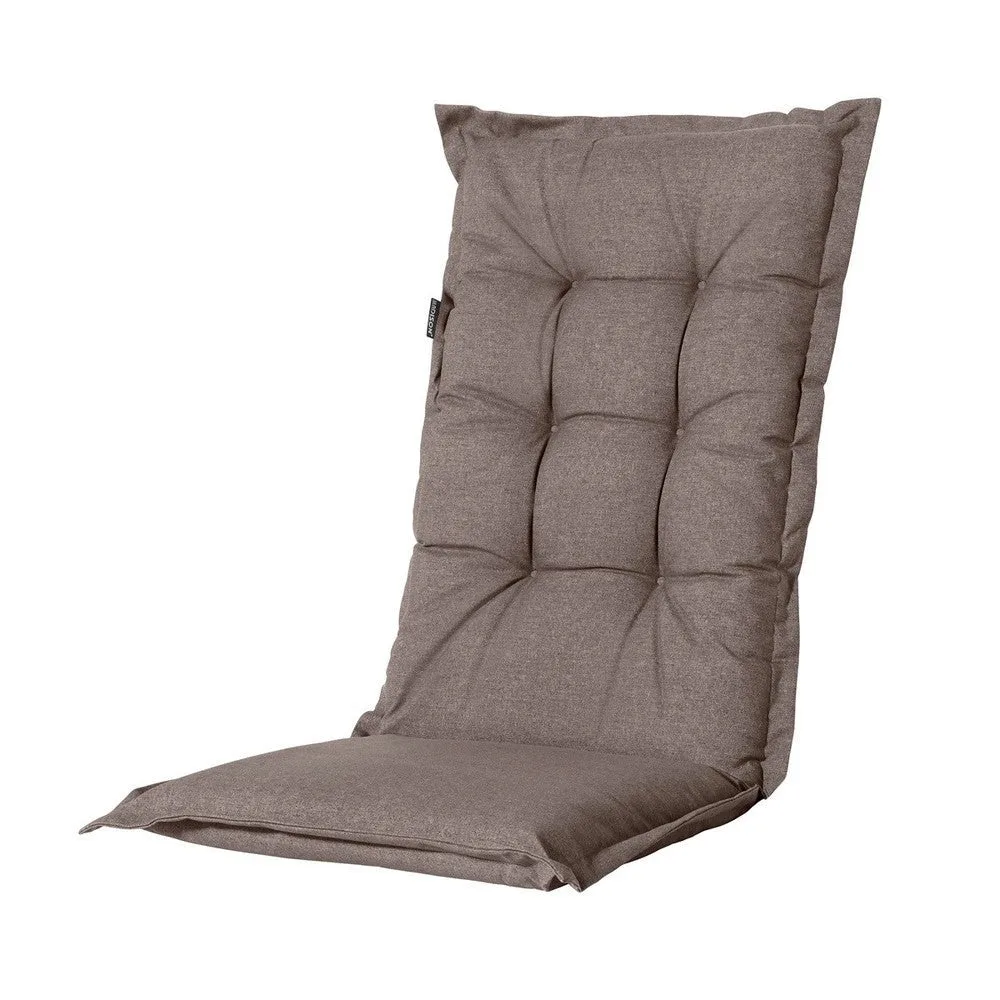
Manchester high back, acrylic
View cushion →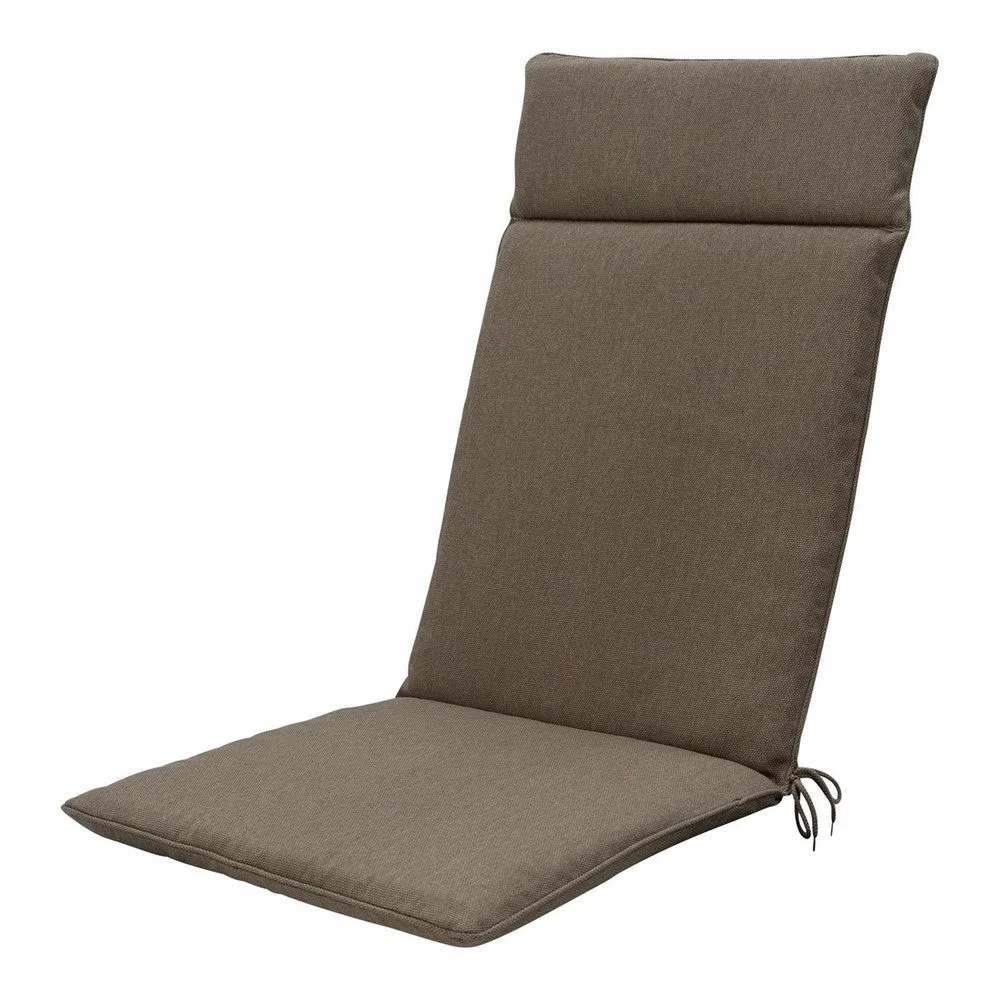
Eco+ high back taupe
View cushion →Or browse all garden cushions, lounge cushions, sunlounger cushions and high-back cushions. For more on what to look for when buying new cushions, read buying garden cushions: what should you look for?. Still need to choose the furniture too? The selection guide will help you on your way in a few questions.
Storing dry: box or bag
An impregnated cushion that spends the night in a cushion box or cushion bag stays dry and clean the longest. Do note: a bag or cover is not fully waterproof either. Garden Impressions says so itself about the Coverit cushion bags: a protective cover is never completely waterproof, so make sure water can't collect on it. Only store cushions when they are dry; in a sealed box, moisture lingers for a long time.
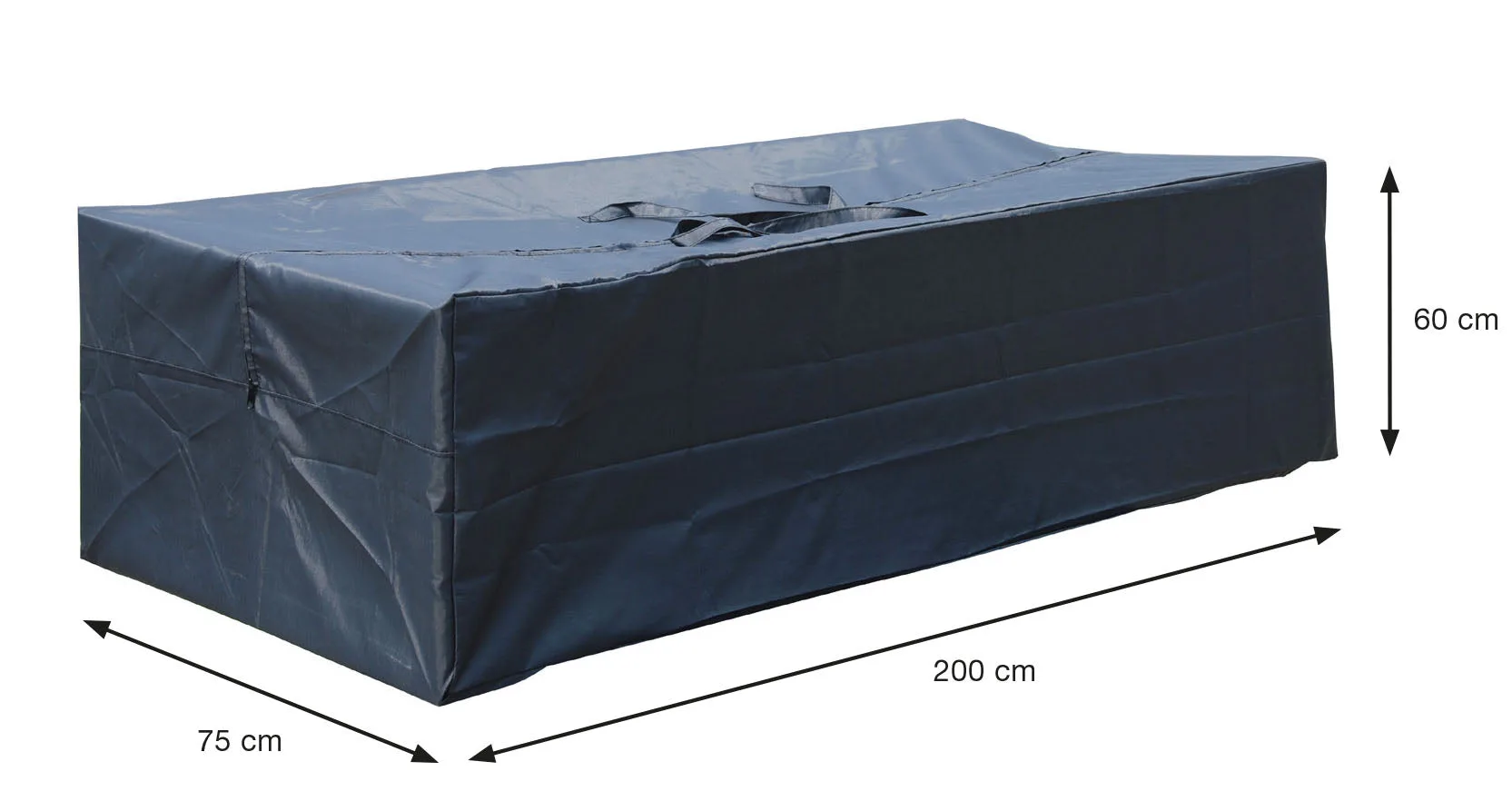
Coverit lounge set cushion bag 200x75xH60
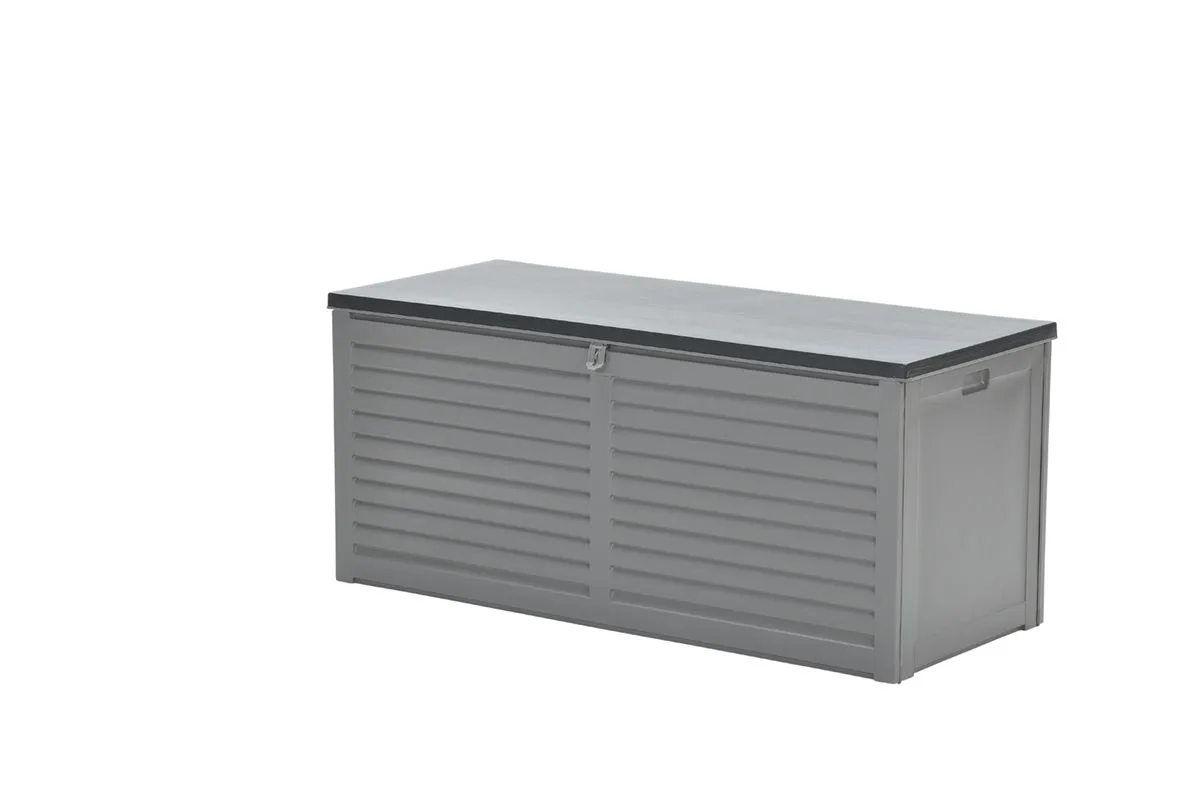
Primo cushion box 490L
Do you store the cushions indoors, in the shed or in the loft? The AeroCover cushion bag from Platinum is intended for indoor use and has a breathable fabric which, according to the manufacturer, prevents mould from forming.
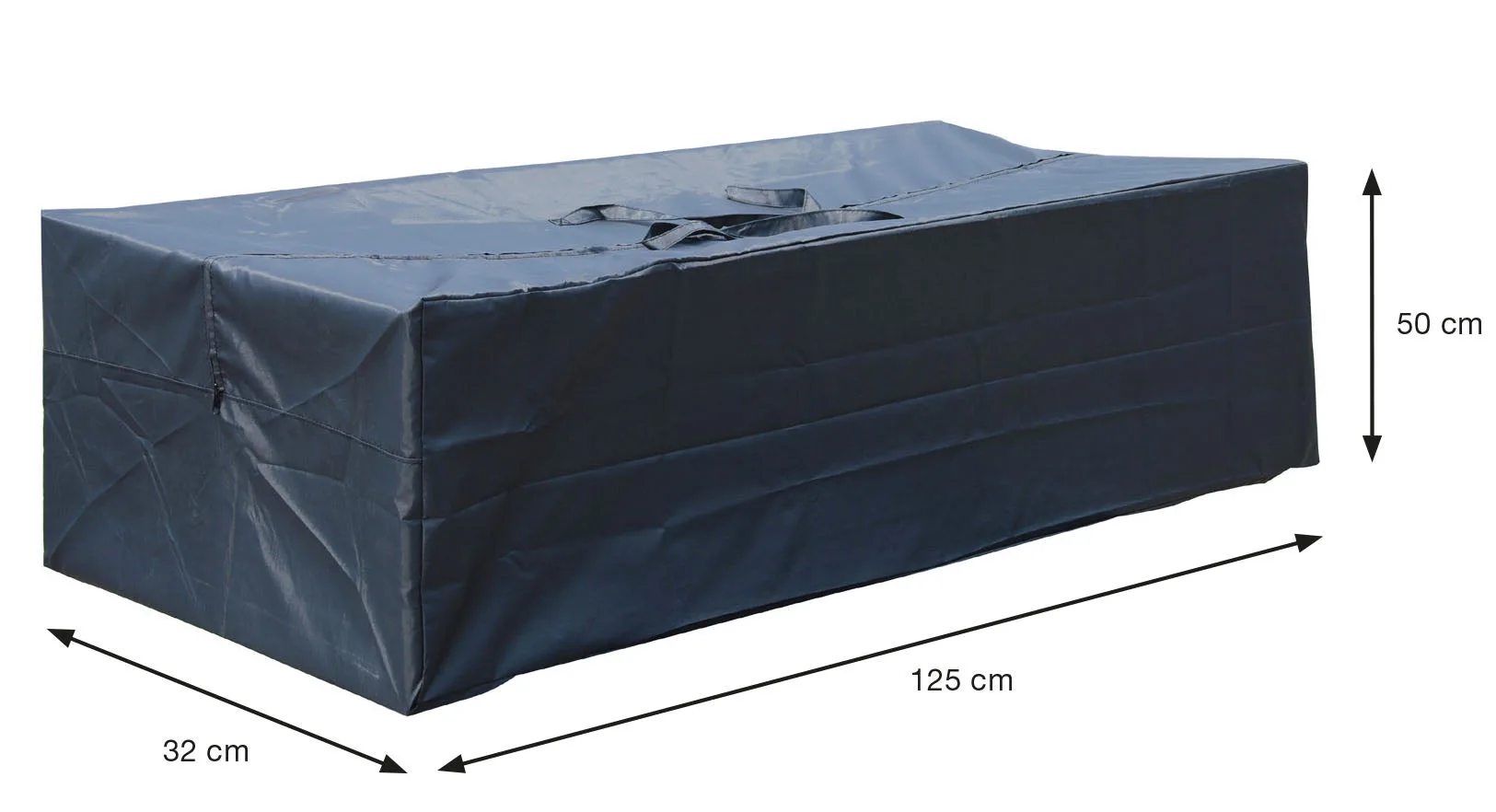
Coverit cushion bag 125x32xH50
View bag →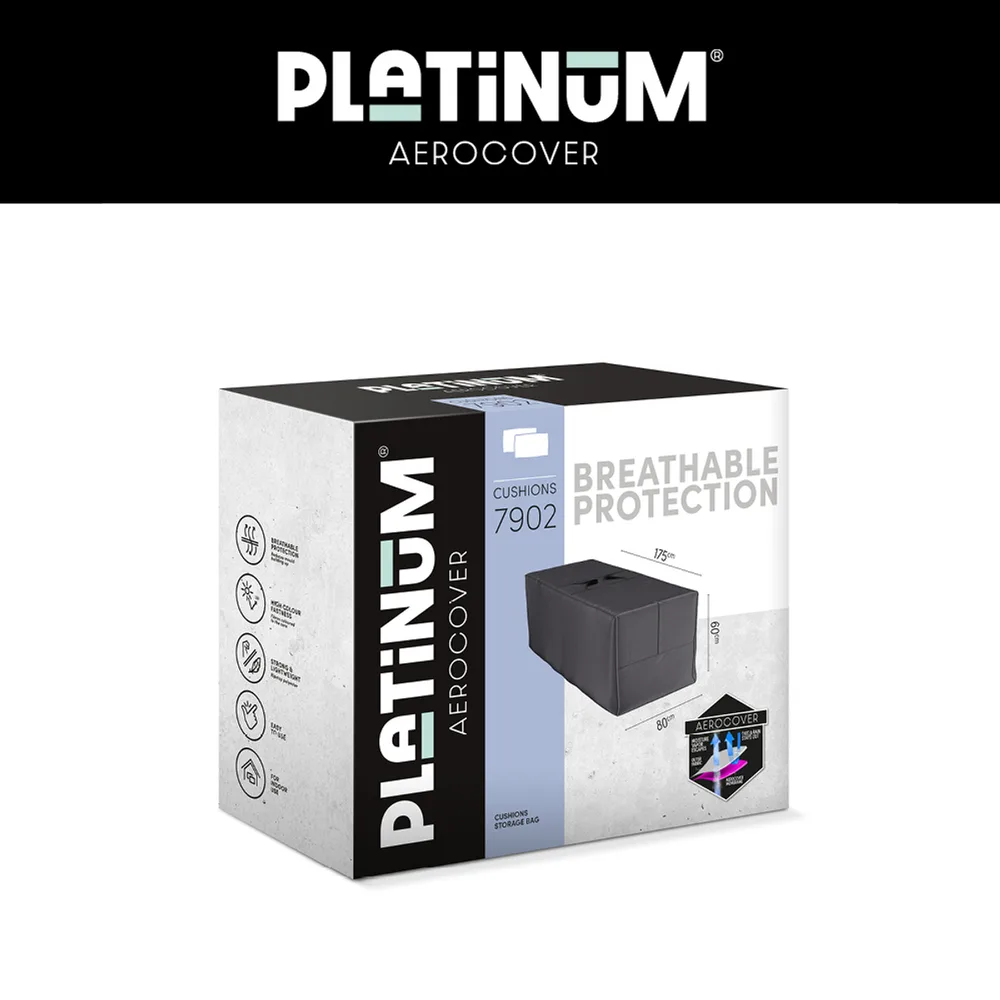
AeroCover 175x80xH60, indoor
View bag →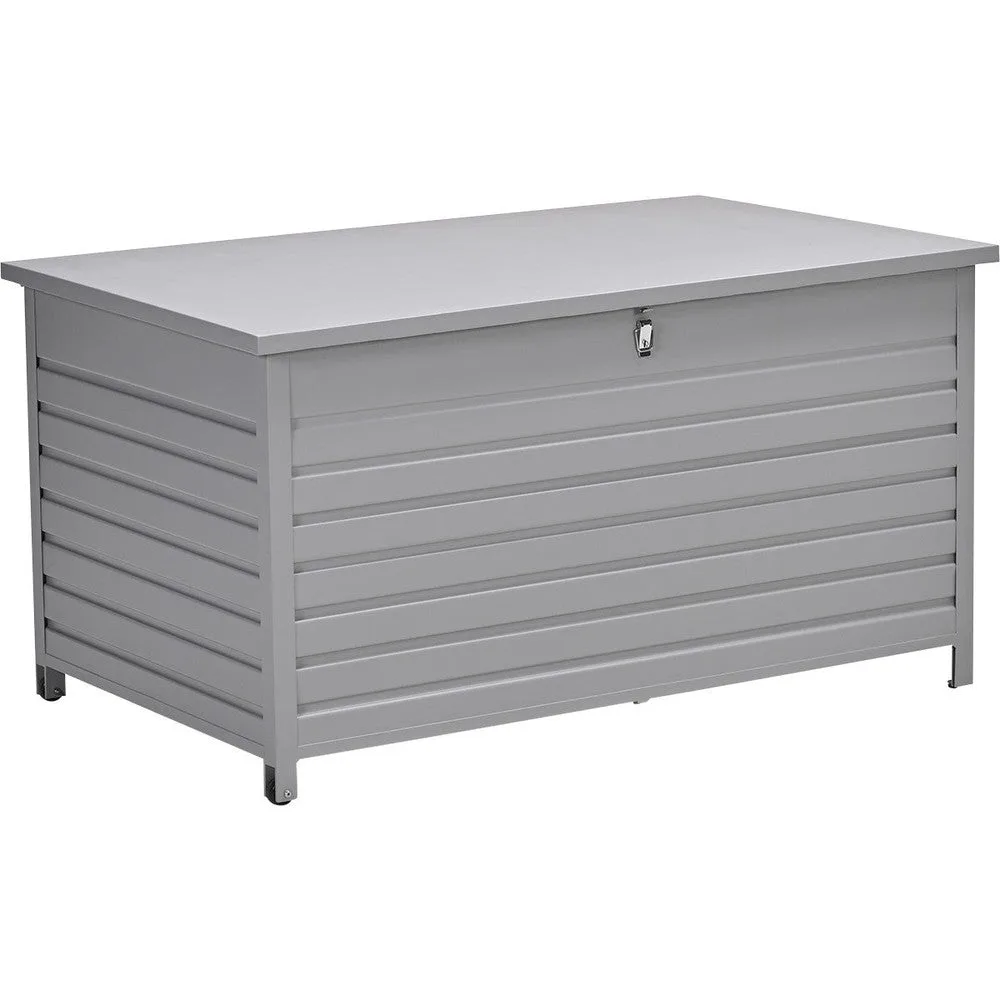
Cambridge cushion box aluminium
View box →You'll find more options under storage boxes and protective covers. For guidance on which storage suits you, read storing garden cushions.
Checklist for dry garden cushions
Tick off what you already do. The more ticks, the longer your cushions will stay fresh and dry.
- I know what fabric my cushions are made of
- My impregnating product is suitable for that fabric and I have tested it first
- I only impregnate clean, completely dry cushions
- I spray outdoors, on a dry and still day, in thin coats
- I do the droplet test now and then, and always after washing
- When it showers, I stand the cushions upright or bring them inside
- After use they go into a cushion box or cushion bag, dry
How to keep garden cushions dry for longest
- When buying new cushions, choose Water-repellent: yes in the product information
- A cover with a zip can be washed and impregnated separately
- Acrylic and polyester absorb less moisture than cotton
- Impregnating is a supplement, not a replacement for storing dry
Common mistakes
Impregnating a dirty cushion
The product bonds poorly to dirt and actually seals in stains and mould spores. Always clean the cushion first and rinse off soap residue.
Spraying a damp cushion
On wet fabric the product doesn't bond well and can leave rings. What's more, you seal moisture into the filling. Wait until the cushion is completely dry.
Not testing first
Not every product suits every fabric. A ring or colour change is impossible to remove. Always test on an inconspicuous spot first.
Too much at once
A soaking-wet coat dries unevenly and makes the fabric stiff. Two thin coats work better. Keep to the distance stated on the label.
Spraying indoors
You don't want to breathe in spray mist, and it also settles on floors and furniture. Work outdoors or in a well-ventilated room and follow the safety instructions on the label.
Thinking the cushion can now stay outside
Even an impregnated cushion soaks up water during prolonged rain. Don't leave cushions out for days or the whole winter.
Frequently asked questions
Can you really waterproof garden cushions?
No, not completely. An impregnating spray makes the fabric water-repellent: rain beads off instead of soaking in. During prolonged rain or when a cushion sits in a puddle, moisture will still get through the seams, the zip and the fabric, and the filling will absorb it. A truly waterproof coating would also stop the fabric from breathing, so moisture would stay trapped inside.
What is the difference between waterproof and water-repellent?
Water-repellent means water beads off the fabric, as long as it isn't raining too long or too hard. The fabric still breathes, so a damp cushion can dry out. Waterproof means no water passes through at all, not even in a downpour. In practice, garden cushions are water-repellent, even if the spray packaging says waterproof.
How often should you impregnate garden cushions?
Check the label on your product: the advice is often once per season or after heavy use. A useful test is the droplet test. If water still beads off the fabric, you don't need to reapply. If a droplet soaks in quickly and the spot darkens, it's time for a fresh layer. After washing, you will often need to impregnate again.
Which product should you use to impregnate garden cushions?
Choose an impregnating spray that the label says is suitable for outdoor fabrics or garden cushions, and for the fabric of your cushion, such as acrylic or polyester. Preferably choose a PFAS-free product. Always test it on an inconspicuous spot first, as some products can leave rings or slightly change the colour.
Can impregnated garden cushions be left outside?
They can handle a brief shower, but don't leave them out for days or throughout the winter. With persistent rain, water will still soak into the filling, and a cushion that stays damp for a long time will go mouldy. After use, store them in a cushion box, a cushion bag or indoors, and only once they are dry.
Does a cushion cover or cushion bag keep my cushions dry?
A good cover or bag keeps out rain, dirt and bird droppings to a large extent, but even a protective cover is never fully waterproof. Choose a breathable version so condensation can escape, and make sure water can't pool on the cover or bag.