After a few summers, you suddenly notice it: the seat cushion that always lay in the sun is a few shades lighter than the back. The dark grey has turned mouse grey, and the green has gone dull. Faded garden cushions are one of the most frequently asked questions about garden cushions. In this article you'll read why cushions fade, how to tell whether they're dirty or genuinely faded, what you can still do about it, and above all how to prevent it in future. With a table of fabrics and their colourfastness, and examples from our range.
In brief: fading is caused by UV light, made worse by moisture and dirt. Wash first: often a cushion is just dull. Genuine fading can't be reversed, so preventing it is the best solution: store them after use, keep them in the shade, and choose a cushion with high colourfastness. At Madison, this is listed as a score out of 8 in the product information.
Why do garden cushions fade?
The main culprit is the ultraviolet light from the sun. UV radiation gradually breaks down the dyes in textiles. It happens bit by bit: you won't notice it after a week, but you will after a summer in which the cushion lay in the same spot day in, day out. A few things make it worse:
- Strong sun in the same spot: a cushion on a sunny south-facing terrace gets far more light than one under a canopy. The top fades, the underside doesn't, and then you really see the difference.
- Dark and vivid colours: with dark blue, anthracite, red and green, fading is most noticeable. Light colours such as sand, taupe and natural also fade, but you notice it less quickly.
- Moisture and dirt: a cushion that stays wet for long, or is covered in dust, pollen and sun cream, becomes dull and blotchy more quickly.
- Cleaning the wrong way: bleach, chlorine and aggressive stain removers affect the colour just as badly as the sun.
How quickly this happens depends greatly on the fabric and, above all, on how it has been dyed. With good outdoor fabrics the colour is often in the fibre itself; with cheaper fabrics it sits only on the surface. You can read more about this in the fabric table.
Dirty or genuinely faded?
Before you buy new cushions, take a good look first. A cushion that appears grey and dull is often simply dirty. A layer of dust, pollen and algae makes colours look greyish. That's good news, because you can wash that off.
| What you see | Cause | What helps |
|---|---|---|
| Whole cushion grey and dull | Dirt and dust | Washing or wiping down |
| Green or black specks | Algae or mould | Cleaning, drying thoroughly |
| Top lighter than underside | UV fading | Turning over, new cover |
| Blotchy, rings | Water or sun cream | Washing the whole cover |
A simple test: open the zip if there is one, or look at the underside or in the seam. If the colour there is much darker than on the top, and that difference remains after washing, then it is genuine fading.
Fabrics and colourfastness compared
Most garden cushions in our range are from Madison. Each cushion lists two useful details in the product information: Colourfastness, as a score out of 8, and Water-repellent, yes or no. The higher the colourfastness, the better the colour resists fading. This is how the series compare:
| Series (fabric) | Colourfastness | Water-repellent |
|---|---|---|
| Eco-line (75% cotton, recycled) | 8 of 8 | Yes |
| Manchester (100% acrylic) | 7 of 8 | Yes |
| Richmond (65% acrylic, 35% polyester) | 7 of 8 | Yes |
| Naples (cotton-polyester or polyester) | 7 of 8 | Yes |
| Rib (polyester or acrylic) | 7 of 8 | No |
| Panama, Amora (cotton and polyester) | 6 of 8 | Mostly no |
| Basic (polyester or cotton-polyester) | 4 of 8 | No |
What stands out: the material alone doesn't tell the whole story. Acrylic is known as one of the most colourfast outdoor fabrics, and the Manchester and Richmond with acrylic indeed score 7 of 8. But the Eco-line, mainly cotton, even scores 8 of 8, while the Basic series, made of 95% polyester, stays at 4 of 8. The dye and the finish make the difference.
When buying new garden cushions, don't just look at acrylic or polyester, but at the colourfastness score. A cushion with 7 or 8 and water-repellent: yes will hold up in the sun much longer than one with 4 of 8.
You can read more about fabrics, filling and sizes in buying garden cushions: what should you look for?.
Refreshing faded cushions in 4 steps
If your cushions are dull or slightly faded, first try this step-by-step plan. It costs little and often makes a big difference.
Beat the cushions out and vacuum up sand, dust and leaf debris, including from the seams. That way you won't work the dirt further into the fabric when you wash them.
If the cushion has a zip, wash the cover on a low temperature according to the label. Without a zip, wipe the fabric with a damp cloth and mild soapy water. Don't use bleach or chlorine: that makes fading worse.
Let the cushions dry completely in a well-ventilated spot out of strong sun. Stand them upright so the water can run out. Only store them once the filling is dry too.
Is the colour still uneven after washing? Turn the cushion over so the nicer side is on top. If the whole cushion has faded, you can dye a cover with a high cotton content using fabric dye on Amazon. Acrylic and polyester are poor candidates for dyeing at home: in that case a new cushion is the better choice.
To find out exactly how to wash different types of cushions, read cleaning garden cushions and how to wash lounge set cushions.
Dyeing? Test it first
Always try fabric dye first on a small piece on the underside. Dye doesn't always give an even result on fabric that has already faded, and a dyed cover isn't necessarily more colourfast afterwards.
Preventing fading
Prevention is much easier than repair. These habits make the biggest difference:
- Only put cushions outside when you're sitting on them: the most important point. A cushion that stays indoors or in a box at night and on weekdays gets far less sun.
- Provide shade: a parasol above your lounge set protects not only you but also the cushions. Also read which parasol colour works best against the sun.
- Turn and rotate: turn seat and back cushions regularly and swap them around, so they wear and fade evenly.
- Keep them clean and dry: brush off dirt and let wet cushions dry thoroughly. Water-repellent is not waterproof.
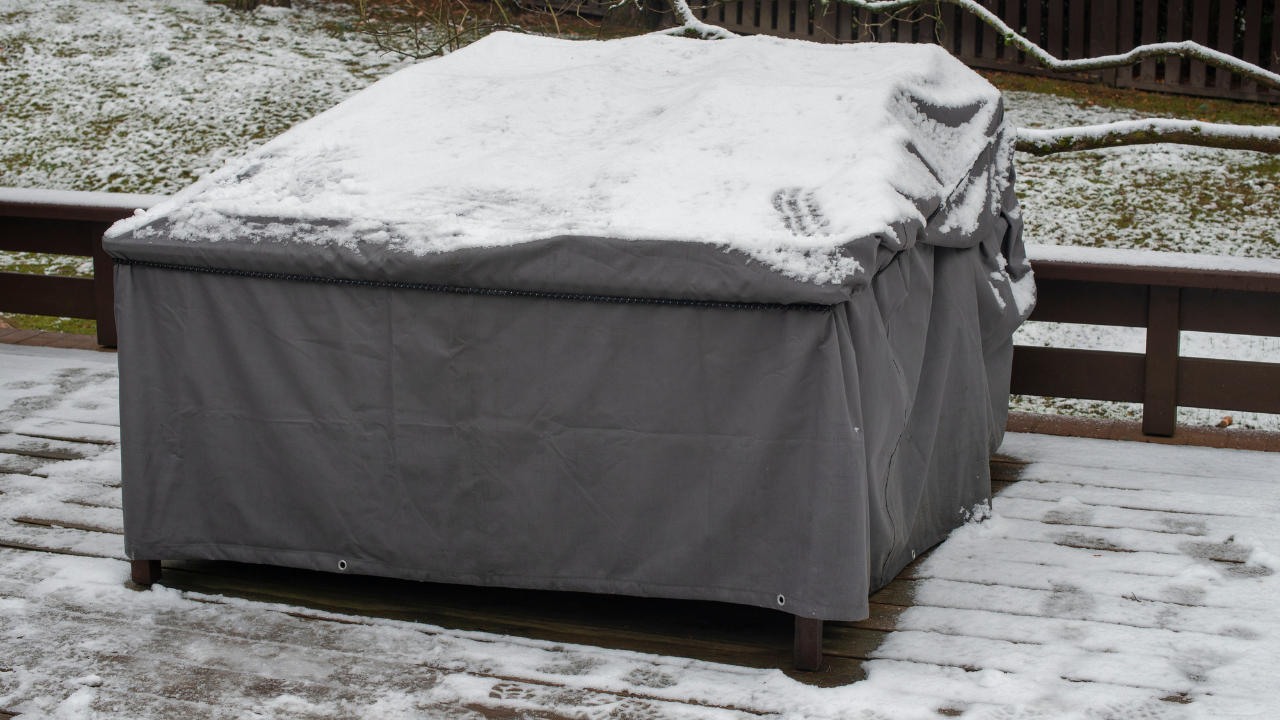
- Cover your lounge set: if the cushions are left on the sofa, a lounge set cover keeps out sun and rain.

Colourfast garden cushions from our range
If your cushions need replacing, choose one with high colourfastness. These examples score 7 of 8 or higher and are water-repellent. The details come from the product information; you can see the current prices on the cards.
For the garden chair: Manchester high-back
A high-back chair cushion made of 100% acrylic, approximately 123 by 50 cm and about 7 cm thick. Colourfastness 7 of 8 and water-repellent. The Manchester series is also available as a sunbed cushion, pallet cushion and stackable chair cushion.
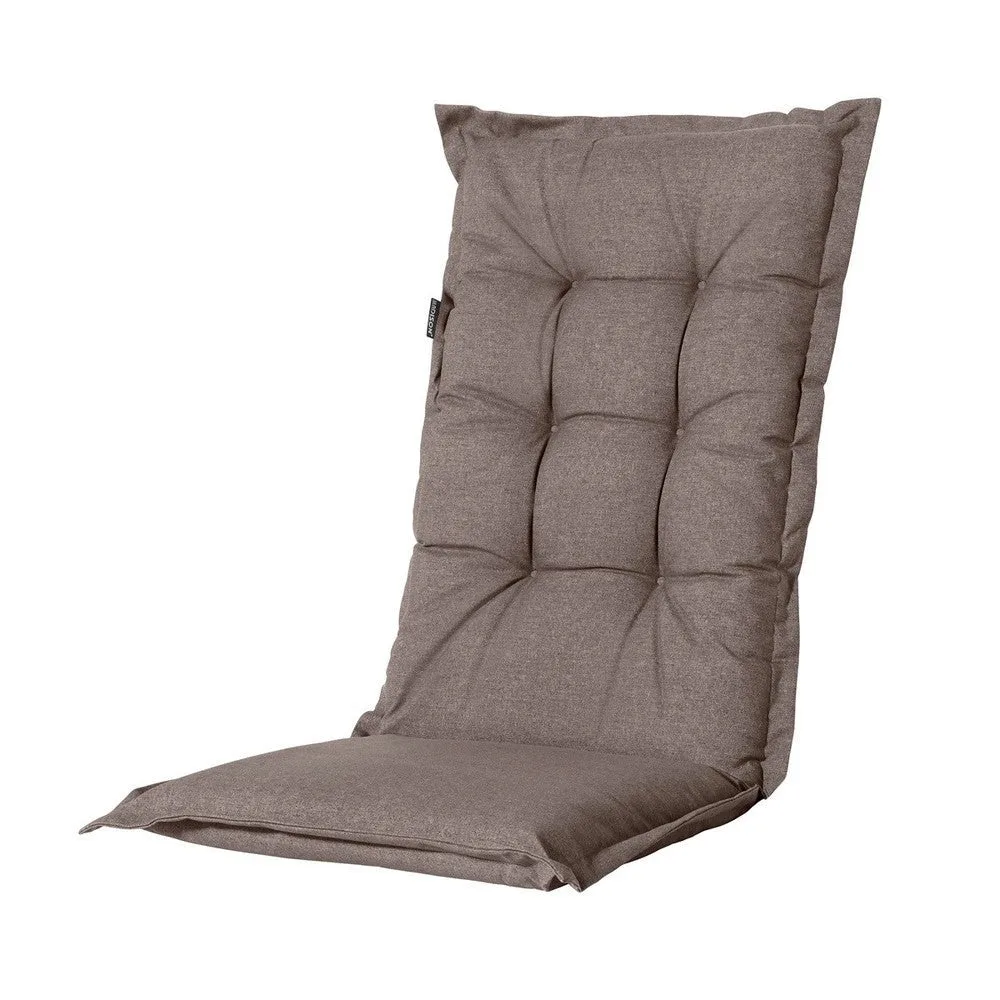
High-back chair cushion Manchester taupe
For the sunbed: Richmond moss
A sunbed cushion made of 65% acrylic and 35% polyester, approximately 190 by 60 cm and 6 cm thick. A sunbed often stands right in the middle of the sun, so that's exactly where a colourfast fabric pays off. Colourfastness 7 of 8, water-repellent.
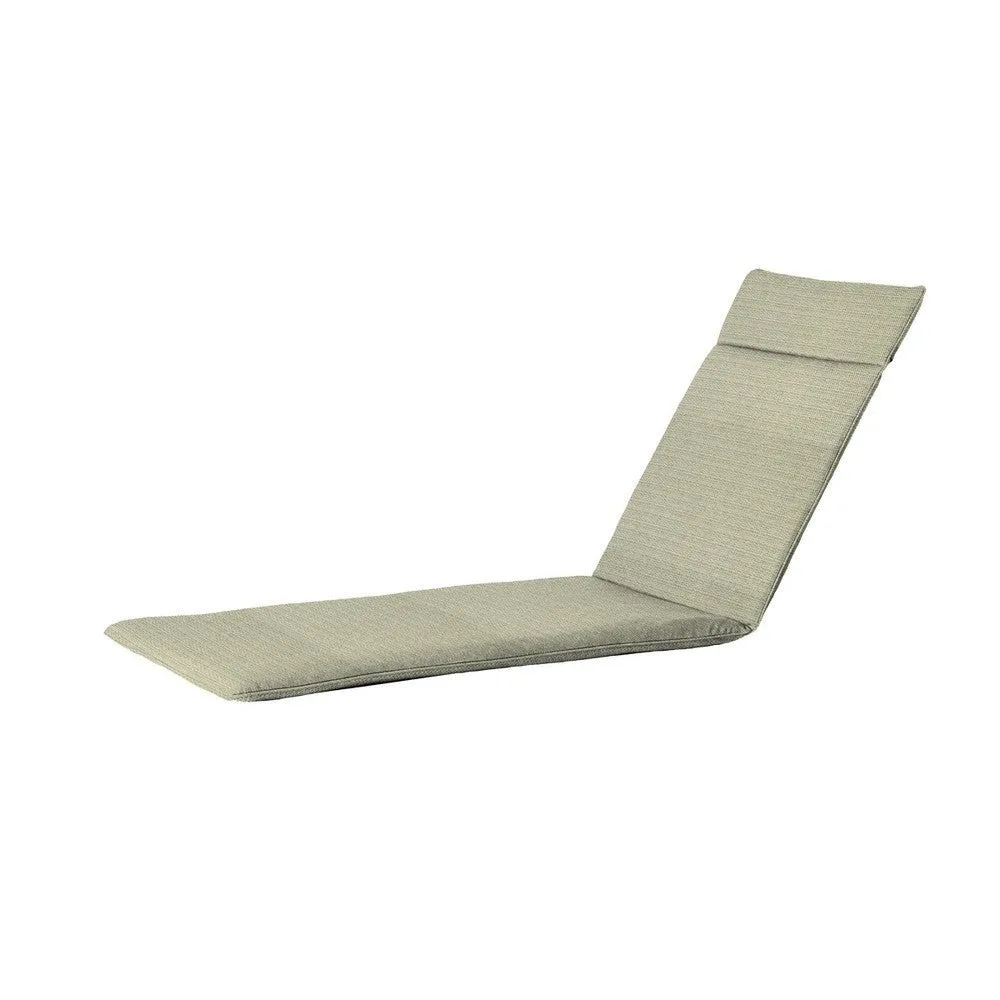
Sunbed cushion Richmond moss 190x60 cm
For the pallet sofa: Eco-line canvas
A pallet cushion of approximately 120 by 80 cm and 10 cm thick, with a fabric of 75% cotton, 20% polyester and 5% other fibres, fully recycled. With a Colourfastness of 8 of 8, it ranks among the highest scores in the range. The cover has a zip, so you can take it off to wash.
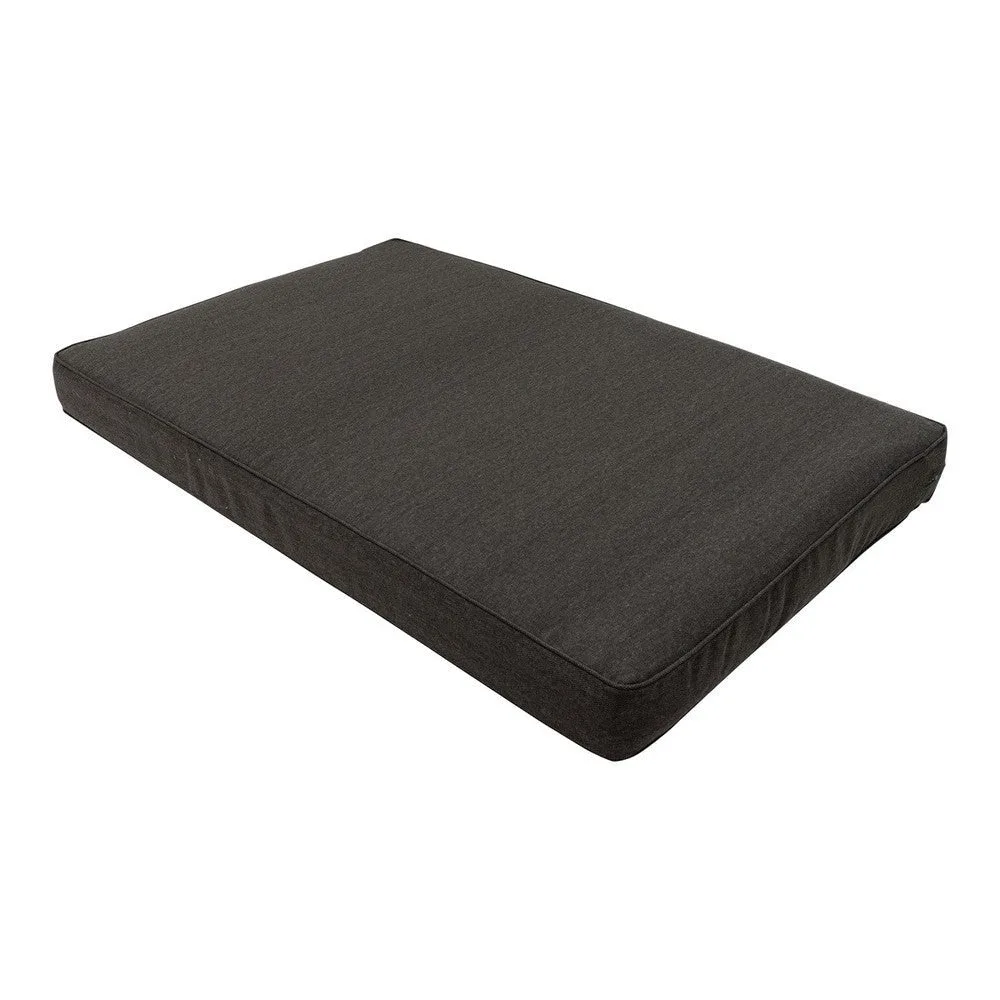
Pallet cushion Dark grey canvas Eco+
More options:
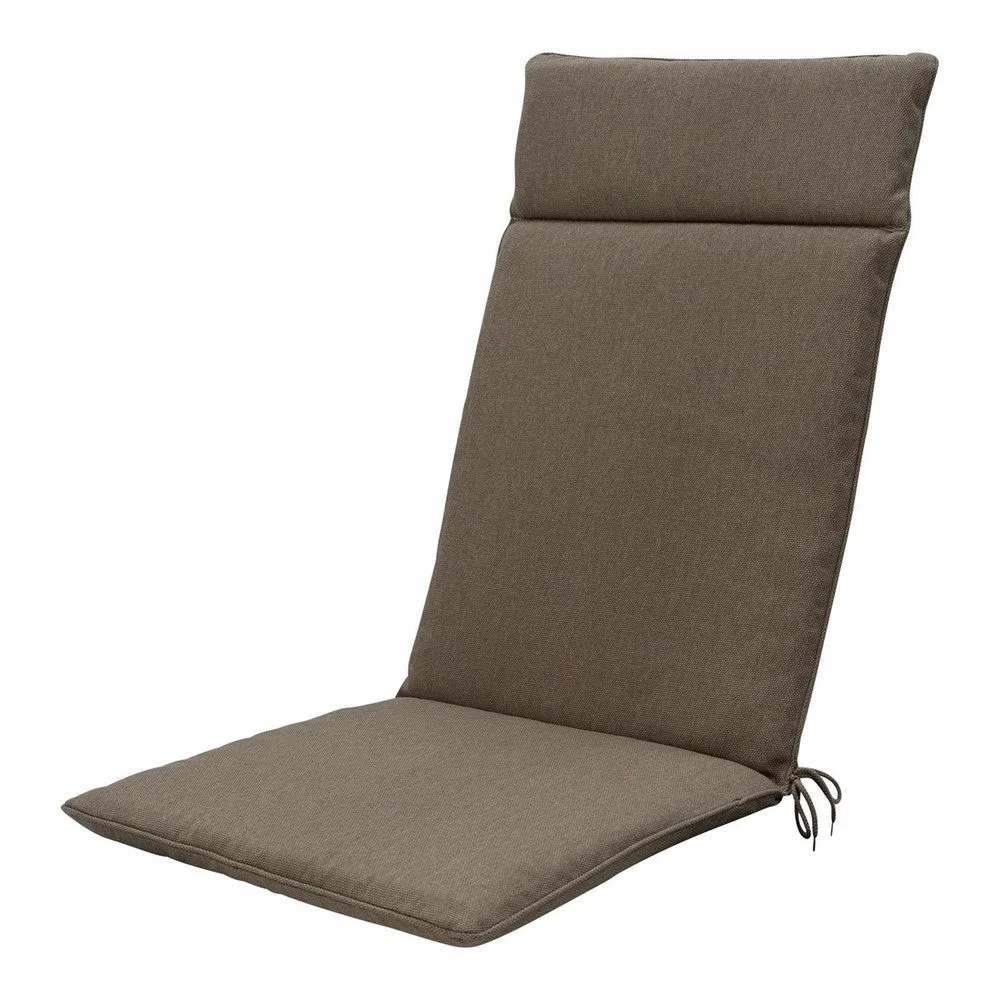
Eco+ high-back, 8 of 8
View cushion →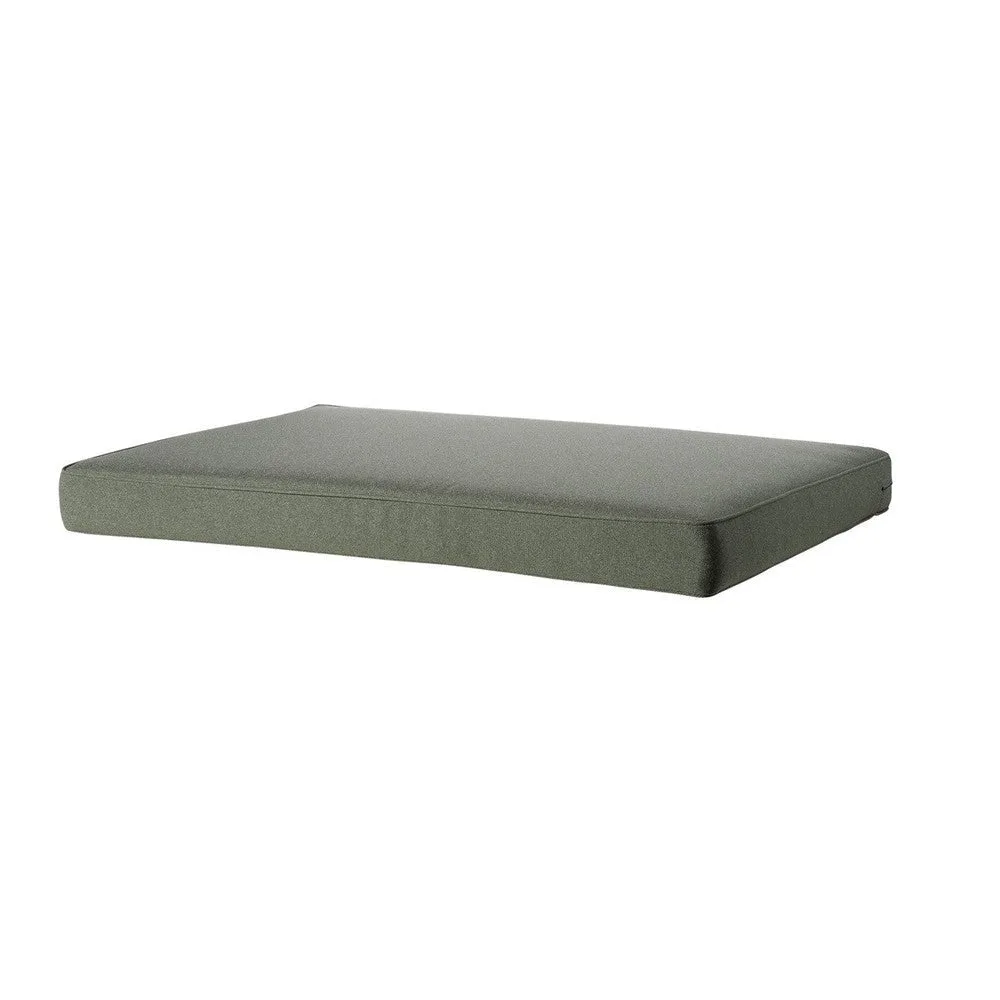
Manchester pallet cushion
View cushion →
All sunbed cushions
View range →Or browse all garden cushions, high-back cushions and lounge cushions. If the cushions for your lounge set need replacing, first read tips for replacing lounge set cushions.
Cushion boxes and cushion bags
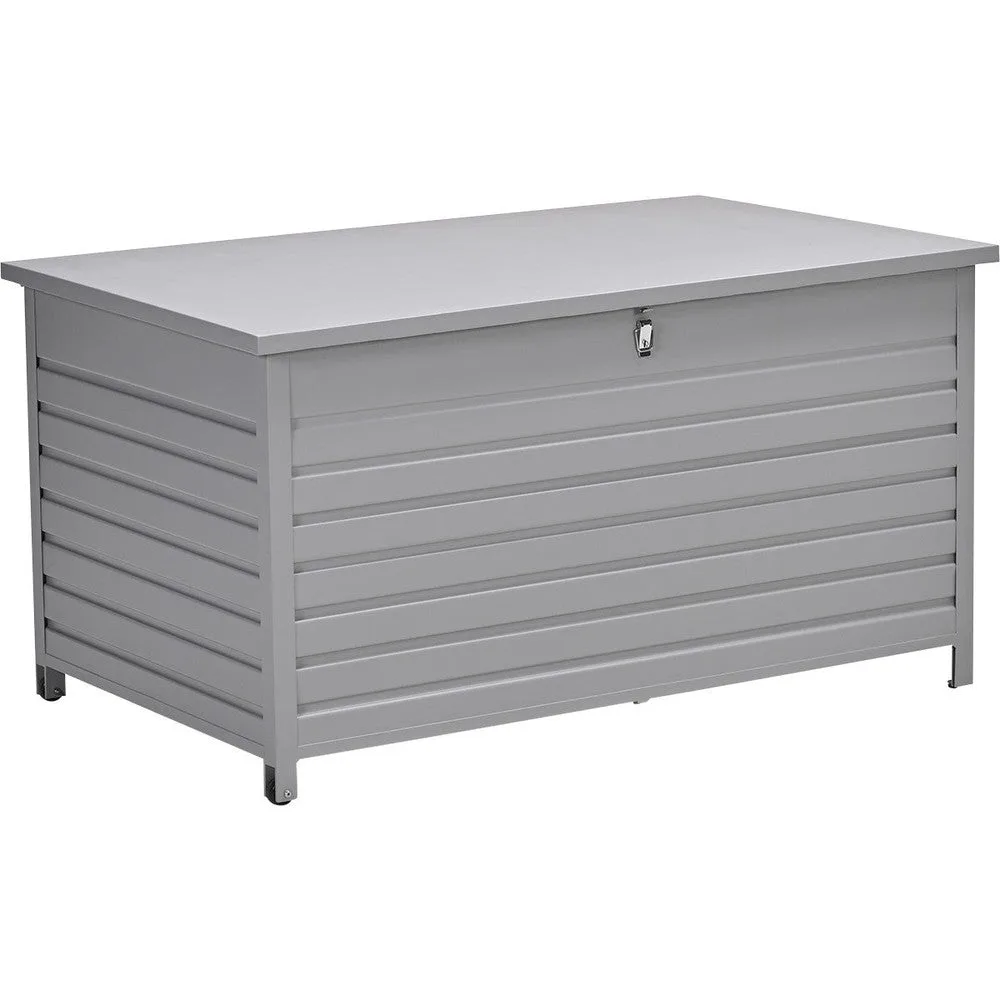
The easiest way to prevent fading is to have a fixed place to store the cushions. If it's right next to your lounge set, you'll actually do it.
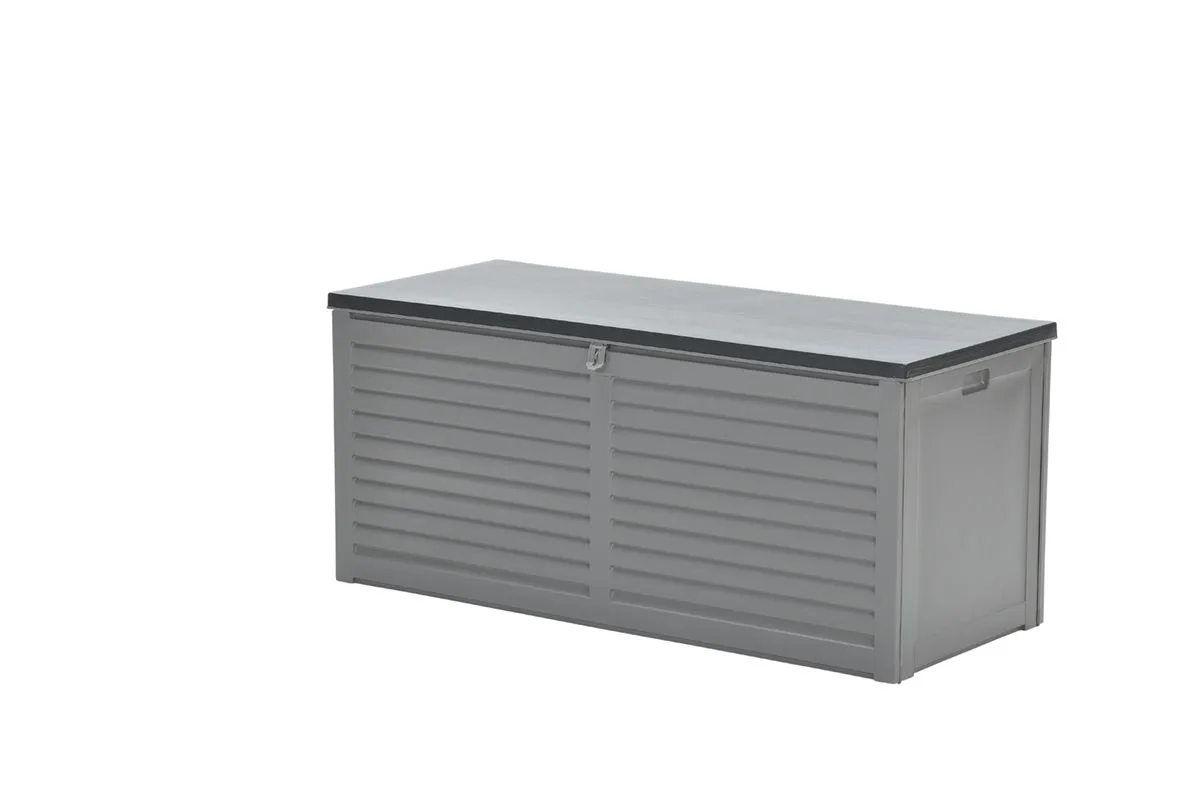
Primo cushion box 490L
No space for a box? A cushion bag is a good alternative for the shed, garage or storage room. According to the manufacturer, the AeroCover cushion bag from Platinum is designed to prevent fading, and it is made of a breathable fabric that counteracts mould formation.
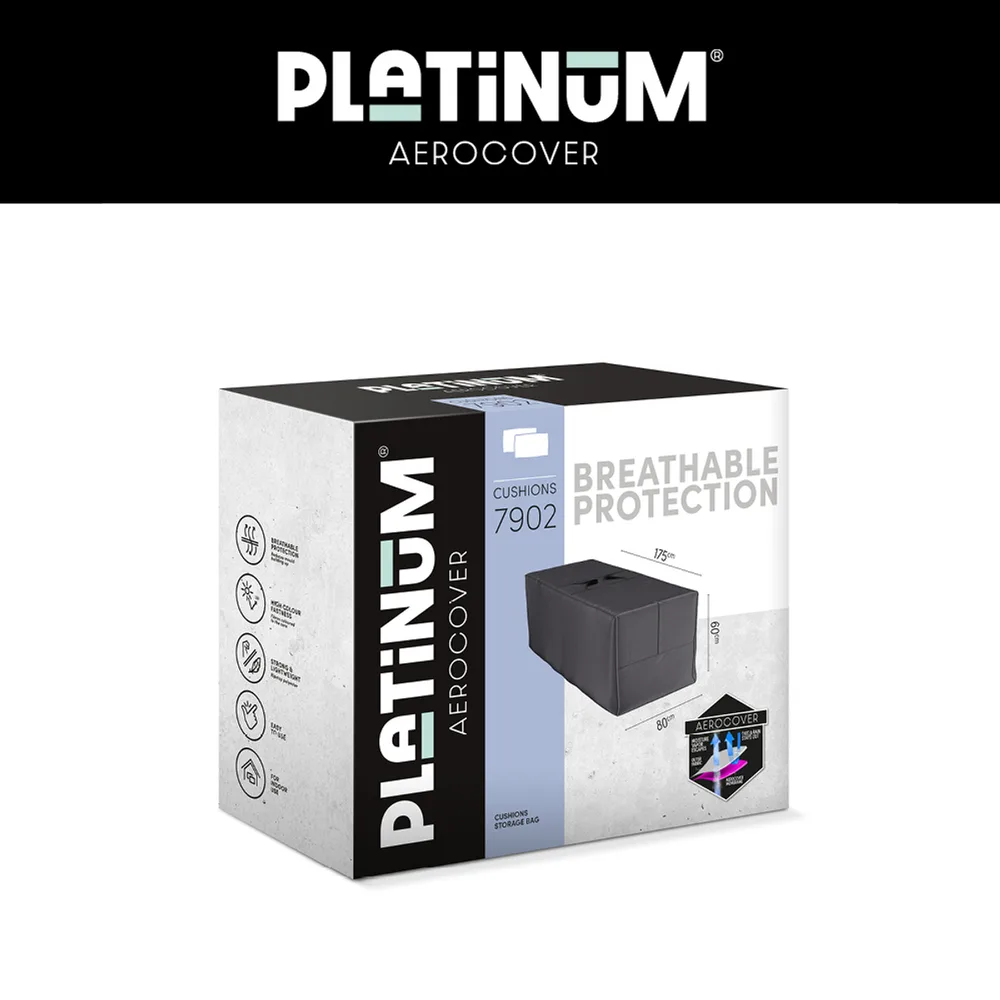
AeroCover cushion bag 175x80xH60
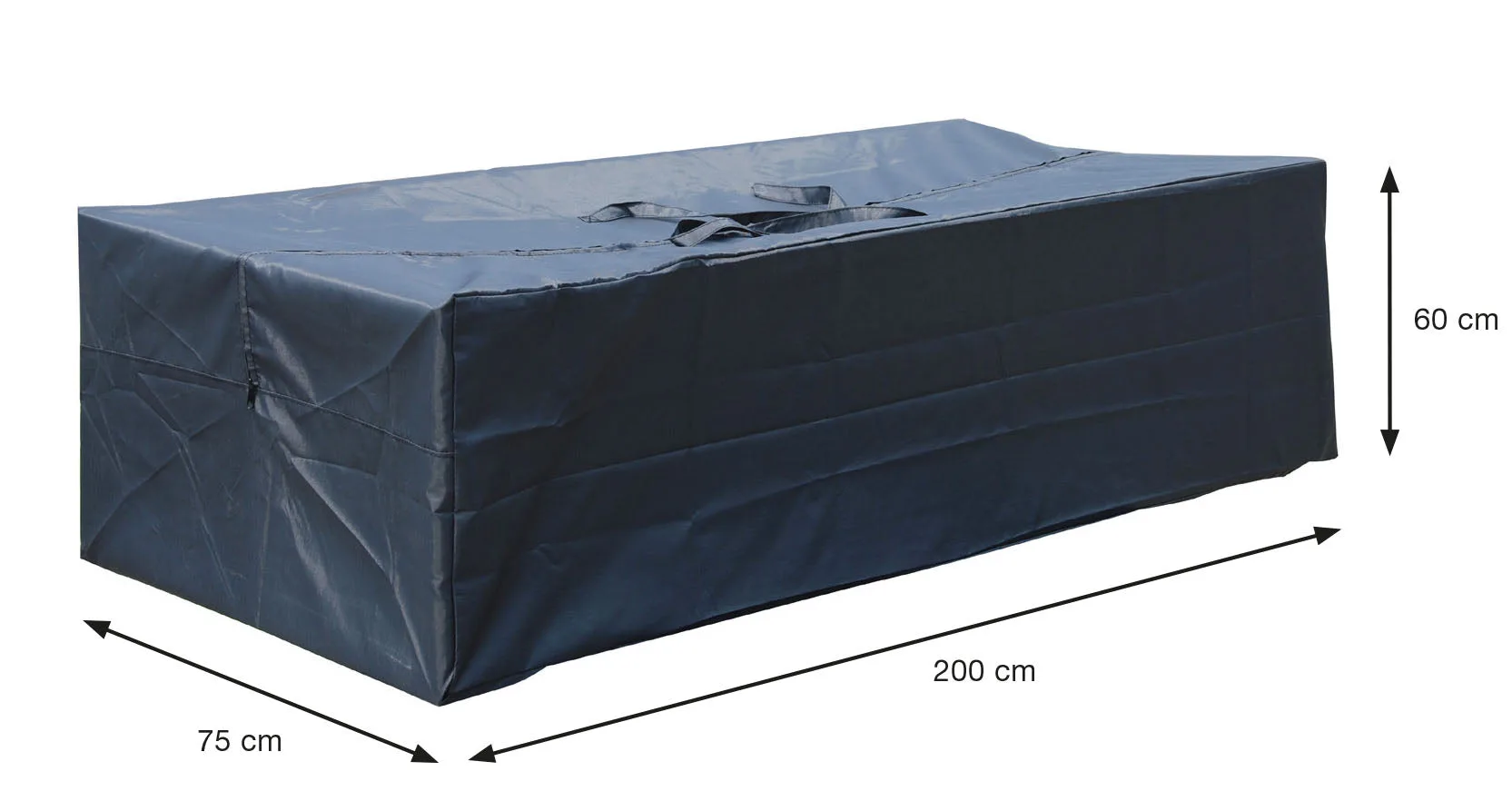


Always store cushions in a dry place: in a closed box or bag, moisture lingers for a long time. You can read more tips in storing garden cushions.
Checklist for colourfast cushions
Tick off what you already do. The more ticks, the longer your cushions will keep their colour.
- Cushions go into a cushion box or cushion bag after use
- There is a parasol or canopy above the seating area
- I turn and swap the cushions regularly
- I clean them with mild soapy water, without bleach
- Wet cushions dry thoroughly before they are stored
- When buying new cushions, I check the colourfastness, preferably 7 or 8 or higher
- In winter, the cushions stay indoors or in the shed
How to choose a cushion that stays looking good
- Colourfastness as high as possible, preferably 7 or 8 or higher
- Water-repellent: yes, so a shower doesn't soak straight through
- A zip, so you can wash the cover
- A light or mid-tone if the cushion gets a lot of sun
Not sure which garden furniture and cushions suit your terrace? The selection guide will help you on your way with a few questions.
Common mistakes
Leaving cushions out all summer
A cushion that sits on the sofa from May to September gets months of sun. Even a colourfast cushion will eventually fade. Storing them after use makes the biggest difference.
Cleaning with bleach or chlorine
Bleach removes stains, but it also removes colour. You get light patches that never come back. Use mild soapy water instead.
Drying in strong sun
After washing, it's tempting to lay the cushions in the sun to dry quickly. Wet fabric in bright light fades even more. Dry them in the shade or in a well-ventilated spot.
Storing them while damp
A wet cushion in a closed box develops mould and stains. Let the filling dry completely first.
Only looking at the fabric
Acrylic is not automatically better than cotton or polyester. Check the stated colourfastness: in our range, a cotton-rich Eco-line cushion scores higher than a polyester Basic cushion.
Frequently asked questions
Why do garden cushions fade in the sun?
The ultraviolet light from the sun slowly breaks down the dye in the fabric. The longer and the more intensely the sun shines on them, the faster this happens. Moisture, dirt and cleaning products containing bleach speed up the process. That is why the side facing the sun fades first.
Can you restore faded garden cushions?
You cannot reverse genuine fading: the dye is gone. If the cushion is mainly dull because of dirt, a wash will already help a lot. Covers with a high cotton content can be dyed with textile paint or dye, but with acrylic and polyester this is hard to do at home. A new cover or a new cushion is often the best solution.
Which garden cushion fabric fades the least?
Look mainly at the colourfastness rating the manufacturer gives. Madison states this as a score out of 8: the Eco-line cushions have colourfastness 8 or 8, the Manchester (100% acrylic) and Richmond (acrylic and polyester) 7 or 8, and the Basic series 4 or 8. The material alone does not tell the whole story.
What does a colourfastness of 7 or 8 mean for Madison garden cushions?
Madison gives a colourfastness rating on a scale up to 8 for each cushion. The higher the number, the better the colour resists fading. A cushion rated 7 or 8 therefore holds its colour better than one rated 4 or 8, although even a colourfast cushion will fade a little after years in full sun.
How do I stop my garden cushions from fading?
Only put the cushions outside when you are using them, then store them in a cushion box or cushion bag, out of the sun. Set up a parasol if you sit outside during the day, turn the cushions over now and then, and clean them with mild soapy water. When buying new cushions, choose a high colourfastness rating.
Is water-repellent the same as waterproof?
No. A water-repellent fabric will let a light shower bead off at first, but during prolonged rain water will still soak in. Let wet cushions dry thoroughly before storing them, otherwise you will get mould spots and stains that look just as unsightly as fading.