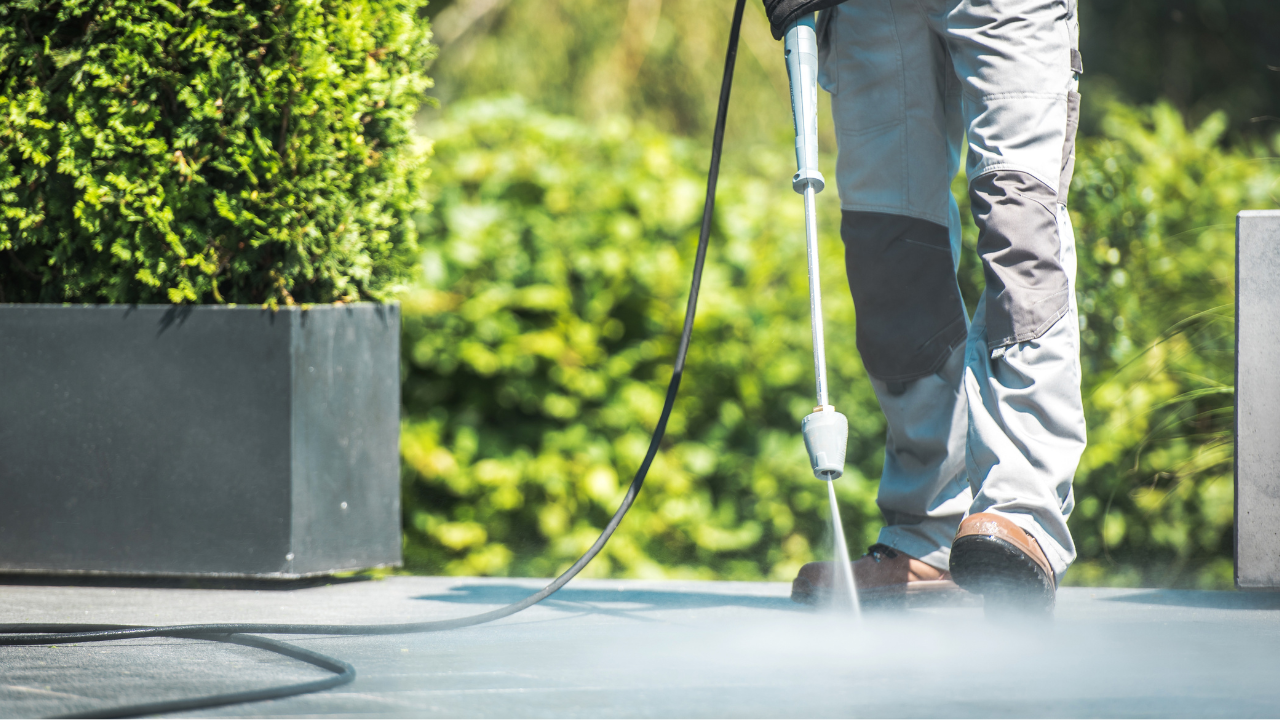

A clean terrace doesn't just look better, it's also safer. Green algae and moss make tiles and boards slippery, and dirt in the joints is a breeding ground for weeds. Even so, cleaning often goes wrong: the pressure washer blasts out the joints, vinegar dulls natural stone, or a wooden decking gets roughened. In this guide you'll read how to clean your terrace for each surface: tiles, natural stone, wood and composite. With a step-by-step plan, an overview table and the mistakes you're better off avoiding.
In brief: first sweep away all loose dirt and determine which surface you have. For almost every terrace, lukewarm water with a mild soapy solution and a sturdy brush is the safest start. Only use a pressure washer on tiles, on a low setting and never straight at the joints. No vinegar or other acidic products on natural stone. Let everything dry thoroughly before you put furniture and rugs back.
When do you clean your terrace?
The main cleaning session is best done in spring, before the lounge set and the garden set go back outside. A second round in autumn removes leaves and grime before it gets wet and cold. Choose a dry, overcast day without frost. In full sun the soapy solution dries before it has done its job, and in frost water in the joints and in the stone can cause damage.
In between, sweeping is the most important maintenance. Leaves that stay put retain moisture, and that's where moss and green algae love to grow. If you want to prepare your whole outdoor season, also read getting your garden spring-ready.
What do you need?
For most of the work you don't need any special equipment. This is the basics:
Basic equipment
- A sturdy broom and a hard scrubbing brush or terrace brush
- A soft brush for wood, composite and delicate stone
- A bucket of lukewarm water and a mild or pH-neutral cleaner, such as green soap
- A joint scraper or joint brush for weeds between the tiles
- A garden hose for rinsing
- Gloves, and safety goggles if you're working with a pressure washer
A pressure washer is handy for large areas, but it isn't necessary. On many surfaces you'll do more harm than good with it, as you'll read below. Specific cleaners for green algae or natural stone can help with stubborn dirt. In that case, choose one that the label says is suitable for your surface and follow the instructions for use.
Approach per surface in one table
The right approach depends on the material of your terrace. Not sure what you have? Check the invoice from the paving supplier or ask the supplier.
| Surface | Approach | Note |
|---|---|---|
| Concrete tiles | Soapy water, stiff brush | No high pressure on joints |
| Ceramic tiles | Soapy water, brush, rinse | Spare the joints |
| Natural stone | pH-neutral, soft brush | No acid or vinegar |
| Wood and decking | Mild soapy water, along the grain | No harsh jet |
| Composite | Lukewarm soapy water, soft brush | Follow manufacturer's advice |
Always test any cleaner and any technique first on an inconspicuous spot, for example under the place where the lounge sofa normally stands. If you see no difference in colour or sheen once it's dry, you can carry on.
Cleaning terrace tiles
Concrete tiles are the most common terrace tiles. They're sturdy, but the surface is porous: dirt and grime soak slightly into the top layer. Start by sweeping and remove weeds from the joints with a joint scraper. Then scrub with lukewarm water, a mild soapy solution and a stiff brush. Work in strips a few tiles wide, so the soapy solution doesn't dry before you rinse.
Ceramic tiles absorb much less dirt and are therefore easier to keep clean. A soapy solution, a brush and thorough rinsing is usually enough. With ceramic, the weak point is mainly the joints.
If you want to use a pressure washer on tiles, choose a low setting, keep a good distance and spray at an angle across the tile, not straight at the joint. If you find empty joints afterwards, top them up with jointing sand or the jointing compound that belongs with your paving. Otherwise weeds will return more quickly and tiles may start to shift.
Tiles that stay grey or green often suffer from green algae. You can read in detail how to tackle it in removing green algae.
Cleaning natural stone
Natural stone is beautiful, but you need to know which stone you have. Calcareous stone types, such as bluestone (also known as Belgian blue stone), limestone, travertine and marble, are sensitive to acid. Vinegar, citric acid and acidic cleaners can dull this stone or leave light marks. Granite is less sensitive, but even there a mild product is the safe choice.
So work with lukewarm water, a pH-neutral cleaner and a soft to medium-hard brush. Rinse thoroughly so no soap residue remains to attract dirt. Don't use a wire brush and be sparing with the pressure washer: the jet can roughen the surface, and then the stone gets dirty even faster. For stubborn stains, or if you're unsure which stone you have, it's best to ask the advice of your paving supplier.
Cleaning a wooden terrace or decking
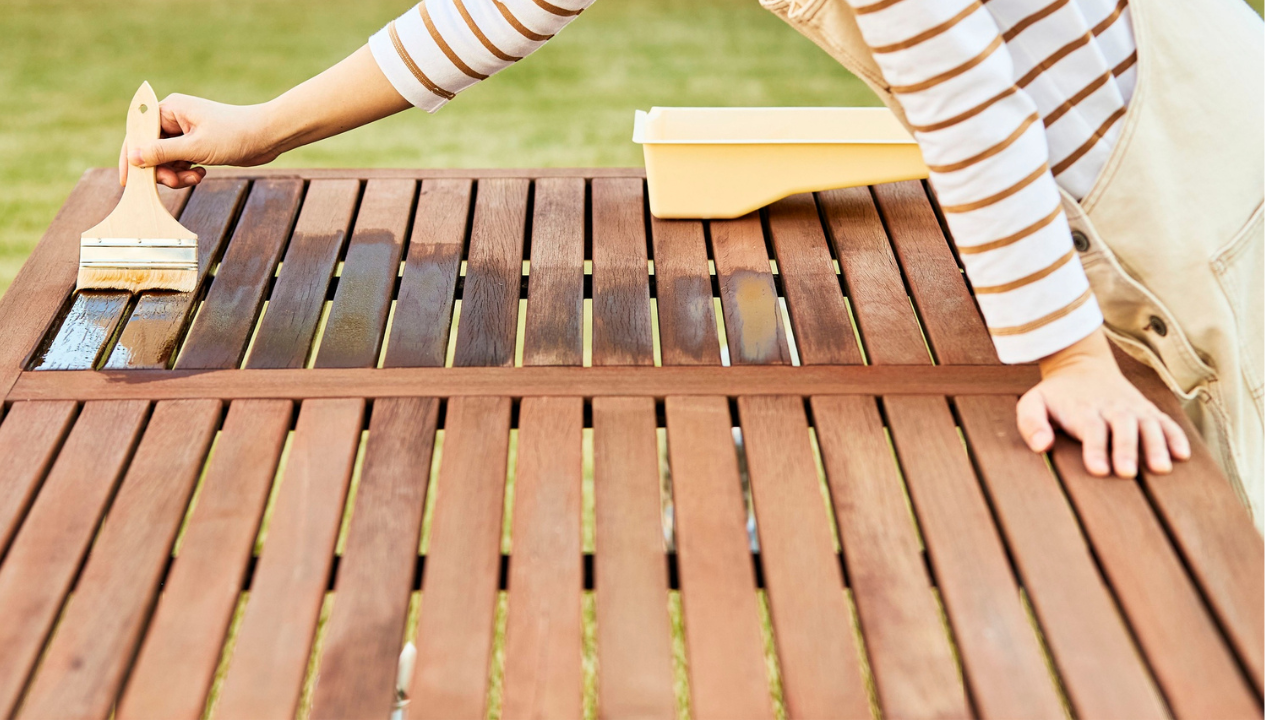
A wooden terrace calls for the gentlest approach. Sweep thoroughly first, including between the boards: dirt and leaves in the gaps retain moisture, and that's where the wood turns green or even soft more quickly. Then scrub with lukewarm water, a mild soapy solution and a brush, always along the direction of the grain. Rinse with the garden hose.
It's best to leave the pressure washer alone. A harsh jet frays the wood fibres, leaving the wood rough, prone to splinters and then even faster to get dirty and green. Turning grey is a natural process for many wood species, not dirt. If you want the original colour back, use a wood brightener suitable for your type of wood and follow the label.
After cleaning, let the wood rest for a few dry days. If you want to oil or stain it afterwards, it must be completely dry. You can read about the difference between oil, stain and varnish in treating wooden garden furniture; the same principles apply to decking.

Cleaning composite
Composite boards are made from a mixture of wood fibres and plastic and require little maintenance. Even so, they too get dirty, and in the shade green algae can form. Clean them with lukewarm water, a mild soapy solution and a soft brush, then rinse. Don't use a wire brush or abrasive sponge: they'll scratch the top layer.
Grease and oil stains, for example from the barbecue, are easiest to remove while they're still fresh. Manufacturers differ in their views on the pressure washer: one allows it on a low setting, another advises against it. So check the maintenance instructions for your boards before you use one, also so you don't lose your warranty.
Step-by-step plan: how to clean your terrace
This step-by-step plan works for every surface. Only adjust the cleaner and the brush to what you read in the table above.
Remove garden furniture, plant pots, cushions and the outdoor rug from the terrace. That way you can reach everything and your belongings won't get wet or dirty. Put the cushions away dry straight away.
Sweep away leaves, sand and loose dirt with a sturdy broom. Remove weeds and moss from the joints with a joint scraper or joint brush. Otherwise you'll just smear wet dirt around.
First try your soapy solution or cleaner on a small area that won't be noticed. Let it dry and check whether the colour and sheen stay the same.
Wet the terrace, apply the soapy solution and scrub in strips. Use a stiff brush on tiles and a softer brush on natural stone, wood and composite. For stubborn dirt, let the soapy solution soak in briefly, but don't let it dry.
Use the garden hose to wash away all soap residue. Leftover soap attracts new dirt. Take care that rinse water containing cleaners doesn't end up in a pond or vegetable garden.
Let the terrace dry completely. Then check the joints and fill any empty spots with jointing sand or jointing compound. Only then put your furniture and rugs back.
Scrub less often
Sweep regularly, remove leaves quickly and make sure rainwater can drain away. Spots that stay wet for a long time turn green fastest. You'll find more ideas in tips for a low-maintenance garden.
Common mistakes
Pointing the pressure washer straight at the joints
A harsh jet blasts the jointing sand away in seconds. Empty joints are an invitation for weeds and ants, and tiles can start to wobble. Spray across the tiles at an angle on a low setting and top up empty joints afterwards.
Vinegar or acidic products on natural stone
Acid reacts with calcareous stone such as bluestone, limestone, travertine and marble. The result is dull or light patches that you can't simply polish away. On natural stone, use a pH-neutral cleaner.
Cleaning wood with a harsh jet
A pressure washer frays the wood fibres. The wood then feels rough, splinters more easily and turns green faster. Scrub with a brush along the grain instead.
Using chlorine or bleach
Aggressive products can discolour tiles and joints and are harmful to plants and soil life. A mild soapy solution and a bit more scrubbing are almost always enough.
Cleaning in full sun
The soapy solution dries before you can rinse, and then streaks and marks are left behind. Choose an overcast, dry day.
Putting back furniture and outdoor rugs
A clean terrace is the moment to give your furniture a treat too before it goes back out. Wipe down frames with a mild soapy solution and rinse them. You can read how to do this for each material in cleaning garden furniture and maintaining aluminium garden furniture.
An outdoor rug also only belongs back on a dry surface. The outdoor rugs from Garden Impressions have the same care instructions: remove dirt with a soft brush or vacuum, wash with lukewarm water and mild soapy water, and let the rug dry completely before storing it. A rug is also a pleasant layer on tiles that get hot in summer. You can find style tips in outdoor rugs for the terrace.

Ankara outdoor rug 200x290 cm
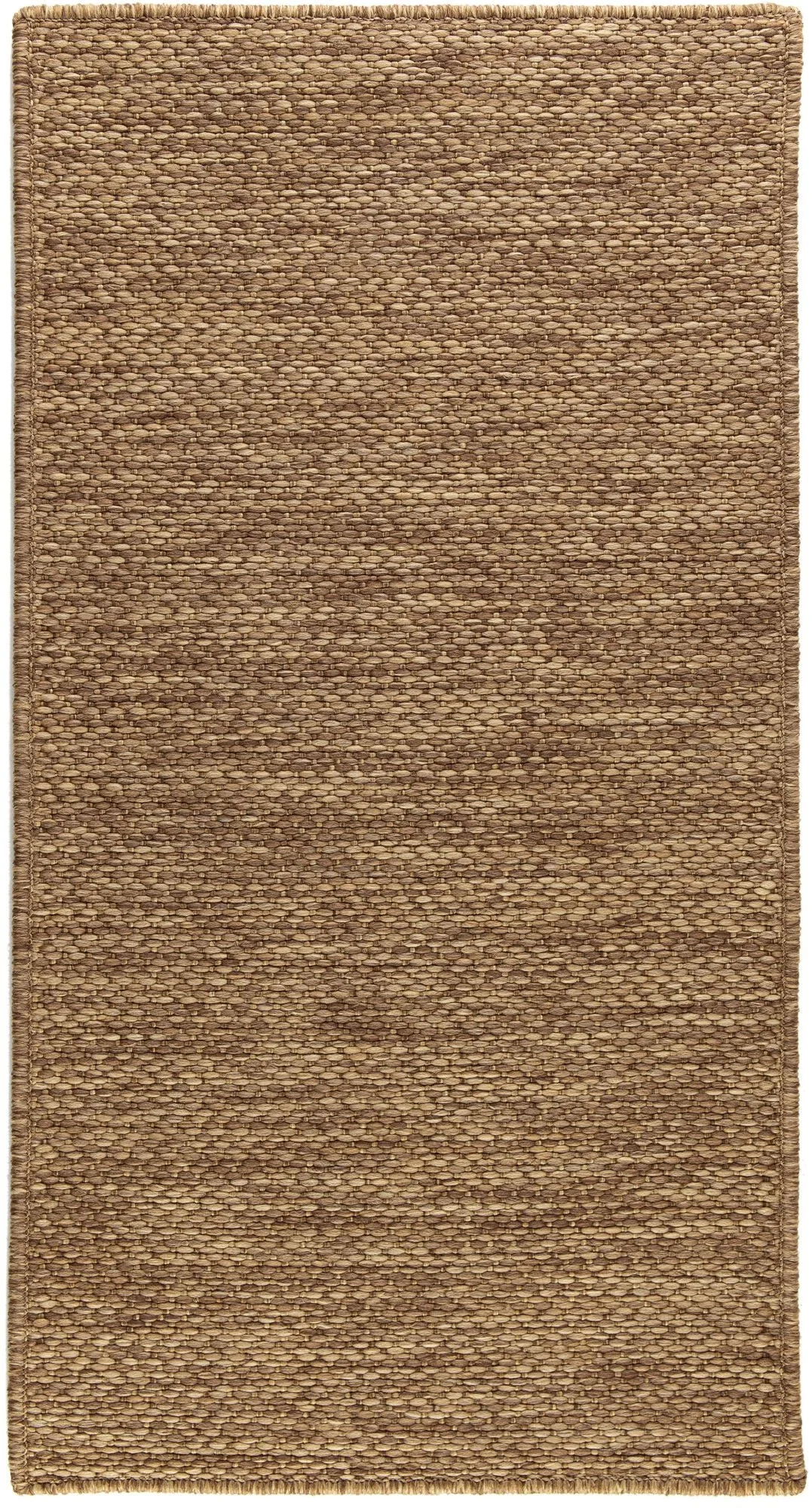
Gisborne outdoor rug 160x230 cm
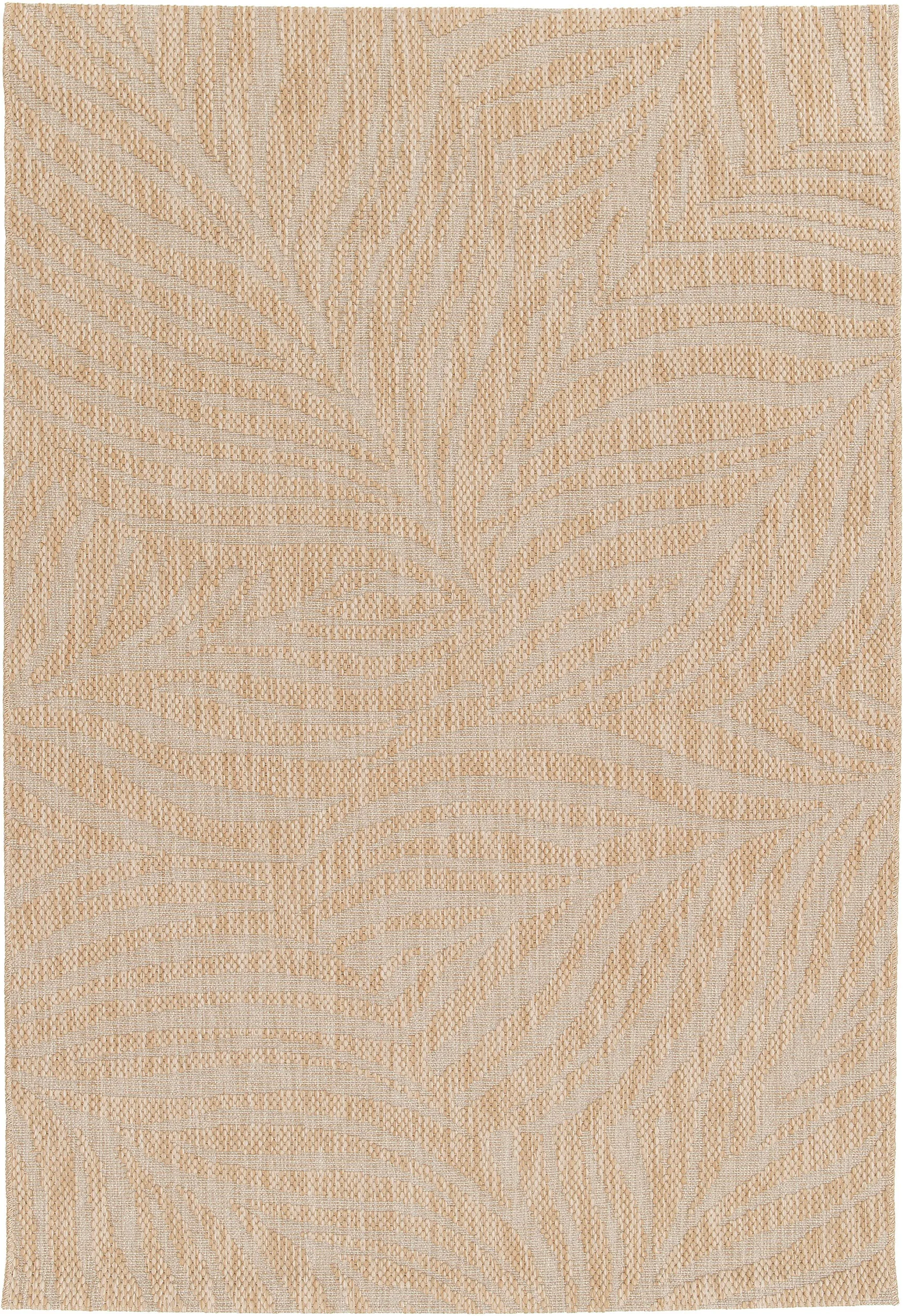
Naturalis outdoor rug 160x230 cm
You'll find more colours and sizes in outdoor rugs.
Want to keep your furniture clean for as long as possible after cleaning? A breathable cover keeps out leaves, bird droppings and dust. Because a protective cover is never fully waterproof, a cover support ensures no water stays sitting on the cover. Store cushions dry in a cushion bag.
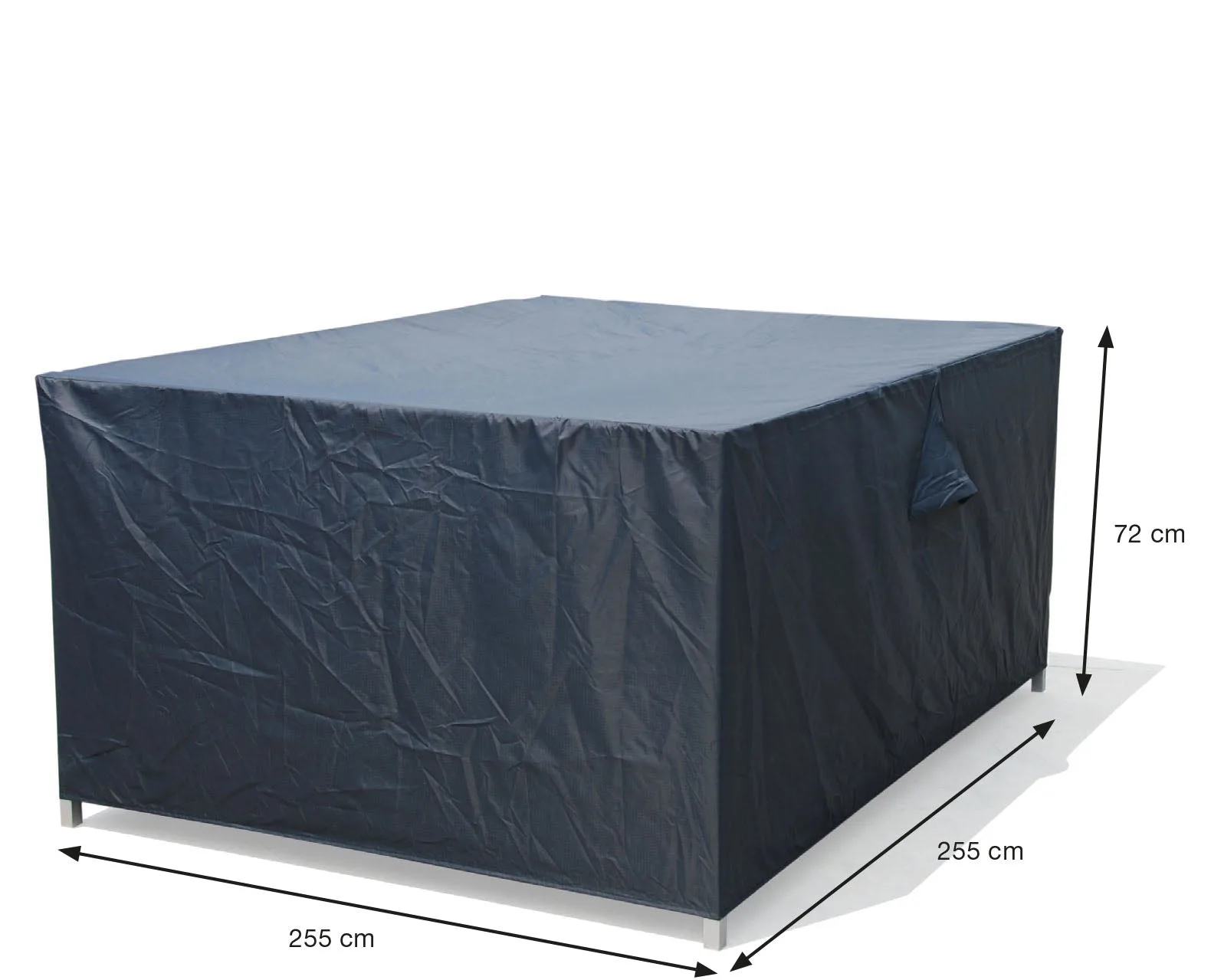
Coverit lounge set cover 255 x 255
View cover →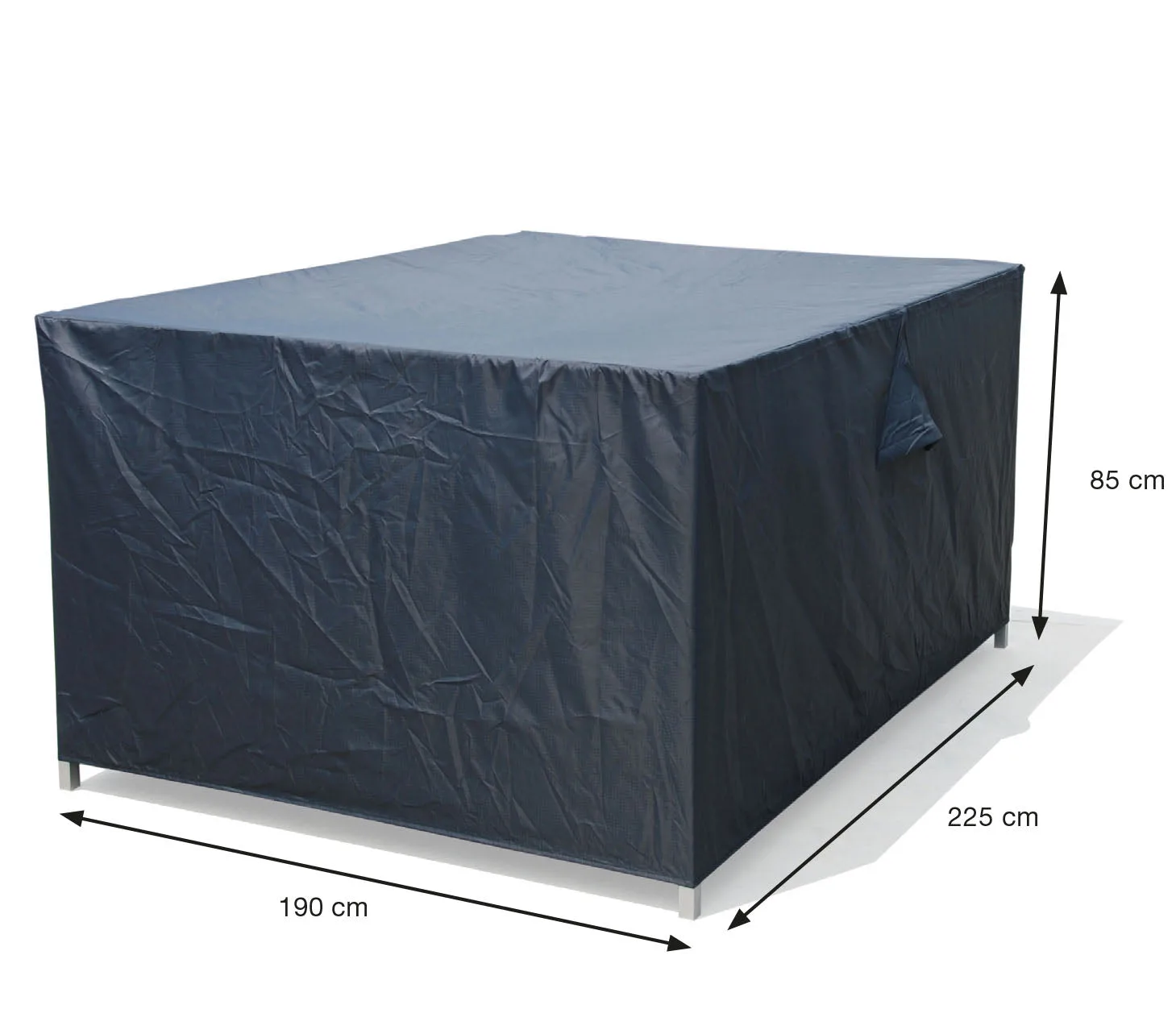
Coverit garden set cover 225 x 190
View cover →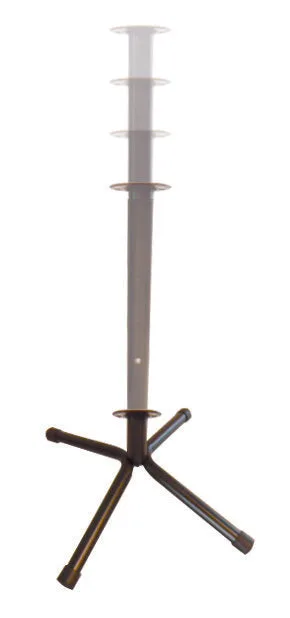
Adjustable cover support
View support →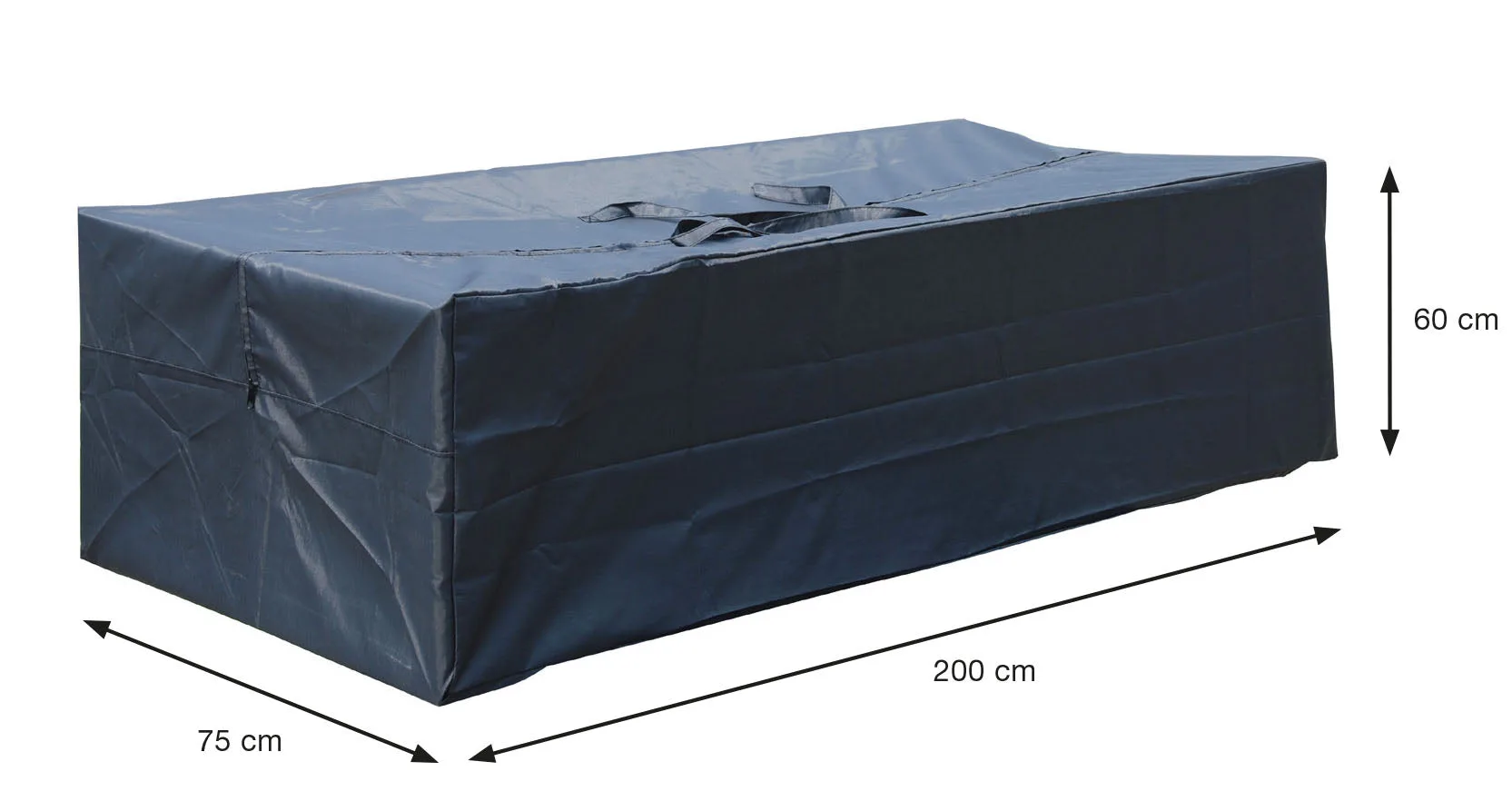
Coverit cushion bag 200 x 75
View bag →All sizes are listed under protective covers. To find out which size you need, read covering garden furniture. Are you ready for new furniture after cleaning and not sure what you're looking for? The selection guide will help you on your way with a few questions.
Checklist
Tick off what you've done:
- Chose a dry, overcast day without frost
- Removed furniture, pots, cushions and rug from the terrace
- Swept and scraped weeds out of the joints
- Determined the surface and tested the cleaner on an inconspicuous spot
- Scrubbed in strips and rinsed thoroughly
- Topped up empty joints with jointing sand or jointing compound
- Let the terrace dry completely
- Put back clean furniture and a dry outdoor rug
Frequently asked questions
How often should you clean a patio?
Sweep your patio regularly all year round, especially in autumn when a lot of leaves fall. A thorough clean with soapy water and a brush is usually enough once or twice a year: in spring before the garden furniture comes back outside, and optionally in autumn. If your patio is in the shade, green growth can return more often.
Can I use a pressure washer on my patio?
On concrete and ceramic tiles you can, but with care: choose a low setting, keep your distance and spray at an angle, not straight at the joints. Otherwise you will spray the jointing sand out. On natural stone, wood and composite, be careful, as the jet can roughen the surface. For composite, always follow the manufacturer's advice.
Can I use vinegar to clean my patio?
Not on every surface. Vinegar is acidic and can make limestone-based natural stone such as bluestone, marble and limestone dull or blotchy. Cement-based joints can also suffer. If you are not sure which stone you have, use a solution of lukewarm water with a mild or pH-neutral cleaner, and test first in an inconspicuous spot.
How do I clean a wooden decking without damaging it?
First sweep away loose dirt, including between the boards. Then scrub with lukewarm water, a mild soapy solution and a brush, following the direction of the grain. Rinse off with the garden hose and let the wood dry completely. A pressure washer on a high setting can raise the wood fibres, causing the wood to splinter and attract dirt more quickly.
When can I put my garden furniture and outdoor rug back?
Only once the patio is completely dry. If you place furniture or a rug on a wet surface, moisture gets trapped underneath and you will get stains and mould more quickly. Also let the outdoor rug itself dry thoroughly before you lay it down again or store it.