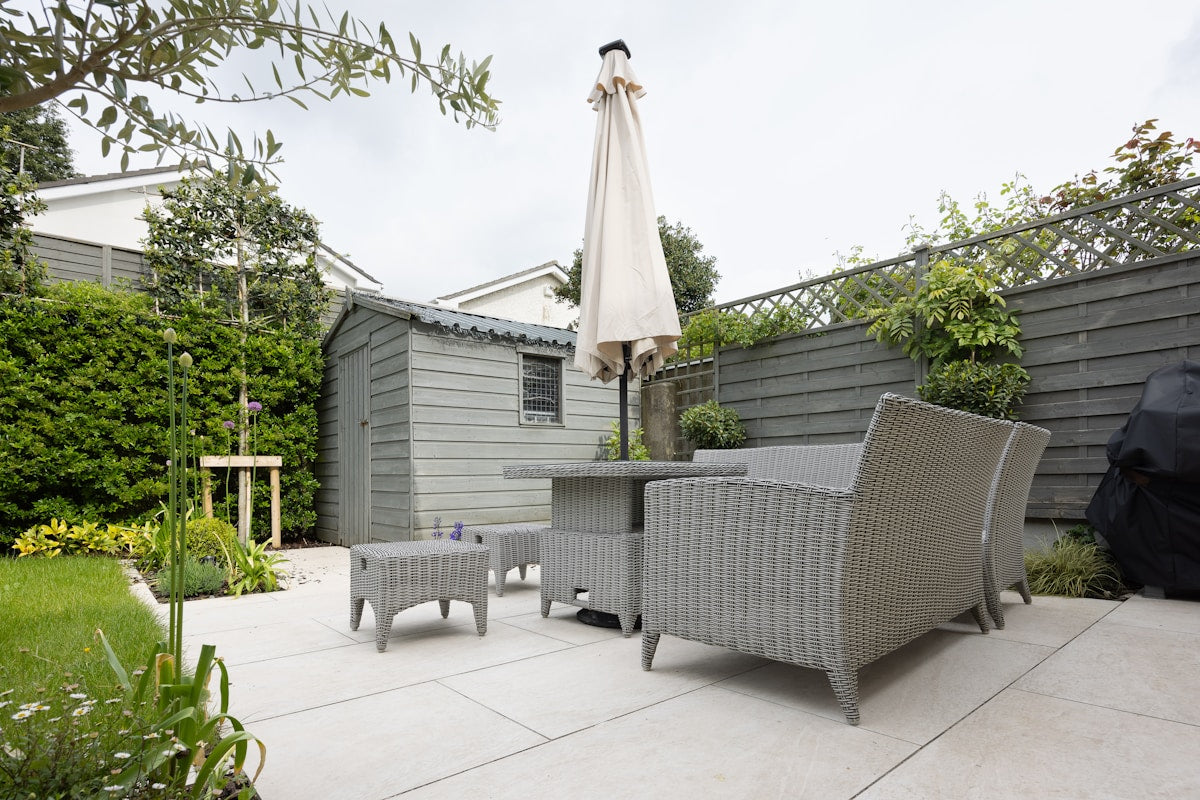

The first sunny day of the year makes you want to sit outside, not spend an hour looking for cushions and scrubbing green algae off the table. With good preparation, your garden is ready for spring before it really warms up. In this guide you'll read what to do and when, with steps for each part: getting your furniture out of winter storage, cleaning by material, cushions, parasol, lighting, the barbecue and the garden itself. At the bottom is a checklist, so you won't forget anything.
In short: start on a dry, frost-free day with tidying up and the terrace. Take the covers off your furniture, let them dry, and clean the furniture with lukewarm water, a mild soapy solution and a soft brush, not a pressure washer. Wash or brush the cushions and let them dry completely. Check the parasol and base, test the lighting and clean the barbecue before lighting it for the first time. Tick everything off on the spring checklist.
When do you start?
Meteorological spring begins on 1 March, astronomical spring around 20 March. For your garden, the calendar matters less than the weather. Tidying up, sweeping the terrace and cleaning furniture is best done on a dry day without frost, so everything can dry properly afterwards. Cushions and frost-sensitive plants should only go outside once the risk of night frost is small. Many gardeners use the Ice Saints (IJsheiligen) in mid-May as a rule of thumb.
Feel free to spread the work over a few weekends. Start with what takes longest to dry (furniture and covers) and finish with what is quickest to do (laying out cushions and opening the parasol).
What do you do when?
| What | When | Note |
|---|---|---|
| Clearing leaves and branches | First dry days | Leave some leaves in the borders |
| Cleaning terrace and paths | Dry, frost-free | Don't hose out the joints |
| Covers off, furniture drying | Dry, sunny day | Let the cover dry too |
| Cleaning furniture | Frost-free, dry | Soft brush, mild soapy solution |
| Oiling wood | After cleaning | Only on dry wood |
| Washing and airing cushions | Sunny, dry day | Let them dry completely |
| Checking parasol | Before the first warm day | Check base and mechanism |
| Testing lighting | Spring | Timer for longer evenings |
| Cleaning barbecue | Before the first time you light it | Check for mould |
| Frost-sensitive plants outside | After the last night frost | Rule of thumb: Ice Saints |
Getting furniture out of winter storage
Whether your furniture stood on the terrace under a cover or in the shed, after a few months it needs a fresh start. These four steps apply to almost every material.
Do this on a dry day. Brush leaves and dirt off the cover, rinse it if needed and let it dry spread out before folding it. A wet cover rolled up in the shed will start to smell musty.
Look at screws and bolts, damage to the coating, loose woven strands and tears in fabrics or straps. Tighten any loose joints before you put weight on the furniture again.
Lukewarm water with a mild soapy solution and a soft brush or sponge is enough for almost every material. Rinse afterwards with clean water. For how to approach each material, see the table below.
Let the furniture dry in the sun or wind before you put the cushions on it. Then place it in its summer spot, with the chair legs on a flat, dry surface as far as possible.
Want to keep covers handy for rainy weeks all season? Then read covering garden furniture for the right size and shape.
Cleaning by material
The basics are the same everywhere: lukewarm water, mild soapy solution, soft brush. The difference is in the details. For each material, the linked article has a detailed step-by-step plan.
| Material | Spring approach | Detailed guide |
|---|---|---|
| Aluminium | Soapy solution, check the coating | Maintaining aluminium |
| Rope | Lukewarm water, soft brush | Maintaining rope |
| Textileen | Soapy solution, rinse thoroughly | Maintaining textileen |
| Wood | Clean, oil if needed | Maintaining a garden bench |
| Sunbeds | Frame, fabric and wheels | Maintaining a sunbed |
Work from top to bottom and rinse with clean water. Soap residue that stays behind will actually attract new dirt.
Test first in an inconspicuous spot
If you do use a cleaner, try it first on the underside of a seat or a leg. That way you can see whether the colour or coating reacts before you treat the whole piece of furniture.
Oiling wood? Only when it's dry
If you want to keep the colour of hardwood or acacia, only oil the wood once it is clean and completely dry. Furniture with a teak-look finish on aluminium doesn't need oil: it isn't real wood.
Refreshing garden cushions
Cushions that spent the winter in a box or in the attic often smell musty or have spots. On a sunny day, take them outside, beat them out and brush off any loose grime. Then clean the fabric with lukewarm water and mild soapy water. If the cushion has a removable cover, check the label to see how it should be washed. Most importantly: let every cushion dry completely before using or storing it again. For stubborn mould or green algae, the step-by-step guide in cleaning garden cushions will help.
If the cushions have gone flat or faded after a few seasons, now is a good time to replace them. Two examples from our range:
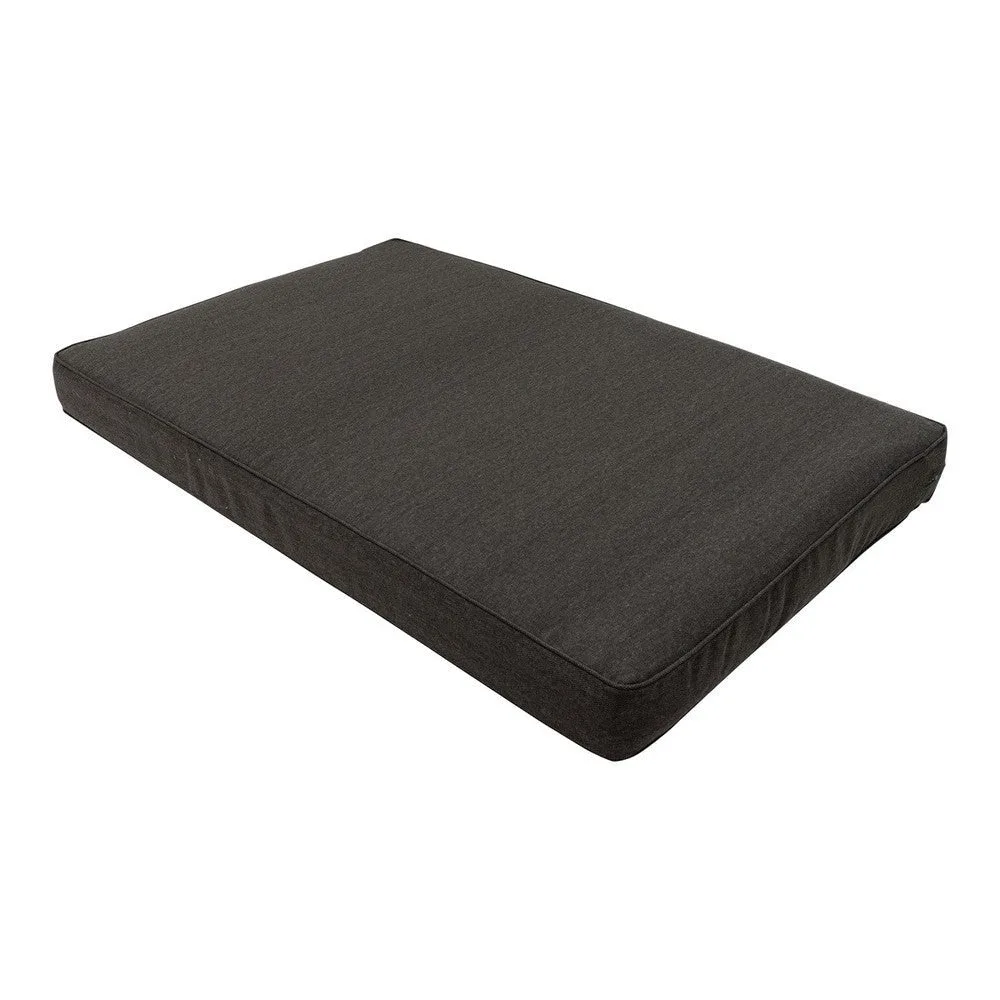
Madison lounge pallet cushion Eco+ 120x80 cm
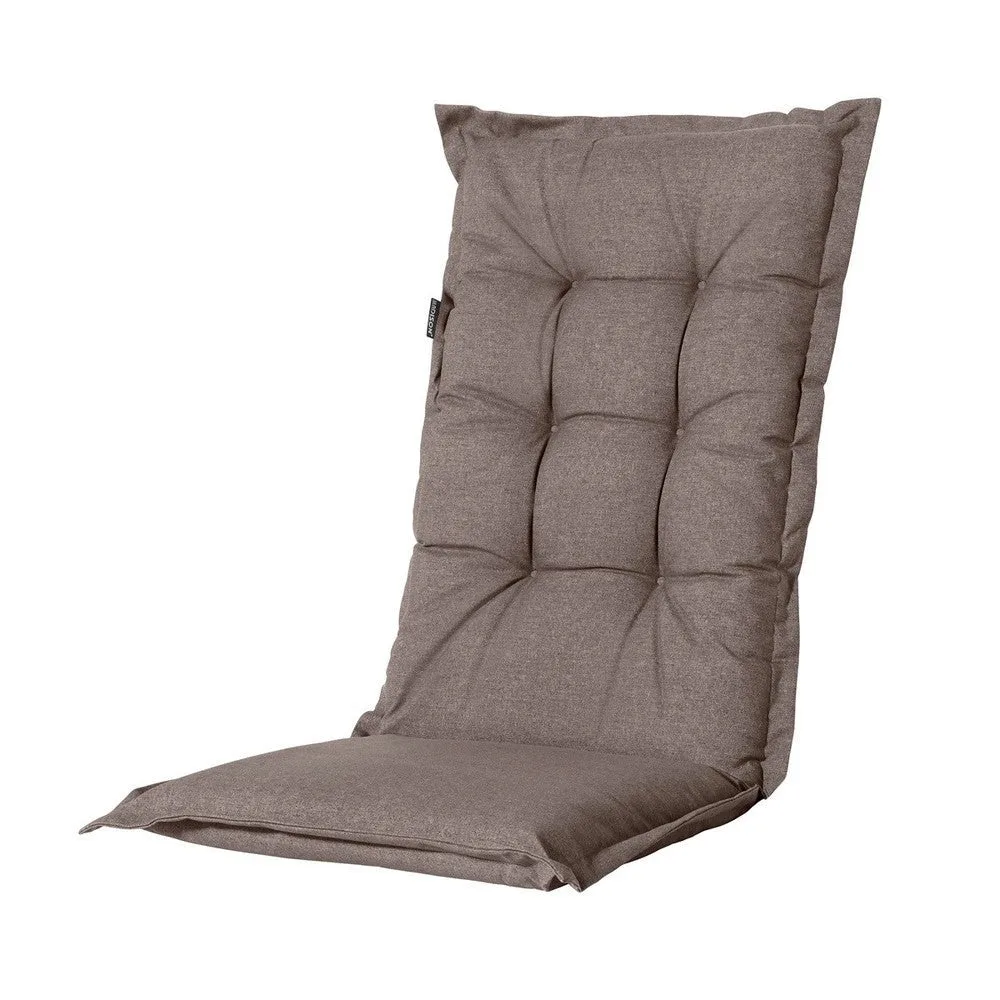
Madison high-back seat cushion Manchester taupe
Water-repellent is not the same as waterproof. So after a shower, or at the end of the day, put cushions in a dry cushion box. You can read more tips in storing garden cushions.
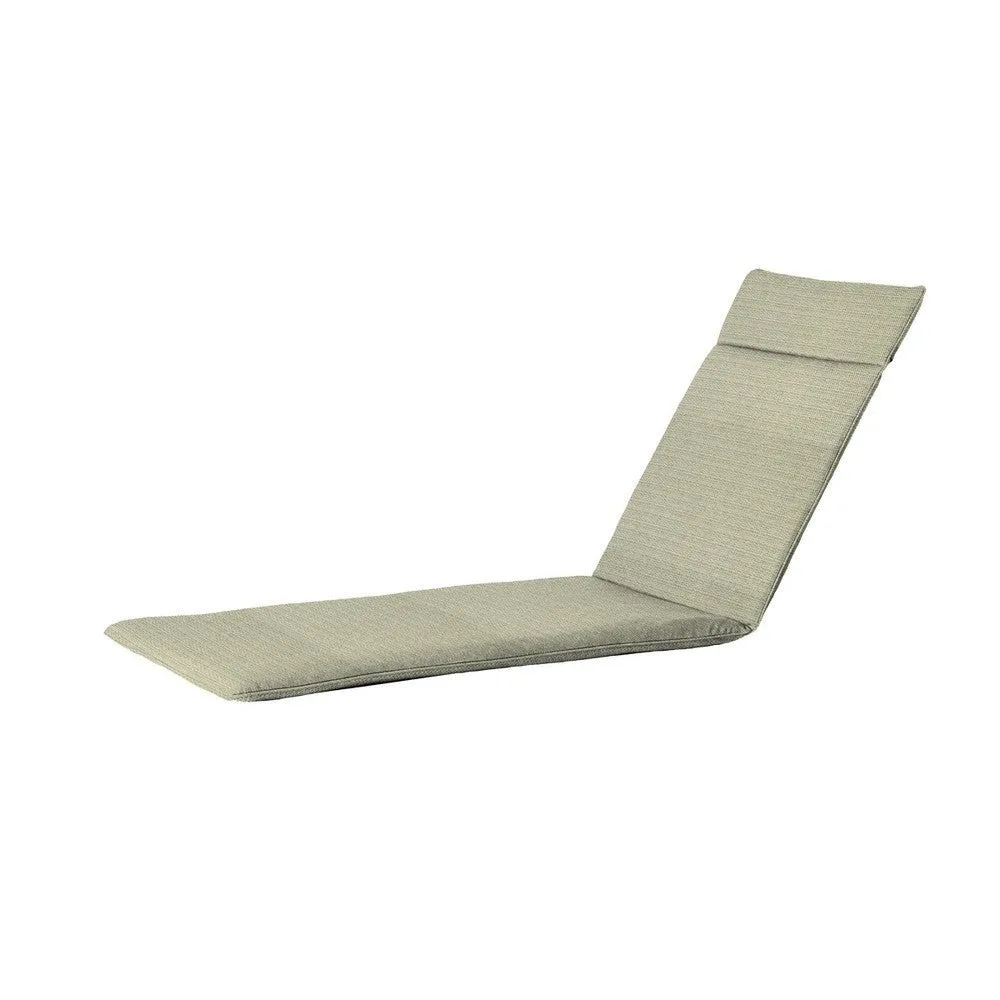
Sunbed cushion 190 x 60 cm
View cushion →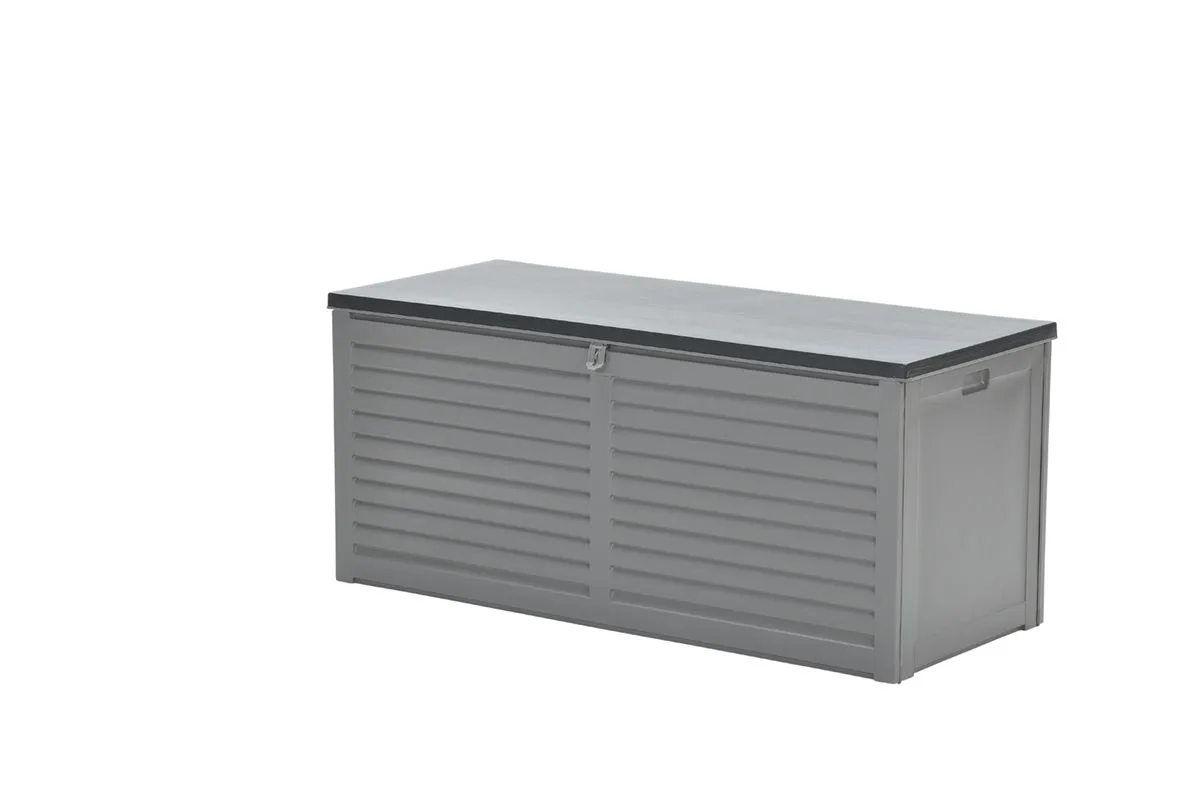
Primo cushion box 490 litre
View box →All lounge cushions
View range →Or browse all garden cushions, the high-back cushions and the storage boxes.
Getting the parasol ready
You don't just open a parasol that has been folded up for months. If the canopy was still damp when it was stored, there may be mould in it. So work through these steps.
Take the cover off and fully open the parasol. That way you can inspect the canopy properly and let it dry out if needed.
Brush off dry dirt and clean the canopy with lukewarm water and a soft brush. Don't use aggressive products, and let the canopy dry completely.
Check that the ribs are straight and that opening, tilting and rotating run smoothly. If something sticks, don't force it.
A parasol is only as stable as its base. Check that the base is heavy enough for your parasol and that it stands level. Always close the parasol in strong winds.
You can read everything about wind, rain and the right base in protecting your parasol from wind, rain, sun and winter. Ready for a new one? Two parasols from our range:
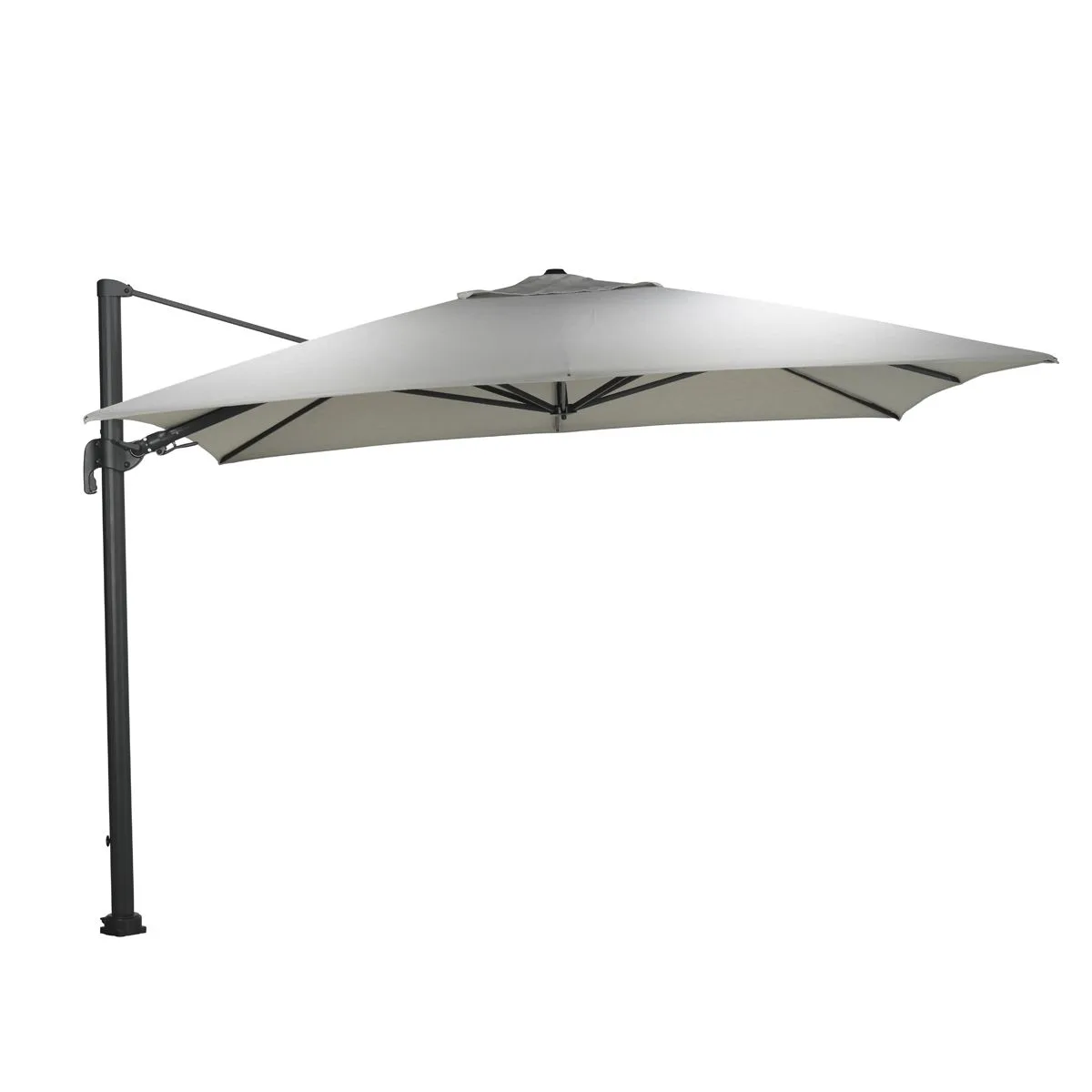
Hawaii Big Pole II cantilever parasol 350 x 350 cm
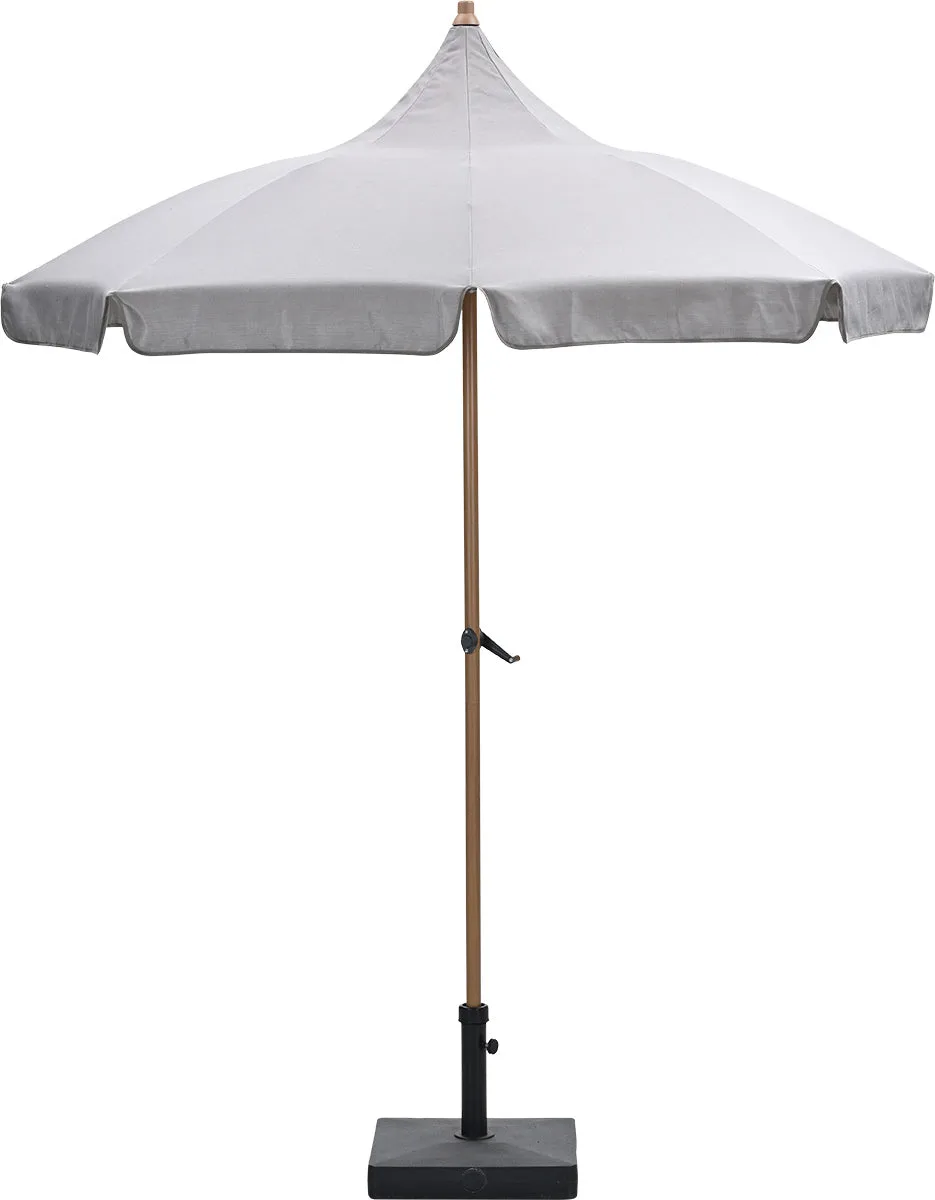
Aloha stick parasol Ø200 cm taupe
Keep a cover handy for rainy weeks and for next winter:

AeroCover stick parasol cover
View cover →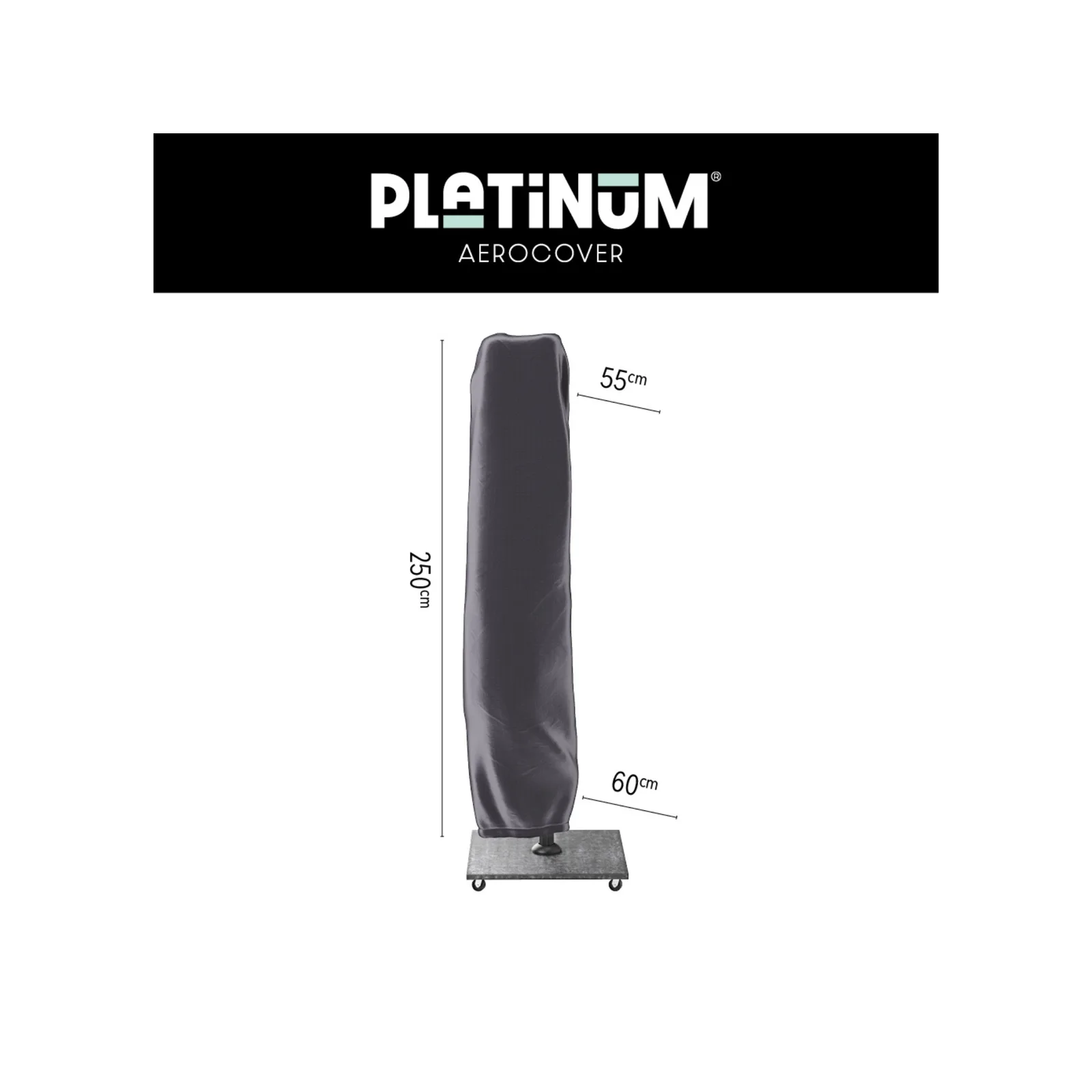
AeroCover cantilever parasol cover
View cover →All cantilever parasols
View range →You'll find more choice in the stick parasols, parasol bases and parasol covers.
Testing garden lighting
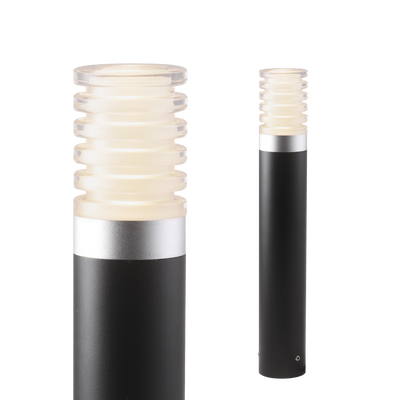
In spring the evenings get longer and you'll sit outside more often once it gets dark. Check your lighting before you really need it:
- Test every lamp. Switch everything on and walk around the garden. That way you'll immediately see which lamp is no longer working.
- Check the cables. Make sure cables and connections are intact, especially where you dug or hoed over the winter.
- Clean the lamps. Wipe off soil, leaves and limescale from glass and shades, or they will give less light.
- Reset the timer. A time switch that came on early in winter should now be set later. A dusk sensor will sort that out automatically.
If you work with a Garden Lights 12V system, you can easily expand with extra lamps. You can read how that works in installing garden lighting with the 12V system.
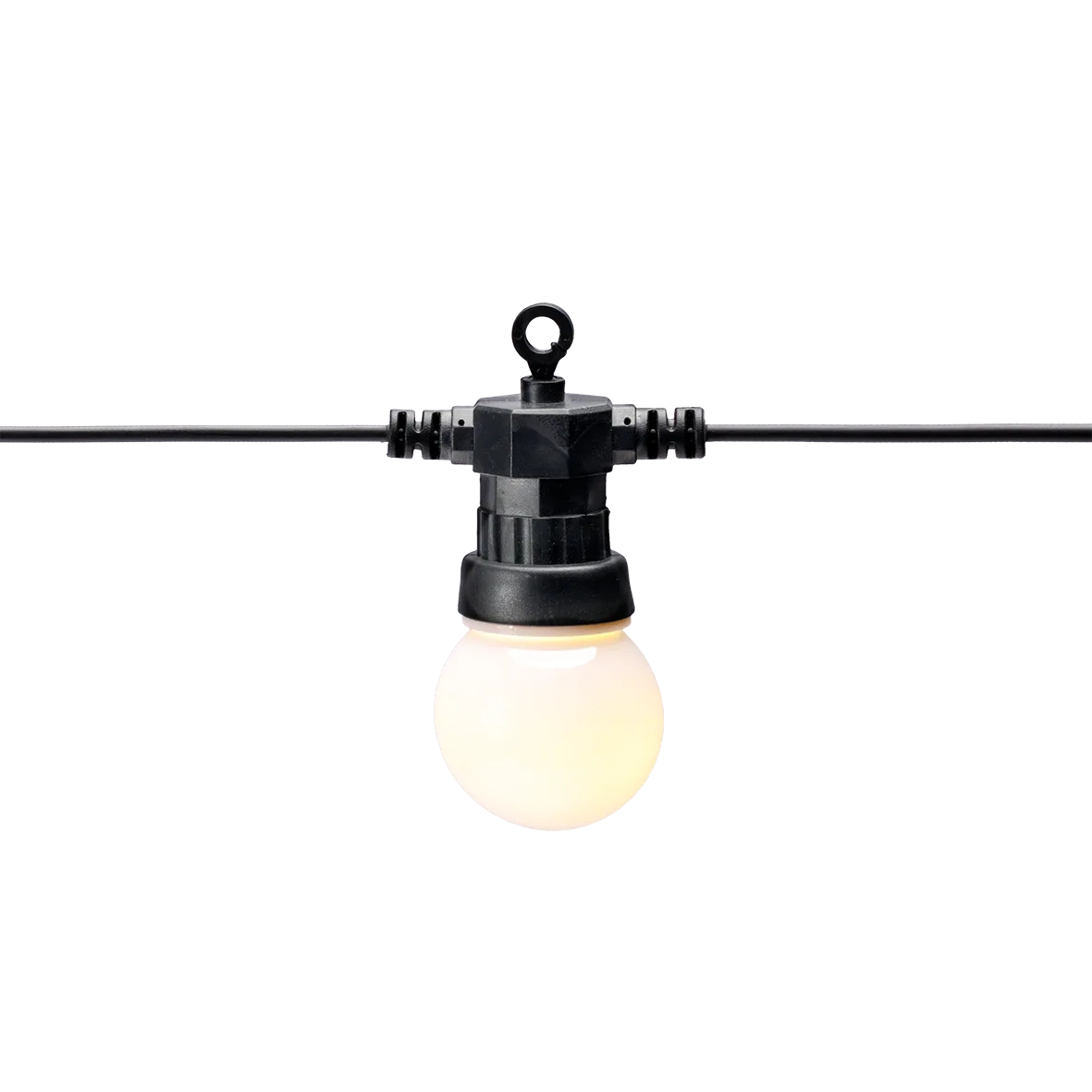
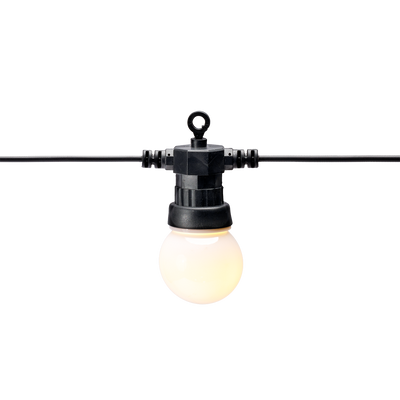
Garden Lights Partylights ambient lighting
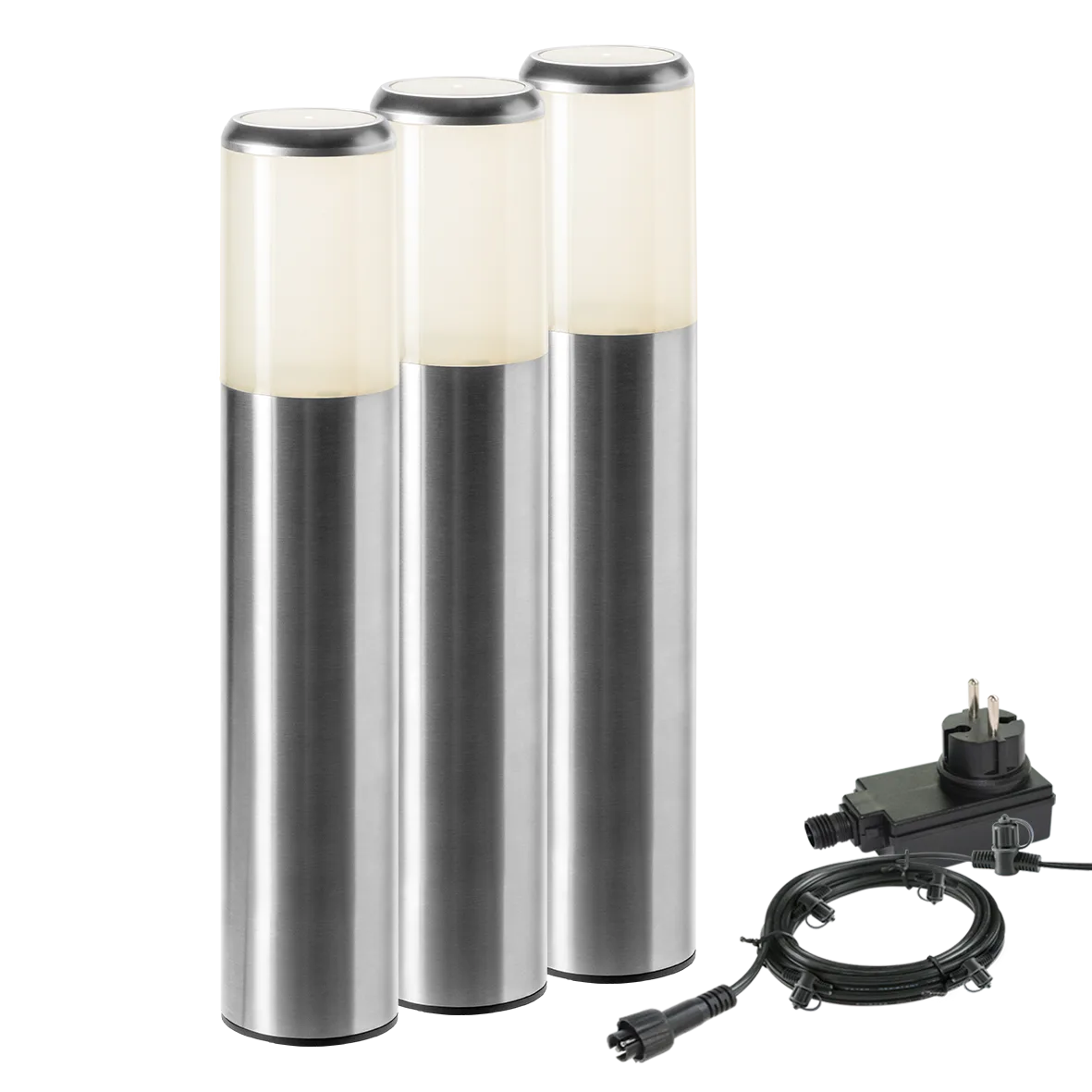
Garden Lights Novu set
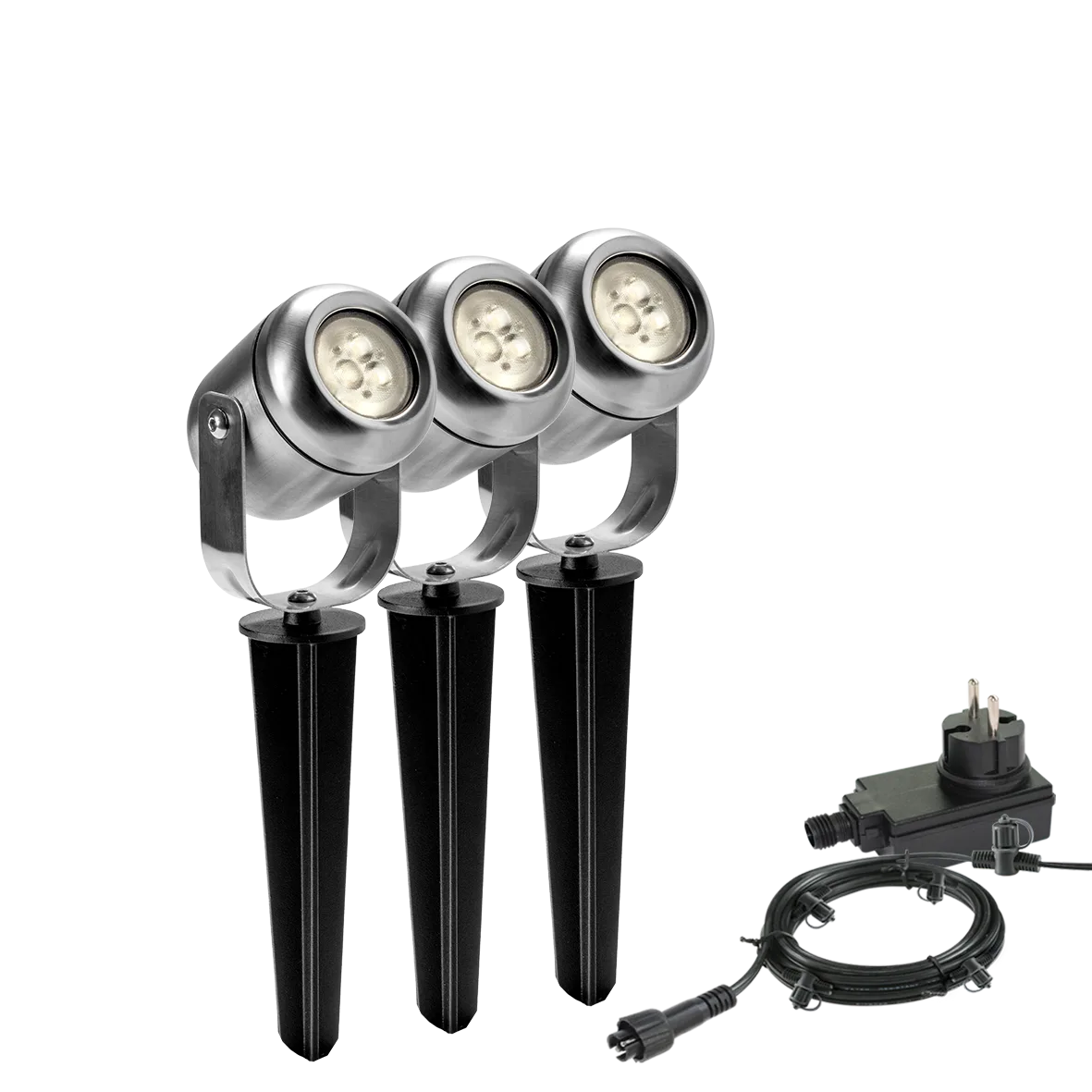
Jard set: 3 spots complete
View set →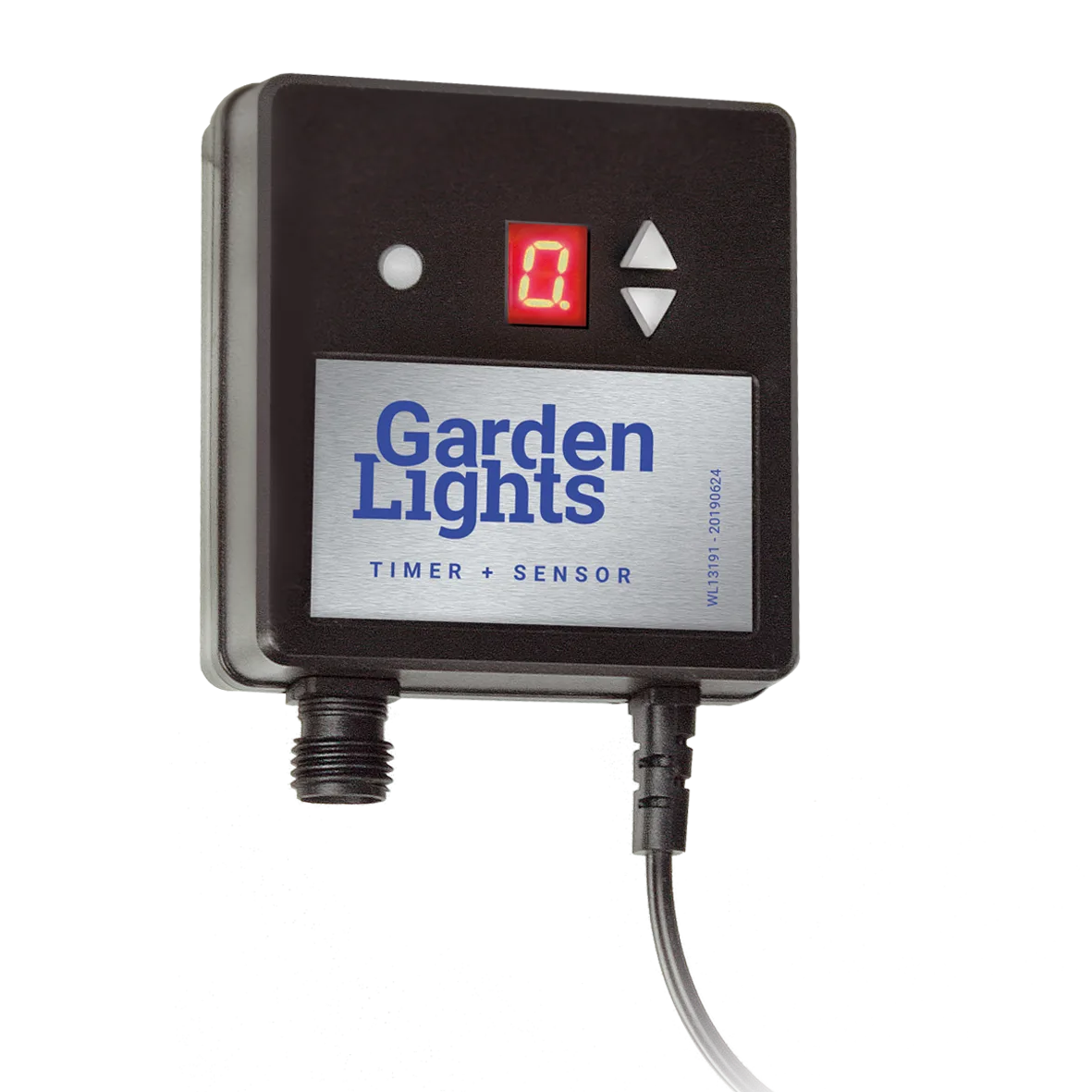
Timer with dusk sensor
View timer →All ambient lighting
View range →Or browse all garden lighting and the complete sets.
Barbecue and kamado
If the barbecue stood outside or in a damp shed all winter, clean it before you light it again. Remove old ash and charcoal residue, brush the grates clean and check for mould in the bowl. With a kamado, you usually burn it clean with a good, hot firing session. Also check the gasket and the air vents. The full step-by-step plan is in cleaning a kamado. Also have a look at the barbecue accessories if you want to replace grates or tools.
The garden itself
Finally, the garden. A few general steps to get the spring off to a good start:
- Tidy up: remove leaves from the lawn and paths and clear away dead branches. You can leave some leaves in the borders; they protect the soil and are good for soil life.
- Terrace and paths: sweep away green algae with a stiff broom and a suitable product. Be careful with a pressure washer, which can blast out jointing sand. More in cleaning or restoring a terrace.
- Pruning: not every plant wants to be pruned in spring. Spring-flowering plants are only pruned after flowering. If in doubt, look it up per plant.
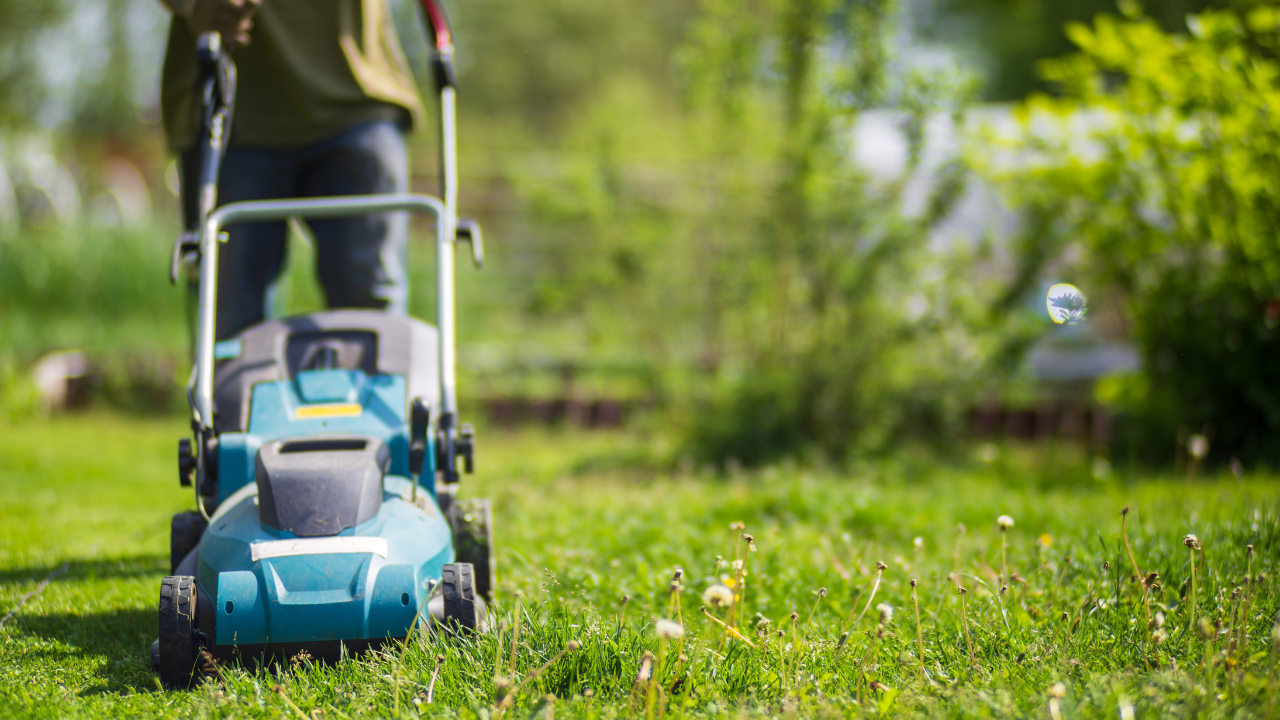
- Lawn: set the mower a bit higher for the first cuts so the grass doesn't get a shock.
- Plants: frost-sensitive plants and container plants only go outside once the night frost is over.
Thinking about a greenhouse to sow and grow your own? What to look for in material, size and ventilation is explained in buying a greenhouse: polycarbonate or glass?

Spring checklist to tick off
Tick off what is done. Your progress stays saved on this device, so you can spread the work calmly over a few weekends.
- Leaves, branches and dirt removed from lawn, paths and terrace
- Covers taken off the furniture, dried and folded
- Furniture checked for damage and loose screws tightened
- Furniture cleaned with lukewarm water and a soft brush (tips per material)
- Cushions beaten out, cleaned and fully dried (how to do that)
- Parasol opened, canopy clean and base checked
- All lamps tested and the timer set for the longer evenings
- Barbecue or kamado cleaned before lighting it for the first time
How to keep it easy
- Work on dry, frost-free days, then everything dries quickly
- Use lukewarm water, a mild soapy solution and a soft brush
- Let furniture, covers and cushions dry completely
- Keep a cushion box and covers handy for rainy weeks
If cleaning shows that a piece of furniture needs replacing? With the selection guide you can find out in a few questions what suits your garden.
Common mistakes
Doing everything with a pressure washer
A harsh jet damages rope, textileen, wicker and wood, and forces water deep into seams and cushions. Choose a soft brush and a garden hose.
Storing cushions while damp
A cushion that isn't quite dry will go mouldy in a closed box. Always let cushions dry completely before putting them back.
Abrasive sponges and harsh products
A scouring pad or bleach can damage coatings, fabrics and colours. Use a mild soapy solution and test a cleaner first on an inconspicuous spot.
Opening the parasol without checking it
A parasol that was stored wet may contain mould. Open it on a dry day, clean the canopy and let it dry out.
Putting everything outside too early
A warm day in March doesn't mean the frost is over. Don't leave cushions out overnight, and wait with frost-sensitive plants until after the last night frost.
Want to avoid this next autumn? Read preparing garden furniture for winter now: what you store properly in autumn is much quicker to get ready in spring.
Frequently asked questions
When should I start getting the garden spring-ready?
Meteorological spring begins on 1 March, and astronomical spring around 20 March. From then on, you can start tidying up and cleaning on dry, frost-free days. If you have frost-sensitive plants or cushions that stay outdoors, it's best to wait until the night frosts are over; many gardeners observe the Ice Saints (mid-May) for this.
Can I clean my garden furniture with a pressure washer?
Better not. A harsh jet can damage rope, Textilene, wicker and wood fibres, and push water deep into cushions and seams. Lukewarm water with a mild soap and a soft brush is enough for almost all materials. Then rinse with clean water and let everything dry thoroughly.
How do I remove green algae and mould from my garden cushions?
First brush off any loose dirt while dry, then clean the fabric with lukewarm water and mild soapy water. If the cushion has a removable cover, check the label to see whether it can be washed on a low temperature. Always let the cushion dry completely before using or storing it.
What should I check on my parasol after winter?
Open the parasol on a dry day and check that the canopy is clean and dry, that the ribs are straight, and that the tilt or rotation mechanism moves smoothly. Also check that the base is heavy enough and stands firmly. Always close the parasol when it is windy.
Will my garden lighting still work after winter?
In spring, test every lamp and check the cables and connections for damage, for example from digging or hoeing. Reset any timer for the longer evenings. A dusk-to-dawn sensor, such as the Garden Lights Timer with dusk to dawn sensor, will switch the lighting on and off automatically.
Should I oil wooden garden furniture in spring?
Only if you want to keep the wood's colour. Clean the wood first and let it dry thoroughly; oil does not soak in well into wet or dirty wood. Teak and other hardwoods can also be left untreated to weather to silver-grey. Furniture made of aluminium, plastic or with a teak-look finish does not need oiling.