
A hard frost won't ruin a good lounge set. What does real damage is moisture: water that freezes in a pot or base, cushions that sit damp under a cover for months, and wood that stands in a puddle on the grass all winter. In this guide you'll read how to get your garden furniture winter-ready: when to start, what frost actually does, what to do per material and a step-by-step plan in 6 steps. Each section links to the full guide, and at the bottom you'll find two checklists.
In short: always bring cushions indoors to keep them dry. Clean the furniture on a dry day with lukewarm water, a mild soapy solution and a soft brush, and let it dry completely. Store it dry or place it on tiles under a breathable cover, with a cover support so water can run off. Drain everything that can freeze: fillable parasol bases, terracotta pots, the outdoor tap and the garden hose. Tick everything off in the winter checklist.
When should you winterise your garden furniture?
There's no fixed date. The right moment is when you no longer use the furniture every day, and before the autumn storms and the first night frosts arrive. Choose a dry day, preferably after a few days without rain. Then anything you clean dries quickly, and it goes under the cover or into the shed dry.
You don't have to do everything at once. Bring the cushions in as soon as it rains often. The parasol follows once the sun no longer dries the canopy. Do the large pieces last, on a fine day in autumn. That way you spread the work and avoid having to pull a cover over the lounge set in pouring rain.
What does frost do to garden furniture?
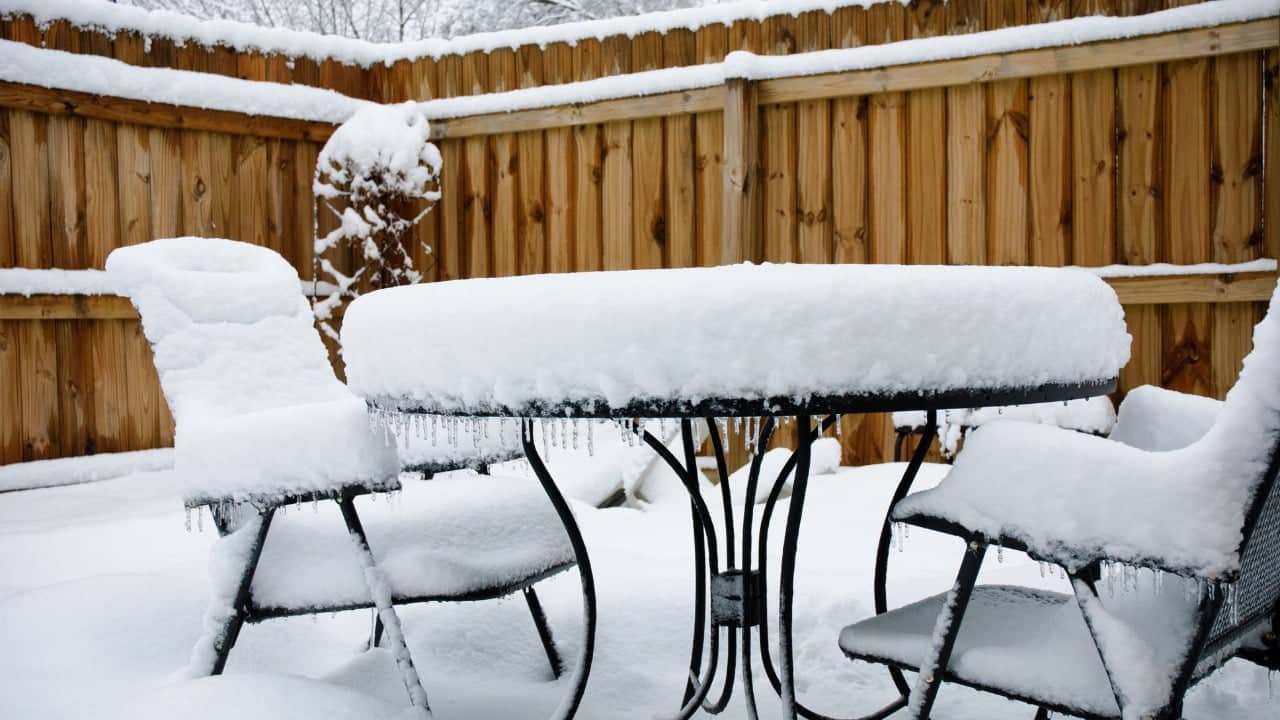
The cold itself is no problem for most garden furniture. Damage mainly comes from water: it expands when it freezes, and moisture that lingers for months leads to mould and weathering. These are the places where things go wrong:
- Terracotta and other porous pots: terracotta absorbs water. If that water freezes, it expands and forces the clay apart. This causes cracks and flaking. Pots standing in a saucer of water are at the greatest risk.
- Water in bases and hollow parts: a fillable parasol base with water in it, a small fountain, a watering can or a garden hose that's full: if the water inside freezes, the material can crack.
- The outdoor tap: water in the pipe leading to the outdoor tap can also freeze. Turn the tap off indoors and let it drain.
- Wood: for wood, the biggest risk isn't frost but moisture. Wood that stays wet all winter, for example with its legs on the grass, will go mouldy, develop green growth and can rot where water can't drain away.
- Plastic and wicker: cold plastic is more brittle than warm plastic. If you flop onto a wicker chair in frost, or drag it across the tiles, a brittle strand can snap.
- Cushions: most covers are water-resistant, not waterproof. Cushions left outside get wet, no longer dry out in winter and go mouldy.

By material and component
What you do in winter depends on the material. The table shows the approach in brief, with a link to the full guide.
| Material or component | Winter approach | Full guide |
|---|---|---|
| Aluminium | Clean, dry, breathable cover | Maintaining aluminium |
| Rope | Store dry or cover | Maintaining rope |
| Plastic wicker | Cover, don't load in frost | Wicker broken? |
| Wood and teak | Off the grass, under cover or in the shed | How long a wooden table lasts |
| Coated steel | Check the coating, preferably indoors | Metal furniture |
| Sun lounger | Clean, dry, cover or indoors | Maintaining a sun lounger |
| Cushions | Always bring indoors, dry | Storing cushions |
| Parasol | Store dry and closed | Protecting a parasol |
| Fillable parasol base | Drain water before frost | Parasol in winter |
| Kamado | Clean, dry, vents slightly open | Cleaning a kamado |
| Terracotta pots | Empty and indoors, or on pot feet | The rest of the garden |
Not sure whether a complete set can stay outside? We've looked into it per type of furniture in can a lounge set stay outside, which garden set can stay outside and which garden chair can stay outside.
Winter-ready in 6 steps
These steps apply to almost all garden furniture. Allow an afternoon for a set with a table and chairs or a lounge set.
Shake them out, brush off any loose mould and let them dry completely before storing. A cushion that's almost dry will go mouldy in a sealed box or bag.
Lukewarm water, a mild soapy solution and a soft brush or sponge are enough for almost every material. Rinse with clean water. Don't use a pressure washer: it damages rope, wicker, textile and wood, and forces water deep into the seams.
Look for damage to the coating or paint, loose screws, loose strands of weave and tears in fabric or sling. Fix small damage now; after a wet winter it becomes a bigger problem.
Leave the furniture to dry in the sun or the wind before it goes under a cover or into the shed. Tilt chairs and tables so no water stays on seats or in corners.
A dry, ventilated shed or garage is the best place. If the furniture stays outside, put it on tiles or a patio, not on the grass, ideally out of the wind against a wall or under a canopy.
Use a cover in the shape and size of your furniture. Place a cover support in the middle so water can run off, and fasten the cover securely against the wind.
The best winter protection starts with dry. A breathable cover over dry furniture does more than the most expensive cover over a wet lounge set.
Store indoors or cover outdoors?
If you have space in a shed, garage or storeroom, that's the safest place. Do keep a few things in mind:
- Ventilation: a damp, closed shed can cause more mould than a good cover outside. Open the door now and then on dry days, and don't lean cushions against a cold wall.
- Not next to the heating: it's better not to put wooden furniture right next to a central heating boiler or stove. Wood that dries out quickly can crack.
- Stack with care: place an old towel or a piece of cardboard between stacked frames so they don't rub against each other.
If it won't fit indoors, most furniture can perfectly well overwinter outside under a breathable cover. For many pieces, the product information states that you should store them dry during prolonged bad weather or over winter, preferably with a protective cover. You'll find which cover and which size you need in covering garden furniture.
After a storm, take a quick look under the cover
After a strong storm or a snow shower, check the covers. If there's a puddle on top, wipe it off. If a corner has blown loose, fasten it again. That way the area underneath stays dry and the cover won't blow away.
Approach per component
Lounge set
A lounge set with an aluminium frame can overwinter outside, but the cushions can't. Clean the frame, the rope or wicker and any table, let everything dry and cover the set with a cover shaped to your arrangement: square, L-shaped or trapezoid. The full story, with a test per material, is in can a lounge set stay outside in winter. If you have rope, also have a look at maintaining rope.
Garden set and garden chairs
With a garden set with a dining table, the tabletop or the cushion is often the weakest component. Stack stackable chairs under a single chair cover, give the table its own cover or place it together with the chairs under a garden set cover. Which combination can stay outside is explained in which garden set can stay outside, and per material in which garden chair can stay outside.
Garden bench and sun lounger
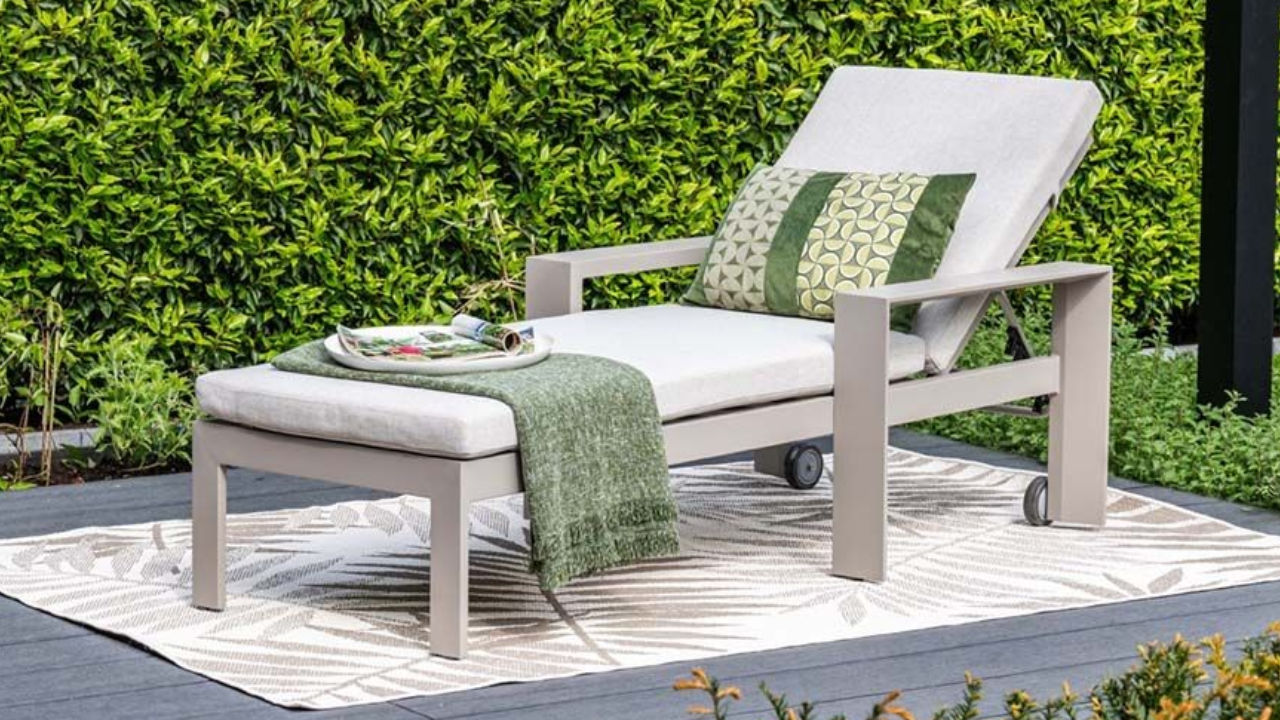
A garden bench and a sun lounger get a thorough clean, dry well and then go into the shed or under a fitting cover. For a sun lounger with wheels, also check that the wheels are clean and run smoothly. The steps for each material are in maintaining a garden bench and maintaining a sun lounger.
Cushions
Cushions are the component that copes worst with winter. Even if the cover is water-repellent, moisture seeps in through the seams and the zip. Clean them, let them dry completely and store them somewhere dry: indoors, in the loft, in a dry shed or in a cushion box or cushion bag. Which storage suits you is explained in storing garden cushions.
Parasol and parasol base
Manufacturers such as Garden Impressions and Platinum advise storing the parasol away in winter or during prolonged bad weather, preferably indoors or otherwise in a protective cover. Clean the canopy, let it dry completely and close the parasol up for storage. If you have a fillable base, empty the water out: Madison states for its fillable parasol base that you should not leave water in the base during frost periods. You'll find everything about covers and winter positioning in protecting a parasol against wind, rain, sun and winter.
Kamado and barbecue
A kamado can stay outside if you prepare it properly. Burn it out thoroughly once more, remove all the ash once it has cooled, oil the cast iron grate or store it dry indoors, and set the vents slightly open so some air can circulate. Cover it with a breathable cover. The full step-by-step plan is in cleaning a kamado.
The rest of the garden
- Terracotta pots: dry out empty pots and store them indoors. Pots with plants go on pot feet, so they don't stand in a saucer of water.
- Outdoor tap and garden hose: turn the tap off indoors, let it drain and store the garden hose empty.
- Watering cans, fountains and rain barrels: empty whatever can be emptied, or make sure the water has room to expand.
- Patio: sweep away leaves before they rot and become slippery. More in cleaning a patio.
Covers and cushion storage
With a few good covers and a dry place for the cushions, you're ready for winter. Below are examples from our range. Always measure the outer dimensions of your furniture and compare them with the size of the cover. Current prices are shown on the cards.

AeroCover corner set cover 270x270x100xH70

AeroCover garden set cover 240x190xH85
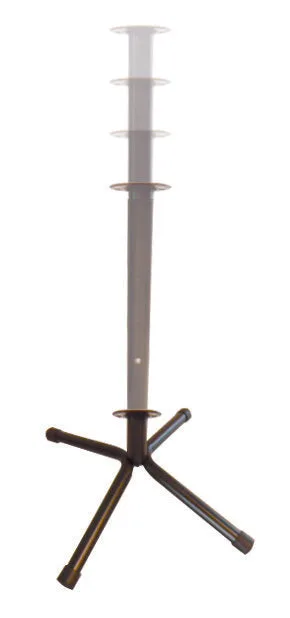
Coverit adjustable cover support
A protective cover is never completely waterproof, Coverit points out. That's why it's important that no water is left sitting on the cover. More covers for other furniture:
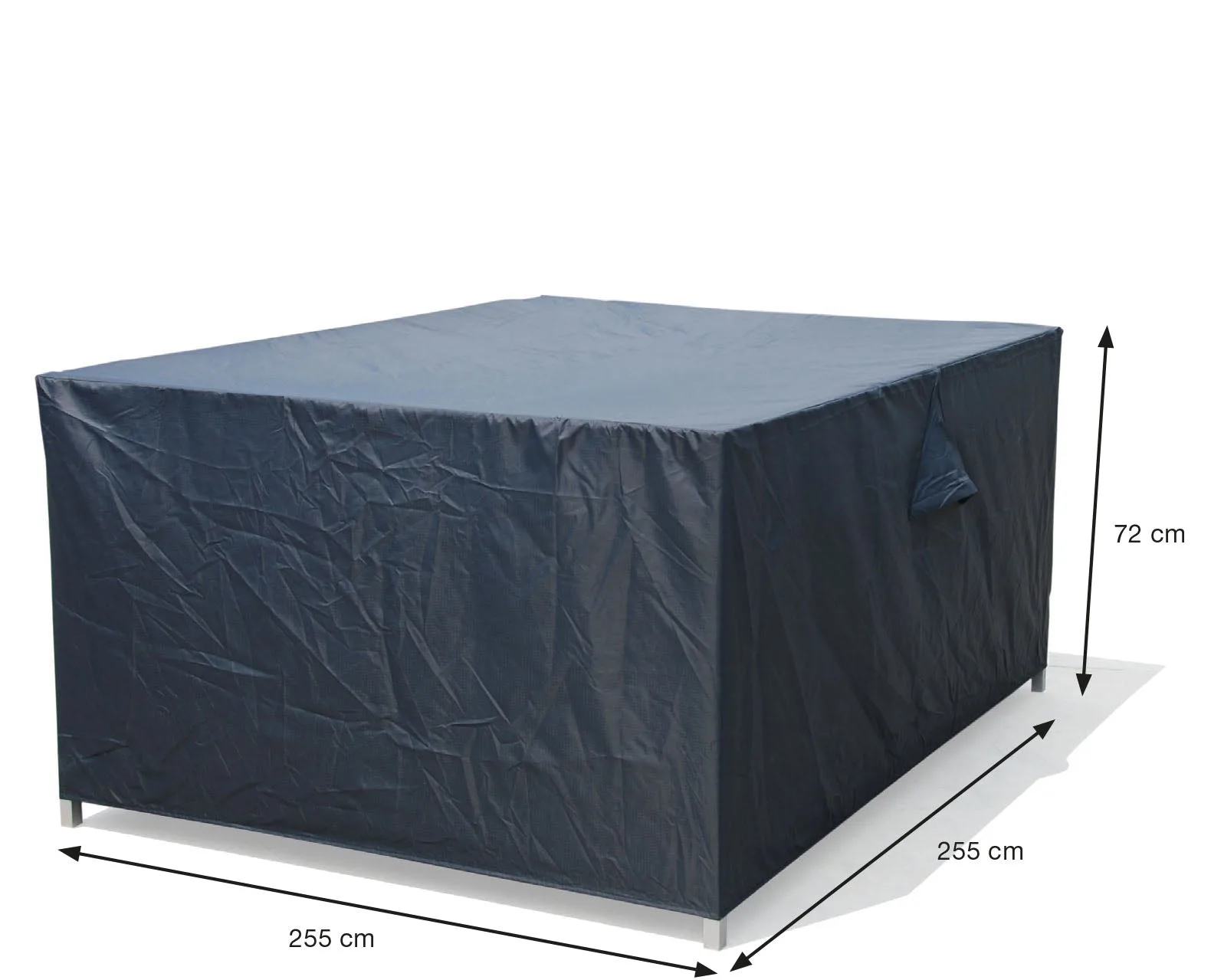
Coverit lounge set cover 255 x 255
View cover →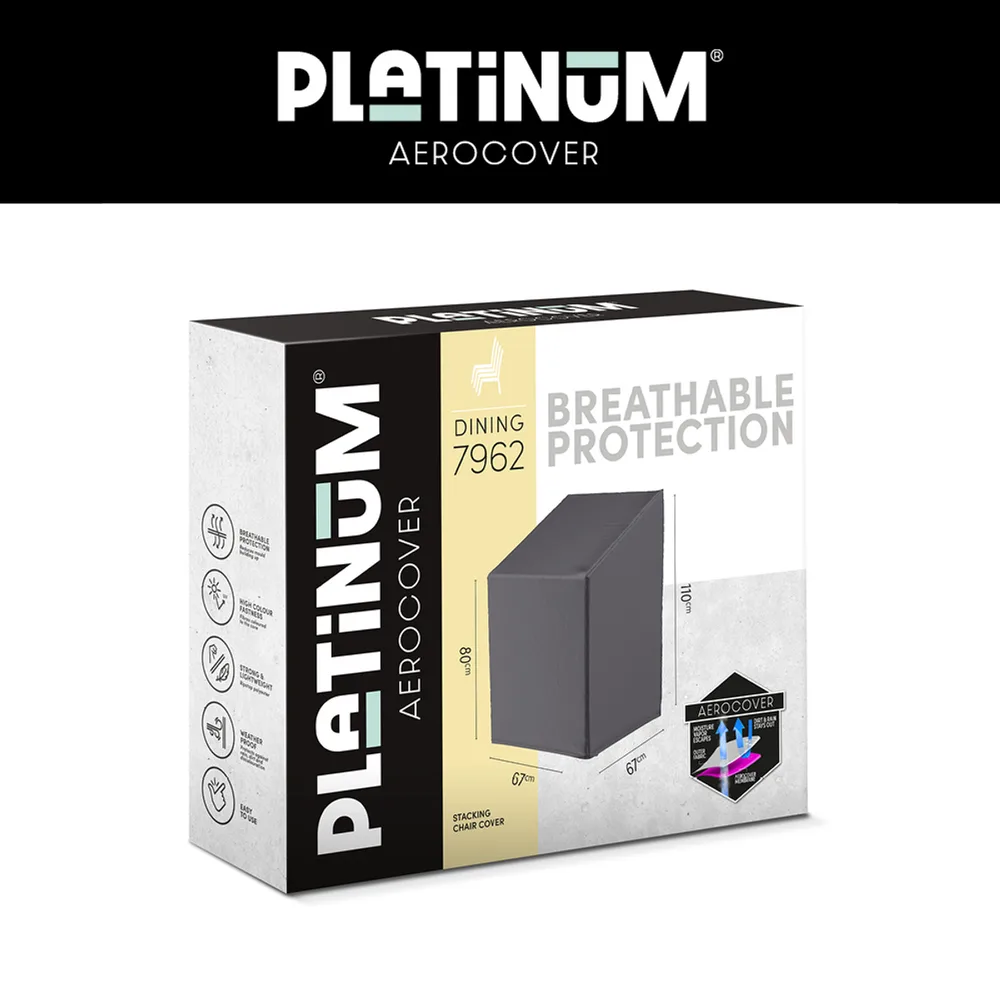
AeroCover stacking chair covers
View cover →
AeroCover garden bench cover 130 x 75
View cover →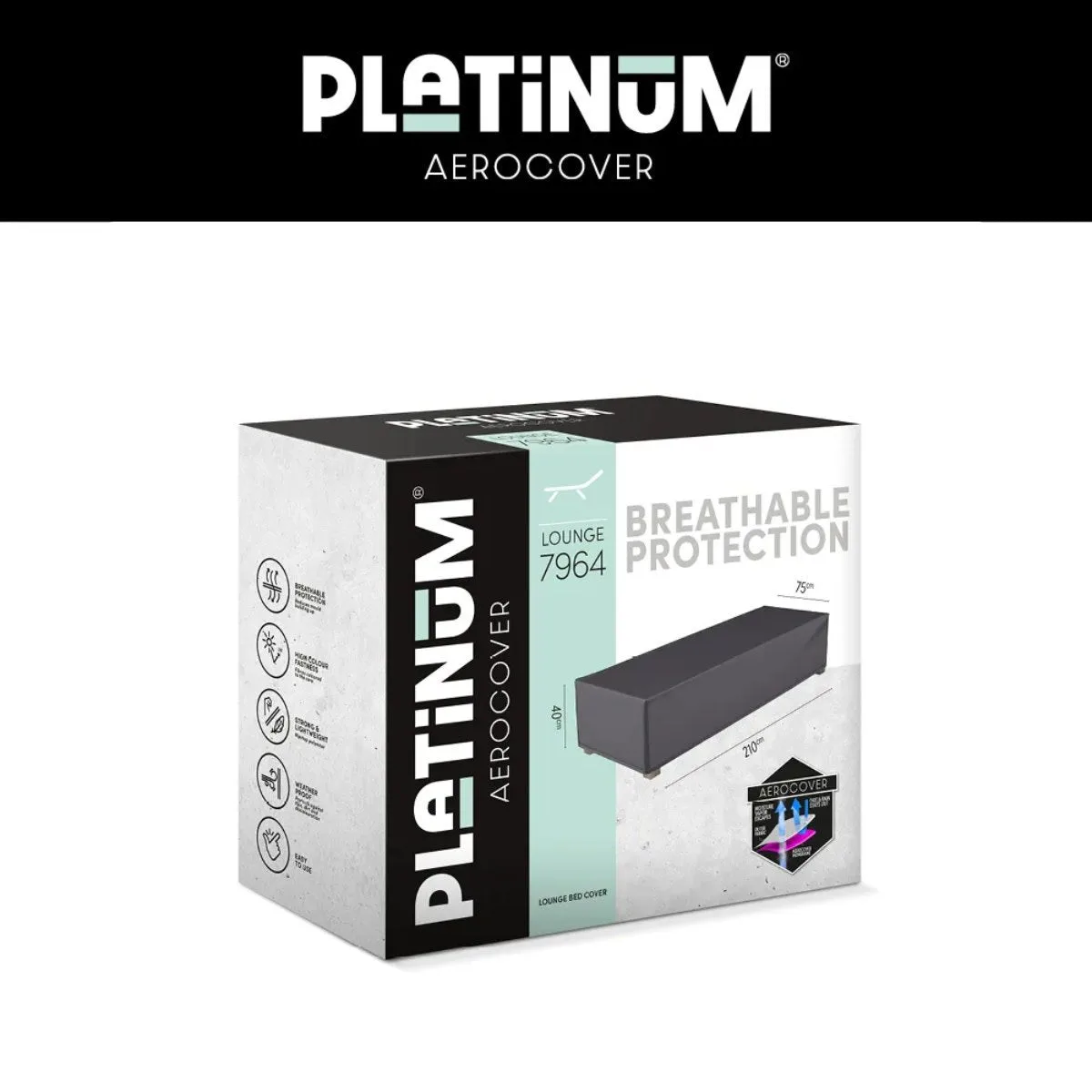
AeroCover sun lounger cover up to 210 cm
View cover →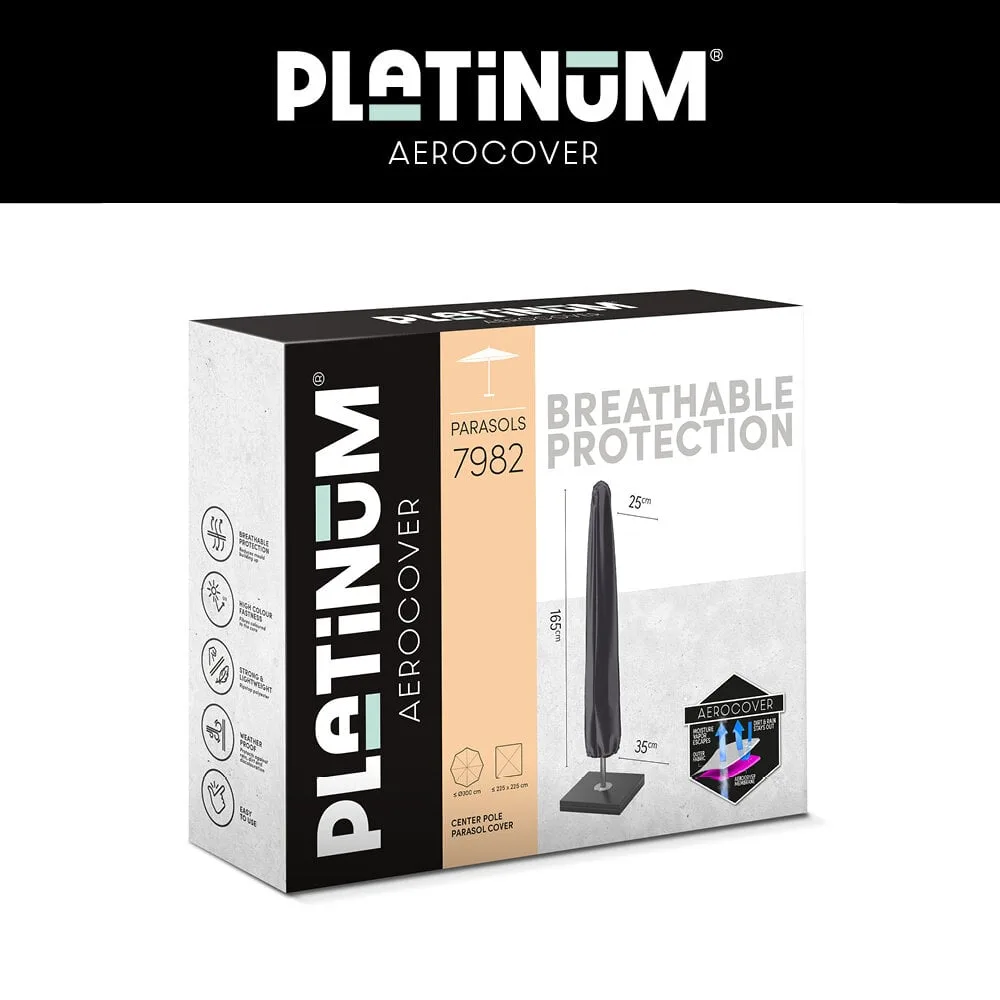
AeroCover centre pole parasol cover
View cover →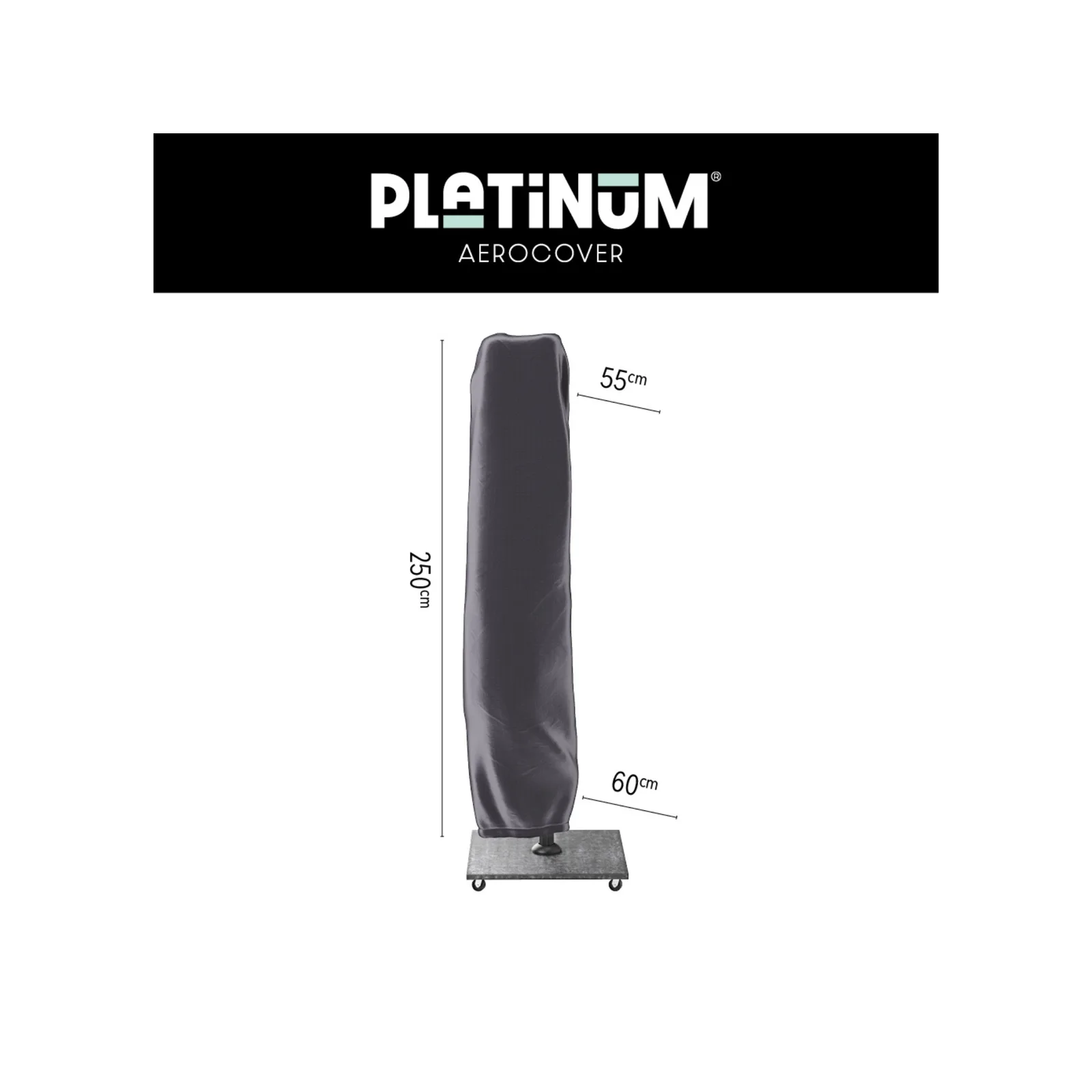
AeroCover cantilever parasol cover
View cover →The cushions need a dry place. A cushion box is handy on the patio or in the shed, while a cushion bag can be taken to the loft or storeroom.
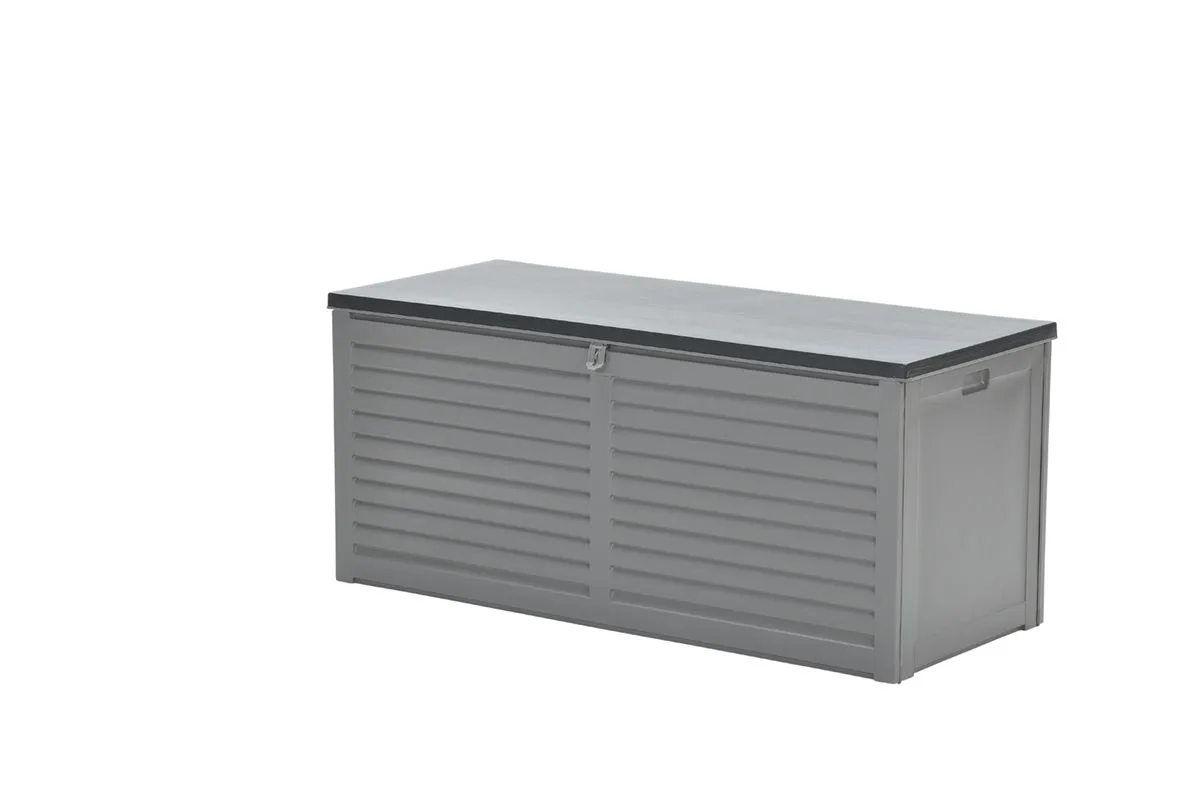
Primo cushion box 490L
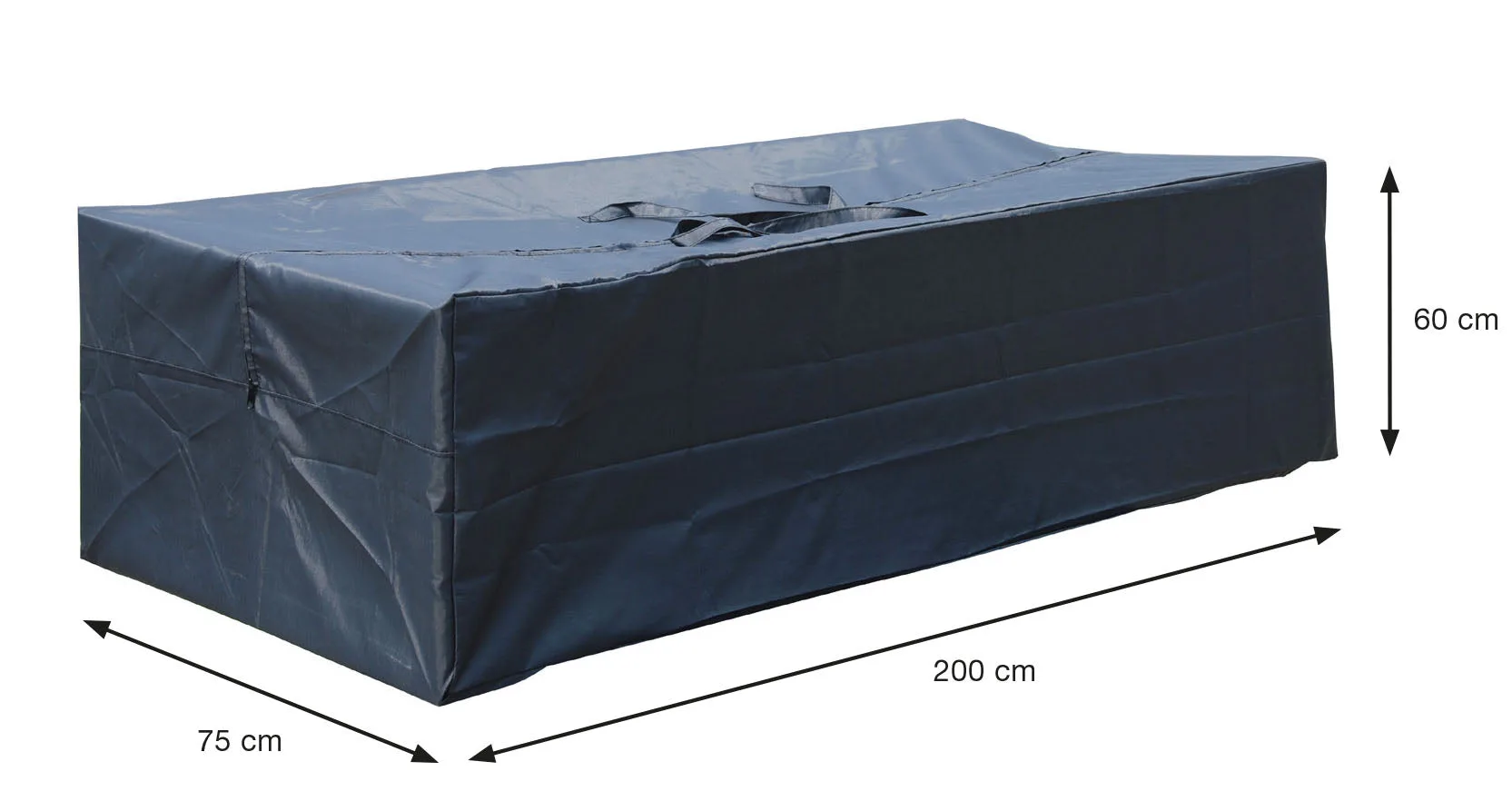
Coverit lounge set cushion bag 200x75xH60
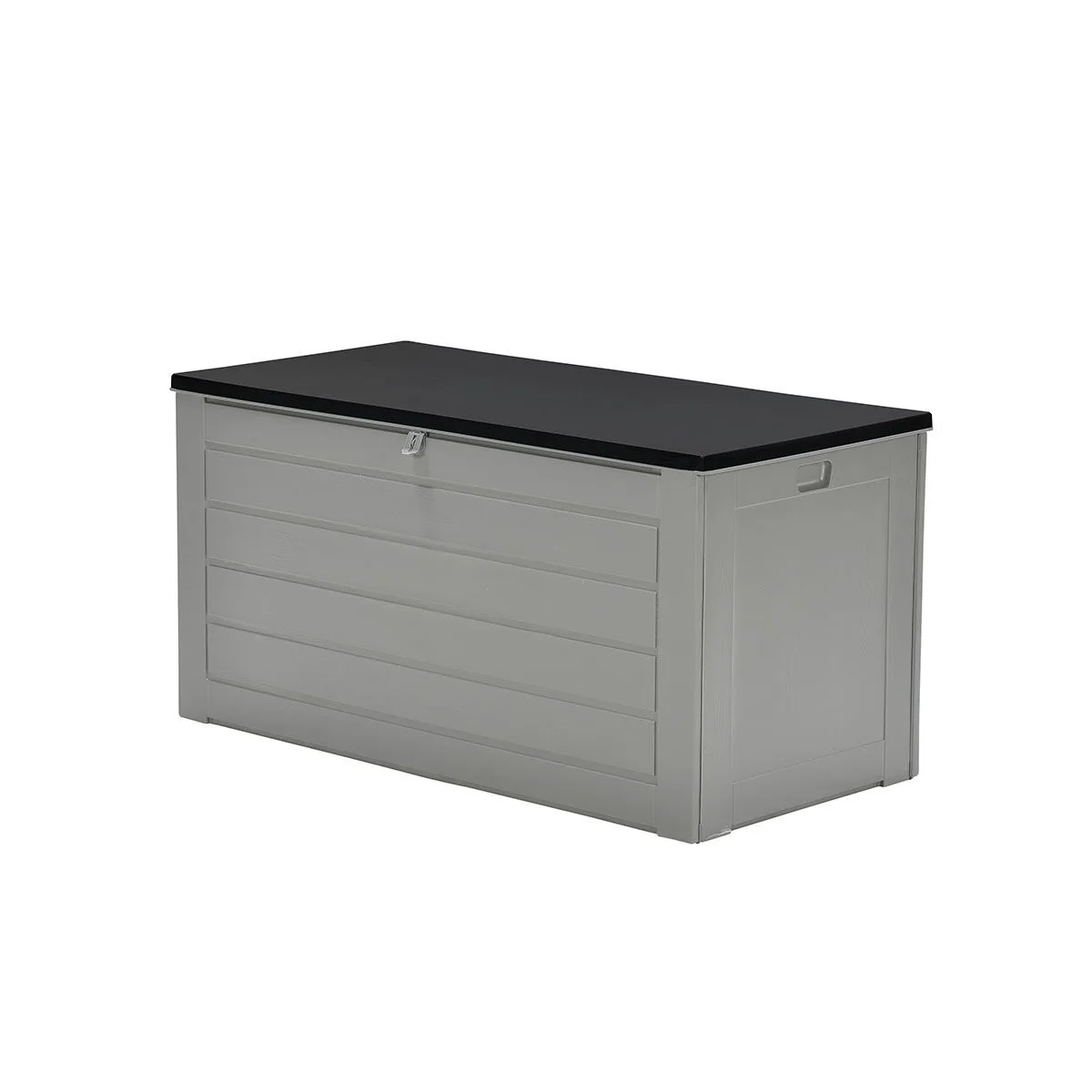
Primo cushion box 680 litres
View box →
AeroCover cushion bag, indoor
View bag →
AeroCover sandbag set
View set →The Primo cushion box's instructions also state that you should protect it with a cover during prolonged bad weather. You'll find more choice in our protective covers, lounge set covers, parasol covers and storage boxes.
Winter checklist to tick off
Tick off what's done. Your progress is saved on this device, so you can spread the work calmly over a few weekends. Each item has a link to the full explanation.
Furniture and cushions
- Cushions clean, completely dry and stored indoors (storing cushions)
- Furniture cleaned with lukewarm water and a soft brush (aluminium, rope)
- Coating, screws and weave checked (wicker)
- Wooden furniture off the grass and dry or under a cover (wood)
- Lounge set covered dry or stored indoors (lounge set outdoors)
- Table and chairs covered or stacked and stored (garden set, garden chairs)
- Garden bench and sun lounger clean and dry, put away (garden bench, sun lounger)
- Cover support in place and covers firmly fastened (covering)
Parasol, barbecue and the rest of the garden
- Parasol canopy clean and dry, parasol stored closed (protecting a parasol)
- Water removed from the fillable parasol base
- Kamado burnt out, ash removed and covered (cleaning a kamado)
- Terracotta pots empty and indoors or on pot feet
- Outdoor tap turned off indoors and drained
- Garden hose, watering cans and fountains empty
Keep it simple
- Work on a dry day, so everything dries quickly
- Cushions always go indoors, dry
- Use a breathable cover and a cover support
- Drain anything that can freeze
- After a storm, take a quick look under the cover
If cleaning reveals that a piece of furniture is due for replacing? The selection guide will help you find what suits your garden in a few questions. If you want furniture that needs as little care as possible, take a look at our all-weather garden furniture or aluminium garden furniture.
Common mistakes
A cover over wet furniture
Moisture trapped under a cover can't escape easily and causes mould and green growth. Always let furniture dry completely first.
Using a sealed plastic sheet
A sheet that doesn't breathe traps condensation. Choose a breathable protective cover so moisture can escape.
Leaving cushions under the cover
Moisture seeps into cushions even under a cover, and they no longer dry out in winter. Cushions always go indoors, dry.
Leaving furniture standing on the grass
Grass stays wet all winter. Legs standing in it stay damp. Put furniture on tiles or a patio.
Leaving water in the parasol base
Water expands when it freezes and can damage a fillable base. Empty it before the temperature drops below freezing.
Flopping onto wicker in frost
Cold plastic is more brittle. Sit down carefully, and don't drag wicker chairs across the tiles when it's freezing.
Take a quick photo first
Take a photo of how you take the lounge set apart and which cushions belong to which part. In spring, everything can then go back in its place with ease.
What you store away well in autumn is much quicker to get ready in spring. So read up on getting your garden spring-ready in advance. Have questions about specific situations? Also see what to do with garden furniture in winter.
Frequently asked questions
When should you winterise garden furniture?
As soon as you no longer use the furniture every day and before the autumn storms and the first night frost arrive. Choose a dry day, preferably after a few days without rain. Then you can clean everything, let it dry, and cover it or store it dry. Cushions can come indoors earlier, as soon as it rains often.
Which garden furniture can stay outside in winter?
Powder-coated aluminium, plastic wicker on an aluminium frame and hardwood such as teak can withstand rain and cold. However, many product descriptions state that you should store furniture dry during prolonged bad weather or in winter, preferably with a protective cover. Leaving furniture outside is therefore best done under a breathable cover, on a paved surface. Cushions always go indoors dry.
Why do terracotta pots break in frost?
Terracotta is porous and absorbs water. When that water freezes, it expands and pushes the clay apart from the inside. This causes cracks and flaking. Keep empty pots dry and store them indoors, or place pots with plants on pot feet so that water can drain away and the pots don't freeze standing in a puddle.
Should I empty a water-filled parasol base in winter?
Yes, if it is filled with water. Water that freezes expands and can damage the base. Madison advises for its fillable base: do not leave water in the base during frosty periods, and store the base empty and dry in winter where possible.
Can I put a cover over wet garden furniture?
Preferably not. Moisture trapped under the cover cannot escape easily and causes mould and green staining. First clean the furniture, let it dry thoroughly, and use a breathable cover. A cover support in the middle ensures rainwater runs off the cover instead of pooling on it.
Should I oil wooden garden furniture before winter?
That isn't necessary. Oil mainly protects the colour and only penetrates well into clean, dry wood, which is why most people do it in spring. For winter, it is more important that the wood is clean, not standing on wet ground, and stored dry or under a breathable cover. Furniture with a teak-look finish on aluminium doesn't need oil.