
The last leaf has been blown away, the hedge is trimmed and the grass is barely growing anymore. Time to put your garden tools away. But don't just toss them in the shed: frost, moisture and dirt can do more damage in a few months than a whole season of work. A battery that freezes, a hose that splits or a pruning shear that rusts are all avoidable. This step-by-step guide shows you how to make your garden tools winter-ready: batteries, blades, the lawnmower, hoses and the outdoor tap.
In short: store batteries dry and frost-free, neither full nor empty. Clean, sharpen and oil blades and shears. Clean the lawnmower and check the blade. Let hoses, reels and the outdoor tap drain completely and keep small parts indoors.
Quiz: how winter-ready is your gear?
How is your shed looking? Answer four questions and see where you should start this week.
How winter-ready is your garden kit?
Where are your batteries right now?
- Indoors, dry and frost-free
- In the shed or garage, which sometimes gets cold
- Still in the machines where I left them after the last use
What do your shears and blades look like?
- Clean, sharp and lightly oiled
- Reasonable, but there's still some sap and dirt on them
- Sticky, blunt or with spots of rust
What has happened to your garden hose?
- Drained and stored indoors
- Coiled up, but there's still water in it
- Still attached to the outdoor tap
And the lawnmower?
- Cleaned, blade checked
- Last mowed, not yet cleaned
- Still outside or under a cover
You're on the right track. Go through the checklist at the bottom once more and check your batteries' charge from time to time over the winter.
Halfway there. The basics are in place, but moisture and frost can still cause damage. Start with the hoses and the batteries; those are the most vulnerable to frost.
There's work to do, but it can be done in one afternoon. Start today with the outdoor tap and the hose, and bring the batteries indoors.
Overview: what do you do with which tool?
Not everything needs to go indoors. This overview shows what each tool needs and where it's best stored.
| Tool | What you do | Where to store |
|---|---|---|
| Batteries and chargers | Take out of the machine, partly charged | Indoors, dry and frost-free |
| Battery-powered machines | Clean, remove battery | Dry, shed or storage |
| Pruning shears, hedge shears | Clean, sharpen, oil | Dry, preferably hanging |
| Lawnmower | Clean underside, check blade | Dry, not outside under a cover |
| Garden hose and reel | Let drain completely | Frost-free |
| Spray guns, couplings, timers | Empty, remove battery from timer | Indoors |
| Pressure washer | Water out, hose empty | Frost-free |
| Spades, rakes, hoes | Remove soil, lightly oil the steel | Dry, hanging |
What you clean in November won't need repairing in March. An hour's work now saves you a new hose, a new battery or a rusty pair of shears in spring.
Storing batteries: how to keep them in good shape
The battery is often the most expensive part of your cordless equipment, and it is sensitive to cold and to deep discharge. Most garden machines use lithium-ion batteries. Here's what to watch for:
- Frost-free and dry. Take the batteries out of the machines and out of a cold shed or garage. A shelf in the utility room or the storage space indoors is fine, but not next to a radiator or in full sun.
- Not empty, not full. Many manufacturers advise storing a battery at roughly half charge. A battery that lies completely empty for months can suffer damage. Check the manual for what the manufacturer of your system recommends.
- Check now and then. Look at the charge indicator in the middle of winter and recharge it if it's nearly empty.
- Don't charge a cold battery straight away. If a battery comes in from the cold, let it reach room temperature before putting it in the charger.
- Keep contacts clean. Wipe dust and dirt from the contacts of the battery and machine with a dry cloth.
Do you have batteries from different brands or systems? Then now is a good time to think about whether you want to stick with one system next year. Read one battery for all your garden tools: which battery system should you choose?
Label your batteries
Stick a piece of tape with the month on each battery when you charge it for winter. That way you can see at a glance in February which battery has gone the longest without charging.
Blades and shears: cleaning, sharpening, oiling
Plant sap, resin and moisture make blades sticky and cause them to rust. A clean, sharp pair of shears also cuts more smoothly, and a smooth cut is better for your plants.
Brush off soil and leaf debris. Loosen plant sap and resin with warm water and a little washing-up liquid, or with a cloth and some methylated spirits. For an electric hedge trimmer, first remove the battery or unplug it from the socket.
Dry the blades off completely. Moisture left in the pivot is the start of rust.
Remove small spots of rust with fine sandpaper or a scouring pad. Work carefully and avoid going over the cutting edge itself.
Sharpen the cutting edge with a whetstone or diamond file, following the existing angle. For pruning shears, only sharpen the bevelled side. If you're unsure about a hedge shear or lawnmower blade, have it done for you.
Rub a thin layer of acid-free oil onto the blades and add a few drops at the pivot and the spring. Open and close the shears a few times and wipe off any excess.
A good pair of pruning shears will last for years if you maintain it like this. With some brands you can replace parts such as the blade or the spring separately, so you don't have to replace the whole pair. You'll find all shears and saws under pruning tools, including from Felco and Fiskars.
Hand tools such as spades, rakes and hoes get the same treatment on a smaller scale: remove soil, let them dry, and lightly grease the steel with an oily cloth. You can treat wooden handles with some linseed oil so they don't dry out and splinter.
Getting the lawnmower winter-ready
The lawnmower has worked hard all season. With these steps it will be ready to go as soon as spring arrives:
- Safety first. Remove the battery, unplug it from the socket or, for a petrol mower, disconnect the spark plug cap. Only then should you put your hands near the blade.
- Clean underside. Tilt the mower as the manual describes and scrape off caked-on grass with a brush or wooden spatula. Don't spray water onto the engine or electronics.
- Check the blade. A blunt or damaged blade tears the grass. Have it sharpened or replace it with an original blade.
- Grass box. Empty and clean the grass box or bag, and let it dry before storing it.
- Petrol mower. Follow the manual for fuel and oil: some manufacturers advise running the tank dry, others advise a full tank with suitable fuel. Changing the oil is often done at the end of the season.
- Robotic mower. Many manufacturers advise storing the robot indoors over winter, clean, charged and frost-free. Check the manual for what should happen to the charging station.
You can compare all mowers, from hand mowers to robots, under lawnmowers.
Hoses, reels and the outdoor tap
Water expands when it freezes. Water left in a hose, coupling, spray gun or tap can cause small cracks that you only discover in spring, when it starts to leak.
| Component | What you do |
|---|---|
| Outdoor tap | Close the isolation valve indoors, open the outdoor tap and let it drain |
| Garden hose | Disconnect, let drain completely, store coiled up in a frost-free place |
| Hose reel or wall hose box | Let the hose drain; if it won't fit indoors, disconnect the hose |
| Spray gun, nozzle, couplings | Let drain and store indoors |
| Water timer or irrigation computer | Bring indoors, remove battery |
| Rain barrel | Partly drain or open the tap |
| Pressure washer | Drain water from pump and hose, store frost-free |
The easiest way to drain a hose is on a slope: lay it out on the lawn or the driveway and walk it from the highest point down to the lowest. Then coil it up. A hose that sits on a reel or in a wall hose box should be drained first and then rewound.
Is your hose due for replacement, or are you looking for a reel that suits your garden better? What to look for in length, diameter and quality is explained in choosing a garden hose and hose reel.
Frost-free outdoor tap
If you have a frost-free outdoor tap, follow the manufacturer's instructions. Even then, remove hoses, couplings and a water timer, otherwise water can still stay in the tap.
Need a new hose, reel or sprinkler for next year? Under watering you can compare hoses, reels and sprinklers from brands including Gardena, Hozelock and Kärcher. Your pressure washer should also be stored frost-free over winter.
Step-by-step plan for one afternoon
Follow this order and you'll be done in one afternoon, tackling the most important jobs first:
Start with the outdoor tap, hoses, reels, sprinklers and the pressure washer. Frost can arrive at any moment, and this is the most vulnerable.
Take all batteries out of the machines, charge them partly and store them indoors in a dry place, together with the chargers.
Lawnmower, trimmer, hedge trimmer and leaf blower: remove the battery, clear off dirt and grass, check the blades.
Clean, dry, sharpen if needed and lightly oil.
Hang the tools up dry and write down anything worn or broken. Then you'll know what to replace in spring.
Combine it with your garden furniture
Already at it? Then take your garden furniture and cushions along too. Read winterising and protecting garden furniture from frost and tips for storing garden cushions.
Useful for storage: five examples
You don't need to buy anything new to get your tools winter-ready. But if your hose is due for replacing, or you're looking for a pair of shears that will last for years, these are five available examples. The specs come from the title and product information; you'll find the current price and shop on the cards.
| Product | Use | Feature |
|---|---|---|
| Gardena RollUp M/L | Hose neatly on the wall | 25 m, 13 mm |
| Hozelock Fast Reel | Wall hose box | 30 m |
| Kärcher HBX 4.15 | Automatic hose reel | Incl. 15 m hose |
| Felco 2 | Pruning shears | Cuts up to 25 mm |
| Gardena Premium | Metal spray gun | Cleaning and spraying |
Gardena RollUp M/L: hose in a fixed place
A wall hose box with 25 metres of 13 mm hose. The hose rolls up into the box so it isn't lying on the ground. Before winter, drain the hose first.

Hozelock Fast Reel: 30 metres on the wall
A Hozelock wall hose box for 30 metres of hose. Handy if your tap is a bit further from the garden.
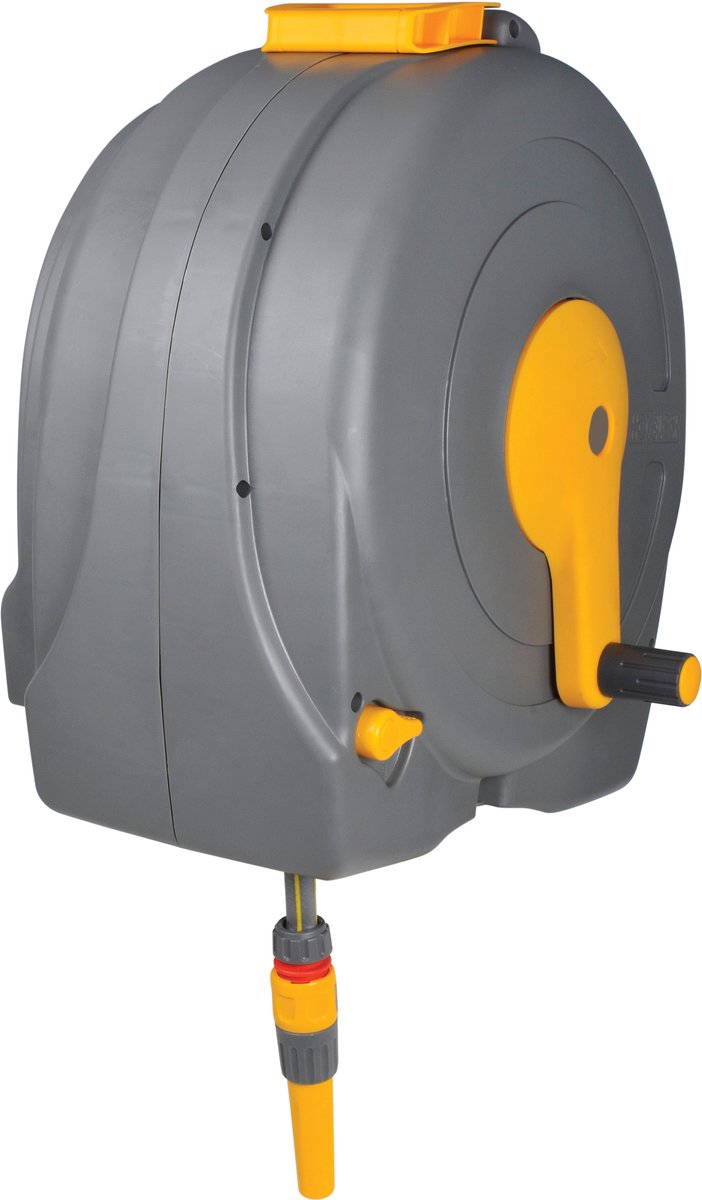
Kärcher HBX 4.15: rewinds by itself
An automatic hose reel with 15 metres of garden hose. After use, the hose rewinds on its own, so you won't leave it lying around carelessly.

Felco 2: pruning shears for years
A classic pair of pruning shears for right-handers that cuts branches up to 25 mm. With cleaning, sharpening and a drop of oil each winter, it will keep cutting well for a long time.

Gardena Premium cleaning spray gun: metal
A metal spray gun for spraying and for cleaning. Even a sturdy gun should be drained and stored indoors in winter. A simpler model is the Gardena Classic cleaning spray gun.

Premium metal cleaning spray gun
Also worth a look:
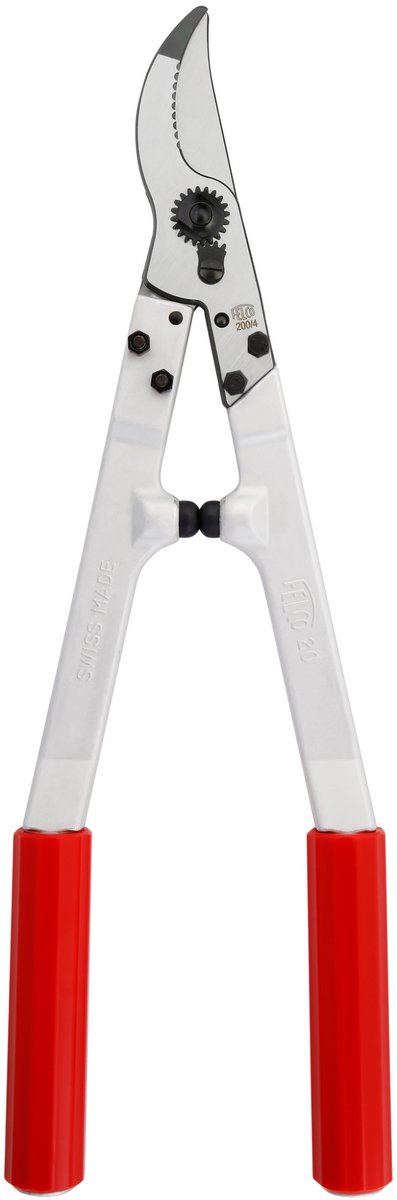
Felco 20 branch loppers
View loppers →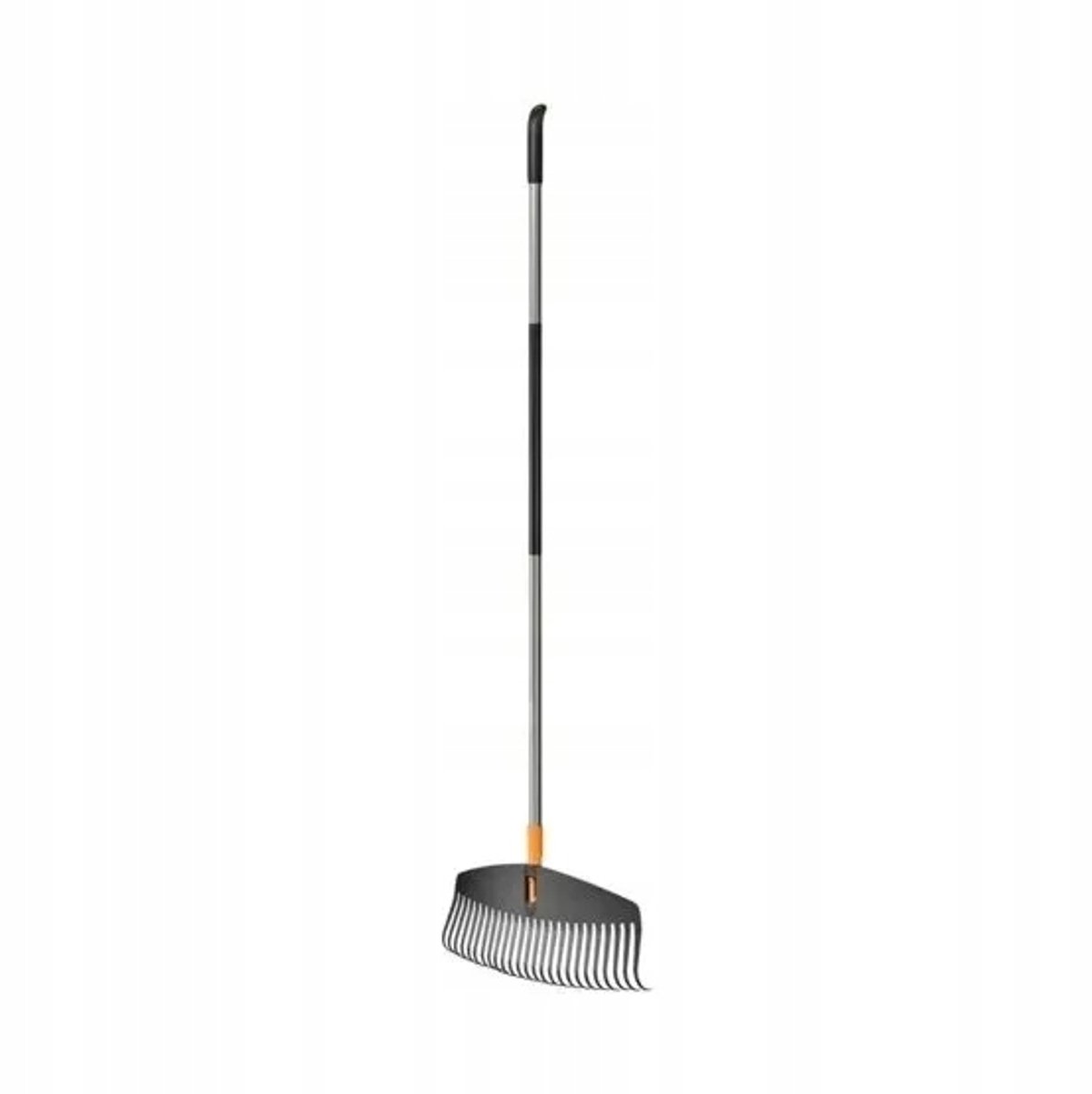
Fiskars leaf rake 51 cm
View rake →
Gardena Classic spray gun
View gun →The most important points in five
- Drain water from hoses, reels, taps and the pressure washer
- Batteries indoors, dry, frost-free and partly charged
- Blades clean, dry, sharp and lightly oiled
- Lawnmower clean and blade checked
- Store everything dry, preferably hanging
Common mistakes
Leaving batteries in freezing cold
A battery that stays all winter in a cold shed or inside the machine can lose capacity. Bring it indoors.
Storing an empty battery
A battery that lies completely empty for months can discharge so deeply that it no longer charges properly. Store it partly charged and check it now and then.
Leaving water in the hose
A coiled-up hose may look empty, but water often stays inside. In frost, that can crack the hose or the couplings.
Forgetting the outdoor tap
Even when the hose is removed, there can still be water in the tap and the pipe. Close the isolation valve indoors and let the outdoor tap drain.
Putting away a dirty lawnmower
Wet, caked-on grass under the mower holds moisture. That causes rust and a mower that runs stiffly in spring.
Checklist: your tools made winter-ready
- Outdoor tap closed indoors and drained
- Hoses drained and stored frost-free
- Spray guns, couplings and water timer indoors
- Pressure washer empty and frost-free
- Batteries out of the machines, partly charged, stored indoors
- Lawnmower clean, blade checked
- Shears and blades clean, sharpened and oiled
- Hand tools clean and hung up dry
- List made of what needs replacing in spring
Is your gear in winter mode? Then you'll start spring ahead of the game. Next, read getting your garden spring-ready. And for the last leaves of the season: buying a leaf blower: battery, corded or petrol?
Frequently asked questions
Can I leave my battery in the shed over winter?
Preferably not if it can freeze there. Lithium-ion batteries are best stored dry and frost-free, for example in the utility room or a storage space indoors, not next to a radiator or in direct sunlight. Many manufacturers advise not to store the battery fully empty or fully charged; follow the advice in the manual.
Should I store my garden hose indoors?
That is sensible. Let the hose drain completely, coil it up and store it somewhere frost-free. Water left in a hose, connector or spray gun expands when it freezes and can cause cracks. If a hose reel or wall-mounted hose box can't be taken indoors, drain it too; if it can't come inside, disconnect the hose and let everything drain thoroughly.
How do I make an outdoor tap frost-proof?
Close the stop valve of the outdoor tap from inside the building, then open the outdoor tap and let the water run out. Leave the outdoor tap open until spring, and remove any hose connectors and water timer. If you have a frost-free outdoor tap, follow the manufacturer's instructions. If you are unsure about your pipes, ask a plumber.
What should I do with my lawnmower in winter?
Remove the battery, or unplug the mower from the socket or disconnect the spark plug cap on a petrol mower. Clean the underside, check the blade and have it sharpened or replaced if it is blunt or damaged. For a petrol mower, follow the manual for the fuel and oil. Store the mower in a dry place.
How do I oil my pruning shears and hedge shears for storage?
Use a thin, acid-free oil, such as sewing machine oil or a maintenance oil or spray for tools. Clean and dry the blades first, then wipe a thin layer of oil onto the blades and a few drops onto the pivot. Wipe off any excess oil.