
A sun lounger has a harder time than almost any other garden furniture. It stands in full sun all summer, gets rain, pollen and bird droppings on it, and you lie on it with sunburn, sometimes still wet from the pool. The good news is that sun lounger maintenance doesn't take much time, as long as you know what each part needs. In this guide you'll read, part by part, how to care for the frame, the textilene fabric, the cushion and the wheels, how to clean a sun lounger in five steps, and how to get it ready for winter. Including the maintenance advice that the manufacturers themselves give for their sun loungers.
In short: clean the aluminium frame with a damp cloth, without abrasive cleaners. Rinse textilene now and then with lukewarm water and a soft brush. Always let cushions dry completely before you store them, and put them away dry if it rains. For winter, clean and dry everything and place the sun lounger indoors or under a breathable cover.
Maintenance per part at a glance
A sun lounger consists of a few parts that each need something different. The frame carries everything and mainly needs to stay clean and intact. The lying surface, a textilene cloth or a cushion, gets the most dirt and moisture. And moving parts such as the backrest and wheels need to keep working smoothly. This table shows what you do for each part and how often.
| Part | What to do | How often |
|---|---|---|
| Aluminium frame | Wipe down with a damp cloth | Monthly |
| Textilene fabric | Rinse, brush gently | Monthly, more often near a pool |
| Cushion | Take off, let dry | After rain and when stained |
| Cushion cover | Wash on a low temperature | If it's removable |
| Wheels | Remove sand and hair | Start and end of season |
| Adjustment mechanism | Check screws and bolts | Start of season |
Not sure yet what material your sun lounger is made of, or unsure about buying a new one? The sun lounger materials comparison shows how much maintenance each material requires.
The aluminium frame
Most sun loungers these days have an aluminium frame. And not without reason: aluminium doesn't rust, is lightweight and can stay outdoors all season. The frame is often powder-coated in a colour such as anthracite, carbon black or taupe. That coating is the part you need to protect. Scratches and harsh cleaning products are its biggest enemies.
For the Limone and Levanto sun loungers, Garden Impressions gives a simple piece of advice: clean the frame with a damp cloth. If there's more dirt on it, use lukewarm water with a mild washing-up liquid and rinse afterwards with clean water. Dry the frame with a soft cloth to prevent limescale marks. A scouring pad, steel wool or a cleaner with abrasives will leave dull spots and scratches in the coating.
If there's a scratch or damage in the coating, keep that spot clean. You'll find more tips, including for other aluminium garden furniture, in how to maintain aluminium garden furniture.
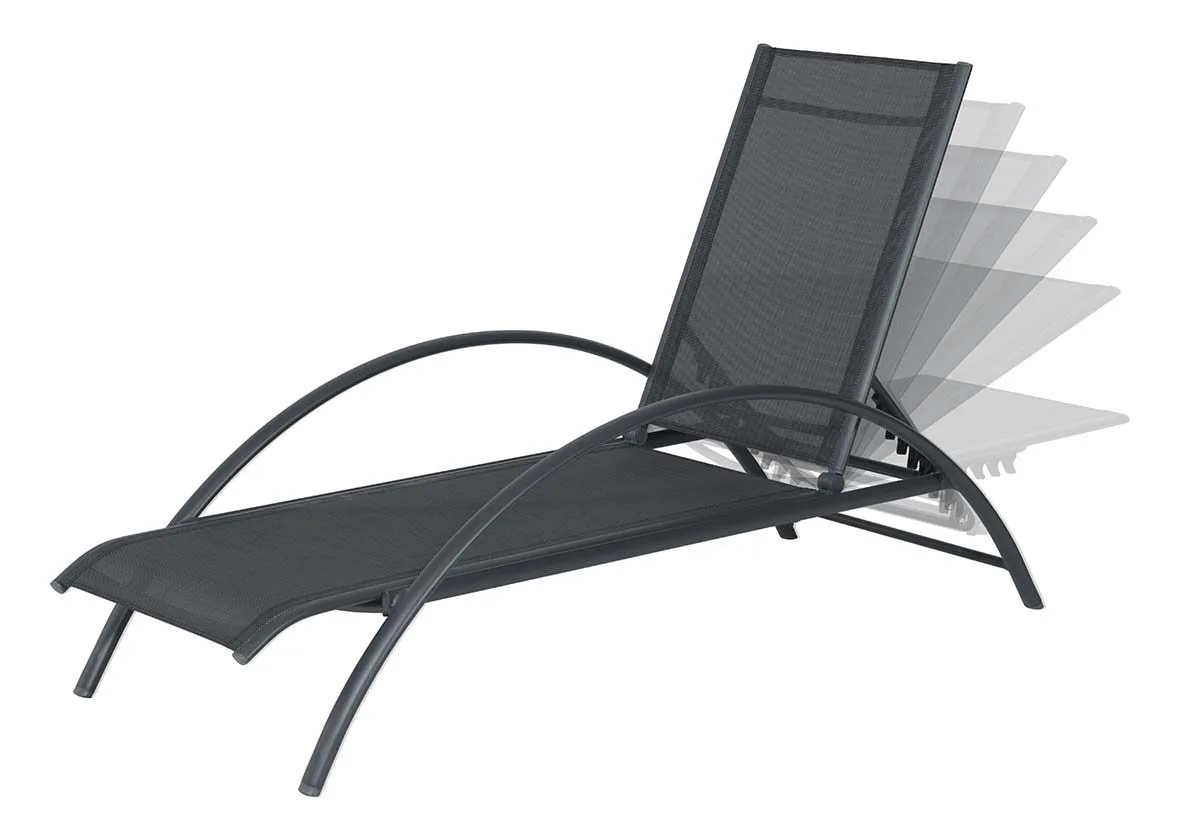
Limone sun lounger carbon black / anthracite
The textilene fabric
Textilene is a sturdy, open-woven fabric made from coated polyester yarn. Water runs through it quickly, which is why a textilene sun lounger dries fast after a rain shower or a dip in the pool. That same open weave also traps sand, pollen, sunscreen and chlorine. If you leave it be, you'll get grey patches and a fabric that feels stiff.
So rinse the fabric with clean water now and then. For stains, use lukewarm water with a mild washing-up liquid and a soft brush. Brush in the direction of the weave, rinse thoroughly so no soap residue remains, and let the sun lounger dry in the sun or wind. A pressure washer is too harsh for the fabric and the seams, so use a garden hose instead. You can read more about this in how to maintain textilene garden furniture and what is textilene.
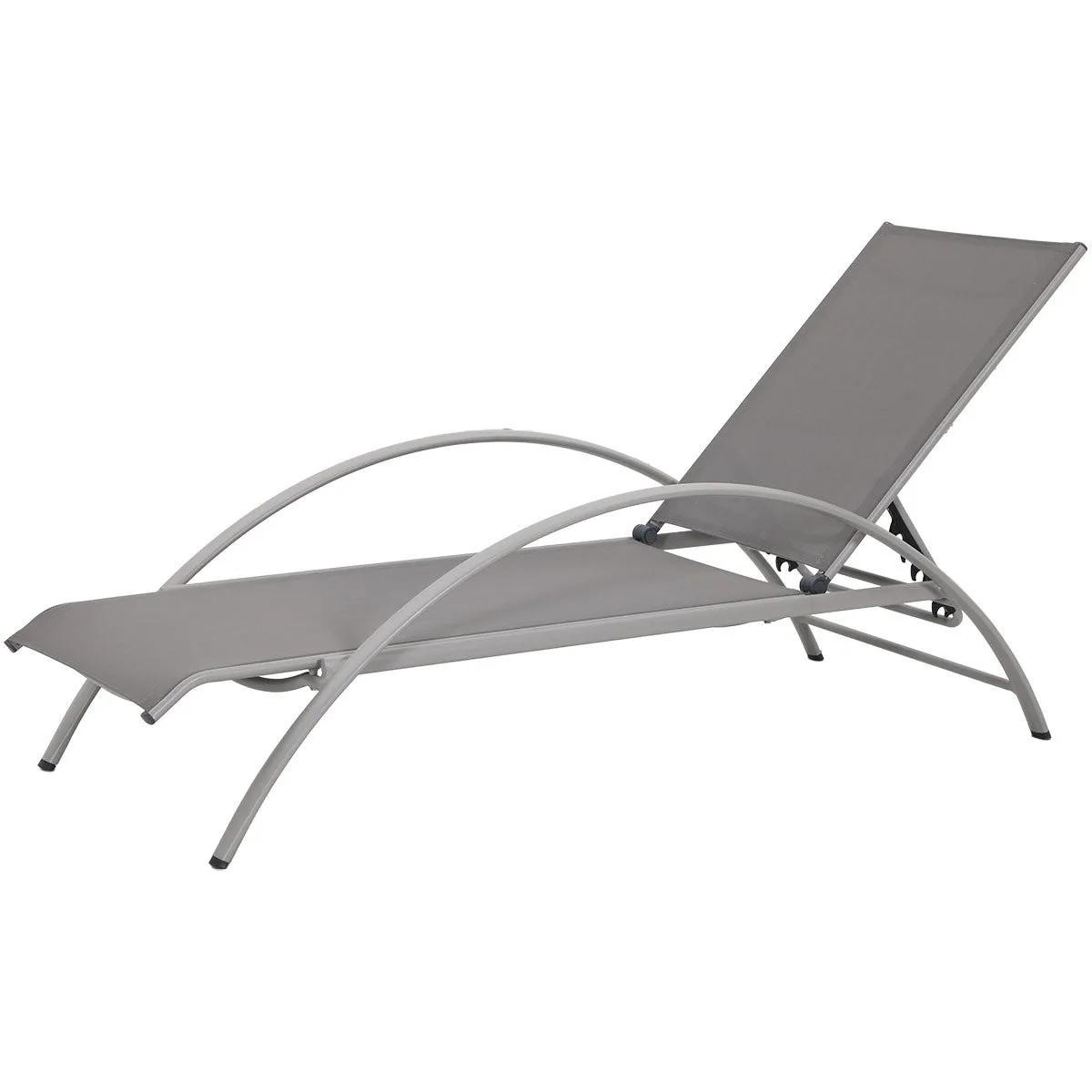
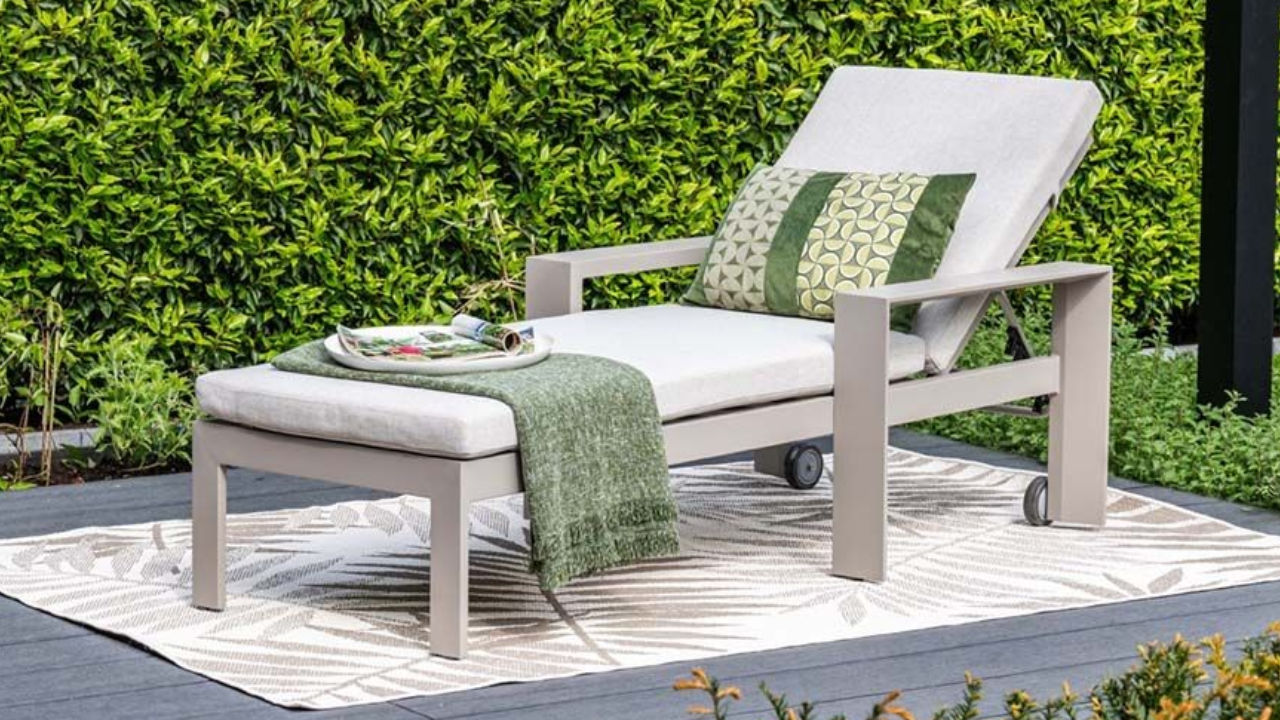
Limone aluminium sun lounger taupe
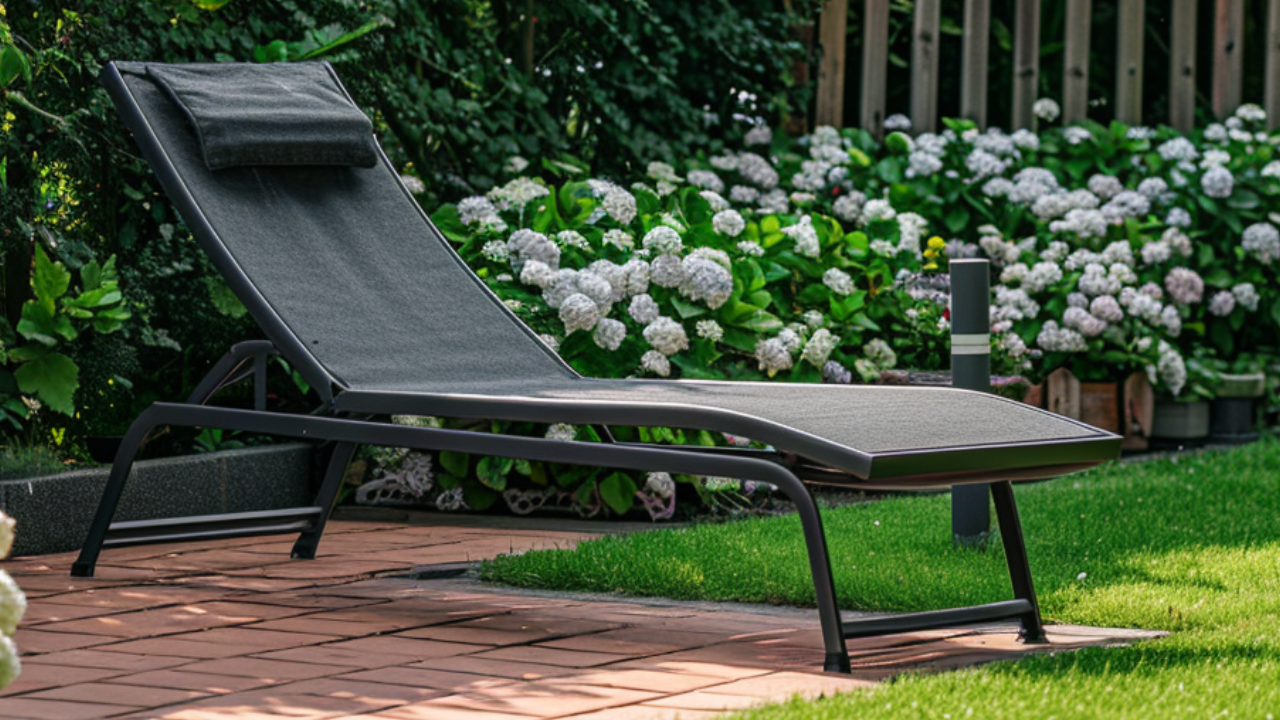
After an afternoon at the pool, give your textilene sun lounger a quick rinse with the garden hose. Two minutes of work, and chlorine and sunscreen won't get a chance to soak into the fabric.
The sun lounger cushion
A cushion makes a sun lounger comfortable, but it's also the part that gets dirty and damp the fastest. The Levanto comes with a sand-coloured polyester cushion, 6 cm thick, which according to the product information is water-repellent. Water-repellent does mean that rain will sit on it for a while at first, but it doesn't mean the cushion is waterproof. Garden Impressions therefore advises storing the cushion dry in rainy weather and using a textile protector to keep out dirt and moisture.
According to the manufacturers, cleaning should be done with lukewarm water. For its sun lounger cushions, Madison advises washing the cover on a low temperature if it's removable, or cleaning the fabric with a damp cloth and mild soapy water. Many loose sun lounger cushions don't have a zip, so you'll need to clean them as a whole. Most importantly: let the cushion dry completely before you store it. A cushion that goes into the cupboard while still damp will start to smell musty and develop mould spots.
If you're buying a new cushion, check whether it's water-repellent. Not every sun lounger cushion is: the Madison Elisa and Manchester are, but the Panama grey and Basic grey are not according to the product information.
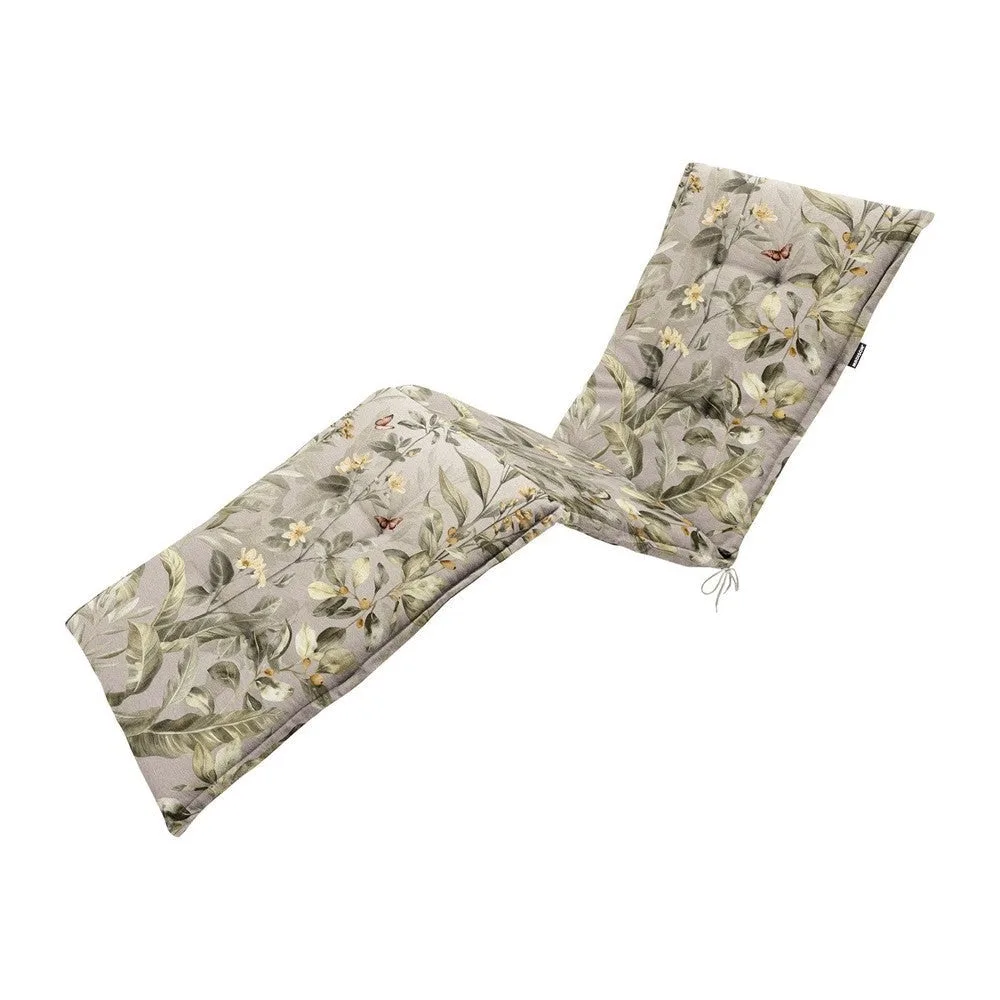
Madison sun lounger cushion 200x65 cm Outdoor+ Elisa natural
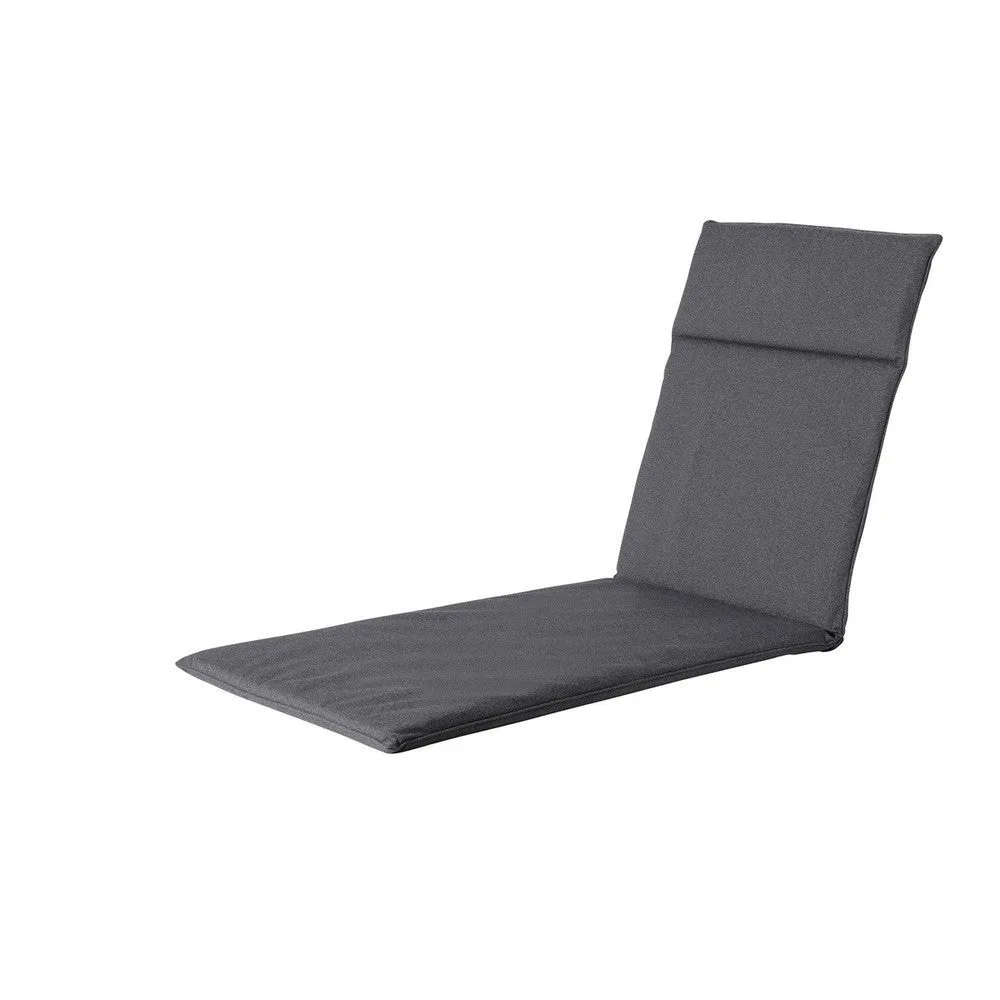
Madison sun lounger cushion 190x60 cm Outdoor Manchester grey
You can read more about cleaning cushions in how to clean garden cushions. You'll find all loose cushions at sun lounger cushions.
Wheels and adjustment mechanism
An adjustable backrest and wheels make a sun lounger handy, but moving parts need attention now and then. Sand, grass and hair wind around the axle of a wheel and make it heavy to roll. Remove them with your fingers or an old toothbrush and rinse the wheel. If the wheel still rolls stiffly afterwards, check whether something is jammed.
At the start of the season, check whether the screws and bolts on the frame are still tight and whether the backrest clicks into place properly in every position. The Limone and Levanto have a backrest with 6 positions. Move the backrest a few times into each position: if it feels stiff, clean the mechanism with a damp cloth and let it dry. If you want to know whether wheels are worth it for you, read buying a sun lounger with wheels.
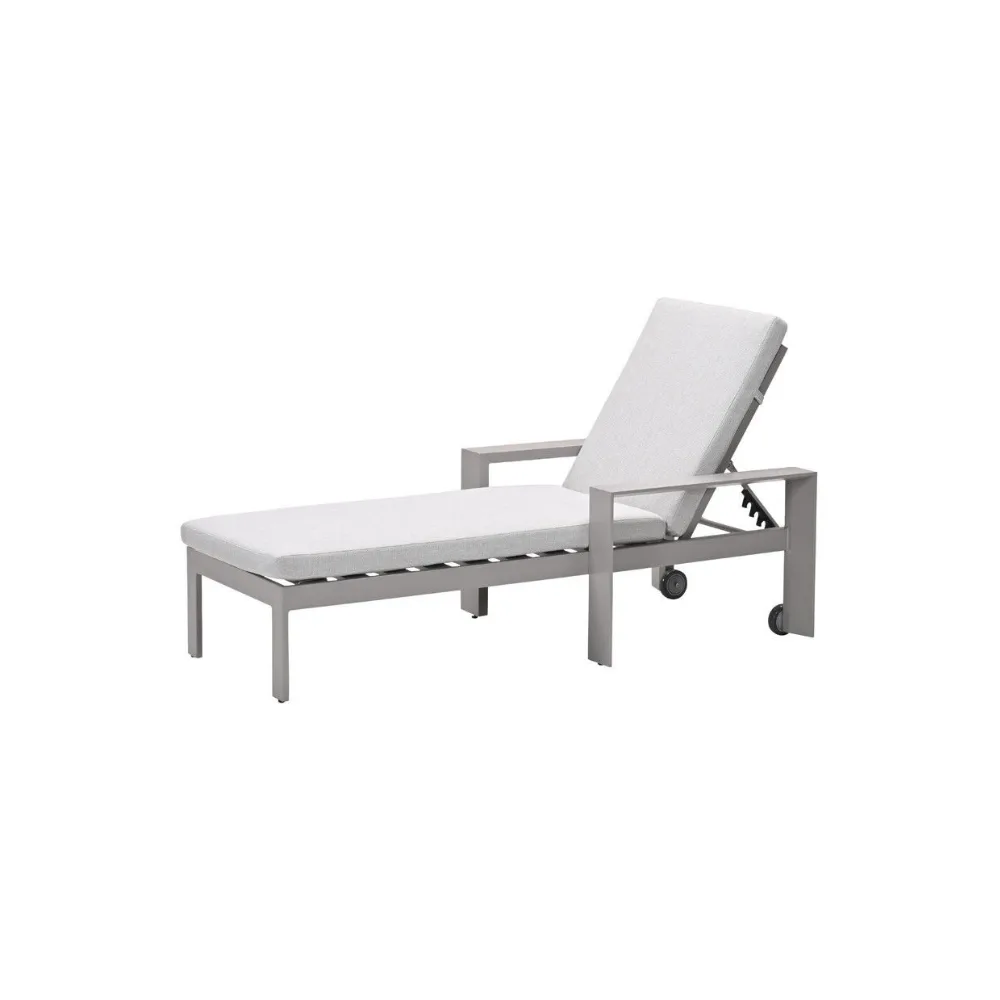
Levanto sun lounger with wheels taupe / valley sand
How to clean your sun lounger in 5 steps
Give it a thorough clean at the start and end of the season, and in between whenever the sun lounger looks dirty. Choose a dry, sunny day so everything dries quickly afterwards.
Set the cushion aside and shake off loose sand and dust. Lay the backrest flat so you can reach everywhere properly.
Brush leaves, sand and cobwebs off the frame and out of the fabric, including underneath the sun lounger and around the wheels.
Wipe down the frame with a damp cloth and a mild washing-up liquid. Gently brush the textilene and clean the cushion with a damp cloth, or wash the removable cover on a low temperature.
Rinse the frame and fabric with the garden hose or a bucket of clean water, so no soap residue is left behind to attract dirt.
Dry the frame and let the cushion dry upright in the sun or wind. Only once everything is completely dry should you put the cushion back or store it away.
Use a textile protector
For the Levanto, the manufacturer recommends a textile protector. Spray it onto a clean, dry cushion; it helps keep dirt and moisture out of the fabric. Always read the label of the product first.
Towel on your sun lounger
Lay a bath towel over the cushion or the fabric when you've applied sunscreen or come out of the pool. Throw a towel in the wash; getting sunscreen out of a cushion is much harder.
Maintenance throughout the year
With a set routine, you'll never have to spend long on your sun lounger. This schedule keeps things simple.
| When | What to do |
|---|---|
| Spring | Thorough clean, check screws and wheels |
| Summer, weekly | Sweep away dirt, rinse the fabric after pool visits |
| After rain | Let the cushion dry upright or bring it indoors |
| Autumn | Thorough clean, let everything dry |
| Winter | Indoors or under a breathable cover |
Preparing your sun lounger for winter
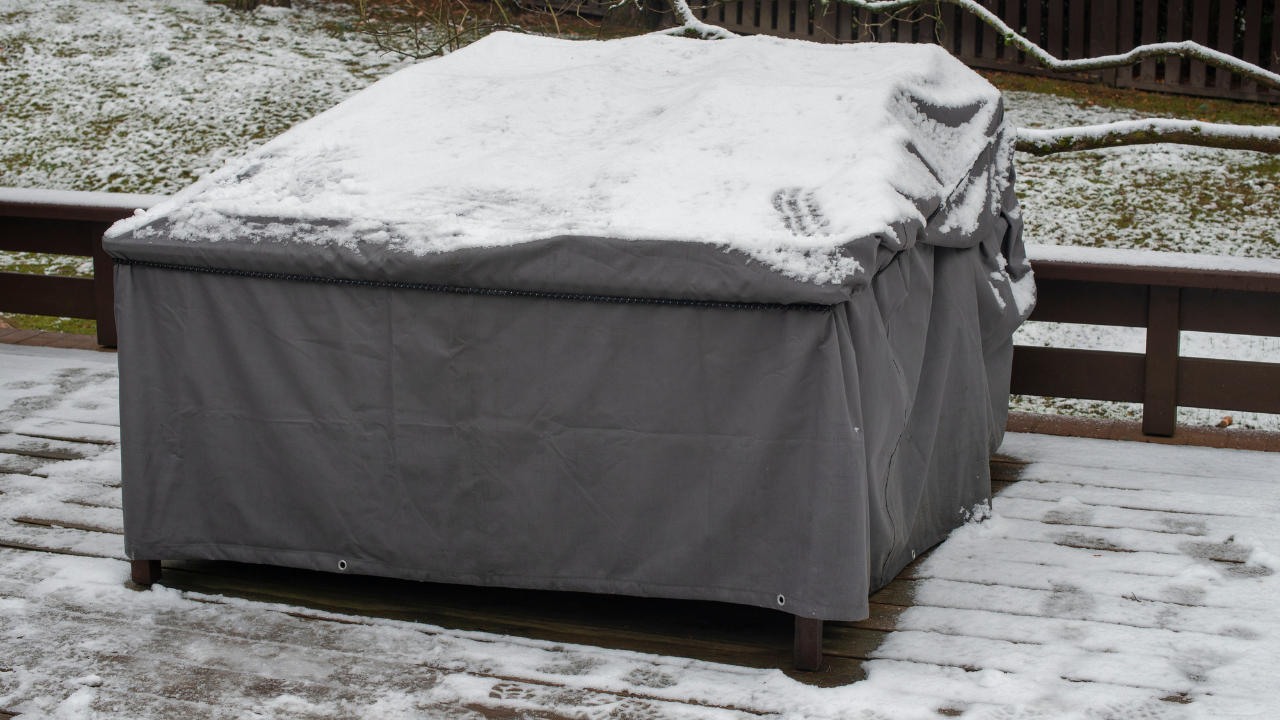
An aluminium sun lounger can cope with rain and frost. Even so, Garden Impressions advises keeping the sun lounger under a cover during prolonged bad weather. That way, less dirt and leaves settle on it, and you'll have less work to do in spring. In winter, cushions belong indoors, dry, in a shed or in a cushion bag.
Tick off these points before winter starts:
- Sun lounger thoroughly cleaned following the 5 steps
- Frame, fabric and cushion completely dry
- Screws, bolts and wheels checked
- Backrest set to the flattest position
- Cushion stored dry, indoors or in a cushion bag
- Sun lounger in the shed or under a breathable protective cover
- Cover secured properly so the wind can't get a grip on it
Choosing the right cover
Choose a breathable cover so that condensation can escape from underneath. A closed plastic cover traps moisture, and that's exactly what can cause mould. Also pay attention to the size. A sun lounger cover of 210 cm long and 75 or 76 cm wide fits a narrow sun lounger like the Limone, which measures 203 x 70 cm. For the Levanto, which is 89.5 cm wide, those covers are too narrow; look at the wider protective covers instead.
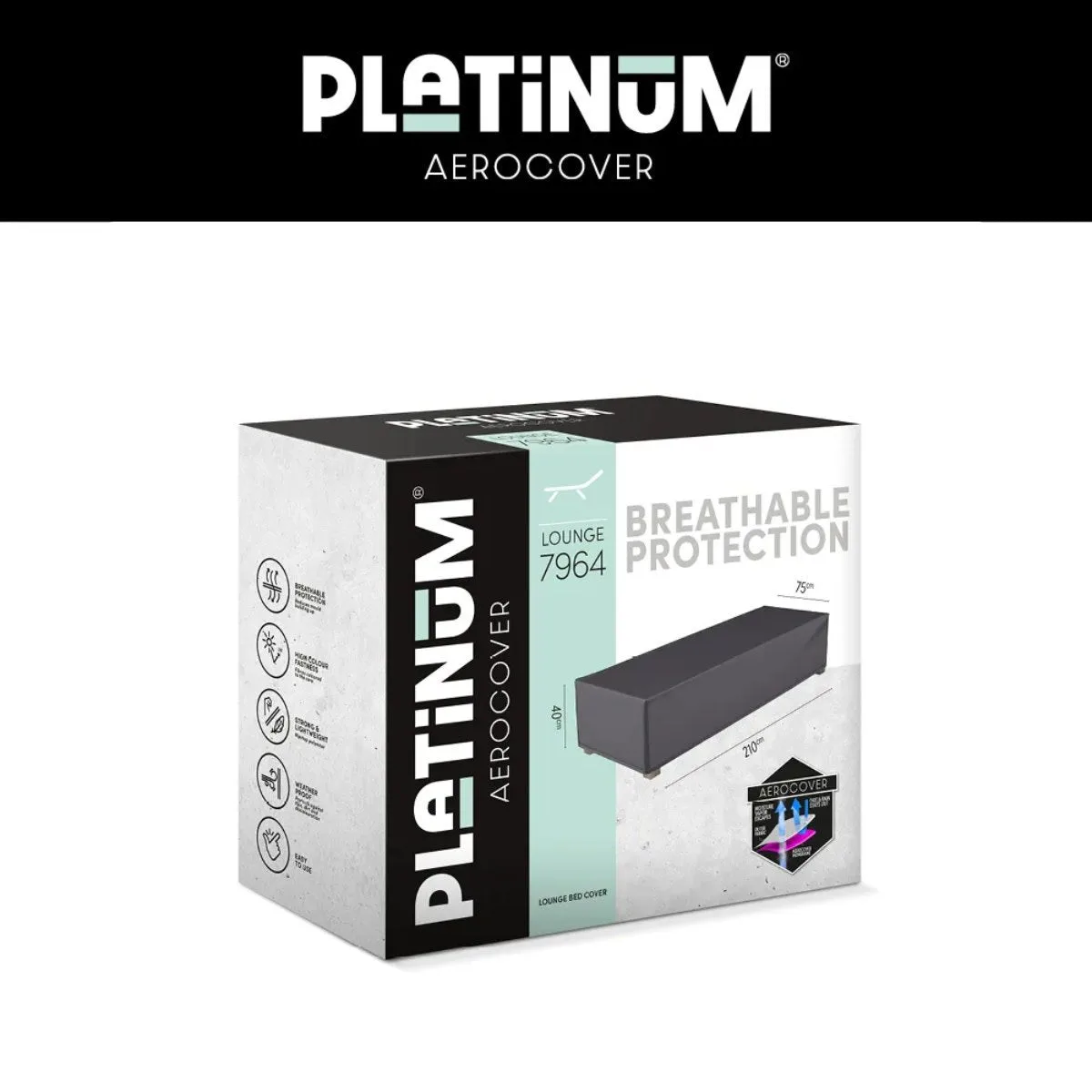
AeroCover sun lounger cover 210x75x40 cm
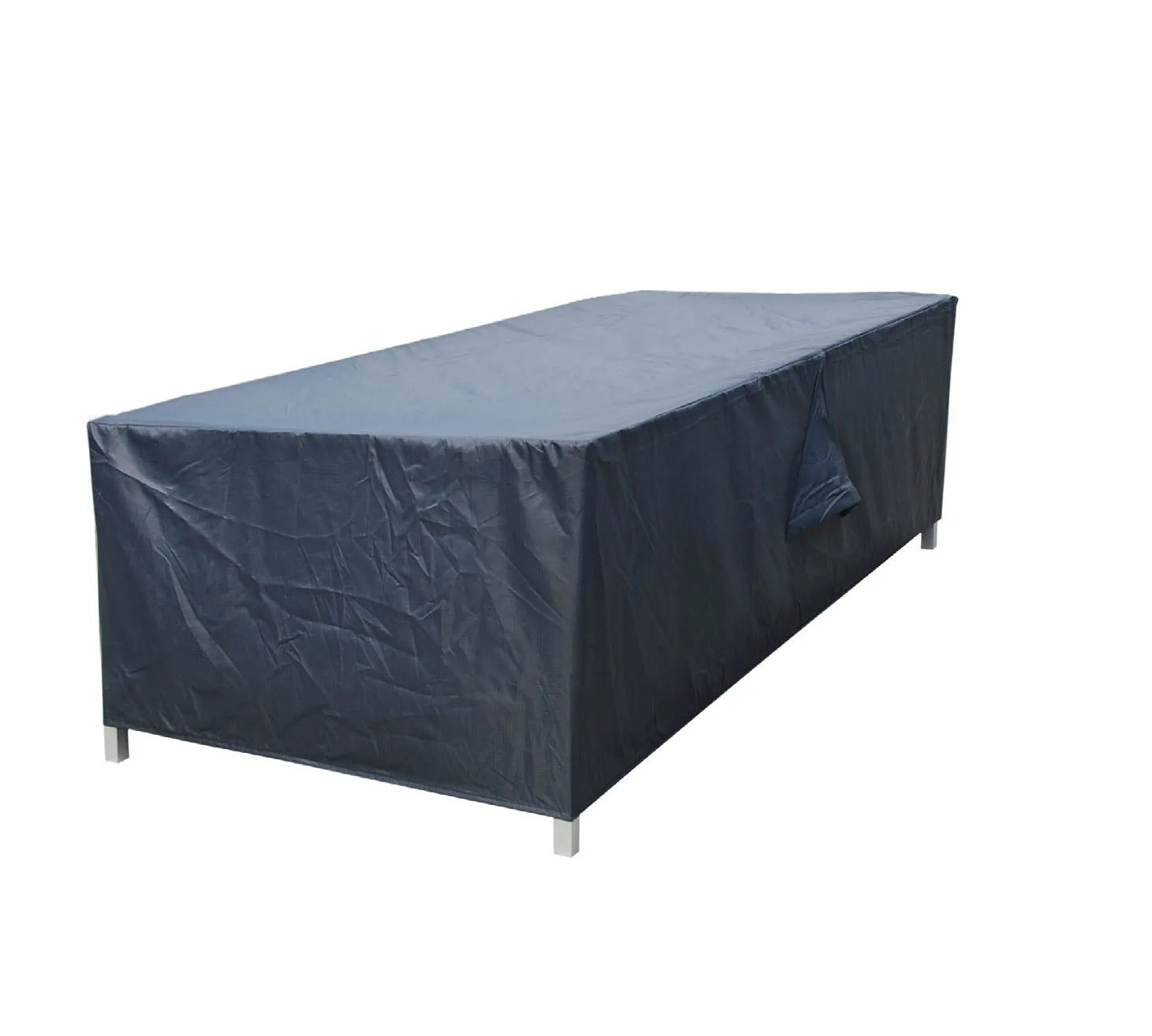
Coverit sun lounger cover 210x76x40 cm
Storing cushions
Only store cushions when they're bone dry, in a dry, airy place. If you don't have space indoors, a cushion bag is a good alternative. The Coverit cushion bag, 125 x 32 x 50 cm, has a zip and is made from the same breathable, water-repellent ripstop material as the Coverit covers. You'll find more ideas in tips for storing garden cushions.
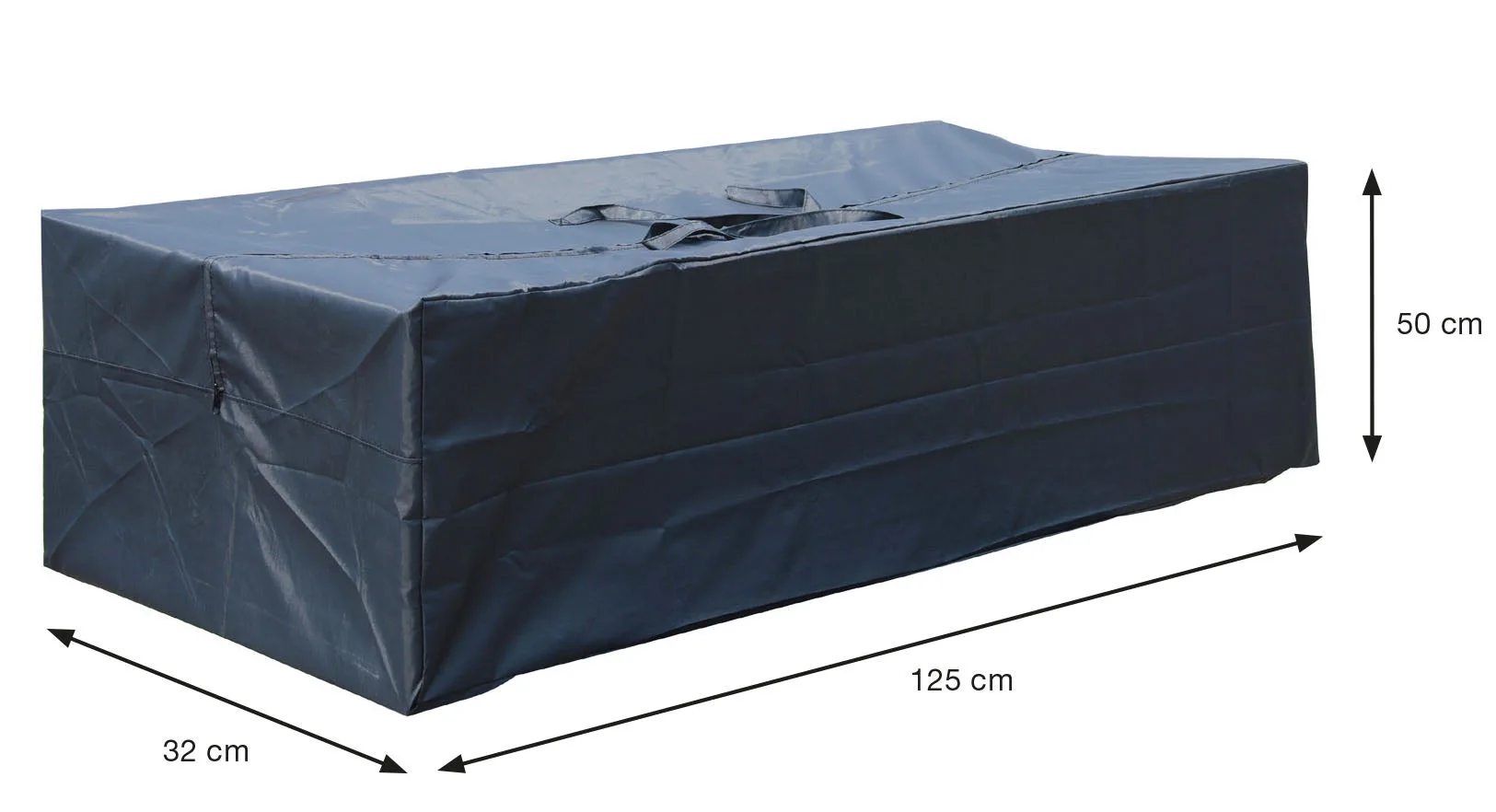
Coverit cushion bag 125x32xH50 cm
You'll find general winter tips for all your garden furniture in preparing garden furniture for winter and covering garden furniture.
Checklist: how to make your sun lounger last for years
- Frame: damp cloth and mild washing-up liquid, never abrasives
- Textilene: rinse and brush gently, no pressure washer
- Cushion: let it dry completely before storing it
- Rain: store the cushion dry, even if it's water-repellent
- Winter: indoors or under a breathable cover that fits
A wooden or wicker sun lounger?
Most sun loungers in our comparison have an aluminium frame. A sun lounger made of teak or another wood, such as the Lucas sun lounger from 4 Seasons Outdoor, needs more care. Clean the wood with a soft brush and water and let it dry thoroughly. If you want to keep the warm colour, treat it with teak oil or teak protector; if you leave it untreated, it will slowly turn grey. You can read how to go about this in how to treat wooden garden furniture. For a wicker sun lounger, brush the weave regularly, because sand and leaves easily get stuck in it. See how to maintain wicker garden furniture.
Common mistakes
A scouring pad or harsh cleaner
Abrasives and steel wool leave scratches and dull spots in the powder coating. A damp cloth with a mild washing-up liquid is enough.
Storing cushions while damp
A cushion that is still a little wet will start to smell musty and go mouldy in the cupboard or shed. Let it dry completely first.
A plastic sheet instead of a cover
Condensation gets trapped under a closed sheet. Choose a breathable cover with ventilation that fits the size of your sun lounger.
Confusing water-repellent with waterproof
A water-repellent cushion will hold off a shower for a while, but it will still get wet in prolonged rain. Store the cushion dry as soon as rain is on its way.
Using a pressure washer
The harsh jet can damage the textilene, the seams and the coating. A garden hose and a soft brush do the same job without the risk.
Ready for a new sun lounger? Check out this year's favourites in best sun lounger 2026, or use the buying guide to find garden furniture that suits your space and wishes.
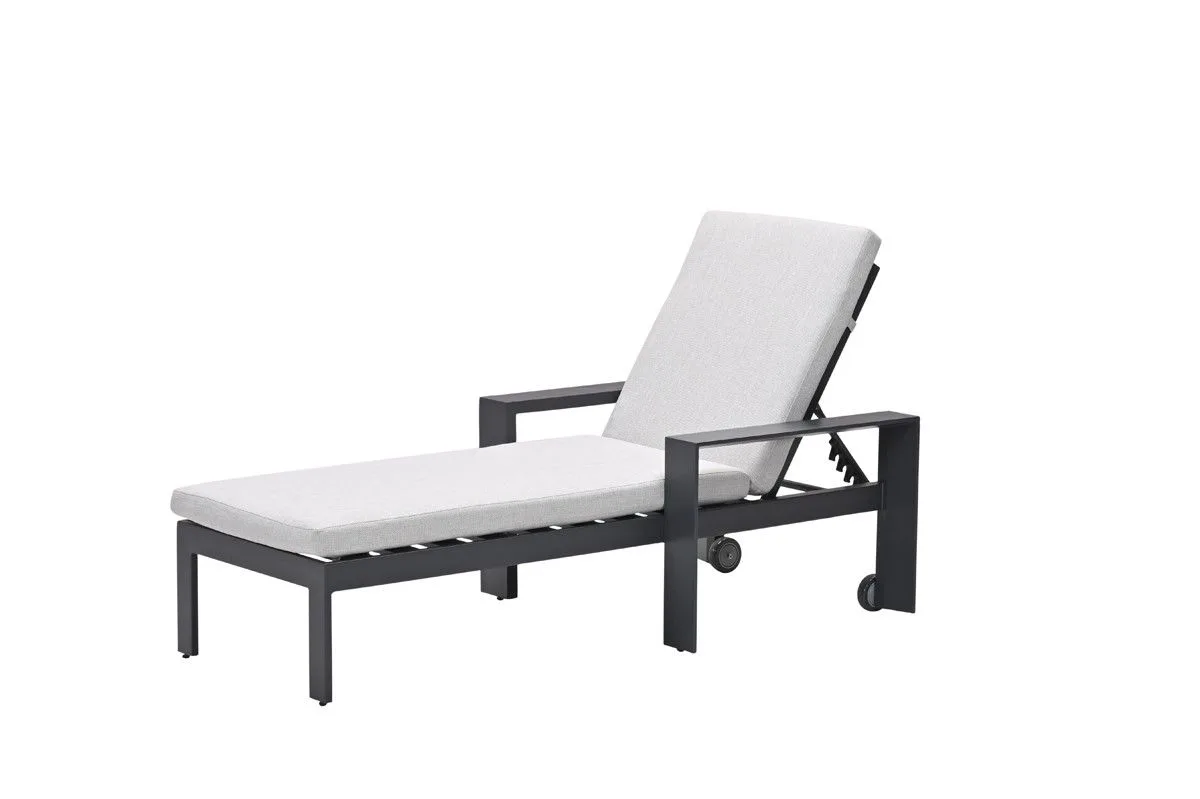
Levanto sun lounger carbon black / valley sand


Frequently asked questions
How often should you clean a sun lounger?
Brush off loose dirt, sand and leaves whenever you see them, and wipe the frame and fabric down with a damp cloth about once a month during the season. If your sun lounger stands by the pool, rinse the cloth with clean water more often. At the start and end of the season, give the sun lounger a thorough clean.
What should you use to clean an aluminium sun lounger?
Use a damp cloth and, if needed, lukewarm water with a mild washing-up liquid. This is also what Garden Impressions recommends for the Limone and Levanto. Do not use abrasive cleaners, scouring pads or harsh detergents, as these damage the powder coating. Rinse with clean water and dry the frame.
How do you remove stains from a textilene sun lounger?
First wet the fabric, then brush the stain with a soft brush and lukewarm water with a mild washing-up liquid. Work from the outside inwards, rinse thoroughly with clean water, and leave the sun lounger to dry in the sun or wind. Sun cream and chlorine are easiest to remove if you don't let them set.
Can a sun lounger stay outside in winter?
An aluminium frame can withstand rain and frost. However, Garden Impressions advises storing the sun lounger under a cover during prolonged bad weather. Choose a breathable cover that fits your sun lounger's size. Cushions are best kept dry indoors or in a cushion bag during winter.
Can you put a sun lounger cushion in the washing machine?
Only the cover, and only if it is removable. Madison recommends washing the cover on a low temperature or cleaning the fabric with a damp cloth and mild soapy water. Many sun lounger cushions do not have a zip, so clean them with a cloth and let them dry completely.
Do you need to maintain the wheels on your sun lounger?
Yes, a little. Remove sand, grass and hair from the wheels, as these make rolling harder. At the start of the season, check that the wheels still turn freely and that the screws and bolts on the frame and adjustment mechanism are tight.