
Textilene is a material you often come across on outdoor chairs, sun loungers and benches. It looks like woven fabric but has special properties that make it perfect for outdoor use. In this article we explain what textilene is, how it's made and why it's so popular for garden furniture.
What is textilene?
Textilene (also spelled textiline or textylene) is a woven outdoor fabric consisting of a polyester core covered with a layer of PVC (polyvinyl chloride). The polyester core gives the fabric strength and tear resistance; the PVC coating makes it waterproof, UV-resistant and easy to clean.
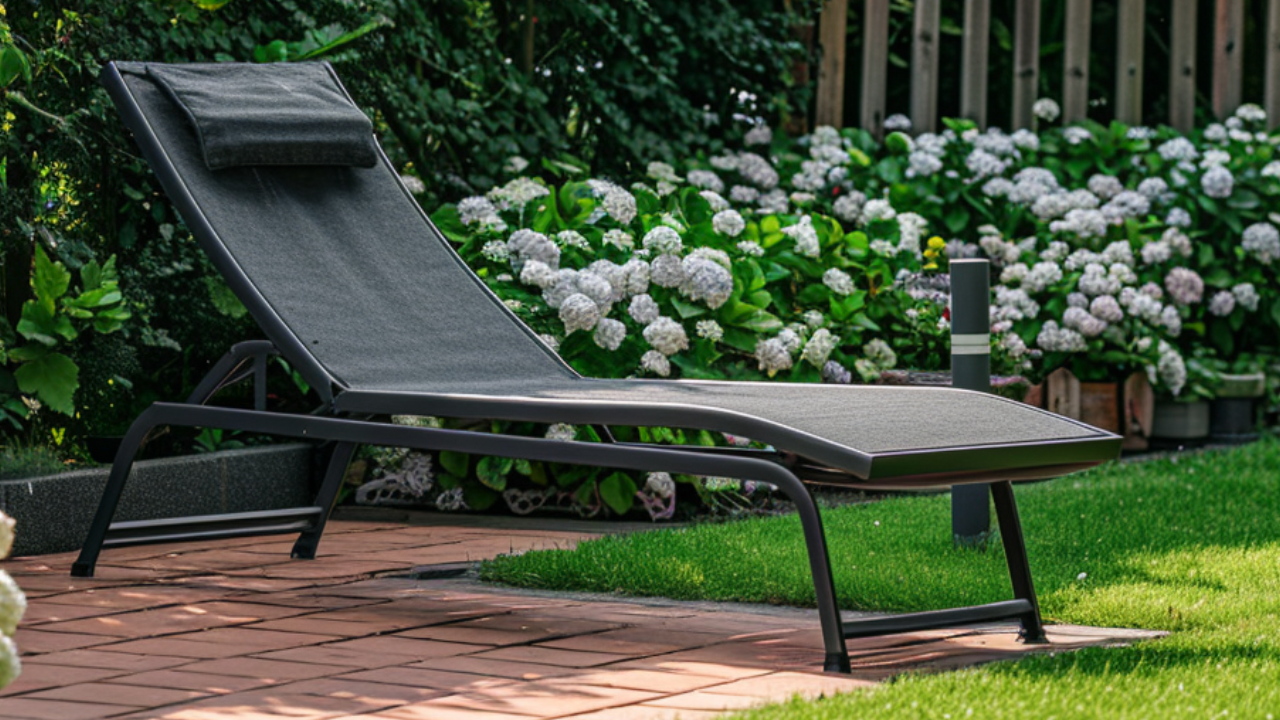
The material is stretched around a frame — typically an aluminium chair or sun lounger — to create a comfortable, springy seating or lying surface.
How is textilene made?
The production process occurs in two steps:
- Weaving: Polyester yarn is woven into a sturdy base fabric
- PVC coating: The weave is coated on both sides with PVC, which also contains UV stabilisers and colour pigments
The result is a smooth yet tough fabric with a mesh-like structure (small openings in the weave). This open structure is a key property of textilene.
Properties of textilene
Non-absorbent
Textilene does not absorb water. After rain, the small openings in the weave dry quickly — typically within 10–20 minutes. This makes it ideal for garden furniture that remains outdoors.
Breathable
Thanks to the open mesh structure, textilene is breathable. Air circulates through the material, meaning you perspire less than on a closed plastic or faux leather seat.
UV-resistant
The PVC coating contains UV absorbers that prevent the material from fading or becoming brittle with intensive sun exposure. Quality textilene retains its colour after several seasons outdoors.
Easy to clean
Because textilene doesn't absorb water, stains remain on the surface. A damp cloth or a rinse with the garden hose is sufficient for daily cleaning.
Springy
Textilene has built-in elasticity: it stretches slightly with the user's weight, contributing to seating comfort. Especially on a sun lounger — without extra cushioning — this is noticeably more comfortable than a hard slatted base.
Colour choice
Textilene is available in many colours, from neutral sand and grey to vibrant blue and green. The colour runs through the entire material, not just a surface layer of paint.
Textilene vs other outdoor fabrics
Textilene vs ordinary fabric
Ordinary fabric absorbs moisture, can develop mould and fades quickly. Textilene does not: the PVC coating makes it waterproof and colourfast. Ordinary fabric is, however, softer and warmer; textilene feels somewhat harder.
Textilene vs outdoor fabric (Sunbrella, Olefin)
Outdoor fabrics such as Sunbrella are woven from UV-resistant acrylic yarn and are breathable but absorb a small amount of moisture. They are soft and comfortable but require separate waterproof treatment. Textilene is harder but 100% non-absorbent. Outdoor fabrics are used for parasol canopies and cushions; textilene for chairs and sun loungers.
Which furniture is textilene used for?
- Garden chairs: The seat and backrest are upholstered with textilene on an aluminium frame. Stackable garden chairs are the best example of this.
- Sun loungers: Textilene sun loungers are popular because they don't get wet and dry quickly. Ideal for poolside areas.
- Garden benches: Some garden benches combine an aluminium frame with textilene seating.
- Adjustable chairs: Garden chairs with an adjustable backrest are often made from textilene.
Maintenance of textilene garden furniture
Textilene is extremely easy to maintain:
- Rinse regularly with the garden hose to remove dust and pollen
- Wipe stains with a damp cloth and mild soapy water
- Never use abrasive cleaners or steel wool
- Textilene furniture can remain outdoors all year round
- Remove any bird droppings quickly: acids can damage the PVC coating with prolonged contact
Read more about maintaining garden furniture in our article on maintaining textilene garden furniture.
Frequently asked questions about textilene
Can textilene tear?
Hardly ever with normal use. Under heavy mechanical stress such as a fall onto a sharp edge, the material can tear. Small tears can be repaired with textile adhesive suitable for outdoor use.
Does textilene get hot in the sun?
Textilene warms up less than solid plastic, but can feel warmer than a cushion on a hot day. You can use an extra seat cushion for added comfort on hot days.
Is textilene suitable for children?
Yes, textilene is safe, has no sharp edges and the open mesh structure allows for air circulation, which is pleasant for children on warm days.
How long does textilene last?
Quality textilene lasts 8 to 15 years in outdoor use. Cheaper textilene without UV stabilisers can start to sag or fade after just 3 to 5 years.
What is the difference between textilene and ordinary fabric?
Ordinary fabric absorbs moisture and can go mouldy; textilene has a PVC coating making it completely waterproof and non-absorbent. After rain, textilene dries within 10 to 20 minutes.
Conclusion
Textilene is an exceptionally practical material for garden furniture: non-absorbent, breathable, UV-resistant and virtually maintenance-free. Ideal for those who don't want to spend time on maintenance but still want to sit comfortably and stylishly outdoors. Browse our range of textilene garden chairs and textilene sun loungers.