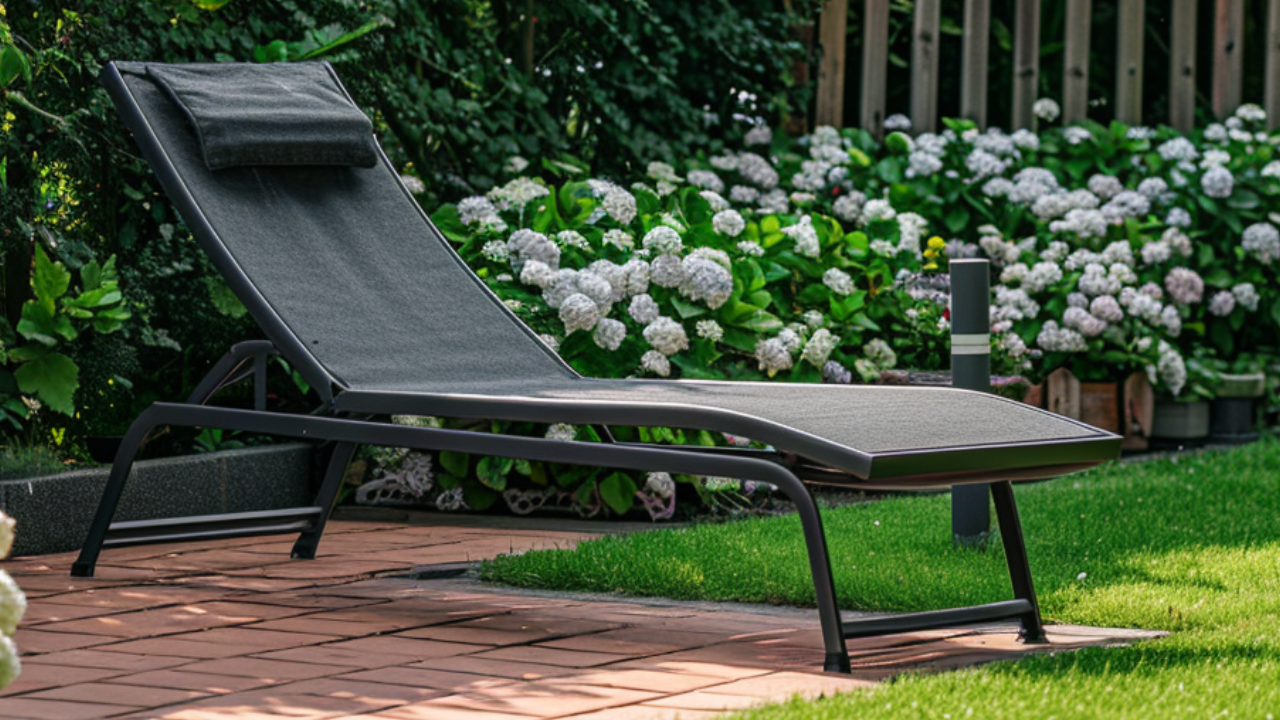

Textilene garden furniture is popular, and it's no wonder. A textilene seat is springy even without a cushion, dries quickly after a downpour and looks sleek and modern. You'll find the material mostly in garden chairs, reclining chairs and sun loungers. Low maintenance doesn't mean no maintenance, though: sand, pollen, suncream and bird droppings all get caught in the open weave. In this guide you'll read what textilene is, how to clean it in five steps, how to tackle the trickiest stains and how to get your furniture through the winter. Including the care advice that manufacturers themselves provide for their textilene furniture.
In brief: clean textilene with lukewarm water, a mild soapy solution and a soft brush, and rinse thoroughly. Then leave it to air dry. Deal with stains as quickly as possible, don't use a pressure washer or bleach, and keep textilene away from fire. In winter, store the furniture somewhere dry or cover it with a breathable cover.
What is textilene?
Textilene is an open-woven fabric made from polyester yarn that is coated with a plastic layer, usually PVC. You'll also see it spelt textilene or textielen; it's the same material. The fabric is stretched tightly over a frame, usually aluminium, and forms the seat, the back or the entire lounging surface. That's why product information often calls it the sling.
Thanks to this construction, textilene has a few handy qualities. The yarn itself hardly absorbs any water, and thanks to the open structure rain runs straight through it. The fabric gives slightly when you sit on it, so it's comfortable even without a cushion. And because there's no padding inside, nothing can go mouldy the way a cushion can. If you want to know more about the material itself, read what is textilene.
What can textilene and what can't it handle?
If you know what textilene is good at and where it's vulnerable, you'll know straight away how to look after it.
| Situation | Can it handle it? | Notes |
|---|---|---|
| Rain and wet swimwear | Yes | Dries quickly thanks to the open weave |
| Sun | Yes, with care | The colour can fade over time |
| Mild soapy solution and soft brush | Yes | The best cleaning method |
| Pressure washer | No | Can damage the coating and seams |
| Bleach or solvent | No | Attacks the coating and colour |
| Fire, cigarettes, hot pans | No | The plastic can melt |
| Wet for weeks under a tight cover | No | Risk of mildew spots |
Still not sure whether textilene is the right material for your new chairs? Compare it with aluminium, rope, wicker and wood in what is the best material for garden chairs.
Cleaning textilene in 5 steps
Give it a thorough clean at the start and end of the season, and in between if the fabric looks dull. Choose a dry, preferably sunny day so everything dries quickly afterwards. You'll need: a bucket of lukewarm water, a mild cleaning agent such as green soap or a few drops of washing-up liquid, a soft brush, a soft cloth and a garden hose.
Don't have them yet? Green soap · soft scrubbing brush on Amazon
As an Amazon Associate we earn from qualifying purchases.
Set loose cushions aside and beat them out. Brush away leaves, sand and cobwebs from the seat and frame. Check the underside too, where the fabric wraps around the frame.
Rinse the sling with the garden hose on a gentle setting. This loosens any caked-on dirt, so the brush won't drag grit across the coating later.
Dip a soft brush into the lukewarm soapy water and brush the fabric in the direction of the weave. Work from top to bottom so dirty water doesn't run over clean areas. Turn the furniture over and do the back as well.
Rinse away all the soap with clean water. Leftover soap residue attracts new dirt and can leave white marks.
Stand the furniture upright in the sun or a breeze. Textilene is often dry within a short time. Wipe the frame dry with a soft cloth to prevent limescale marks, and only then put the cushions back.
After an afternoon by the pool, give a textilene chair or sun lounger a quick rinse with the garden hose. Two minutes' work, and chlorine, salt and suncream won't get a chance to soak into the weave.
Quick clean in between
A major clean only needs doing a few times a year. Sweep away loose dirt during the season as soon as you spot it, and wipe the fabric down now and then with a damp cloth. That way the big clean becomes a lot lighter.
Removing stains: by type of stain
Most stains come out with the soapy solution from the steps above, as long as you act quickly. The longer a stain sits in the open weave, the harder it becomes to remove. The table below shows what works for each stain.
| Stain | Approach | Watch out for |
|---|---|---|
| Sand and dust | Dry brush, then rinse | Don't rub in when wet |
| Bird droppings | Leave to soak, then gently brush | Don't scrape |
| Suncream and grease | Lukewarm soapy solution with washing-up liquid | Act as quickly as possible |
| Chlorine and salt | Rinse with clean water | After every day at the pool |
| Tree sap and pollen | Leave to soak, soapy solution, brush | Repeat rather than scrubbing hard |
| Green staining | Soapy solution and brush, dry in the sun | Cause: standing wet for too long |
| Black mildew spots | Soapy solution, cleaner for outdoor fabrics if needed | Test on an inconspicuous spot first |
If you use a special cleaner for outdoor fabrics, always read the label first and rinse extra thoroughly afterwards. Leave bleach, chlorine-based all-purpose cleaners, turpentine and acetone well alone: they attack the coating on the yarn and can dull the colour.
Towel on the seat
Lay a bath towel over your chair or sun lounger when you've just applied suncream or are getting out of the pool. A towel goes straight in the wash; brushing suncream out of the weave is much more work.
Don't forget the frame
With almost all textilene furniture, the fabric sits in an aluminium frame with a powder coating. That frame won't rust, but the coating can scratch and go dull. Garden Impressions advises that, for its Osaka chairs, you wipe the frame down regularly with a mild soapy solution and a soft cloth, rinse with clean water and let it dry thoroughly. For the Limone sun loungers, the advice is to clean the frame with a damp cloth. Leave scouring pads and steel wool well alone.
During the major clean, check straight away whether the sling is still taut in the frame, whether there are any frayed edges or tears in the fabric, and whether screws and bolts are still tight. You can read more about the frame in maintaining aluminium garden furniture.
Textilene furniture from our range
To make it concrete, below are textilene furniture pieces currently available, together with the care advice the manufacturer provides. If you're still looking for new garden furniture, the selection guide can help you choose what suits your space and wishes.
Osaka: stackable and adjustable chair
The Osaka range from Garden Impressions has an anthracite aluminium frame with a mid-grey textilene sling. The stackable chair has a seat height of 43 cm and a seat width of 46 cm. Stackability is handy for maintenance: in autumn you stack the clean, dry chairs and one cover can go over the lot.
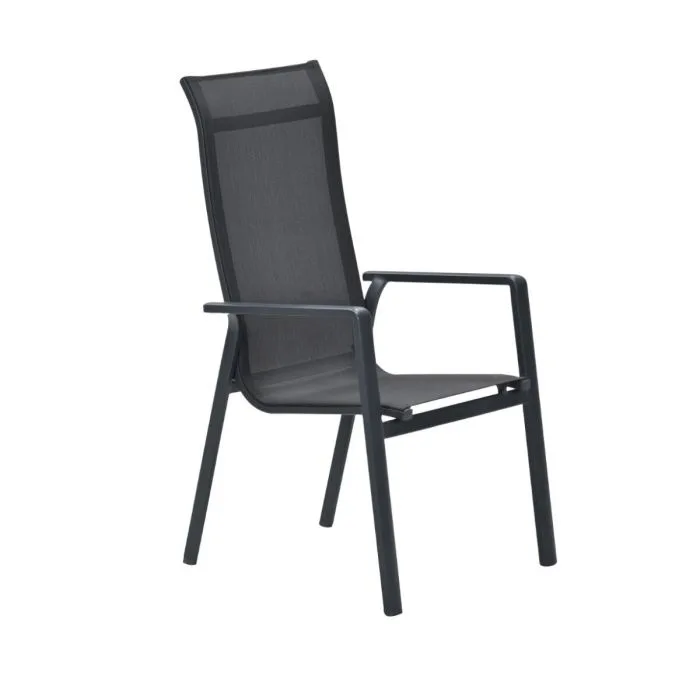
Osaka stackable garden chair carbon black / mid grey
If you'd rather be able to lean right back, there's the adjustable Osaka with a seat width of 48 cm. The matching footstool has a seat surface in the same textilene. According to the manufacturer, moisture dries quickly from it, and you can keep the material clean simply with a damp cloth.
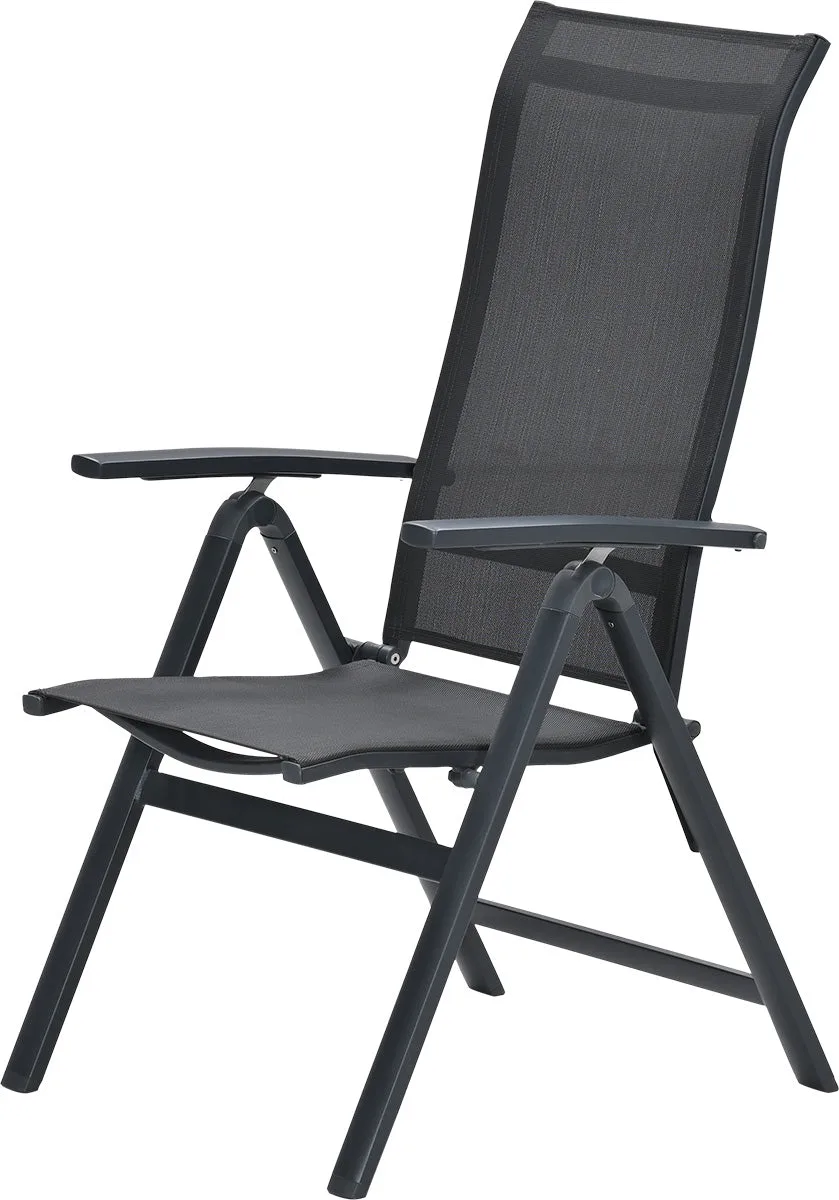
Osaka adjustable garden chair carbon black / mid grey
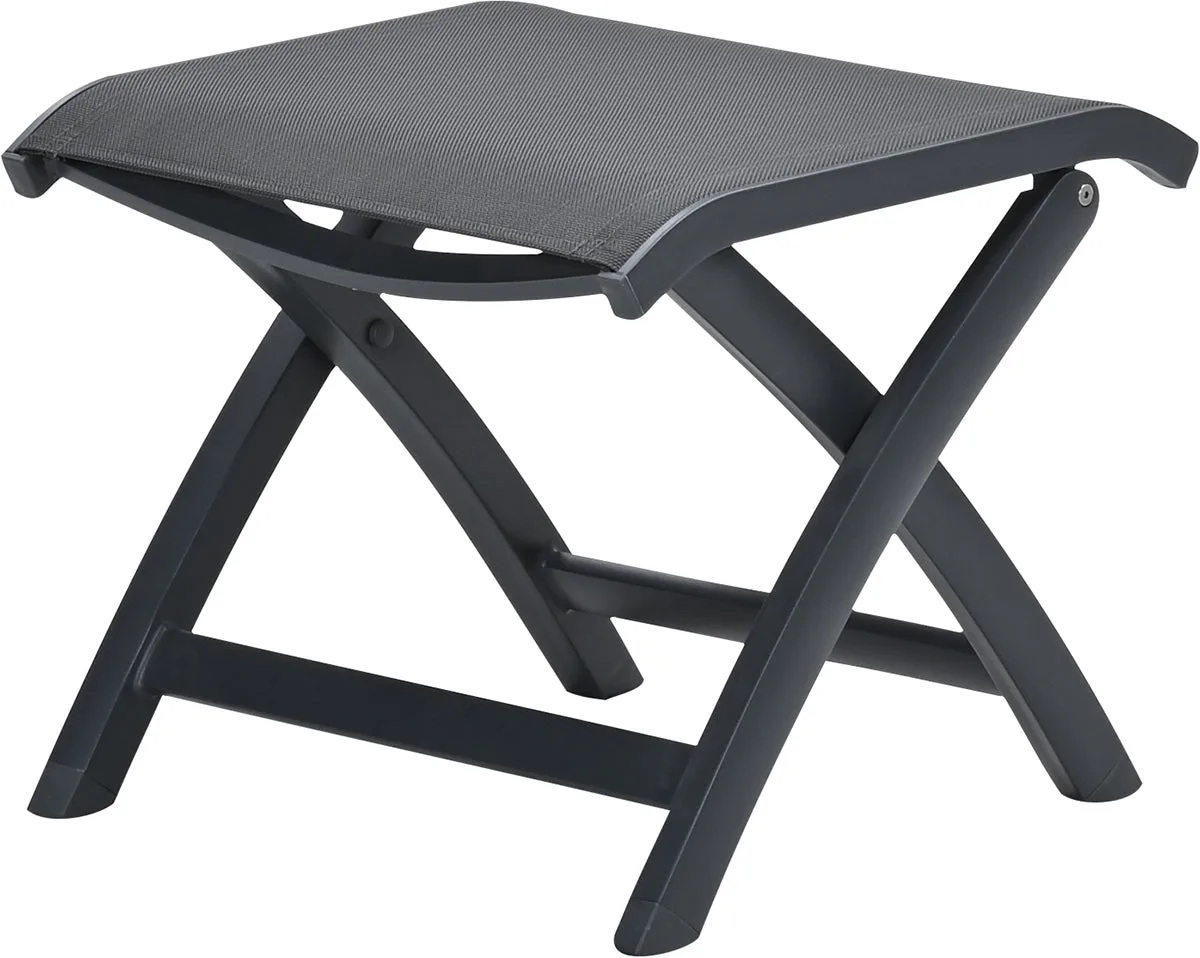
Osaka footstool carbon black / mid grey
Danzig: reclining chair with cushion
The Danzig reclining chair combines a textilene seat with a thick, water-repellent cushion. The frame is aluminium with a powder coating, and the seat height is 36 cm. So there are two types of care here: you brush the textilene with lukewarm water, and according to the manufacturer you store the cushion dry and clean when you're not using the chair. Water-repellent isn't the same as waterproof, after all.
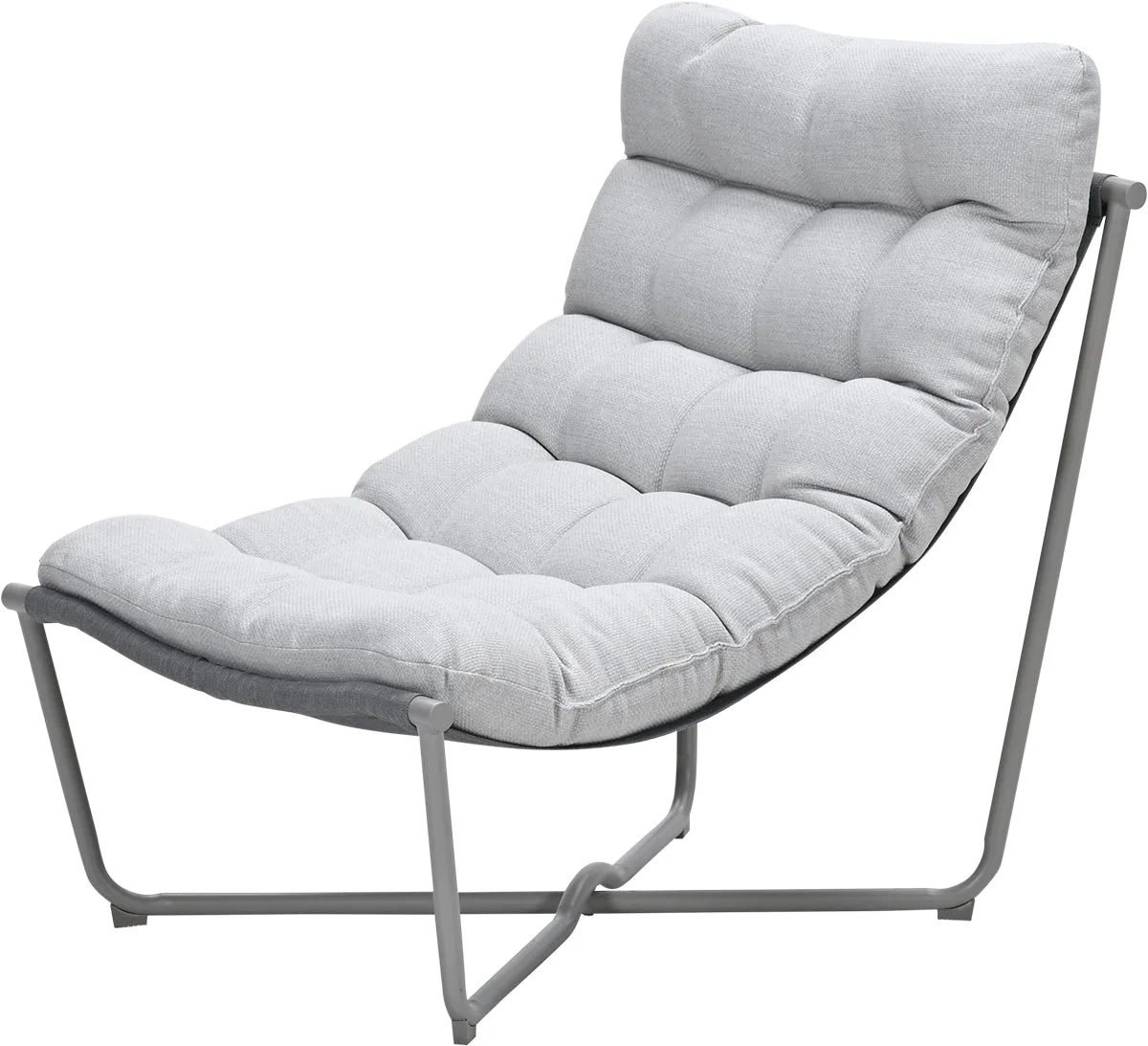
Danzig reclining chair taupe / valley sand
Limone: textilene sun lounger
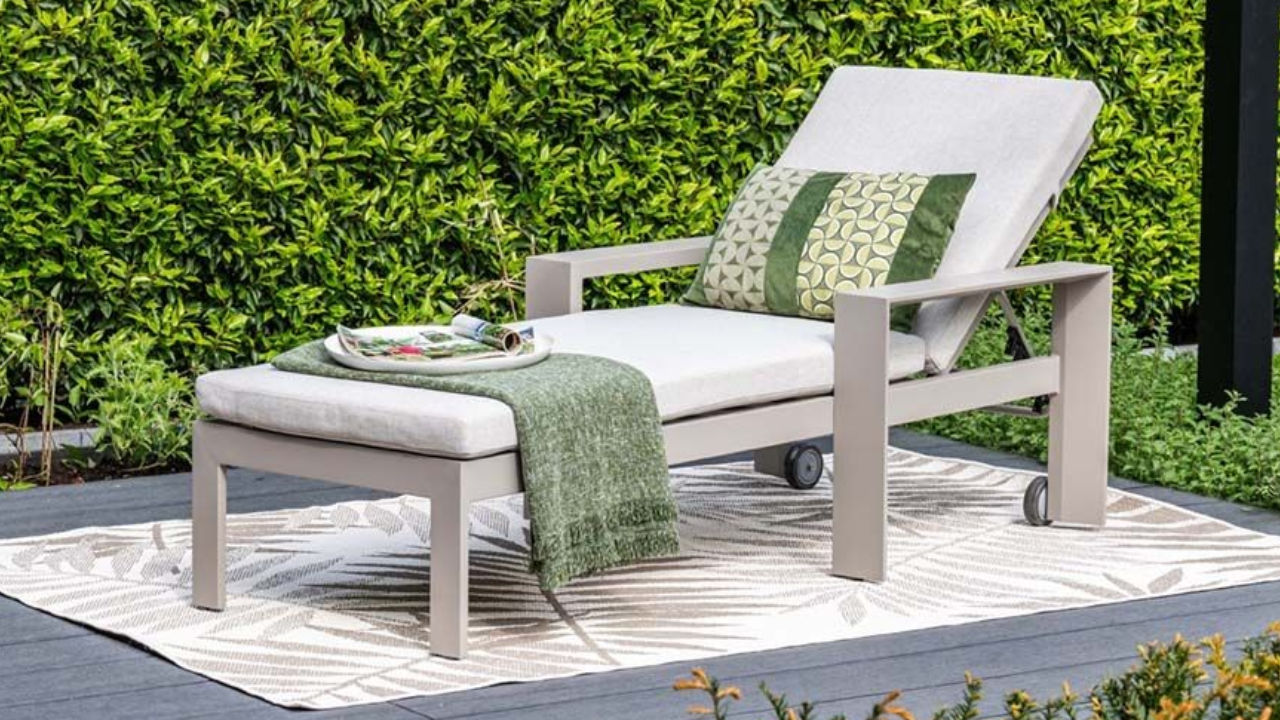
A textilene sun lounger has the hardest life of all: full sun, suncream and often water from the pool. The Limone has an aluminium frame, a backrest with 6 positions and a lounging surface of 203 x 70 cm. Garden Impressions advises cleaning the frame with a damp cloth and storing the sun lounger under a cover during prolonged bad weather. You can find everything about sun loungers in maintaining a sun lounger.
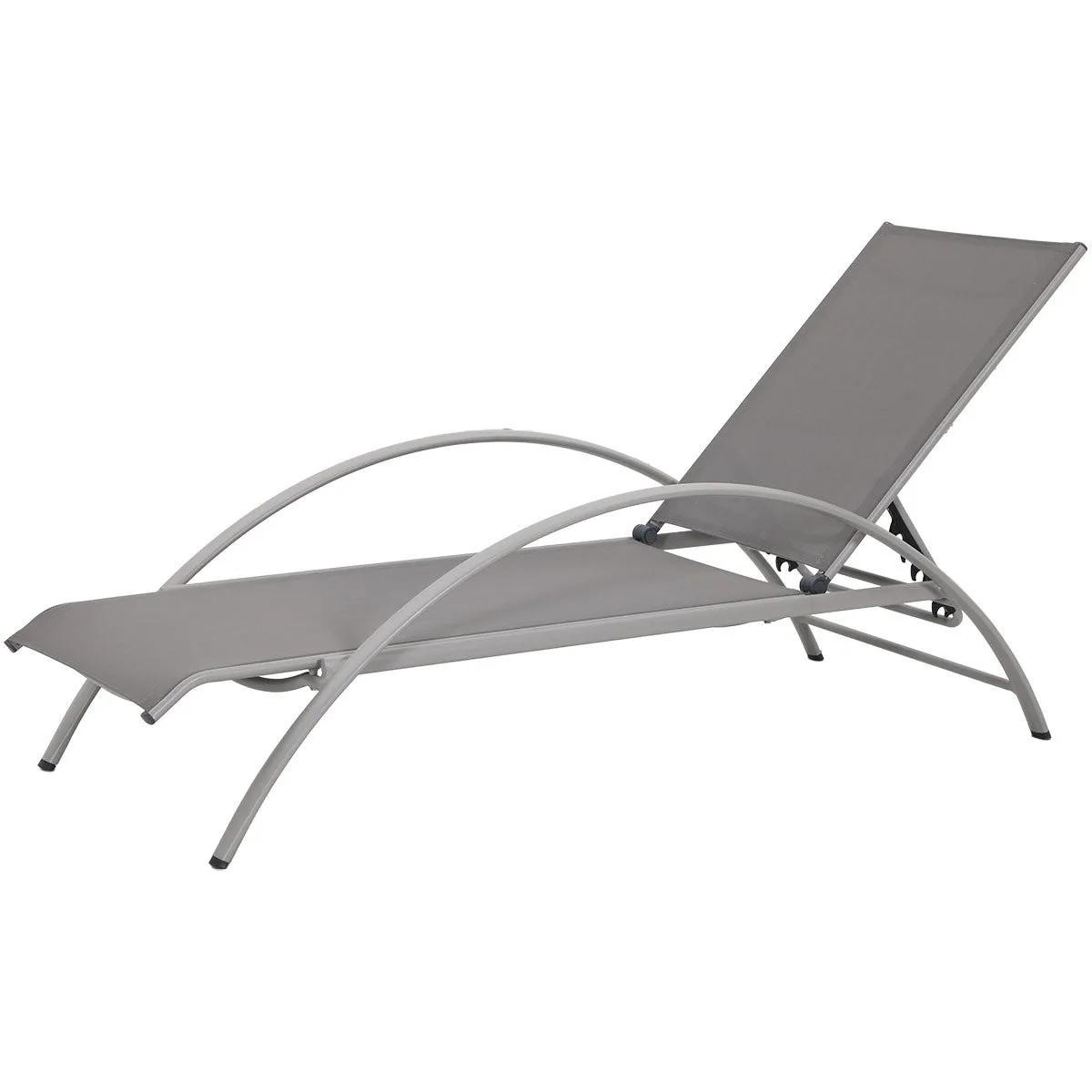
Limone aluminium sun lounger taupe
Also worth a look:
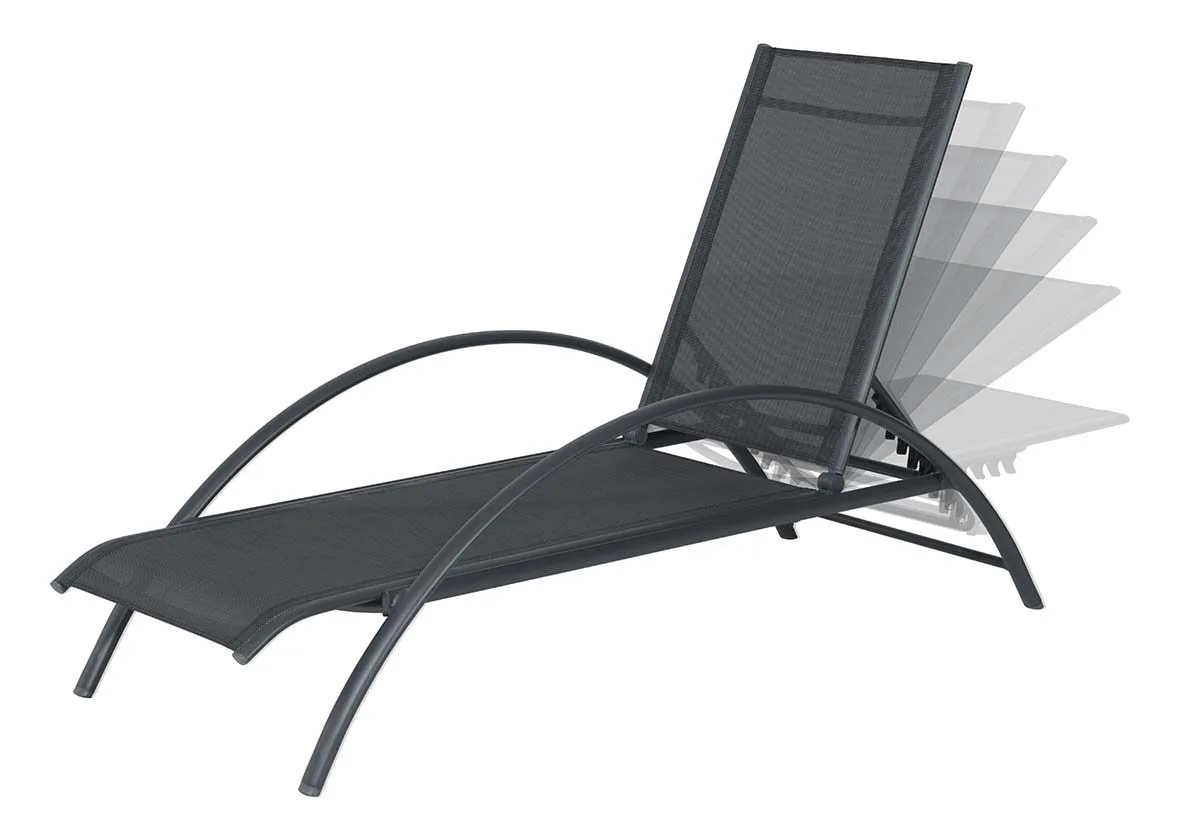
Limone sun lounger carbon black
View sun lounger →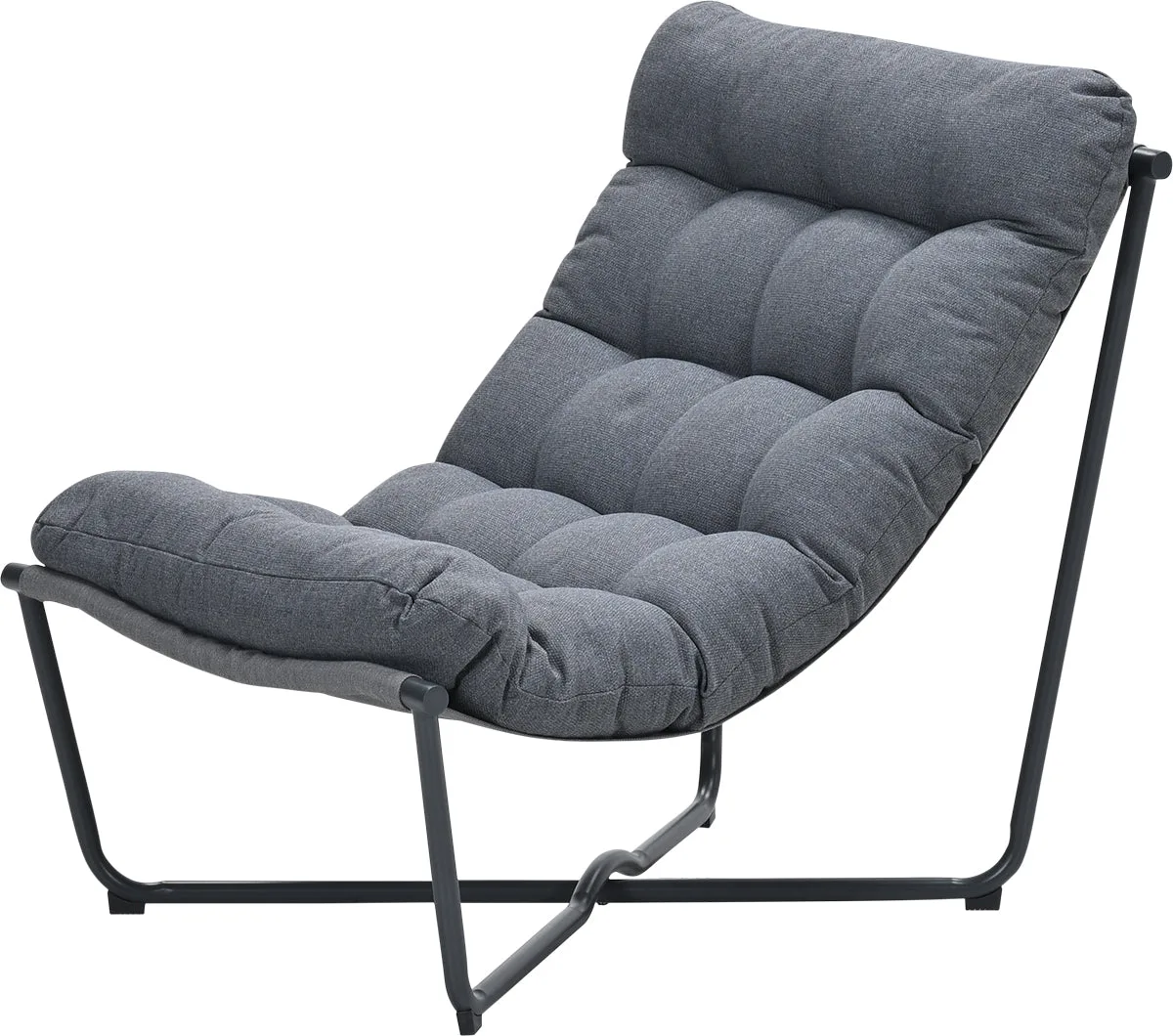
Danzig reclining chair carbon black
View chair →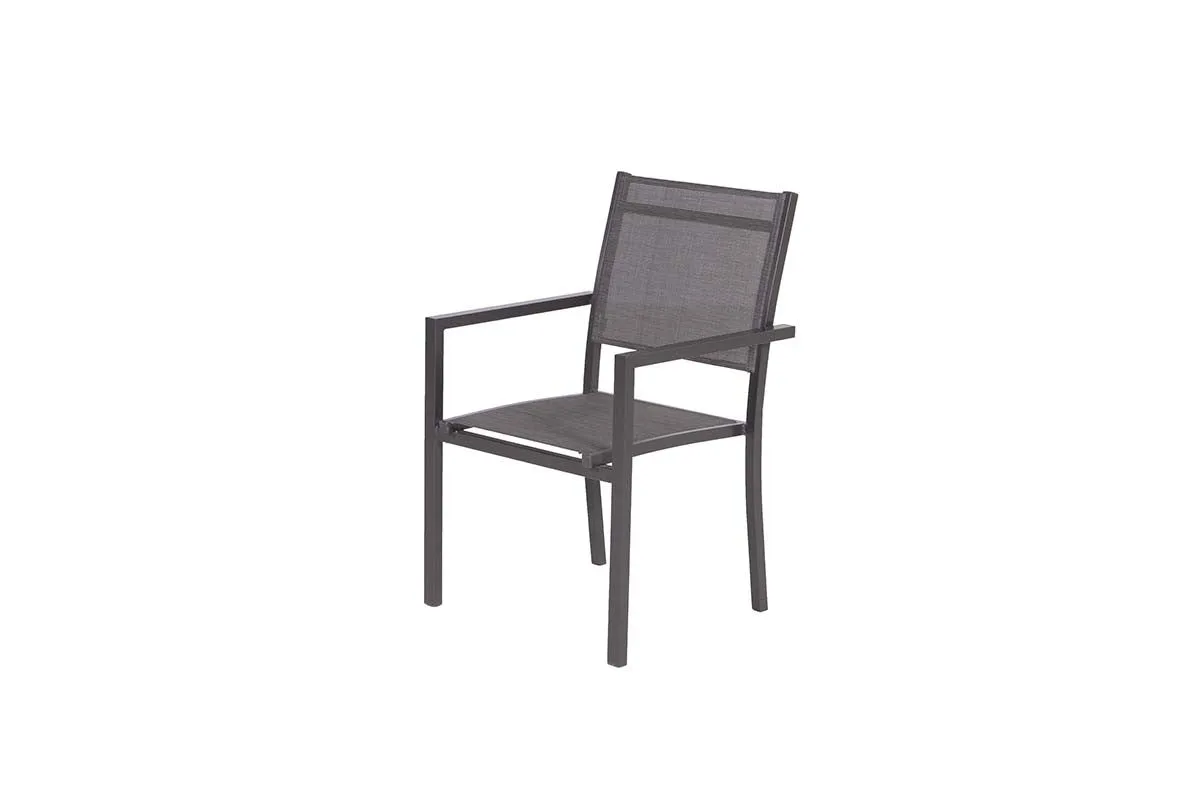
Moon dining armchair
View chair →You'll find more models under stacking chairs, adjustable garden chairs, lounge garden chairs and footstools.

Maintenance throughout the year
With a fixed routine, maintenance stays manageable. This schedule works for garden chairs, footstools and sun loungers in textilene.
| When | What to do |
|---|---|
| Spring | Thorough clean, check the sling and screws |
| Summer, weekly | Sweep away dirt, rinse after the pool |
| After a downpour | Let it dry, stand cushions upright |
| When a stain appears | Deal with it straight away using soapy solution |
| Autumn | Thorough clean, let everything dry completely |
| Winter | Store dry indoors or under a breathable cover |
Getting textilene ready for winter
Textilene can take a knock, but the manufacturers are clear: store the furniture somewhere dry, or put it under a protective cover, when the weather is prolonged and bad or out of season. In winter, leaves and dirt stay on the fabric for a long time and the furniture doesn't dry well. Under a cover or in the shed, the fabric stays clean and you'll have less work in spring.
Tick off these points before winter starts:
- Fabric and frame cleaned following the 5 steps
- Stains treated, so they don't set in over the winter
- Everything completely dry, including the underside of the fabric
- Sling, seams and screws checked
- Stackable chairs cleaned, dried and stacked
- Loose cushions stored dry indoors
- Furniture in the shed or under a breathable protective cover
- Cover secured, so the wind can't get a grip on it
Choosing the right cover
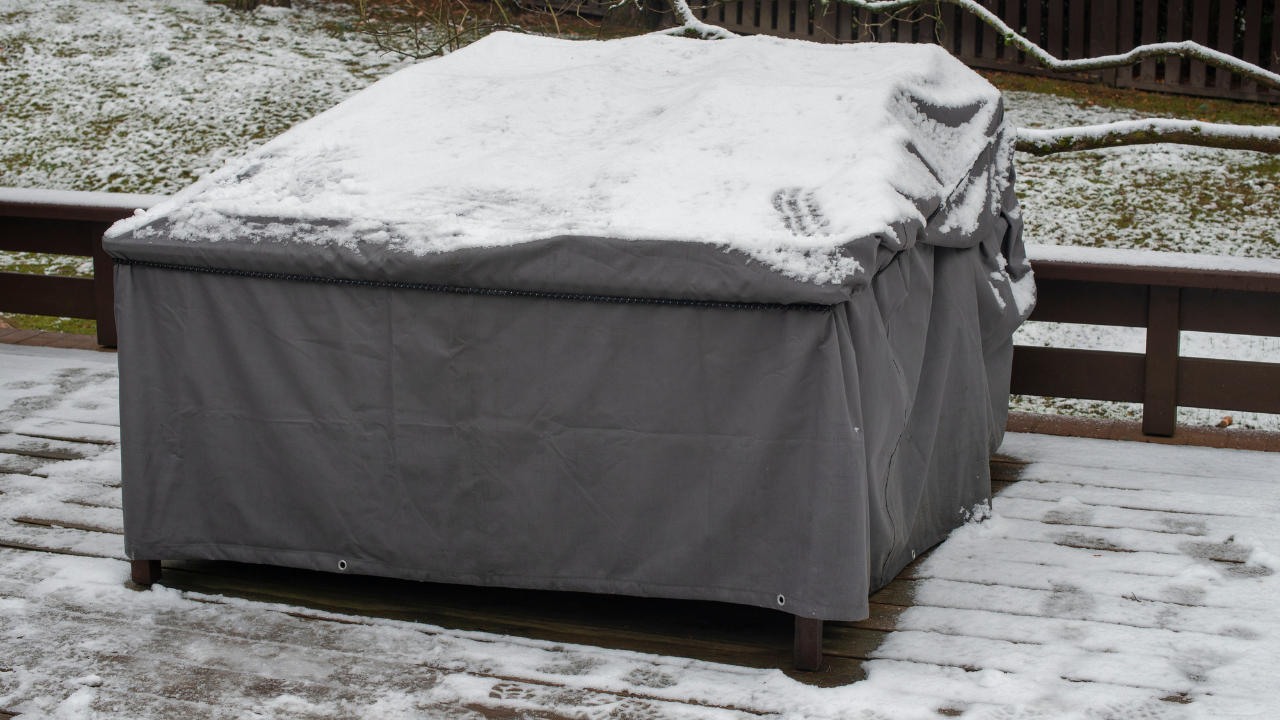
Always choose a breathable cover. Under a solid plastic sheet, condensation gets trapped, and textilene fabric that stays damp for weeks will develop green staining or mildew spots. Measure your furniture and compare that with the size of the cover, height included. A cover for stacked chairs needs to be tall enough for the whole stack.
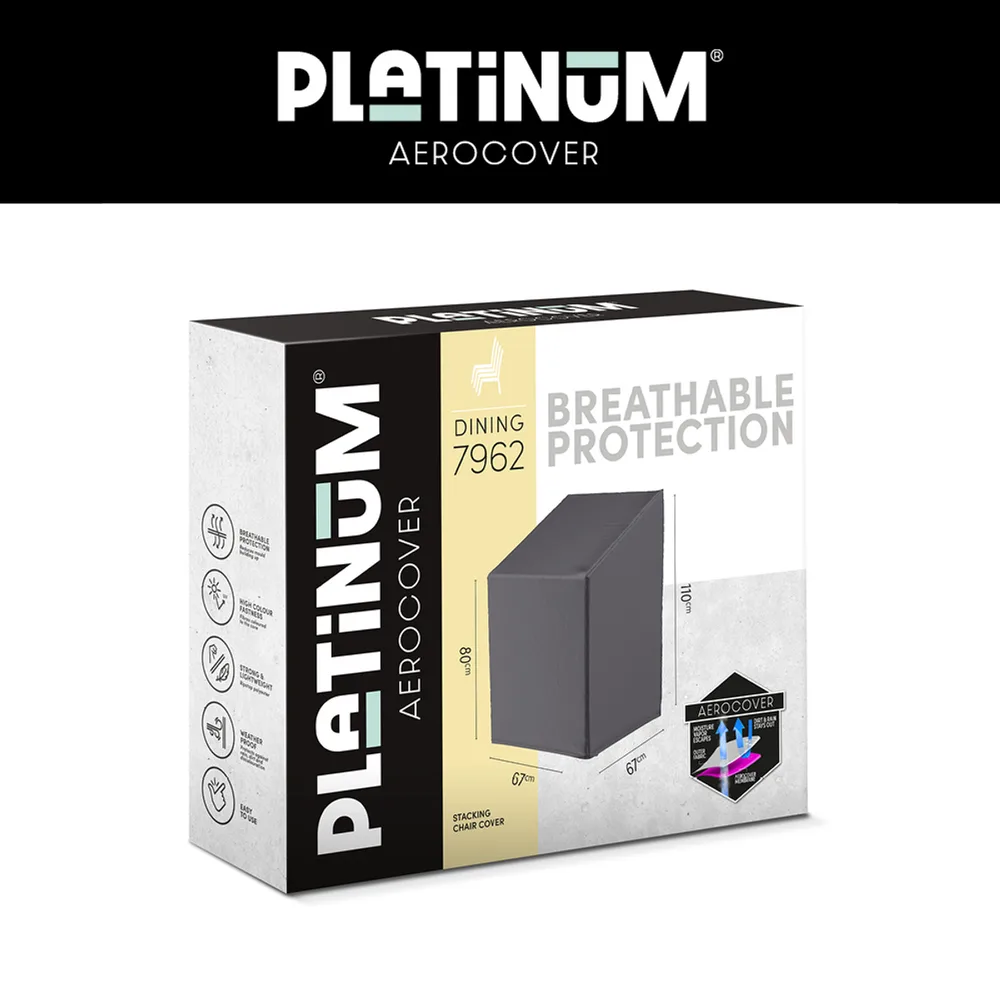
AeroCover stacking chair cover 67x67xH80/110
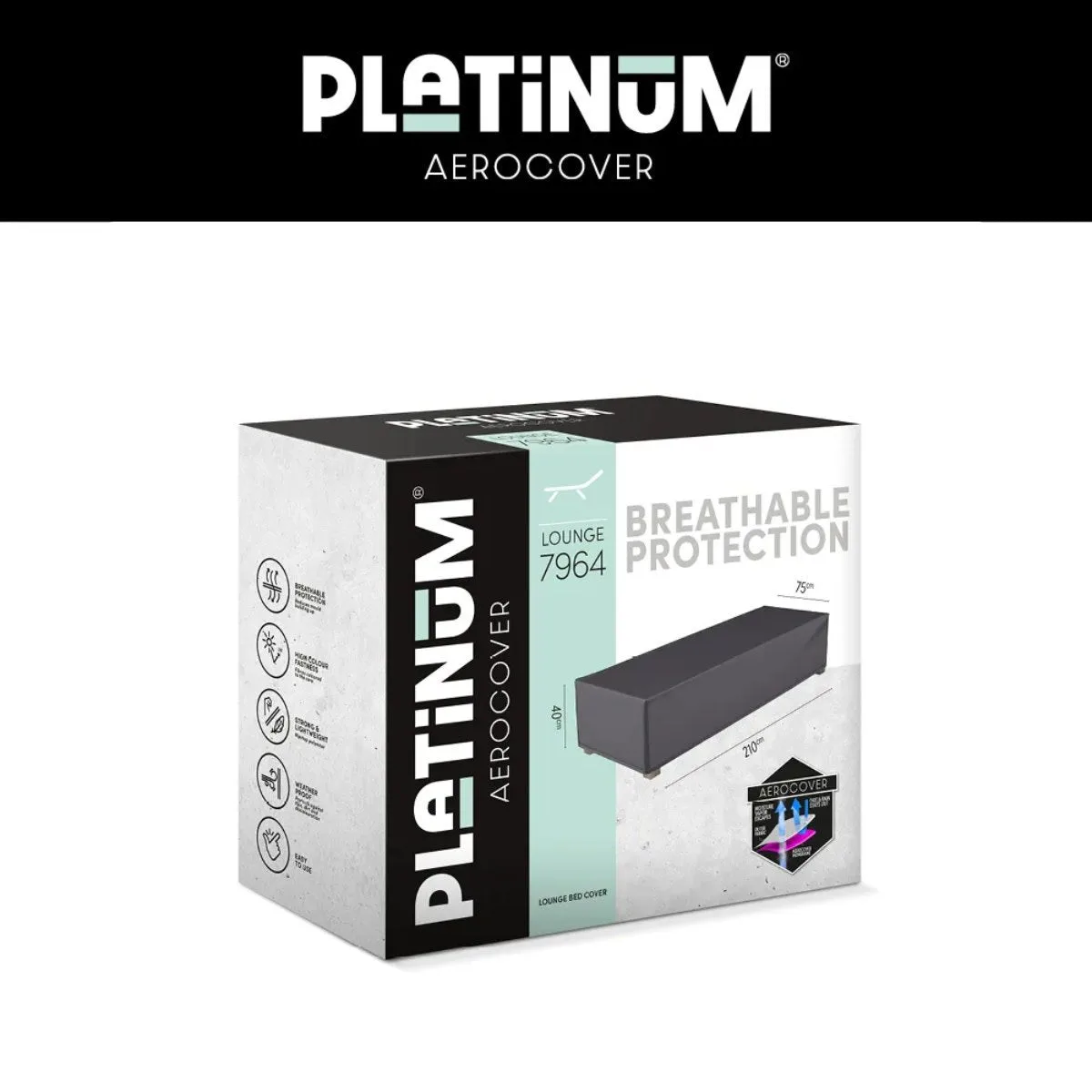
AeroCover sun lounger cover 210x75x40 cm
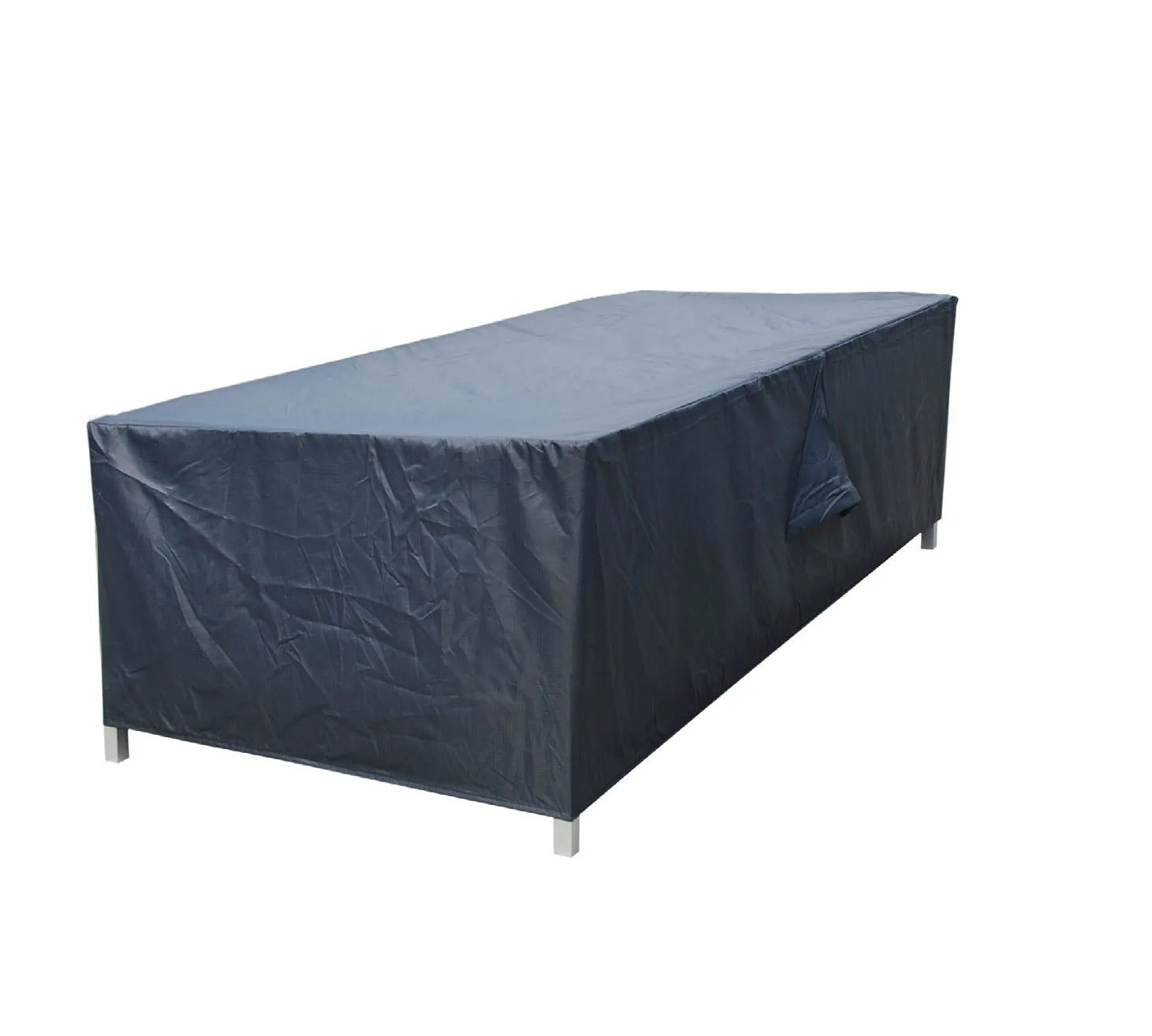
Coverit sun lounger cover 210 x 76
View cover →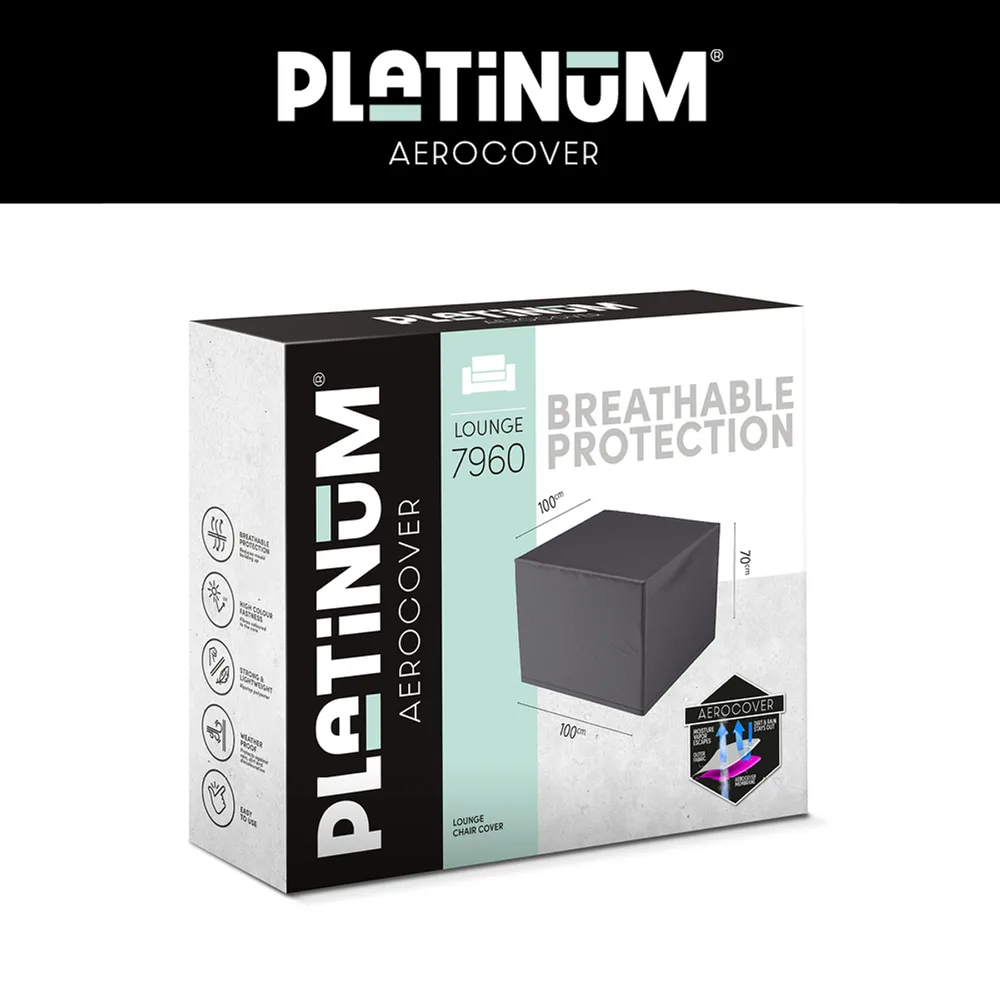
AeroCover lounge chair covers
View cover →
All protective covers
View covers →You can read more about covering up in covering garden furniture and preparing garden furniture for winter.
Checklist: how to keep textilene looking good for years
- Cleaning: lukewarm water, mild soapy solution and a soft brush
- Rinsing: always with clean water, don't leave any soap residue
- Stains: deal with them straight away, especially suncream and bird droppings
- Avoid: pressure washers, bleach, scouring pads
- Heat: keep away from barbecues, fire pits and cigarettes
- Winter: store dry indoors or under a breathable cover
Common mistakes
Using a pressure washer on it
It seems quicker, but the harsh jet can damage the coating on the yarn and the seams. A garden hose and a soft brush are plenty.
Using bleach on green staining
Bleach and chlorine-based products attack the coating and the colour. Start with a mild soapy solution and, if needed, use a cleaner for outdoor fabrics, after testing it on an inconspicuous spot.
Leaving soap behind
If you don't rinse properly, a layer of soap stays in the weave. That attracts new dirt, so the fabric turns dull again more quickly.
A solid sheet instead of a cover
Condensation gets trapped under plastic. The fabric then doesn't dry for weeks, resulting in green staining and mildew spots.
Standing too close to fire
A spark from a fire pit or a hot pan can make a hole or melt mark in the plastic. Cleaning can't repair that.
Storing damp cushions
The textilene dries quickly, but the cushion on it doesn't. Let cushions dry completely before they go into the cupboard. Also read cleaning garden cushions.
Do you have other materials in the garden alongside textilene? Cleaning garden furniture tips covers the approach for each material.
Frequently asked questions
What exactly is Textilene?
Textilene, also known as textilene or textilen, is a strong, open-weave fabric made from polyester yarn with a plastic coating, usually PVC. It is stretched tightly over a frame and forms the seat or lying surface of garden chairs and sun loungers. The fabric absorbs very little water and dries quickly.
What do you clean Textilene with?
Use lukewarm water, a mild soapy solution and a soft brush. Then rinse thoroughly with clean water and let the furniture air dry. This is also what Garden Impressions advises for its Textilene furniture: clean textile with lukewarm water and a soft brush. Do not use abrasive cleaners, bleach or solvents.
Can you clean Textilene with a pressure washer?
It's best not to. The high-pressure jet can damage the coating on the yarn, the seams and the fixings to the frame, and it can sometimes force dirt deeper into the weave. A garden hose and a soft brush do the same job without that risk.
Can Textilene stay outdoors in winter?
Textilene itself can handle rain, but manufacturers advise storing chairs and sun loungers somewhere dry, or covering them with a protective cover, during prolonged bad weather or when out of season. Choose a breathable cover so that condensation doesn't get trapped underneath. Always store loose cushions indoors in a dry place.
How do you remove green algae or mildew spots from Textilene?
Brush the spot with lukewarm water and a mild soapy solution, rinse thoroughly, and let the fabric dry in the sun or wind. If that doesn't work, use a cleaner designed for outdoor textiles and test it first on an inconspicuous spot. Prevention is easier: never leave Textilene damp for long periods under a tight-fitting cover.
Can Textilene melt?
Yes. Textilene is made from plastic and can melt or warp when exposed to direct heat, such as a cigarette, sparks from a fire pit or a hot pan. For this reason, keep Textilene furniture away from barbecues and fire pits, and never place hot objects on it.