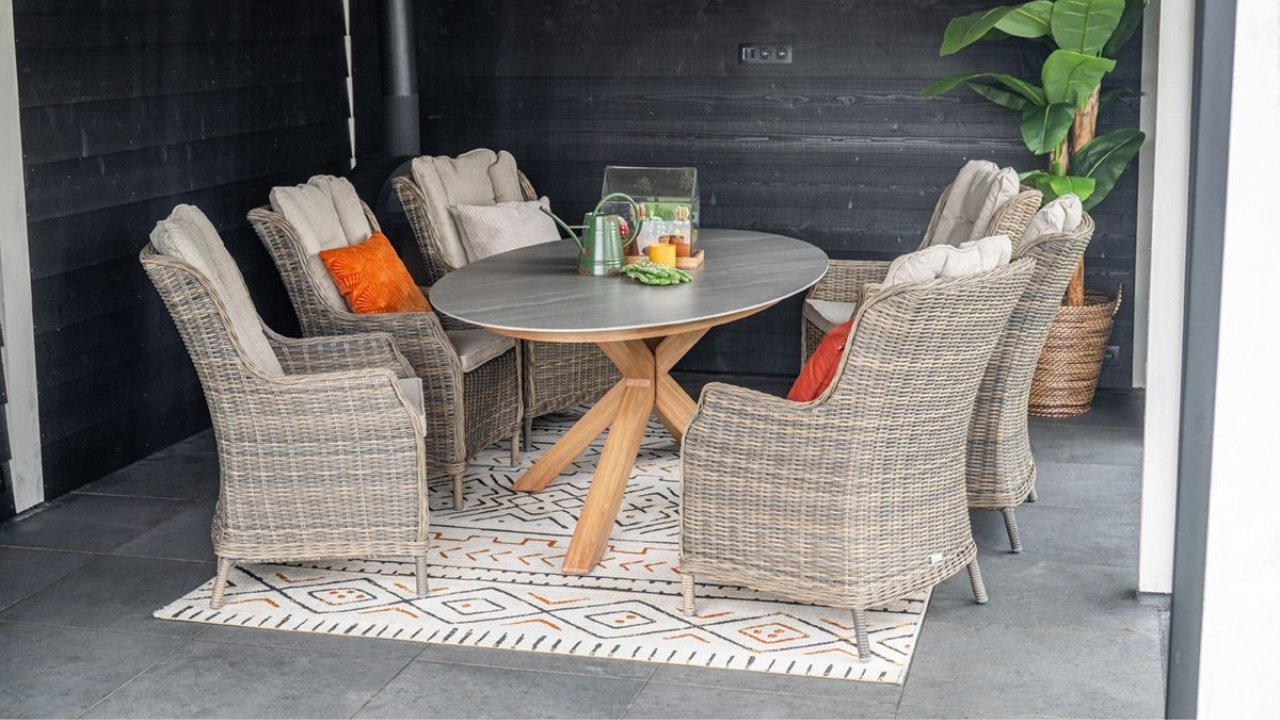
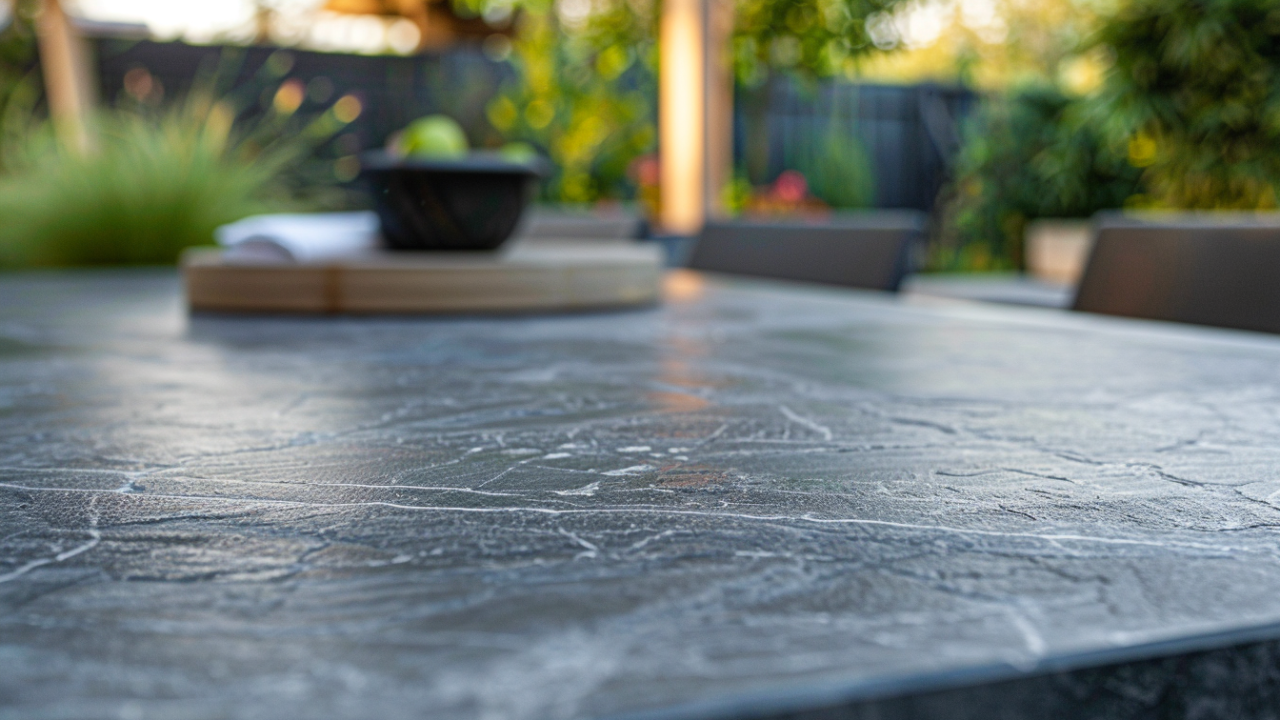

A garden table with a ceramic top is one of the easiest pieces of outdoor furniture to keep looking good. Even so, after a few seasons you can see big differences: one table still looks brand new, while another has limescale marks, green residue around the legs and a frame full of grime. The difference seldom lies in the material. It comes down to a few regular habits. In this guide you'll read what to do each season, how to tackle the most common stains, how to give the table a thorough clean and which cover to choose. It also applies to lounge tables and side tables with a ceramic or Centostone top.
In brief: first wipe off dry debris, clean the top with a mild soapy solution and rub off limescale marks while the surface is dry. Give the table a thorough clean twice a year: in spring and before winter. Don't forget the frame, the edges and the foot caps. In winter the table can stay outside with most models, preferably under a breathable cover. Abrasive cleaners, steel wool and an ice scraper are a no-go.
What needs attention with ceramic?
Ceramic is hard, smooth and barely porous. Liquids stay on the surface instead of soaking in. That's why the top itself is rarely the problem. What does need attention is the parts around it:
- The surface: dried water leaves limescale behind, and dirt that stays put becomes a firm layer. Wiping regularly and rubbing dry prevents this.
- The edges: the hardest part of the table is also the most vulnerable. A hard knock from a parasol foot or a heavy pot can cause a chip.
- The frame: with most tables this is aluminium with powder coating. It doesn't rust, but dirt, pollen and green residue do stick to it. Some ceramic tables have a base of steel or stainless steel, such as the Donato from Taste by 4 Seasons and the Arizona from 4 Seasons Outdoor.
- The foot caps: on models with adjustable foot caps, something may shift after a winter. A table that isn't level lets rainwater sit on the top.
With ceramic tables you'll often come across the name Centostone too. Garden Impressions describes this material as comparable to ceramic but more compact and harder, and the store specifications list the same top as ceramic. For maintenance it makes no difference: everything in this guide applies to both. You can read what Centostone actually is in what is a Centostone garden table. If you're still wondering whether a ceramic top suits you, read the pros and cons of a ceramic table top first.
Ceramic glass is something else
With some lounge dining sets, the table top is listed in the product information as ceramic glass or as glass with a slate look. That is a different material from a ceramic or Centostone top. For such a table, follow the maintenance tips for that specific model.
The cleaning kit you need
Expensive products aren't necessary. Put these items together in a bucket in the shed, so you can grab them without thinking.
Your cleaning kit for ceramic
- A soft brush or sweeper to remove dry dirt and sand
- Two microfibre cloths: one for the soapy solution, one for rubbing dry
- A non-scratch sponge for dried-on dirt
- Mild washing-up liquid or green soap, dissolved in lukewarm water
- A bucket of clean water for rinsing
- A plastic scraper or an old loyalty card for candle wax
- Coasters and a chopping board for everyday use
The most important cloth is the dry one. If you rub dry after wiping, you almost never get limescale marks or streaks, so you never need to reach for stronger products.
Maintenance by season
For most people a ceramic table stays outside all year round. Each season brings its own dirt. This overview shows what to watch for and when.
| Season | What to do | Watch out for |
|---|---|---|
| Spring | Thorough clean, wash the cover | Pollen, foot caps |
| Summer | Wipe after meals | Grease, wine, limescale |
| Autumn | Remove leaves, thorough clean | Green residue |
| Winter | Cover on, check now and then | Snow, water on the cover |
Spring: getting the table back into use
Take the cover off on a dry day. First brush dry dirt off the top, then give the table a thorough clean. Check whether the table is still level and tighten the foot caps if needed. Clean the cover too: the product information for the AeroCover covers recommends a mild soap solution and a soft cloth, and says to let the cover dry thoroughly before storing it. In spring a lot of pollen settles on the table. It's better to rinse it off with water than to wipe it dry, otherwise you'll just spread it. You can read more spring tips in getting your garden ready for spring.
Summer: short and often
In summer the table gets the most use, and then little and often works best. After a meal, wipe the top with a damp cloth and rub it dry. Spilled wine, oil or barbecue sauce should be wiped up straight away, before the sun dries it on. Put hot pans on a coaster and cut on a board. If the table stands under a tree, check more often: sap and bird droppings come off fresh much more easily than after a few warm days.
Autumn: leaves and the second thorough clean
Wet leaves lying on the top for days leave a dirty imprint and keep the surface damp. So sweep them off regularly. In a shady spot green residue can form, especially on the frame and around the foot caps. A soapy solution and a soft brush will remove it. Round off the season with a second thorough clean, so no dirt goes under the cover for the winter. If your terrace is due a clean too, read cleaning or washing your terrace.
Winter: protect and leave in peace
For the Garden Impressions tables with a ceramic or Centostone top, All Weather is listed in the specifications. Even so, the product information recommends a protective cover for winter, and for the Scotland and the Lowland Ø150 it even says that during prolonged bad weather or the winter period it's best to store the table dry, preferably under a protective cover. If in doubt, follow the text for your model. If snow lies on the table, let it melt or brush it off gently with a soft broom. Never scrape with an ice scraper or snow shovel. You'll find general winter tips in what to do with garden furniture in winter.
Stain table: which stain, which approach?
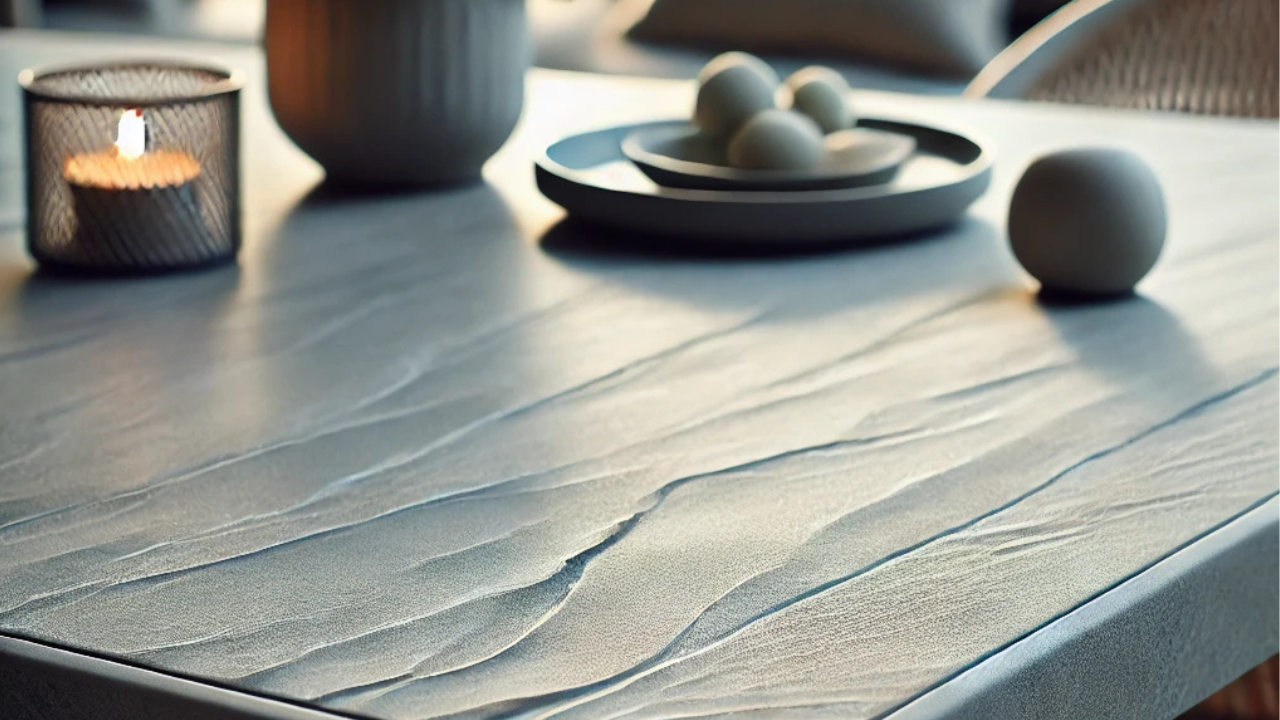
Because ceramic is barely porous, most stains stay on the surface. Acting quickly is therefore more important than using a strong product. This table helps with the stains you're most likely to encounter outdoors.
| Stain | Approach | Watch out for |
|---|---|---|
| Wine, coffee, sauce | Wipe up wet straight away, soapy solution | Don't let it dry |
| Grease, oil, barbecue | Warm soapy solution with washing-up liquid | Let it soak for a while |
| Bird droppings | Dampen, let it soak | Don't scrape off when dry |
| Candle wax | Let it harden, plastic scraper | No knife, clean residue with soapy solution |
| Tree sap, pollen | Rinse, warm soapy solution | Don't rub dry |
| Limescale film | Warm soapy solution, rub dry | Test a new product first |
| Green residue | Soapy solution, soft brush | Frame and legs too |
If a stain won't budge, repeat the soaking rather than scrubbing harder. Test any product you're unfamiliar with on an inconspicuous spot first, for example on the underside of the edge.
Teak-look frame? No oil
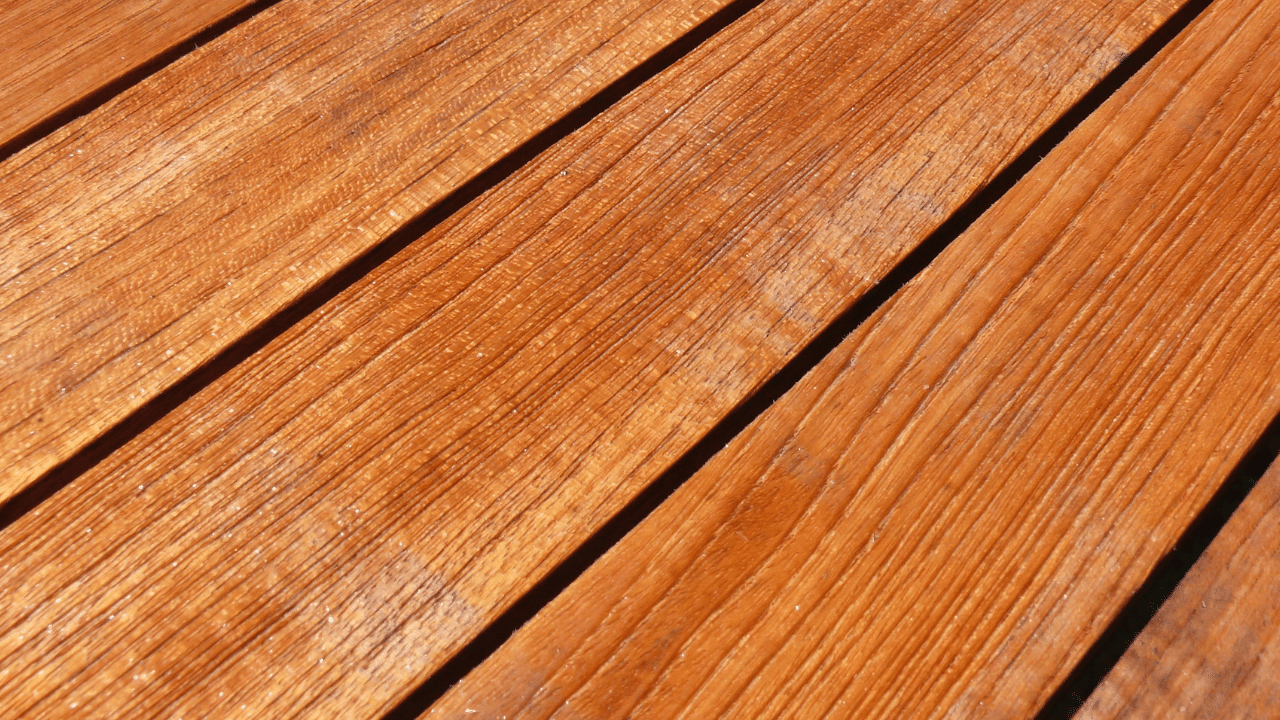
Some tables, such as the Lowland Ø120 cm, have a frame in light teak look. According to the product information, that's an aluminium frame with a powder coating. It looks like wood, but you treat it as aluminium: a mild soapy solution and a soft cloth, never oil or stain.
The thorough clean in 6 steps
Twice a year, in spring and autumn, give the table a full clean. Allow half an hour. Pick a dry, overcast day so the water doesn't dry too quickly.
Remove cushions, pots and decorations. Sweep sand, crumbs and leaves off the top with a soft brush. Grains of sand rubbed across the top while wet act like sandpaper.
Lukewarm water with a few drops of mild washing-up liquid or green soap. Work in strokes with a microfibre cloth. For stains that remain, dampen them and let them soak for a few minutes.
Cobwebs, pollen and dirt collect along the edge and on the underside of the top. Remove them with a soft sponge, without pressing hard on the edges.
Wipe the aluminium frame with the same soapy solution. Pay extra attention to the legs and the foot caps, as that's where most green residue collects. You can read more tips in maintaining aluminium garden furniture.
Rinse everything with clean water so no soap residue is left behind. Then rub the top dry with a clean microfibre cloth to prevent limescale marks and streaks.
Place a spirit level on the top, or after a rain shower see where the water stays. If your table has adjustable foot caps, turn them until the table stands straight and no longer wobbles.
Are your chairs due a clean too? In cleaning garden furniture: tips you can read how to tackle each material.
Lounge tables and side tables
Ceramic and Centostone tops aren't only found on dining tables. Low lounge tables and side tables have them too. The maintenance is the same, but the use is different, and so is the dirt:
- Sun cream and hands: a lounge table is often touched and serves as a place to put things down. Greasy fingerprints and sun cream come off with a warm soapy solution with washing-up liquid.
- Glasses and bottles: according to the product information the top doesn't absorb moisture, so rings don't soak in. Dried water can still leave a film, so rub the top dry after a summer evening.
- Cushions alongside: clean a side table before you put the lounge cushions back, otherwise the dirt ends up on the fabric.
- Moving it: the Vento side table is listed in the product information as lightweight and easy to move. Lift it rather than slide it, so the legs don't scratch your terrace or balcony.
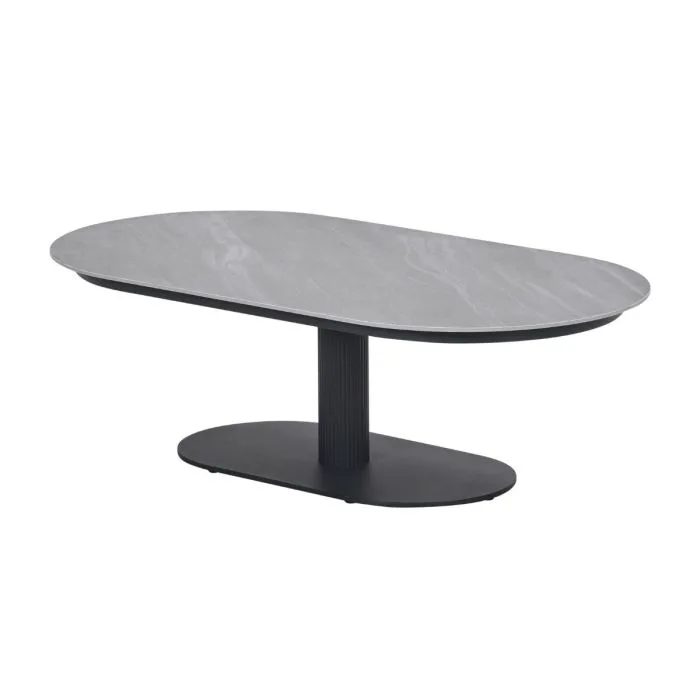
Nice lounge table 130x70xH40 cm
View table →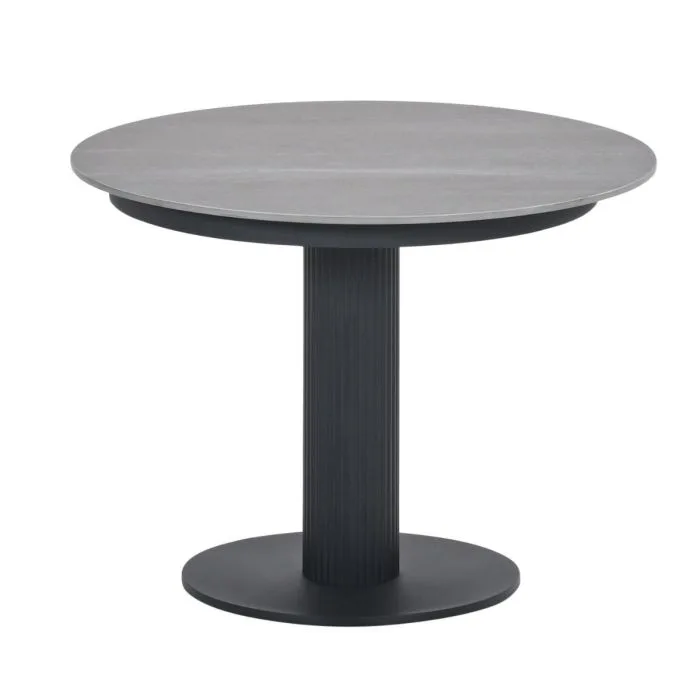
Nice lounge table Ø60xH45 cm
View table →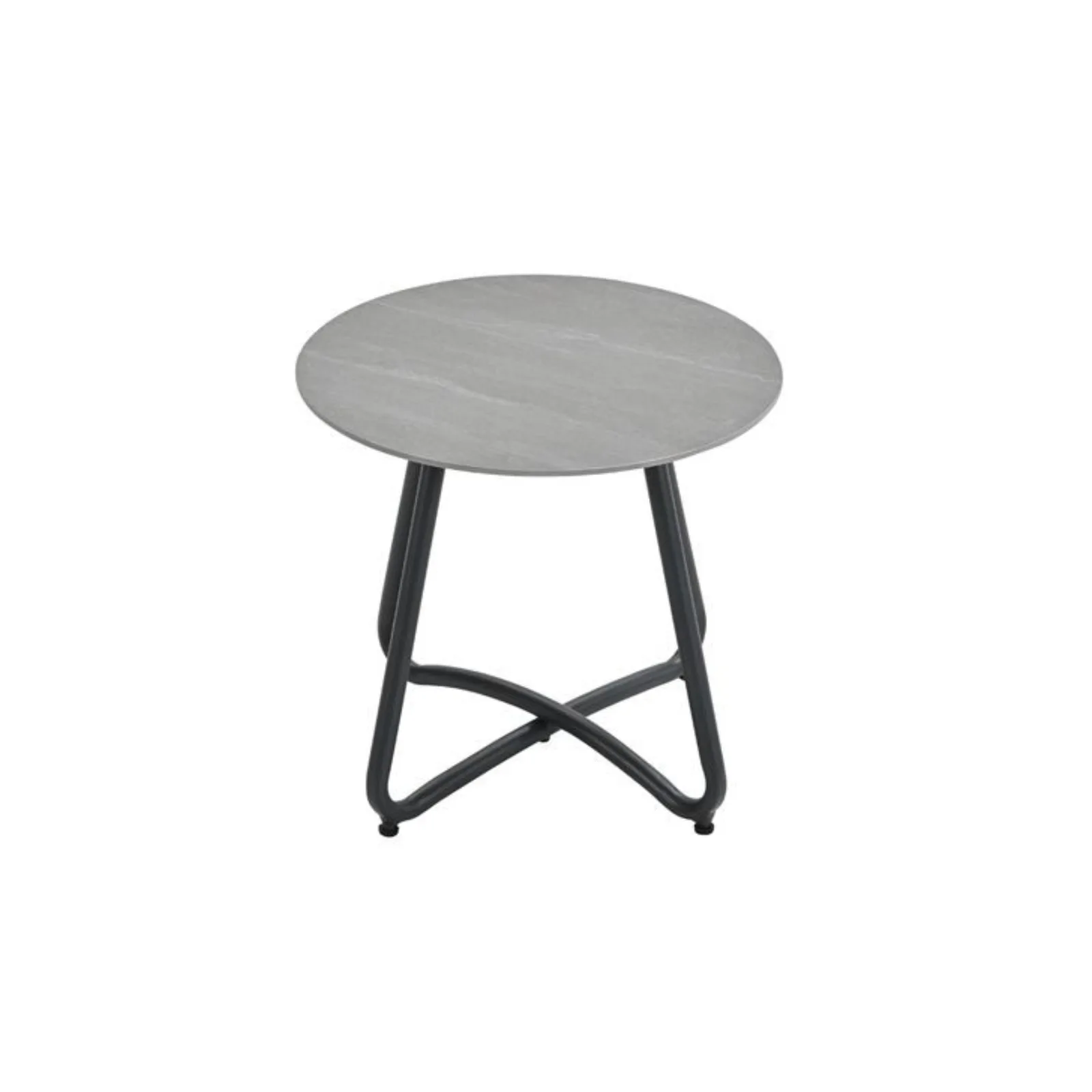
Vento side table Ø45xH41 cm
View table →You'll find more models in the lounge tables and the outdoor side tables.
The right protective cover
A cover is the most important accessory for a ceramic table. Not because the top is so fragile, but because it keeps leaves, bird droppings and green residue off the top and frame. In spring you'll then have much less work. When choosing, look at three things:
- Breathable: a cover that lets moisture escape prevents condensation and mould. A closed plastic sheet does the opposite.
- Table cover or garden set cover: if only the table stays outside, a table cover is enough. If you leave the chairs out as well, choose a garden set cover that fits over the table and chairs together.
- The size: measure the external dimensions of your table, or of the table and chairs together, and choose a cover that is slightly larger.
Below are three covers from the range, with the features listed in the product information.
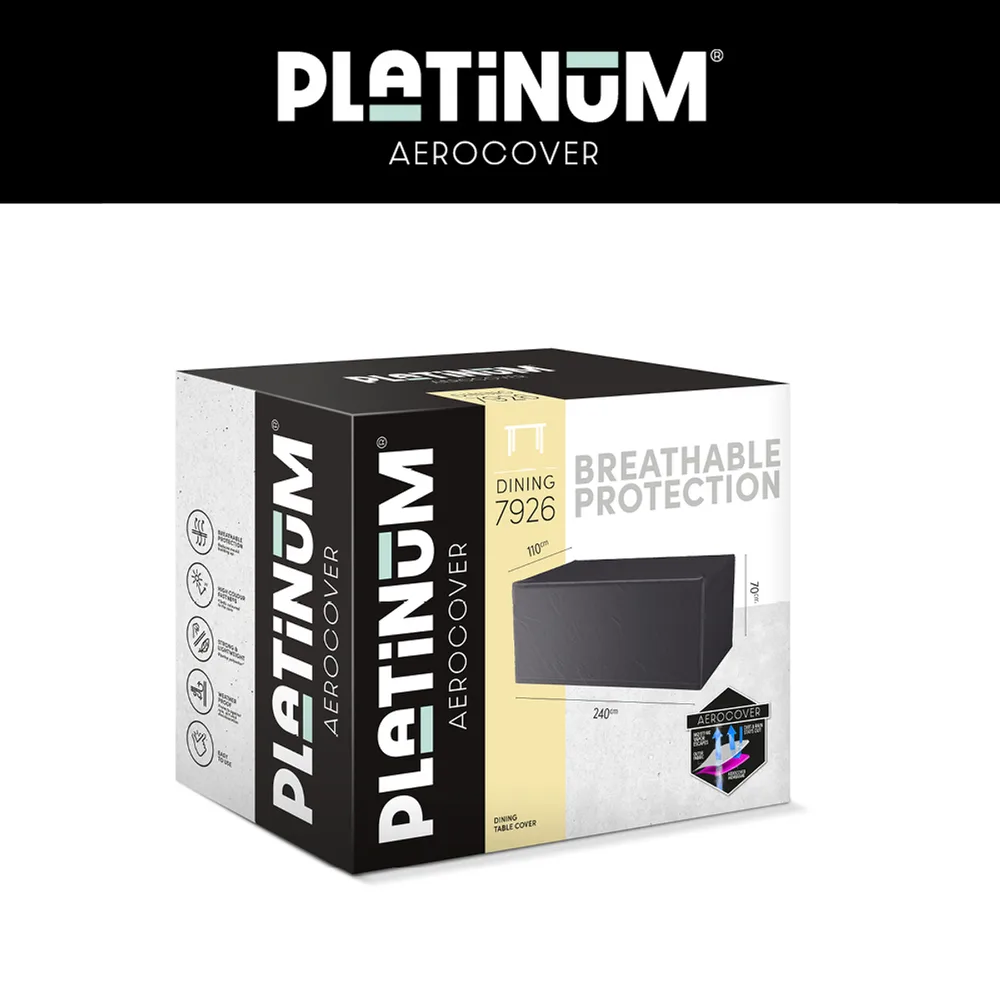
AeroCover table cover 240x110xH70
A cover for the table alone, for example for a rectangular table measuring 240 x 100 cm. According to the product information, the breathable fabric counters mould formation.
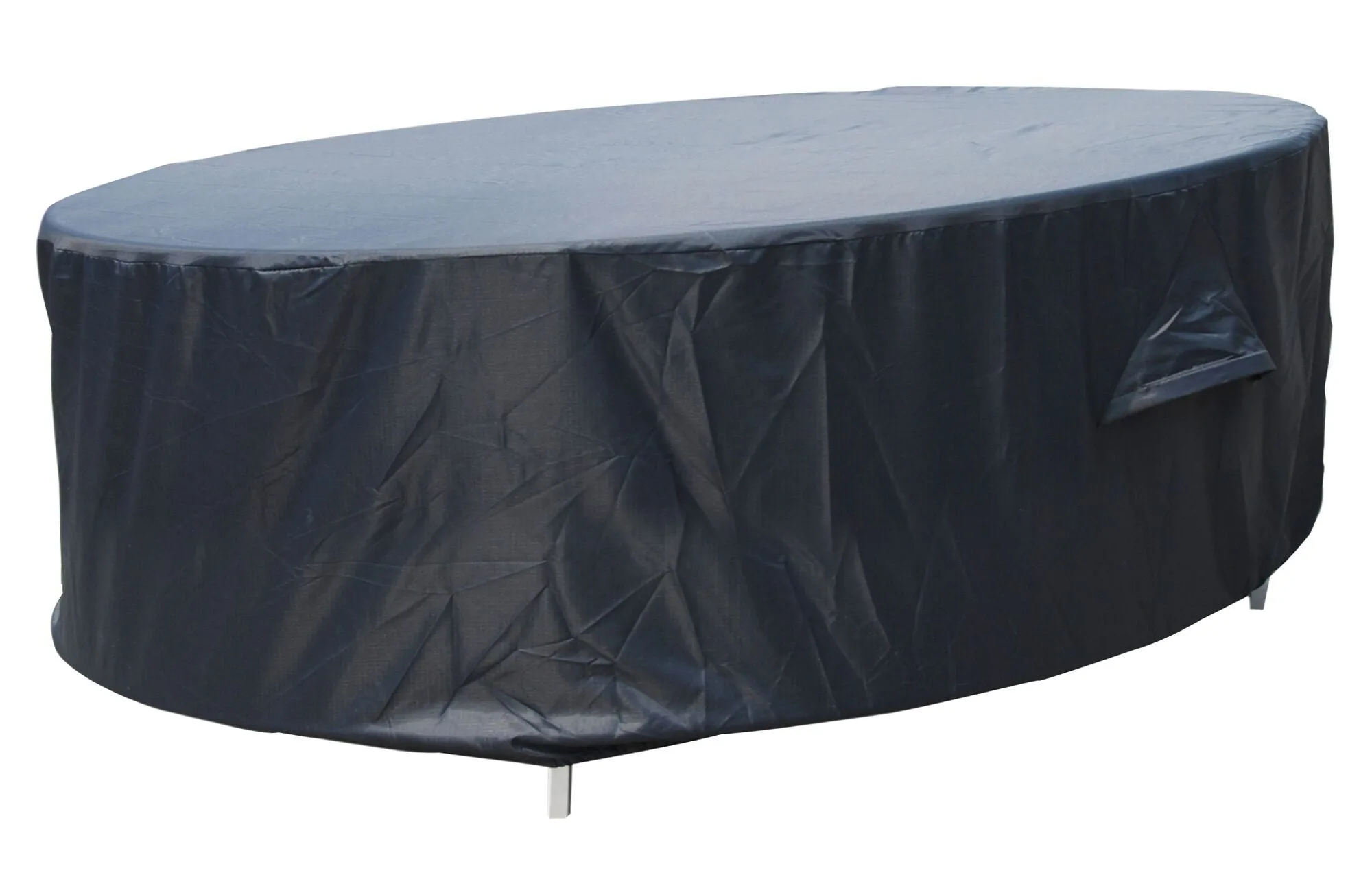
Coverit garden set cover oval 230x205xH85 cm
For an oval table with the chairs around it. According to the product information, a protective cover is never completely waterproof, so make sure water can't pool on the cover.
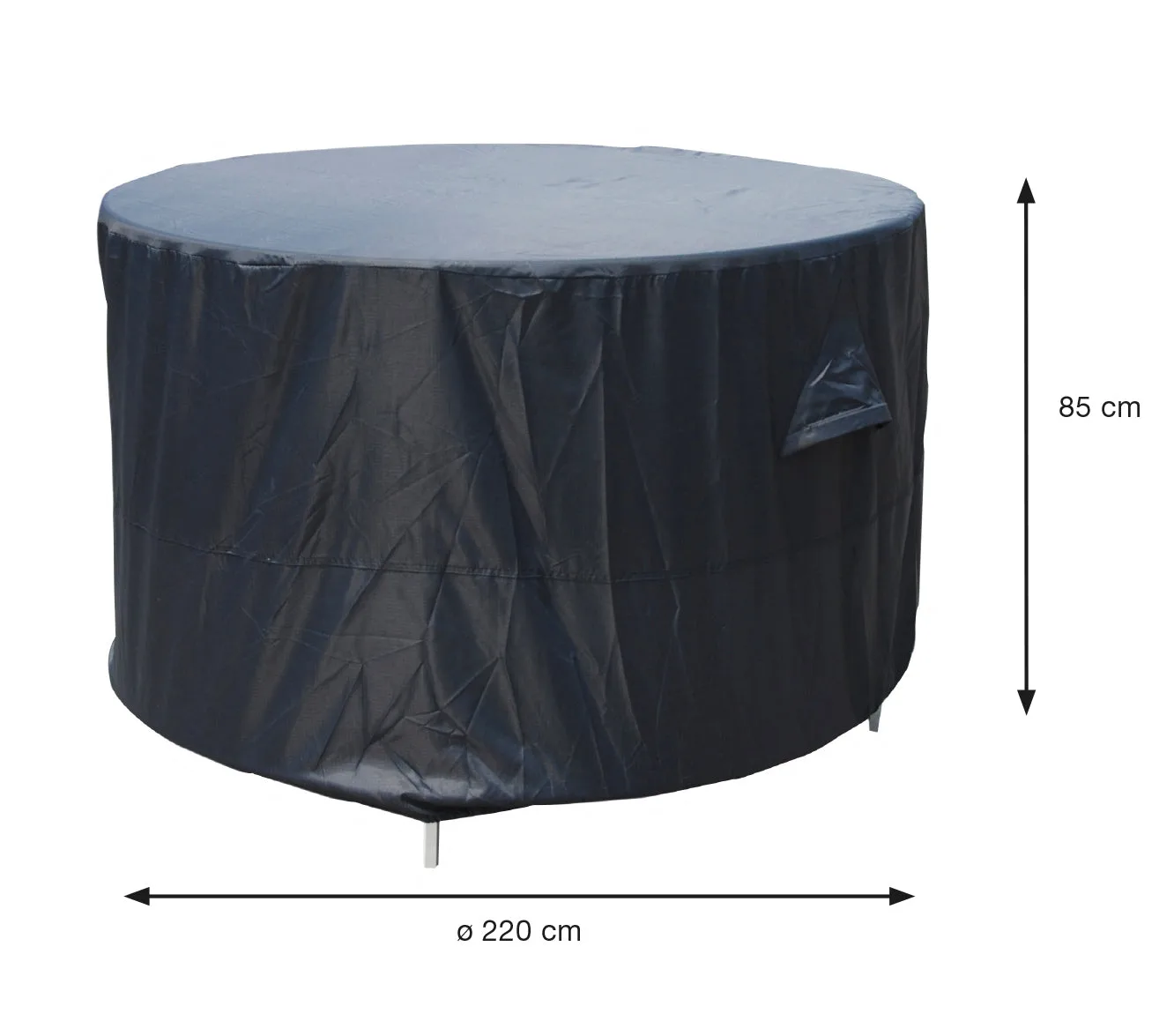
Coverit garden set cover Ø220xH85 cm
For a round table with chairs. Measure the total diameter of the table and chairs before you order.
You'll find all sizes under protective covers. For how to secure a cover properly and what to look out for, read covering garden furniture.
Tables with a ceramic top and their maintenance
These are available tables with a ceramic or Centostone top from the range. For each table, the product information on maintenance is given. You can see current prices and retailers on the product page.
Scotland 230x115 cm carbon black
An oval Centostone top on a dark grey aluminium frame, for 6 people and All Weather. The brand's maintenance tip: clean the frame with a mild soapy solution and a soft cloth, rinse with clean water and let it dry thoroughly. In prolonged bad weather or in winter, it's best to store it dry, preferably under a protective cover.
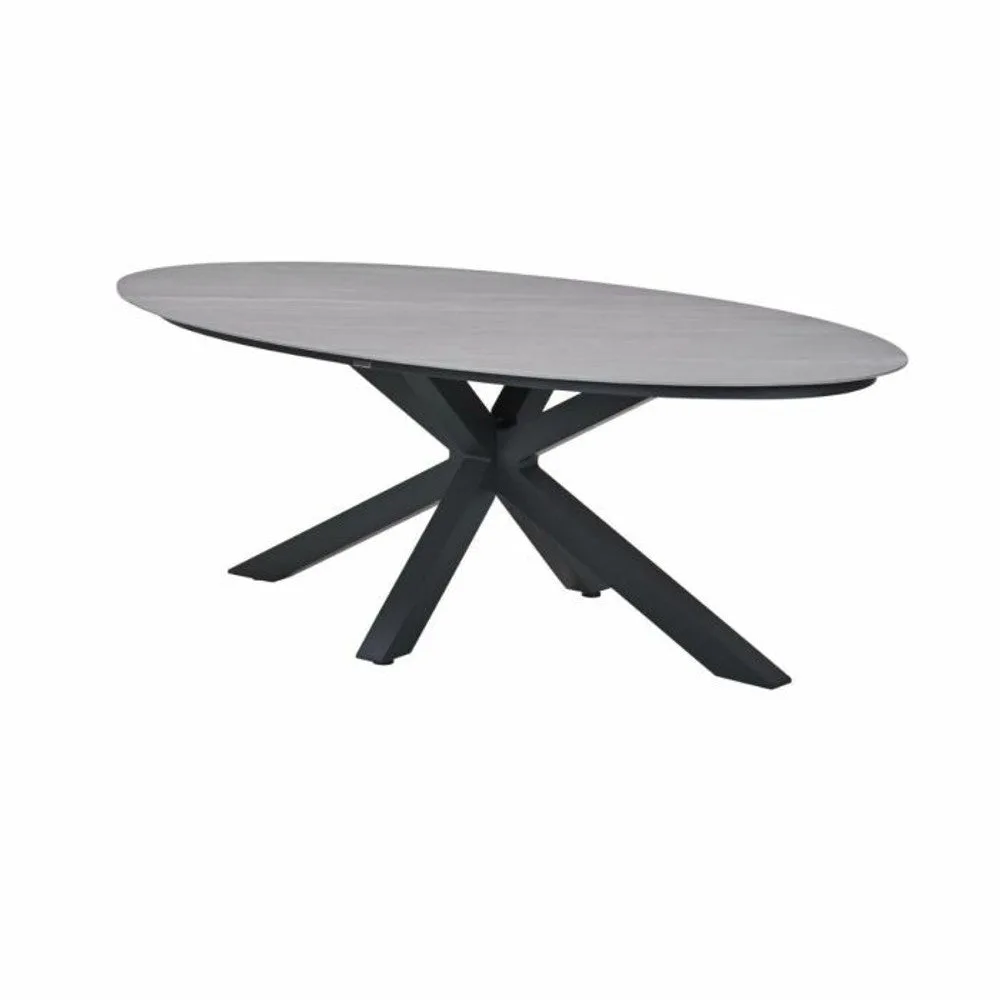
Scotland garden table 230x115 cm carbon black
Garden table 240x100 cm Centostone Napoli sand
A rectangular top for 6 people with adjustable foot caps, handy for levelling the table again after winter. According to the product information, Centostone doesn't absorb moisture, so rings and stains have no chance. Clean the frame with a lukewarm soapy solution and a soft sponge, and a protective cover is recommended for winter.
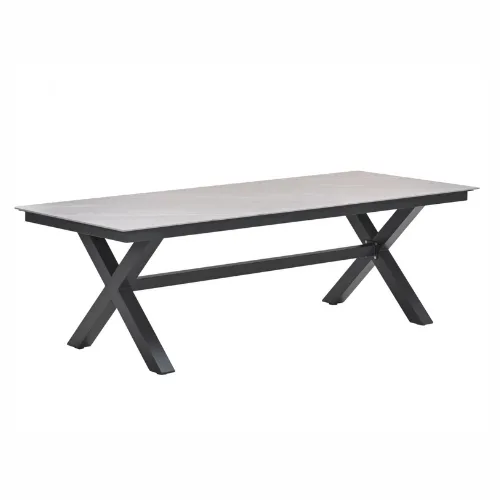
Garden table 240x100 cm Centostone Napoli sand
Lowland round 150 cm carbon black
A round Centostone top for 6 people on a dark grey aluminium frame, All Weather. The maintenance tip is the same as for the Scotland: clean the frame with a mild soapy solution, rinse, let it dry and, in winter, preferably cover it.
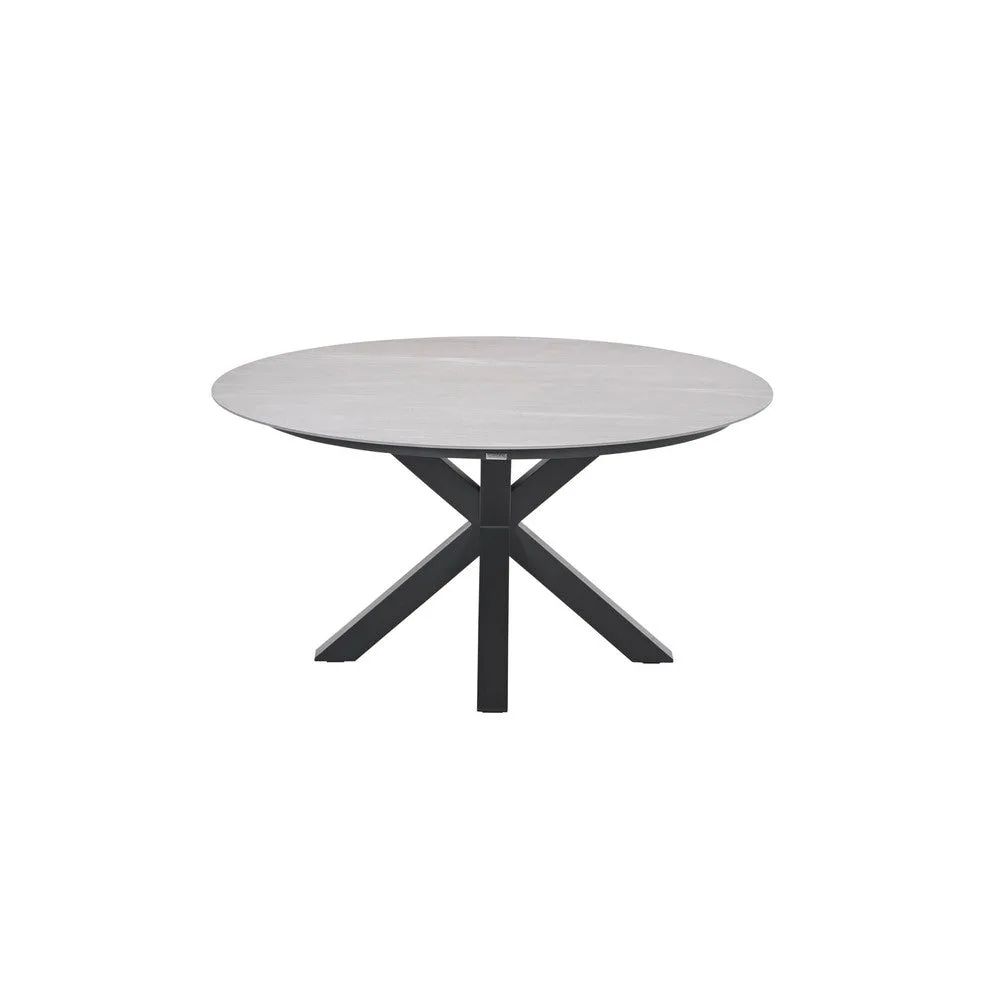
Lowland garden table round 150 cm carbon black
You'll find all models under ceramic garden tables and Centostone garden tables. Don't have a table yet and unsure about material, size or shape? The selection guide will help you along with a few questions.
Common mistakes
Putting the cover over a wet table
Moisture trapped under the cover stays for weeks. Green residue and mould grow from it, especially on the frame. Only put the cover over a clean, dry table.
Letting water pool on the cover
A puddle on the cover presses the fabric down and eventually finds its way inside. Place an upturned bucket or a ball under the cover in the middle of the table, so the water runs off.
Scraping away snow and ice
An ice scraper or snow shovel on the top or against the edge invites scratches and chips. Let snow melt or brush it off gently with a soft broom.
Leaving flower pots without a saucer
Under a pot it stays wet, soil and dirt get underneath, and when you move it you scratch across the top. Use a saucer or feet, and lift the pot rather than sliding it.
Only cleaning the top
The top then looks fine, but the legs and foot caps turn green and the frame goes dull. Take the whole piece of furniture along at every thorough clean.
Reaching for abrasive cleaners or bleach
Harsh and abrasive products aren't needed and can dull the surface. The product information advises against aggressive cleaning agents. Soaking with a soapy solution works better.
Checklist for the whole year
Tick off what you've done. That way you'll know where you stand in each season.
- Spring: cover off, washed and stored dry
- Spring: thorough clean of top, edges and frame
- Table is level, foot caps tightened
- Summer: coasters and chopping board by the table
- Summer: top wiped after meals and rubbed dry
- Autumn: leaves removed, second thorough clean done
- Winter: breathable protective cover over a dry table
- Winter: no puddles on the cover, snow brushed off gently
Frequently asked questions
How often should you clean a ceramic garden table?
During the outdoor season, a quick wipe with a damp cloth after eating is enough, plus wiping up any spills straight away. A thorough clean of the top, edges, frame and feet caps should be done twice a year: in spring when the table comes back into use, and in autumn before the cover goes on.
Which cleaning product should you use on an outdoor ceramic table top?
Lukewarm water with a few drops of mild washing-up liquid or soft soap is enough in almost all cases. The product information for Garden Impressions tables recommends a soft cloth and a mild cleaner, and advises against harsh products. So leave abrasive cleaners, steel wool, chlorine and bleach alone, and always test a new product first on an inconspicuous spot.
How do you prevent limescale marks on a ceramic table?
Limescale forms when water dries on the surface, especially in sunshine or after cleaning with hard tap water. After rinsing, dry the top with a microfibre cloth. If you still see a haze, remove it with a warm soapy solution and then dry again. If you're unsure about a limescale remover, test it first on an inconspicuous spot.
Does a ceramic garden table need a cover in winter?
Garden Impressions tables with a ceramic or Centostone top are listed as All Weather in the specifications, so they can stay outside. The product information does still recommend a protective cover for winter, as it keeps the top and frame clean. Choose a breathable cover, only put it over a clean, dry table, and make sure water cannot pool on the cover.
Can you clean a ceramic table top with a pressure washer?
It isn't necessary, and a hard jet aimed closely at the edges, feet caps and the join with the frame is an unnecessary risk. A soapy solution, a soft brush and clean water will clean the top just as well. If you use a pressure washer on the terrace, keep your distance from the table or move it aside first.