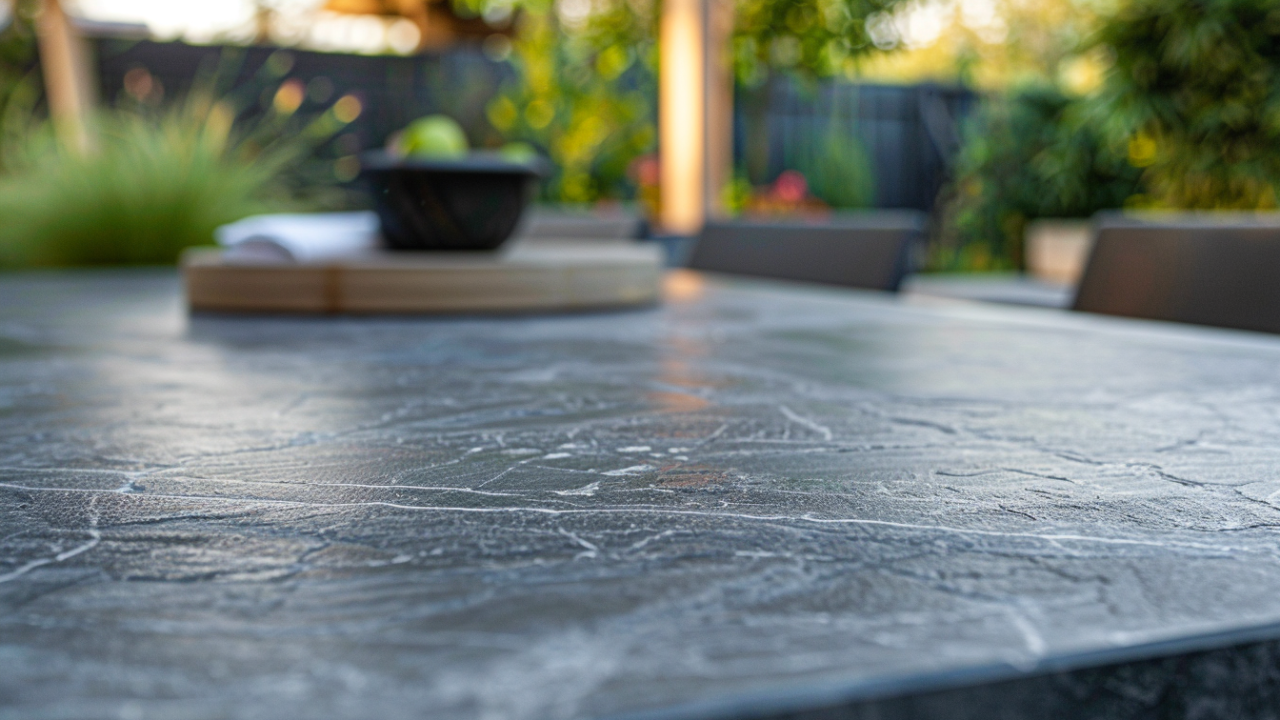
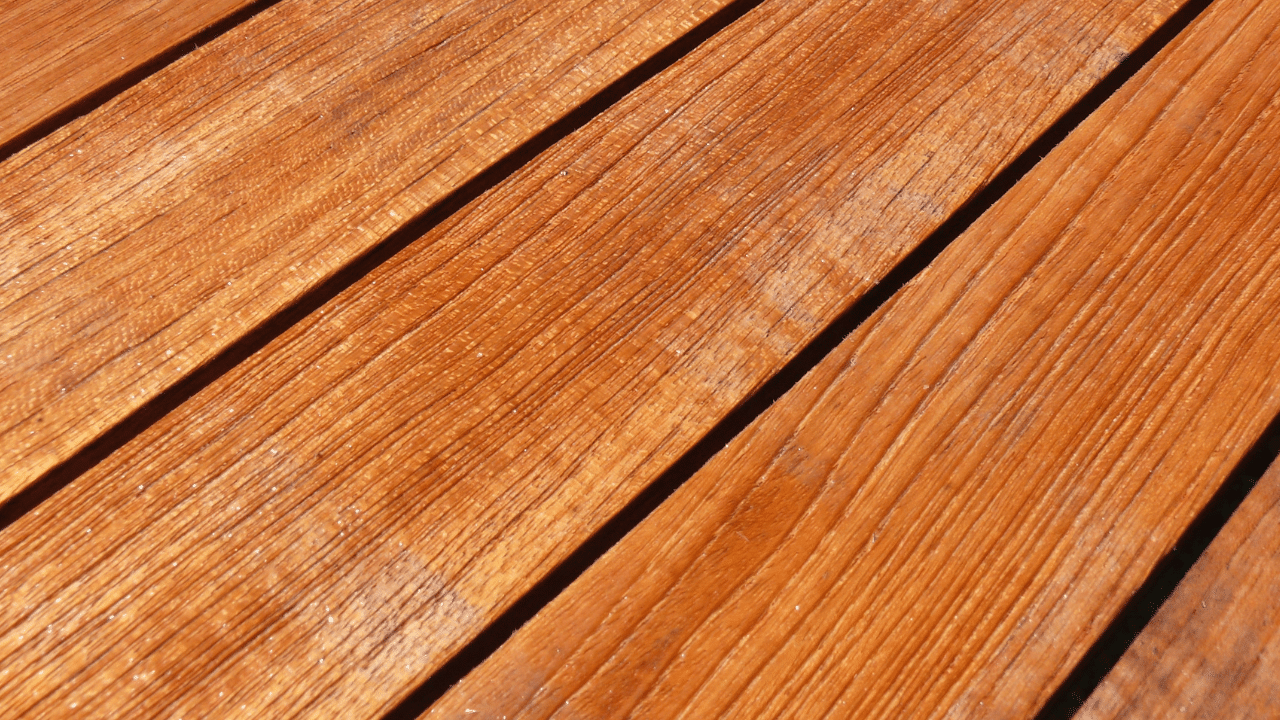

Do you have a beautiful teak table that you want to place outdoors, or that's already on your patio or in your garden? Then of course you want to enjoy it for as long as possible. Teak is naturally resistant to changing weather conditions thanks to its high oil content. Still, it doesn't hurt to treat and maintain teak wood every now and then, so it keeps its good looks. In this guide you'll read step by step how to treat teak — from table to chair — for outdoor use.
Why is teak so suitable for outdoor use?
Teak is a tropical hardwood originating from countries like Indonesia, Burma (Myanmar) and Thailand. The wood is renowned for its durability, high oil content and attractive grain. Specifically for outdoor use, teak has the following advantages:
- Natural protection: the high oil content naturally protects the wood against moisture, mould and insects.
- Strong structure: teak handles temperature differences and moisture well, so it's less likely to warp or crack.
- Greying can look great too: if you leave teak untreated outdoors, it develops a silvery-grey patina. A rustic, characterful look that many people find beautiful.
Teak is one of the few types of wood you really can't neglect — even with zero maintenance, it lasts for years. Treating it is never a necessity, only a choice about looks.
Teak maintenance: to treat or not to treat?
There are two main choices when it comes to maintaining teak wood outdoors — whether it's a table, chair or bench:
- Leave it untreated and let it grey. You barely need to do anything except occasional cleaning. The wood slowly turns a silvery-grey colour. Clean the surface at least once a year to prevent green algae or mould growth.
- Treat with oil or sealer to preserve the original colour. You keep teak's warm, golden-brown colour. This requires a bit more maintenance: a fresh coat of oil or sealer once or twice a year, which also extra protects the table against moisture and dirt.
There's no 'right' or 'wrong' choice here — it depends on your personal preference for looks and how much maintenance you're willing to do.
Teak oil vs. teak sealer
| Teak oil | Teak sealer | |
|---|---|---|
| Effect | Nourishes the wood from within, penetrates deep into the grain | Forms a thin, protective layer on the wood |
| Colour retention | Warm look, colour fades slightly faster | Keeps the original colour longer |
| Stain protection | Average | Better |
| How often to reapply | 1–2x per year | 1–2x per year, slightly less often in good conditions |
Step by step: treating teak wood
- Remove dust and dirt. Use a soft brush or cloth to remove loose dirt.
- Use a mild cleaner. Make soapy water with lukewarm water and a small amount of mild cleaning product (or a special teak cleaner). Go over the surface with a soft brush or sponge to remove stains and grime.
- Rinse thoroughly. Rinse with clean water and let it dry fully before starting the treatment.
Prefer a ready-made teak cleaner over mixing your own soapy water? This works well and removes greying at the same time:

Teak & Hardwood Cleaner/Restorer (650ml)
Is your teak wood a bit older, or does it have green algae or uneven patches? Lightly sand the surface with fine sandpaper (grit 180–220) and remove the sanding dust with a dry cloth.
Work in thin layers with a soft brush or cloth, follow the drying time on the packaging, and remove any excess oil or sealer with a dry cloth to prevent stains.

Teak & Hardwood Oil (1 litre)
Want to know how to best treat other wood types, such as acacia? Read our detailed article treating wooden garden furniture: staining, oiling or varnishing.
Place the table preferably in a dry, well-ventilated spot and give the wood time to fully absorb and harden the oil or sealer.

Video: cleaning and treating teak wood
Prefer to watch rather than read? In this video you'll see in practice how to clean teak outdoor furniture and prepare it for a new coat of oil or sealer.
Tips for extra protection of teak wood
Protect teak wood during winter
Preferably store it in a shed or garage. Can't do that? Use a breathable cover — a non-breathable cover can cause mould due to condensation.
Avoid aggressive cleaning products
Abrasives or hard brushes can damage the wood grain.
Regular maintenance
Check the wood's condition every few months and reapply the oil or sealer treatment in time.
Prevent scratches and stains
Use placemats or coasters for hot dishes and pans.
Avoid too much direct sun
Teak withstands sunlight, but prolonged exposure can speed up discolouration. Place the furniture in the shade or use a parasol.
Don’t paint or varnish teak
Teak looks best in its natural state, and paint or varnish only makes future maintenance harder.
Tip: a good protective cover is at least as important as oil or cleaner — it stops rain, UV and frost from doing damage in the first place. Browse our full range of garden furniture covers by Platinum, sized for almost every table, set or bench.

AeroCover Garden Table Cover (220x110xH70)
Video: how a good garden furniture cover works
Watch this video to see how a breathable protective cover keeps your garden set protected against the weather all year round.
The best teak maintenance routine is the simplest one: clean once a year, oil it if you like, and otherwise just leave it be. Treating it too often actually wears the wood down faster.
What you should never do with teak wood
Besides the tips above, there are a few things you're better off avoiding entirely — these can permanently damage the wood instead of protecting it.
Using bleach or ammonia
These attack the natural oils in the wood and can discolour teak or make it brittle.
Using steel wool or metal scouring pads
Leftover metal particles can rust and cause black stains in the wood.
Treating a dirty or damp surface
Oil or sealer then traps dirt and moisture underneath, which can cause mould and staining. Always clean first and let it dry completely.
Using indoor teak oil
This often lacks UV protection and can turn sticky outdoors and attract mould. Always choose an oil made specifically for outdoor use.
Covering it before the oil or sealer has cured
This disrupts the drying process and can cause staining or a sticky finish.
Sanding too often or too coarsely
Every sanding pass removes a layer of wood; over-sanding shortens your furniture's lifespan unnecessarily.
Frequently asked questions
How often should I treat teak wood outdoors?
Depending on the weather and how much it's used, you can count on once or twice a year. With intensive use or if the piece stands completely unsheltered, it may be needed more often.
Can I use a pressure washer to clean teak wood?
This is not recommended. The high pressure can damage the wood and strip out the natural oils, causing it to dry out faster. Use a soft brush and a mild cleaner instead.
Should I always cover teak wood when it rains?
Teak wood handles rain and moisture well. If you want to keep it in top condition and preserve the colour long-term, covering it during prolonged bad weather, or bringing it indoors during winter, is a good idea.
My teak wood has already greyed — can I get the original colour back?
Yes: sand the surface down to the 'fresh' wood and then treat it with teak oil or sealer. Keep in mind it will grey again over time if you don't keep treating it.
Conclusion
Teak wood is a beautiful, durable choice for outdoors. By cleaning and treating it every now and then, you extend its lifespan and preserve its look — or let it grey on purpose. Choose oil or sealer if you want to keep the warm, golden-brown colour, or leave it untreated for that characteristic silvery-grey patina.
Looking for teak garden furniture? Browse our range of wooden garden furniture or get in touch with us for personal advice.
Browse our full range of maintenance products and protective covers at Boender Outdoor.
Also read: Cleaning a wooden garden table: how to do it — Treating wooden garden furniture: staining, oiling or varnishing