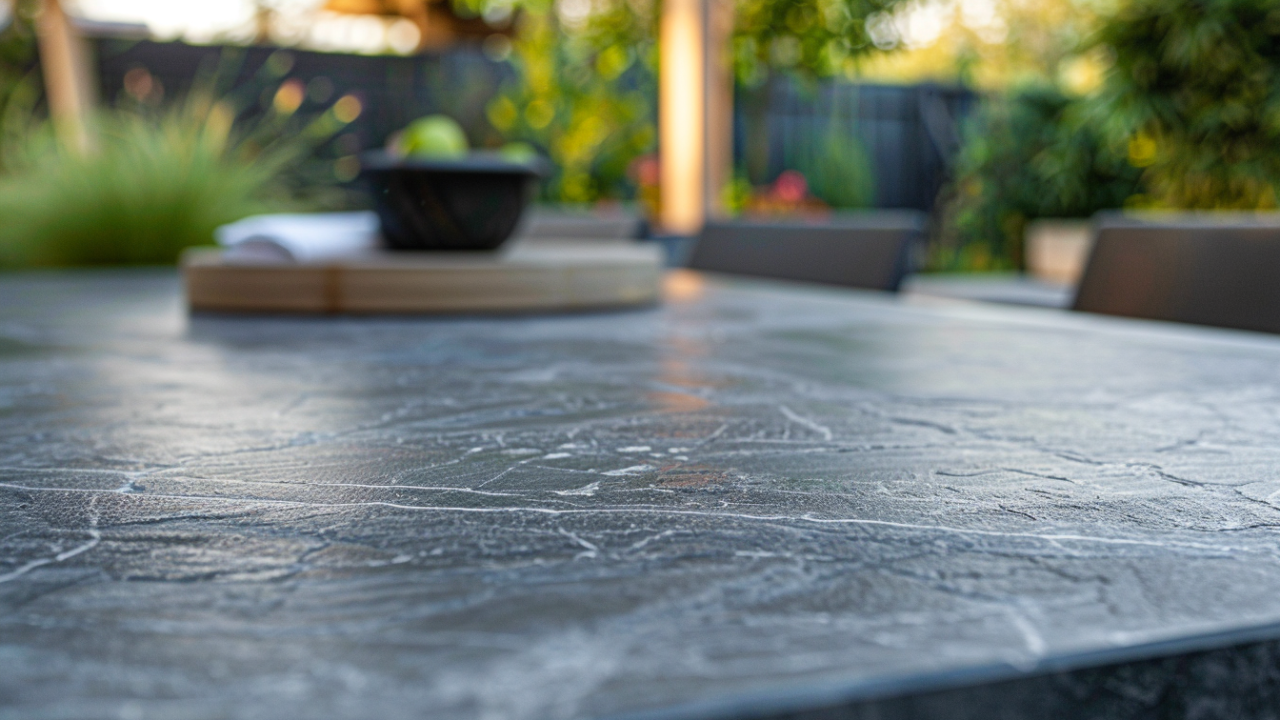


Your garden set is made of aluminium, the bench has rope, the table has a wooden top, and the cushions have summer stains. Each material needs a slightly different approach, but the basics are surprisingly often the same. This overview briefly explains per material how to clean it, which products to avoid and how to do the big spring clean in an afternoon. Want the inside story on one material? Each material has a link to the detailed article.
In short: almost all garden furniture can be cleaned with lukewarm water, a mild soapy solution and a soft brush; rinse afterwards and let everything dry thoroughly. The differences lie in the details: wood sometimes gets oil, aluminium and polywood never do, and natural rattan must stay as dry as possible. Look up your material in the material table, do the big clean twice a year, and only cover things once everything is dry.
The basics: how to clean almost everything
Whether your garden furniture is made of metal, plastic, wood or wicker, the first clean is almost always the same. You don't need expensive products.
- Dry preparation: sweep or brush off loose dirt, sand and leaves. Otherwise you'll rub grains across the surface.
- Mild soapy solution: a bucket of lukewarm water with a splash of green soap or a mild washing-up liquid.
- Soft tools: a soft brush, sponge or microfibre cloth. No steel wool or the abrasive side of a sponge.
- Rinsing: with clean water from a watering can or garden hose, so no soap residue is left behind.
- Drying: in the air, preferably on a dry day. Smooth surfaces such as stainless steel and table tops should be wiped dry to prevent limescale marks.
Always test a new product first on a spot you don't see, such as the underside of a seat cushion. If nothing discolours, you can carry on.
Cleaning garden furniture by material
This table shows the core approach for each material. Click through to the article about your material for the steps, stains and seasonal maintenance.
| Material | Approach in brief | Read more |
|---|---|---|
| Aluminium | Soapy solution, soft cloth, drying | Maintaining aluminium |
| Stainless steel | Soapy solution, wipe dry | Maintaining stainless steel |
| Steel and wrought iron | Soapy solution, touch up paint damage | Maintaining metal |
| Plastic | Soapy solution, soft brush | Cleaning plastic |
| Polywood, Vironwood | Soapy solution, never oil | Maintaining polywood |
| Wicker (plastic) | Dry brushing, soapy solution | Maintaining wicker |
| Natural rattan | As little water as possible | Maintaining rattan |
| Rope | Lukewarm water, soft brush | Maintaining rope |
| Textilene | Soapy solution, rinse thoroughly | Maintaining Textilene |
| Wood (acacia etc.) | Green soap, along the grain | Cleaning a wooden table |
| Teak | Soapy solution, oil only for colour | Treating teak |
| Centostone, ceramic | Soapy solution, wipe dry | Centostone, ceramic |
| Cushions | Beat out dust, follow the label | Cleaning cushions |
| Parasol fabric | Dry brushing, soapy solution | Cleaning a parasol |
Metal: aluminium, stainless steel and steel
Aluminium doesn't rust and only needs a soapy solution and a soft cloth. White specks on aluminium are not rust; you can read what they actually are in can an aluminium garden set rust?. Stainless steel is cleaned in the same way, but you should wipe it dry afterwards. With coated steel and wrought iron, the main thing is to watch for damage to the paint, because that is where rust starts. If it has already got that far, follow removing rust from garden furniture.
Plastic and polywood
Plastic and polywood are easy: soapy solution, soft brush, rinse. Abrasive cleaners make the surface rough, which actually makes it get dirty faster. Polywood and Vironwood look like wood, but they never get oil or varnish. White plastic that has turned yellow or chalky from the sun can only partly be restored by cleaning.
Wicker, rattan and rope
With wickerwork and rope, dirt sits between the strands. So first brush it dry, then work with a soft brush and a soapy solution. Plastic wicker can stay outside, but natural rattan is a different story: keep it as dry as possible and keep it indoors or in a covered spot. Not sure what you have? First read the difference between wicker and rattan.
Textilene
Textilene is found on many sun loungers and chairs. The open mesh dries quickly, so you can simply get it wet: soapy solution, soft brush and rinse thoroughly. You can read more about sun loungers in maintaining a sun lounger.
Wood and teak
Clean wood with green soap and a soft brush, always along the grain, and then let it dry completely. Only on clean, dry wood can you apply oil if needed: which treatment suits which wood is explained in treating wooden garden furniture. Teak doesn't need treating; only use oil if you want to keep its warm colour. Note: teak-look is usually a finish on aluminium and therefore doesn't get oil.
Centostone and ceramic
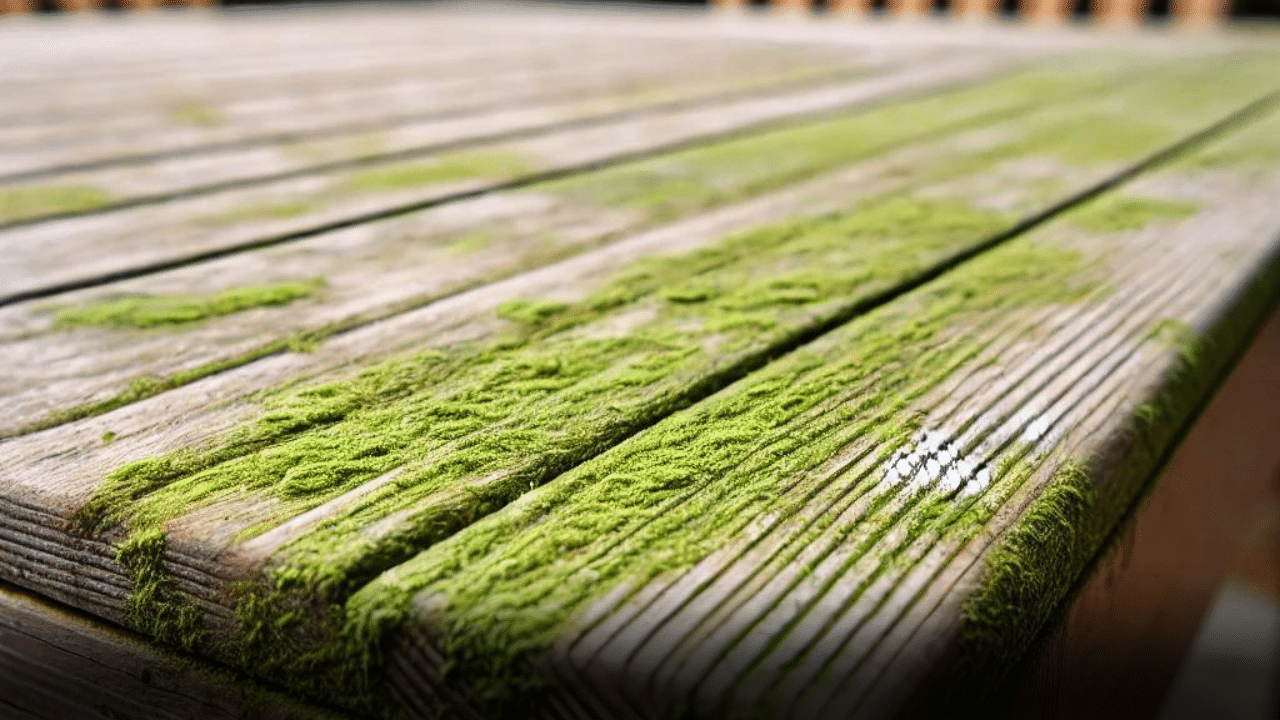
Hard table tops such as Centostone and ceramic don't absorb moisture and are quick to clean: remove crumbs, soapy solution, rinse and wipe dry. Avoid abrasive cleaners and steel wool.
Cushions and parasol
Cushions are the most vulnerable part of your garden set. First check whether the cover has a zip and what the label says; you can read how to wash the cover and filling in washing lounge cushions. Brush the parasol fabric dry first, then clean it with a soapy solution and a soft brush. Only close the parasol once the fabric is completely dry.
The whole set in one go?
A lounge set often consists of several materials: an aluminium frame, rope armrests, a table top and cushions. Maintaining a lounge set and maintaining an all-weather lounge set cover the order of steps for the entire set. For a single bench, there is maintaining a garden bench.
Which products are suitable and which are not?
The milder the product, the smaller the risk of damage. Always start with the mildest option and only go a step further if necessary.
| Product | Use it? | Watch out |
|---|---|---|
| Green soap, mild washing-up liquid | Yes, for almost everything | Rinse thoroughly |
| Special cleaner | For stubborn dirt | Only for your own material |
| Soda | Better not | Not on aluminium or coatings |
| Vinegar | No | Attacks coatings and stone |
| Chlorine, bleach | No | Discolours, damages fibres |
| Abrasive cleaner, steel wool | No | Scratches coatings and table tops |
| High-pressure cleaner | Not on furniture | On tiles, at most a low setting |
The high-pressure cleaner is mainly for the patio itself. You can read how to tackle tiles and wood on the ground in cleaning a patio by surface type and removing green algae from your patio.
The spring clean in 6 steps
Are your garden furniture coming out from under the cover or out of the shed after winter? With this order, you'll have the whole set clean again in an afternoon. In autumn you follow the same steps, but before the cover goes on.
That way everything dries well, and the soapy solution won't dry too fast in the harsh sun. Place the furniture where water can drain away, for example on the grass or on tiles.
Cushions, decorative cushions and loose table tops go aside. That way you can reach everything and the cushions won't get wet from the soapy solution.
Sweep away sand, cobwebs and leaves, including under the seat and between the wickerwork. This saves a lot of mud when you start with water.
Work from top to bottom with lukewarm water, a mild soapy solution and a soft brush or cloth. For wood, rope and natural rattan, use the approach from the article about that material.
Rinse away soap residue with clean water. Let everything air dry and wipe smooth surfaces dry. Tilt chairs so that no water stays standing in the profiles.
Look for loose screws, wobbly legs, damaged paint and worn feet caps. Only put the cushions back once they are completely dry too.
Checklist for the big clean
Tick off what you've done. Handy in spring and in autumn.
- Cushions removed, beaten out and set aside
- All furniture brushed dry, including under the seat
- Frames and table tops cleaned with a mild soapy solution
- Wickerwork, rope and Textilene done with a soft brush
- Everything rinsed and left to dry completely
- Screws, feet caps and paint checked
- Wood treated if necessary, following treating wooden garden furniture
- Covers clean and dry, or cushions stored dry
How often should you clean?
| Moment | What do you do? | How long? |
|---|---|---|
| During the season | Wipe dry, clear the table | A few minutes |
| When there's a stain | Remove it immediately | A few minutes |
| Spring | Big clean, check | An afternoon |
| Autumn | Big clean, cover when dry | An afternoon |
If you live by the sea, under trees or next to a swimming pool, clean more often. Salt, leaves, resin and chlorinated water leave marks more quickly. You can read how to get your furniture through winter in getting garden furniture ready for winter.
Common mistakes
Starting with water straight away
Sand and grains that you don't sweep away first will be rubbed into the coating or top with the sponge. Always brush dry first.
One strong product for everything
What works on tiles can dull a coating or discolour rope. Start mild and only use a special cleaner for the material it's intended for.
Oil on the wrong material
Oil is for real wood. On aluminium, teak-look, polywood and Vironwood, it just leaves a greasy layer that dirt sticks to.
Covering while it's still wet
Moisture under a cover dries poorly and leads to mould and green algae. Let furniture and cushions dry completely first.
Small maintenance saves the big clean
Wipe the table after eating and remove bird droppings straight away. Fresh dirt comes off with a damp cloth; dried-on dirt needs a brush and more time.
After cleaning: covering and storing
Clean, dry furniture stays clean the longest under a breathable cover. It keeps out leaves, bird droppings and dust, while moisture can escape. Choose a cover that is slightly larger than your furniture and make sure no rainwater can collect on it. You can read which size and shape you need in covering garden furniture. Three examples from our range:
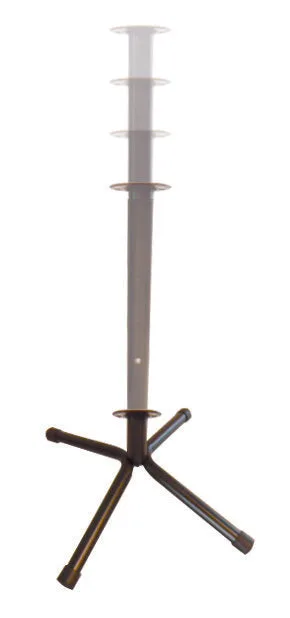
Coverit adjustable cover support
Why: a protective cover is never completely waterproof. You place this support between your furniture and the cover, so no puddle of water stays on the cover.
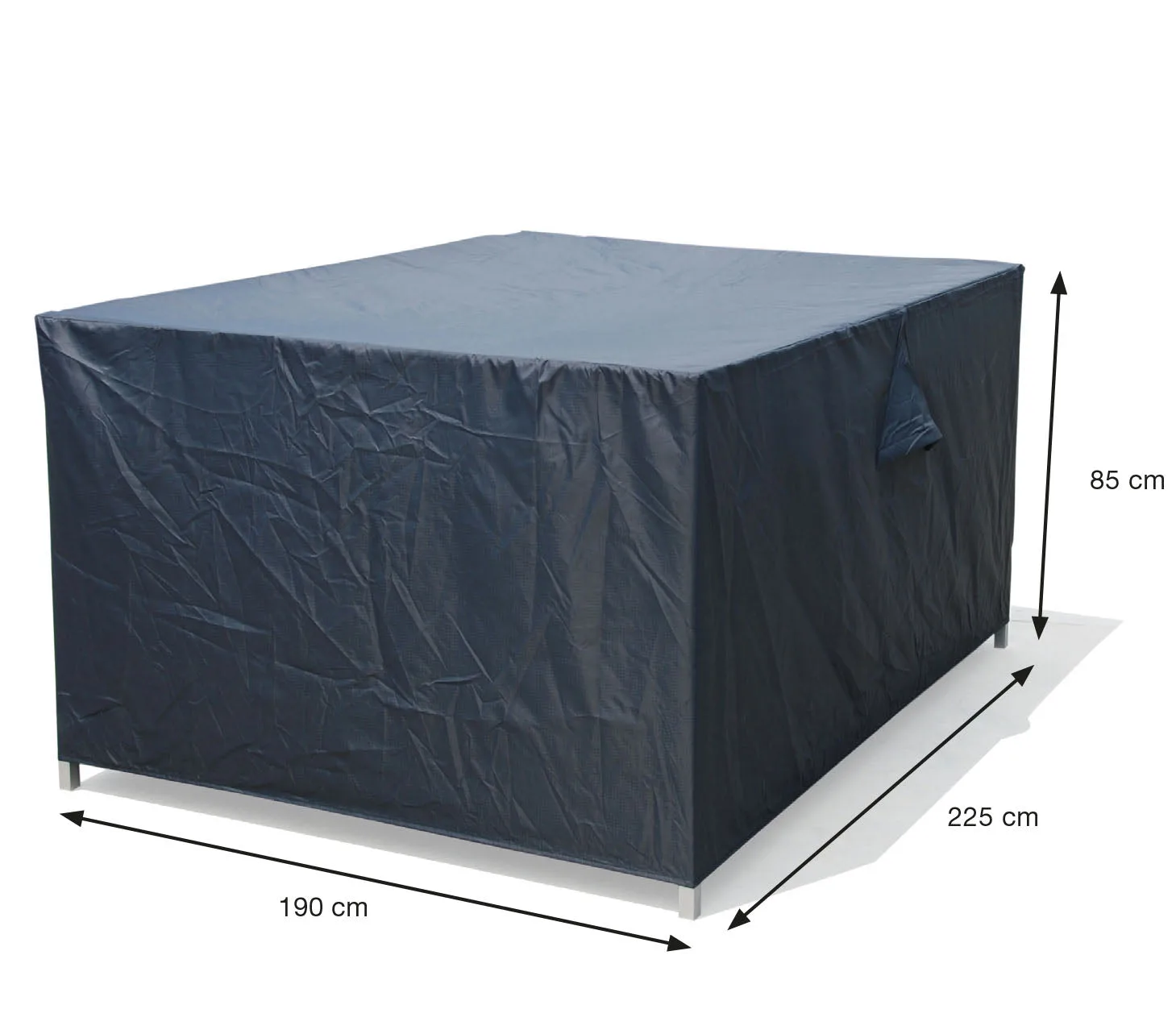
Coverit garden set cover 225x190xH85 cm
Why: a breathable cover with a ventilation triangle, taped seams and elastic corners for a good fit.

Platinum AeroCover garden set cover 240x190xH85
Why: lightweight ripstop polyester that breathes and counteracts mould formation. The storage bag is handy for summer, when the cover isn't needed.
Store cushions separately and dry. You can read the smartest way to do this in storing garden cushions.
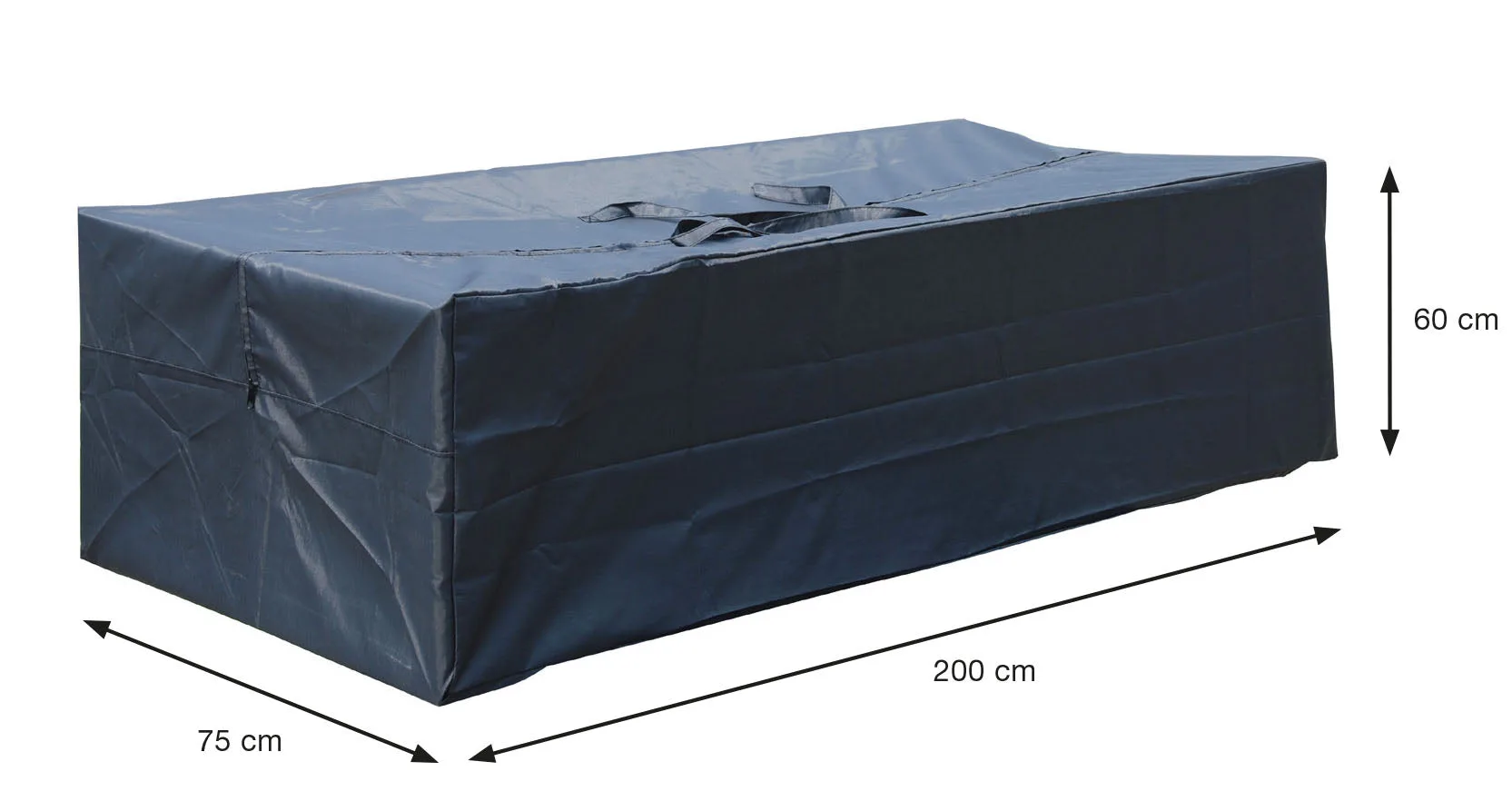
Coverit cushion bag 200 x 75
View bag →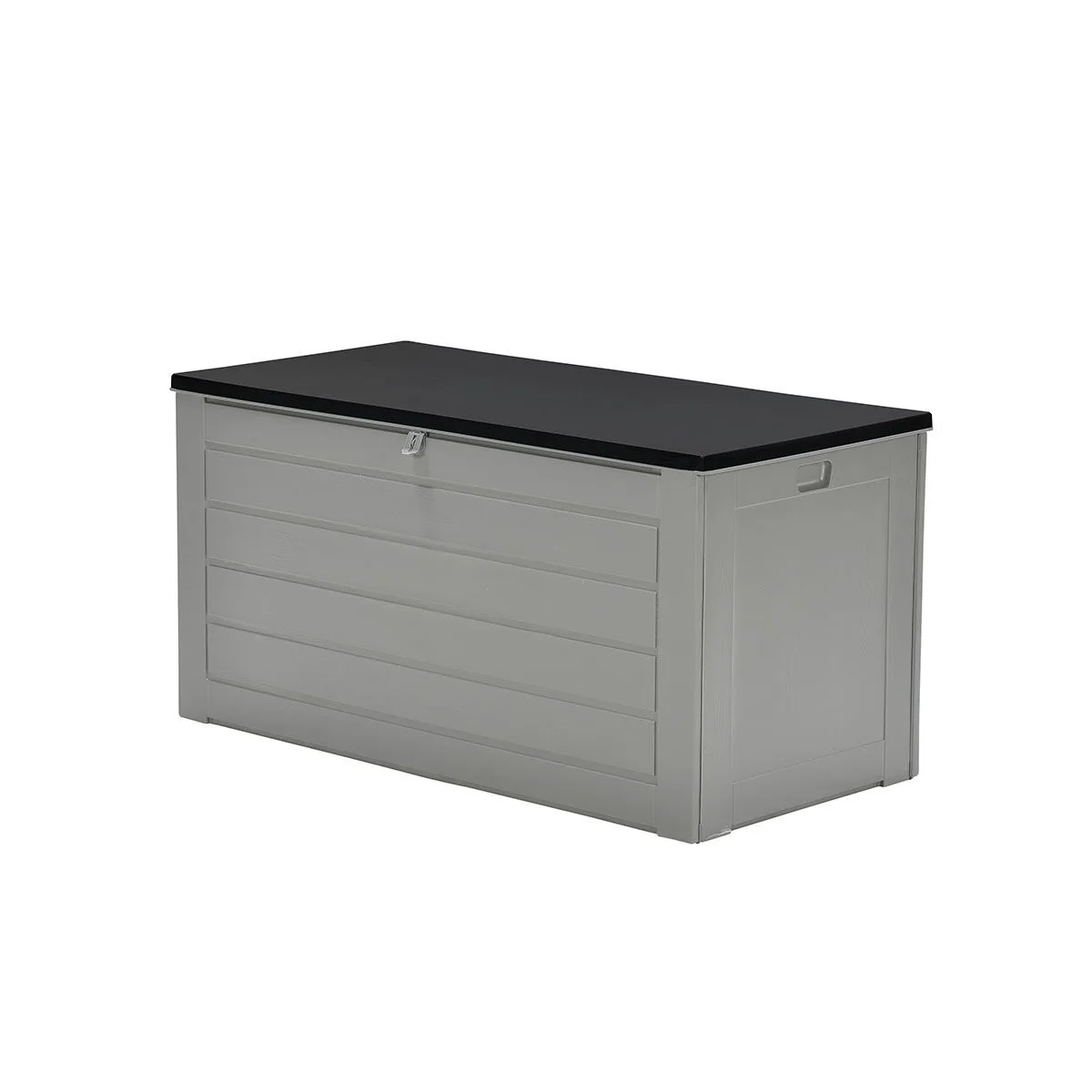
Primo cushion box 680 litres
View box →
All protective covers
View range →You'll find more under protection and maintenance and storage boxes. Do your furniture need to get through winter? Then read garden furniture in winter: indoors, under a cover or outdoors?
How to keep cleaning simple
- One mild soapy solution and a soft brush for almost everything
- Two big cleans a year: spring and autumn
- Remove stains straight away, before they dry in
- Only cover when everything is completely dry
Still looking for new garden furniture and want little maintenance? Aluminium and plastic require the least. Browse our aluminium garden furniture or let the selection guide help you.
Frequently asked questions
How often should you clean garden furniture?
Give it a thorough clean twice a year: in spring, before you start using it again, and in autumn, before it goes under a cover or indoors. In between, wipe it down now and then and remove stains such as bird droppings as quickly as possible.
What is the best way to clean garden furniture?
For almost any material, lukewarm water with a mild soapy solution, such as green soap, and a soft brush or cloth is enough. Then rinse with clean water and let everything dry thoroughly. Only stubborn stains or a specific material call for something different; you can read about that for each material in the article.
Can you clean garden furniture with a pressure washer?
Better not. On wood, wicker, rope, Textilene and cushions, the harsh jet can tear open fibres or force water deep into the material. On paving, a pressure washer on a low setting can be fine, but for furniture a soft brush with a soapy solution is safer.
Can you use vinegar or soda to clean garden furniture?
Don't use them as a standard cleaner. Vinegar is acidic and can damage coatings, natural stone and metal. Soda is stronger than green soap and should not be used on aluminium or coated surfaces. So always start with a mild soapy solution, and check the article on your material before using anything stronger.
Should you cover garden furniture after cleaning it?
You don't have to, but it saves a lot of work. A breathable cover keeps out leaves, bird droppings and green algae. Only put it on once the furniture is completely dry, and make sure water can't pool on the cover.
What should you do with the cushions when cleaning garden furniture?
Always take them off first. Beat and vacuum them, and clean them according to the label. Let them dry completely before putting them back or storing them, for example in a cushion bag or cushion box, otherwise mould will get a chance.