

A lounge set stays outside all season, in the sun, the rain, and among the pollen and leaves. Weather-resistant doesn't mean maintenance-free. A few set moments each year keep your set looking good, keep the cushions fresh, and make everything last a lot longer. In this guide you'll find a maintenance schedule per component, what each material needs, a deep clean in six steps, and a seasonal checklist. For the details on each material, we refer you to our in-depth articles.
In short: clean the frame now and then with lukewarm water, a mild cleaner and a soft brush. Give the set a thorough clean in spring and autumn. The cushions are the most vulnerable: store them dry when it rains and over winter. Don't use a pressure washer or abrasive sponge, and cover the set with a breathable cover, never with plastic sheeting.
At a glance: today's prices
| Product | Today's price | |
|---|---|---|
| Prinos aluminium lounge set 4-piece | €899 at bol.com | View at bol.com → |
| Lea corner lounge set 4-piece rope taupe | €999 at bol.com | View at bol.com → |
| Bahama lounge dining set 5-piece left | €1,099 at bol.com | View at bol.com → |
| Santos lounge dining set 5-piece left | €2,299 at bol.com | View at bol.com → |
Weather-resistant doesn't mean maintenance-free
Most lounge sets these days have an aluminium frame with powder coating, often combined with rope, plastic wicker, Textilene, or a table top made of Vironwood or wood. These materials can handle rain, sun and frost. But dirt, bird droppings, pollen and leaves stay on them, and in damp corners algae and mould get a chance to grow. That doesn't immediately damage the material, but it soon looks neglected, and stains become harder to remove the longer they sit.
The good news: maintaining a modern lounge set is mainly about cleaning and keeping it dry. You don't need any special products, except for garden furniture oil if your set is made of wood. The product information for the sets in this article always gives the same advice: a mild soapy solution for the frame, lukewarm water and a soft brush for rope and wicker, and store the cushions dry when the weather is bad.
Maintenance schedule: what, how often and how
This schedule shows what to do for each component. It doesn't have to be exact to the day: use it as a guideline, and adjust it if your set stands under a tree or close to the sea, because it will get dirty faster there.
| Component | How often | How |
|---|---|---|
| Aluminium frame | Now and then, plus spring and autumn | Mild soapy solution, soft cloth |
| Rope | Now and then and after wet weather | Lukewarm water, soft brush |
| Plastic wicker | Now and then, plus spring and autumn | Brush off, lukewarm water |
| Textilene | Now and then | Soapy solution, soft brush |
| Wood (acacia, teak) | Spring and autumn | Clean, garden furniture oil |
| Vironwood table top | After use | Soft cloth, mild cleaner |
| Cushions | When it rains and in winter | Store dry |
| Cushion covers | When stained, before winter | Wash according to the label |
| Protective cover | Before and after winter | Mild soapy solution, let dry |
After every heavy rain shower there's one small task left: check that no water is standing on the seats, in the corners of the weave, or on the cover. Standing water is the main cause of green build-up and mould.
Maintenance per material
Each material has its own points of attention. Below are the main points, with a link to the in-depth article if you want to know more.
Aluminium
Aluminium doesn't rust, and the powder coating gives the frame its colour. A mild cleaning product with a soft cloth is enough. Abrasive sponges and harsh cleaners can dull or damage the coating. If you see a scratch down to the metal, touch it up with a matching paint pen. More in maintaining aluminium garden furniture and can an aluminium garden set rust?
Rope
Rope is strong and colourfast, but it remains a textile: moisture and dirt get trapped between the fibres. Brush it clean with lukewarm water and a soft brush, then let it dry thoroughly. Remove green build-up as soon as you see it, and it stays a small job. You can read everything about stains and algae in maintaining rope garden furniture.
Plastic wicker
Wicker is a plastic weaving thread, somewhat different from natural rattan. Dirt collects in the weave, so brush it dry first and then clean it with lukewarm water. When cleaning, watch for loose or broken strands: the sooner you secure them, the less damage there will be. Read maintaining wicker garden furniture and why wicker can break.
Textilene
You'll mainly see Textilene on lounge chairs and sun loungers. The woven fabric dries quickly and is easy to keep clean with a soapy solution and a soft brush. Rinse thoroughly, because soap residue attracts dirt. More in maintaining Textilene garden furniture.
Wood and Vironwood
A wooden lounge set, for example made of acacia, needs the most work. Wood absorbs moisture and releases it again, and without treatment it turns silvery grey. If you want to keep the warm colour, apply a suitable garden furniture oil in spring and before winter. See treating wooden garden furniture. Vironwood looks like wood but is a plastic: a cloth with a mild cleaner is enough, oil is not needed. Also read what is Vironwood?
The cushions: the most vulnerable part
The frame of a lounge set can take a lot, the cushions much less. The covers are usually made of polyester or acrylic with a water-repellent coating. A shower runs off, but during prolonged rain moisture still soaks into the foam, and a wet cushion dries slowly. That's when mould and unpleasant smells get their chance.
- Bring them in when it rains: or put them in a cushion box or cushion bag. Shake off water droplets after a brief shower.
- Brush them off regularly: brush off loose dirt, sand and pollen before it works its way into the fabric.
- Tackle stains straight away: with a damp cloth and mild soapy water. The longer a stain sits, the harder it is to remove.
- Wash the covers: wash removable covers according to the label, usually on a low temperature. Let the cushion dry completely before storing it.
- Don't leave them in harsh sun: even colourfast fabric fades over time. Read garden cushions faded by the sun.
How to wash the cover and filling is explained step by step in washing lounge set cushions. Mould, green build-up or stubborn stains? Then see cleaning garden cushions.
Fabric protector
The product information for various lounge sets recommends a fabric protector to give the cushions extra protection against dirt and moisture. Spray it onto a clean, dry cover and repeat after each wash. It remains an extra layer, though: storing them dry in bad weather is still necessary. More in making garden cushions waterproof.
If your cushions have gone flat or blotchy after a few seasons, replacing them may be smarter than continuing to clean them. Read replacing the cushions of your lounge set or browse the lounge cushions.
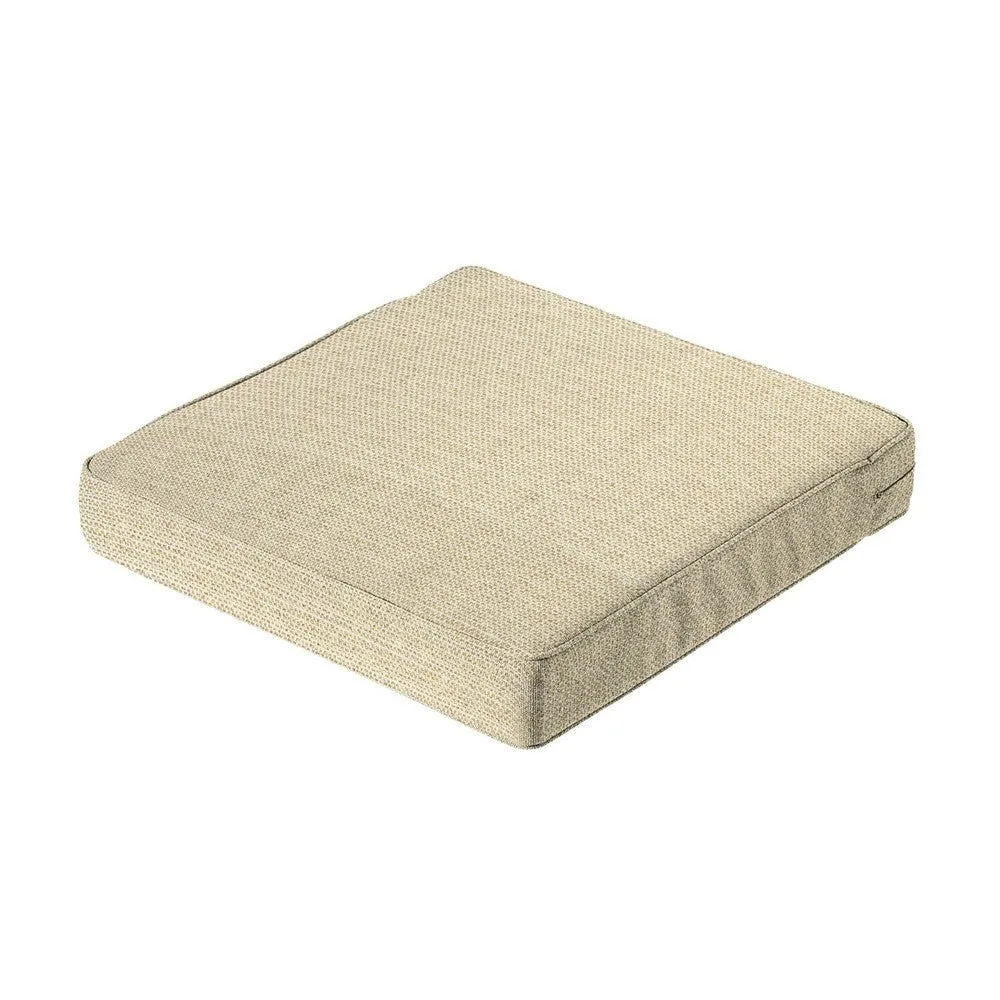
Richmond moss seat cushion, cover with zip
View cushion →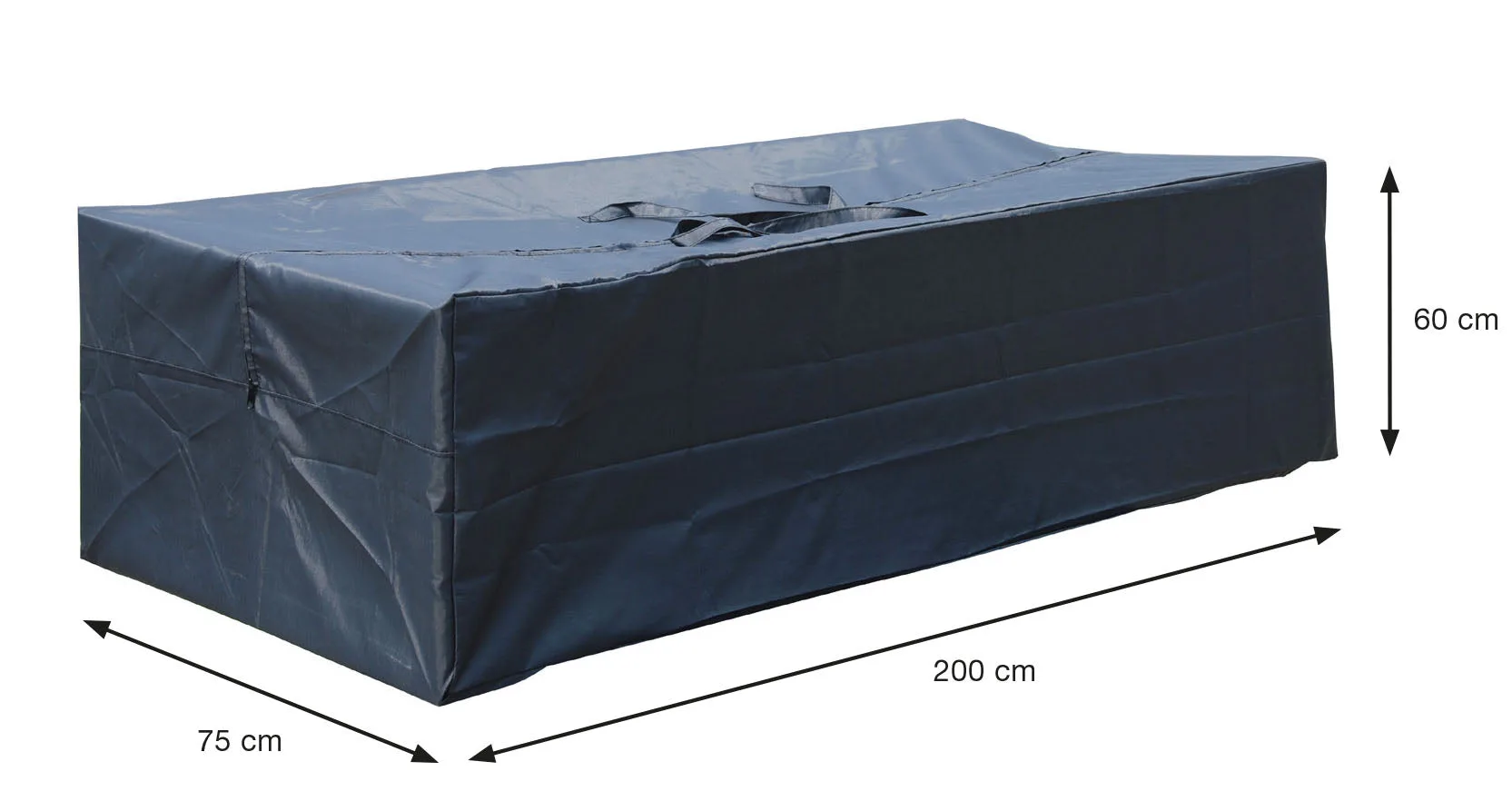
Coverit cushion bag 200 x 75
View bag →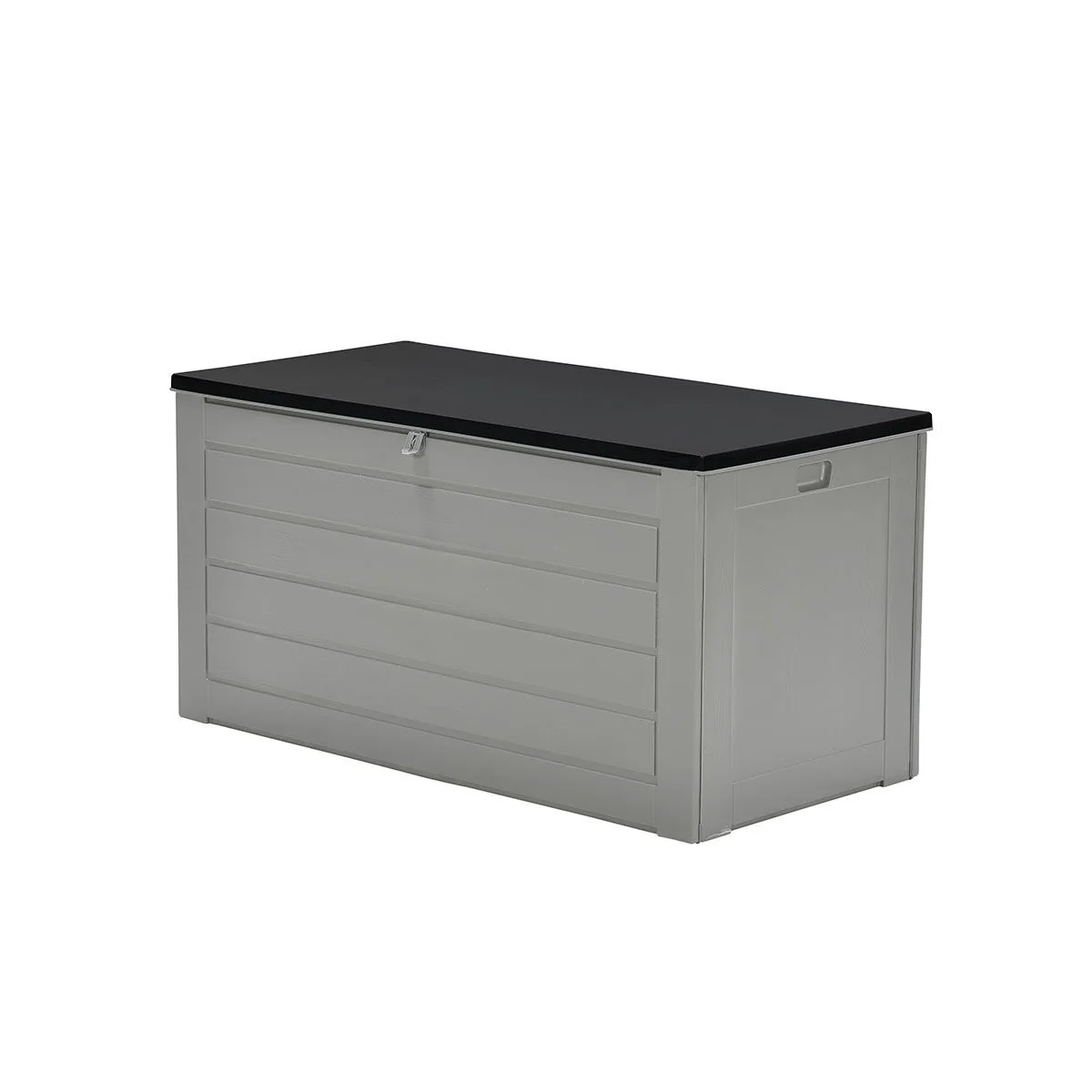
Primo cushion box 680 litres
View box →Deep clean in 6 steps
Twice a year, in spring and autumn, give the whole set a thorough clean. Choose a dry day that isn't too sunny, so everything can dry properly afterwards.
Take all the cushions off the set. Brush away leaves, sand and cobwebs, including under the seats and in the corners of the weave.
Fill a bucket with lukewarm water and a mild cleaning product. Wipe down the aluminium with a soft cloth or sponge, without using the abrasive side.
Use a soft brush and lukewarm soapy water on the rope and wicker. Work in the direction of the weave and pay extra attention to spots with green build-up.
Rinse everything with the garden hose on a gentle spray, so no soap residue is left behind. Soap residue actually attracts dirt again.
Let the set dry completely before putting the cushions or a cover back on. Rope and the undersides of seats take the longest to dry.
Look for scratches in the coating, loose strands in the wicker or rope, and wobbly joints. Tighten bolts, touch up scratches and oil the wooden parts if needed.
The best maintenance tip is a dull one: never leave anything wet. A set that dries quickly after a shower hardly gets any green build-up, and cushions that are stored dry won't go mouldy.
Maintenance through the year
Each season asks for something different. This is what a maintenance year looks like:
- Spring: take the cover off, do the deep clean, check everything and oil the wooden parts. Only bring out the cushions once the set is dry. More tips in getting the garden ready for spring.
- Summer: a soapy wipe now and then, remove bird droppings and stains straight away, and bring the cushions in when it rains.
- Autumn: remove leaves regularly, do a second deep clean and wash the covers before the cushions are stored.
- Winter: set covered or indoors, cushions stored dry, and check now and then that no water is sitting on the cover.
Tick off these points when you get your set ready for winter:
- Leaves and loose dirt brushed off
- Frame, rope and wicker cleaned and rinsed
- Everything thoroughly dried
- Scratches, loose strands and bolts checked
- Wooden parts oiled
- Cushion covers washed and cushions stored dry
- Breathable cover on, with a top against puddles
- Cover secured against the wind
Covering up and getting through winter
A lounge set with a frame of aluminium, wicker, rope or Vironwood can stay outside in winter. A cover makes the biggest difference: it keeps out leaves, bird droppings and algae, so you have less cleaning to do in spring. Choose a breathable cover in the shape of your set, and never use plastic sheeting or a solid tarpaulin: condensation will collect underneath.
A protective cover is never completely waterproof. So make sure water can't pool on it, for example with a cover support between the table and the cover. To find out whether your set can stay outside, read can a lounge set stay outside? For which cover and which size you need, see covering garden furniture.

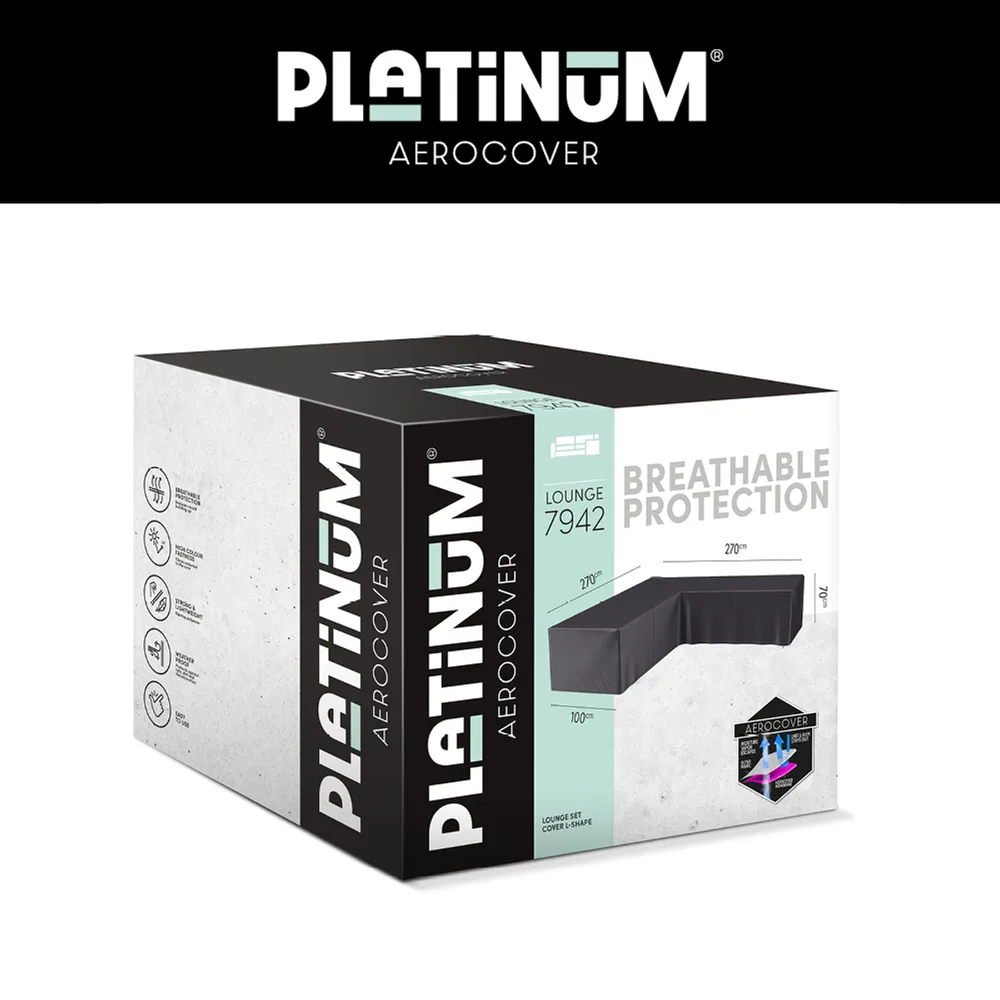
AeroCover corner set 270 x 270
View cover →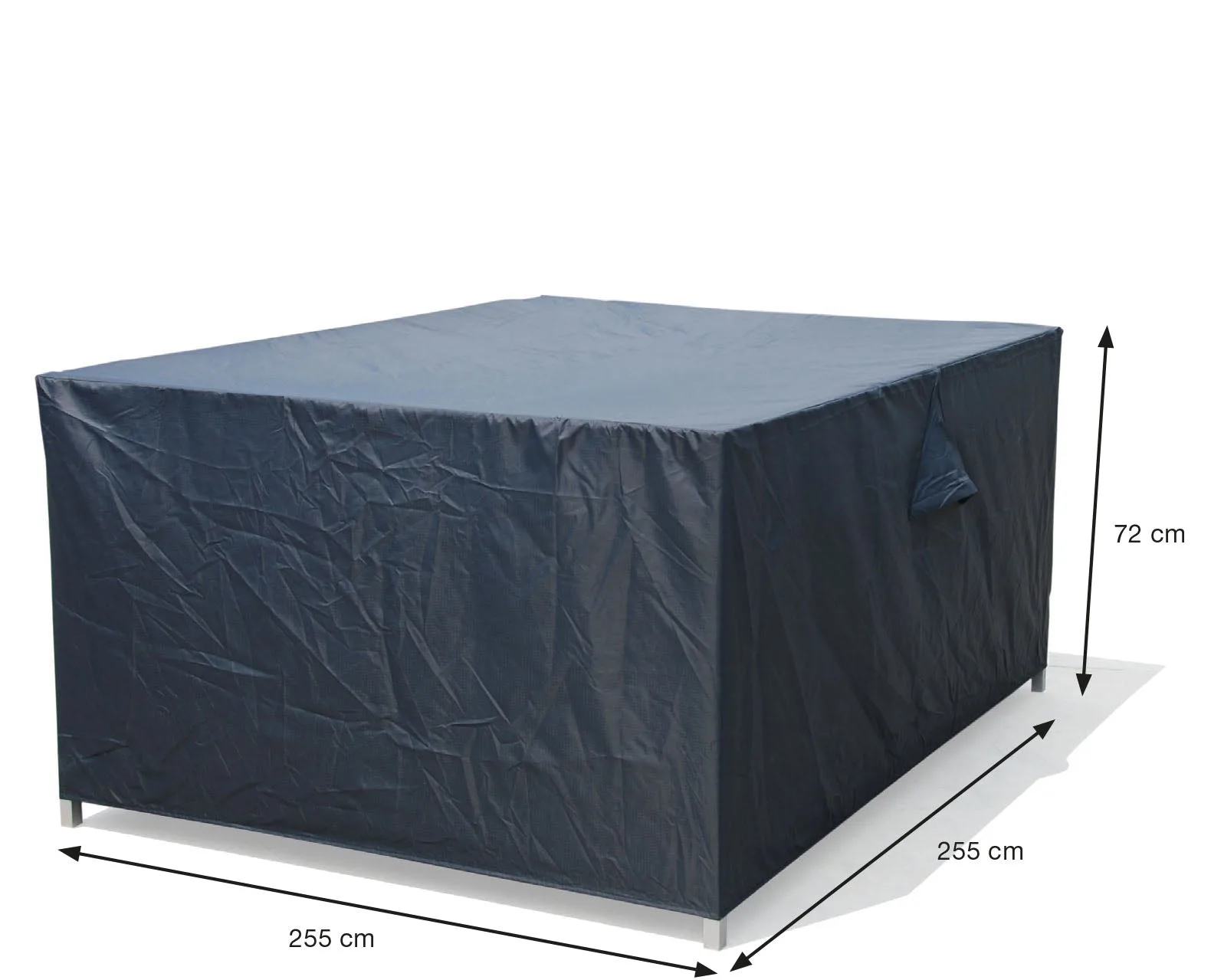
Coverit cover 255 x 255
View cover →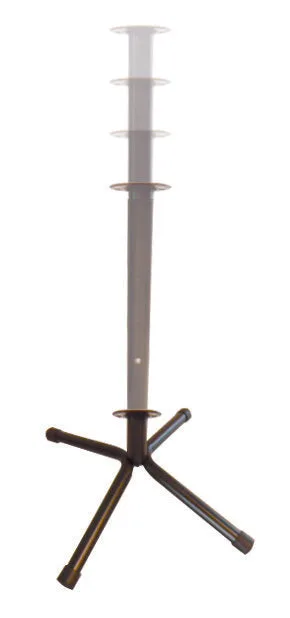
Coverit cover support
View support →You'll find more sizes in protective covers, and for the cushions, see storage boxes. Storage tips are in storing garden cushions.
Common mistakes
Reaching for the pressure washer
The harsh jet can damage the powder coating, fray rope and wicker, and force water deep into seams and filling. A garden hose with a gentle spray and a brush is enough.
Abrasive sponge or aggressive cleaner
Abrasive cleaners, chlorine and strong degreasers dull the coating and can discolour the fabric. A mild cleaner and lukewarm water do the job too.
Storing cushions while damp
A cushion that goes into a box or bag while still damp will come out in spring with patches of mould. Always let cushions dry completely, preferably indoors or in the shade.
Covering with plastic sheeting
Plastic sheeting doesn't let moisture through. Condensation forms underneath, and that gives algae and mould exactly the chance they need. Choose a breathable cover.
Letting water sit on the cover
A puddle on the cover will sooner or later make it sag. Use a cover support so the rainwater runs off.
Skipping the wood
An acacia or teak lounge set without oil turns grey and can dry out. Include the wooden parts in your spring and autumn maintenance.
Lounge sets that need little maintenance
Still looking, or want to know what maintenance looks like for a particular material? These four sets show the differences well. The maintenance tips come from the product information. You can see the current prices on the cards.
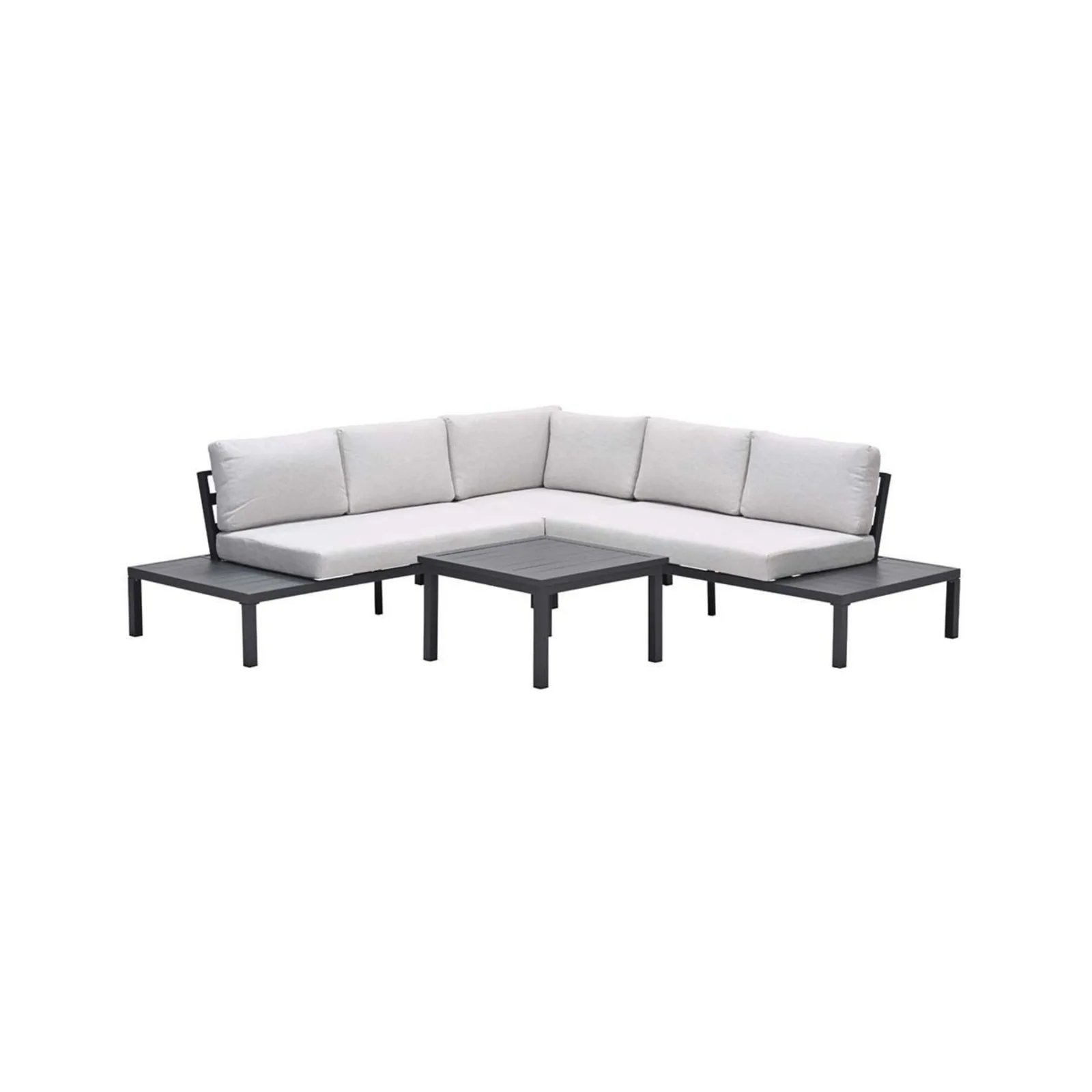
Prinos aluminium lounge set 4-piece
Maintenance: the sofa and table are made of powder-coated aluminium. A mild cleaner is enough; avoid abrasive sponges. The least work of these four.
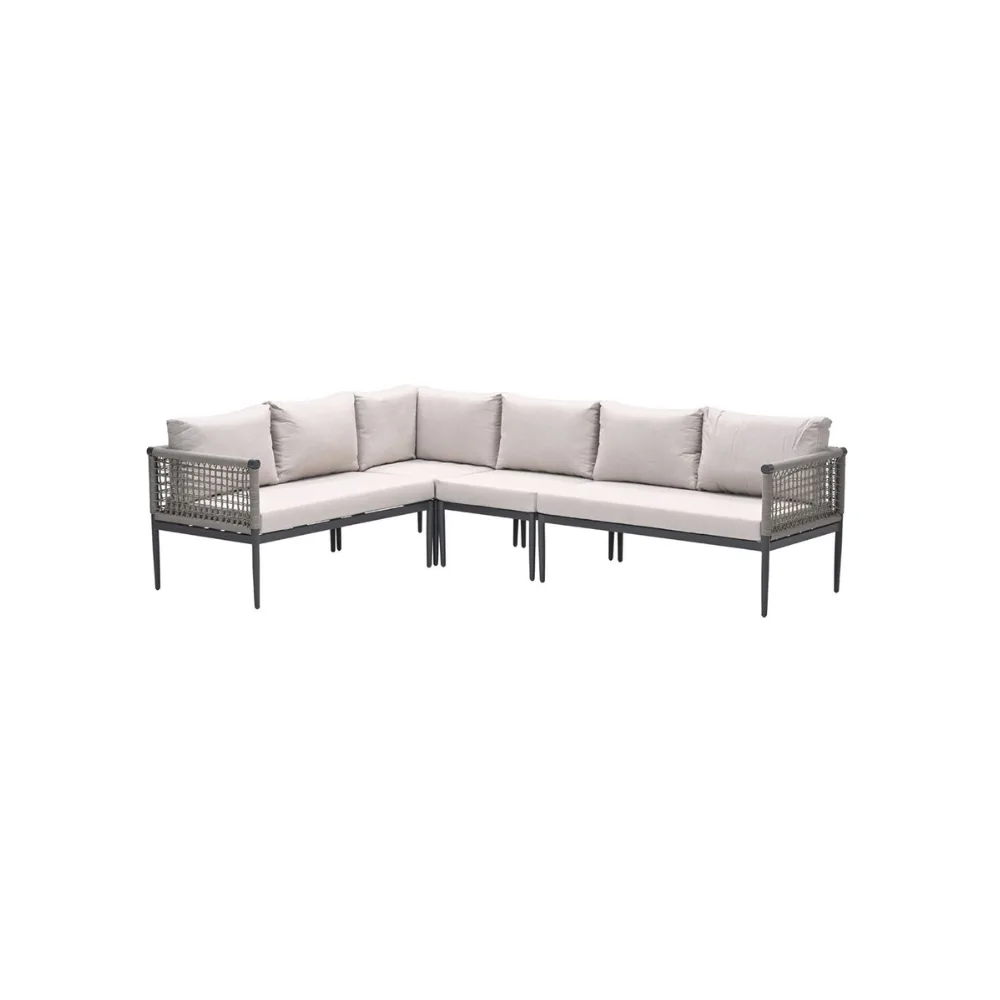
Lea corner lounge set 4-piece rope taupe
Maintenance: wipe the frame with a soft cloth and mild soap, and clean the rope with a soft brush and lukewarm water.
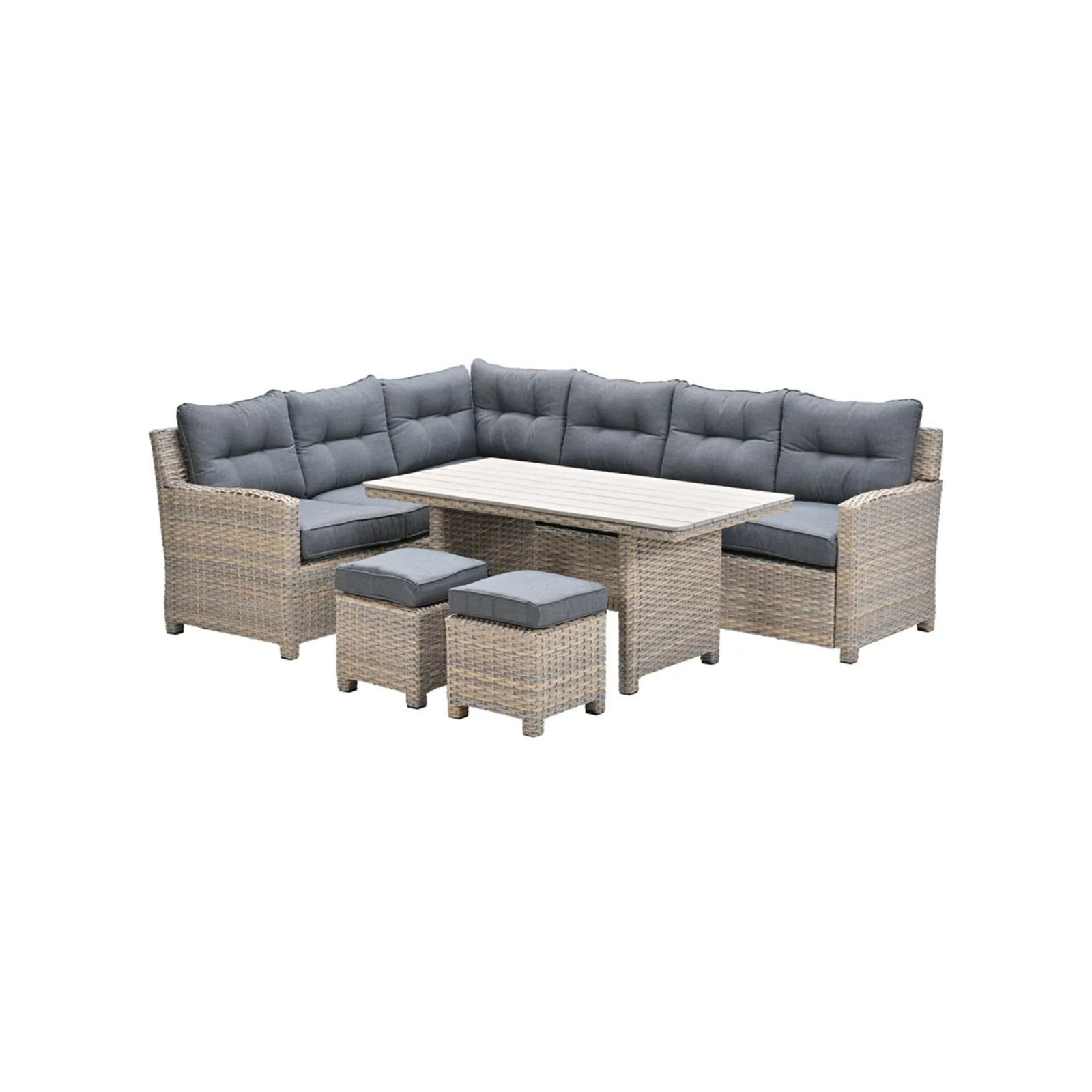
Bahama lounge dining set 5-piece left
Maintenance: clean the wicker with lukewarm water and a soft brush, and the Vironwood table top with a soft cloth and a mild cleaning product.

Santos lounge dining set 5-piece left
Maintenance: treat the acacia wood regularly with a suitable garden furniture oil, and clean the rope with lukewarm water and a soft brush. Beautiful and warm, but the most work.
How to keep maintenance simple
- Choose aluminium with Vironwood if you want to do as little as possible
- Rope and wicker need a brush and lukewarm water now and then
- Wood is beautiful, but plan an oiling session twice a year
- With any set, allow for dry storage for the cushions
Not sure which set suits you? Use the selection guide or browse aluminium lounge sets, rope lounge sets and wicker lounge sets. To find out how long a set lasts, read how long does a lounge set last?
Frequently asked questions
How often should you maintain a lounge set?
During the season, an occasional wipe-down of the frame with soapy water is usually enough, and after a wet spell you should let rope, wicker and cushions dry thoroughly. Two moments are more important: a thorough clean in spring and another in autumn, before the set goes into winter. A wooden lounge set should also get a coat of wood oil around these times.
What is the best way to clean a lounge set?
Use lukewarm water, a mild cleaning agent, a soft cloth and a soft brush. This works for aluminium, rope, wicker and Vironwood. Avoid scouring pads and harsh cleaners, as these damage the powder coating and the weave. Then rinse with clean water and let everything dry thoroughly.
Can you clean a lounge set with a pressure washer?
Better not. The high-pressure jet can damage the powder coating, fray rope and wicker, and force water deep into seams and padding. A garden hose with a gentle spray and a brush will clean the set just as well, without the risk.
How do you keep lounge cushions looking good?
Bring them indoors during rain and in winter, and store them dry. The covers are water-repellent, not waterproof. Brush off loose dirt regularly, treat stains straight away and wash removable covers according to the label. A fabric protector gives extra protection against dirt and moisture.
What should you do with a lounge set in winter?
Clean the set first and let it dry completely. A frame of aluminium, wicker, rope or Vironwood can stay outside under a breathable cover, but make sure no water collects on the cover. Take the cushions indoors to dry or store them in a cushion box. Wooden sets should get a coat of wood oil before winter.
Does an aluminium lounge set need much maintenance?
Very little. Aluminium doesn't rust, and the powder coating protects the colour. A mild soapy wash and a soft cloth now and then are enough. Do check for scratches in the coating, and pay most attention to the cushions and, if present, the rope or wicker, as these need more care than the frame.