Rope garden furniture is turning up on more and more patios: lounge sets, dining chairs and lounge chairs with woven rope around an aluminium or wooden frame. They're comfortable, dry quickly and look luxurious. The upkeep isn't complicated, but things do sometimes go wrong: a pressure washer that roughens the rope, bleach that fades the colour, or a damp cover that lets mould form underneath. In this guide you'll learn what rope actually is, how to clean it step by step, how to tackle the trickiest stains and what to do each season. Along with the maintenance advice that manufacturers give for their own rope furniture.
In a nutshell: brush rope dry regularly and give it a clean a few times a year with lukewarm water, a mild soapy solution and a soft brush. Deal with stains such as bird droppings and green algae quickly. Avoid using a pressure washer, bleach or abrasive cleaners. Let everything dry thoroughly before you put the cushions back or cover it with a breathable cover.
What exactly is rope?
Rope is synthetic cord made specifically for outdoor use. It is woven around a frame by hand or by machine, usually in the backrests and armrests. The frame itself is often aluminium with a powder coating, or sometimes acacia wood. Unlike cotton cord, outdoor rope absorbs very little water: it dries quickly and won't rot.
In the product information for rope furniture you'll come across various names:
- Qualicord rope: a brand name for outdoor cord, used for example on the Lea and Teramon corner lounge sets. According to the manufacturer, it is strong, colourfast and weather-resistant.
- Solution dyed polyester: polyester where the colour is already in the fibre before the cord is made. That makes it more colourfast than cord that has been dyed afterwards. The Monaco lounge chair uses this rope with a rubber core.
- TPU rope: woven work made from a flexible plastic, as on the armrests of the Decala lounge set. According to the manufacturer, you clean this with a damp cloth.
Want to know more about how rope is made and how it compares to wicker? Read what is rope material and rope or wicker lounge set.
Cleaning rope in 6 steps
A thorough clean is best done on a dry day that isn't too hot, so the rope dries quickly afterwards. You'll need: a soft brush, a bucket of lukewarm water, a mild soap or a splash of washing-up liquid, a garden hose and a soft cloth.
Set the cushions aside so you can reach everywhere and they don't get wet from the rinsing water. Wash the cushion covers separately according to the label.
Sweep sand, dust, cobwebs and leaves out of the weave with a dry, soft brush. Dirt you remove dry won't be pushed deeper into the rope when you rinse it later.
Pour lukewarm water into a bucket with a little mild soap or washing-up liquid. More soap doesn't make it any cleaner, but it does make it harder to rinse off.
Work the rope with the soft brush and the soapy solution. Brush in the direction of the cord, not across it, so the fibres don't roughen. Don't forget the underside of the armrests.
Rinse off all the soap with clean water or a garden hose on a gentle spray. Leftover soap attracts new dirt.
Leave the furniture to air-dry, preferably in sun and breeze. Only put the cushions back once the rope and frame are completely dry.
Do the frame in the same session. For aluminium, a soft cloth with a mild soapy solution is enough; you can read more about this in maintaining aluminium garden furniture. For how to wash the cushions themselves, see cleaning garden cushions.
Brush dry first, then wet. Sand and leaves that you sweep away dry can't be washed deeper into the weave. That saves half the work.
Tackling stains and algae
Most stains on rope can be removed with lukewarm water, a mild soapy solution and a bit of patience. The sooner you act, the easier it is. The table below shows what to do for each problem.
| Stain or problem | Solution | Watch out |
|---|---|---|
| Dust, sand, leaves | Brush off dry | Dry first, then wet |
| Green algae | Soapy solution, soft brush, rinse | No bleach or chlorine |
| Black specks | Soapy solution, brush, dry in the sun | Often moisture under a cover |
| Bird droppings | Let soak, then dab | Don't scrape |
| Grease, suncream, BBQ | Lukewarm water with washing-up liquid | Rinse well |
| Wine or fizzy drinks | Dab immediately, then soapy solution | Don't rub |
Bird droppings
Bird droppings are the most common problem for furniture under a tree. Don't leave them, as they're harder to remove once dried. Lay a damp cloth or kitchen roll soaked in lukewarm water on the spot and let it soak for a few minutes. Then dab it away and go over it with a soapy brush. Don't scrape it off with a knife or your nail, as that will damage the fibres.
Grease, suncream and barbecue splatters
Suncream, oil and barbecue grease leave dark, shiny patches on rope. A splash of washing-up liquid in lukewarm water breaks down grease well. Work the spot with a soft brush, let it soak in for a moment and rinse thoroughly. If you often end up with suncream on the sofa, drape a towel over the armrests.
Black specks or mould spots
Small black specks usually form in places that stay damp for a long time: under a wet cushion, under a cover that doesn't let air through, or in a shady corner. Clean the spot with a soapy solution and a soft brush, then let the furniture dry thoroughly in the sun. Even more important, tackle the cause, or they'll come back.
Removing green algae in 4 steps
If your rope furniture stands in the shade or under trees, it may develop a green film after a wet season. This is algae that sticks to the dirt between the weave. Here's how to deal with it:
Go over the green patches with a dry, soft brush. A large part of the algae will already come loose.
Brush the spots with lukewarm water and a mild soapy solution and leave it to work for a few minutes. For stubborn algae, it's better to repeat the treatment once more than to scrub harder.
Rinse with clean water until no more foam comes out of the weave.
Leave the furniture to dry outside and, if possible, then move it to a spot with more sun and airflow. Algae have less chance there.
Thinking about a special product for green algae? First check that it is suitable for plastic cord and for the frame, and test it on a spot that isn't visible. If in doubt, don't use it and stick to lukewarm water and soap. For your patio, there's a separate article: removing green algae from your patio.
What does the manufacturer recommend?
For most rope furniture, maintenance tips are included in the product information. They're quite similar: lukewarm water, a soft brush and mild soap. A few examples, as stated in the product information:
| Model | Cleaning the rope | Extra advice |
|---|---|---|
| Lea | Soft brush and lukewarm water | Fabric protector on cushions |
| Santos | Lukewarm water, soft brush | Acacia wood with wood oil |
| Allasio | Soft brush and water | Frame and top: mild soapy solution |
| Fiji | Mild soap, soft brush | No abrasive products |
| Monaco | Dust off or soft brush | Frame: mild soapy solution |
| Decala (TPU) | Damp cloth | Store cushions dry |
If your rope furniture has a wooden frame, like the Santos and the Talara in acacia wood, the wood needs its own care. For the Talara, the advice is to treat the acacia wood once a year with teak oil or a wood care product. Be careful not to get any oil on the rope: mask off the cord or work with a small brush.
Fabric protector for the cushions
For many rope lounge sets, the manufacturer recommends a fabric protector for the cushions, as extra protection against dirt and moisture. Spray it onto clean, dry cushions and not onto the rope itself. You'll find more tips in making garden cushions waterproof.
Maintenance by season
A few set moments each year will keep rope looking neat. Tick off what you've done; your browser will remember it.
Spring: the big clean
- Remove the cover and let the furniture air for a day
- Brush the rope dry
- Thorough clean with lukewarm water, mild soapy solution and soft brush
- Check the weave for loose ends or fraying
- Clean and check the frame and feet
- Only put the cushions back once everything is dry
Summer: keeping on top of it
- Brush dry every week or so, or as often as needed
- Remove bird droppings and spilt drinks straight away
- Wipe off suncream and grease splatters with a soapy solution
- Bring cushions indoors when it rains and at night
- After a shower, let the furniture dry before you put the cushions back
Autumn: preparing for winter
- Remove leaves and twigs before they start to rot on the cord
- Another big clean, especially against green algae
- Let everything dry completely
- Store cushions clean and dry
- Have a breathable cover ready in the right size
Winter: dry and airy
- Move the furniture indoors or cover it with a breathable cover
- Don't let it stand in puddles or directly on wet ground
- On dry days, take the cover off now and then to air it
- Brush snow and water off the cover
- Don't stack heavy items on the rope
For general winter tips for all your garden furniture, read what to do with garden furniture in winter.
Common mistakes
Hosing it down with a pressure washer
The hard jet roughens the fibres, can push the weave loose and forces water deep into seams and cushions. Use a garden hose on a gentle spray and a soft brush.
Bleach, chlorine or other harsh chemicals
Strong products can fade the colour of the rope and damage the powder coating on the frame. Lukewarm water with mild soap is enough for almost any stain.
Scouring pads and stiff brushes
A scouring pad or wire brush makes the rope fluffy and dull. The manufacturer of the Fiji chair also advises avoiding abrasive products. Always choose a soft brush.
Covering wet furniture
Wet rope won't dry under a cover. That leads to black specks and a musty smell. Let the furniture dry completely first and choose a breathable cover.
Leaving wet cushions on the rope
Cushion covers are water-repellent, not waterproof. A soaked cushion keeps the rope underneath damp for days. Store cushions somewhere dry; also see tips for storing garden cushions.
Protecting rope with a cover
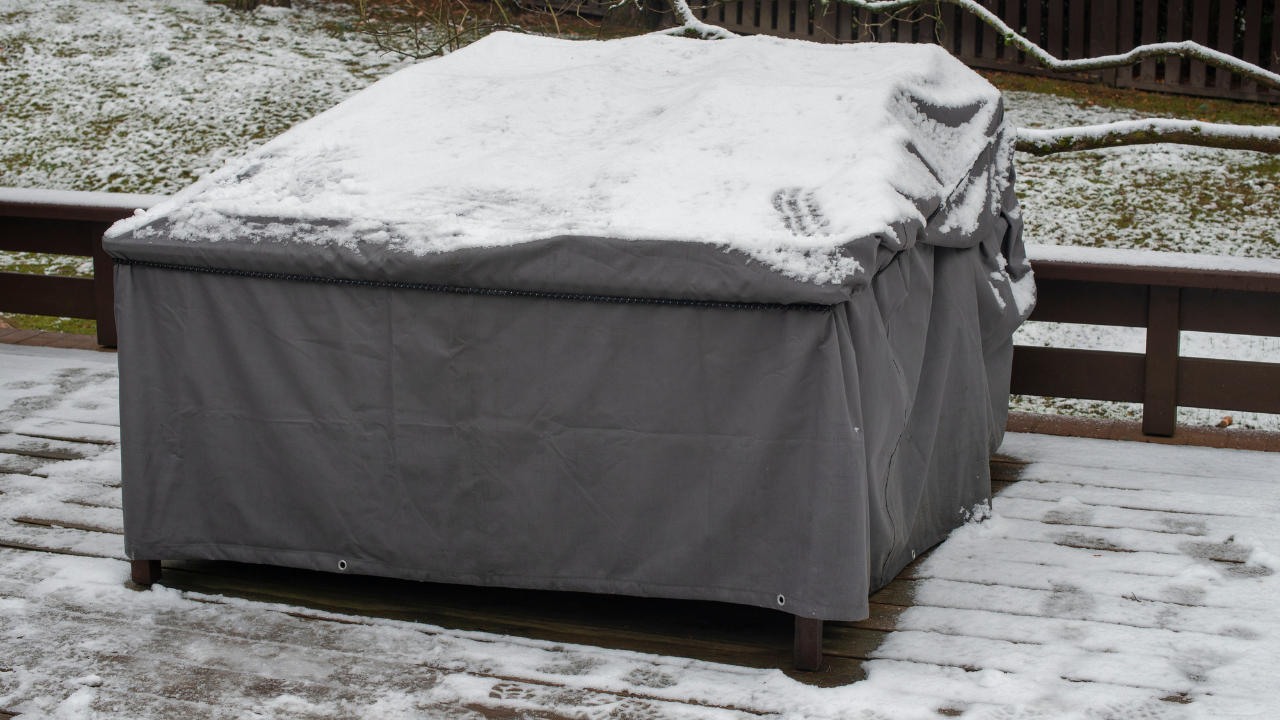
A cover keeps leaves, bird droppings and dust off your furniture and saves a lot of cleaning. Choose a cover that fits the shape of your furniture, such as an L-shape for a corner sofa, and that is slightly larger than the outer dimensions. Breathable covers let moisture escape, so no condensation gets trapped underneath. Secure the cover well so it doesn't flap around and rub against the rope.
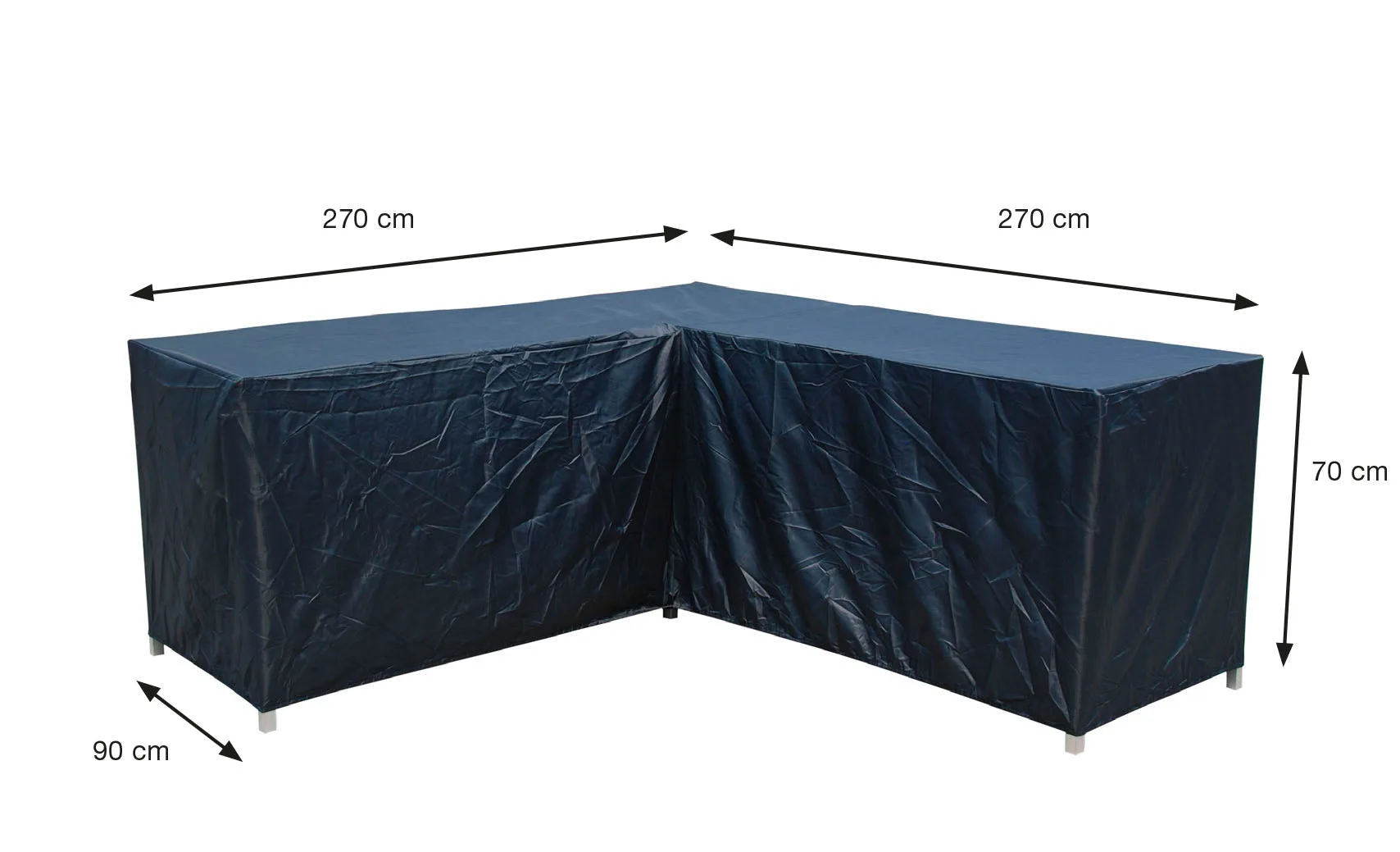
Coverit L-shape cover 270 x 270
View cover →
All lounge set covers
View covers →All protective covers
View covers →For more on leaving furniture outside, read can a lounge set stay outside?
Rope furniture from our range
Still looking for a rope piece of furniture, or want to know how easy a particular model is to maintain? Below you'll find five examples with the specifications and maintenance advice from the product information. You can see current prices on the cards.
Lea corner lounge set: Qualicord rope on aluminium
A 4-piece corner lounge set for 6 people with a powder-coated aluminium frame in carbon black and armrests and backrests in taupe Qualicord rope. It comes with 11 cushions. According to the manufacturer, you clean the rope with a soft brush and lukewarm water.
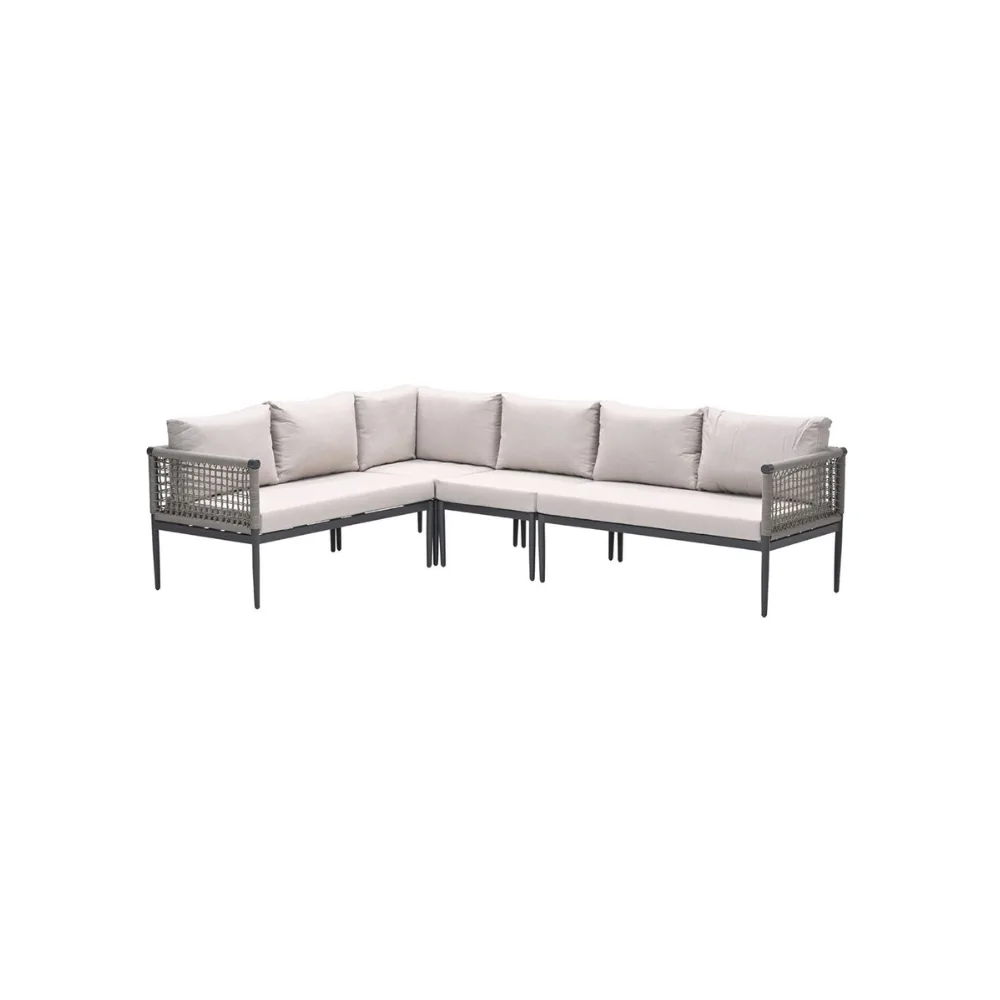
Lea corner lounge set 4-piece taupe rope
Santos lounge diningset: rope with acacia wood
A lounge diningset with an acacia wood frame in white wash and armrests finished in taupe rope. The 154 x 90 cm table is made of acacia wood and 15 cushions are included. You treat the wood with wood oil and the rope with lukewarm water and a soft brush.
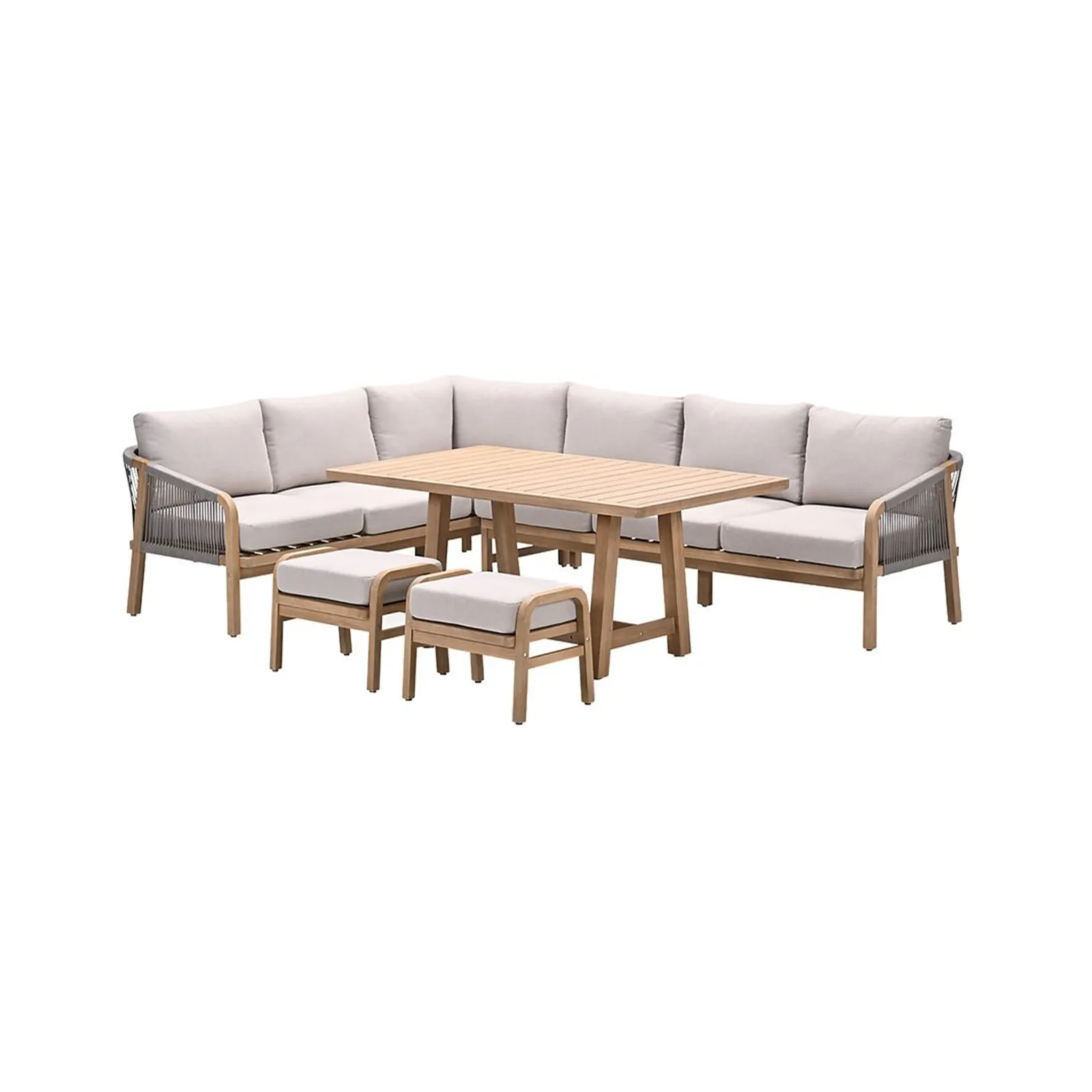
Santos lounge diningset 5-piece left
Monaco lounge chair: solution dyed rope
A lounge chair with a footstool, featuring a dark grey aluminium frame and hand-woven taupe rope in solution dyed polyester with a rubber core. You can dust the rope or lightly clean it with a soft brush.
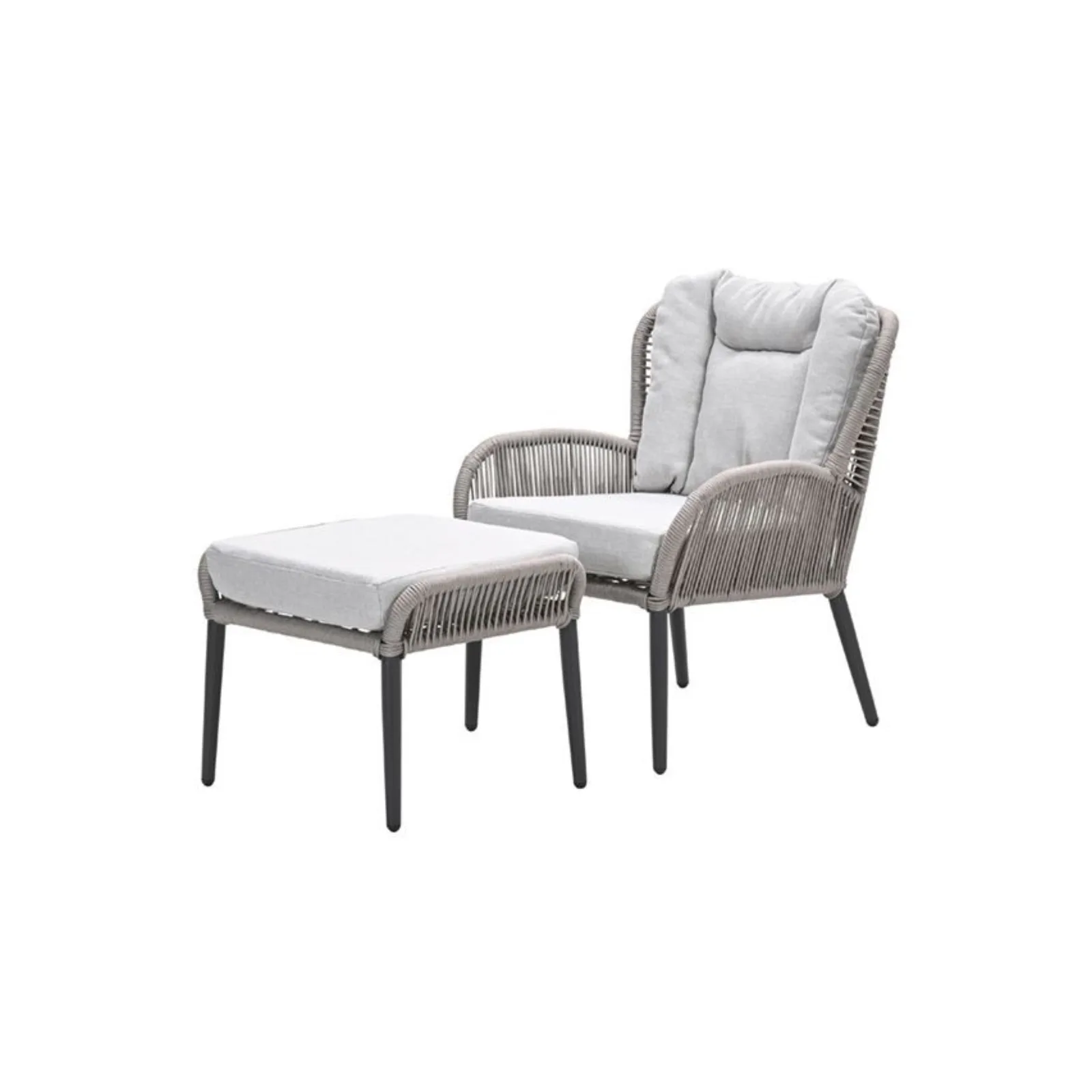
Monaco lounge chair with footstool
Fiji dining garden chair: for eating at the table
A dining garden chair with a powder-coated aluminium frame and taupe rope woven around the frame. Seat height 45 cm, load capacity up to 100 kg. The advice: clean the rope and frame with a mild soap solution and a soft brush, without abrasive products.
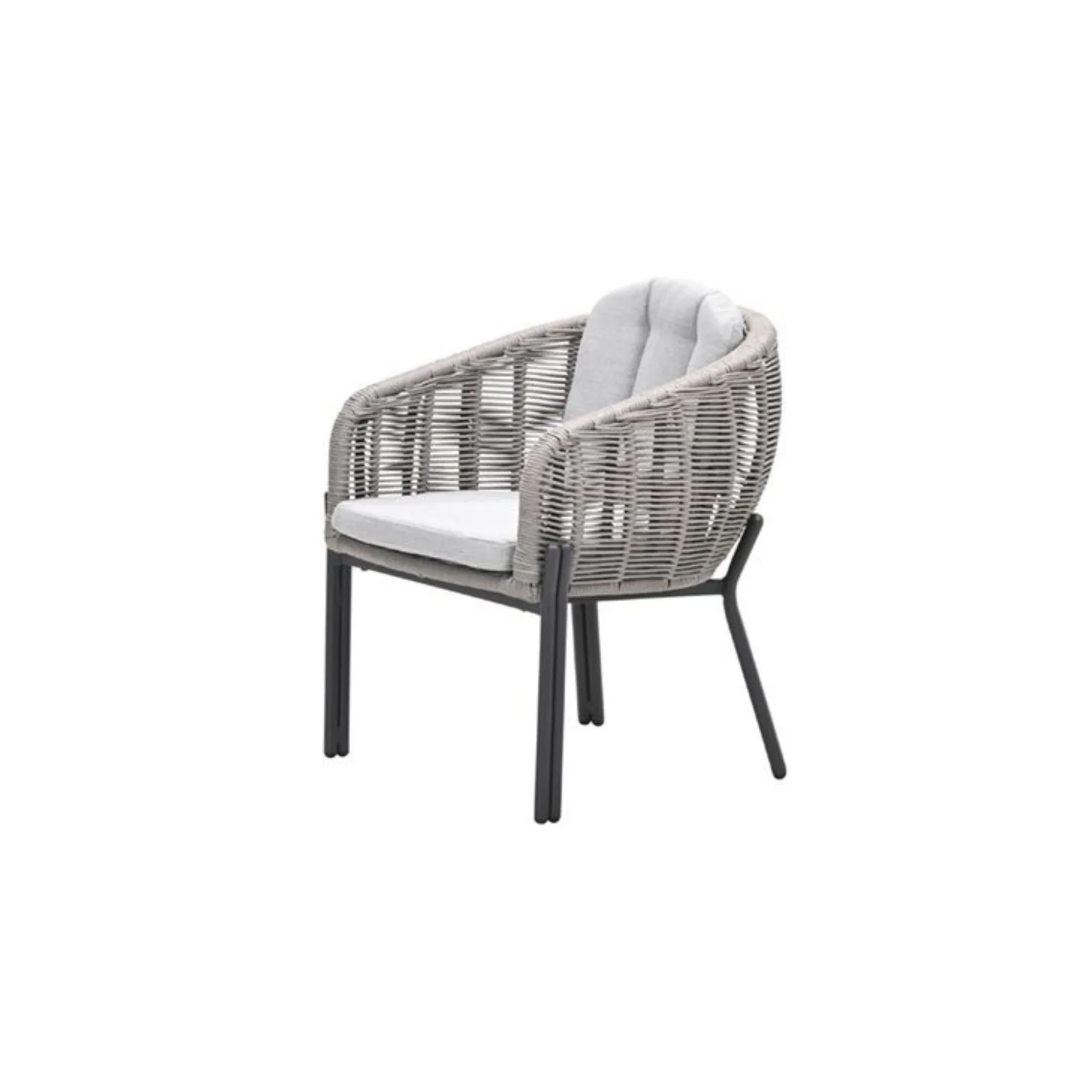
Fiji dining garden chair taupe rope
Pescara dining garden chair: stackable
A dining garden chair with an aluminium frame and black Qualicord rope. It's stackable, so it's easy to store indoors over winter. Clean the rope with lukewarm water and a soft brush.
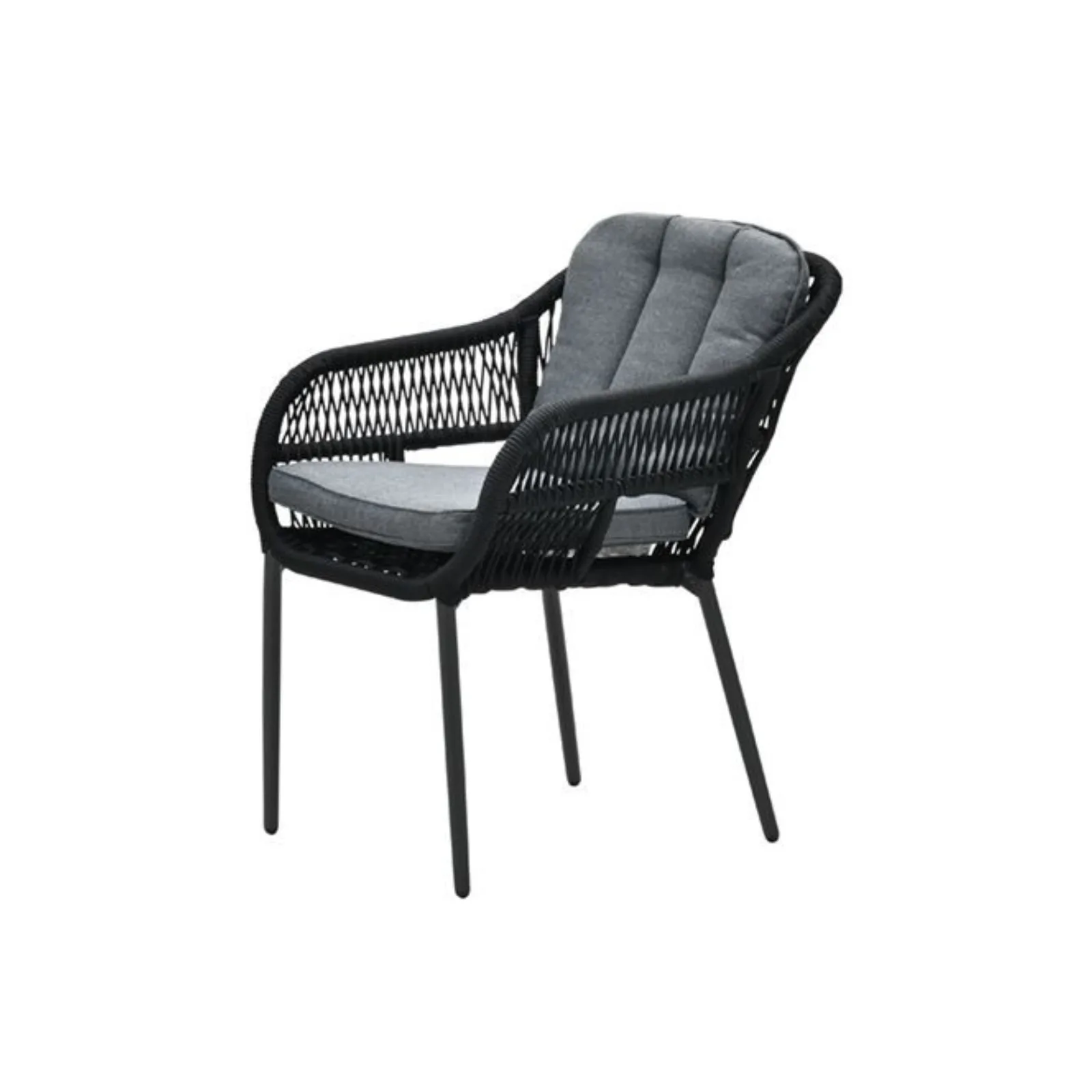
Pescara dining garden chair black rope
Buying rope furniture with maintenance in mind
- Aluminium frame with powder coating: only a soapy solution needed
- Wooden frame: expect to oil or treat it yearly
- Colourfast rope, such as solution dyed or Qualicord, keeps its colour better
- Stackable or lightweight: easier to bring indoors in winter
- Check whether the product information includes maintenance tips and a warranty
Also worth a look:
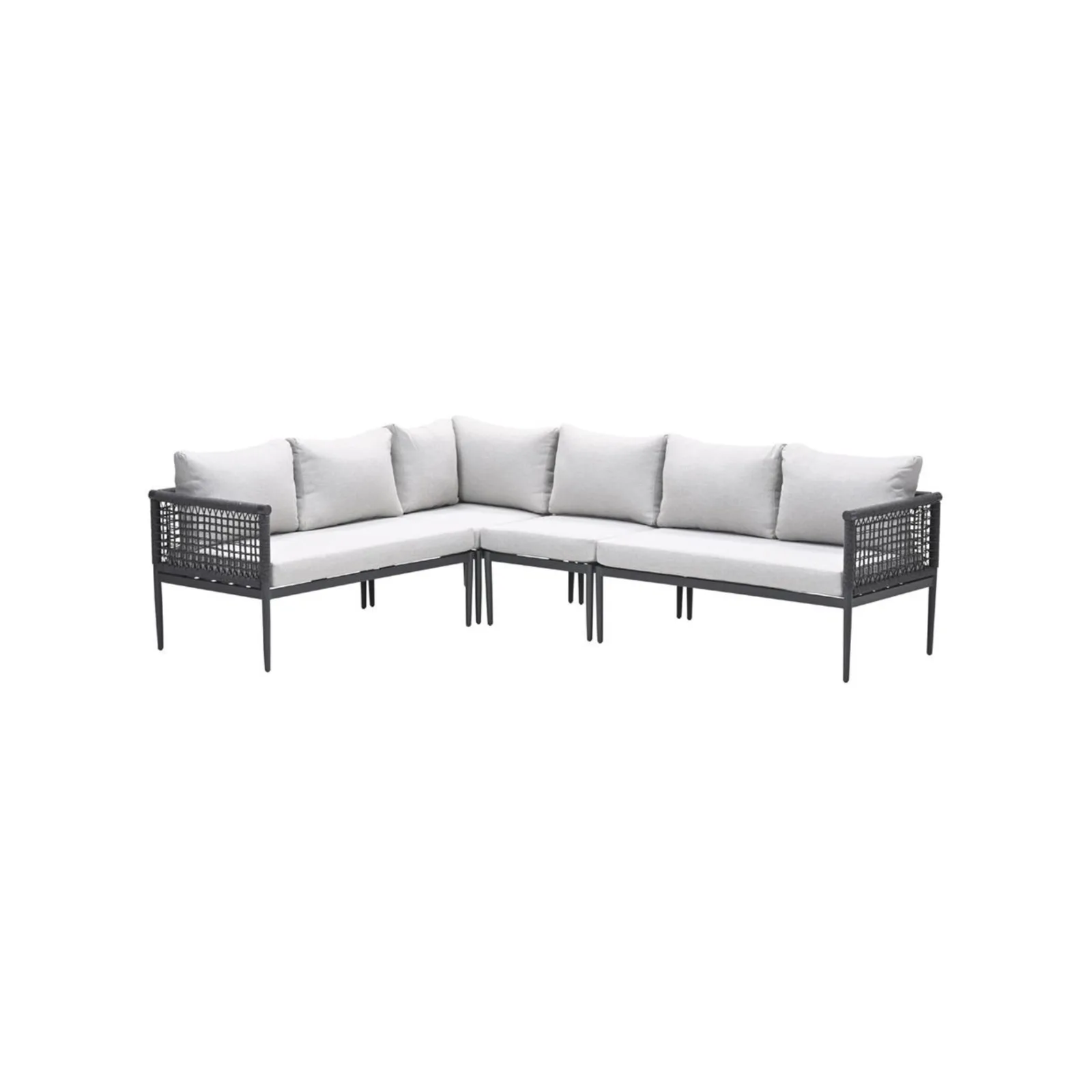
Teramon corner lounge set
View set →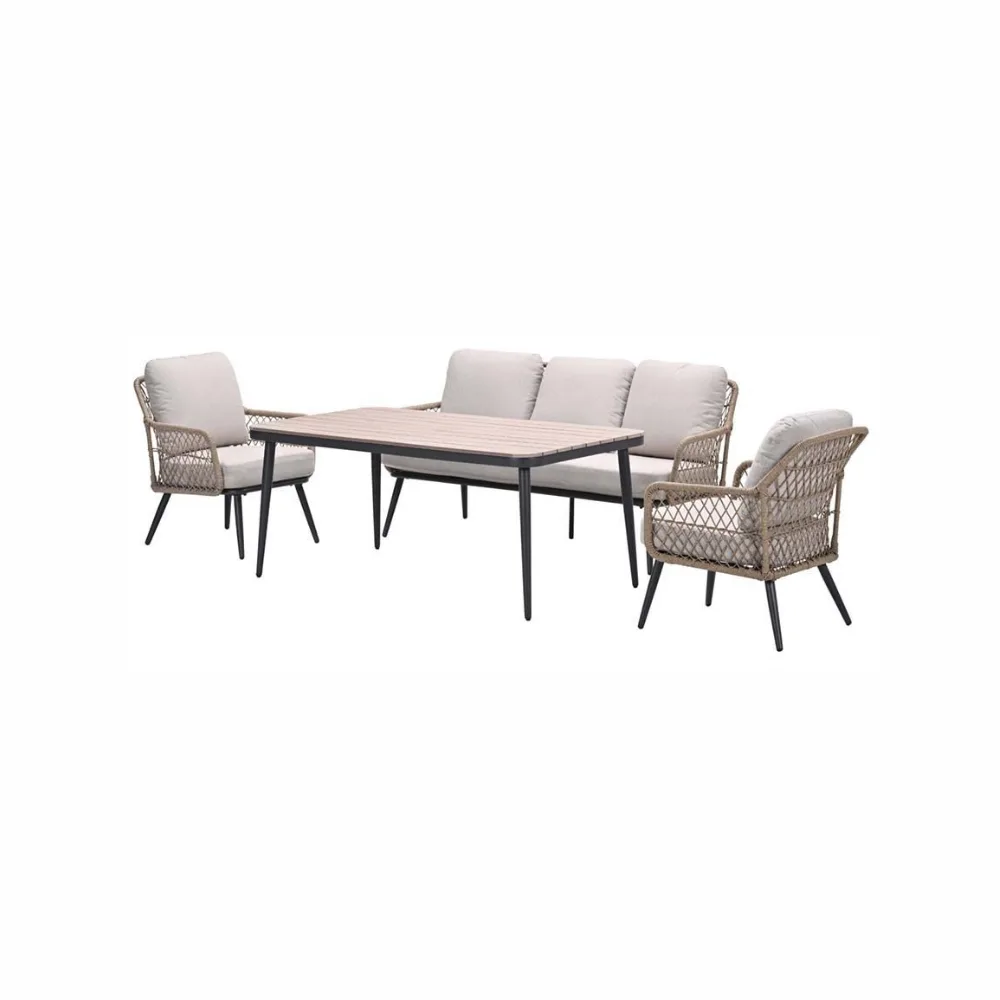
Allasio sofa lounge set
View set →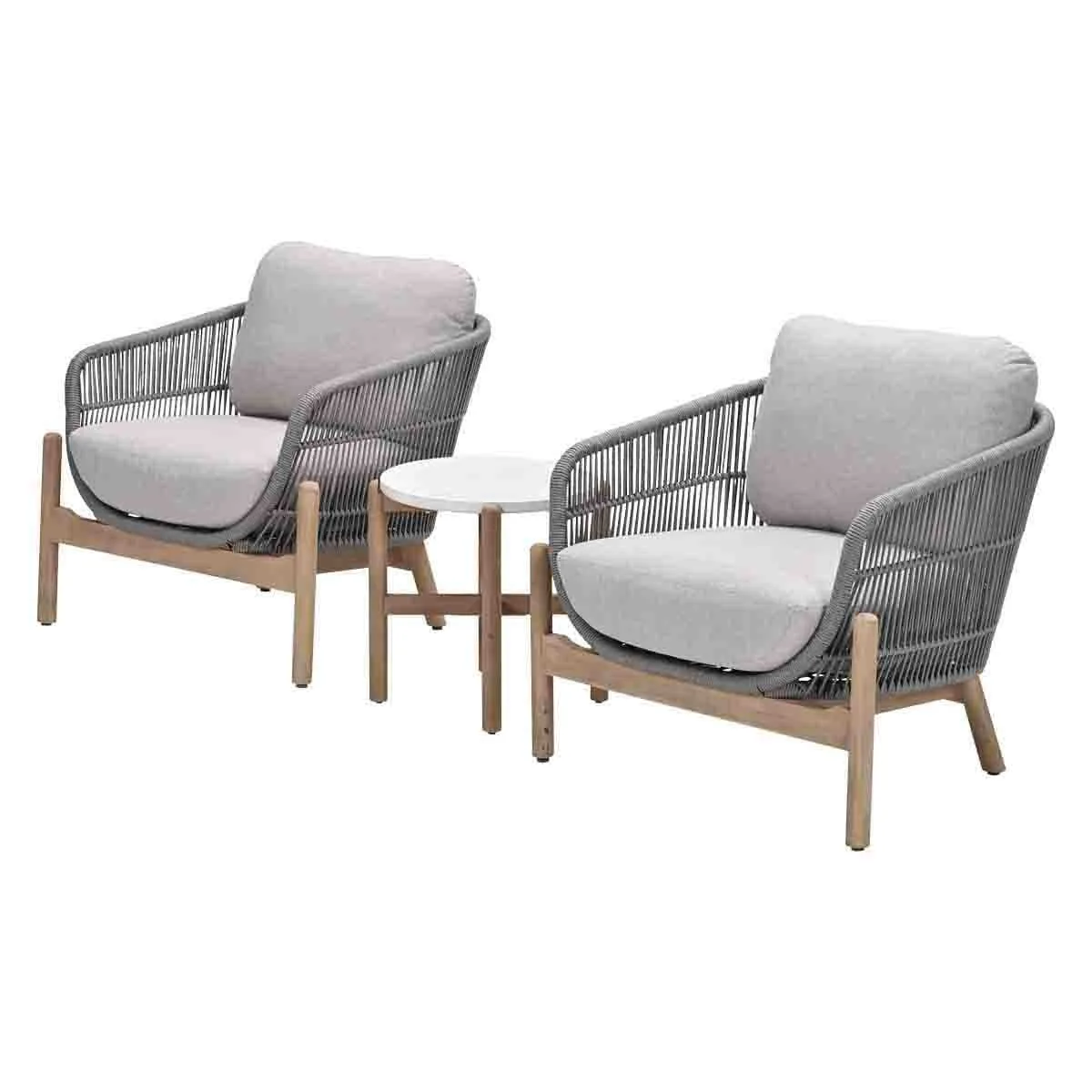
Talara acacia lounge set
View set →View all rope lounge sets and rope garden chairs. Not sure which type or material suits you? Try our selection tool, or read buying a rope lounge set: what should you look out for?
Frequently asked questions
How often should you clean rope garden furniture?
During the season, brush the rope dry about once a week or as needed, so sand, dust and leaves don't get stuck in the weave. Give it a thorough clean in spring and autumn with lukewarm water, a mild soapy solution and a soft brush. Remove stains such as bird droppings straight away.
Can you clean rope with a pressure washer?
It's best to avoid it. The harsh jet can fray the fibres of the rope, loosen the weave and force water deep into the cushions and seams. A garden hose with a gentle spray, lukewarm water and a soft brush works just as well and is safer for the rope.
How do you remove green build-up from rope?
First brush off the build-up while it's dry. Then work the area with lukewarm water, a mild soapy solution and a soft brush, leave it to soak in briefly, and rinse thoroughly with clean water. Let the furniture dry in the sun and wind afterwards. Don't use bleach or chlorine, as these can damage the colour of the rope.
Can rope garden furniture stay outdoors over winter?
Rope and powder-coated aluminium frames can withstand the weather and wind, but they'll look better for longer if you store them somewhere dry over winter or cover them with a breathable protective cover. Clean them first and let everything dry thoroughly. Always bring the cushions indoors, as the covers are water-repellent but not waterproof.
What should you do if a strand of the weave comes loose?
First check whether it's a loose end that you can tuck back behind the weave. If the rope is frayed, broken or has lost its tension, contact the shop where you bought the furniture. For the rope furniture discussed in this article, the product information states a 2-year guarantee.