
Polywood looks like wood, but you never need to sand, oil or stain it. That's why it's popular for garden tables, benches and tabletops. It isn't entirely maintenance-free, though: dust, pollen, bird droppings and green algae still settle on plastic, and dirt collects in the grooves of the woodgrain texture more quickly. In this guide you'll read how to clean polywood and similar woodlook plastic such as Vironwood, how to remove stains, what you're better off not doing, and how to help your furniture through the winter.
In brief: clean polywood with lukewarm water, mild soap and a soft brush and rinse afterwards. Remove stains as quickly as possible. Don't use oil, varnish, abrasives, solvents or a pressure washer, and don't place hot pans on the surface. In winter, a breathable cover keeps the furniture clean. For Vironwood, also see what the manufacturer advises for each product.
Polywood, Vironwood and other woodlook plastic
Polywood isn't a type of timber but plastic with the colour and grain of wood. You'll find it in full furniture pieces, such as benches and chairs, and as slats in a tabletop. For where it comes from and the pros and cons, read what is polywood. This article only covers maintenance.
To be honest: we don't currently have furniture made entirely of polywood in our comparison. We do have plenty of tables and sets with a Vironwood tabletop. That's the name Garden Impressions uses for a low-maintenance plastic with the look of wood. Some retailers even list these tables as polywood. You can read more about this material in what is Vironwood.
For maintenance, it matters little which name is on the label. Woodlook plastic doesn't need oil or varnish, but it does need a regular wash with soapy water and a gentle hand. Do you have ordinary plastic garden chairs, for example in white? There's a separate guide for those: cleaning and maintaining plastic garden furniture.

Cleaning polywood in 5 steps
During the season, a quick clean every few weeks is enough. Also do it at the start and end of the season, and straight away if anything has been spilt. You'll need a bucket of lukewarm water, mild soap (washing-up liquid or green soap), a soft cloth and a soft brush.
Remove leaves, sand and dust with a soft brush or hand brush. That way you won't rub grit across the surface when you start washing.
Add a splash of mild soap to a bucket of lukewarm water. More soap doesn't make things cleaner, but it will leave a film behind if you don't rinse well.
Wipe the surface with a soft cloth. A soft brush works better in the grooves of the woodgrain texture and between the slats. Brush in the direction of the grain, as that's the easiest way to lift the dirt out.
Rinse off soap residue with a garden hose or a bucket of clean water. Soap that stays on will attract new dirt.
Let the furniture air-dry or dry it off with a soft cloth. If the frame is aluminium, wipe that down with a damp cloth too. You can read more about this in maintaining aluminium garden furniture.
After a meal, lay a damp cloth over any spilt sauce or wine and wipe it off after a few minutes. A stain that's still wet can nearly always be removed with no bother. A stain that has sat in the sun for a week takes a lot more work.
Removing stains and algae
Woodlook plastic absorbs little moisture, so most stains stay on the surface. That makes them easier to remove than from real wood, as long as you choose the right approach.
| Stain | Approach | Note |
|---|---|---|
| Grease and sauce | Soapy solution with washing-up liquid | Wipe off straight away |
| Wine, coffee, fruit | Damp cloth, then soapy solution | Don't let it dry |
| Bird droppings | Let soak, then wipe off | Don't scrape when dry |
| Green algae | Soapy solution and soft brush | No bleach |
| Stubborn stain | Paste of bicarbonate of soda | Test first |
Bicarbonate of soda (baking soda) mixed with a little water is mildly abrasive. So test it first on a spot you won't see, such as the underside of the tabletop, and rub gently with a cloth, not a scouring pad. Green algae mostly appears in spots that stay wet for a long time, such as under a tree or in the shade. In that case, it helps to move the furniture slightly so it dries faster after a shower.
Don't leave cushions lying wet
Wet cushions on a bench or chair keep the surface beneath them damp for a long time. That gives algae and mould on the cushion a chance to grow. Take cushions in after a shower and let them dry. You can also read tips for storing garden cushions.
What you're better off not doing
Most damage to polywood isn't caused by the weather but by well-meant maintenance. These are the mistakes you'll see most often.
Using oil, varnish or stain
Polywood isn't wood. Oil doesn't soak in and simply sits on the surface as a sticky layer, which is exactly where dirt clings. For Vironwood tables, the product information states that oil or varnish isn't necessary.
Scouring pads and steel wool
The abrasive side of a sponge, steel wool or a stiff brush leaves scratches and makes the surface dull. Use a soft cloth or a soft brush instead.
Bleach and solvents
Bleach, ammonia, acetone, thinners and white spirit can damage plastic and make the colour dull. A mild soapy solution is always enough for ordinary dirt.
A pressure washer held too close
A harsh jet can roughen the surface and force water between the slats and into the fixings. A garden hose and a soft brush work just as well.
Hot pans and round glass in the sun
Heat can leave marks on plastic or make it warp. So place a hot pan or dish on a trivet. For the 220 x 115 cm Edison table, the product information also warns about round glassware in direct sunlight: it can focus the light and cause burn marks.
Polywood in winter
Woodlook plastic copes well with rain and cold. Even so, winter is when dirt, leaves and moss build up. A few things help:
- Clean the furniture first and let it dry completely before you cover or store it.
- Check what the manufacturer says. For some Vironwood products, such as the Edison round tables and the Jondal park bench, the product information advises storing them dry during prolonged bad weather or in winter, preferably with a protective cover.
- Choose a breathable cover, not a plastic sheet. Under a sealed sheet, condensation collects, and that's exactly what encourages moisture and algae.
- Remove snow carefully with a soft broom, not a shovel or ice scraper.
- Bring cushions indoors, dry and somewhere with some air circulation.
Choose a cover to suit the size of your table or set. Measure the outside dimensions and pick a cover that's slightly larger.
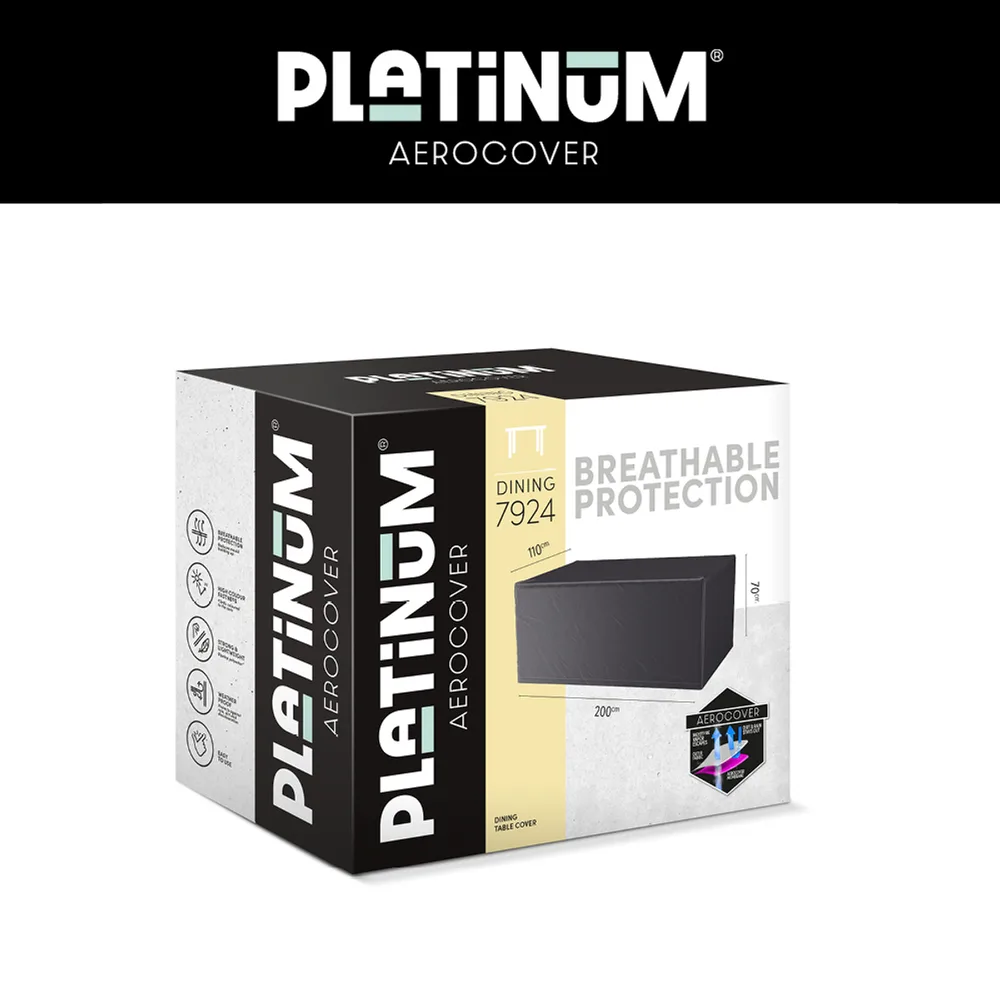
AeroCover garden table cover 200 x 110
View cover →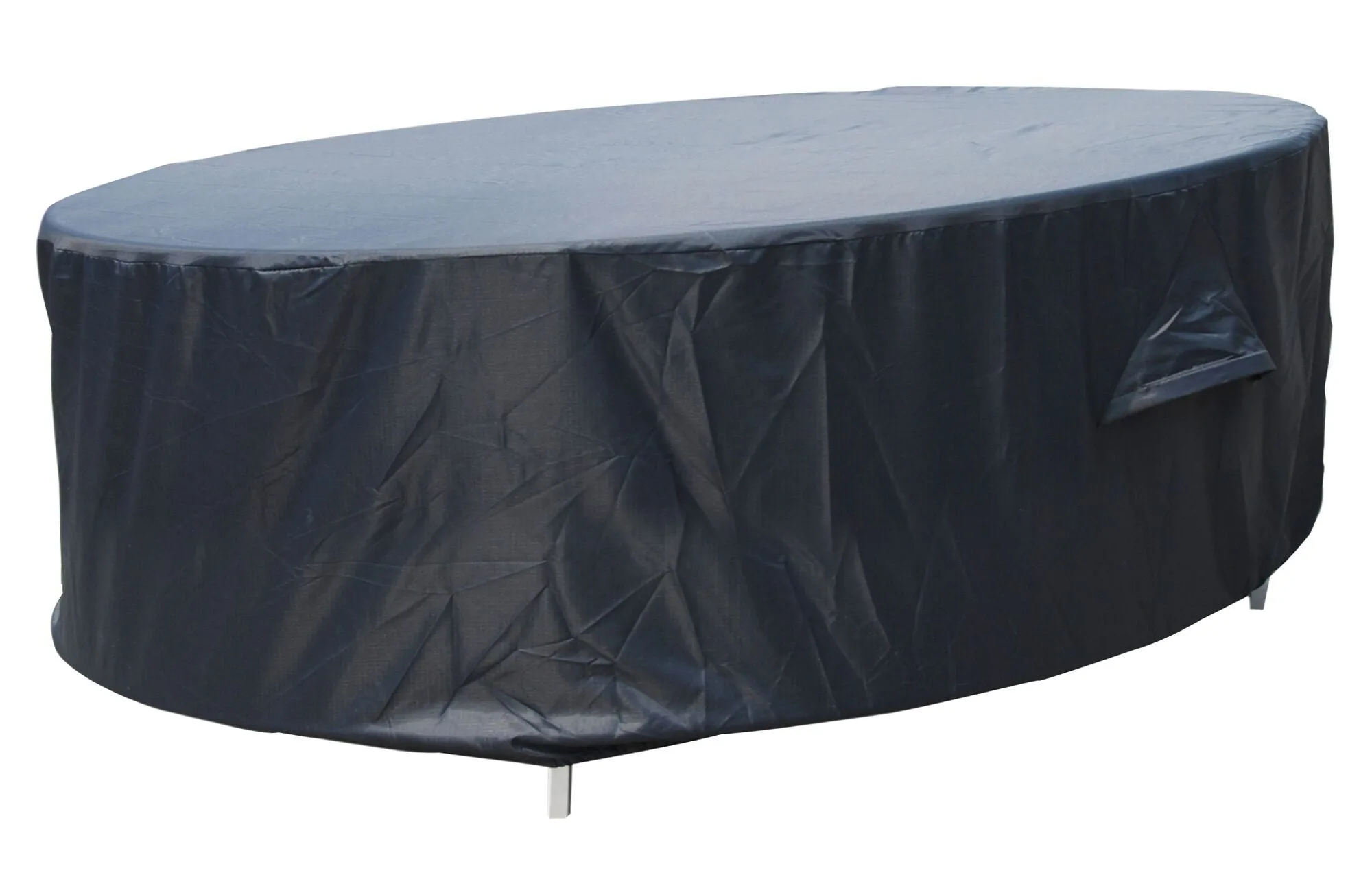
Coverit oval garden set cover 230 x 205
View cover →All protective covers
View range →For more on covering furniture, read covering garden furniture, and for general winter tips, read what to do with garden furniture in winter.
What the manufacturer advises per product
For Vironwood products, the product information usually includes a short maintenance recommendation. This largely matches the steps above. A few examples:
| Model | Cleaning | Extra advice |
|---|---|---|
| Edison 220 x 115 cm | Soft cloth, mild soapy solution | Be careful with round glass in the sun |
| Edison 180 x 115 cm | Soapy solution, soft cloth | No oil or varnish needed |
| Bologna lounge table | Soapy solution, soft cloth | Oil or varnish unnecessary |
| Bell picnic set | Mild soapy solution, soft sponge | No harsh cleaning products |
Edison oval garden table 220 x 115 cm
An oval table for 6 people with an aluminium frame in carbon black and a tabletop of Vironwood slats in light teak. The product information describes the top as colourfast and weather-resistant, and warns against sharp objects and round glassware in direct sunlight.
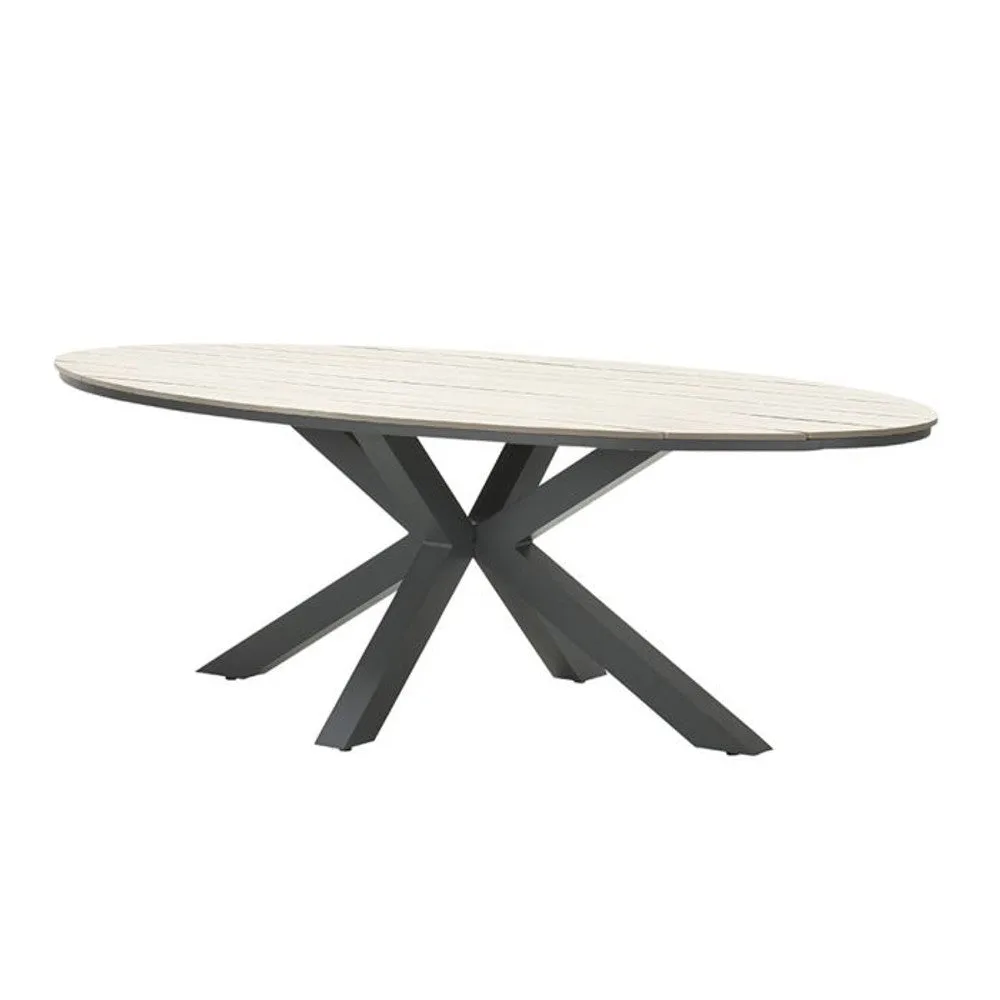
Edison oval garden table 220 x 115 cm
Edison oval garden table 180 x 115 cm
The same range in a smaller size, with 69 cm of legroom under the top. According to the product information, Vironwood resists dirt and discolouration and you don't need to use protective oil or varnish: cleaning is enough.
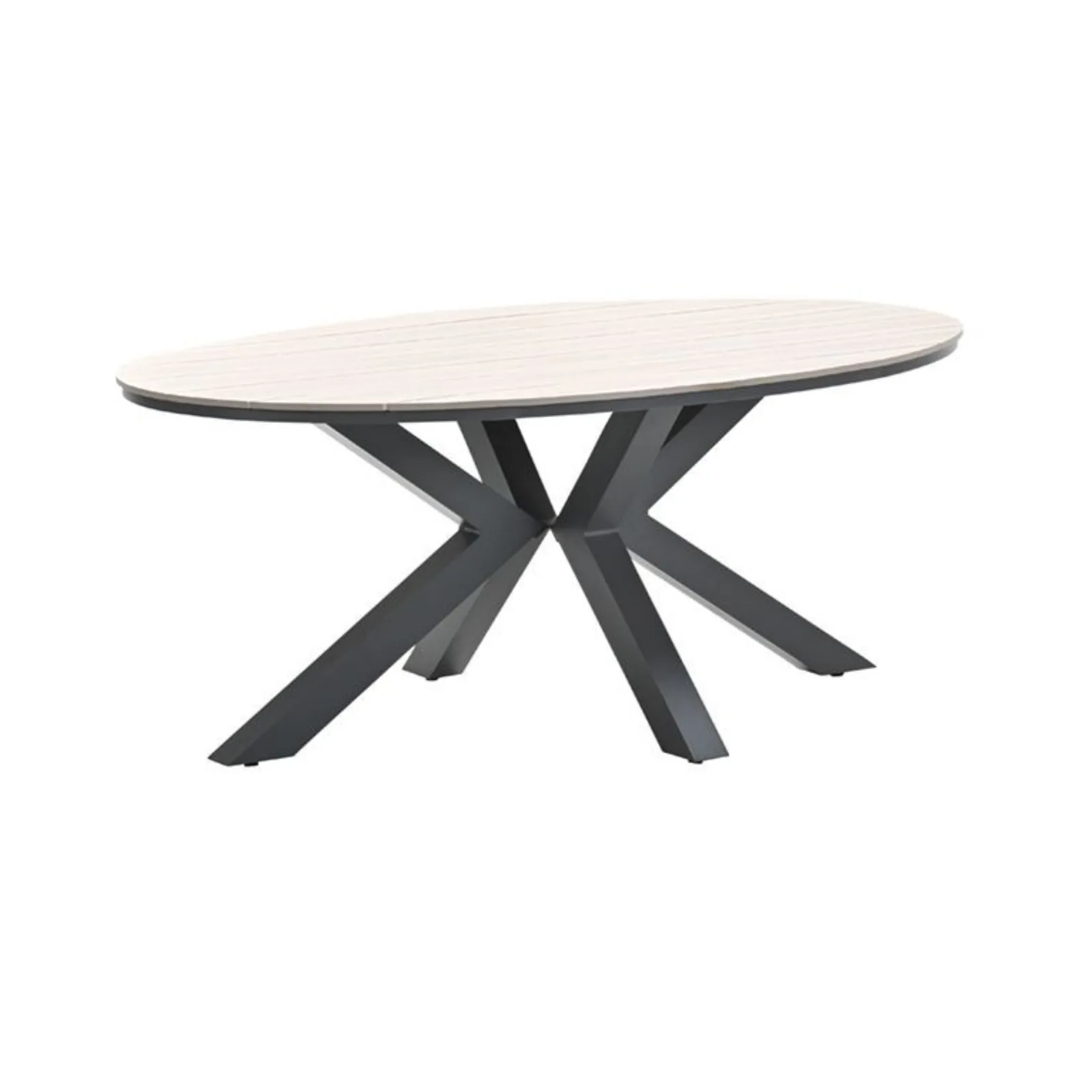
Edison oval garden table 180 x 115 cm
Bologna lounge table 130 x 70 cm
A low lounge table, 35 cm high, for use with a lounge set. The top is Vironwood in light teak, and the aluminium frame is carbon black. According to the product information, you clean the top with a soapy solution and a soft cloth, and oil or varnish isn't necessary.
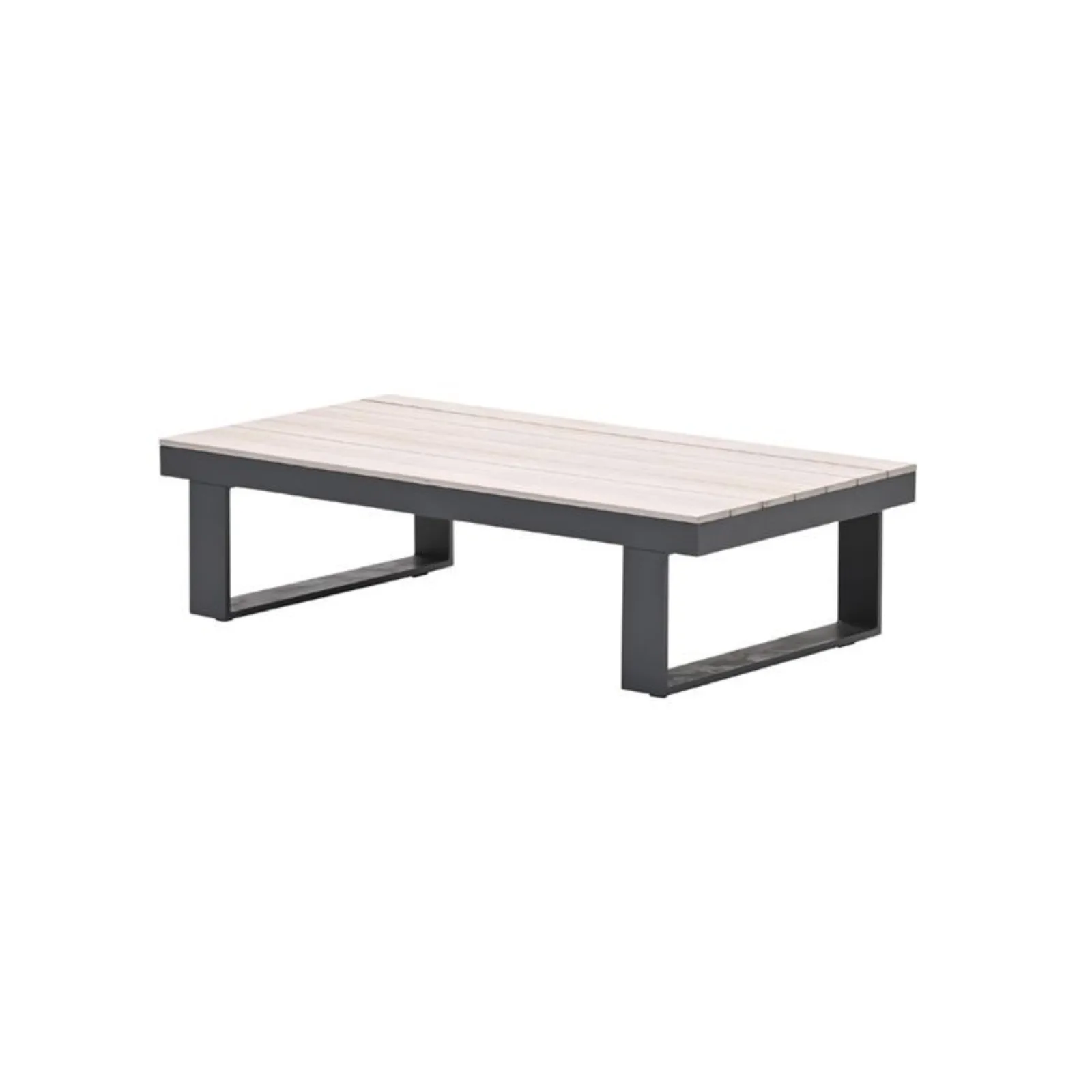
Bologna lounge table 130 x 70 cm
Bell picnic set
With this picnic set, it isn't just the tabletop but also the seats that are made of Vironwood, on a frame of dark grey powder-coated aluminium. The seat height is 47.5 cm. The product information recommends a mild soapy solution and a soft sponge, and no harsh cleaning products.
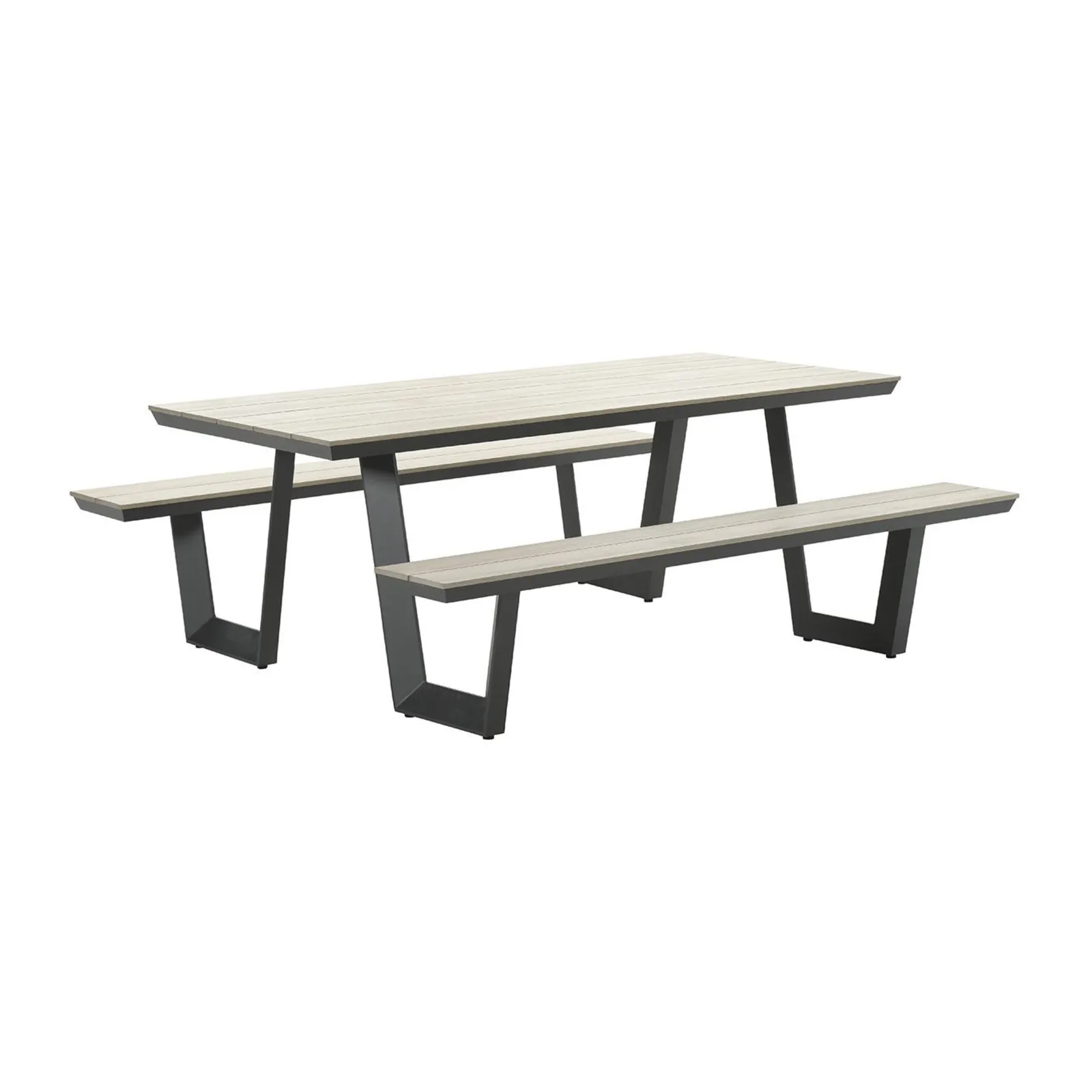
Bell picnic set carbon black / light teak
Also with a Vironwood top:
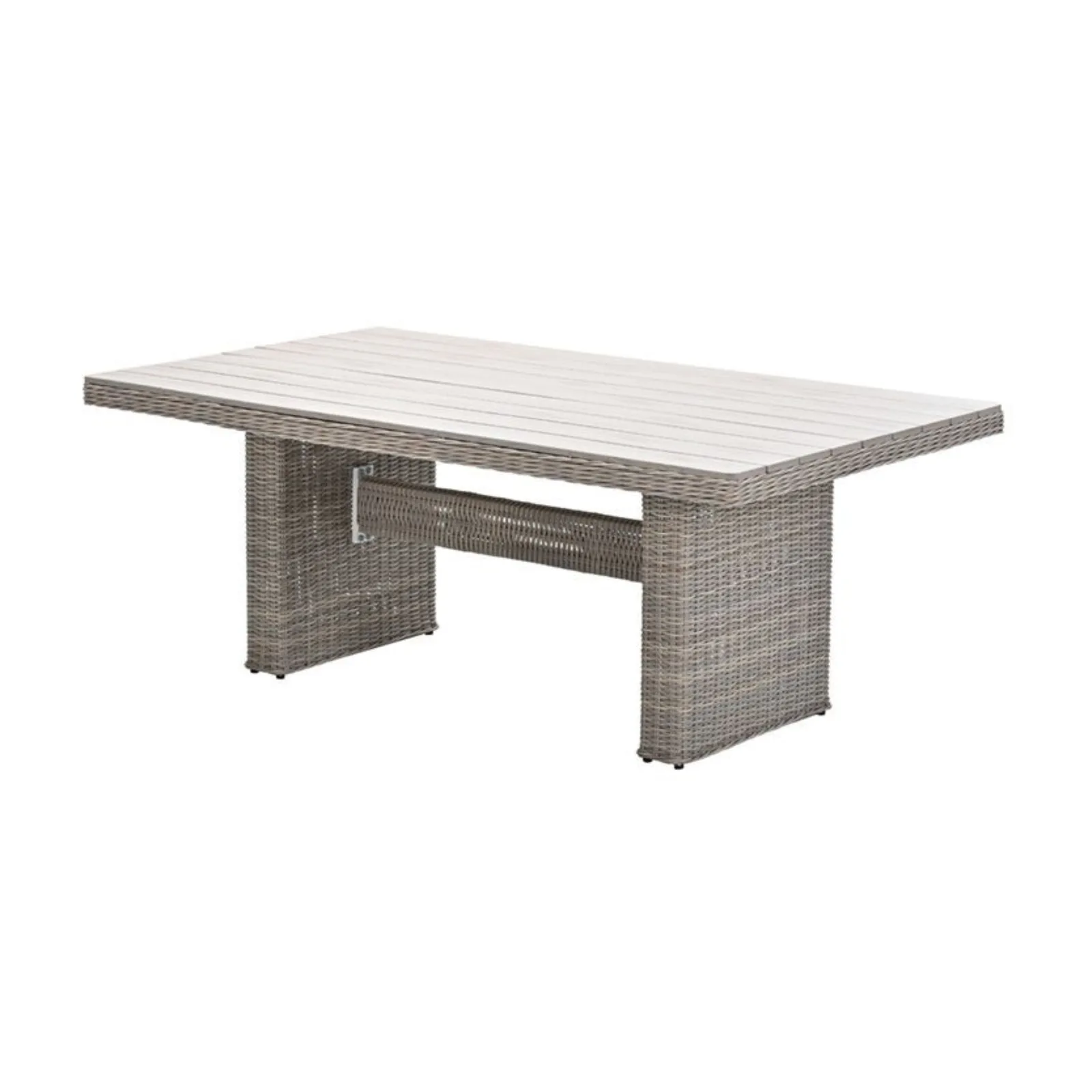
Tennessee lounge-dining table
View table →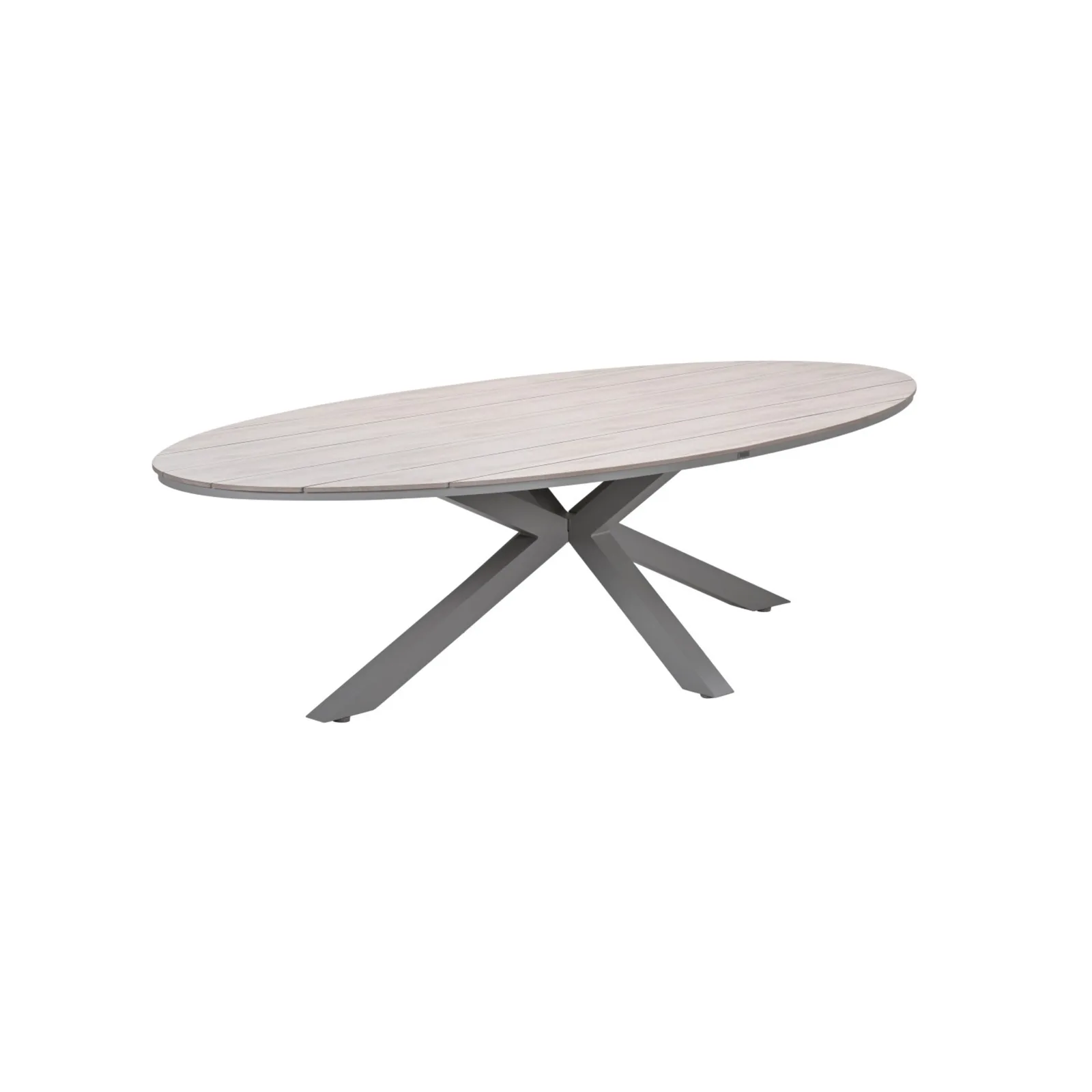
Edison oval 280 x 140 taupe
View table →All picnic sets
View range →Or browse all aluminium garden tables and lounge dining tables. Not sure which material suits you? Then try our selection tool.
Checklist: keeping polywood looking good all year
What you need
- Bucket of lukewarm water
- Mild soap: washing-up liquid or green soap
- Soft cloth or microfibre cloth
- Soft brush for grooves and joints
- Garden hose for rinsing
- Breathable protective cover for winter
Tick off what you've done this season:
- Spring: furniture rinsed and cleaned with a soapy solution
- Frame and fixings checked for loose screws
- Trivets set out for hot pans and dishes
- Summer: spilt food and drink wiped up straight away
- Cushions taken in after a shower and left to dry
- Autumn: leaves swept away and everything left to dry thoroughly
- Winter: furniture under a breathable cover or stored dry
Frequently asked questions
How do you clean Polywood garden furniture?
First sweep away loose dirt and leaves. Then wipe the furniture down with lukewarm water, a little mild soap and a soft cloth or soft brush. Rinse with clean water and let it dry. Usually nothing more is needed, including for Vironwood tabletops.
Should you oil or varnish Polywood?
No. Polywood and Vironwood are plastic with a wood-look finish, not real wood. Oil, varnish or stain doesn't soak in and tends to leave a sticky layer instead. For Vironwood tables such as the Edison and the Bologna, the product information also states that oil or varnish isn't necessary: cleaning is enough.
Can you use a pressure washer on Polywood?
Better not. A hard jet from close up can damage the surface and the gaps between the slats. A garden hose, a bucket of soapy water and a soft brush are enough to clean the grooves of the wood texture as well.
How do you remove stains from Polywood?
The sooner, the easier. Wipe off grease, wine or bird droppings straight away with soapy water. Let a dried stain soak first under a damp cloth, then gently scrub. Don't use abrasive scourers, steel wool, bleach or solvents such as acetone or thinners.
Can Polywood stay outside all winter?
Plastic with a wood-look finish can withstand rain and cold, but also check the frame and what the manufacturer says. For some Vironwood products, the product information advises storing them dry or covering them during prolonged bad weather or in winter. A breathable cover at least keeps dirt, leaves and moss off.
Is Vironwood the same as Polywood?
Not exactly, but they are very similar. Polywood is a general name for plastic with a wood-look finish. Vironwood is the name Garden Impressions uses for its plastic wood-look tabletops. The maintenance is almost the same: soapy water, a soft cloth and no harsh chemicals.