

Plastic garden chairs, stools and tables are lightweight, affordable and can cope with rain. But after a few seasons you'll notice the signs: a grey film, green streaks under the armrest, a patch of sun fade or bird droppings, and on white furniture sometimes a yellowish tint. The good news is that cleaning almost always works with a bucket of soapy water. In this guide you'll read how to clean plastic garden furniture step by step, how to tackle each stain, what you're better off not using, and how to help them through the winter.
In brief: clean plastic with lukewarm water, mild soap and a soft brush, rinse and let it dry. Don't use an abrasive scourer, chlorine or a pressure washer. For stubborn spots, check the stain table. If white plastic has turned yellow or chalky from the sun, cleaning only helps partly: prevention is better than cure here. In winter, store the furniture indoors or under a breathable cover.
Why does plastic get dirty and dull?
Most plastic garden furniture is made from polypropylene (PP). That material doesn't absorb water, doesn't rust and doesn't rot. That's why maintenance is simple. Even so, three things happen outdoors:
- Dirt sticks: dust, pollen, soot and bird droppings cling, especially in seams, ridges and the hollow under the seat.
- Moisture in the shade: in spots that stay wet, algae get a chance. This is how green streaks and black specks appear.
- Sunlight: UV radiation weathers plastic over the years. Colours fade, white can turn yellow, and the surface can become dull or chalky.
You simply wash off dirt and algae. Weathering from the sun is in the material itself; you can mainly slow it down. How to do that is explained further on. If you're still unsure about the material of new chairs, read what the best material for garden chairs is.
What do you need?
You don't need to buy anything special. You probably already have this at home:
| Product | What for | Note |
|---|---|---|
| Lukewarm water and mild soap | Regular cleaning | Green soap or washing-up liquid |
| Soft brush or sponge | Seams and ridges | No abrasive side |
| Microfibre cloth | Wiping off and drying | Keep it clean, sand scratches |
| Bicarbonate of soda | Grey patches | As a paste, rub gently |
| Cleaning vinegar | Green algae, limescale | Diluted, rinse thoroughly |
| Garden hose | Rinsing | Gentle jet |
Cleaning plastic garden furniture in 5 steps
Choose an overcast day or a spot in the shade. In harsh sun the soapy water dries on the furniture and leaves streaks.
Remove the cushions and sweep away leaves, sand and cobwebs with a dry brush. Sand that gets into the sponge works like sandpaper.
Fill a bucket with lukewarm water and a splash of mild soap. Wash the furniture from top to bottom with a soft sponge or brush, and don't forget the underside of the seat and the legs.
For caked-on dirt, lay a wet cloth with soapy water on the spot for a few minutes. That way it loosens without you having to scrub hard. For specific stains, check the stain table.
Rinse all soap residue away with the garden hose or a bucket of clean water. Leftover soap attracts new dirt and leaves a dull film.
Dry the furniture with a clean cloth or let it air dry. Only put it back under a cover or in the shed once it's completely dry.
How often? Do a quick clean whenever the furniture is visibly dirty. A thorough clean like the one above should at least be done at the start and end of the garden season. If you also have wooden, aluminium or wicker furniture, you'll find the approach for each material in cleaning garden furniture: tips per material.

White discolouration and yellowing
White plastic furniture shows every mark. On top of that, old plastic can discolour in two ways, and you tackle them differently.
Grey film: dirt
A grey or brownish film that gets lighter when scrubbed is simply dirt embedded in the surface. Wash with soapy water first. If a film remains, make a paste of bicarbonate of soda and a little water, rub it over the spot with a soft cloth and rinse thoroughly. Bicarbonate of soda is mildly abrasive, so rub gently and test it first on an inconspicuous spot.
Yellow or chalky: the sun
If white plastic has turned yellowish, or leaves a white, chalky layer on your hand or clothing, the surface has weathered from years of sunlight. With soapy water and a soft brush you can remove the loose layer and the furniture will look fresher again. The original colour usually doesn't fully return, not even with strong products. So don't try bleach or an abrasive scourer: they only make the surface rougher.

Coloured plastic shows weathering less quickly than white. If you buy new chairs for a sunny spot, a chair in anthracite, olive or sand will stay looking cared for longer than a bright white one.
How to slow down discolouration
Place plastic furniture you're not using in the shade or under a cover, especially in summer. The fewer hours in full sun, the slower the plastic weathers. You can read more about colour loss on cushions in garden cushions faded by the sun.
Green algae on plastic
Green algae often appear where things stay wet the longest: under the armrests, in the ridges of the backrest and on the underside of the legs. On plastic it's easier to remove than on wood or tiles, because the material is smooth and doesn't absorb anything.
- Start with a regular wash with soapy water and a soft brush. Light algae often disappear this way.
- If green remains, use diluted cleaning vinegar. Let it soak briefly, brush and rinse thoroughly with clean water.
- Then place the furniture where it dries faster, with more sun and wind. That works better than scrubbing every time.
If you also have green on the patio, tiles or wooden furniture, read removing green algae from patios, tiles and garden furniture.
Stain table: which stain, which approach?
Always start with the gentlest approach and only move on to a stronger one if necessary. Test a new product first on an inconspicuous spot, for example under the seat.
| Stain | Approach | Note |
|---|---|---|
| Bird droppings | Let a wet cloth with soapy water soak, then wipe off | Remove quickly, don't scrape dry |
| Sunscreen, grease | Washing-up liquid in lukewarm water | Rinse thoroughly |
| Wine, fruit, coffee | Soapy water straight away, then bicarbonate of soda paste | The older, the harder |
| Tree sap, resin | Let it harden, gently push loose, rest with soapy water | No sharp knife or thinner |
| Green edges | Soapy water, then diluted vinegar | Rinse and let dry |
| Black specks | Diluted vinegar, soft brush | Often returns in damp spots |
| Grey film | Bicarbonate of soda paste, rub gently | Test first |
| Yellow, chalky | Soapy water and a soft brush | Weathering, can't be fully removed |
Black specks on your chair cushions need a different approach; you can read about that in cleaning garden cushions.
What not to use
With plastic, things rarely go wrong from not cleaning enough, but from cleaning too hard. Leave these products alone:
Abrasive scourers and steel wool
They leave scratches in which dirt and algae then cling even better. A scratched surface also becomes dull more quickly.
Chlorine and bleach
Strong products can attack plastic and leave stains or discolouration behind. They're also bad for the plants and the lawn around the terrace.
Solvents such as thinner and acetone
They partly dissolve some plastics. The result is a sticky or dull patch that won't go away.
The pressure washer
A harsh jet can roughen the surface and cause small damage. Green algae stick faster to a rough surface. A gentle jet from the garden hose is enough.
Leaving wet cushions on the furniture
Under a wet cushion the plastic stays damp, giving algae and mould a chance. Store cushions dry; also read storing garden cushions.
Plastic furniture in winter
Plastic can cope with rain, so it can in principle stay outside. If you want it to look good for a long time, a little preparation helps.
- Clean and dry first: give the furniture a thorough wash in autumn and let it dry completely. Dirt that sits all winter is harder to remove in spring.
- Indoors is best: a shed, garage or storage space protects against moisture, leaves and frost.
- Outside under a cover: choose a breathable cover so no condensation gets trapped underneath. A sealed plastic sheet actually holds moisture in.
- Careful in frost: cold plastic is less flexible. Don't stand on a frozen chair, don't knock it and don't let water stand in hollow parts or on the seat.
- Only stack what is stackable: chairs that weren't made for it can get jammed or scratched. Then it's better to place them side by side or upside down in a dry spot.
You can read more about the right cover in covering garden furniture, and general winter tips in what to do with garden furniture in winter.
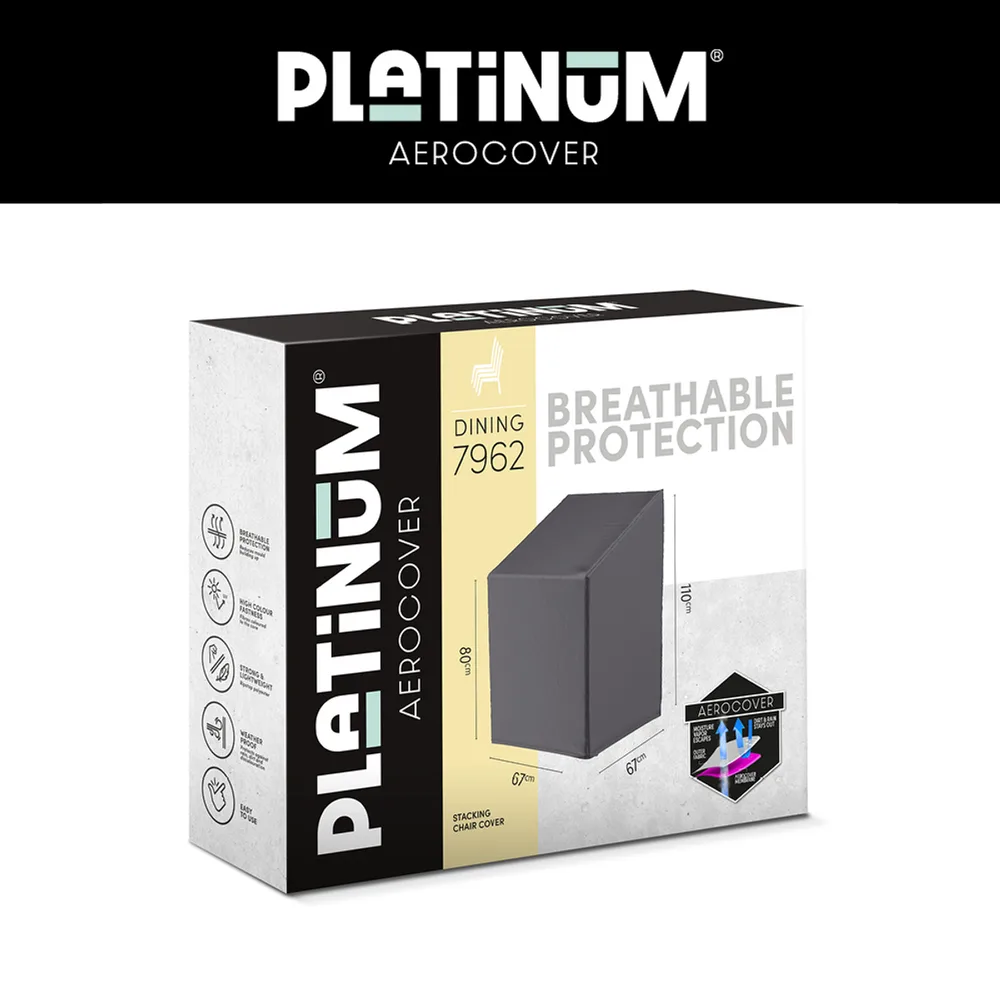
AeroCover stacking chair cover
View cover →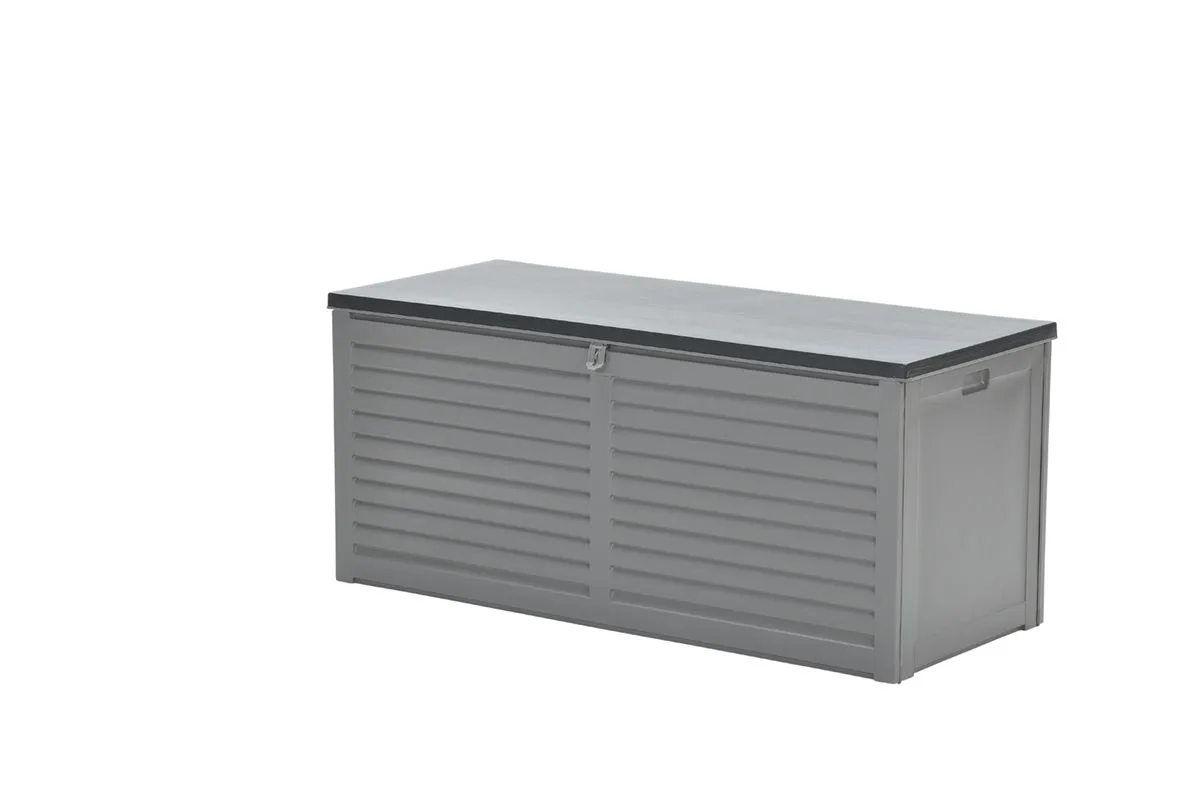
Primo cushion box 490L
View box →
All protective covers
View covers →Measure your chair or stack before choosing a cover, and pick one that's slightly larger. Store cushions loose and dry, for example in a storage box. Please note: according to the specifications, the Primo cushion box is not waterproof, so only put dry cushions in it.
Plastic chairs and stools from our range
Ready for new plastic furniture? These are the plastic chairs and stools currently available. All three are made from polypropylene (PP), and for all three Garden Impressions recommends the same care: clean regularly with a soft cloth and mild or lukewarm soapy water, and cover with a hood during prolonged bad weather. The specs come from the product information.
| Model | Dimensions | Special feature |
|---|---|---|
| Ceasar chair | 56 x 58.5 x 80.5 cm | Seat depth 55 cm |
| Formello chair | 57 x 59 x 80 cm | Seat height 44 cm |
| Cires stool | 44 x 44 x 45 cm | Stackable, also a side table |
Ceasar: armchair with a generous seat
The Ceasar is a plastic armchair with a seat width of 50 cm and a seat depth of 55 cm. The armrests sit at 66 cm height and the chair supports a maximum of 100 kg. It comes in anthracite, olive and sand and is not stackable. According to the instructions for use, you rinse it with clean water after cleaning and let it dry thoroughly.
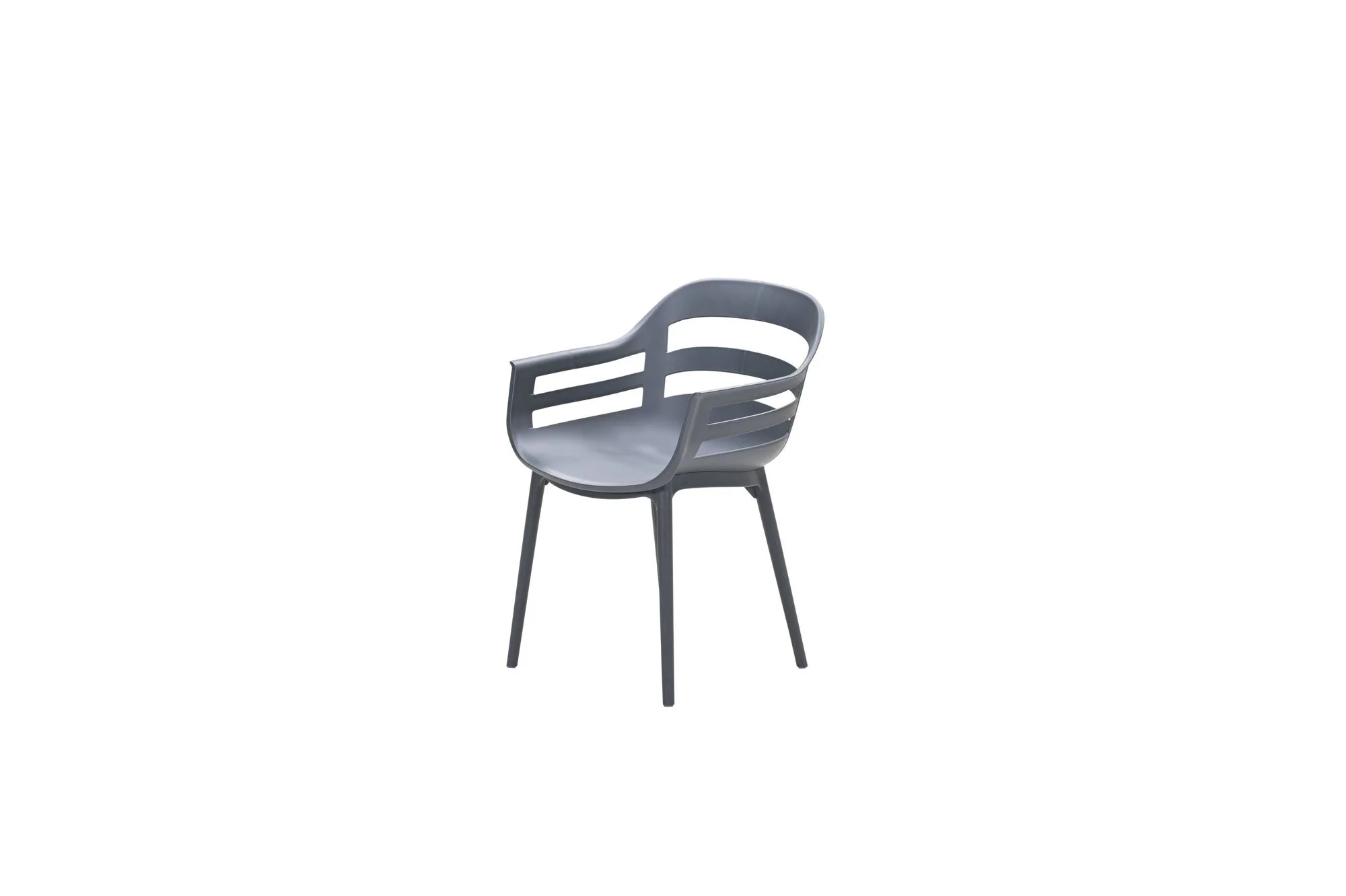
Ceasar plastic chair anthracite
Other colours: Ceasar olive and Ceasar sand.
Formello: armchair at dining height
The Formello has a seat height of 44 cm, a seat width of 55 cm and a seat depth of 53 cm, with armrests at 68 cm. That means you sit comfortably at a regular garden table. This chair also supports a maximum of 100 kg. You can choose between olive and sand.
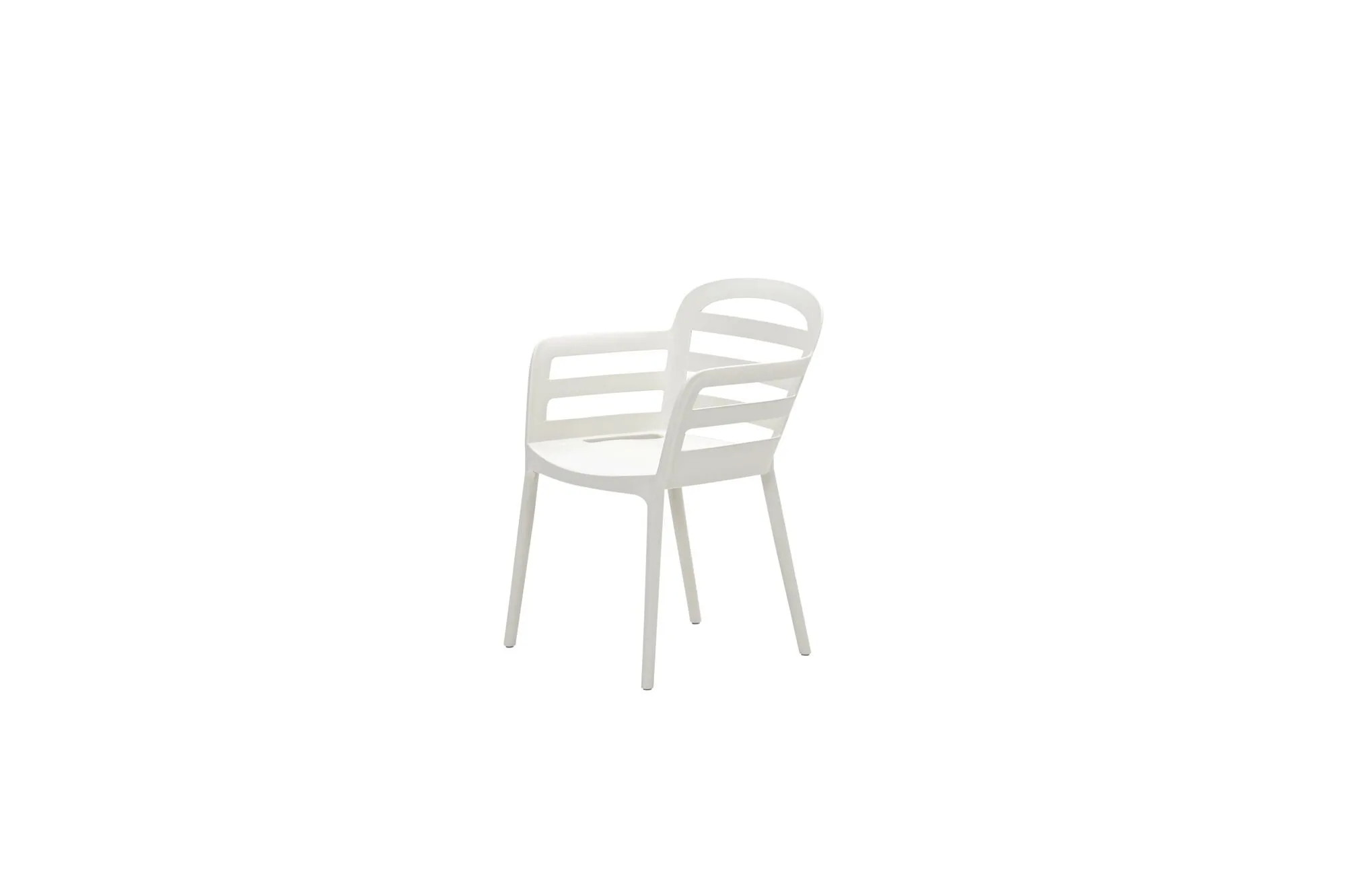
Formello plastic chair sand
Other colour: Formello olive.
Cires: stool that doubles as a side table
The Cires is a square plastic stool measuring 44 x 44 cm and 45 cm high. It's stackable, suitable for indoor and outdoor use, supports a maximum of 100 kg and, according to the specifications, can also be used as a side table. A handy extra seat that you can stack and store away in winter.
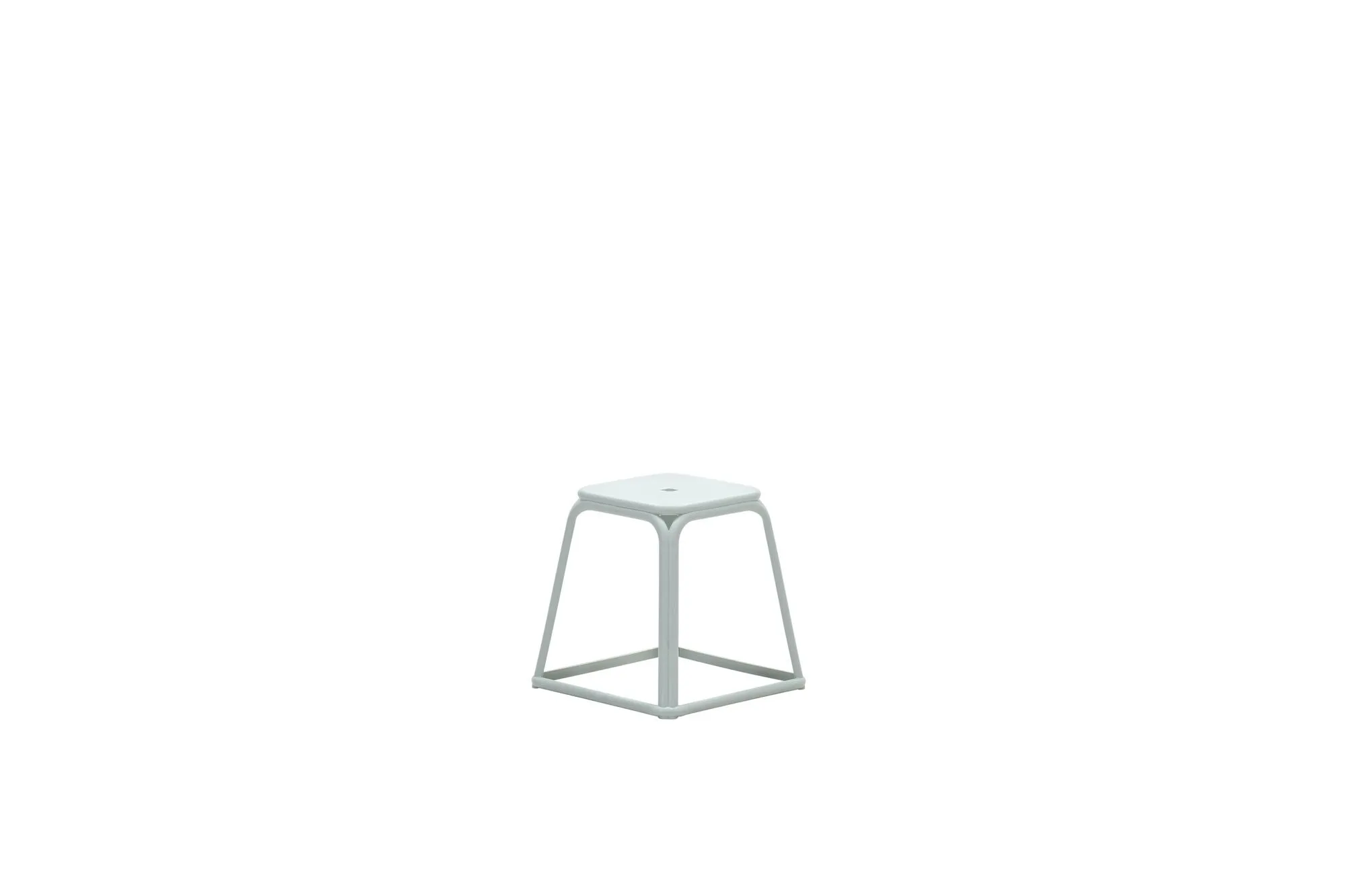
Cires plastic stool olive
Other colour: Cires sand.

All plastic garden chairs
View chairs →
Dining garden chairs
View chairs →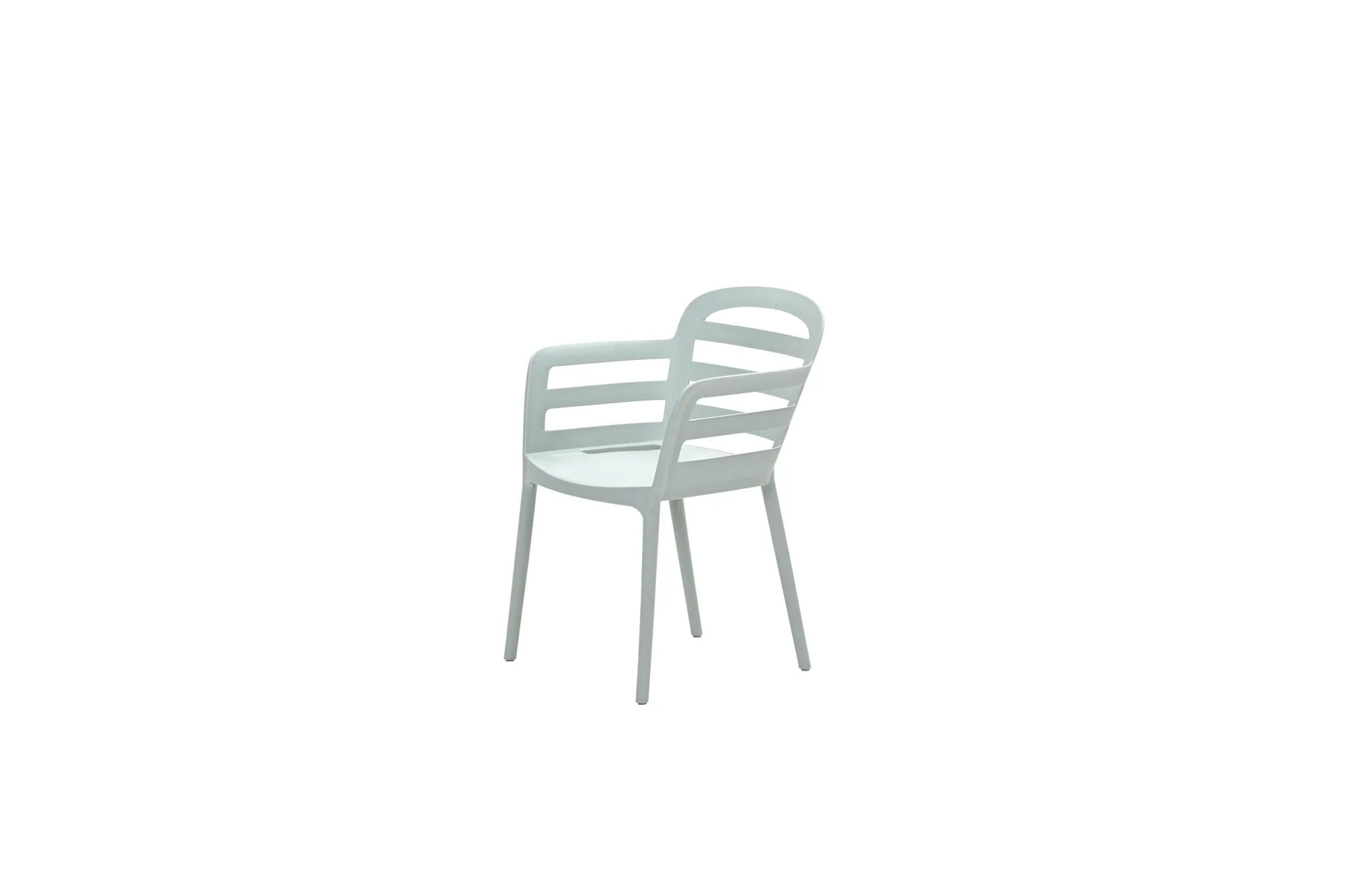
Help with choosing
To the buying guide →Not sure yet which material or type of chair suits you? The buying guide will help you on your way in a few questions. If you're also looking at polywood, a plastic with a wood look, read what is polywood and maintaining polywood garden furniture.
Seasonal checklist
Tick off what you've done. That way your plastic furniture stays looking neat for years.
- Spring: furniture out of the shed, thorough wash with soapy water and rinse
- Legs and joints checked for cracks
- Stains removed straight away using the stain table
- Cushions placed indoors to dry after rain
- Furniture you're not using moved out of the harsh sun
- Autumn: everything clean and completely dry
- Stored indoors or under a breathable protective cover
- Only stackable furniture stacked
How to keep plastic looking good
- Lukewarm water, mild soap and a soft brush are all you need
- Always rinse: soap residue attracts dirt
- Better to clean lightly and often than hard and rarely
- No abrasive scourers, chlorine, thinner or pressure washers
- Shade and a cover slow down discolouration from the sun
Frequently asked questions
What's the best way to clean plastic garden furniture?
Use lukewarm water, a drop of mild soap such as green soap or washing-up liquid, and a soft cloth, sponge or brush. Then rinse with clean water and let the furniture dry thoroughly. This is also exactly what Garden Impressions recommends in the care instructions for its plastic chairs and stools.
How do you make white plastic garden chairs white again?
Start with a thorough wash. If a grey haze remains, gently rub the spots with a paste of bicarbonate of soda and water, then rinse well. If the plastic has turned yellow or chalky from the sun, the discolouration is in the material itself. Cleaning will make it look fresher, but not like new.
Can you clean plastic garden furniture with a pressure washer?
It's better not to. A harsh jet can roughen the surface of the plastic and cause small damage. Dirt and green algae stick more easily to a rough surface. A garden hose with a gentle spray and a brush does the same job without that risk.
What is that white, chalky layer on my plastic chair?
A dull, white or chalky layer usually forms when plastic has been standing in the sun for years. The surface then slowly weathers. You can remove the loose layer with soapy water and a soft brush, but the colour usually won't be as deep as when the furniture was new.
Can plastic garden furniture stay outside all winter?
Plastic doesn't rust or rot, so it can stay outside. However, it will look good for longer if you store it in a shed during winter or cover it with a breathable cover. In frost, plastic becomes less flexible, so don't knock or put heavy loads on cold furniture unnecessarily, and don't leave water standing in hollow parts.