
A ceramic tabletop is becoming increasingly popular for garden furniture. It looks sleek and stylish, is easy to maintain and fits perfectly into a modern garden. But what exactly are the advantages and disadvantages of ceramic? And is ceramic really as strong as it's often claimed to be? In this blog, we'll explain it all to you.
What is a ceramic tabletop?
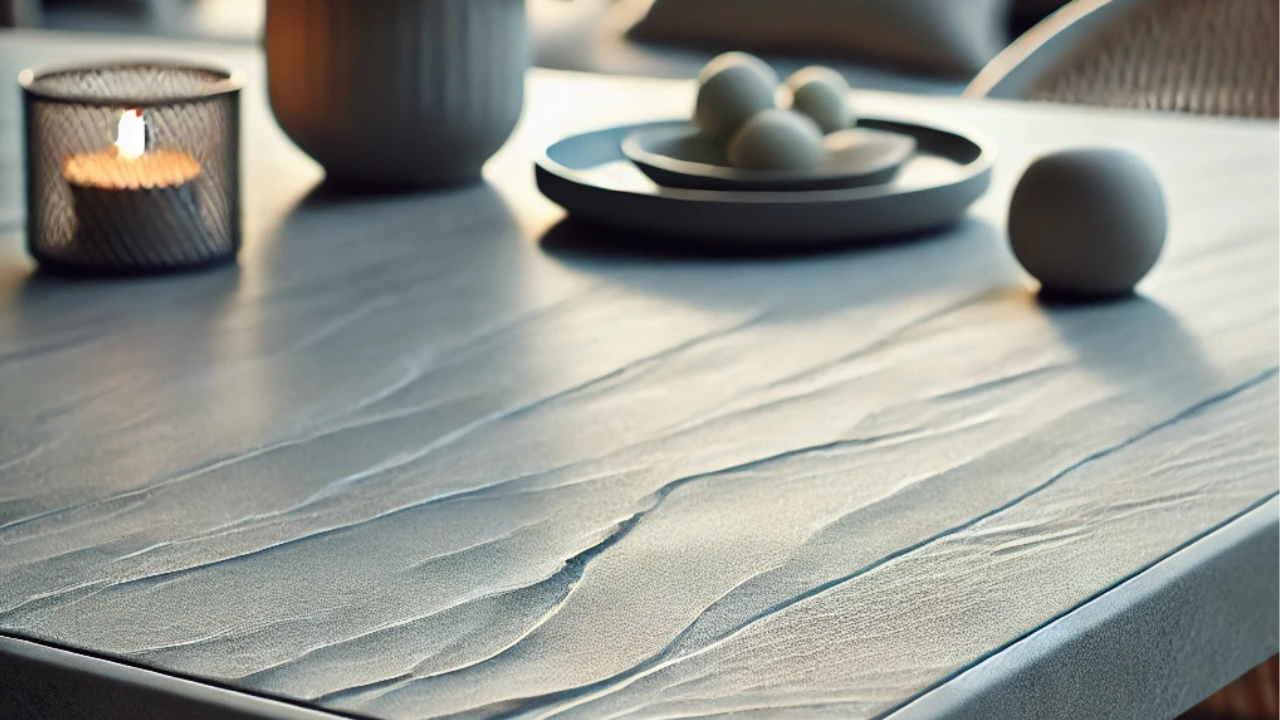
A ceramic tabletop is made from natural materials such as clay and sand, which are baked at high temperatures. The result? A rock-hard, durable plate with a luxurious appearance. Often this surface is combined with an underlayer of glass or aluminium for extra strength. Ceramic is also heat-resistant, water-repellent and easy to clean – all properties that are perfect for outdoor use.
What is the difference between ceramic and ceramics?
Good question! Actually, they're virtually the same, but in practice ceramics often refers to the material itself, whilst ceramic refers to products made from ceramics. Think for example of a ceramic tabletop or a ceramic pan. So: ceramics = the material, ceramic = the application.
Is ceramic scratch-resistant?
Yes, ceramic is extremely scratch-resistant. You can happily slide your crockery across it or set down a pot without immediately making scratches. Even knives have little effect on a good ceramic surface. Still, it's always sensible to use a chopping board – not only to protect your tabletop, but also to keep your knives sharp.
How fragile is ceramic?
Although ceramic is incredibly hard, it can become damaged or even break when subject to a hard impact (such as dropping a heavy, sharp object on it). It's therefore not as flexible as wood or plastic. Fortunately, this rarely happens in normal use – especially with quality tables like those you'll find at Boender Outdoor Garden Furniture. With normal use, you don't need to worry.
The advantages of a ceramic tabletop
- Scratch-resistant: No worries about sliding crockery.
- Heat-resistant: You can happily place a warm pan on it.
- Stain-resistant: Easy to clean, even after a BBQ.
- Weather-resistant: Perfect for any season.
- Stylish: Modern, luxurious appearance that suits any garden.
And the disadvantages?
- Risk of damage from heavy impact: Think of falling heavy objects.
- Feels cold: In winter the surface feels colder than wood, for example.
- Higher price tag: You pay a bit more, but you get a lot in return.
- Weight: A ceramic tabletop for outdoors is generally quite heavy. Of course, this is less of a disadvantage if you have a permanent garden layout. Do you regularly move your garden furniture around? Then you might want to look at a plastic or aluminium tabletop instead.
Conclusion
A ceramic tabletop is an excellent choice for those looking for a durable, easy-to-maintain and stylish garden table. It's strong, easy to use and fits perfectly into outdoor living. Of course, every material has its advantages and disadvantages, but ceramic scores very well on many counts.
Looking for a ceramic garden table? Take a look at the range from Boender Outdoor Garden Furniture – we're happy to help!
Also read: Buying a garden table: What to look out for