
A garden you can enjoy without mowing, weeding and scrubbing every weekend: almost everyone dreams of that. To be honest, a completely maintenance-free garden doesn't exist. But with the right choices you can make it low-maintenance. In this guide you'll find 15 tips that really save time: from getting the balance between paving and greenery right, to plants that suppress weeds for you, garden furniture that only needs a wipe with soapy water, and lighting that switches on by itself.
In short: don't pave everything, but find a balance between paving and greenery. Choose perennials and ground cover and lay mulch between the plants. Pick garden furniture made of aluminium, Vironwood, Centostone or Textilene, store cushions dry close to the seating area, and have your lighting switched by a timer. The first year takes some attention, but after that it saves a lot of work.
Maintenance-free doesn't exist: where does your time go?
If you're looking for a maintenance-free garden, you mainly want fewer recurring chores. That's why it makes sense to first look at where the work in an ordinary garden lies. For almost every part, there's a choice that takes less time:
| Element | Where the work is | Low-maintenance choice |
|---|---|---|
| Lawn | Mowing, feeding, bare patches | Ground cover or gravel |
| Border | Weeding, watering | Perennials with mulch |
| Patio | Weeds in joints, green algae | Large slabs, narrow joints |
| Garden furniture | Oil, varnish, sanding | Aluminium, Vironwood, Centostone |
| Cushions | Wet cushions, mould | Store dry near the seating area |
| Lighting | Switching on and off every evening | Timer or dusk sensor |
Also consider how you use your garden. Do you mainly want to sit outside and prune now and then, or do you find gardening relaxing? Adjust the amount of greenery to match. You can read how to approach the layout in garden layout: 11 tips and a step-by-step plan.
Does watering take up a lot of your time in summer? With a drip system and a water timer it largely takes care of itself. How to go about it is explained in automatic watering: sprinkler, drip system or water timer.
Tips 1 to 4: paving and greenery in balance
1. Don't pave the entire garden
It seems like the quickest solution: everything covered and done. Yet a fully paved garden isn't maintenance-free. Weeds and moss grow in the joints, leaves and dirt keep collecting, and in shady spots you get green algae. Rainwater also struggles to soak into the ground. So choose a patio where you actually sit and walk, and leave the rest green.
2. Choose large slabs with narrow joints
The fewer joints, the less room for weeds. Large slabs or paving panels also give a calm look. Fill the joints with a weed-resistant jointing compound and make sure the patio slopes slightly so water doesn't pool.

Still getting green algae on your paving? In removing green algae from your patio you can read, per surface type, how to remove and prevent it.
3. Work with gravel or chippings on weed membrane
Gravel and chippings let water through and suit stepping stones and planting beds well. Always lay weed membrane underneath: without it, weeds will grow straight through. For paths, choose a not-too-fine stone; it's more pleasant to walk on and you'll bring less grit indoors.
4. Think twice about artificial grass
Artificial grass doesn't need mowing, but it isn't maintenance-free. You still have to remove leaves and dirt, moss can grow in wet shady spots, and in full sun it gets hot. A small patch of real grass next to ground cover, or a gravel garden with perennials, is often a more relaxed alternative.
Tips 5 to 10: plants that do the work
5. Choose perennials
Perennials come back every year, so you don't have to replant them every spring. Choose species that suit the spot: a plant that feels at home grows stronger and needs less care.
6. Let ground cover push the weeds back
Bare soil is an invitation for weeds. Ground cover fills the space between your plants and keeps the soil covered. After a few seasons, it closes up and weeds have little chance.
| Spot | Perennials | Ground cover |
|---|---|---|
| Sun, dry | Lavender, ornamental grasses, echinacea | Stonecrop (sedum) |
| Partial shade | Hydrangea, lady's mantle | Creeping periwinkle |
| Shade | Hosta, ferns | Pachysandra, ivy |

7. Plant fewer species in larger groups
A border with twenty different plants needs twenty times the attention. Choose a few strong species and plant them in groups. It looks calmer, and you know exactly what to prune and when.
8. Lay a mulch layer
A layer of bark chippings, wood chips or compost between the plants retains moisture, protects the soil and suppresses weeds. Top it up when it gets thinner, usually in spring.
9. Water with a drip hose
A drip hose between the plants, optionally with a tap timer, delivers water exactly where it's needed. That saves you hauling the watering can during dry weeks, and the leaves stay dry.
10. Use raised planters
In a raised planter you don't have to bend down as much and you keep a good overview. Choose a material that can stay outside without yearly treatment, such as Corten steel or composite.

A low-maintenance border in 5 steps
Most of the time you save comes from starting well in the first year. A border that fills in properly does much of the work by itself afterwards.
Remove weeds root and all before you plant. Whatever you leave behind will come back between your new plants.
Watch where the sun falls over the course of a full day. Then choose plants from the range that suit that spot.
Put plants of the same species together and fill the gaps with ground cover, so the soil is covered quickly.
Cover the bare soil with a layer of bark or compost. This retains moisture and suppresses weeds until the plants have filled in.
Water during dry spells and remove emerging weeds as soon as you see them. After one or two seasons, this takes a lot less effort.
A low-maintenance garden starts with an extra year of attention. If you weed and water properly in the first season, you'll have a border that suppresses weeds on its own.
Tip 11: low-maintenance garden furniture
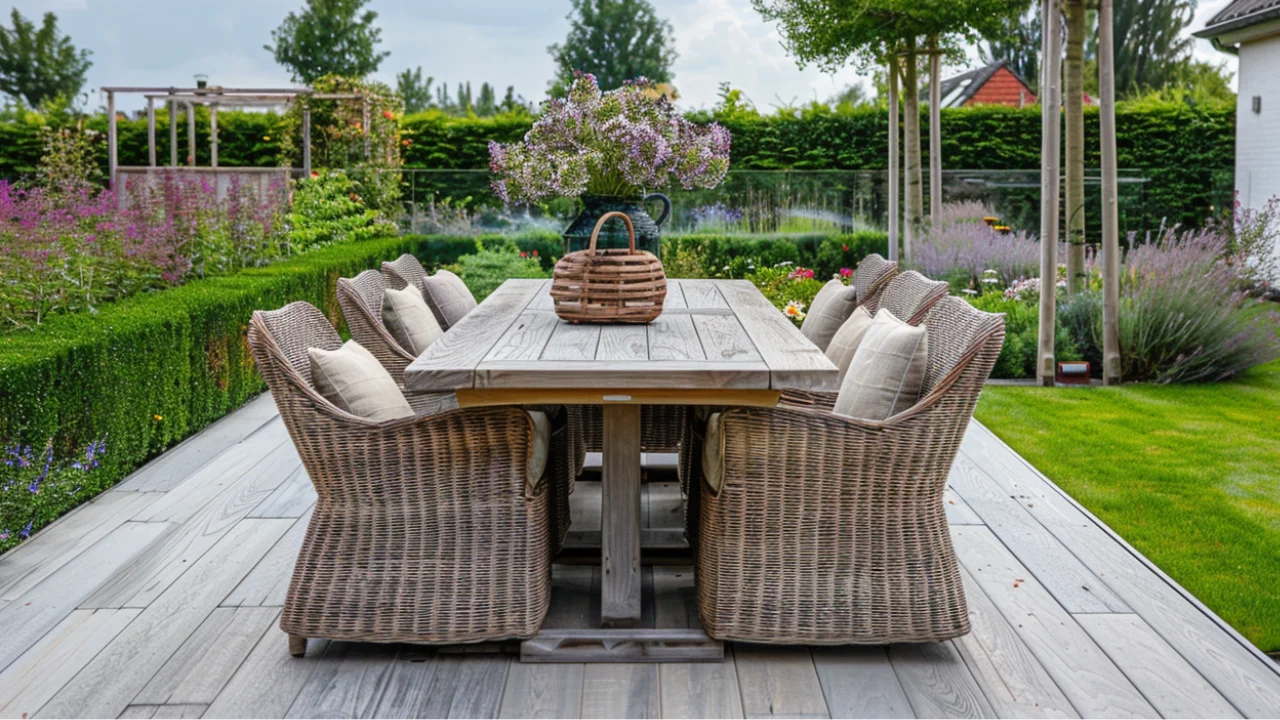
Garden furniture is an overlooked source of work. Wooden furniture needs oil or stain, and a cushion left outside will get stained or mouldy. If you opt for materials that only need a wipe with soapy water, there's little to do after summer.
| Material | What do you do? | Read more |
|---|---|---|
| Aluminium with powder coating | Soapy water and a soft cloth | What is aluminium? |
| Vironwood | Soapy water, no oil or varnish | What is polywood? |
| Centostone | Soft cloth, mild cleaner | Caring for Centostone |
| Textilene | Lukewarm water, soft brush | What is Textilene? |
| Wood (teak, acacia) | Oil, or let it weather grey | Treating wood |
To find out which material best withstands sun, rain and frost, read which garden furniture is weather-resistant?. If you want to know what lasts longest and is better for the environment, see which garden furniture is the most sustainable. Below you'll find four examples from our range, with the maintenance advice from the product information.
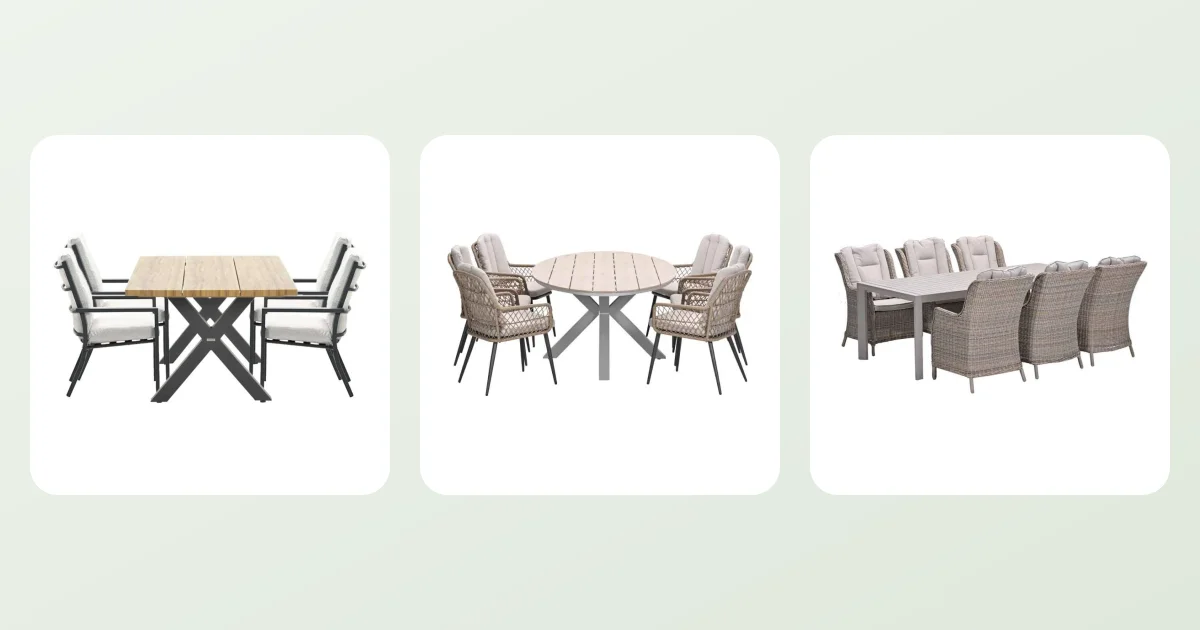
Springs: aluminium lounge set
The Springs has an aluminium frame in carbon black and 8 cushions with a polyester cover. The seat height is 43 cm and the seat depth 45 cm. The maintenance advice is brief: "Clean the frame regularly with a damp cloth and mild soapy water." For the cushions: removable covers can be washed on a low temperature, and you store them in a protective cover or indoors when the set isn't used for a longer period.
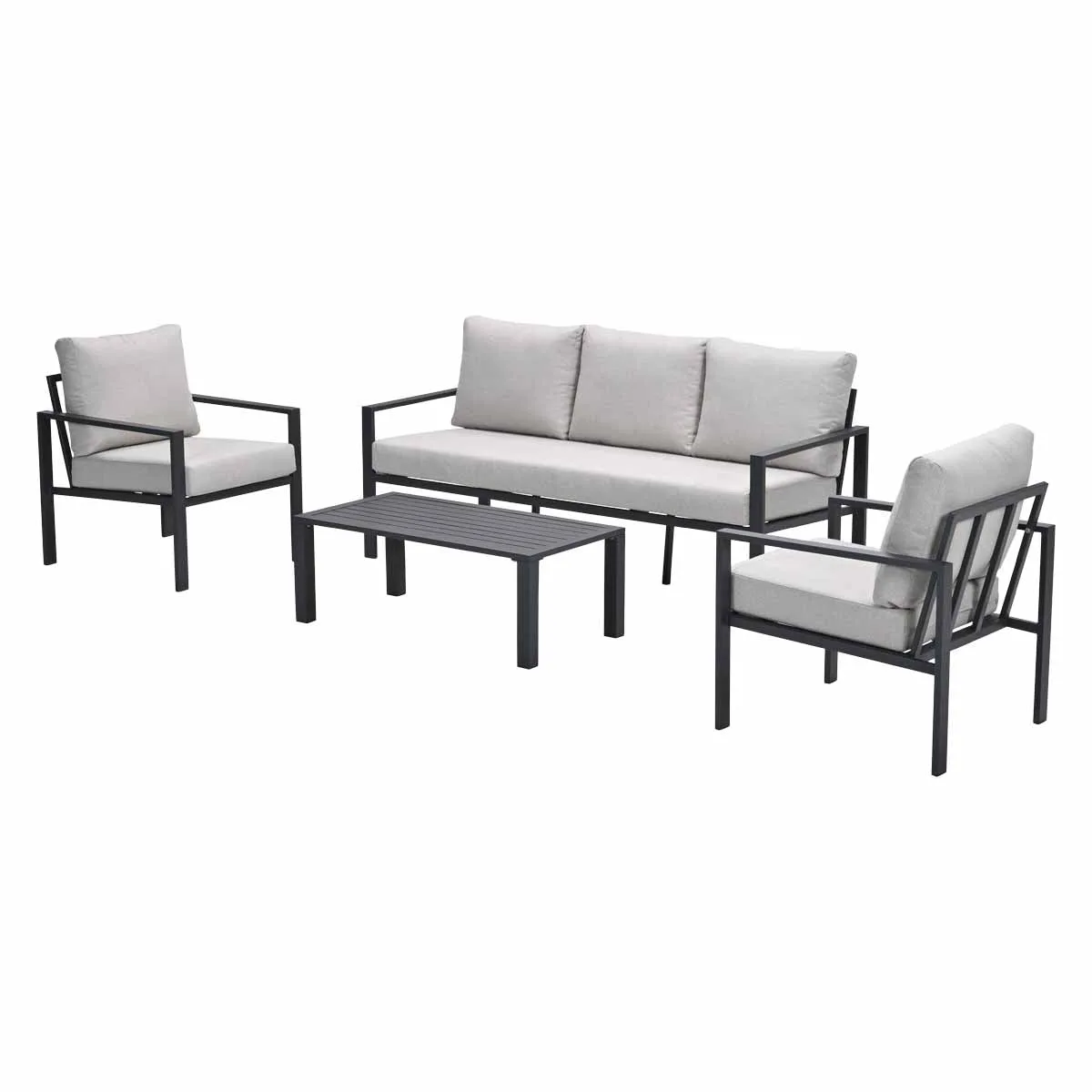
Springs aluminium lounge set
Edison: table with Vironwood top
The Edison is an oval garden table measuring 180 x 115 cm, with an aluminium frame in carbon black and a top in Vironwood in light teak. Vironwood has the look of teak, but is made of plastic. According to the product information, you don't need to use protective oil or varnish: cleaning is enough. The table is 75 cm high, with 69 cm of clearance under the top.
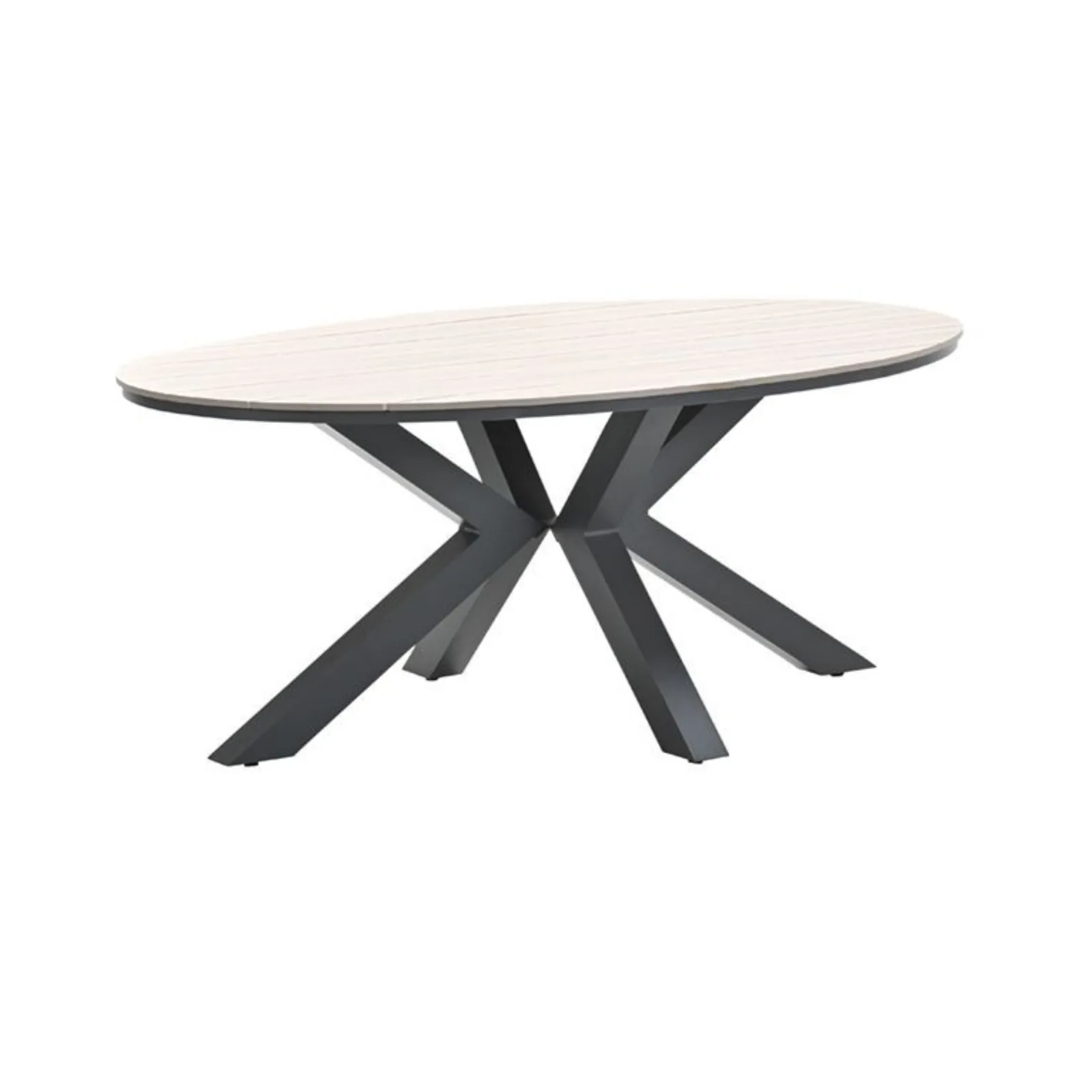
Edison oval garden table 180 x 115 cm
Lowland: round table with Centostone top
The Lowland has a round Centostone top with a diameter of 120 cm, on an aluminium frame with powder coating. Centostone is similar to ceramic, is scratch- and heat-resistant and doesn't absorb moisture. With adjustable feet, you can set the table up firmly. The advice: "The Centostone top stays beautiful with soapy water," and optionally use a protective cover during the winter months.
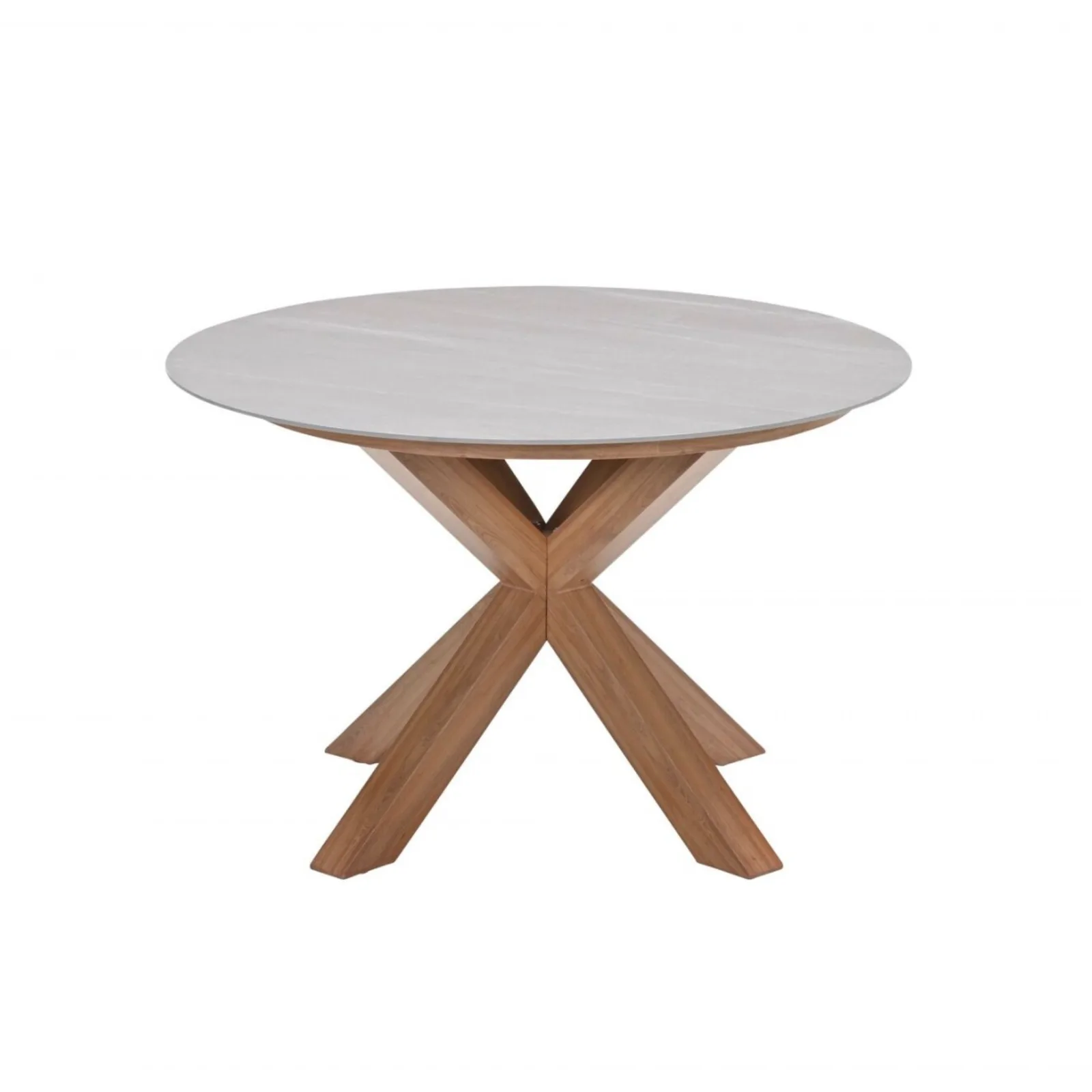
Lowland round garden table 120 cm
Danzig: relax chair with Textilene
The Danzig relax chair has an aluminium frame with powder coating and a Textilene seat, with a water-repellent cushion on top. The seat height is 36 cm. The maintenance advice: "Clean textile and rope with lukewarm water and a soft brush, and store cushions dry in bad weather."
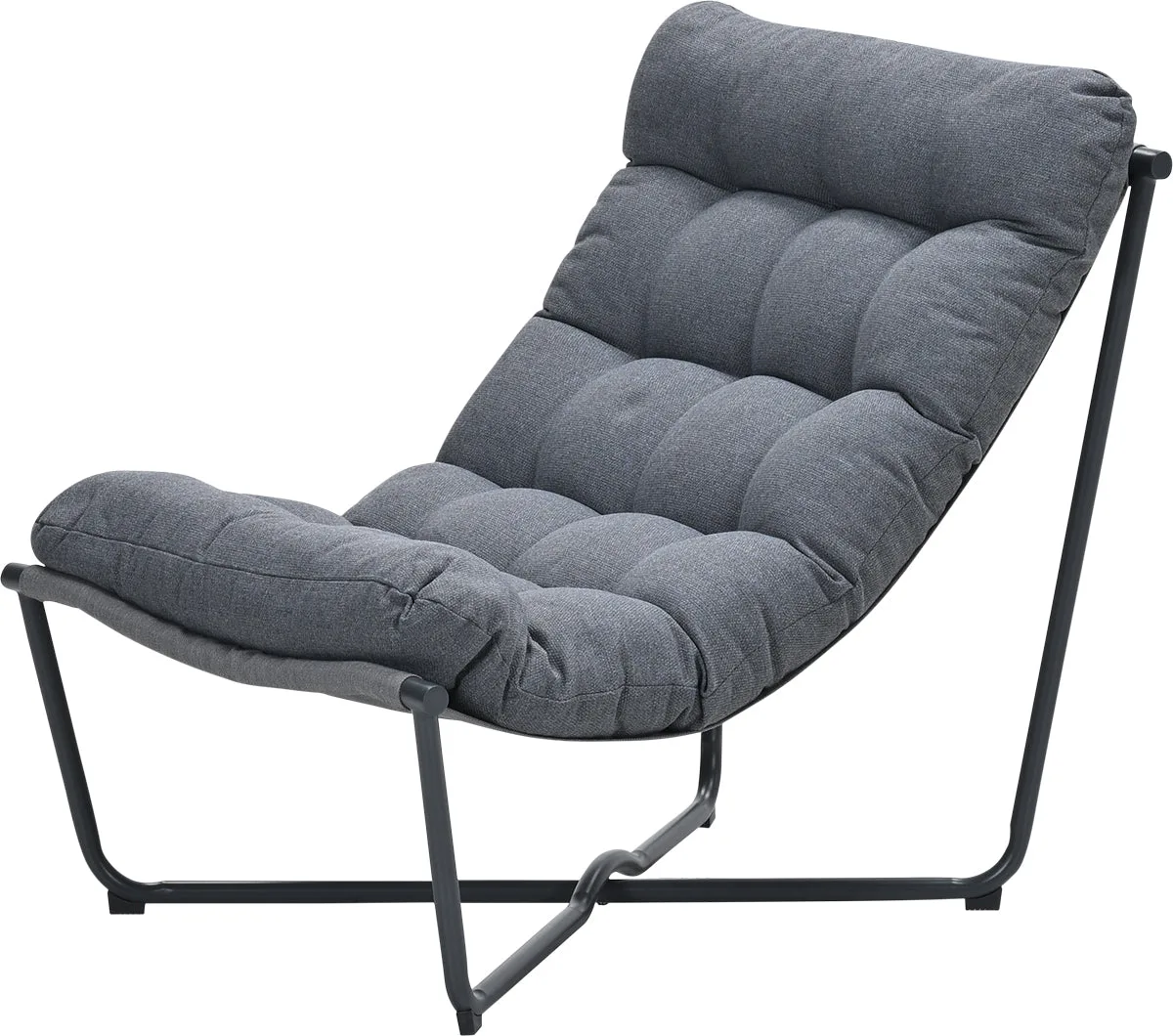
Danzig relax chair carbon black
How to recognise low-maintenance garden furniture
- Aluminium frame with powder coating
- Table top in Vironwood, Centostone or ceramic
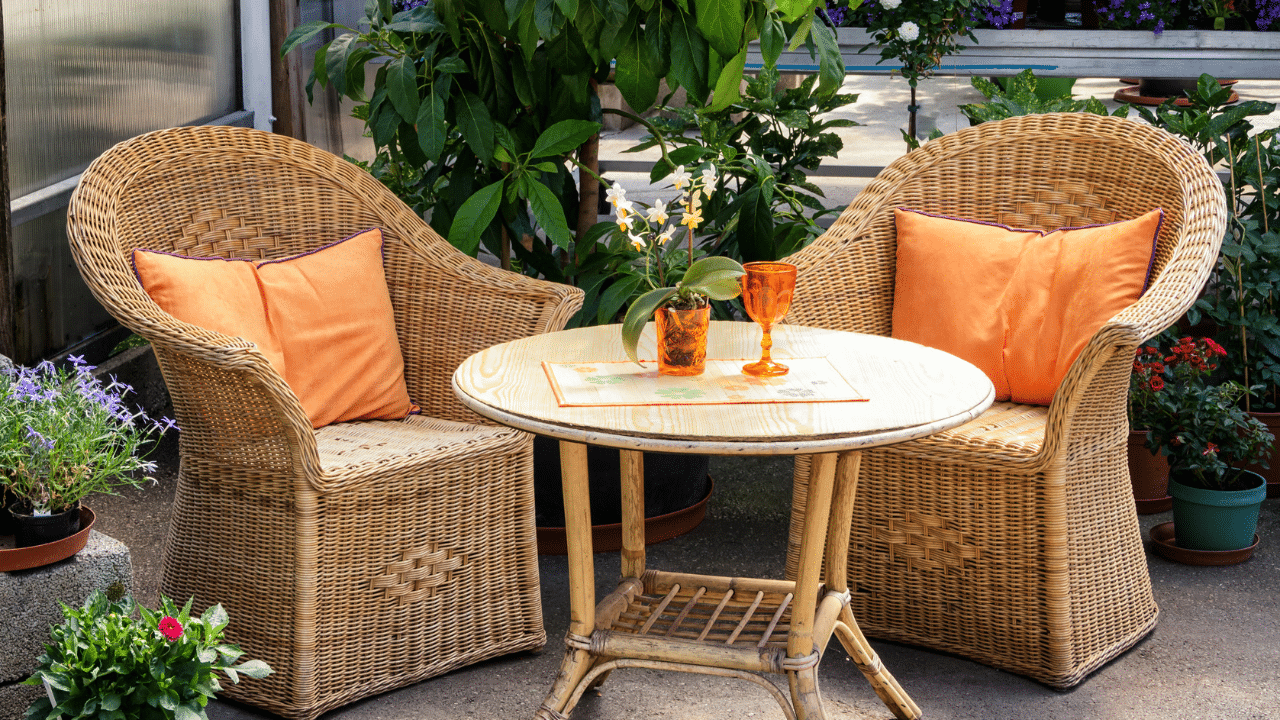
- Upholstery in Textilene or rope
- Cushions with removable, washable covers
- The maintenance tips mention soapy water, not oil or varnish
Also worth a look:
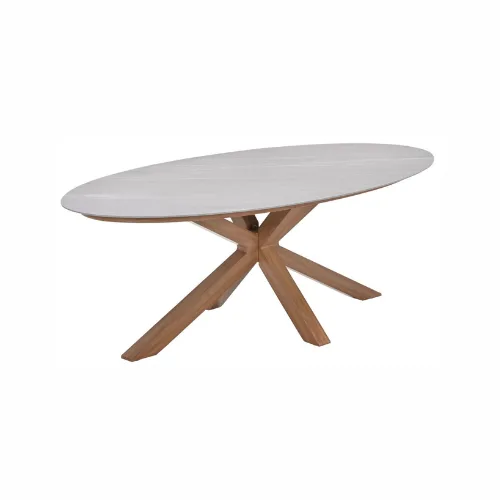
Scotland table with Centostone
View table →All aluminium lounge sets
View range →Textilene garden chairs
View range →Or browse all Centostone garden tables. Not sure which type of furniture suits your garden? The selection guide will help you on your way in a few questions.
Tip 12: storing cushions smartly
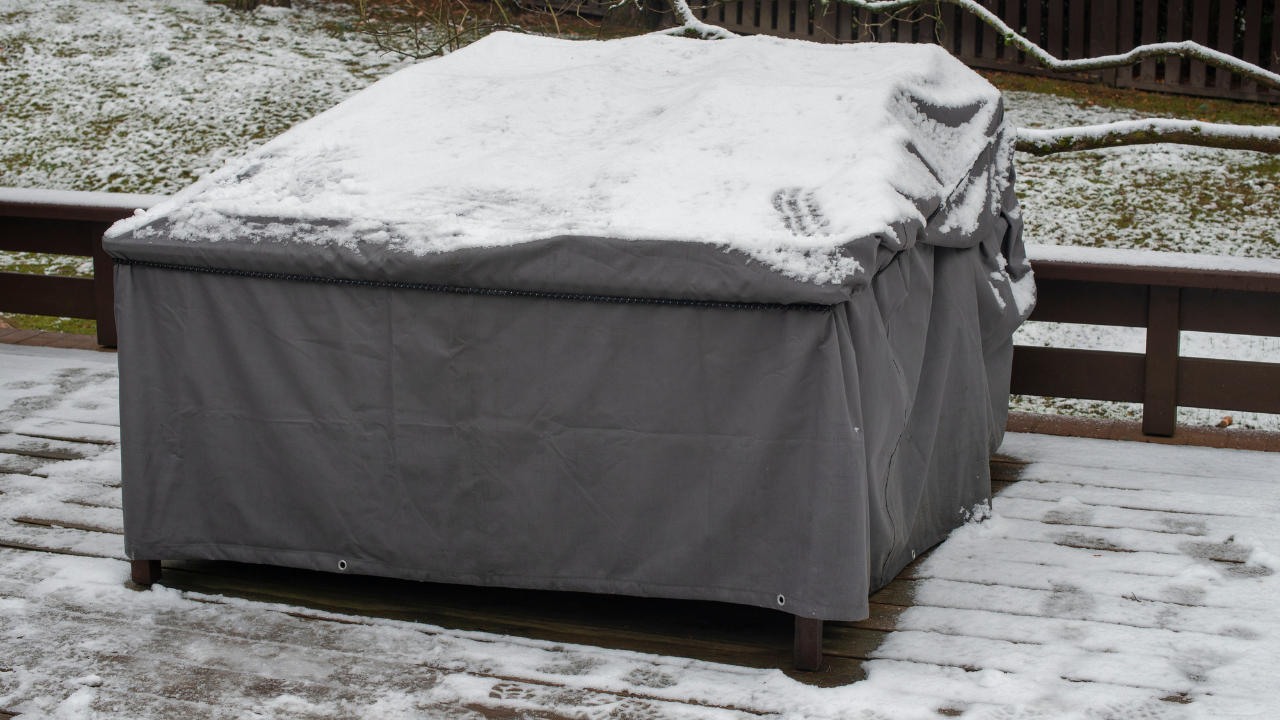
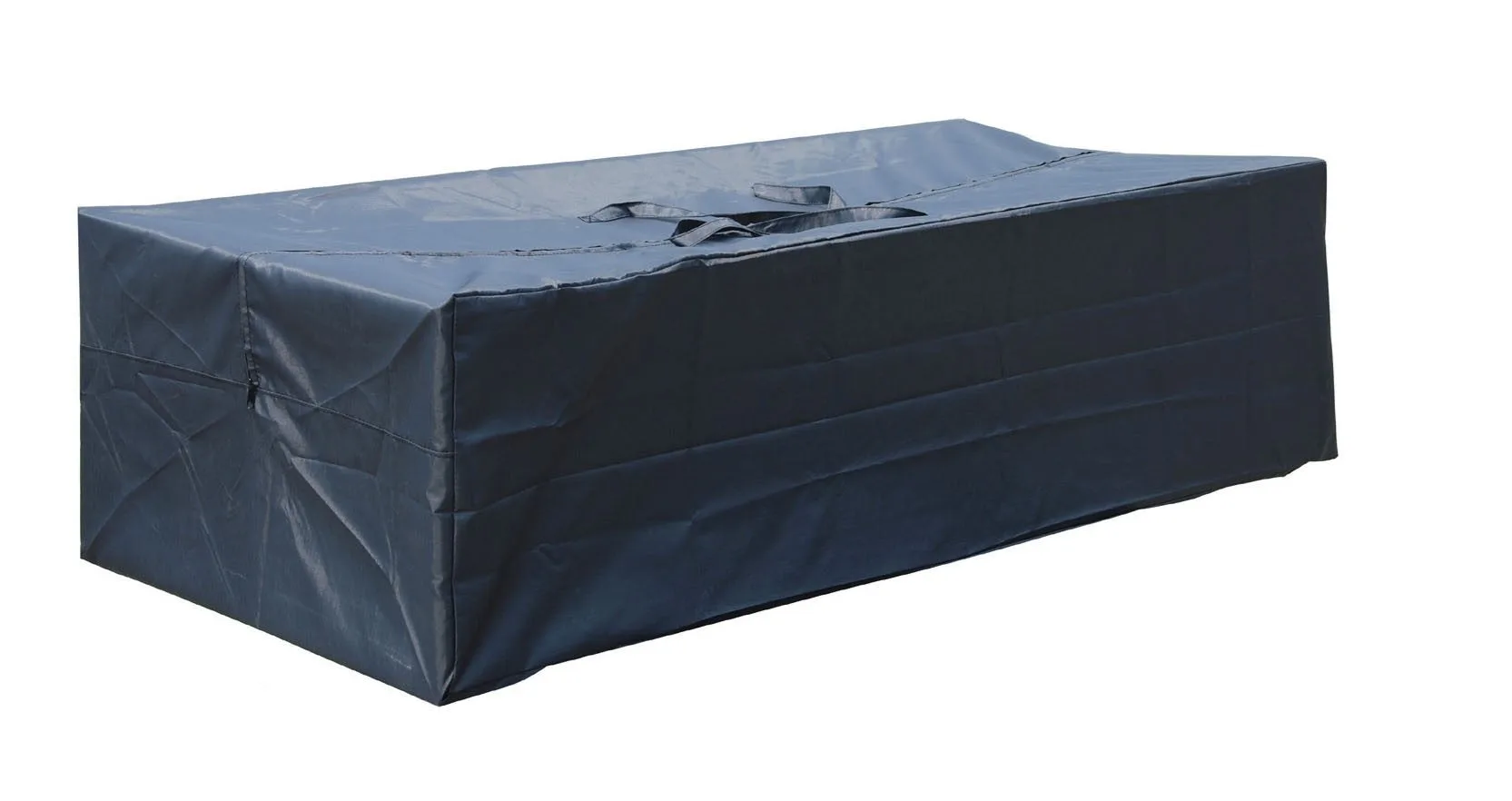
Cushions are the part of your garden furniture that deteriorates fastest. Most covers are water-repellent, not waterproof. If they stay wet, you'll get stains and mould. Tidying up is easiest when storage is right next to the seating area: a cushion box on the patio, or a breathable cushion bag you place in the shed or under the canopy.
The Platinum AeroCover cushion bag is made of breathable ripstop polyester; according to the product information, this breathable fabric counteracts mould formation. It has reinforced handles and a double zip. The advice from the product information: "Let the bag dry thoroughly before using it again, and store cushions dry to prevent mould formation."

AeroCover cushion bag 175 x 80 x 60 cm
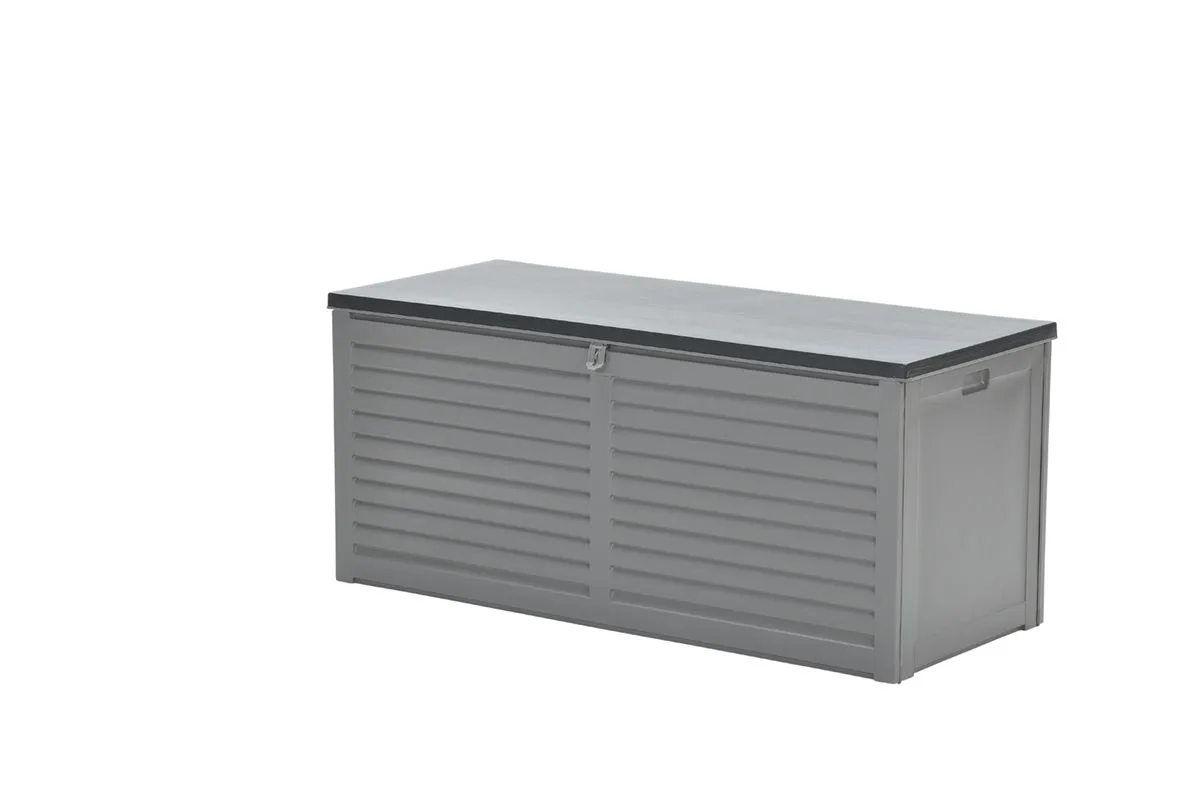
Cushion box, bag, shed or indoors: you can read about the pros and cons in storing garden cushions. If you'd rather cover your furniture yourself, see covering garden furniture.
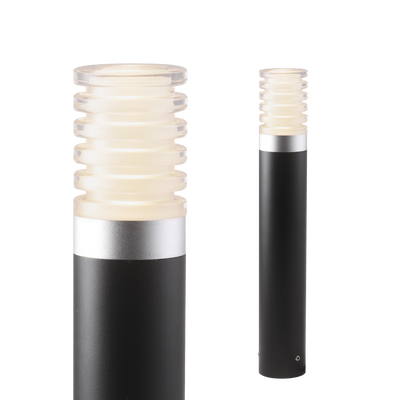
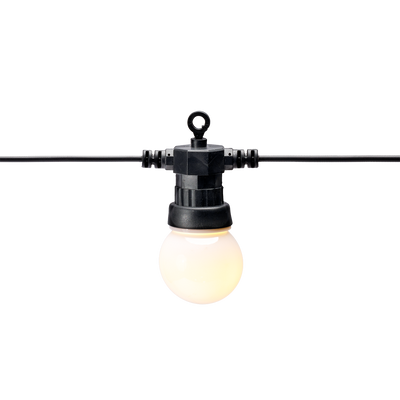
Tip 13: lighting with a timer or dusk sensor
Garden lighting creates atmosphere and safety, but going outside every evening to switch the lights on quickly becomes a chore. So let the light switch itself. There are two ways to do this:
- Solar power with a dusk sensor: no cables; the lamp charges during the day and switches on automatically when it gets dark. How long and how brightly it burns depends on the sun that day.
- 12V system with a timer: a fixed cable with a transformer provides the same light every evening. With a timer with a dusk sensor, everything switches on and off automatically.
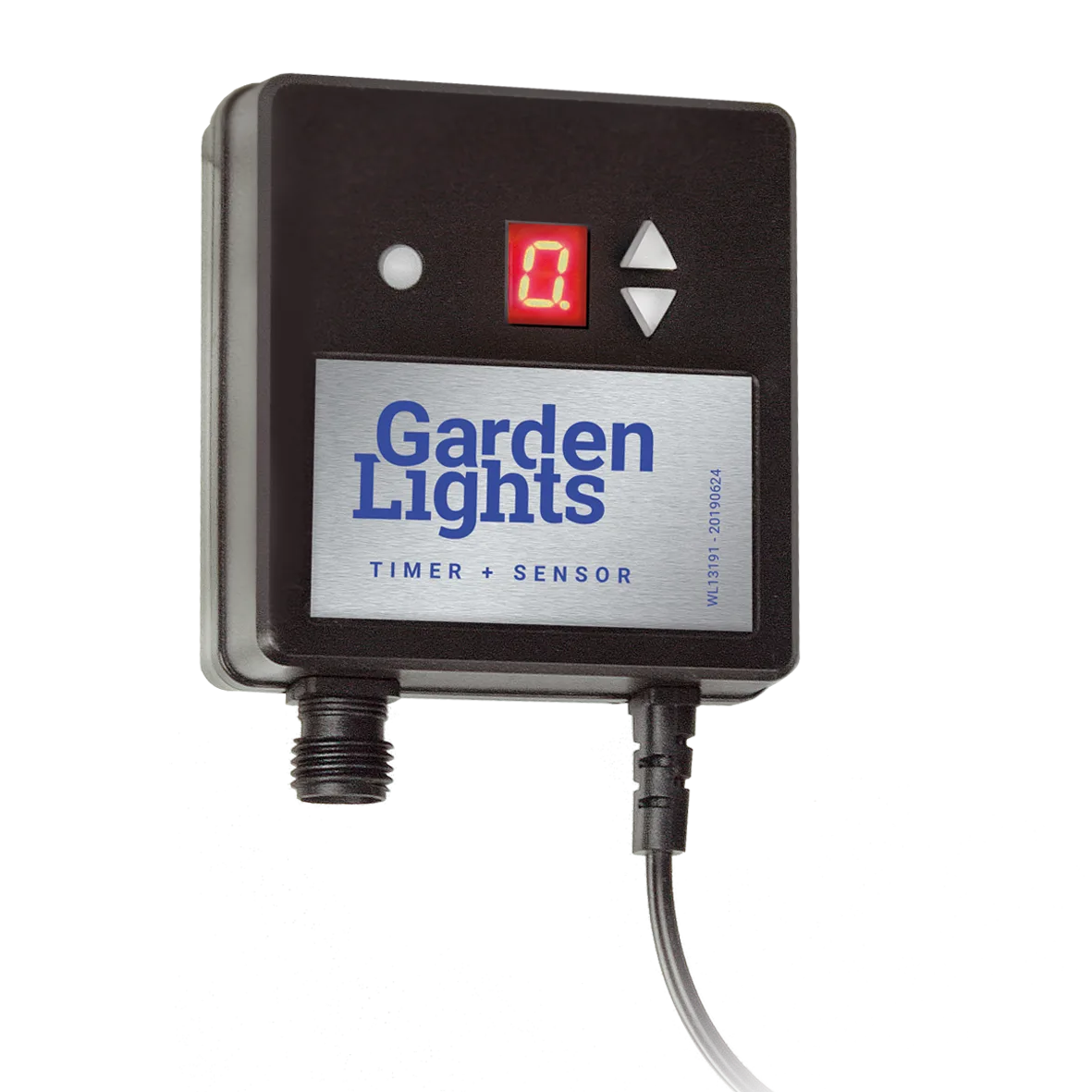
The Garden Lights Timer with dusk to dawn sensor is designed for 12V garden lighting. It switches the lighting on at sunset and off at daybreak, can handle up to 150 W and has a 1-metre cable. According to the product information, it works at temperatures from -20 °C to 50 °C.
To find out how to install a 12V system, read installing garden lighting with Garden Lights 12V. If you first want to know which lamps you need, look at buying garden lighting: what should you look out for? or browse all garden lighting.
Tips 14 and 15: fencing and water
14. Choose a fence that doesn't need painting
A wooden fence needs regular staining or painting. Screens made of aluminium, plastic or composite don't need that: rinsing them down once a year is usually enough. If you still want greenery, plant a climber in front of them.

15. Use a water bowl instead of a pond
A pond is beautiful, but it takes a lot of work: skimming off leaves, cleaning the pump and fighting algae. A water bowl or small water basin also gives you the sound and sparkle of water, with far less maintenance.
Keep the design simple
The fewer different materials, edges and corners, the fewer places where dirt and weeds can collect. A few straight lines, one type of paving and generous planting beds look calm and are quick to keep tidy.
Put a canopy over your seating area
Under a canopy or pergola with fabric, your furniture and cushions stay drier and cleaner. That saves cleaning and tidying up after a shower.
This is how little work there is per season
Even a low-maintenance garden has a few regular moments. With this schedule, you can keep on top of it in a few hours per season:
| Season | Garden | Furniture and cushions |
|---|---|---|
| Spring | Pruning, topping up mulch | Wiping down with soapy water |
| Summer | Watering during dry spells | Storing cushions dry |
| Autumn | Clearing leaves from the patio and gravel | Putting cushions away clean |
| Winter | Little to nothing | Checking covers and storage |
You'll find a comprehensive checklist for the start of the season in getting your garden ready for spring.
Common mistakes
Paving everything
A fully paved garden isn't maintenance-free. Joints fill with weeds and moss, and rainwater has nowhere to go. Keep some greenery and choose large slabs with narrow joints.
Gravel without weed membrane
Without membrane underneath, weeds will grow through the gravel within a season. Then you'll spend more time on it than on an ordinary border.
Bare soil between the plants
Wherever the soil is bare, weeds will appear. Plant densely enough, use ground cover and lay mulch until the plants have filled in.
Leaving cushions outside
Water-repellent isn't waterproof. Wet cushions will go mouldy. Place a cushion box or cushion bag right next to the seating area, and tidying up is done in no time.
Skipping the first year
New plants need to take root. If you don't water them in the first year and don't weed, the weeds will win and you'll be starting over.
Checklist
Tick off what you've already sorted:
- Patio only where you sit and walk, the rest green
- Large slabs with narrow, weed-resistant joints
- Weed membrane under gravel and chippings
- Perennials and ground cover that suit the spot
- Mulch layer between the plants
- Garden furniture in aluminium, Vironwood, Centostone or Textilene
- Cushion box or cushion bag near the seating area
- Lighting with a dusk sensor or timer
Frequently asked questions
Does a truly maintenance-free garden exist?
No, a garden with no upkeep whatsoever doesn't exist. Tiles, gravel and artificial grass all need attention now and then, and plants keep on growing. You can, however, design your garden to be low-maintenance: with perennial plants, ground cover, a mulch layer, few joints and garden furniture that only needs a quick wash.
Which ground cover is best for keeping weeds down?
That depends on the spot. In full sun and dry soil, stonecrop (sedum) performs well, in partial shade creeping bugle, and in deep shade periwinkle (Vinca) or ivy. Plant them densely enough, weed thoroughly in the first year, and spread mulch between the plants until they cover the soil completely.
Is artificial grass maintenance-free?
Not entirely. You still need to remove leaves, sand and dirt, and in spots that stay wet and shaded for long periods, moss can start to grow. In full sun, artificial grass also gets quite hot. If you want little upkeep and still a green look, ground cover or gravel with perennial plants is often a better alternative.
Which garden furniture requires the least maintenance?
Furniture with a powder-coated aluminium frame, a tabletop made of Vironwood or Centostone, and Textilene upholstery requires the least work. A bit of soapy water and a soft cloth or brush is usually enough; oil or varnish isn't needed. Wooden furniture looks lovely, but it needs oiling or you can let it weather to silver-grey.
Should garden cushions be brought indoors after use?
Yes, or at the very least stored somewhere dry. Most cushion covers are water-resistant, not waterproof. If you leave your cushions outside, they will get soaked and mould can develop. A cushion box or a breathable cushion bag close to the seating area makes tidying up a task of just a few minutes.
How do I get garden lighting to switch on and off automatically?
Choose solar-powered lights with a dusk sensor, or use a timer with a dusk switch on a 12V system. It switches the lighting on when it gets dark and off at a time you choose or when daylight returns. That way, you don't need to think about it anymore.