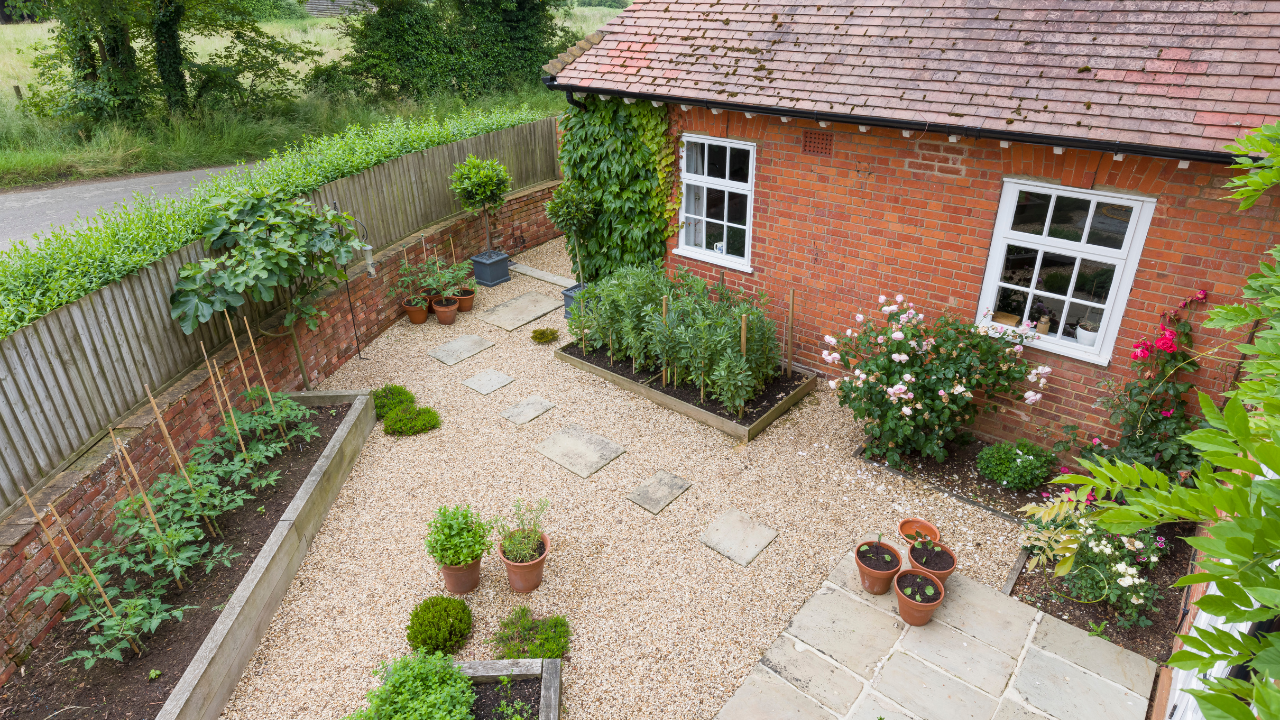

A well-designed garden feels like an extra room of your home. You eat there, you relax there and you sit there with friends until it gets dark. Yet garden planning often goes wrong: first you buy a lounge set and only then work out where it should go. In this guide you do it the other way round. You follow a step-by-step plan, discover which garden style suits you with a short style test, and read 11 tips for laying out your garden, from zones and furniture to shade, lighting and greenery. With examples from our range, so you can see right away what it could look like.
In brief: measure your garden and check where the sun falls. Take the style test and choose one style with two or three colours. Divide your garden into zones for eating, lounging and sunbathing, and give each zone enough space. Choose low-maintenance materials, provide shade and lighting, and finish with greenery and textiles. Not sure yet which piece of furniture you need? The buying guide will help you choose.
Planning your garden in 8 steps
This checklist is the short version of the entire article. Tick off what you have already done; your browser remembers where you left off, so you can carry on later.
- Measure your garden and sketch it to scale (tip 1)
- Note where the sun falls in the morning, afternoon and evening
- Choose your garden style and two or three main colours (style test)
- Divide the garden into zones: dining, lounging, sunbathing and greenery (tip 3)
- Mark out each zone on the ground and check the walkways
- Choose the large pieces first: table, lounge set and sun lounger (tips 4 to 6)
- Arrange shade, lighting and privacy (tip 9 and 10)
- Finish with plants, cushions, an outdoor rug and accessories (tip 11)
1. Start with a plan
A lovely garden begins on paper. Anyone who buys furniture straight away often discovers later that the lounge set ends up in the shade or that they can no longer get past the table. Grab a tape measure, a sheet of squared paper and an afternoon.
Measure the length and width of the garden and the terrace. Also mark in fixed points: the back door, windows, the shed, trees, an outside tap and power sockets.
On a sunny day, check where the sun is in the morning, around midday and in the evening. The sun rises in the east and sets in the west, so a spot on the west side gets evening sun.
What do you want to do in the garden? Eat with the family, lounge with friends, sunbathe, play or garden. Put them in order of importance: not everything fits into a small garden.
Draw the zones on your plan and connect them with walkways. Try two or three versions and choose the layout that feels most logical.
You can read how much space furniture needs in how much space you need for a garden set and how much space you need for a lounge set.
2. Choose a style that suits you
A garden with a clear style feels calm and complete, even when it is small. The secret is consistency: the same materials and colours recurring in furniture, pots, cushions and lighting. Also look at your home. A garden that matches your interior feels like an extension of the living room, especially when you look out onto the terrace from indoors.
| Style | Materials | Colours |
|---|---|---|
| Modern | Aluminium, ceramic | Grey, white, anthracite |
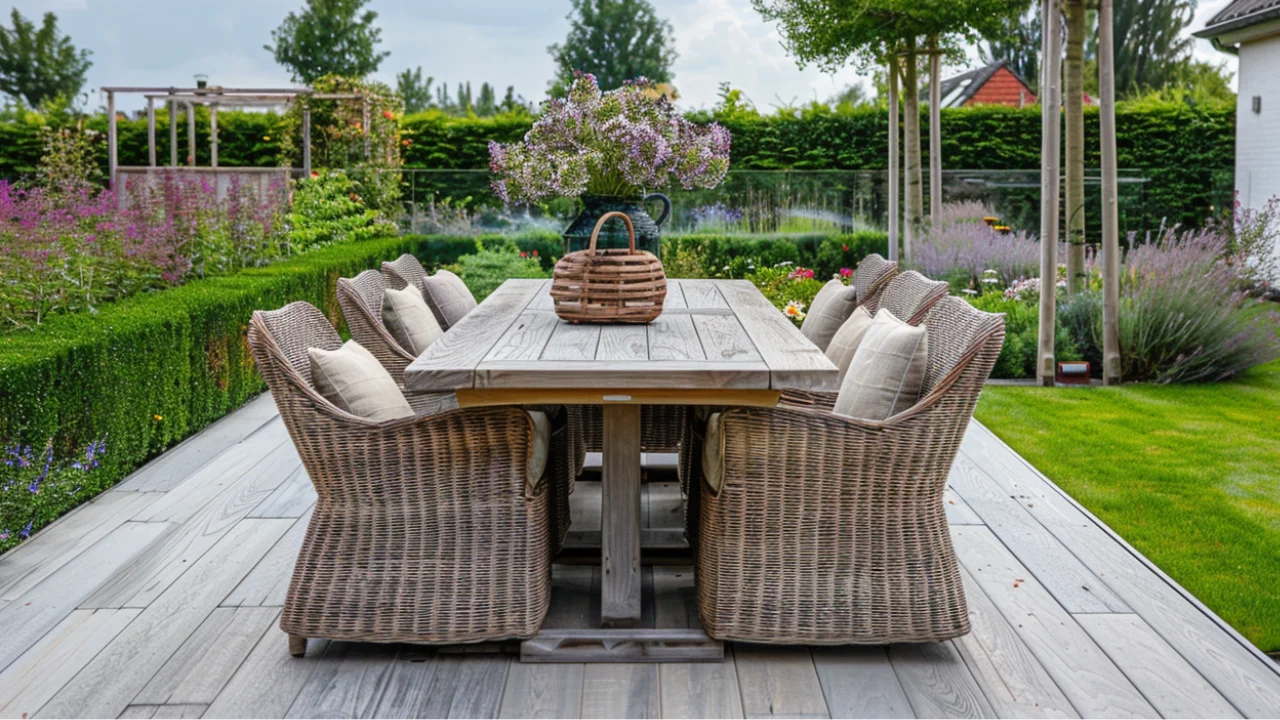
| Rustic | Teak, acacia, wicker | Natural, cream |
| Japandi | Rope, light wood | Taupe, sand |
| Industrial | Black aluminium, wood | Carbon black |
| Bohemian | Rope, wicker, textiles | Moss green, terracotta |
| Ibiza | Wicker, whitewash | White, beige, ecru |
You can see all the styles side by side, with inspiration images and matching furniture, on the garden styles page.
Style test: which garden style suits you?
Not sure yet which style it will be? Answer four short questions and each time choose the answer that comes closest to your feeling. Your result will appear at the bottom, with a link to the style page and an article full of tips.
Which garden style suits you?
Which holiday appeals to you most?
- A city break in a sleek designer hotel
- A holiday cottage in the countryside
- A peaceful cabin in nature, away from the crowds
- A rugged harbour town with old factory halls
- A road trip full of colour, markets and music
- A white island with sea and sun
Which colours make you happy?
- Grey, white and anthracite
- Cream, natural and warm wood
- Taupe, sand and soft earthy tones
- Black with light wood
- Moss green, olive and terracotta
- White, beige and ecru
Which material would you most like to touch?
- Smooth aluminium and ceramic
- Teak or acacia wood
- Soft rope and light wood
- Black aluminium with a wooden top
- Woven rope and wicker with lots of cushions
- Whitewashed wood and wicker
What does your ideal summer evening in the garden look like?
- A neatly laid table and a few good spotlights
- A long table with family and fairy lights above your head
- Sitting quietly with a cup of tea and soft light
- Drinks with friends around a fire table
- Cushions, rugs, lanterns and music
- Lounging in the evening sun with a cold drink
Modern. You love clean lines, calm and little clutter. Choose aluminium furniture in grey or white, a ceramic tabletop and a clear division between eating and lounging.
View the modern garden style · Read: how to set up a modern garden
Rustic. You want warmth and cosiness. Teak or acacia at a long table, wicker lounge chairs and soft cushions in natural tones make your garden a place to feel at home.
View the rustic garden style · Read: how to set up a rustic garden
Japandi. Calm and space come first for you. One strong piece of furniture in rope and light wood, a limited palette of earthy tones and plenty of open space will give your garden a serene atmosphere.
View the Japandi garden style · Read: how to set up a Japandi garden
Industrial. You like bold and robust. Carbon black aluminium with light wood or Vironwood, concrete-look pots and black outdoor lighting will give your garden an urban character.
View the industrial garden style · Read: how to set up an industrial garden
Bohemian. Your garden may be free-spirited and colourful. Mix rope and wicker with lots of cushions, an outdoor rug, lanterns and lush planting in moss green and terracotta.
View the bohemian garden style · Read: how to set up a bohemian garden
Ibiza and Mediterranean. You want every evening to feel like a holiday. Light colours, wicker and rope, soft cushions in sand and ecru, terracotta pots and lavender or olive bring the island atmosphere home.
View the Ibiza garden style · Read: the Ibiza style in your garden
Choose no more than three main colours and let them recur everywhere: in the frames of your furniture, the cushions, the pots and the outdoor rug. Then even a small garden looks calm and well thought out.
3. Divide your garden into zones
A garden works best when each activity has its own place. You don't eat where you lie sunbathing, and the lounge corner shouldn't sit in the middle of the route to the shed. Zones make your garden more practical and also make it look bigger, because your eye keeps discovering something new. This is how you work out what each zone needs:
| Zone | Furniture | Space (rule of thumb) |
|---|---|---|
| Eating | Garden table and chairs | About 70 cm per person, 70 cm behind the chair |
| Lounging | Lounge set and lounge table | Sofa plus 60 to 90 cm walking space |
| Sunbathing | Sun lounger or reclining chair | Sun lounger about 2 m long, plus space beside it |
| Shade | Parasol or shade sail | Canopy larger than the seating spot |
You can separate zones with a different terrace material, an outdoor rug, a row of planters or a low hedge. Short on space? Then combine eating and lounging in one piece of furniture, such as a dining lounge set. You can find more ideas for small gardens in back garden ideas for small gardens.
Eating: garden sets
View garden sets →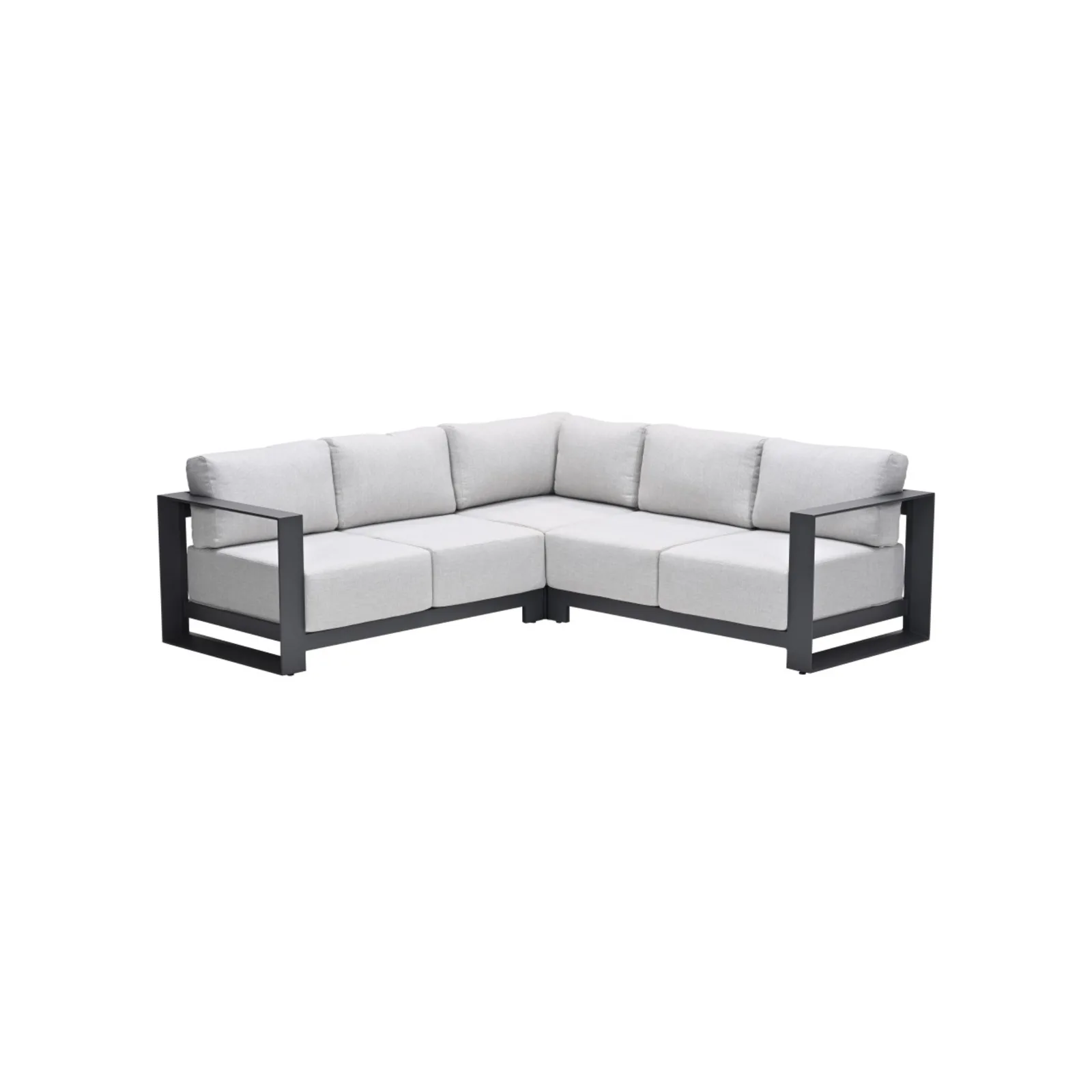
Lounging: corner lounge sets
View lounge sets →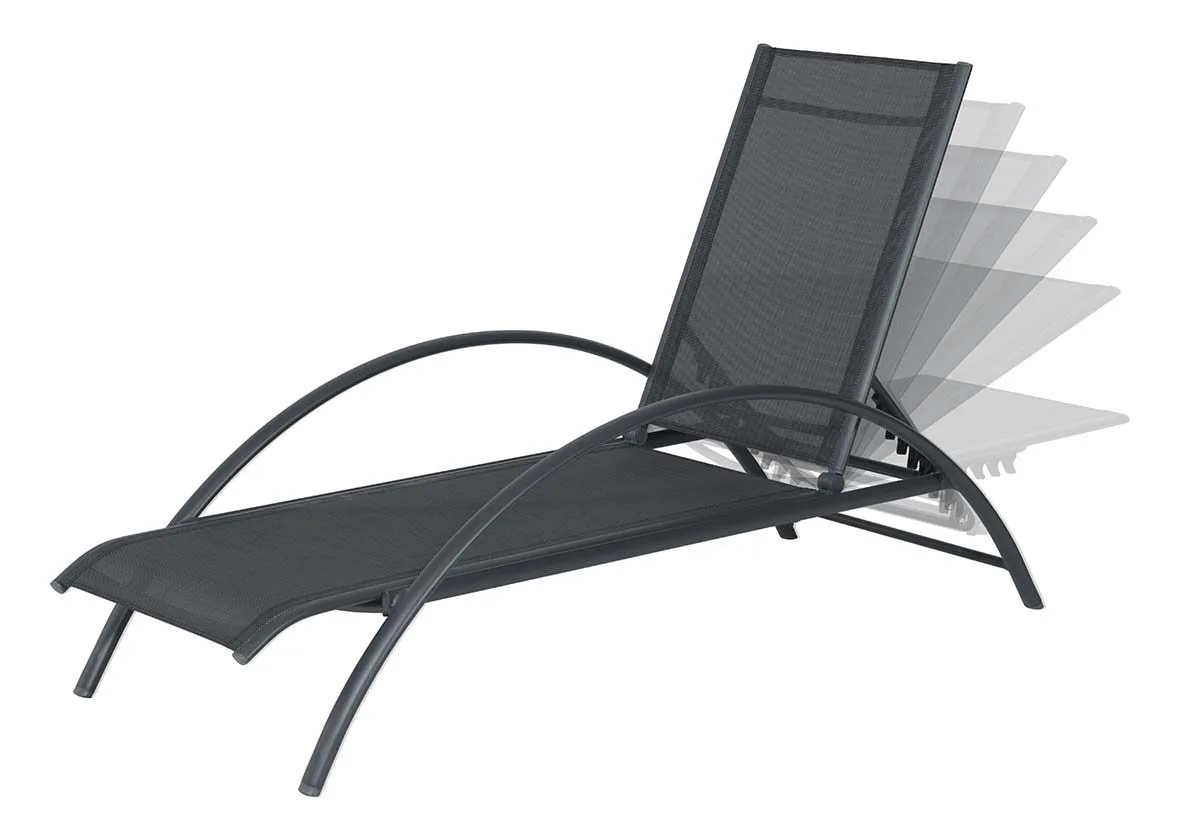
Sunbathing: sun loungers
View sun loungers →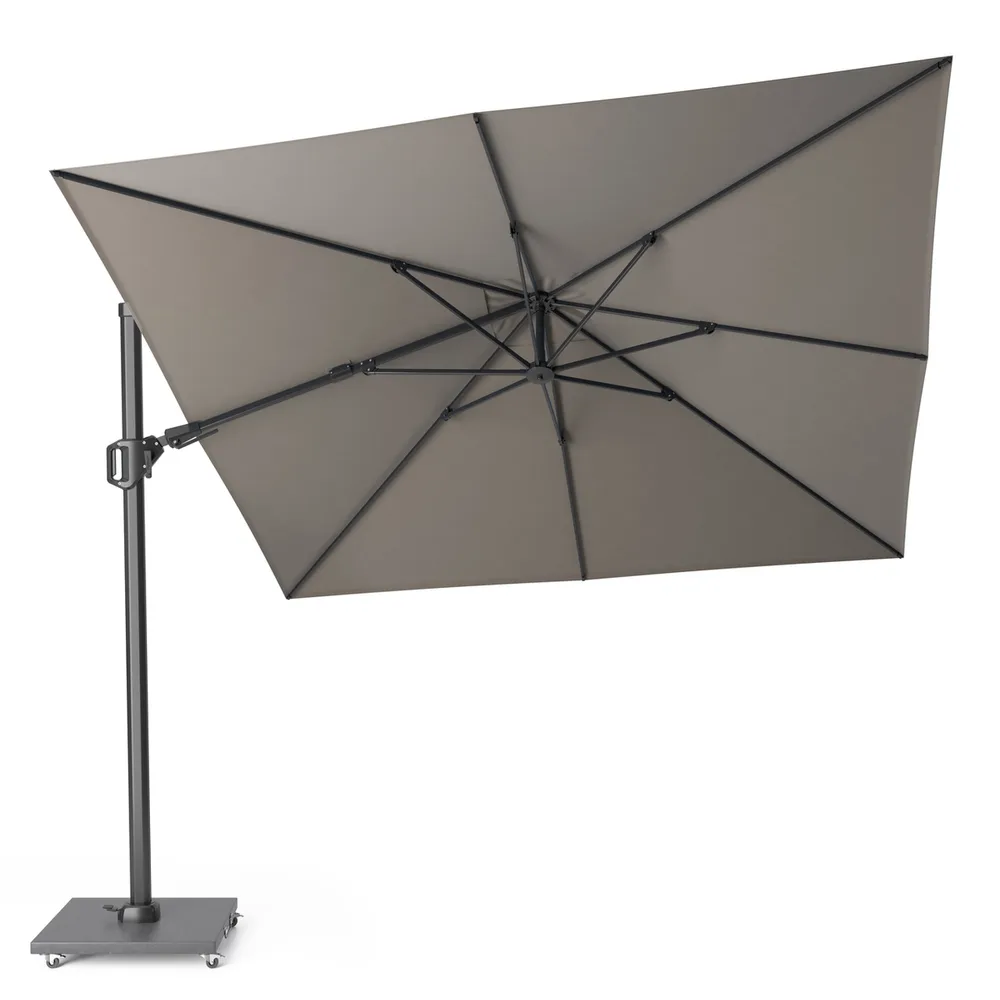
Shade: cantilever parasols
View parasols →4. Create a pleasant dining area
For many people the dining table is the heart of the garden. Place it close to the kitchen or back door, so you don't have to carry full plates across the whole garden. Choose the size based on how many people sit there regularly, not on that one birthday a year. Also consider the tabletop: ceramic and Centostone are hard and scratch-resistant, while Vironwood gives a wood look without oil.
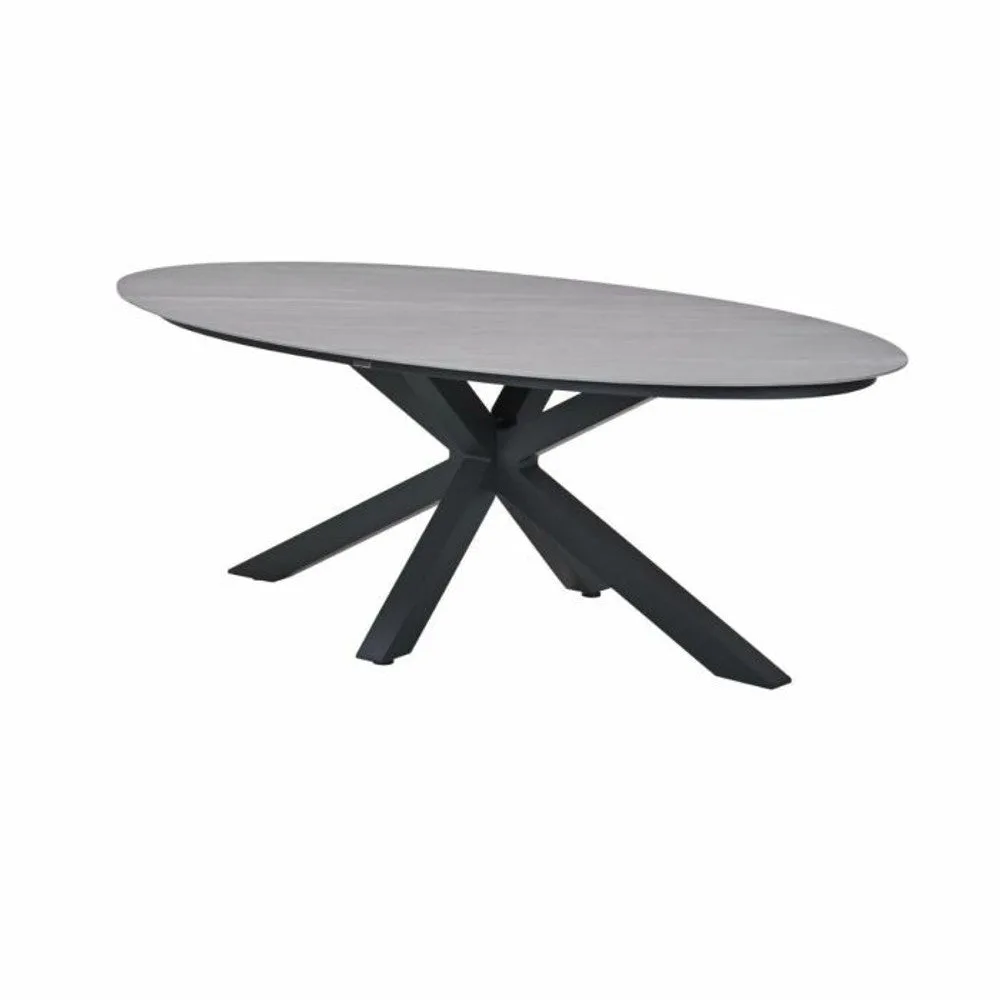
Scotland garden table 230x115 cm
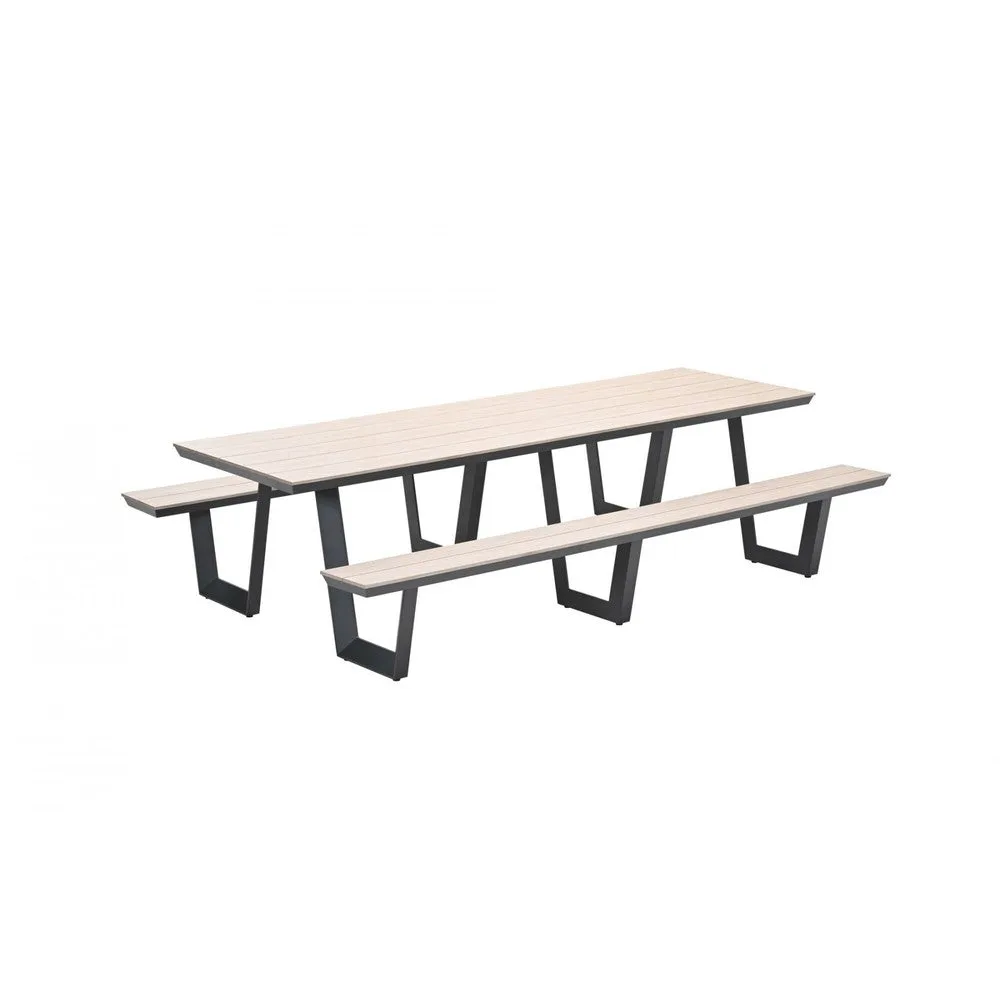
The Scotland has a dark grey aluminium frame and a sand-coloured Centostone top, and is classed as All Weather. A calm foundation that suits a modern or industrial garden. Looking for a table with the bench attached? Then a picnic set is a cosy choice.
Bell picnic set 280 x 178 cm
You'll find more choice among the garden sets, the garden tables for 6 people and in our best garden tables of 2026.
5. Create a comfortable lounge corner
A lounge corner is the place where you end up staying. Position it where you still have sun or a view in the evening, and preferably not right next to the neighbours. A corner sofa makes good use of a corner of the garden and keeps the group together. Pay attention to seat depth and cushion thickness: the deeper the seat and the thicker the cushions, the more you can really sink in.
Levanto 3-piece corner lounge set
The Levanto is symmetrical, so you don't have to choose between left-hand and right-hand. Want to lounge and eat in the same spot? A lounge dining set has a higher seat and a dining table included, saving you an entire zone.
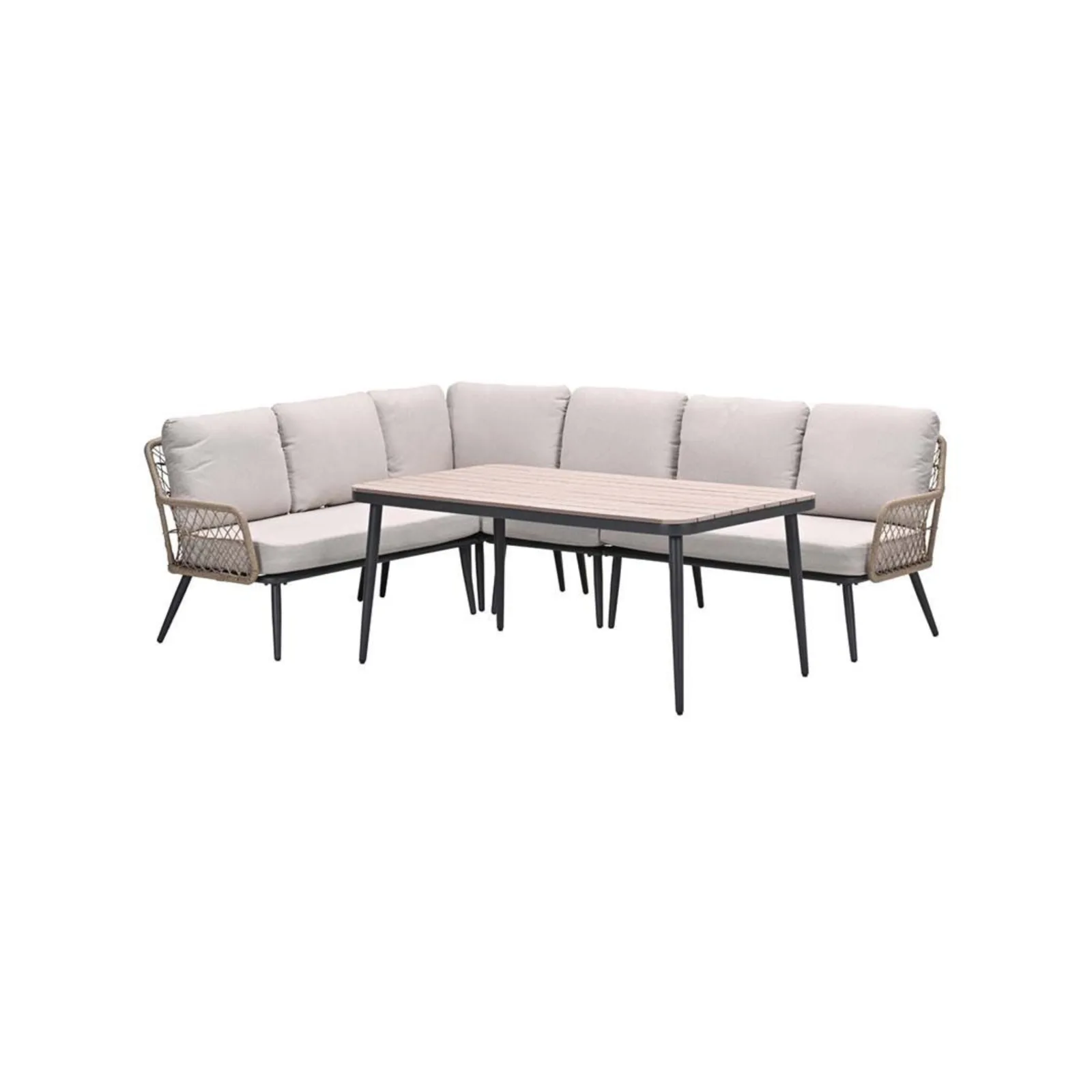
Allasio lounge-dining corner set 5-piece
Tip: create an outdoor living room
Lay an outdoor rug under the lounge set, place a side table next to it and hang a few fairy lights. That way the lounge corner feels like a proper room. You can read more ideas in how to set up an outdoor living room.
Also have a look at the lounge sets, the corner lounge sets and the article buying a lounge set: what to look out for.
6. A spot in the sun and a spot in the shade
The ideal garden has both: a sunny spot to warm up in and a shady place for the hottest hours. Position your sun lounger where the afternoon sun falls, and leave some room around it so you can adjust the backrest and fit a side table beside it. A sun lounger with wheels is easy to move along with the sun.
Limone sun lounger carbon black
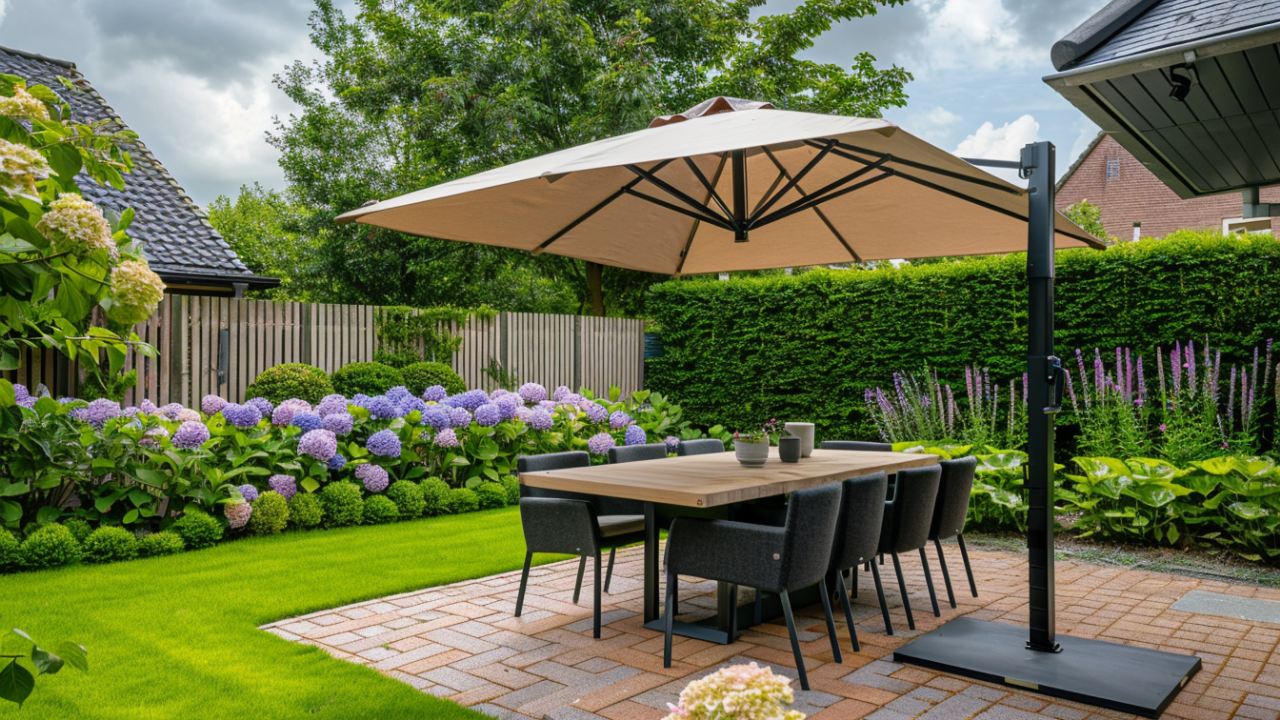
For shade above the dining or lounge area, a cantilever parasol is handy: the pole stands to the side, so nothing sits in the middle of your seating area. A parasol that tilts and rotates follows the sun without you having to move the base.
Challenger T² premium 300x300
Torn between a parasol, a shade sail or a pergola? Read shade solutions for the garden or browse the parasols and sun loungers.
7. Work with levels and walkways
A garden that is completely flat soon looks dull. Changes in height create depth: a raised terrace, a sunken seating area, raised borders or a pergola that plants can climb. Even without any digging, you can create height with tall planters, climbing plants or a tree in a large pot.
Don't forget the walkways. A path from the back door to the shed, the bins and the seating areas must stay clear, even when people are sitting at the table. A slightly curved path makes a garden more playful and makes it look longer than a straight strip.
8. Choose low-maintenance materials
Not everyone wants to sand and oil every spring. So choose materials that suit how much time you want to spend on upkeep:
- Powder-coated aluminium: doesn't rust and is lightweight. A bit of soapy water is enough.
- Teak-look and Vironwood on aluminium: the warm look of wood, without oil.
- Rope and wicker: soft and atmospheric. Rinse occasionally with lukewarm water and a soft brush.
- Ceramic and Centostone: hard, scratch-resistant tabletops that you only need to wipe clean.
- Teak and acacia: beautifully natural, but if you want to keep the warm colour, you'll need oil now and then.
The same applies to the floor: ceramic tiles are easy to keep clean, while a timber decking needs more maintenance. You can read more about materials in the best material for garden chairs and in the aluminium garden furniture section.
9. Play with lighting
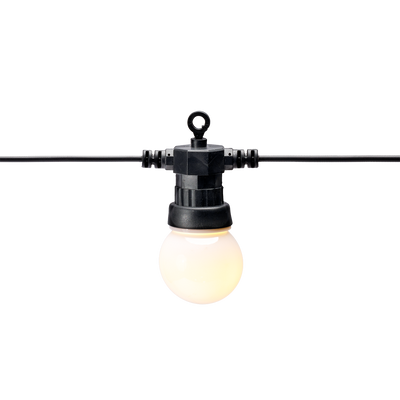
With good lighting you can use your garden after sunset too. Work in layers: functional lighting along paths, the back door and steps, mood lighting at the seating areas, and accent lighting on a lovely tree or a wall. Warm white light feels cosier than cool white. A 12V low-voltage system is something you can install yourself and extend later.

You'll find ideas in 10 garden lighting ideas and installing garden lighting with 12V. Or browse the garden lighting directly.
10. Greenery, privacy and space for wildlife
Plants bring a garden to life. Combine perennials, shrubs and seasonal flowers so there is something to see all year round. Climbing plants or a green wall brighten up a bare fence and take up no floor space. Grasses and bamboo suit a modern or Japandi garden, while lavender and olive suit a Mediterranean one.

Do you want to feel less overlooked? A hedge, a fence with climbing plants or a few tall planters around the lounge corner provide privacy and shelter from the wind. On a balcony or small terrace, a privacy screen helps; read about it in windbreaks and privacy screens.
Making room for wildlife makes your garden even more lively. Flowering plants attract bees and butterflies, a hedge or shrub gives birds shelter, and a bird box, insect hotel or shallow water dish turns your garden into a place where there's always something to discover.
11. Make it personal
The final step turns a neat garden into yours. Cushions and blankets make it softer, an outdoor rug turns the terrace into a room, and pots, lanterns or a fire table add atmosphere on cooler evenings. Choose accessories in your style colours, and the look stays calm.
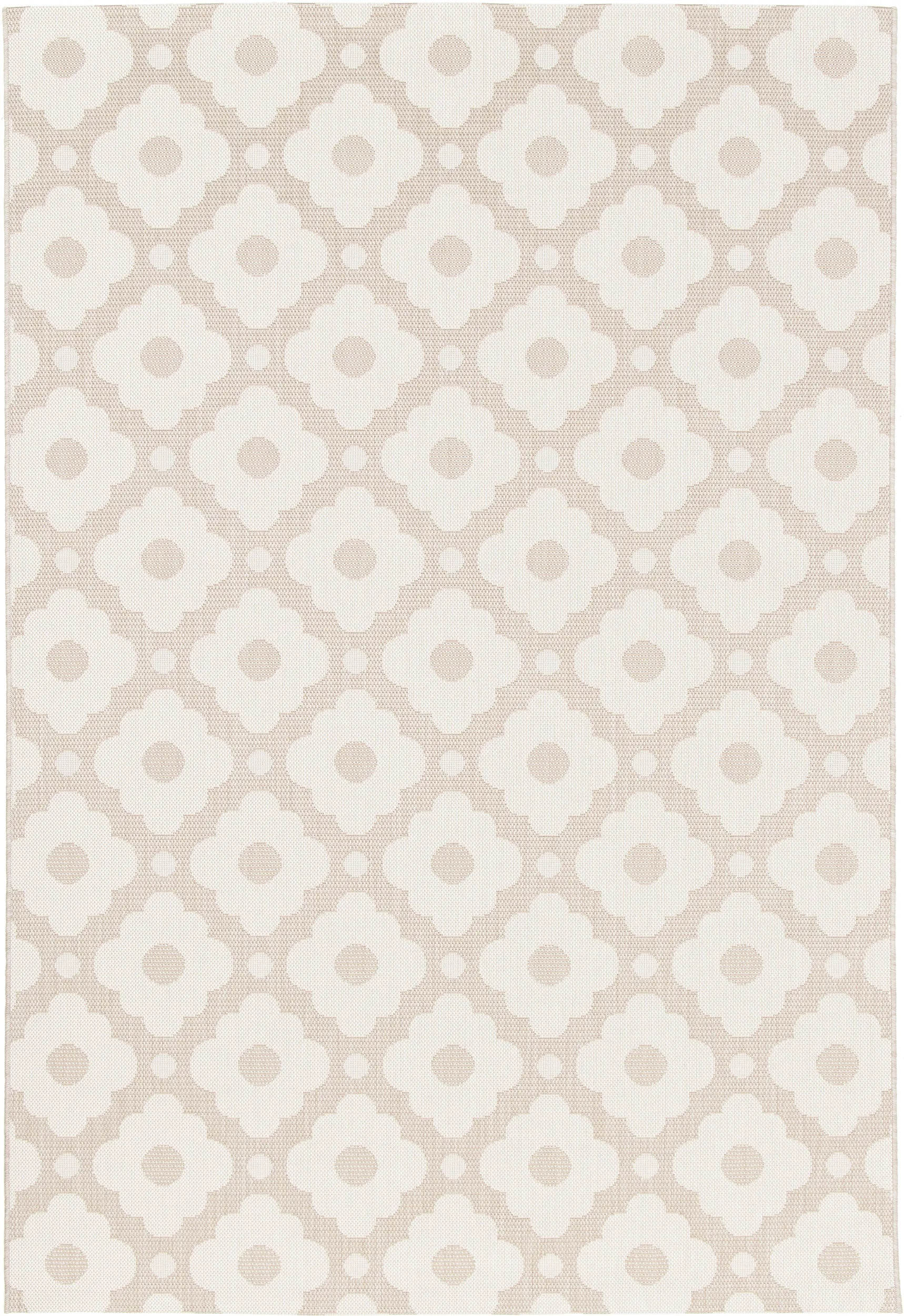
Tilo outdoor rug 200 x 290 cm
Also have a look at the outdoor rugs, decorative cushions and storage boxes to store everything dry after summer.
How to keep it calm
- Repeat your main colours in cushions, pots and rug
- Choose a few large accessories rather than lots of small ones
- Store cushions dry after use so they stay in good condition
- Change your accessories with the seasons; the furniture can stay put
Common mistakes
Buying furniture first, then planning
Without a plan you quickly buy a set that is too big or ends up in the wrong place. Measure first, plan your zones and only then choose furniture.
Forgetting the sun
A lounge corner that falls in shade from the afternoon is hardly used in the evening. Watch where the sun falls for a whole day before you put anything down.
No room to move
A terrace full of furniture looks cosy in photos, but you can't get past it. Keep walkways clear and allow space for each zone.
Too many styles and colours
Furniture from different styles makes the garden feel restless. Choose one style and two or three colours, and let them recur.
Underestimating maintenance
Real wood, a lawn and lots of loose pots all take time. Choose materials that match how much time you want to spend in your garden.
Start small, build up
You don't have to do everything in one season. Start with the zone you use most, often the dining or lounge spot, and add the rest in the years that follow.
Help with choosing
Have your plan ready but still unsure which piece of furniture to go for? With the buying guide you answer a few questions about your garden and your wishes, and you'll see suitable garden furniture. Want to browse first? Start with the garden styles or go straight to the garden sets, lounge sets, sun loungers and parasols.

Frequently asked questions
How do I start furnishing my garden?
Don't start with the furniture, start with the garden itself. Measure it up, see where the sun falls in the morning, afternoon and evening, and decide what you want to do there: eat, lounge, sunbathe or play. Then sketch out zones and only after that choose a style and the furniture that suits it.
Which garden style suits my home?
Look at the style and colours of your home and interior. A sleek, new house often suits a modern or industrial garden, while an older property or a home with a lot of wood suits a rustic style. Japandi, bohemian and Ibiza are more about atmosphere and suit many homes. Not sure? Take the style quiz in this article.
How much space do I need for a dining area and a lounge area?
For a dining area, allow roughly 70 cm of table width per person, plus 70 cm behind each chair so it can be pulled back. For a lounge area, add 60 to 90 cm of walking space on the open sides to the length of the sofa. Mark out both zones with tape or string first, and you'll see straight away whether they fit.
How do I furnish a small garden?
In a small garden, choose one main function and let everything else work around it. A lounge dining set combines eating and lounging in one piece of furniture, and light colours plus one terrace material make the garden feel more spacious. Use height with climbing plants or a green wall, so you keep more floor space.
Which garden furniture needs the least maintenance?
Powder-coated aluminium needs the least maintenance: a quick wash is enough and it won't rust. Teak-look aluminium, Vironwood and ceramic or Centostone tabletops don't need oiling either. Real wood such as teak and acacia is beautiful, but it needs oiling now and then if you want to keep its warm colour.
Where should I place the lounge set and the dining table?
Place the dining table close to the kitchen or back door, so you aren't constantly carrying plates through the garden. The lounge set works best where you still get sun in the evening, which in a Dutch garden is often the west side. Sunbathing is best where the afternoon sun falls, and a parasol or shade sail belongs where you'll be sitting the longest.