
Why add a screen to your garden or balcony
Not every garden or balcony is naturally sheltered. Wind exposure, overlooking neighbours or simply the desire for your own private space: a well-chosen windscreen or privacy screen solves that in one go. But with so many materials and models on the market, it's difficult to decide which screen best suits your situation.
In this article, we'll walk you through the main options, pros and cons, and practical considerations, so you can make an informed choice rather than guessing. Whether you're looking for a temporary solution for a rental property, or a permanent addition to your own garden: for almost every situation there's a suitable screen to be found.
Less wind exposure around your seating area
A screen around your lounge set or garden set ensures that you can sit comfortably outside even on windy days, without napkins blowing away or a parasol constantly moving back and forth.
More privacy from neighbours
Particularly nice with a balcony or small garden where properties are close together, where without a screen you quickly feel that everyone can see you relaxing on your own terrace.
Visual definition of your seating area
A screen makes a garden or terrace feel immediately more intimate, because it creates a clear boundary between your seating area and the rest of the surroundings — similar to how a wall divides a room indoors.
Material options at a glance
Glass windscreens
Block the wind without taking away the view. Popular around lounge sets and terraces, especially when you don't want to sacrifice a beautiful view for wind protection. They do require regular cleaning to stay streak-free, and are less effective for privacy because you can literally see through them.
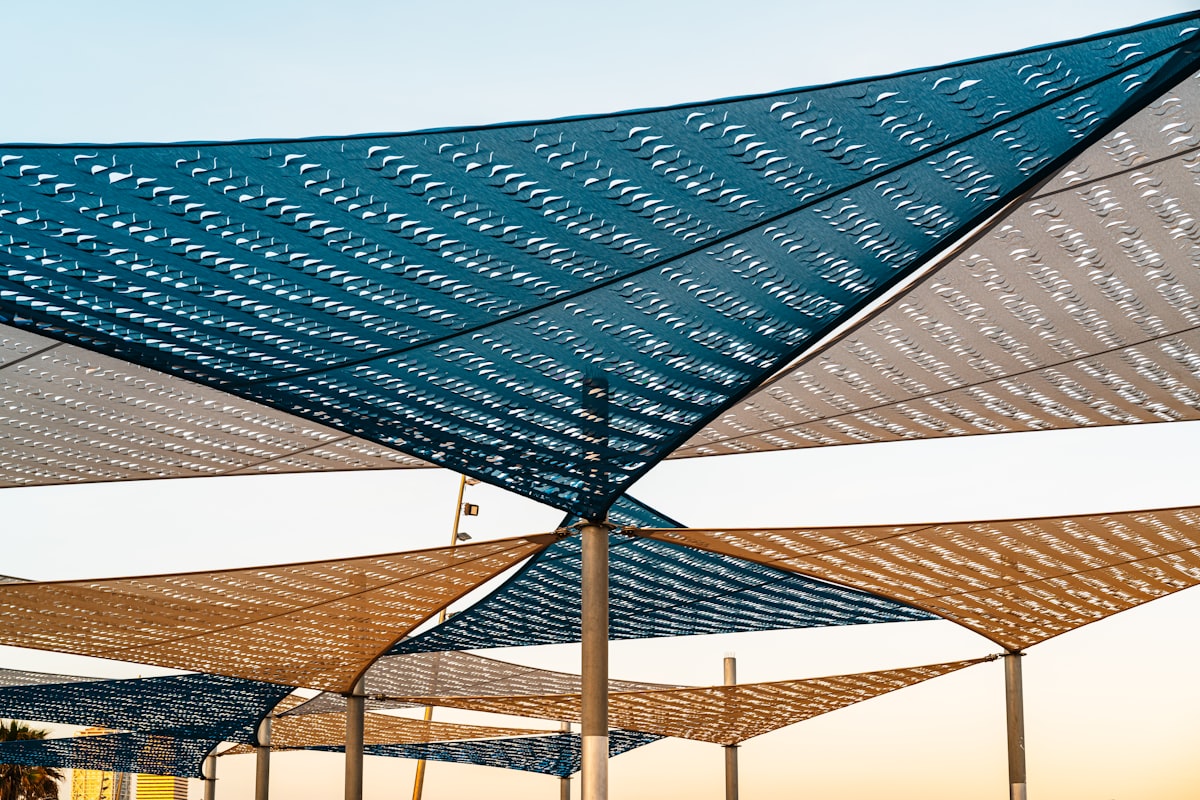
Cloth or textile screens
Lightweight and often easy to move or store, but less wind-resistant than glass or wood. These screens are a good compromise if flexibility is more important to you than maximum wind reduction, for example because you want to store the screen in winter.
Wooden or composite screens
Offer the most privacy because they're not transparent, and fit well with a rural or natural garden style. Composite has the advantage that it requires virtually no maintenance compared to traditional wood, which needs to be treated periodically against the elements.
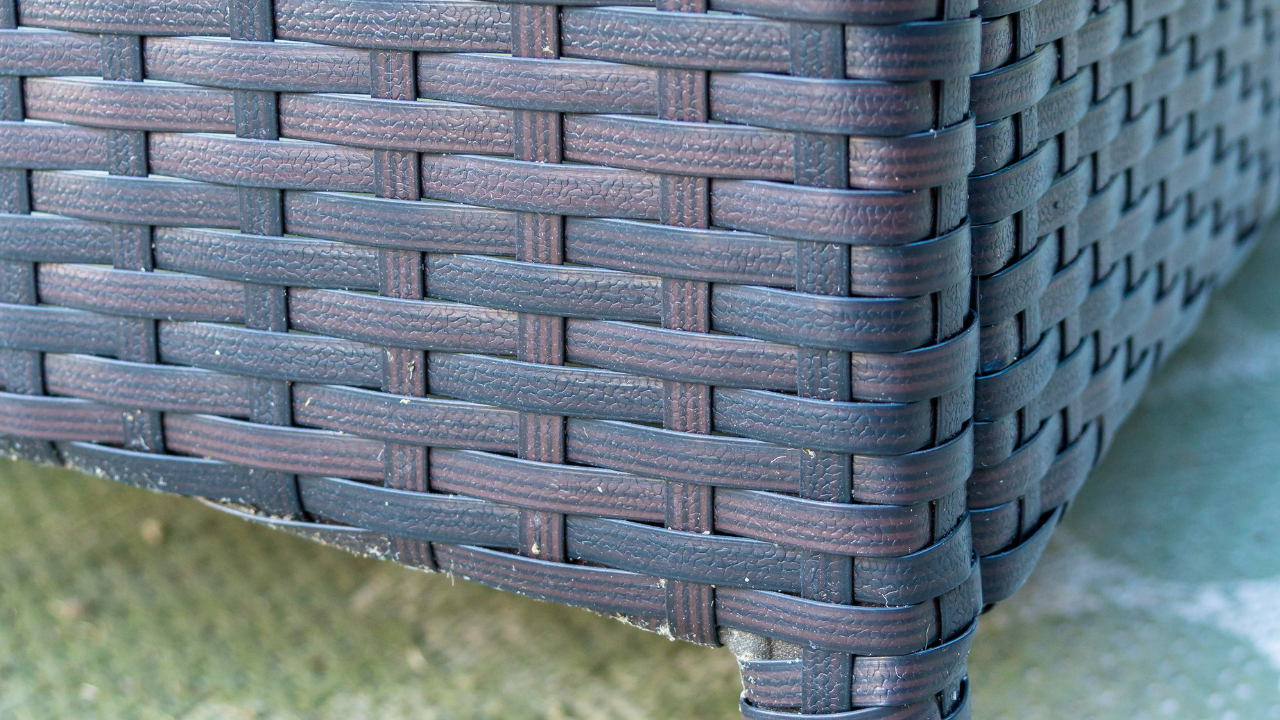
Rattan or woven screens
An affordable, natural appearance, particularly suitable as a temporary or seasonal solution. Rattan is less durable than wood, glass or composite, and will need replacing sooner after a couple of seasons outside.
What suits your situation?
Do you live in a windy location but want to keep the view? Then choose glass — that combines wind reduction with an open, airy feel. If it's mainly about privacy from neighbours, then a solid screen made of wood or composite is a better choice, simply because no one can see through it.
On a balcony with limited space, a lightweight cloth or rattan screen often works most practically, because you can easily move it or store it in winter without needing tools or help. Do you want a fixed, permanent solution? Then glass or composite is, despite the higher initial investment, often the most durable choice in the long run.
Windscreens specifically for a balcony
Balconies come with their own challenges: limited space, often stricter rules from the homeowners' association about what can and cannot be attached to the balustrade, and sometimes extra wind exposure due to the height of the building. When choosing a balcony screen, prefer a lightweight screen that you can install easily without major structural modifications, such as a cloth screen that you can clip to the balustrade or a freestanding screen on a base.
Always check the rules of your homeowners' association or landlord before purchasing a screen, especially if you want to screw something to the balustrade or exterior wall. A freestanding screen on a sturdy base is often the safest option if you're unsure what is and isn't allowed.
Combining with your garden design
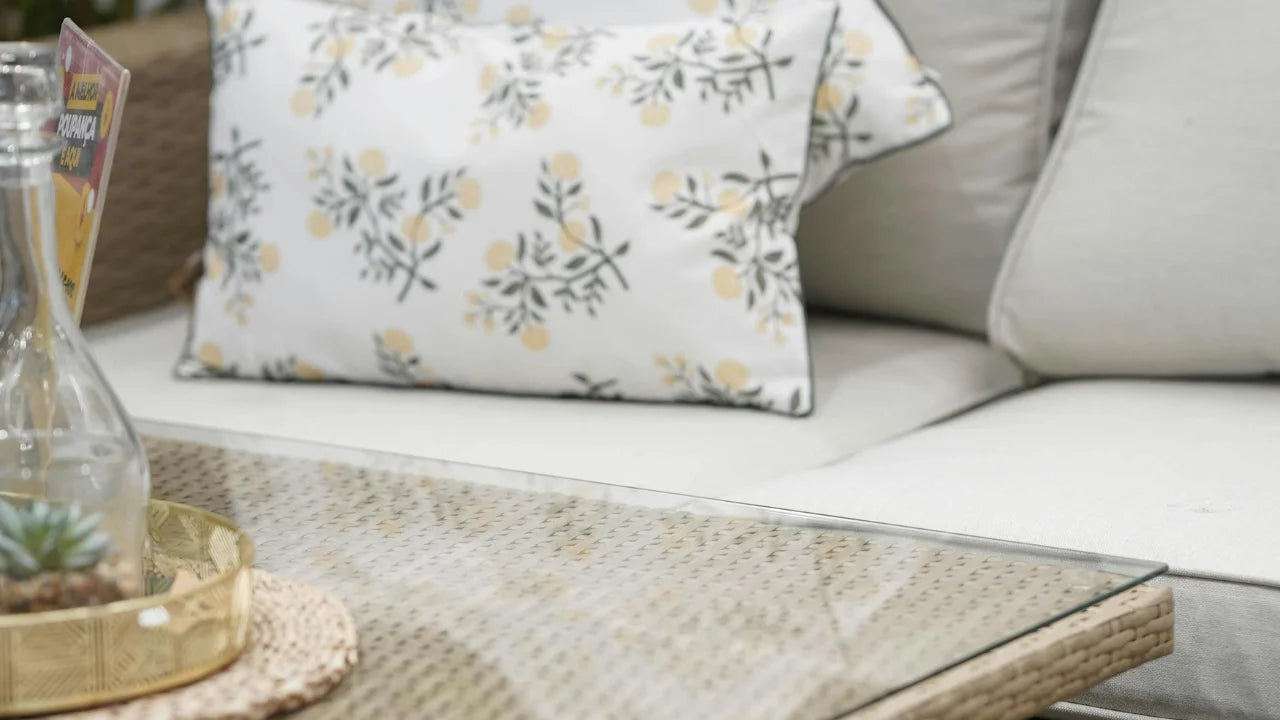
A screen doesn't have to be a standalone element. Coordinate it with your lounge set or garden set by matching the colour to your decorative cushions, or place the screen together with a parasol for both wind protection and shade in the same corner of your garden.
With a wooden or composite screen, you can also consider letting a climbing plant grow against it, which will make the screen look even more natural and green over time — a nice way to combine functionality with garden design.
Maintenance per material
- Glass: clean regularly with a glass cleaner to stay streak-free, especially after rain which can leave marks as it dries.
- Cloth/textile: depending on the material: some screens are machine washable, others are best rinsed and left to dry.
- Wood: requires periodic treatment with oil or stain to remain weather-resistant, depending on the wood type.
- Composite: low-maintenance — usually a soapy water wipe is enough to make the screen look fresh again.
Common mistakes when choosing a screen
- Choosing by price alone: a cheap cloth screen that tears in the first storm costs more in the long run than a slightly sturdier alternative.
- Wrong height: a screen that's too low might offer enough privacy when sitting, but standing everyone can see right over it.
- Not accounting for wind load: a large, solid screen catches much more wind in a storm than you might expect — ensure sturdy, stable installation.
- Ignoring regulations: especially with balconies and rental properties, an incorrectly placed screen can lead to disputes with the homeowners' association or landlord.
Windscreen or a permanent fence?
A freestanding windscreen and a permanent fence may seem similar, but serve a different purpose. A fence is a permanent, structural solution that defines the entire plot boundary and often requires building permission or consultation with neighbours, depending on height and location. A windscreen is more flexible: you place it exactly where you need protection at that moment, without it having to enclose the whole garden.
For a temporary or seasonal solution, or when you're renting and can't simply make structural changes, a freestanding windscreen is almost always the more practical choice. Do you want a permanent, year-round solution for the entire garden? Then a permanent fence is often more durable in the long run, although the initial investment is greater.
Frequently asked questions
Which type of windscreen blocks the most wind?
Solid materials such as wood, composite and thick cloth block more wind than glass, simply because glass allows air through visually, although certain models have ventilation openings. For maximum wind reduction, a solid, tall screen is the most effective choice.
Can I just place a windscreen on my balcony?
That depends on the rules of your homeowners' association or landlord, especially if you want to attach something to the balustrade or exterior wall. Always check this beforehand, and if in doubt, opt for a freestanding screen that doesn't require structural modifications.
Which screen offers the most privacy?
Solid, opaque materials such as wood and composite offer the most privacy, because no one can see through them. Glass provides wind protection but not visual privacy.
Can I leave a windscreen outside all year?
Glass, composite and treated wood can usually stay outside all year round. Cloth and rattan screens are often less durable with prolonged exposure to rain and frost, and are better stored during the winter months.
How tall should a windscreen be for sufficient privacy?
For sitting privacy, a height of approximately 1.5 to 1.8 metres is usually sufficient. If you also want to be completely hidden from view whilst standing, a taller screen is needed — however, keep in mind any local regulations regarding maximum fence height in your area.
Can I combine multiple types of screens?
Certainly — many gardens, for example, combine a fixed wooden screen on one side with a lighter, moveable cloth screen on the other. This way you can choose the most suitable solution per wind direction or consideration (privacy versus wind), rather than using one type of screen all around your seating area.
Looking for the right windscreen for your garden or balcony? Check out our garden accessories for more options, or contact us for personal advice.