

A covered spot in the garden extends the outdoor season. You can be sitting outside in April with a cup of coffee, still eating on the terrace in September when a shower passes over, and your lounge set stays cleaner. But as soon as you start looking, you get tangled in the terms: veranda, canopy, covered terrace, pergola, louvred roof. So what is the actual difference, and which one suits your garden?
In this article we put the three options side by side, help you with a short quiz and a step-by-step plan, and show you how to furnish the space afterwards. It's good to know in advance that Boender Outdoor compares garden furniture and refers you to shops. We don't build verandas ourselves, but we can help you with the choice and the set-up.
In brief: a veranda is attached to your house and is a covered extension of your living room. A canopy is a roof on posts, either against the house or freestanding in the garden. A pergola is open and airy, and with a louvred roof you control the light yourself. If you don't want to build anything permanent, a cantilever parasol or shade sail also provides shade. For any permanent structure, check the rules with your local council or via the Omgevingsloket first.
Veranda, canopy and pergola compared
Shops and builders don't always use these words in the same way. This breakdown is the most common one, and it helps you compare offers with each other.
| Type | What it is | Suits |
|---|---|---|
| Veranda | Covered terrace attached to the house | Sitting outside from the living room |
| Canopy | Solid roof on posts | Sitting dry, also freestanding in the garden |
| Pergola | Open frame, beams or louvres | Light shade, climbing plants |
| Parasol or shade sail | Freestanding shade, nothing permanent | Rented home or staying flexible |
What is a veranda?
A veranda is a covered terrace built against the façade of your house, usually at the back. On the house side the roof rests on the wall, and on the garden side it rests on posts. The roof is often glass or polycarbonate, so light continues to fall into your living room. You can leave a veranda open, or later add glass sliding walls to the sides or front. Then it becomes a sheltered garden room where you can sit even in wind and cooler weather.
The big advantage of a veranda is its connection to your home: you step straight outside from the kitchen or living room and don't need wet feet to reach your lounge set. The downside is that a veranda can make your living room darker, especially with a solid roof, and it has to be fixed to the façade. That calls for a proper join to your house.

What is a canopy?
Canopy is the broader term: a roof on posts that protects you from rain and sun. A veranda is essentially a canopy against the house. In addition, there is the freestanding canopy, which you place loose in the garden. This is handy if the nicest spot isn't directly by the house, for example at the back of the garden where the evening sun falls, or next to an outdoor kitchen.
Canopies come in wood, aluminium and steel, with a roof of glass, polycarbonate, solid roof panels or louvres. A wooden canopy with a solid roof feels warm and rustic, while an aluminium or steel structure looks sleeker. Because a freestanding canopy doesn't rely on your façade, there are posts at every corner. These need to be firmly anchored, and you need to take that into account when furnishing the space.

What is a pergola?
A classic pergola is an open structure of posts with beams or slats across the top, and no solid roof. It gives light, filtered shade and is often the base for climbing plants such as wisteria, grapevines or climbing roses. You can also stretch a canvas over it or hang a concertina shade. A pergola feels airy, but it won't keep out a rain shower.
In recent years the pergola with a louvred roof has become popular. It's a hybrid: a sturdy frame with a roof of louvres that you can tilt. That way you choose whether to let the sun in or seek shade. Whether that roof is waterproof varies by model. So always check this in the product information, and don't assume it.
Don't choose based on the word, but on what you want above your head: keeping out the sun, keeping out the rain, or both. A pergola, a canopy and a veranda can all look lovely, but only a solid roof truly keeps you dry.
Quiz: what suits your outdoor space?
Answer the four questions and each time choose the option that best matches your situation. The outcome gives you a direction, not a building plan.
Veranda, canopy or pergola: what suits your outdoor space?
Where do you want to sit covered?
- Right behind the sliding patio doors, against the back wall
- In a fixed spot in the garden, separate from the house
- Above a seating area among the greenery, where it can stay open
- Somewhere different each time, depending on the sun
What should the roof mainly do for you?
- Keep out rain, wind and cold, including in spring and autumn
- Block a shower, with the sides allowed to stay open
- Break harsh sun, while letting light in
- Only provide shade on warm summer days
How much building work are you willing to take on?
- A proper extension to the house, with glass walls if needed
- Posts with foundations and a solid roof
- A frame I can put up myself with a couple of pairs of hands
- I'd rather have nothing fixed into the ground
What does that spot look like on a mild evening in October?
- Cushions on the sofa, glass walls closed, a blanket nearby
- Table laid under the roof, rain drumming on it
- Louvres open, a few autumn leaves still on the climbing plant
- Empty: parasol and canvas already stored in the shed
A veranda suits you best. You want a covered extension of your living room that you can use for as much of the year as possible. Think ahead about how much light gets into the house, and about side walls if you also want to sit outside in the wind.
A canopy is your direction. A solid roof on posts keeps you dry, and freestanding you can place it where the sun is best. Expect a sturdy foundation and more preparation than with a pergola.
A pergola suits your garden. Airy, with shade that lets light through. With a louvred roof you decide how much sun comes in. Check per model whether the roof also keeps out rain.
Loose shade is the smartest choice for you. A cantilever parasol or shade sail gives shade without a structure, and in winter you can put it away. Ideal if you rent or don't yet know where your permanent spot will be.
Which roof should you choose?
The roof largely determines how your space feels: light or sheltered, warm or cool. These are the common options with their most important characteristic.
| Roof | Light | Watch out for |
|---|---|---|
| Glass | Lots of light, clear views | Heavy, hot in full sun |
| Polycarbonate | Light, often somewhat filtered | Lighter than glass, audible in rain |
| Solid roof panels | Dark underneath | House can become darker |
| Louvres | Adjustable by you | Waterproofing varies by model |
| Open beams or canvas | Filtered shade | No protection from rain |
If your terrace faces south, a glass roof can get quite hot on a summer afternoon. Many people therefore combine a glass roof with sun blinds or a canvas underneath. Facing north, on the other hand, a clear roof is pleasant so that your living room doesn't get too dark.
Not sure about louvres? In louvred roof pergola: how does it work? you can read how the louvres tilt, where the rainwater goes and what to watch out for in wind.
Five steps to the right choice
Do you mainly want to eat, lounge or both? And in which months? If you want to sit outside in March and October, you'll get more from a solid roof and side walls than from an open pergola.
Look at where the sun falls at a few different times of day. A spot right by the house is convenient, but it isn't always in the sun at the times you're sitting outside. Sometimes a freestanding spot at the back of the garden is the better choice.
Mark out the external dimensions with string or tape and place your garden furniture within them. Allow for walking space around the table or lounge set and keep the posts in mind. You can read how much space a set needs in how much space you need for a lounge set.
Find out in advance whether you need planning permission. That depends on the size, height and location. Check with your local council or via the Omgevingsloket, and if the spot is on the boundary, also talk to your neighbours first.
A permanent structure must be anchored securely. Follow the manufacturer's installation instructions and arrange enough helpers: a pergola pack is large and heavy.
Louvred pergola from our range: the Ryan
If you want a pergola with a louvred roof that you place freestanding in the garden, our range includes the Ryan from Garden Impressions. According to the product information, it's a freestanding pavilion with a steel frame and a louvred roof, measuring 300 x 300 cm with a height of 2.40 m. It comes in a version with open sides and a version with one solid side.
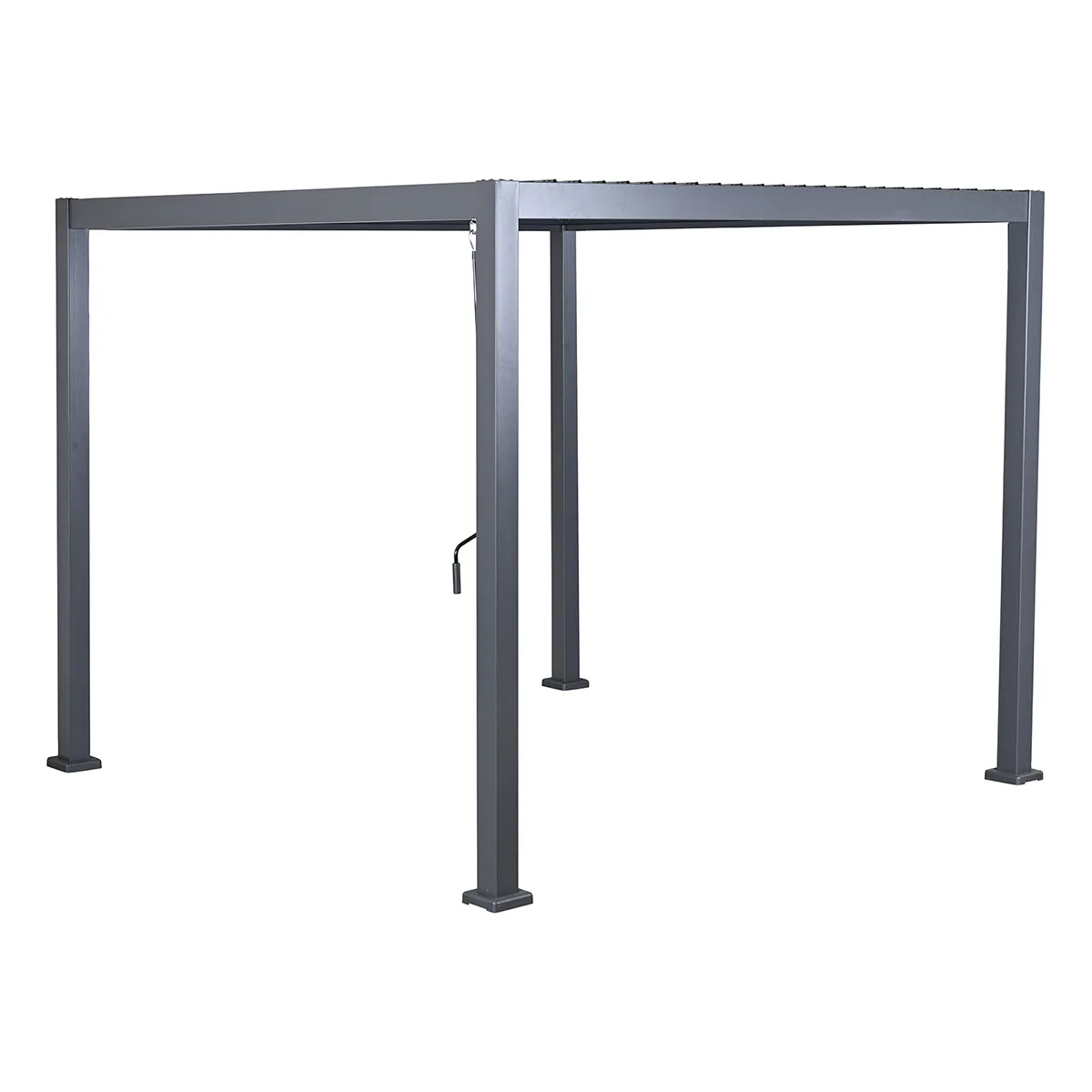
Ryan pergola with louvred roof 300 x 300 cm
The specifications for this version state that the roof is adjustable and the sides are open. That makes it suitable as a shaded spot above a garden set or lounge dining set that you want to be able to reach from all sides. Garden Impressions offers a 2-year guarantee on it.
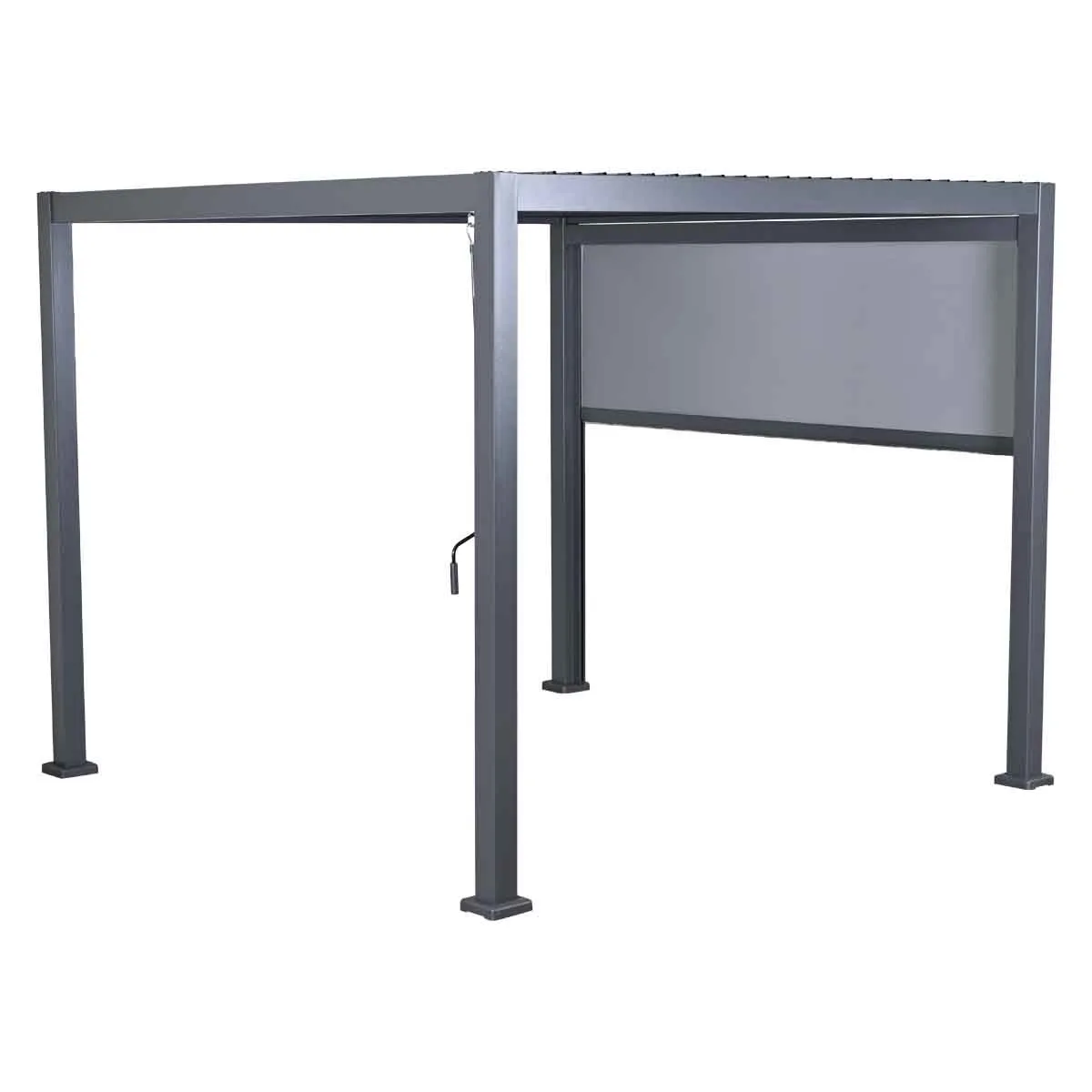
Ryan pergola with louvred roof and side wall
The version with a side wall has one solid side according to the specifications. Handy if you want shelter or less overlooking on one side, for example on the side facing the neighbours. Do note the size of the delivery: according to the packaging details, the package is 287 cm long and weighs 168.5 kg. So plan the installation with several people.
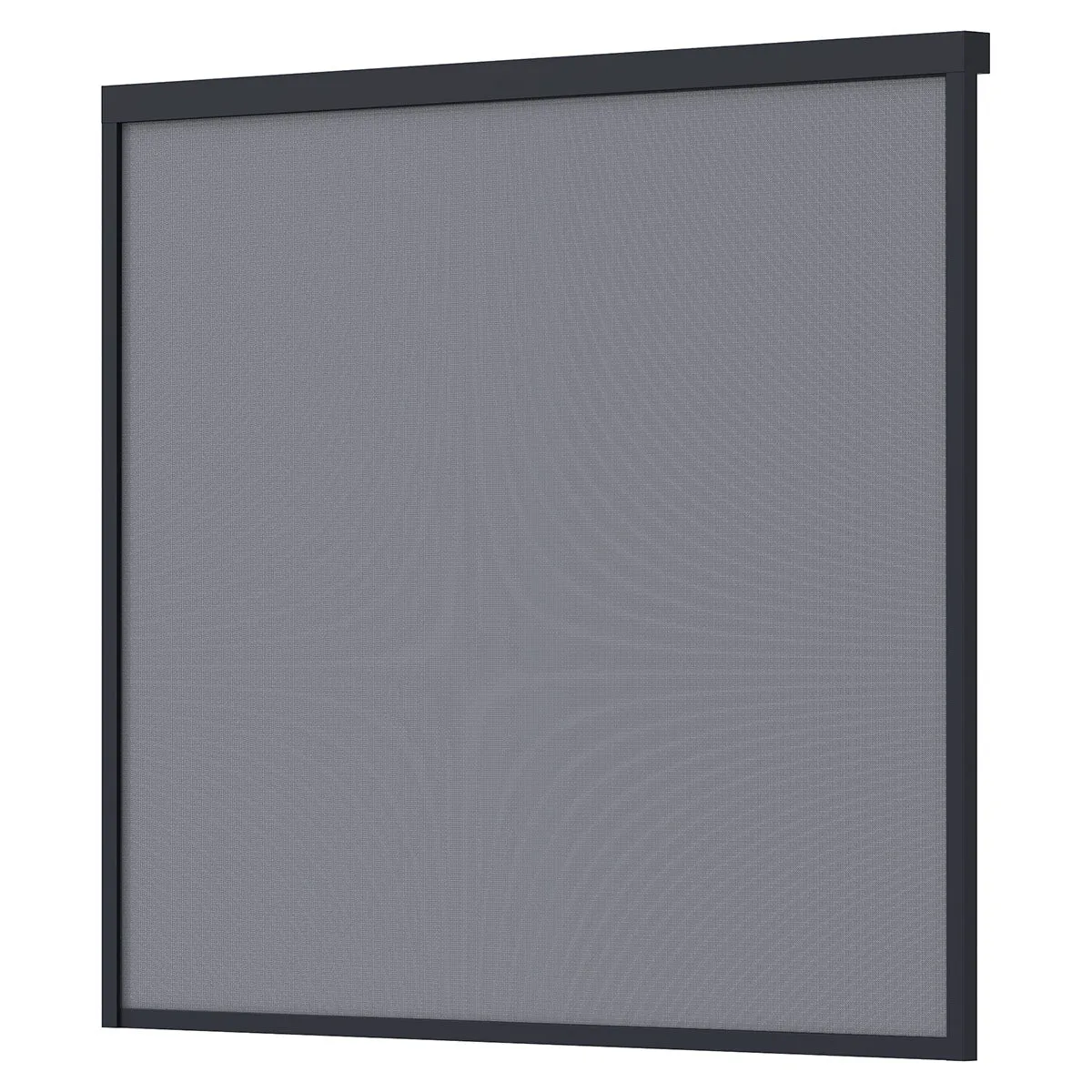
Ryan textile side wall 300 cm
See side wall →Ryan without side wall
See pergola →Ryan with side wall
See pergola →The Ryan range also includes a loose 300 cm textile side wall. Check the product page to see whether the side wall fits your version before you order. The product information doesn't state whether the louvred roof is waterproof. If you want to be sure of staying dry, ask the shop or choose a canopy with a solid roof.
Prefer nothing permanent? Shade without building
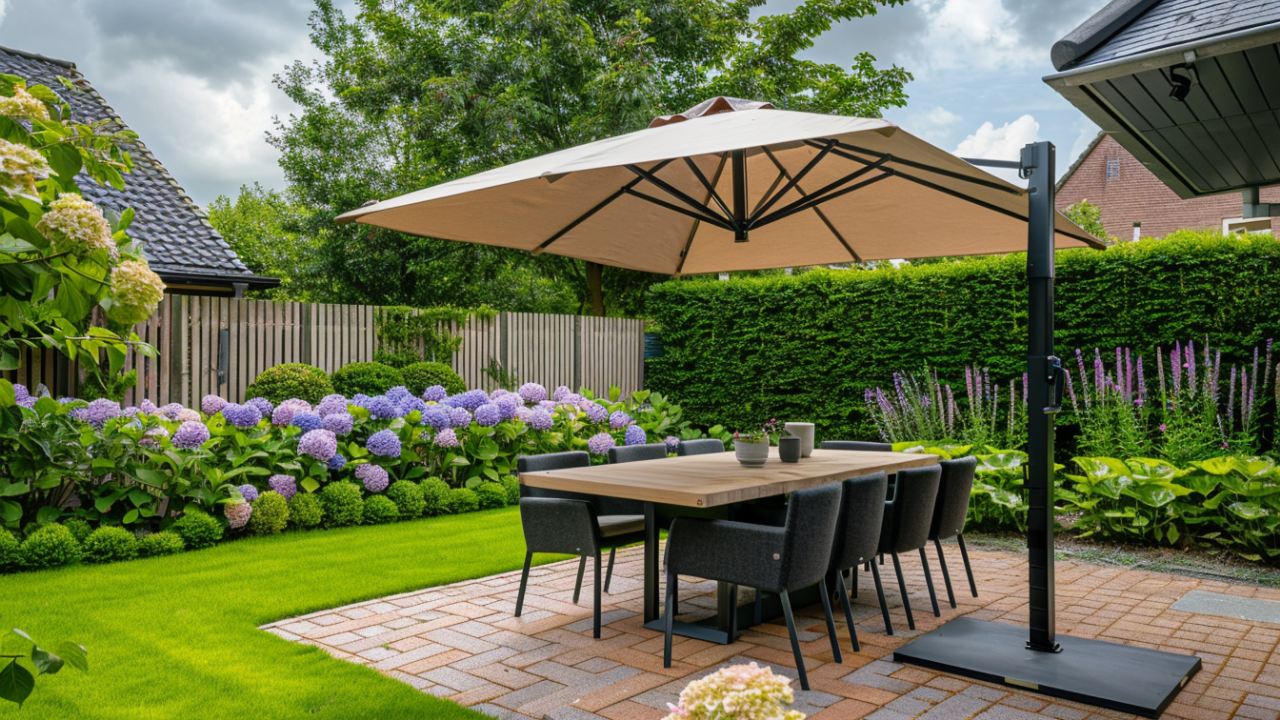
Are you renting, do you want to try out a summer first in the spot you like best, or do you find a permanent structure too much? Then a cantilever parasol or shade sail also gives a pleasant shady spot, without foundations.
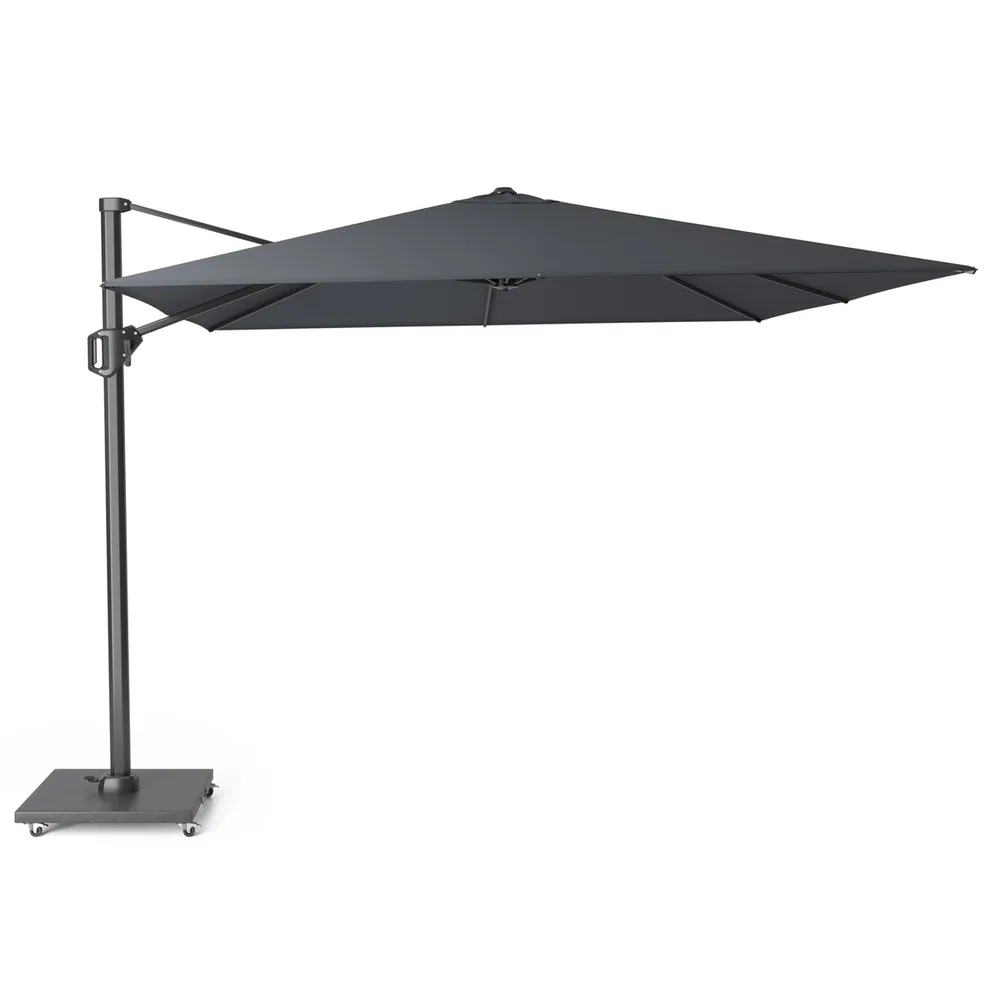
Challenger T¹ cantilever parasol 300x300 cm
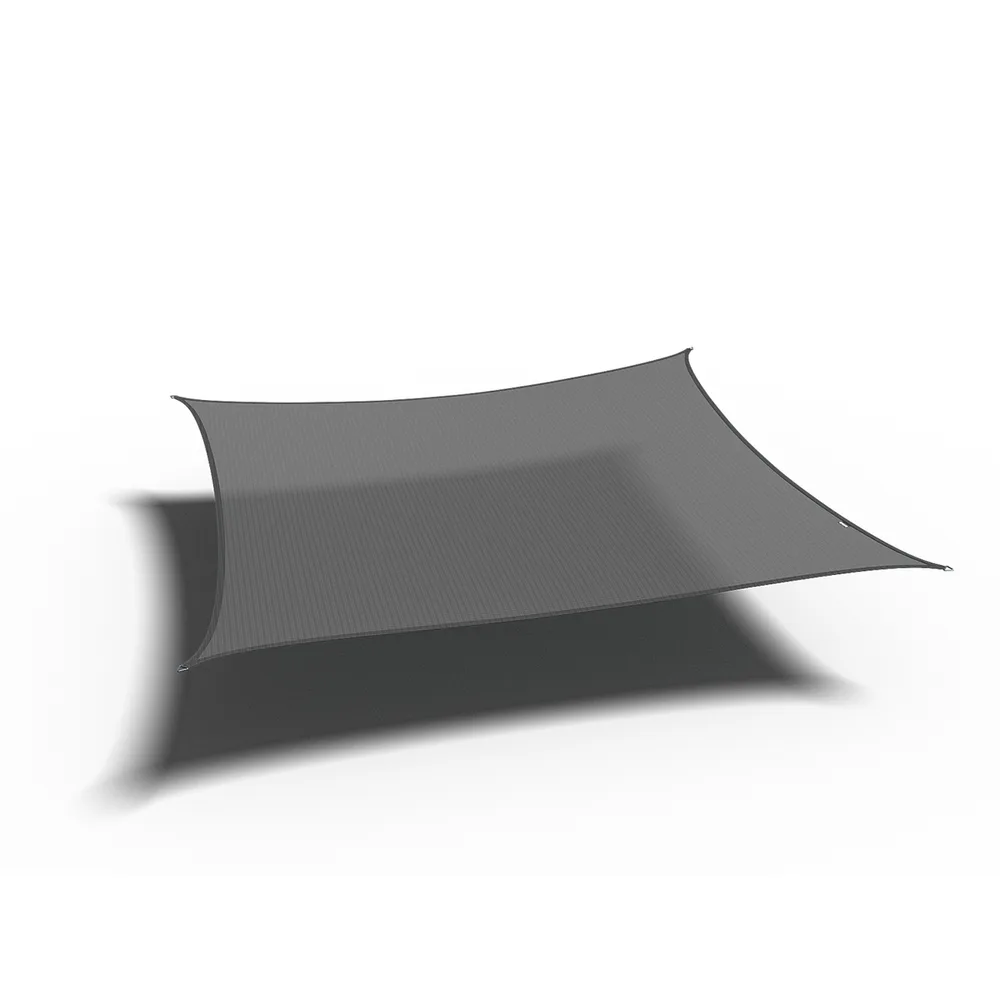
Coolfit square shade sail 360x360 cm
Place a cantilever parasol next to your seating area so there's no mast in the way. Stretch a shade sail between the façade, posts or trees. If you want to stay dry under a sail even in a shower, look at the Prosail waterproof concertina shade sail: according to the product information, it's made of acrylic and is fully waterproof. You can compare all the options side by side in shade solutions for the garden, and learn how to hang a sail securely in hanging a shade sail.
Planning permission: what should you look out for?
Whether you need planning permission for a veranda, canopy or pergola depends on factors including the size, the height, the location on your plot (front or back, distance from the boundary) and the rules that apply in your local area. There is no single answer that works for everyone. So always check in advance with your local council or via the Omgevingsloket, before you order or have anything built. A loose parasol or shade sail usually falls outside this.
Tip: make a simple sketch
Draw your garden with the dimensions of the structure, its height, and the distance to the boundary and the house. With that sketch you can complete the check at the Omgevingsloket more quickly, and it's easy to discuss with your neighbours too.
Furnishing your covered space
A canopy only becomes a place you really sit in once the furniture is right. Choose it based on how you'll use it:
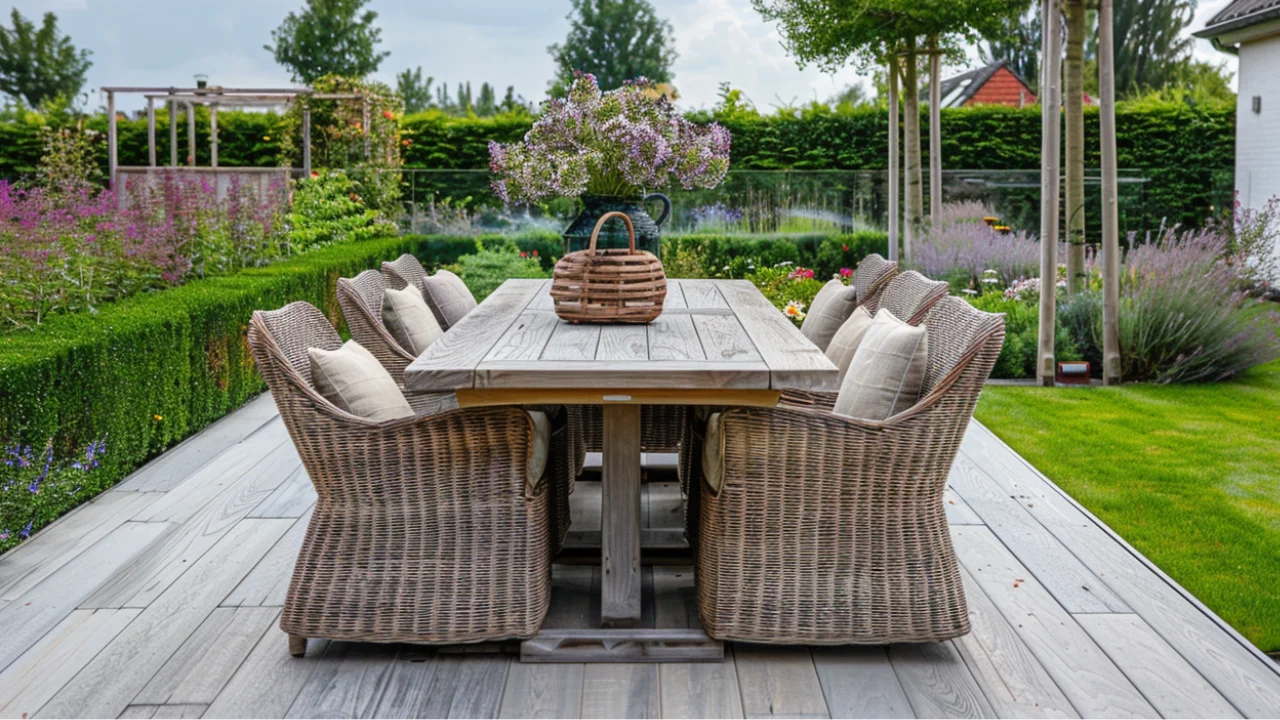
- Veranda by the house: this is where you'll sit most often, so choose comfort. A lounge set or a dining lounge set you can also eat at works well.
- Freestanding canopy or pergola: a garden set under the roof turns it into an outdoor dining corner. Keep the posts in mind: the chairs need to be able to slide back.
- Atmosphere: an outdoor rug makes the floor feel warmer, and with garden lighting you can enjoy it after sunset too.
A roof protects your furniture from rain and falling leaves, but not from everything. Wind-driven rain and damp in autumn still get in. So store cushions somewhere dry when you're not using them, and in winter use a lounge set cover. You'll find more ideas in setting up your outdoor living room.
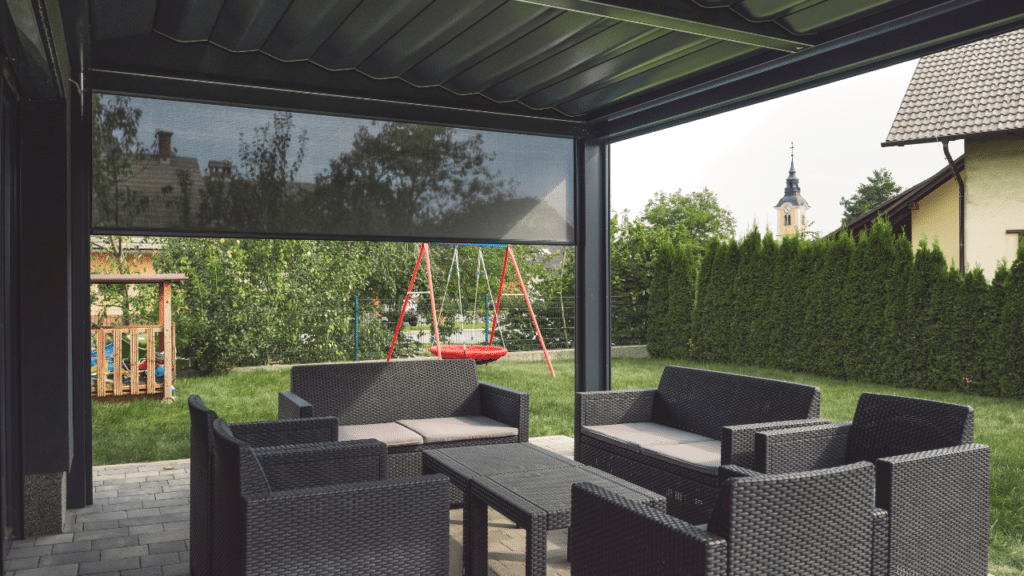
Tip: not sure about the furniture?
Already know where your covered spot will be, but not yet which set fits? Then try our choice helper. In a few questions you'll see which garden furniture suits your space and how you plan to use it.
Common mistakes
Choosing by the word, not the roof
A pergola sounds like a canopy, but an open frame or louvred roof doesn't automatically keep out rain. Check what each model's roof does and doesn't do.
Forgetting the living room
A solid roof against the back of the house keeps out more than rain, it also keeps out daylight. For a spot against the house, choose a clear roof if you don't want a dark room indoors.
Measuring too tightly
Your set needs to fit between the posts, with walking space as well. Mark out the dimensions and place your garden furniture within them before you order.
Checking the rules afterwards
Planning permission issues or objections from neighbours after building are a nuisance and expensive. Check with your local council or via the Omgevingsloket beforehand.
Underestimating the installation
A pergola arrives as a large, heavy pack. Arrange enough help and read the installation instructions before the delivery arrives.
Checklist before you start
- I know whether I mainly want to block sun, rain or both
- I've looked at where the sun falls at the times I'm sitting outside
- I've marked out the spot, including furniture and walking space
- I know whether the spot will be against the house or freestanding
- I've checked with my local council or via the Omgevingsloket whether planning permission is needed
- I know how the structure will be anchored and who will help with installation
- I have a dry place to store cushions
How to choose quickly
- Covered extension of your living room: veranda
- Sitting dry in a fixed spot in the garden: canopy
- Airy shade, controlling the light yourself: pergola with louvred roof
- Building nothing permanent: cantilever parasol or shade sail
Frequently asked questions
What is the difference between a veranda and a covered canopy?
When most people say veranda, they mean a covered terrace built against the back wall of the house, often with a roof of glass or polycarbonate. Covered canopy is the broader term: a roof on posts that can be attached to the house or stand freely in the garden. In practice the terms get mixed up, so when looking at any offer, focus mainly on the construction and the roof.
What is the difference between a pergola and a covered canopy?
A classic pergola is an open frame of posts and beams, without a solid roof. It provides light shade and is often intended for climbing plants or a canopy fabric. A covered canopy has a solid roof that keeps out the rain. A pergola with a louvred roof sits somewhere in between: with adjustable louvres you control how much light comes through.
Do you need planning permission for a veranda or covered canopy?
That depends on the size, height, position on your plot and the rules in your local council area. Some canopies don't need permission, others do. Always check in advance with your local council or via the Omgevingsloket, even if you want to put up a freestanding pergola.
Can you sit dry under a pergola with a louvred roof?
This varies by model, so read the product information carefully. For the Ryan pergola from Garden Impressions, the specifications state that it is a freestanding pavilion with a louvred roof, but do not say whether the roof is waterproof. If you want to be sure of staying dry, choose a covered canopy with a solid roof or a canopy fabric that is explicitly waterproof.
Which garden furniture fits under a covered canopy or veranda?
Directly against the house, under a veranda, a lounge set or dining lounge set is often the best choice, as you'll use it most from the living room. Under a freestanding covered canopy or pergola, a garden dining set or lounge dining set works well. Measure the free space between the posts in advance, as the set needs to fit with room to walk around it.
Can garden cushions be left out under a covered canopy?
Under a solid roof, cushions stay much drier, but not completely: in wind, rain can blow in sideways and in autumn moisture condenses. So store cushions in a cushion box or indoors if you won't be using them for a few days, and especially over winter.