

A sunny terrace is lovely, until you're fleeing indoors with your plate at three in the afternoon. Shade makes the difference between a garden you use in summer and a garden you just look at. But which shade solution should you choose: a centre parasol, a cantilever parasol, a shade sail, or a fixed canopy after all?
In this article we compare the options on what really matters in practice: how much shade you get, where you attach it, whether you can move it, and whether you stay dry in a shower. With our choice test you'll know within a minute which direction suits your garden.
In brief: if you have a dining table with a parasol hole, choose a centre parasol. Over a lounge set, a cantilever parasol works better. If you want to cover a large area without a base on the terrace, choose a shade sail or accordion shade sail. Shade that stays up all the time calls for a canopy or pergola.
All shade solutions compared
Each solution has its own strengths. This table shows at a glance what each option is good for and what to watch out for.
| Solution | Strong in | Watch out for |
|---|---|---|
| Centre parasol | Dining table, light and movable | Pole in the middle |
| Cantilever parasol | Lounge set, open space | Heavy base needed |
| Shade sail | Large area, no base | Sturdy anchor points |
| Accordion shade sail | Slides open and closed | Fixed structure needed |
| Canopy or pergola | Always shade, even in rain | Permanent, sometimes a permit |
Are you mainly torn between the two parasol types? Then read cantilever parasol vs centre parasol. You'll find all parasol types at a glance in what parasols are there?
Choice test: which shade solution suits your garden?
Answer the four questions and each time choose the answer that most closely matches your situation.
Which shade solution suits your garden?
What do you mainly need to shade?
- A dining table with a hole in the top
- A lounge set or corner bench
- A large part of the terrace
- The terrace right by the house, all season
Where can you attach the shade?
- Nowhere, it needs to be free-standing
- Nowhere, but there's room for a base next to the seating area
- To the wall, posts or a few sturdy trees
- I want to have something solid built myself
How often do you want to move the shade?
- Often, I sit here one moment and there the next
- Only turning it to follow the sun
- Hardly ever, hang it up and leave it
- Never, it may be a permanent part of the house
Do you want to stay sitting outside during a summer shower?
- No, when it rains I go indoors
- Preferably not, shade is the most important thing
- It would be nice, but it's not necessary
- Yes, that's exactly what I want
A centre parasol suits you best. It's light, easy to move, and fits through the hole in your garden table. Choose the size for your table and always place it in a base.
A cantilever parasol is your solution. The pole stands beside the seating area, so everything under the canopy is clear. Most models can be turned 360 degrees to follow the sun without moving the base.
A shade sail suits your garden. With one sail stretched between the wall, posts or trees, you shade a large area without a pole or base on the terrace. If you want to be able to slide the sail open and closed, look at an accordion shade sail.
A canopy or pergola suits your wishes best. It's a fixed structure that provides shade and, with a solid roof, keeps you dry too. Expect more preparation than with a parasol or sail.
Centre parasol: simple and flexible
The centre parasol is the best-known shade solution: a pole in the middle of the canopy, set in a base or through the hole in your garden table. It's lighter than a cantilever parasol, you can move it without help, and it's easy to store away in winter. The pole in the middle is no problem above a dining table, because nobody's sitting there anyway.
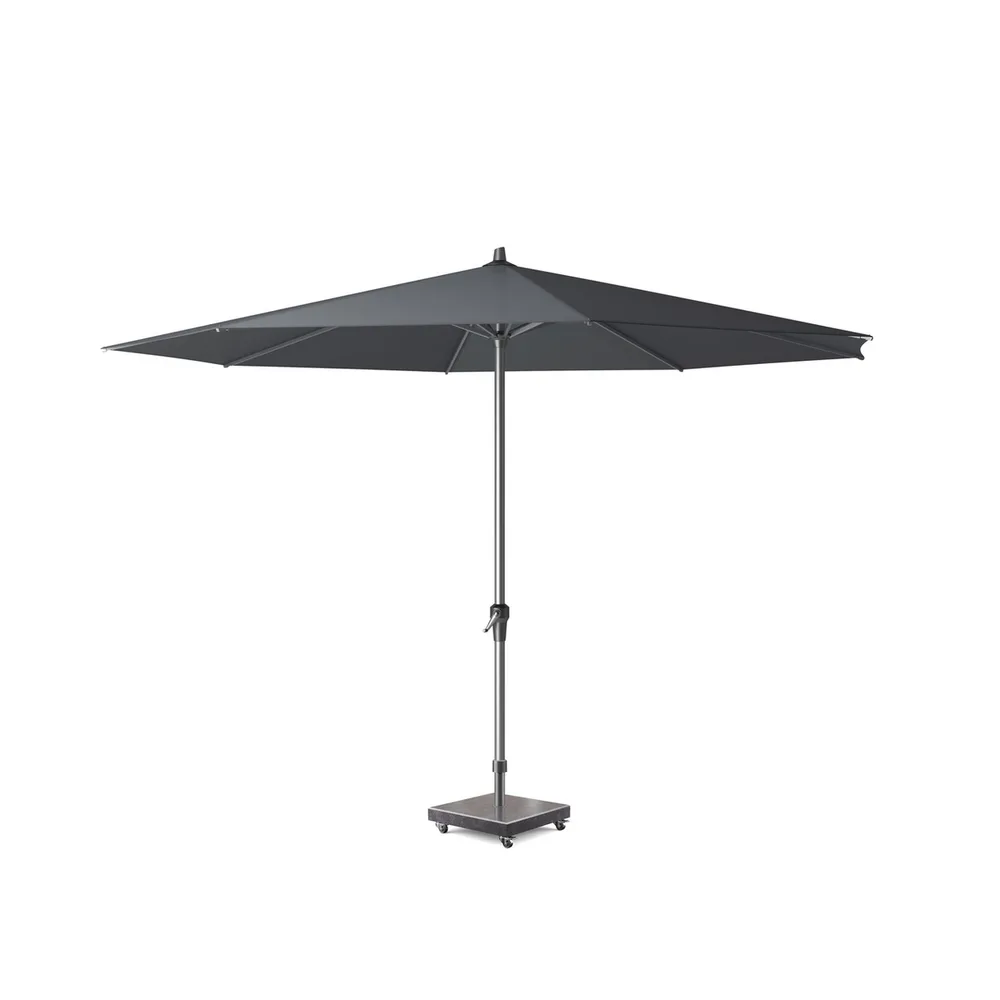
Riva centre parasol Ø350 cm
Pay attention to the pole diameter: it needs to fit in your base and through your table hole. For this Riva it's 48 mm. You can read more about sizes and operation in buying a centre parasol: what should you look out for?
Cantilever parasol: open space under the canopy
With a cantilever parasol, the pole stands next to your seating area and the canopy hangs from an arm. Nothing gets in the way underneath, which makes it ideal above a lounge set or a table without a parasol hole. Many cantilever parasols can be turned 360 degrees and tilted, so you can follow the sun all afternoon. Do expect a heavy base or a ground-anchor base.
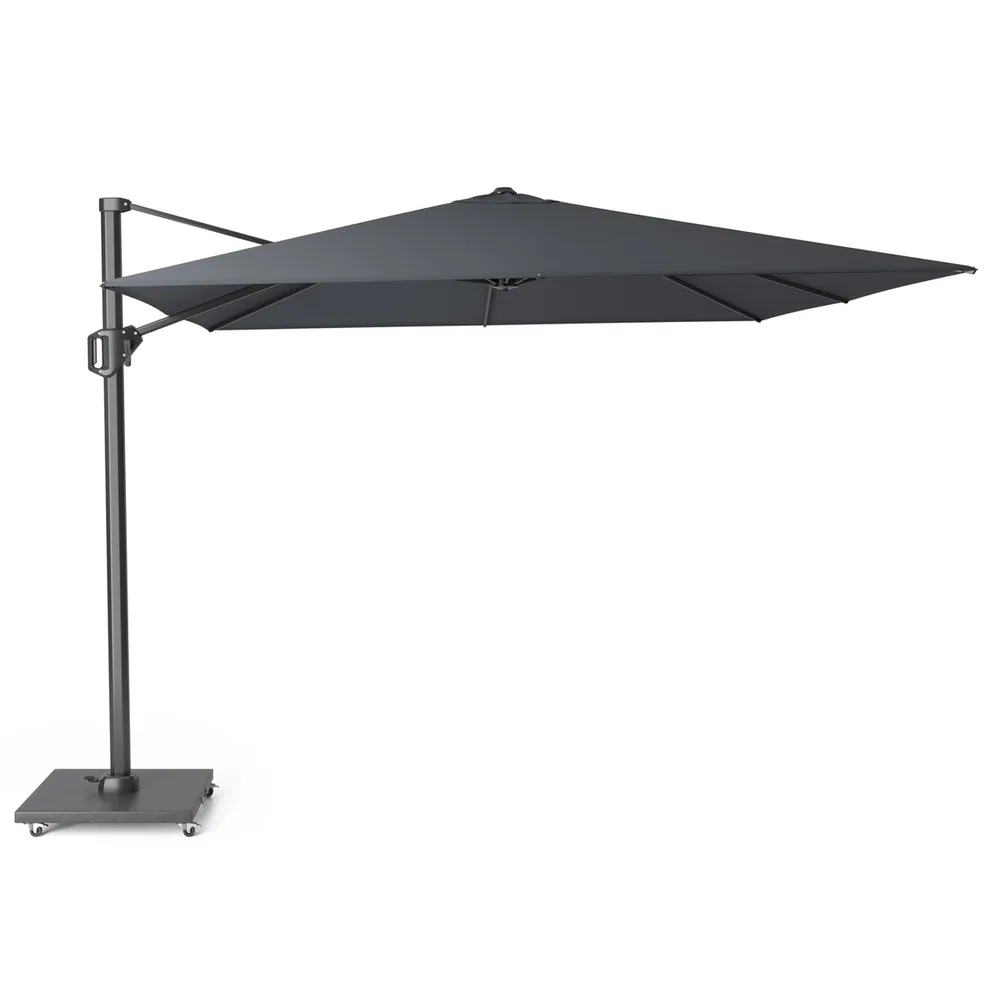
Challenger T¹ cantilever parasol 300x300 cm
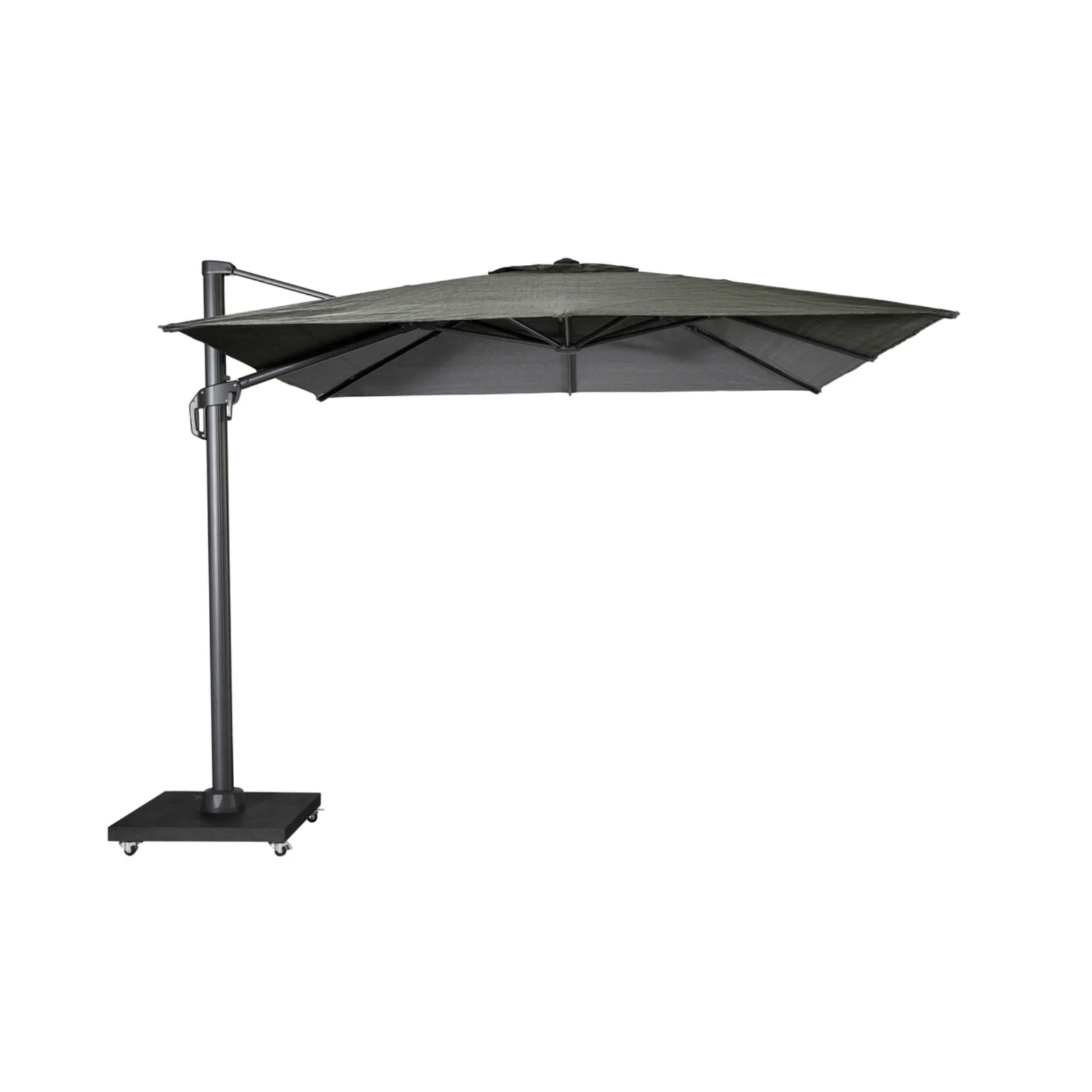
Coolfit cantilever parasol 300x300 cm
The Nesling Coolfit combines the cantilever parasol with the airy fabric of a shade sail: the HDPE canopy lets wind and water through and, according to the manufacturer, blocks up to 95% of UV radiation. You'll find the best models for each situation in best cantilever parasol 2026, and you can read which base you need in which parasol base do you need?
On a sunny day, look a few times at where the shade from your house and fence falls. Often you already get free shade in the morning and only need to arrange something for the afternoon and evening. That matters more than the size of your garden.
Shade sail: lots of shade without a base
A shade sail is stretched between three or four fixed points: the wall, posts or sturdy trees. This way you cover a large area with a single sail, with no pole or base on your terrace. Triangular sails create a playful look, while square and rectangular sails cover a terrace more efficiently.
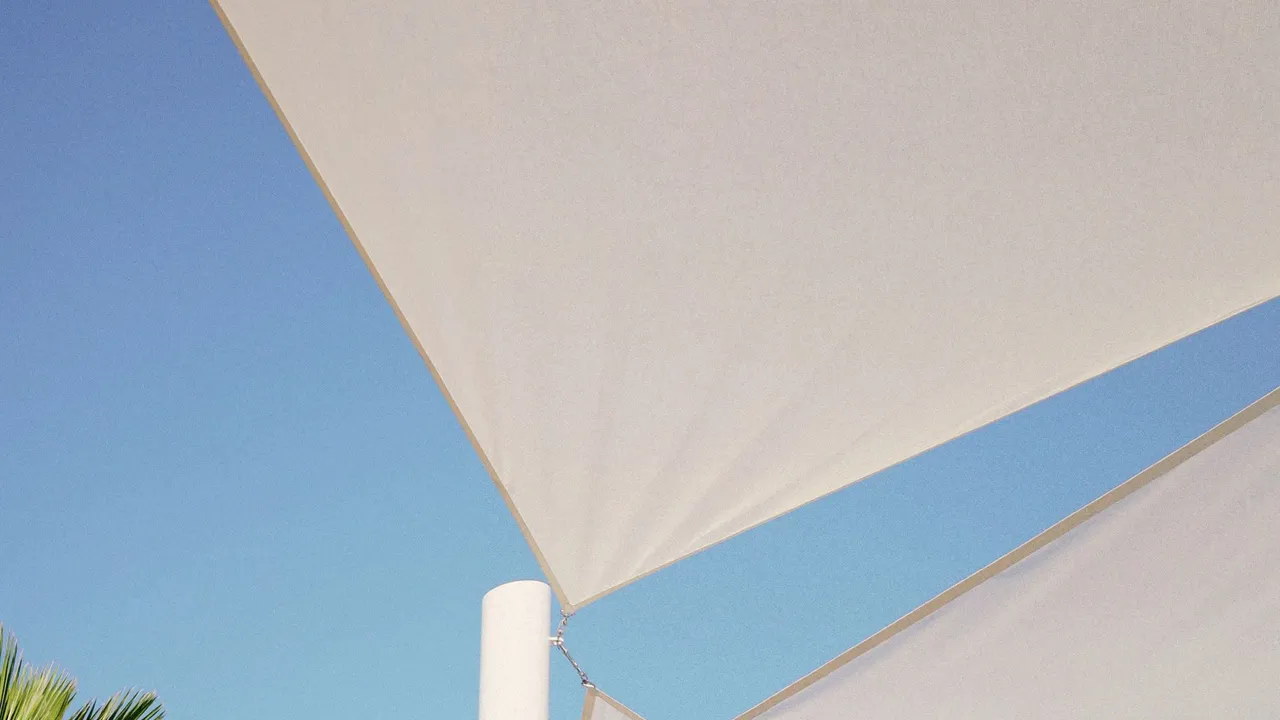
The biggest difference lies in the fabric. An open-woven HDPE sail lets air and water through, so it feels less stuffy underneath. A coated polyester sail keeps rain out, but it needs to hang at an angle so the water runs off.
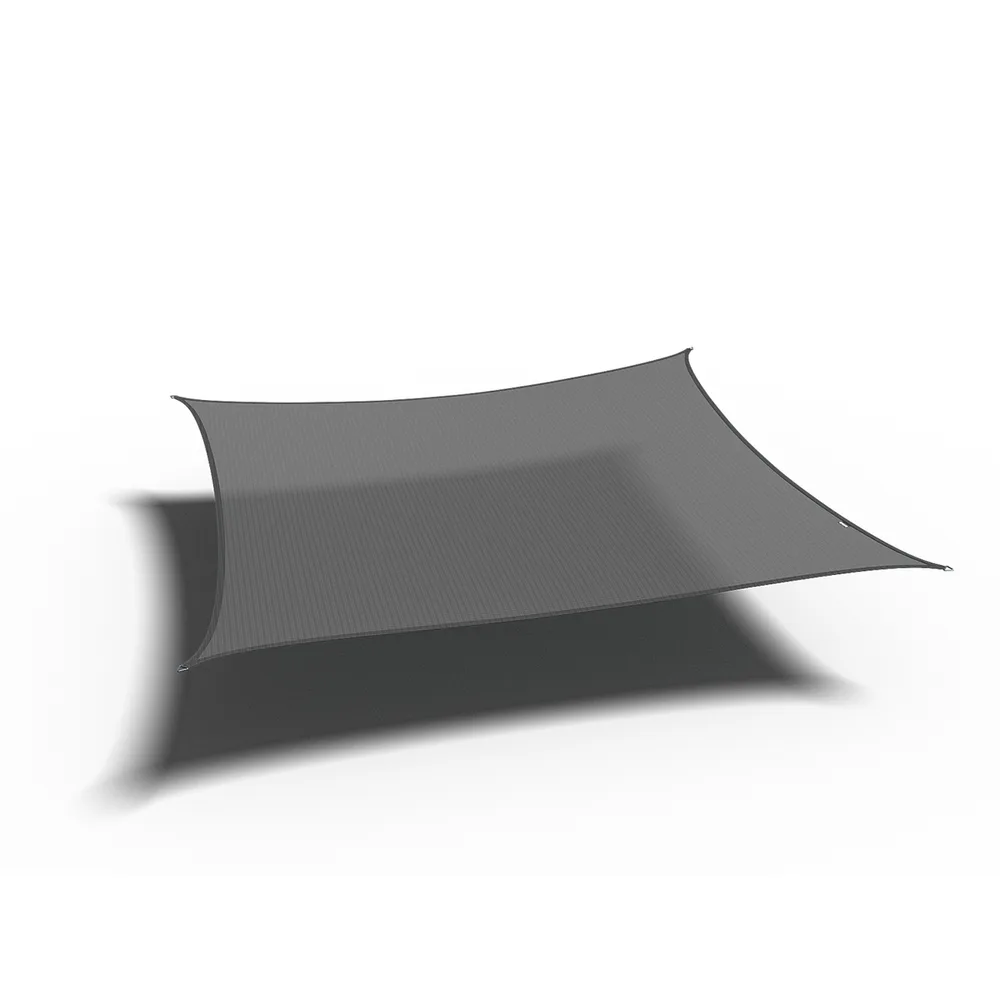
Coolfit square shade sail 360x360 cm
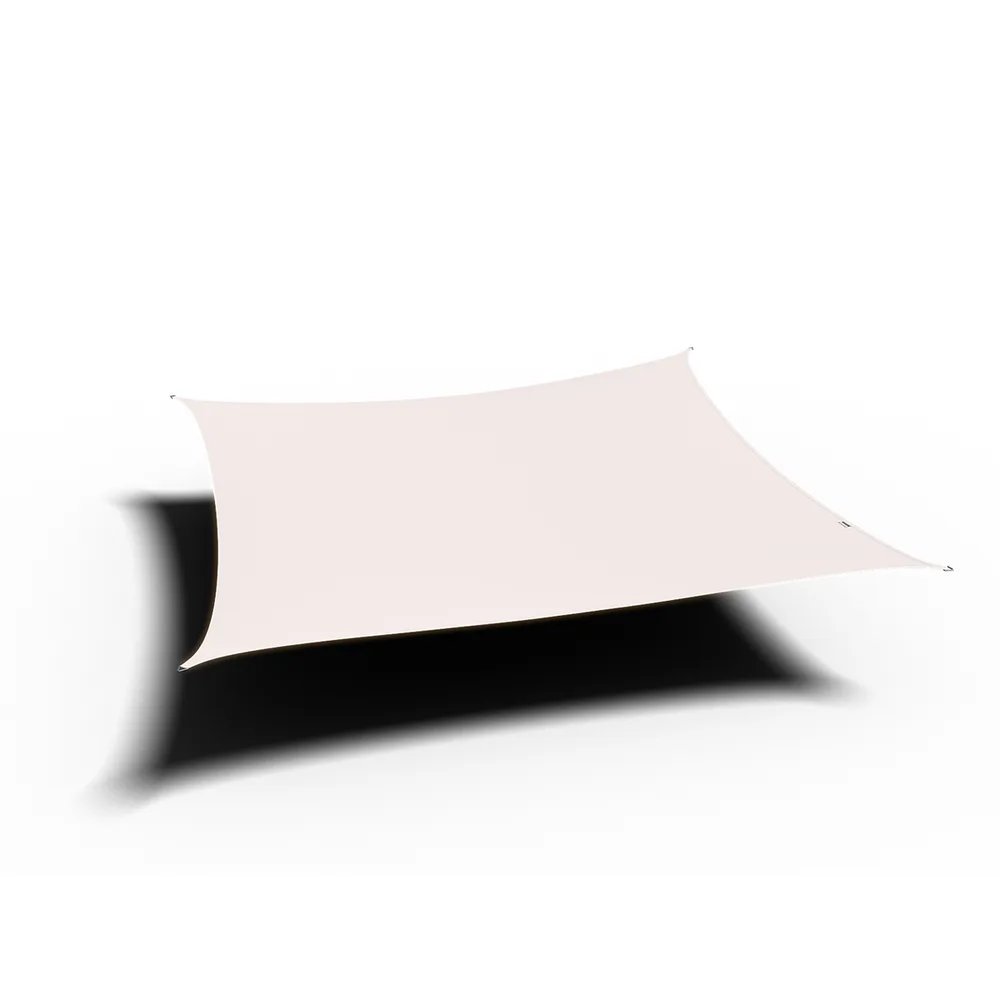
Dreamsail square shade sail 400x400 cm
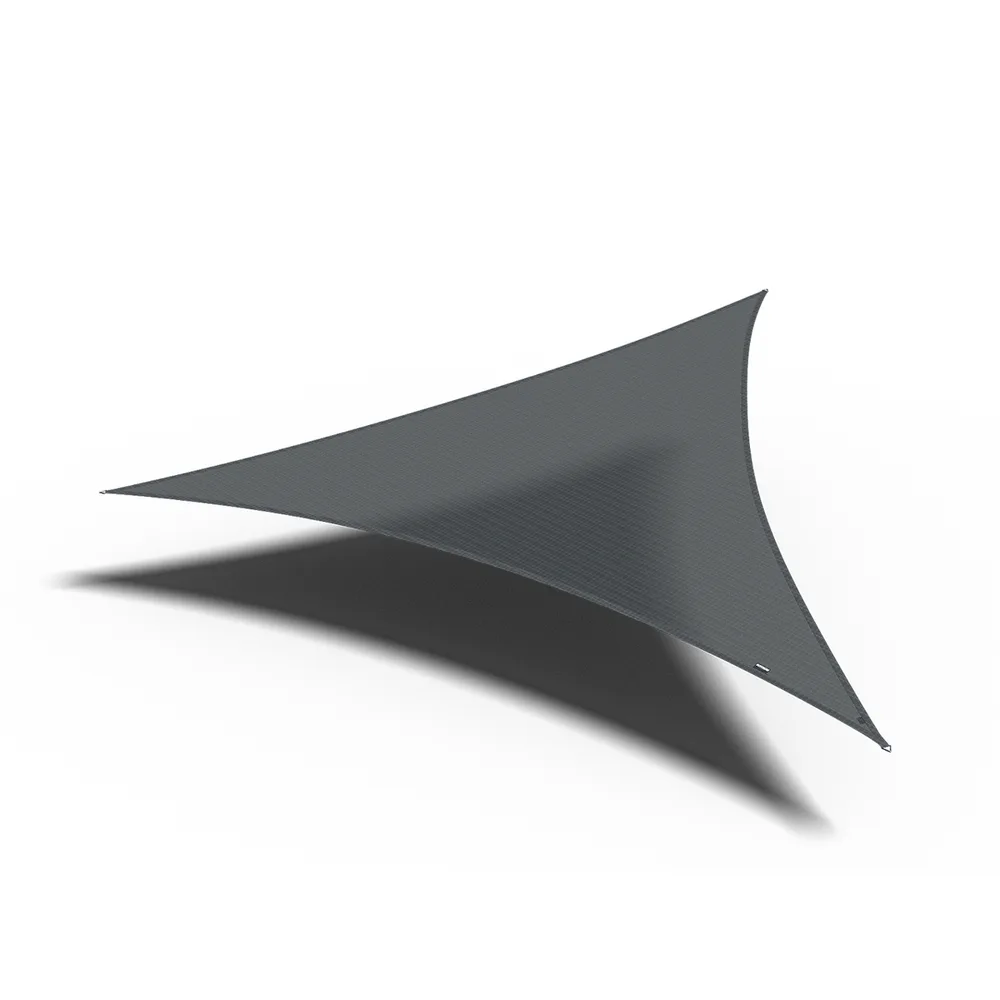
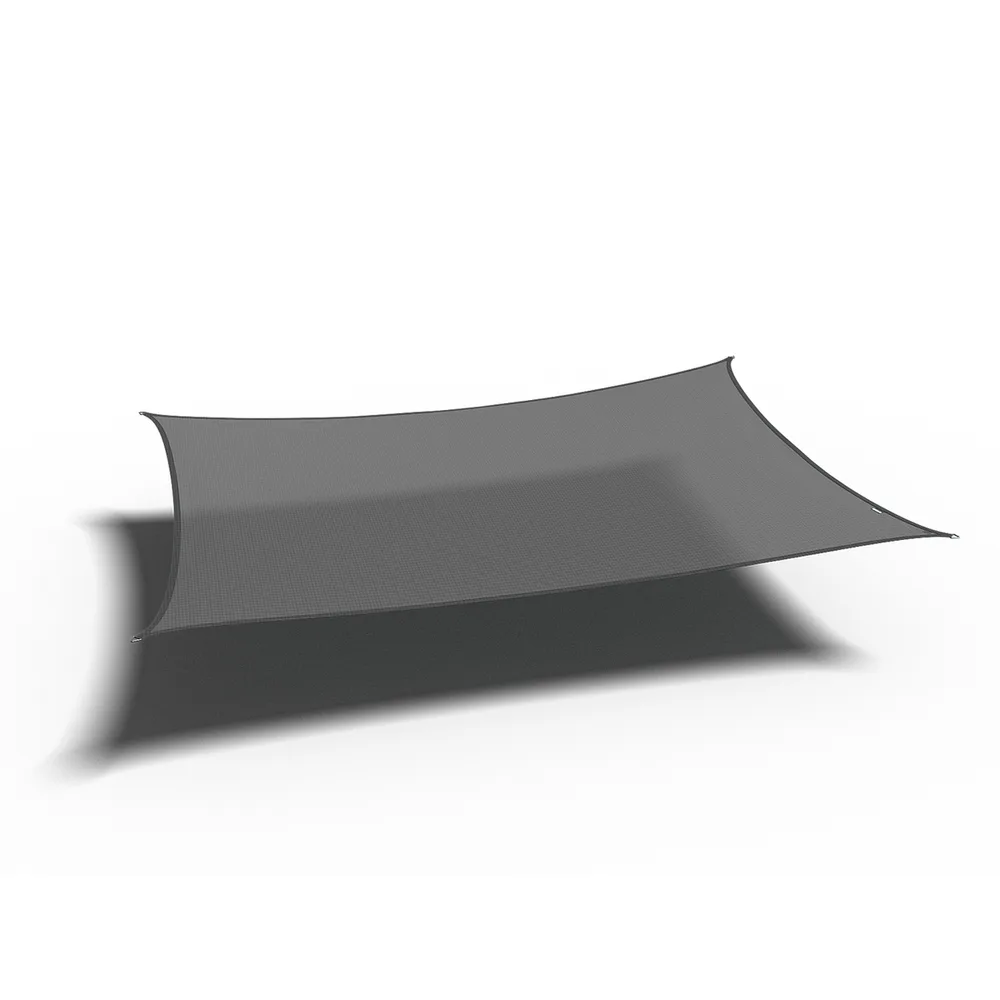
For these loose shade sails, the specifications state that the fixing hardware is not included. You can read step by step how to hang a sail firmly and taut in hanging a shade sail.
Accordion shade sail: shade you slide open and closed
An accordion shade sail hangs from steel cables and slides open and closed like a concertina. This way you decide yourself how much sun falls on your terrace. You hang it between the wall and posts or in an existing structure, and it stays up all season.
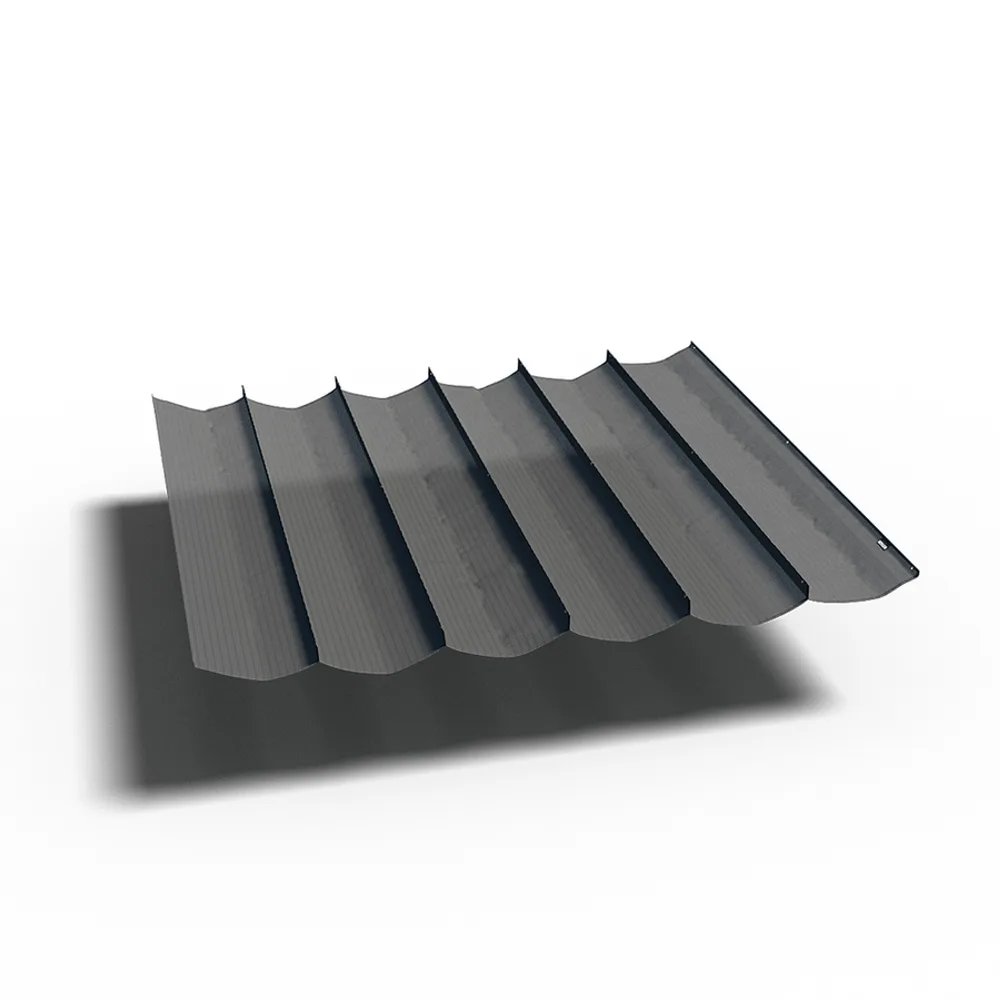
Coolfit accordion shade sail 370x370 cm
The Coolfit accordion shade sail comes with pulleys, battens, steel cables, rope and tensioners in the box. Platinum advises removing the sail in winter or using a protective cover. If you also want to stay dry during a shower, the Prosail waterproof accordion shade sail is an option: that sail is made of acrylic and, according to the product information, is fully waterproof.
Canopy and pergola: permanent shade
A canopy or pergola is a fixed structure with posts and a roof. With a solid roof you stay dry too, while a pergola with louvres lets you control the light. It's the most complete solution, but also the biggest intervention: you need a sturdy foundation, the structure can't be moved, and it takes more time and money than a parasol or sail.
Depending on the size and location, a permit may be required. Check this in advance with your municipality or via the Omgevingsloket. A sun screen on the wall is a halfway option: it takes up no space on the terrace, but it does need to be mounted to your house. To learn the difference between a veranda and a canopy, read veranda or canopy?
Shade on a balcony
On a balcony there's little room for a base, and you don't want anything sticking out over the railing. A narrow rectangular parasol provides shade along your seating spot, and a balcony screen blocks sun and visibility along the railing.
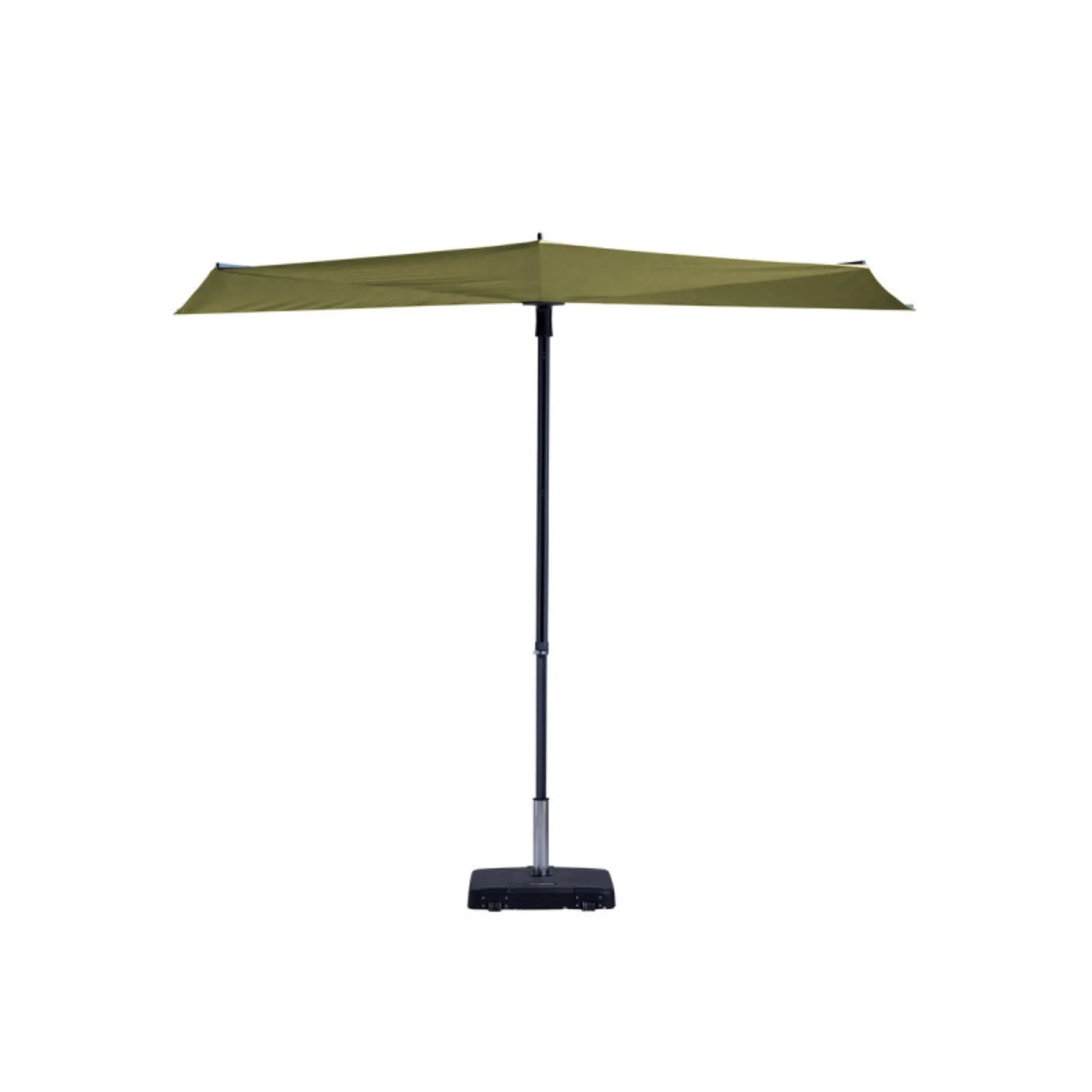
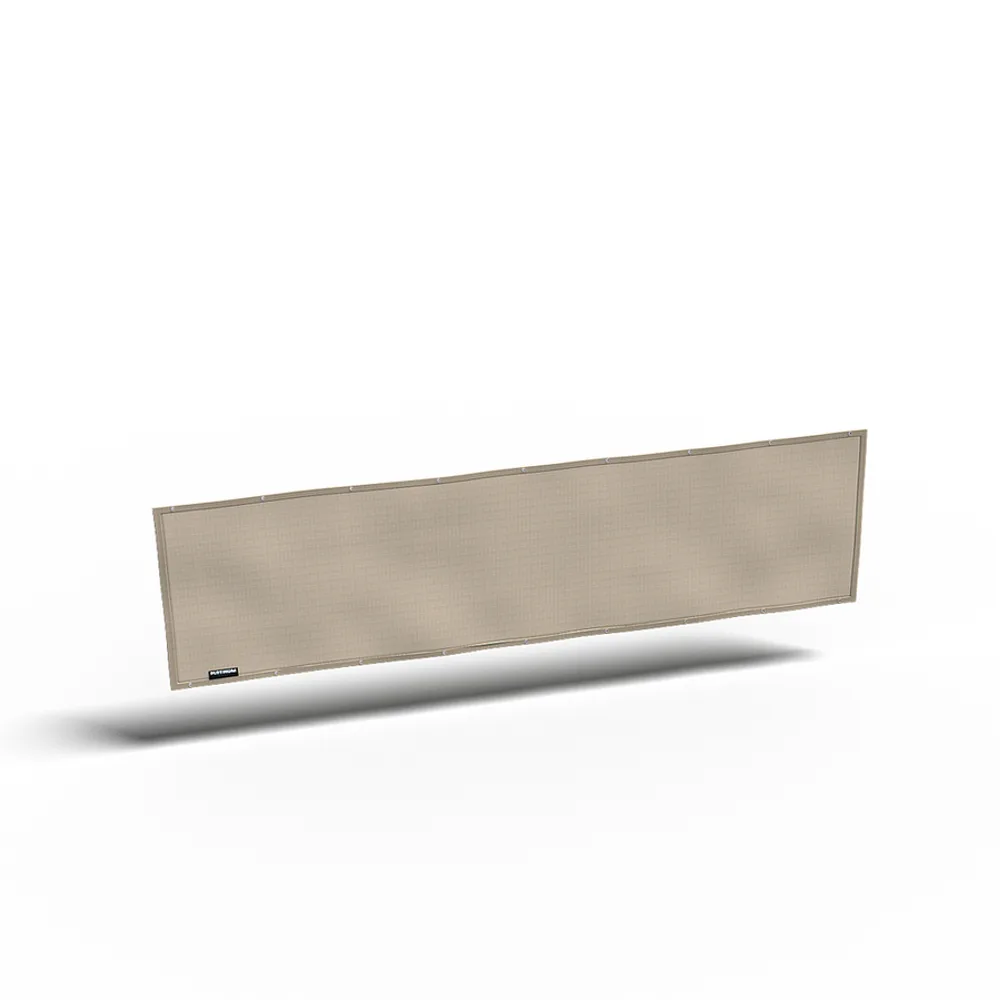
Coolfit balcony screen 500x80 cm
You'll find more ideas for a small outdoor space in furnishing a balcony: tips.
Which solution for each situation?
| Your situation | Recommendation | Why |
|---|---|---|
| Dining table with parasol hole | Centre parasol | Light, fits through the table |
| Lounge set or corner bench | Cantilever parasol | No pole in the seating area |
| Large terrace, wall or posts | Shade sail | Large area, no base |
| Sun sometimes, sometimes not | Accordion shade sail | Slides open and closed |
| Dry in a shower too | Waterproof sail or canopy | Keeps rain out |
| Balcony | Narrow parasol or balcony screen | Little space needed |
Not sure yet which garden furniture and shade go well together? Then try our selection tool.
Find the right shade in 4 steps
On a sunny day, check a few times where the sun falls on your terrace, especially at the times you sit outside. That way you'll know whether you need shade over the table, the lounge or the whole terrace.
Measure the seating area and allow extra space for chairs that slide back. For a parasol, choose the size for that spot; for a shade sail, measure the distance between the anchor points. Help with sizing can be found in what size parasol do I need?
No fixed points? Then it's a parasol with a suitable base. If you have a sturdy wall, posts or trees in the right place, a shade sail is an option. If you want something permanent, look at a canopy.
A light, water-permeable fabric feels cooler and catches less wind. A waterproof fabric keeps a shower out, but it needs to hang at an angle. You can read more about fabric colours in which parasol colour is best against the sun?
Common mistakes with shade in the garden
A centre parasol over a lounge set
Above a dining table the pole isn't in the way, but in a lounge corner it is. That's exactly where you sit, in the middle. Above a lounge set, choose a cantilever parasol or a shade sail.
Hanging a shade sail from weak points
A tensioned sail pulls hard on its anchor points, especially in wind. A thin post, a drainpipe or a loose fence post is not made for that. Use a sturdy wall, well-anchored posts or thick trees.
Hanging a waterproof sail flat
If a waterproof sail hangs flat, rainwater stays in it and the sail sags. According to Platinum, the Dreamsail sail must hang with a minimum slope of 30 degrees. Tension every sail well to prevent water pockets.
Leaving shade up in a storm
Both parasols and shade sails catch a lot of wind. Platinum advises temporarily taking a shade sail down during storms or heavy snowfall, and closing a parasol in strong wind. Also read which parasol handles wind best?
Tip: combine solutions
You don't have to choose just one solution. A shade sail over the terrace and a centre parasol at the dining table at the back of the garden work well together. That way you have a spot in the shade at any time of day.
Tip: think about winter
Take shade sails and accordion shade sails down in winter or use a protective cover, and store your parasol somewhere dry. You can read how to do that in how do I protect my parasol?
Checklist before you choose
- I know at which times I need shade
- I have measured the seating area, including room for chairs
- I know whether there are sturdy anchor points or whether it will be a base
- I have chosen between a breathable fabric and a waterproof fabric
- I know whether the fixing hardware or the base is included
- For a fixed canopy, I have checked whether a permit is required
How to choose quickly
- Dining table with hole: centre parasol
- Lounge set: cantilever parasol with a heavy base
- Large terrace with fixed points: shade sail or accordion shade sail
- Permanent shade and dry: canopy or pergola
Frequently asked questions
What is the best shade solution for the garden?
It depends on your spot. Above a dining table with a parasol hole, a stand parasol is the simplest option. Above a lounge set, a cantilever parasol works better, as there is no pole in the middle. If you want to cover a large area in shade without a base on the patio, a shade sail or accordion awning is the best choice. If you need shade that stays up all the time, a pergola or permanent canopy is the way to go.
Is a shade sail better than a parasol?
A shade sail covers a larger area with a single piece of fabric and needs no pole or base. On the other hand, you need sturdy anchor points, such as the facade, posts or trees, and you can't simply move the sail. A parasol is more flexible: you can turn or reposition it to follow the sun.
Can you sit dry under a shade sail when it rains?
Only under a waterproof sail. The Coolfit HDPE shade sail is, according to Platinum, water- and wind-permeable. The Dreamsail polyester sail with coating is waterproof, but according to the manufacturer it must hang at a gradient of at least 30 degrees so that the water runs off. The Prosail accordion awning is, according to the product information, fully waterproof.
What do you need to hang a shade sail?
You need three or four sturdy anchor points, depending on the shape, plus fixing materials such as tensioners. For the standalone Coolfit and Dreamsail shade sails, the specifications state that fixing materials are not included. The Coolfit accordion awning does include pulleys, battens, steel cables, rope and tensioners.
Which shade solution suits a balcony?
On a balcony, a narrow rectangular parasol works well, such as the Madison Sun Wave in 270x150 cm with a base included. If your main goal is to block sun and views along the railing, a balcony screen is an option: the Coolfit balcony screen in 500x80 cm has an eyelet every 50 cm and is attached to the railing with the included cable ties.
Do you need a permit for a pergola or permanent canopy?
That depends on the size, the location on your plot and your municipality's rules. A freestanding parasol or shade sail usually doesn't require one, but a permanent canopy often does. Check in advance with your municipality or via the Omgevingsloket (the Dutch national permit portal).