

A good garden chair isn't something you buy for one summer. But how long does it actually last? The honest answer: it depends less on the chair itself than on how you look after it. Two identical chairs can have very different lives: one stands in the rain all year, the other goes under a cover in October. In this article you'll read what determines the lifespan of a garden chair, how the materials compare, what the warranty does and doesn't cover, how to spot wear, and which maintenance will keep your chairs looking good for much longer.
In brief: there's no fixed lifespan for garden chairs. The material, the location, the way they're used and the maintenance make the difference. An aluminium frame doesn't rust and is the safest foundation. The cushions always wear out first. The garden chairs in this article come with a 2-year warranty according to the product information; with good care, they'll last many seasons longer.
How long does a garden chair last?
You'll often find fixed figures online, but they tell you little. Manufacturers don't state a lifespan, only a warranty period. And conditions vary enormously: a chair on a sheltered terrace facing north has a very different life from one on a sunny balcony by the sea. That's why we prefer to look at what you can actually know: which part of the chair wears out first, and what you can do to delay it.
A garden chair roughly consists of three parts, each of which ages differently:
- The frame: the skeleton of the chair. If it's made of aluminium, it's usually the part that lasts longest.
- The seat and back: rope, wicker, Textilene, plastic or wood. This part gets the most sun and takes the most weight.
- The cushions: almost always the first thing to look tired. Fortunately, they're also the easiest to replace.
A chair is only truly finished when the frame or the seat gives up. Faded cushions or a loose screw are no reason to get rid of a chair.
What determines the lifespan?
Six factors together determine how long you'll enjoy a garden chair:
- Frame material. Aluminium doesn't rust. Steel is strong, but it will rust once the coating is damaged. Wood responds to moisture and drought and needs maintenance.
- Seating material. Synthetic rope, wicker and Textilene are made for outdoor use, but dirt and harsh sun will eventually take their toll.
- Finish and joints. Screws, welds and coatings are the weak spots of any chair. A chair that's well put together stays sturdy for longer.
- The location. Full sun, salty sea air, trees that drop leaves and sap, or a terrace where water pools: all of these speed up wear.
- Use. Rocking back on two legs, sitting on the armrests or dragging chairs across the paving puts more strain on the frame and legs than simply sitting. Also check the maximum load: for many chairs in our range, that's 100 kg per seat.
- Maintenance and protection. This is the factor you have the most influence over. Regular cleaning, dry storage and a cover in winter make the biggest difference.
Are you choosing a new chair? Then read buying garden chairs: what to look for first, or let the selection tool suggest a chair that suits your terrace.
Lifespan by material
We deliberately don't give numbers of years: they vary too much between chairs, locations and use. What you can do is compare the materials on what wears out first and how long they last with normal care.
| Material | What wears first | Lifespan |
|---|---|---|
| Aluminium frame | Coating, screws | Long, doesn't rust |
| Steel frame | Coating, then rust | Good, as long as the coating stays intact |
| Rope | Rope through dirt and sun | Long, with regular cleaning |
| Wicker (plastic) | Weaving when knocked | Long, as long as it isn't kinked |
| Textilene | Fabric through dirt and tension | Good, with regular cleaning |
| Plastic (PP) | Colour from sun | Reasonable, can fade |
| Hardwood (acacia) | Wood without oil | Long, only with oil or wax |
| Cushions | Colour and filling | Shorter than the frame |
The conclusion: a chair with an aluminium frame and synthetic seating is the safest choice if you want little maintenance and a chair that lasts. Wood is beautiful and can last a long time, but only if you put time into it. You can read a detailed comparison of materials in what is the best material for garden chairs. Not sure whether aluminium really won't rust? Read can an aluminium garden set rust.
What does the warranty cover?
The warranty period is the only hard figure you get with a garden chair. For the garden chairs from Garden Impressions in our range, the product information states 2 years warranty. That isn't a lifespan, but the period in which the manufacturer is responsible for manufacturing defects, such as a weld that comes loose or a part that breaks under normal use.
What usually isn't covered: normal wear, sun fading, mould on cushions that were stored wet, and damage from misuse. So always read the terms of the shop where you buy, keep your proof of purchase and follow the care instructions in the product information. These instructions are much the same for most chairs: wipe down regularly with a mild soapy solution and a soft cloth, rinse with clean water, let everything dry thoroughly, and store the chair dry or cover it during prolonged bad weather or in winter.
Signs of wear
Not every blemish means your chair needs replacing. This table helps you judge what you're seeing:
| Sign | What it means | What to do |
|---|---|---|
| Chair wobbles | Screws are loose | Tighten, then check again |
| Green or grey film | Dirt and moisture | Soapy water and a soft brush |
| Faded cushions | Sun on the fabric | Store out of the sun or replace |
| Rope feels hard or frays | Dirt and sun in the rope | Clean thoroughly |
| Loose or broken wicker strands | Knock or kink | Limited: have it repaired |
| Damaged coating | Scratch or knock | Touch up, quickly if steel |
| Grey, dry wood | Not enough oil | Clean and oil again |
| Crack in frame or weld | Structure is giving way | Stop using it |
To learn exactly how wicker breaks and what you can do about it, read how can wicker break.
How to extend the lifespan in 5 steps
Maintenance takes little time and gives a lot back. With these five steps, you'll keep every garden chair looking good and sturdy for longer:
Wipe the frame and seating with lukewarm water, a mild soapy solution and a soft cloth or brush. Rinse with clean water. Remove bird droppings, leaves and pollen straight away, before the sun bakes them into the material.
After cleaning and after a rain shower, let the chairs dry before you put a cover over them or store them. Moisture that gets trapped causes mould and stains.
At the start of the season, tighten all the screws and check that the caps on the feet are still in place. A chair that wobbles wears out its joints faster.
Cushions are water-resistant, not waterproof. After use, and when it rains, bring them inside or put them in a cushion bag. This keeps the colour and filling in good condition for longer.
Put chairs in a shed or garage, or cover them with a breathable protective cover. Stackable chairs take up little space when stored. Don't leave them standing directly in a puddle on the paving.
Most damage isn't caused by the weather itself, but by dirt that's left to sit for too long. A chair you wipe down every few weeks will still look well cared for after years.
To find out which cover you need and how to use it properly, read covering garden furniture. For what to do with your furniture in the cold months, see what to do with garden furniture in winter.
Maintenance tips by material
Aluminium
A soapy solution and a soft cloth are enough. Don't use abrasive cleaners or steel wool: they scratch the coating. More in maintaining aluminium garden furniture.
Rope
Brush the rope with a soft brush and a mild soapy solution so the dirt comes out of the fibres, then let it dry thoroughly. Read on in how to maintain rope garden furniture.
Wicker
Remove dirt from between the weaving with a soft brush and soapy water. Don't place anything heavy on the seat and don't bend loose strands back into place. See how to maintain wicker garden furniture.
Textilene
Textilene is an open weave: dirt mostly sits on the surface. A soapy solution and a soft brush will do. More in maintaining Textilene garden furniture.
Plastic and wood
Clean plastic with lukewarm soapy water, without harsh chemicals; more in cleaning and maintaining plastic garden furniture. Clean acacia wood with a mild soapy solution and treat it once or twice a season with wood oil or wax.
Cushions
Beat cushions clean after a rain shower and let them dry before storing them. To find out how to remove stains, read cleaning garden cushions, and garden cushions faded by the sun helps against fading.
Common mistakes
Using a pressure washer
A powerful jet of water seems quick, but it can damage the coating, rope, Textilene and wicker, and it forces water into seams and cushions. A soapy solution and a soft brush are safer.
Putting a cover over wet chairs
A cover over a wet chair traps the moisture. Especially with wood and cushions, that's asking for mould. Let everything dry first and choose a breathable cover.
Leaving cushions outside
Cushions left out in the rain for nights on end fade, go musty and dry poorly. It's the quickest way to make a good chair look old.
Rocking back and sitting on armrests
A garden chair is made to sit on, not to rock on. Rocking on two legs and sitting on the armrests puts far more strain on the joints than normal sitting does.
Ignoring a scratch in the coating
On a steel frame, rust can spread further under damaged coating. So touch up a scratch as soon as possible. With aluminium, it's mainly a matter of appearance.
Durable garden chairs from our range
Looking for chairs that last? These garden chairs have a frame and seating that are made for outdoor use. All five come with a 2-year warranty according to the product information. The specifications are taken word for word from the Garden Impressions product information.
Aluminium with rope: Triton dining armchair
An aluminium frame in dark grey with rope seating and two cushions. The armchair weighs 6 kg and is rated up to 100 kg per seat.
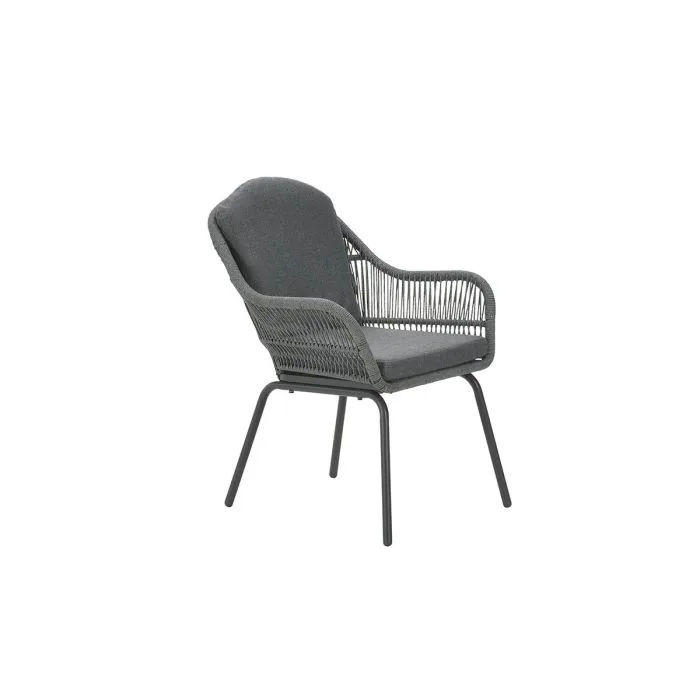
Triton dining armchair carbon black, rope mid grey
Aluminium with Textilene, stackable: Osaka
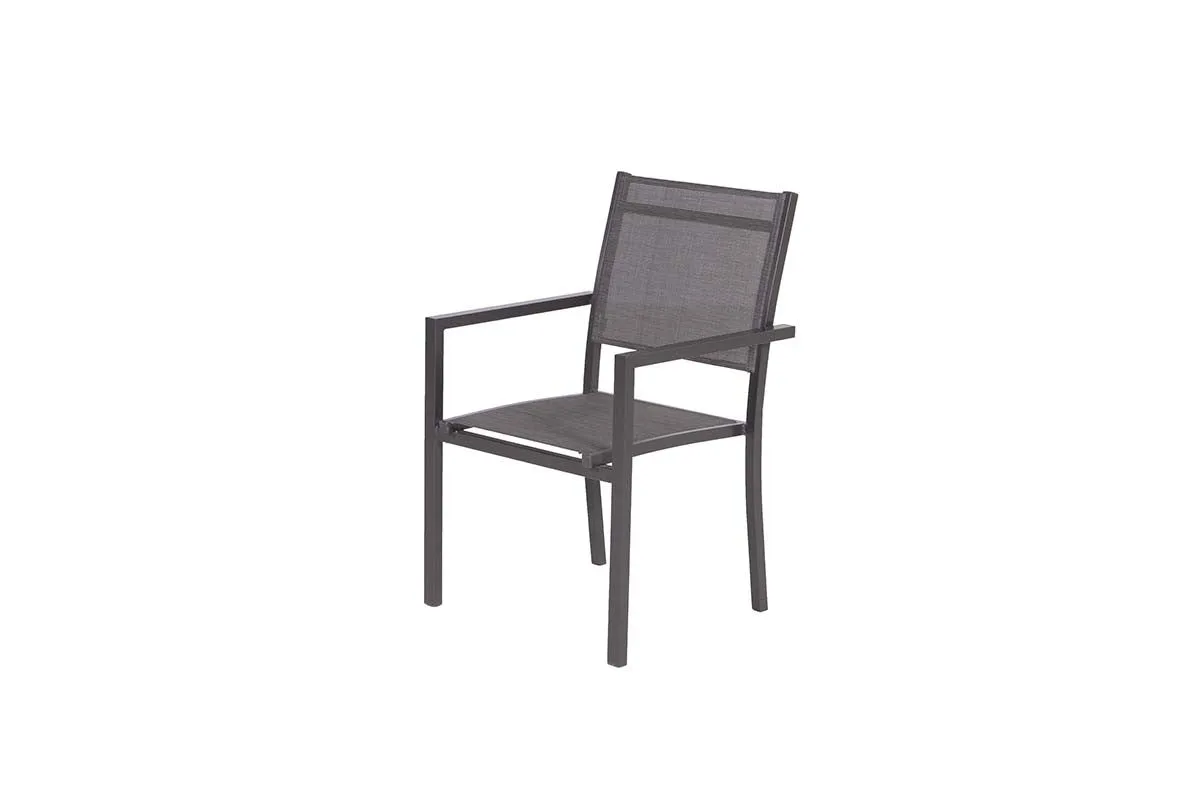
A stackable chair with an anthracite aluminium frame and Textilene seating. Handy if you want to store your chairs compactly in winter. The seat height is 43 cm.
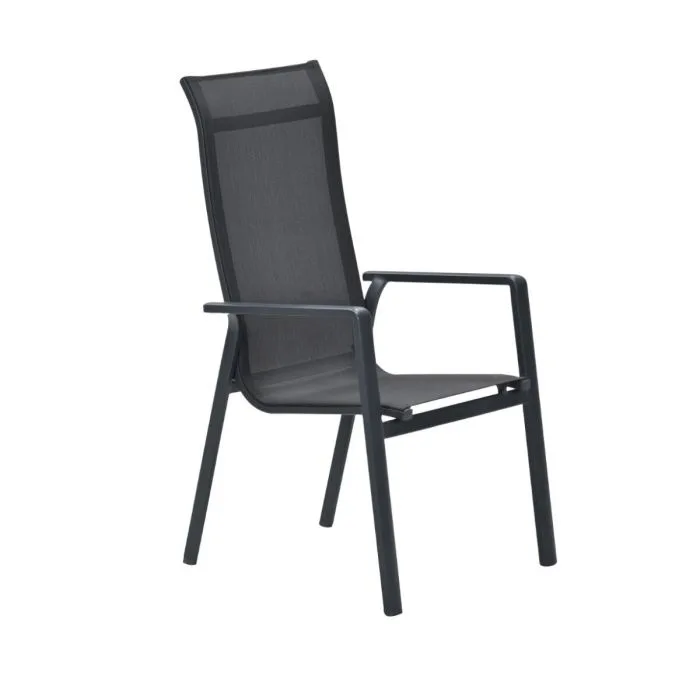
Osaka stackable garden chair carbon black, mid grey
Aluminium with wicker: Menorca lounge armchair
A lightweight aluminium frame with hand-woven L-shape wicker around it. The cushions have a PU coating, making them dirt- and water-resistant. The seat height is 44 cm.
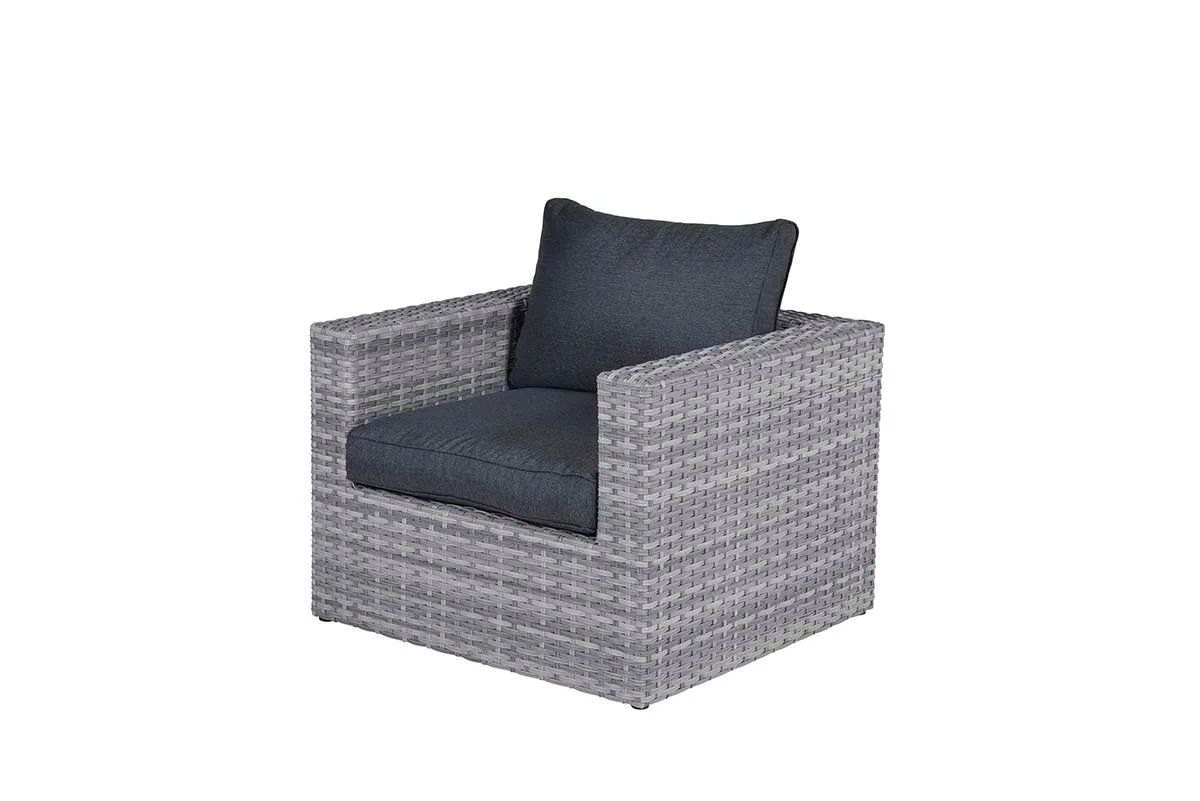
Menorca lounge armchair cloudy grey
Hardwood: Ibiza dining chair in acacia wood
A wooden dining chair in acacia wood with a white wash finish and two polyester cushions. According to the instructions for use, you apply wood protection oil or wax once or twice a season. Choose this chair if you want the warmth of real wood and don't mind the maintenance.
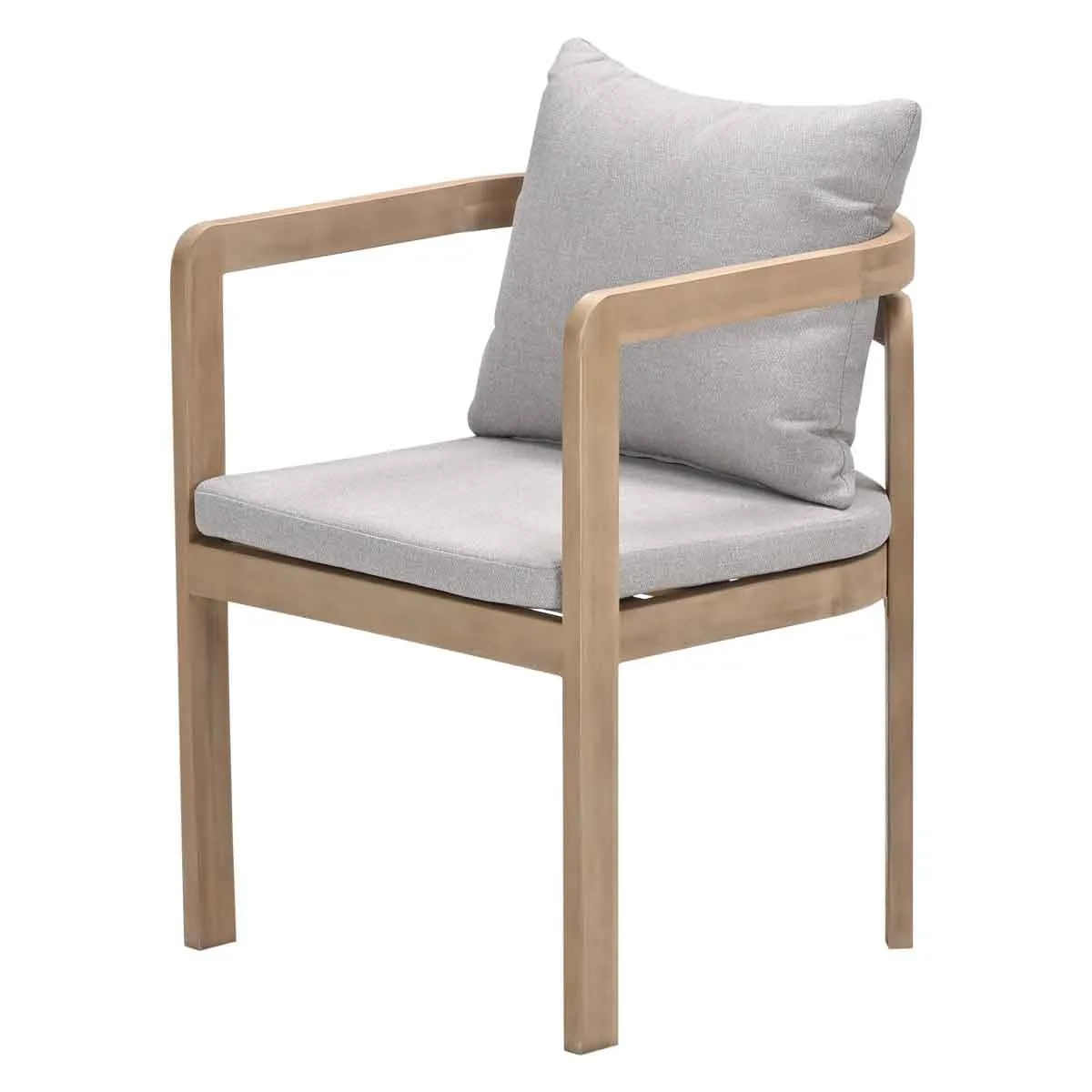
Ibiza dining chair acacia white wash
Plastic: Ceasar
A PP plastic chair in anthracite, light and easy to clean. It's rated up to 100 kg per seat. Keep it out of full sun or under a cover when it's not in use, so the colour stays looking good for longer.
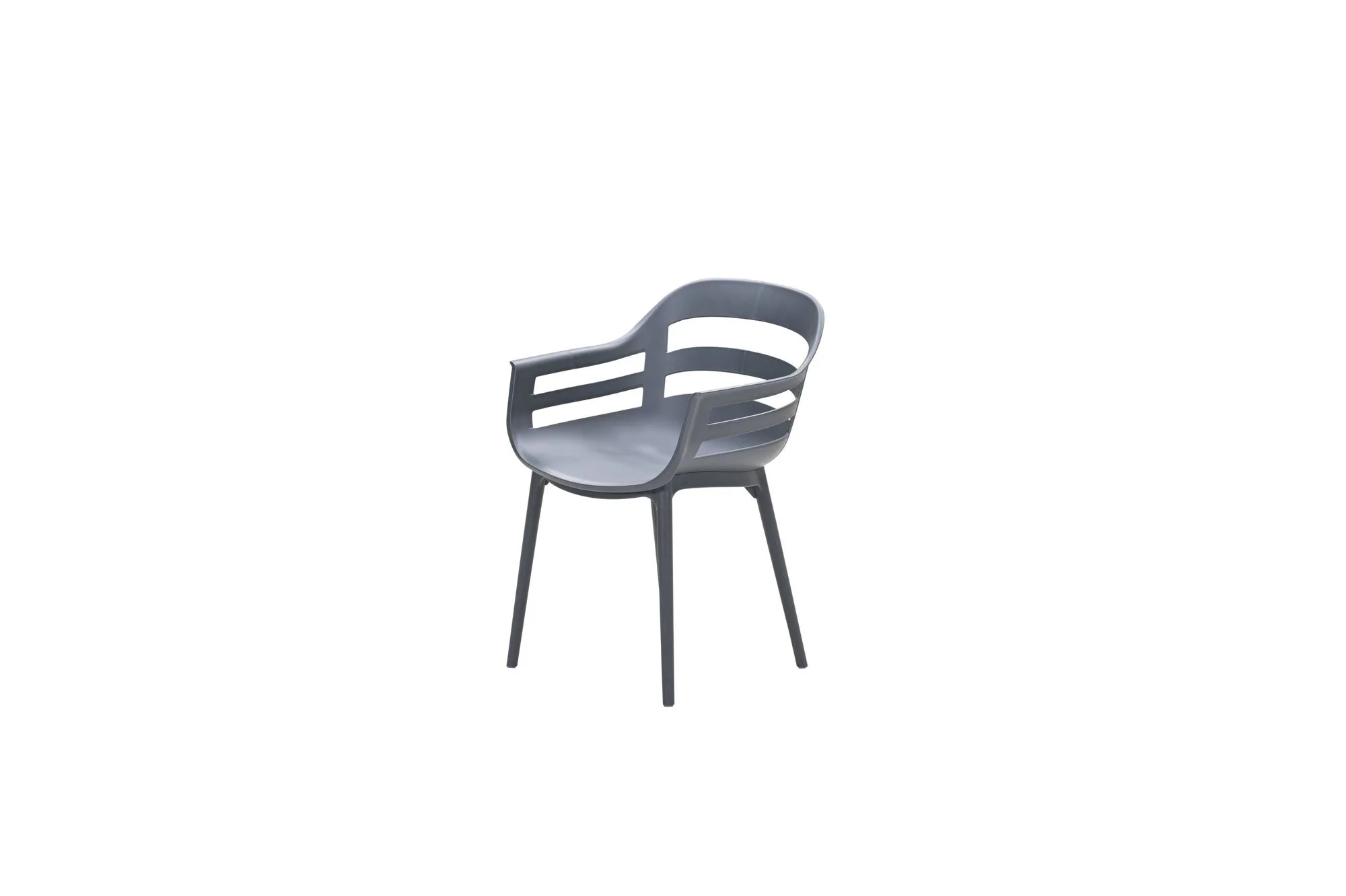
Ceasar plastic chair anthracite
Want to see more chairs? Choose by material:
Aluminium garden chairs
View chairs →Rope garden chairs
View chairs →Wicker garden chairs
View chairs →Or browse sturdy garden chairs, wooden garden chairs and the complete range of garden chairs. To find out which chairs can stay outside all year round, read which garden chair can stay outside.
Seasonal checklist
Tick off these points and your chairs will last many seasons:
- Spring: clean chairs thoroughly and let them dry properly
- Spring: tighten screws and check the feet caps
- Season: remove bird droppings, leaves and pollen straight away
- Season: store cushions dry after use and when it rains
- Wooden chairs: oil or wax once or twice a season
- Autumn: one more cleaning session and let everything dry completely
- Winter: bring indoors or cover with a breathable protective cover
What to look for in a new chair for a long lifespan
- An aluminium frame, which doesn't rust
- Seating in rope, wicker or Textilene that is made for outdoor use
- The maximum load per seat in the product information
- The warranty period and the manufacturer's care instructions
- Cushions that you can easily store dry or replace

Frequently asked questions
How long does a garden chair typically last?
There is no fair fixed number to give. How long a garden chair lasts depends mainly on the material of the frame and seat, how much sun and rain it is exposed to, how intensively it is used and how well it is maintained. An aluminium frame that stands dry and covered in winter will last much longer than the same chair left unprotected in the rain all year round.
Which garden chair material lasts the longest?
An aluminium frame is the safest choice for a long lifespan, because aluminium does not rust. Combine it with a seat of rope, wicker or Textilene and you have a chair that needs little maintenance. Wooden chairs, such as those made from acacia wood, can also last a long time, but only if you treat them with oil or wax once or twice a season.
How long is the guarantee on garden chairs?
For the garden chairs from Garden Impressions in our range, the product information lists a 2-year guarantee. A guarantee covers manufacturing defects. Normal wear, fading caused by the sun and damage from improper use are usually not included. Always check the terms and conditions of the retailer you buy from.
Can garden chairs stay outside in winter?
An aluminium chair with rope, wicker or Textilene can stay outside, preferably under a breathable protective cover. Always store cushions dry. Wooden chairs and cushions suffer most from prolonged moisture, so ideally store them in a shed or garage.
When does a garden chair need replacing?
Replace a chair if the frame cracks, a weld comes loose or the chair keeps wobbling after you have tightened all the screws. Sagging or broken woven material that no longer supports your weight is also a reason to replace it. Faded cushions or a loose screw, on the other hand, are minor repairs.
How often should I clean my garden chairs?
Wipe them down regularly during the season with a mild soapy solution and a soft cloth, and give them a thorough clean in spring and autumn. Rinse with clean water and let the chairs dry thoroughly. Bird droppings, leaves and pollen are best removed straight away, before the sun bakes them into the material.