
Why small details make a big difference
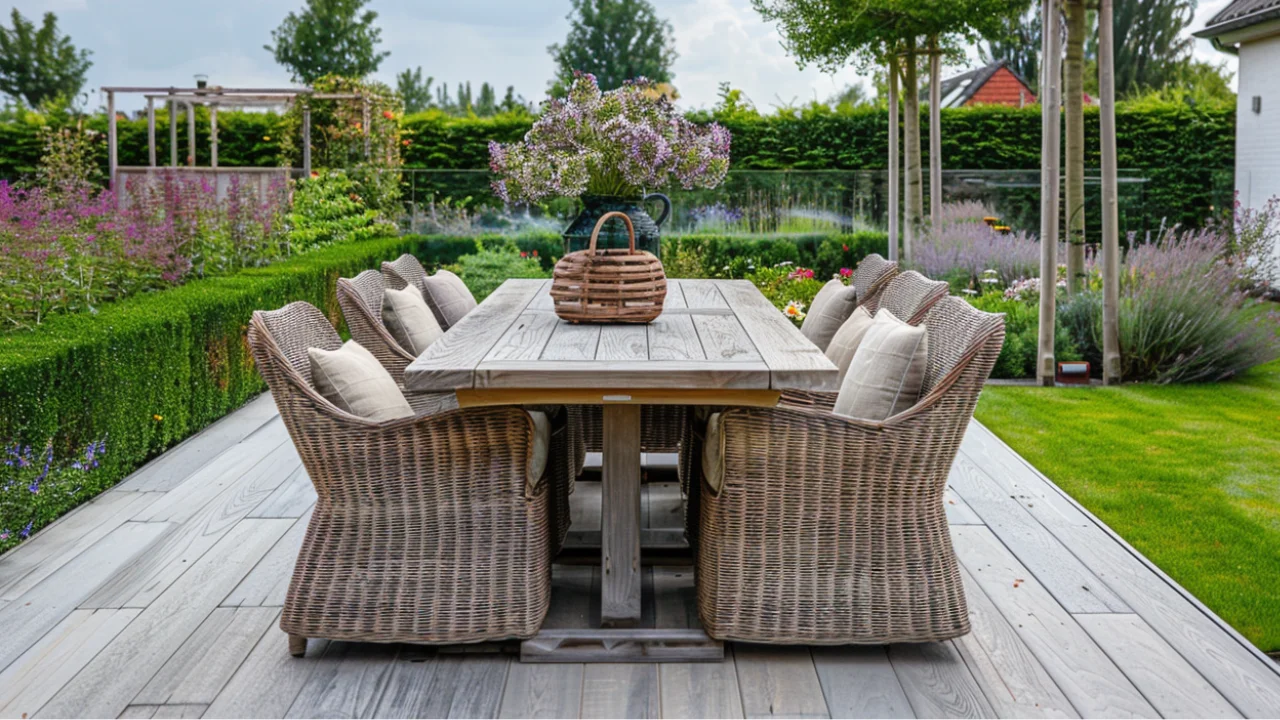
A beautiful lounge set or garden set is the foundation, but it's often the small details that truly personalise a garden. Two gardens with exactly the same furniture set can look completely different, purely based on how the owner has decorated — the cushions, the colours, the accessories and the atmosphere created with them.
In this article, we share practical ways to give your garden or terrace that extra touch, without having to turn everything upside down or make a major investment. From simple textile changes to well-considered plant combinations: most of the tips below can be implemented in an afternoon, and you'll still notice straight away the difference in how the garden feels.
Important to remember: garden decoration is not a one-off task that you "tick off", but an ongoing process that moves with the seasons, your taste and the growth of your plants. Think of it more as a habit than a project.
Play with cushions and textiles
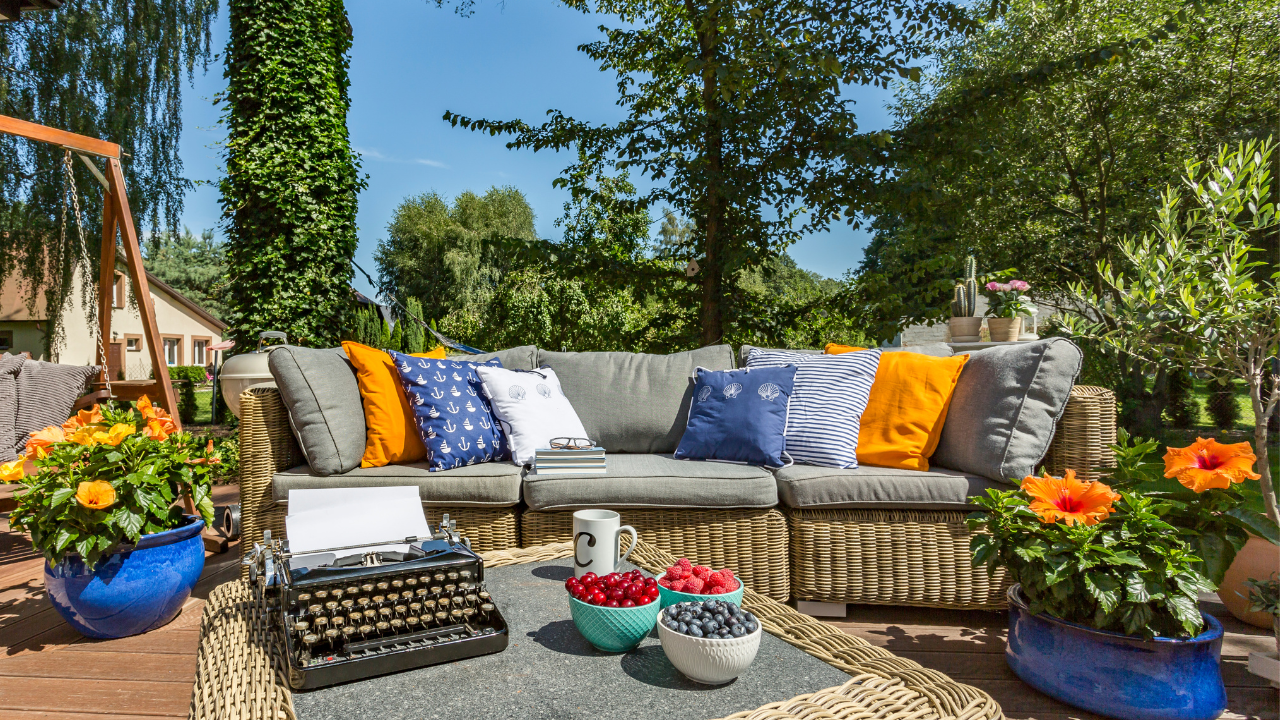
The fastest and cheapest way to change the atmosphere of your garden: swap your decorative cushions with the seasons. Warm tones and striped patterns work well in summer, whilst deeper colours such as burgundy, ochre or dark green towards autumn give a warmer, cosier feel.
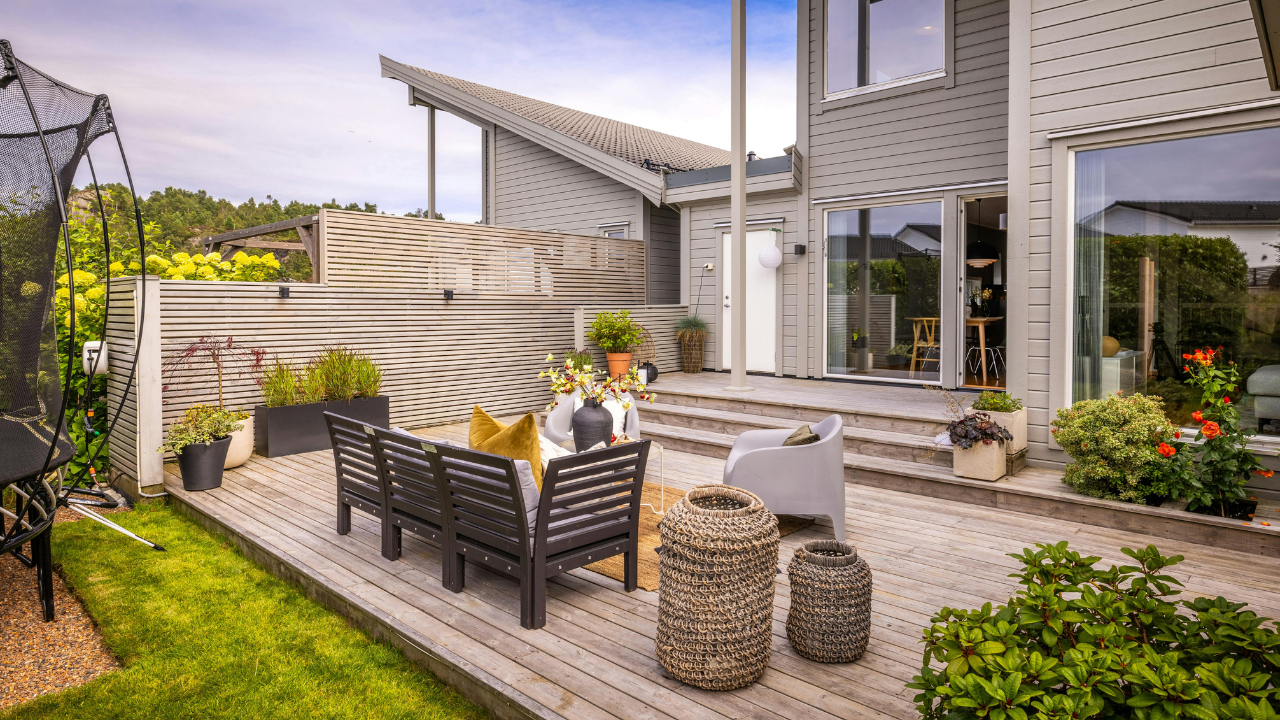
An outdoor rug under the seating area completes the picture, and textiles are generally the cheapest and quickest way to give your garden a makeover — quicker and cheaper than new furniture, but with a surprisingly large visual impact.
Choose a clear colour palette
Garden decoration quickly looks untidy if you use too many colours and styles mixed together. Choose two or three colours that appear in cushions, planters and accessories, and stick to them — that immediately gives a more refined result, even if you add relatively little decoration otherwise.
A handy approach: choose one main colour (for example the green of your plants), one neutral base colour (grey, sand or white) and one accent colour that you use sparingly in cushions or a single decorative object. This way, the garden remains calm to look at, even with multiple decorative elements.
Use plants as a decorative element
Large pots with perennials or ornamental grasses next to your lounge set immediately add more depth to the garden. Combine different heights: a tall plant in the background, something lower in front of it, and possibly a hanging plant by a pergola or canopy for an extra dimension.
Plants have the advantage over other decoration in that they grow with the season — a border that looks bare in spring can come into full bloom in summer. Also think of scented plants such as lavender or jasmine near your seating area, for an extra sensory layer to your garden experience.
Add personal accessories
Small, personal accessories make a garden that bit more unique. Think of:
- Lanterns or windlights on the garden table for atmosphere in the evening
- A tray that can also remain decoratively on the table between uses
- A striking vase or decorative object on a side table
- A collection of small decorative pots with herbs, which are both decorative and functional
- A weather-resistant artwork or wall object against a bare fence
Try not to add too much at once when adding accessories — a few carefully chosen pieces have more impact than a garden stuffed with little items.
Think in seasons, not in a fixed layout
Garden decoration doesn't have to stay the same all year round. In autumn, pumpkins, candlelight and warm colours work well; in spring, fresh tones and the first flower boxes. By making small adjustments two or three times a year, your garden will feel current all year round without having to undergo a complete transformation each time.
A simple way to do this: keep a separate storage box with seasonal decoration (autumn leaves theme, summer colours, winter accents), so you can swap things around with just a few moves without having to constantly buy new items.
Common mistakes in garden decoration
A few pitfalls that can spoil the appearance of an otherwise beautiful garden:
- Too many styles mixed together: bohemian cushions next to sleek modern furniture can clash rather than complement.
- Decoration that is not weather-resistant: wooden or paper objects that are not made for outdoors quickly deteriorate.
- Everything at the same height: a garden without height variation in plants and accessories quickly looks flat and dull.
- Decoration that blocks the view: tall objects right on the walking route or in front of a nice view take away peace rather than add atmosphere.
Garden decoration tailored to your garden style
The decoration choices that work well differ greatly depending on your garden style. What works perfectly in a bohemian garden can look out of place in a sleek modern garden.
Modern garden
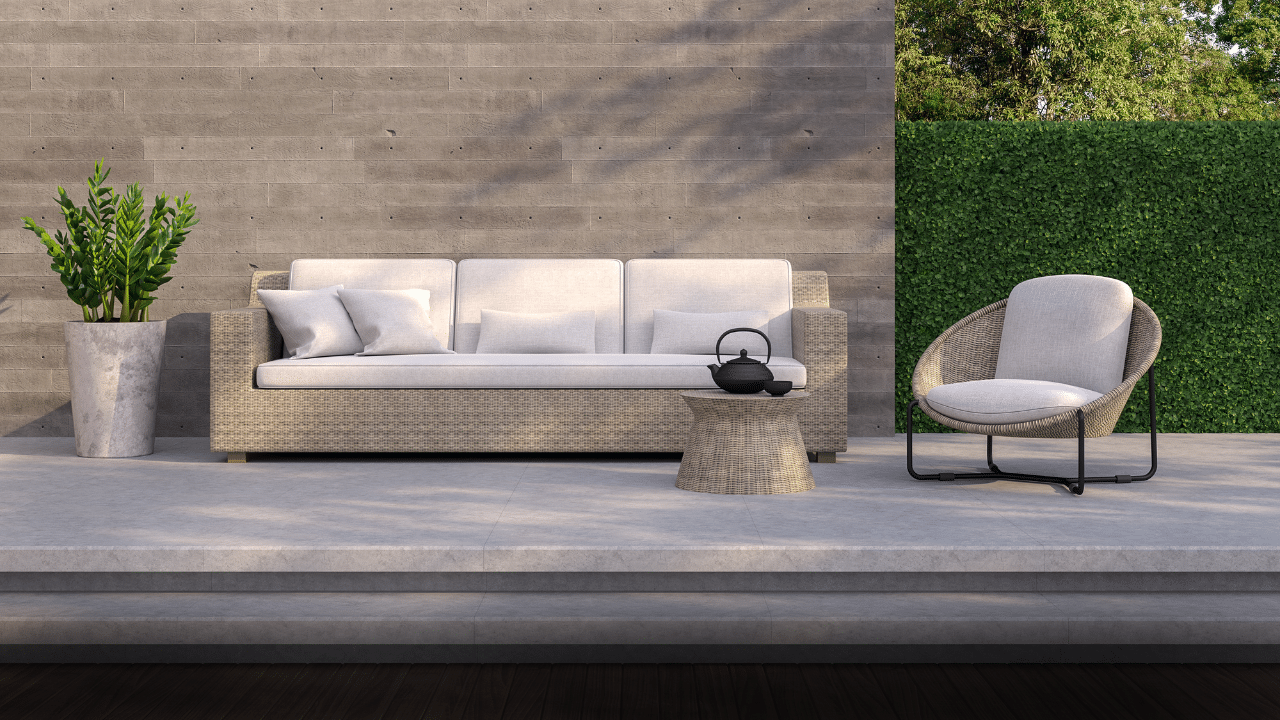
Choose quiet, graphic forms and a limited colour palette — think anthracite, white and wood. Decoration in a modern garden works best when it is functional and visually clean, such as a single large decorative object rather than many small items.
Bohemian garden
Here it can be richer: mixed patterns, macramé, multiple colour accents and organic materials such as rattan or woven baskets. Bohemian decoration is all about layering — multiple textures and colours that still form a coherent whole.
Rural garden
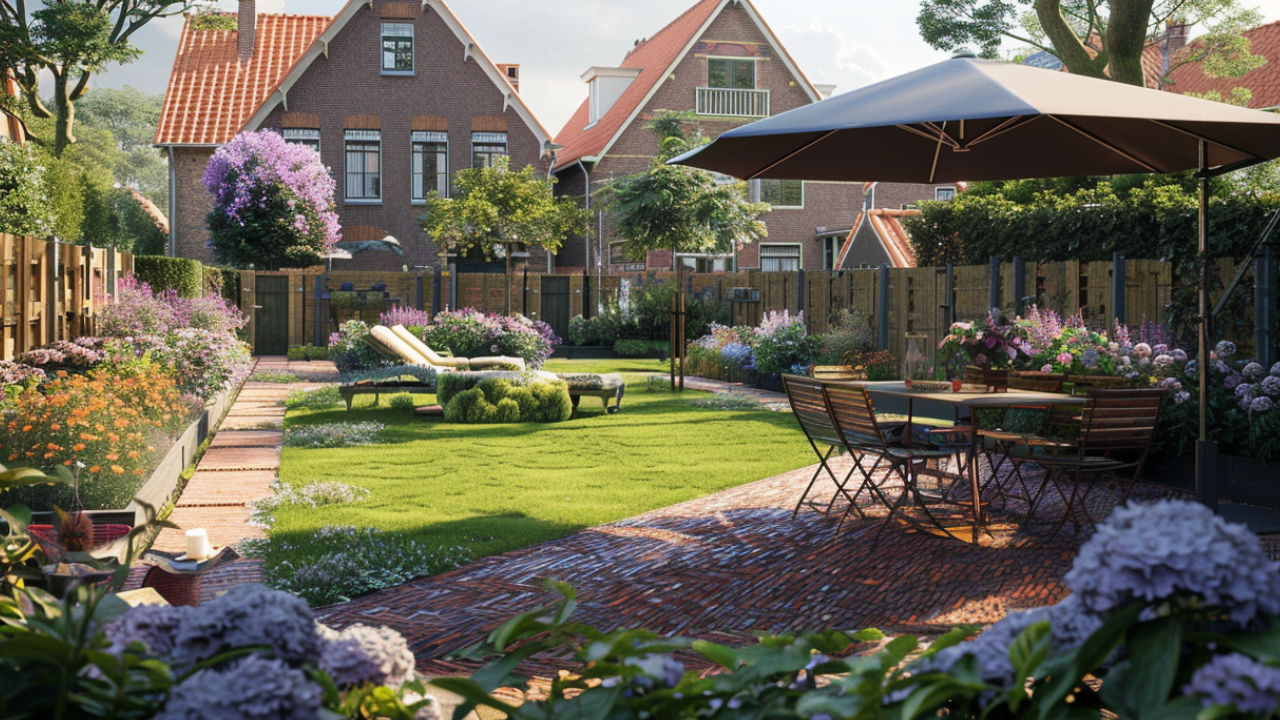
Think of natural materials such as wood, reed and earthenware, combined with warm, muted colours. Classic elements such as a wooden wine crate as a side table or an old lantern fit well in this style.
Decorating a small garden or balcony
In a small space, every decorative choice counts extra heavily, simply because there is less room to hide mistakes. So choose consciously for less, but qualitatively stronger accents instead of many small items that quickly make the space feel cluttered.
Vertical decoration is a smart choice for a small space: hanging plants, a vertical herb wall or decoration against a fence takes up no floor space, but still adds visual depth. Mirrors or light colours can also make a small terrace or balcony look optically larger.
From day to evening: decoration that also works in the evening
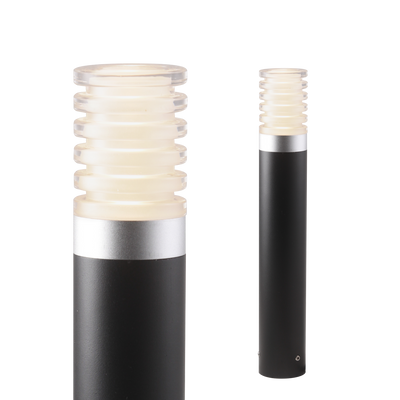
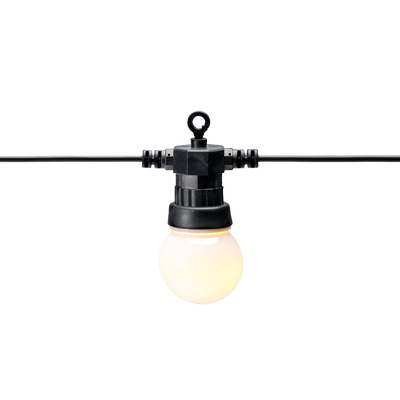
Decoration that looks wonderful during the day can become completely invisible in the evening once it gets dark. So think carefully about how your garden looks after sunset as well. Windlights and lanterns on the table provide immediate atmosphere without complicated electrics, whilst a string of lights above the seating area gives a long-lasting, warm effect throughout the season.
Reflective or light-coloured decoration — such as white decorative cushions or a light vase — also catches the available light from candles or lanterns better than dark colours, meaning you achieve a pleasant result with fewer light sources. For outdoor use, always choose decoration that can handle a bit of moisture, so you don't have to bring it inside every evening.
Frequently asked questions
How do I make my garden more personal without replacing everything?
Start small: swap your decorative cushions, add an outdoor rug, and choose a few personal accessories such as lanterns or a decorative object. These adjustments have a surprisingly large effect without having to replace your furniture.
How many colours should I use in my garden decoration?
Two to three colours is a good rule of thumb: one main colour, one neutral base colour and possibly one accent colour that you use sparingly. More colours mixed together quickly looks untidy.
Can I use regular indoor decoration outdoors?
Often not without problems — most indoor decoration is not resistant to moisture and UV light. Preferably choose decoration that is specifically made for outdoors, or store delicate pieces inside in the evening if you still want to use them outside.
How often should I renew my garden decoration?
There is no fixed rule, but many people swap small accents (cushions, colour accents) two to three times a year to keep the garden in line with the season, without changing the basis of the layout.
What is the cheapest way to quickly smarten up my garden?
Decorative cushions and an outdoor rug give by far the most effect for the least cost. Both are relatively inexpensive, quick to swap, and have an immediate impact on how the entire seating area feels.
What is the difference between garden decoration and garden accessories?
Garden accessories are often functional in nature, such as storage boxes, footstools or protective covers. Garden decoration is purely aimed at atmosphere and appearance, such as cushions, lanterns and decorative objects. In practice, the two often overlap: a beautifully designed tray or outdoor rug is both functional and decorative.
Looking for inspiration for your garden? Check out our garden cushions and garden accessories, or get further inspiration in our garden inspiration articles.