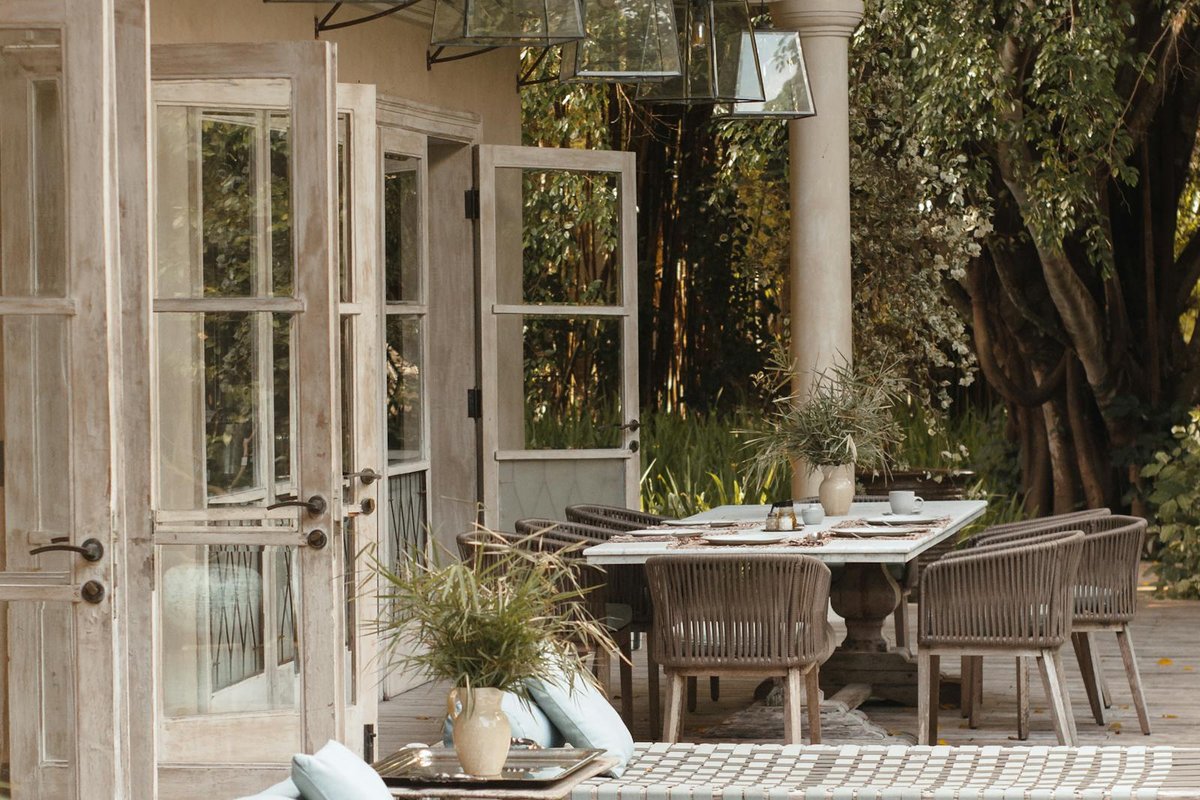


Aluminium is by far the most popular frame material for garden furniture — and that's no coincidence. But what makes aluminium so special, and are there any drawbacks? In this article we set out all the pros and cons of an aluminium lounge set, compare it with other materials and help you determine whether aluminium is the right choice for your garden.
Advantages of an aluminium lounge set
Lightweight yet sturdy
Aluminium is light — a lounge set made of aluminium typically weighs 30–60% less than a comparable set made of steel or teak. This makes it easy to move the set to a sunnier spot or push it aside when cleaning. Yet aluminium is not weak: the construction is strong enough for daily intensive use.
100% rust-proof
This is the biggest advantage: aluminium does not oxidise in the same way as steel or iron. It forms a thin oxidation layer that actually works protectively and is invisible. Rain, snow, dew — aluminium doesn't mind any of it. You never have to worry about rust marks on your patio tiles.
Virtually maintenance-free
Cleaning an aluminium lounge set is done with a damp cloth and mild soapy water. No annual treatment with oil, paint or wood stain needed like with wooden sets. This not only saves time but also costs in the long run. Wipe it down at the end of summer and put a cover on it — that's all.
Extremely durable
A quality aluminium lounge set with powder coating will easily last 15–25 years with normal use and a protective cover in winter. The frame will never rot, decay or weaken structurally through moisture. This makes aluminium the best choice economically in the long term.
Weather-resistant in all seasons
Aluminium does not shrink, does not expand and does not discolour from weather influences. It can stand effortlessly in the sun, in the rain and even in freezing weather. The powder coating protects the surface extra, although it is always advisable to cover the set in winter to protect the coating.
Sustainable and recyclable
Aluminium is fully recyclable without loss of quality. At the end of your lounge set's life, the aluminium frame can be melted down and reused. An important plus point for environmentally conscious buyers.
Disadvantages of an aluminium lounge set
Can get warm in the sun
Darkly powder-coated aluminium (anthracite, black) absorbs heat. On a hot summer's day the frame can feel warm. In practice this is rarely a major problem — you sit on cushions, not on the bare frame — but it's good to be aware of it, especially if you have small children who walk along the frame.
Less warm appearance than wood or wicker
Pure aluminium frame (such as with aluminium slat sets or aluminium band sets) has a cooler, more modern appearance than teak or wicker. If you're aiming for a warm, organic garden style, aluminium alone can look a bit bare. The combination of aluminium frame with rope or wicker covering solves this completely. Check out our rope lounge sets or wicker lounge sets for the best of both worlds.
Higher purchase price than steel
Quality aluminium is more expensive to produce than steel. A comparable steel set costs 30–50% less, but also lasts considerably less long and requires more maintenance. In the long term, aluminium is the better economic choice, but the higher initial price can be a barrier on a limited budget.
Aluminium vs. other materials
Aluminium vs. steel
Steel is heavier and cheaper, but it rusts. For sets that stand outside all year round, aluminium is by far preferable. Steel is only interesting if you have a tight budget and bring the set inside regularly.
Aluminium vs. teak
Teak has a warmer, more natural appearance but requires annual maintenance (oiling or greying) and weighs considerably more. Aluminium wins on ease of maintenance and weight, teak wins on organic appearance and classic charm. Read our comparison article aluminium vs. teak garden furniture for an in-depth analysis.
Aluminium vs. wicker and rope
Most wicker and rope sets already have an aluminium frame as a base anyway. The distinction here is the covering, not the frame. A pure aluminium lounge set (with aluminium slats or aluminium band) has a sleeker, more industrial look but is even easier to clean and has an even longer lifespan.
When do you choose an aluminium lounge set?
- You want minimal maintenance and maximum durability.
- Your lounge set stays outside all year round.
- Your garden has a modern, sleek or minimalist style.
- You want to move the set regularly (lightweight).
- Sustainability and the environment are important criteria for you.
View our complete range of aluminium lounge sets at Boender Outdoor, or read our comparison rope vs. wicker if you're unsure about the covering of your future set.
Frequently asked questions
Can an aluminium lounge set stay outside in winter?
Yes, aluminium is weather-resistant and can in principle stay outside all year round. Cushions are best kept dry in a cushion box or storage. A protective cover over the frame in winter is advisable to prevent soiling and unnecessary wear to the powder coating.
How do I clean an aluminium lounge set?
Wiping down with a damp cloth and mild soapy water is sufficient. For stubborn dirt, use a soft brush. Do not use abrasive cleaners or aggressive cleaning agents — these damage the powder coating and can cause streaks.
Does aluminium really not rust?
Aluminium does not rust like iron or steel. It does form a thin aluminium oxide layer when exposed to air, but this is invisible and actually works protectively. Powder coating protects the aluminium further and provides the desired colour and appearance.
What is powder coating and why is it important?
Powder coating is a layer of paint applied to the aluminium in powder form and then baked at high temperature. The result is a hard, smooth and weather-resistant finish that is more robust than ordinary paint. With a quality set, the powder coating remains beautiful for years without chipping or discolouring.
Is aluminium better than teak for garden furniture?
That depends on your priorities. Aluminium wins on ease of maintenance, weight and rust resistance. Teak wins on warm, organic appearance and the beautiful grey patina it acquires over time. For those who want minimal maintenance, aluminium is the better choice.