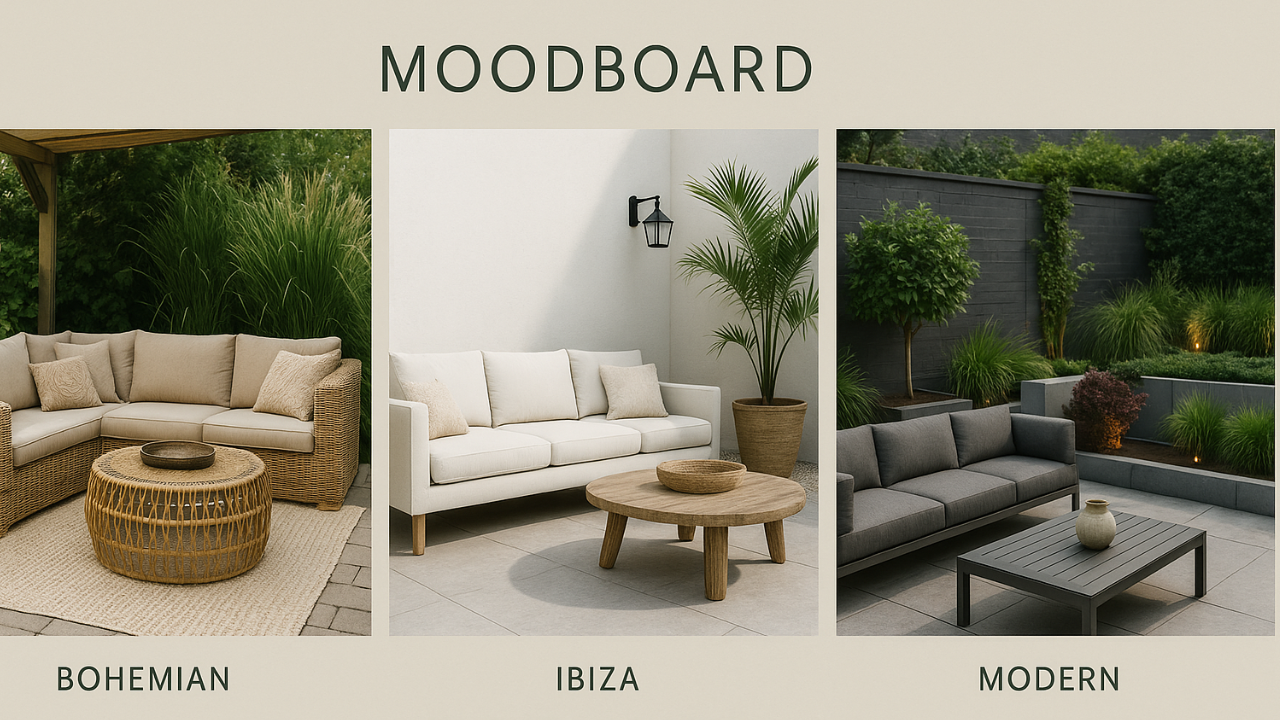

Dreaming of a garden that really suits you, but not sure where to start? Then a mood board is the easiest first step. Before you choose tiles, plants or a lounge set, you collect images and colours that show how your garden should feel. That way you can see straight away which choices go together and which don't. In this article you'll read step by step how to make a garden mood board, digitally or on paper, what belongs on it, and how to get from mood board to a finished garden. Including a style test, a checklist and examples from six garden styles.
In short: a garden mood board is a collage of images, colours and materials that captures the atmosphere of your garden. Gather widely first, then cut strictly and keep a few colours and a maximum of three main materials. Add colours, materials, furniture, plants and lighting. Not sure yet which style it will be? Take the style test.
What is a garden mood board?
A mood board is a collection of images, colours, materials and ideas that together show the atmosphere of your ideal garden. Designers and interior architects have been using it for years as a first step, and for a garden it works in exactly the same way. It isn't a construction drawing with measurements, but a visual compass: you can hold every choice up against it and see immediately whether it fits.
A garden mood board might include photos of gardens you like, a few colour swatches, a piece of tile or wood, a lounge set or table that appeals to you, plants, and an image of the evening lighting you want. Together they tell a story: sleek and calm, warm and rustic, or lively and full.
Why make a mood board?
You usually don't furnish a garden all at once. First you buy a lounge set, a year later a parasol, and then new pots. Without a common thread, the garden becomes a collection of loose items. A mood board prevents that:
- You make deliberate choices: modern or rustic, lots of greenery or sleek and minimal? On your board you see what truly appeals to you.
- You keep an overview: colours, furniture, materials and accessories all sit in one place.
- You avoid bad purchases: an eye-catching chair that looked lovely in the shop will immediately clash when placed next to your board.
- You can discuss it together: with your partner or housemates it's easier to talk about images than about words like "cosy" or "sleek".
Digital or on paper?
There's no right or wrong way. Choose what suits you, or combine them.
| Method | Advantage | Disadvantage |
|---|---|---|
| Digital (e.g. Pinterest) | Quick, endlessly adjustable | You can't feel the materials |
| Collage on the computer | Clear, easy to share | Takes a bit more time |
| Paper or pinboard | Real samples, fabric and wood | Less easy to change |
A handy approach: gather digitally first, for example on a Pinterest board or in a folder of screenshots on your phone. Then create a smaller, final board on paper or card, with the best images and real samples. A piece of tile, a scrap of cushion fabric or a small plank of wood often says more than a photo, because you see colour and texture in daylight.
How to make a garden mood board in 7 steps
Set aside a quiet evening for it. You don't have to do everything in one go: a good mood board often grows over a few weeks.
What do you want to feel when you sit in the garden? Rest and relaxation, conviviality with friends, or a holiday feeling? Write down three words, for example "calm, warm, natural". Those words are your filter for everything that follows.
Save everything that appeals to you: photos of gardens, terraces, furniture, plants, tiles and lighting. Look on Pinterest, in magazines, at neighbours' gardens and on holiday. Don't overthink it at this stage, just collect.
Lay everything out side by side and see what keeps coming back. Remove images that don't fit your three words. In the end, keep a limited selection so the board stays calm.
Choose a base colour for the furniture frames, a colour for cushions and textiles, and one or two accent colours. Place them as blocks or swatches on your board. Don't forget the green of your plants: that is a colour too.
For example aluminium, wood and concrete, or acacia wood, rope and terracotta. Where possible, add a real sample.
Look for a lounge set or table, a few plants and an example of lighting that fits your board. This is where your mood board becomes concrete.
Hang the board in a place where you see it often and look at it again after a week. Does it still fit? Then place it next to a floor plan of your garden, so you know the ideas also fit the space you have.
You can recognise a good mood board by what isn't on it. If you're in doubt about an image, take it off. What remains becomes your common thread for every purchase.
What do you put on your mood board?
A complete garden mood board has a few examples of each element. Use the table below as a memory aid.
| Element | What to put on it | Tip |
|---|---|---|
| Colours | Base, textiles and accent | Maximum 3 to 4 colours |
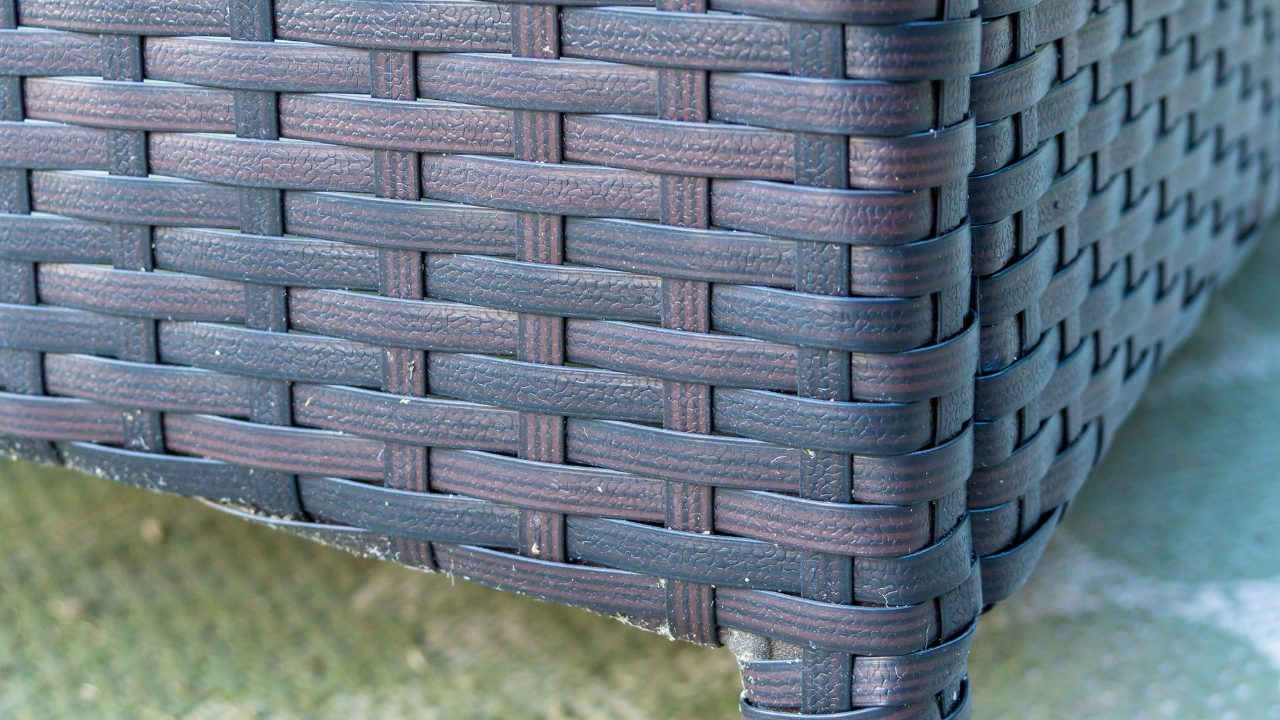
| Materials | Terrace, furniture, pots | Add real samples |
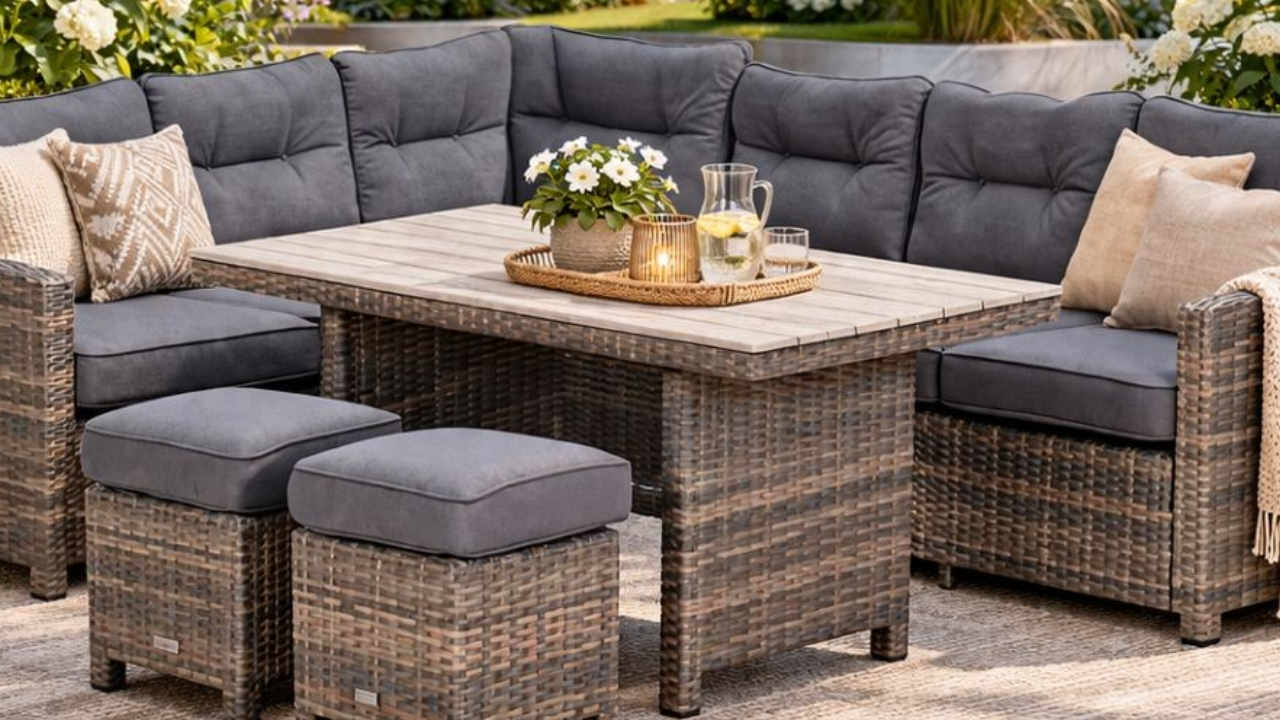
| Furniture | Lounge set, table, chairs | Stick to one frame colour |
| Plants | Trees, hedges, grasses, flowers | Pay attention to flower colour and foliage |
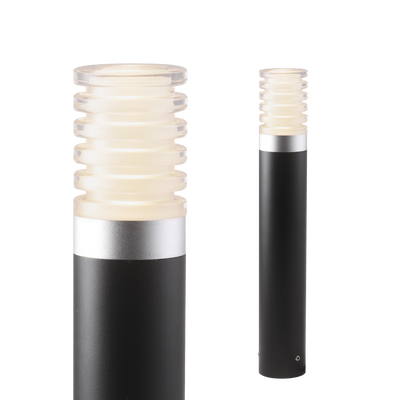
| Lighting | Wall lamps, spots, mood lighting | Choose warm white light |
| Textiles | Cushions, throws, outdoor rug | This is where colour can go |
With textiles and accessories you can easily change the atmosphere later. An outdoor rug, a few decorative cushions or mood lighting make a garden personal, without having to replace the large furniture.
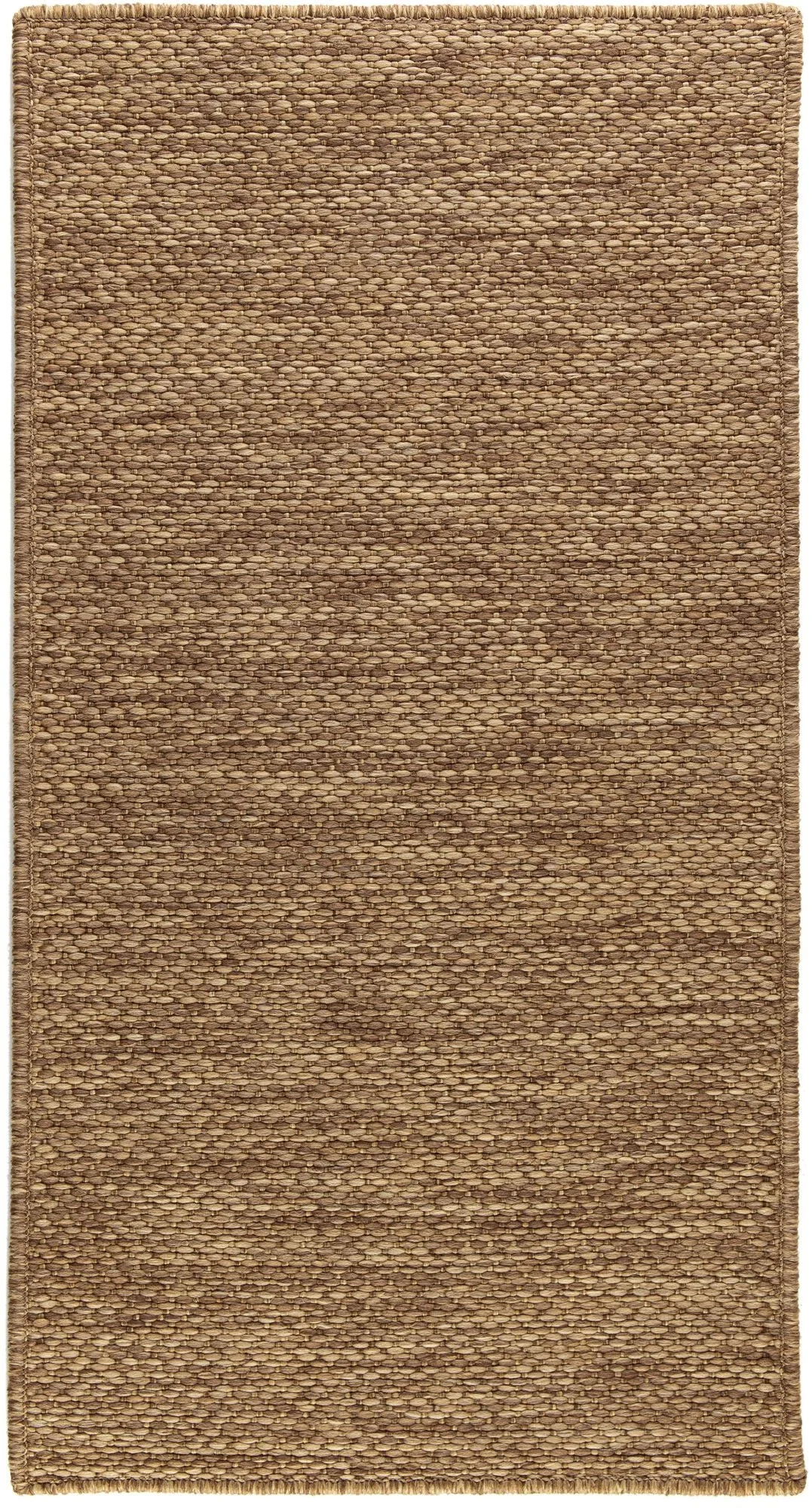
Gisborne outdoor rug 160 x 230
View rug →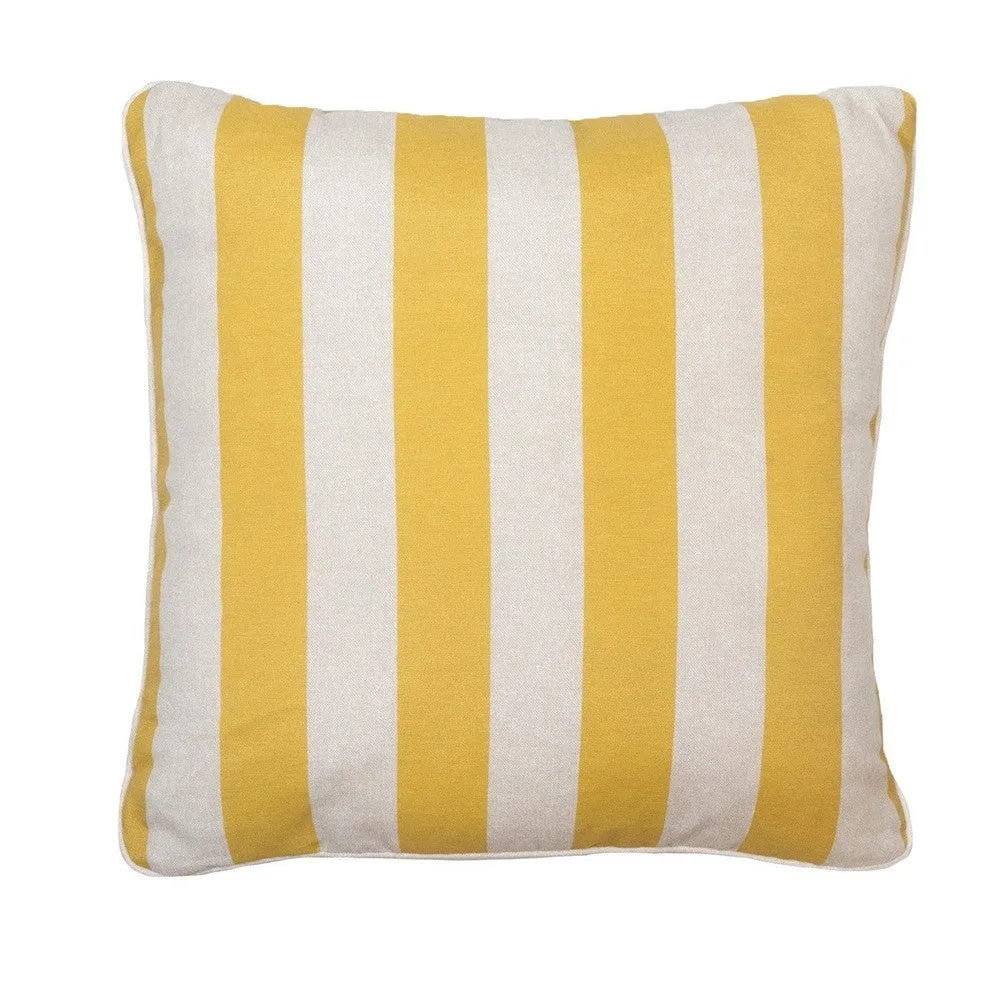
Amora mustard decorative cushion
View cushion →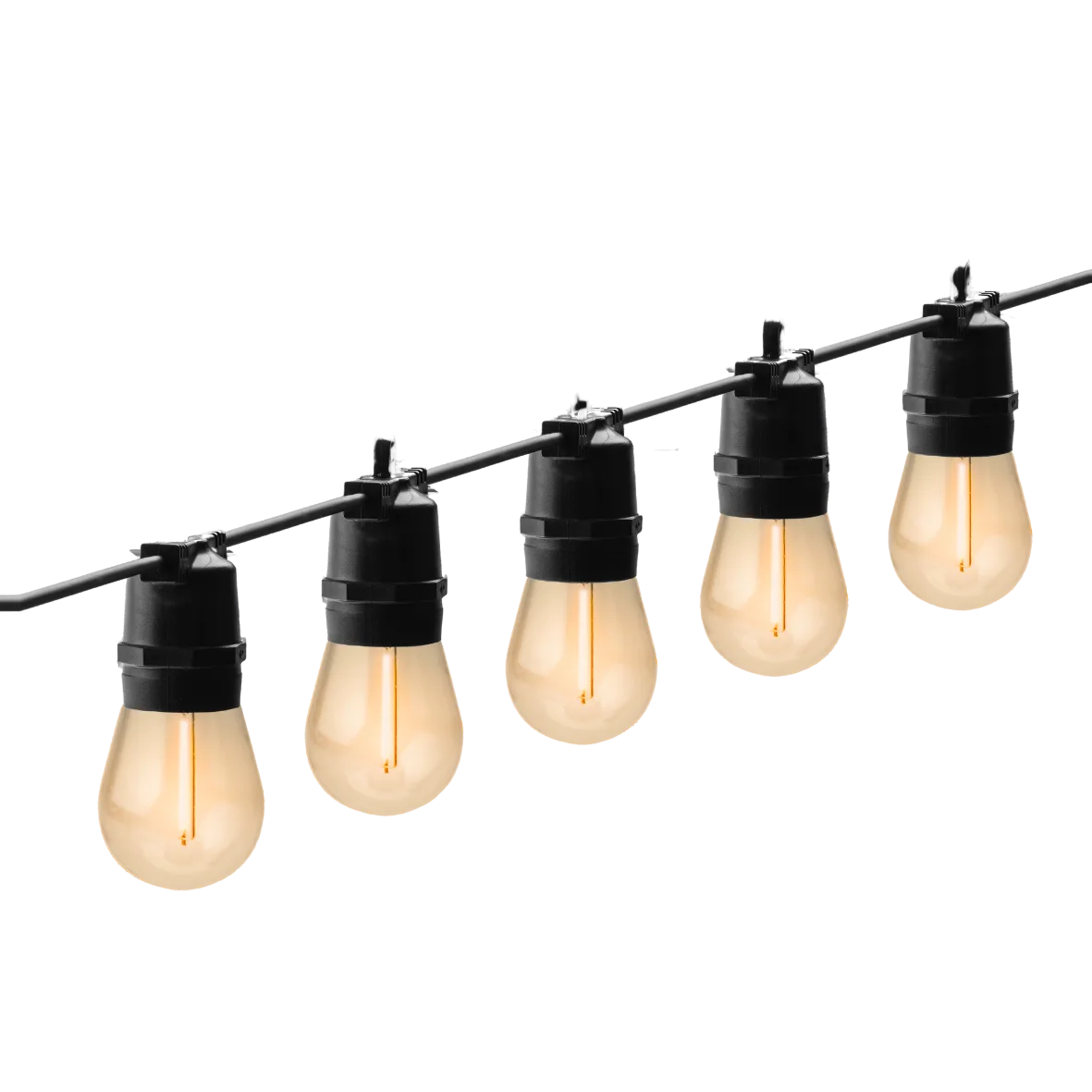
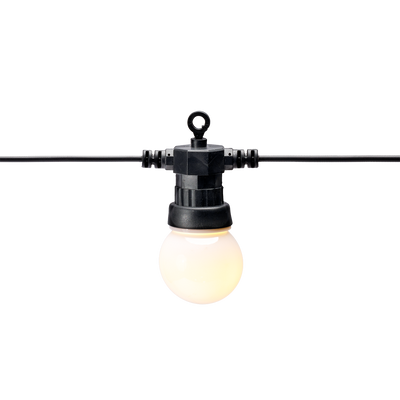
Partylights Filament 12V
View lighting →Put your house on the board too
Take a photo of your façade, window frames and fence and add it to your mood board. The colour of your bricks and window frames helps determine which furniture and tiles look good. A garden that matches the house feels right straight away.
Inspiration from six garden styles
Not sure which direction you want to go in? Then look at these examples from six garden styles. Save the images that appeal to you and place them on your board. You'll soon see which style you lean towards.
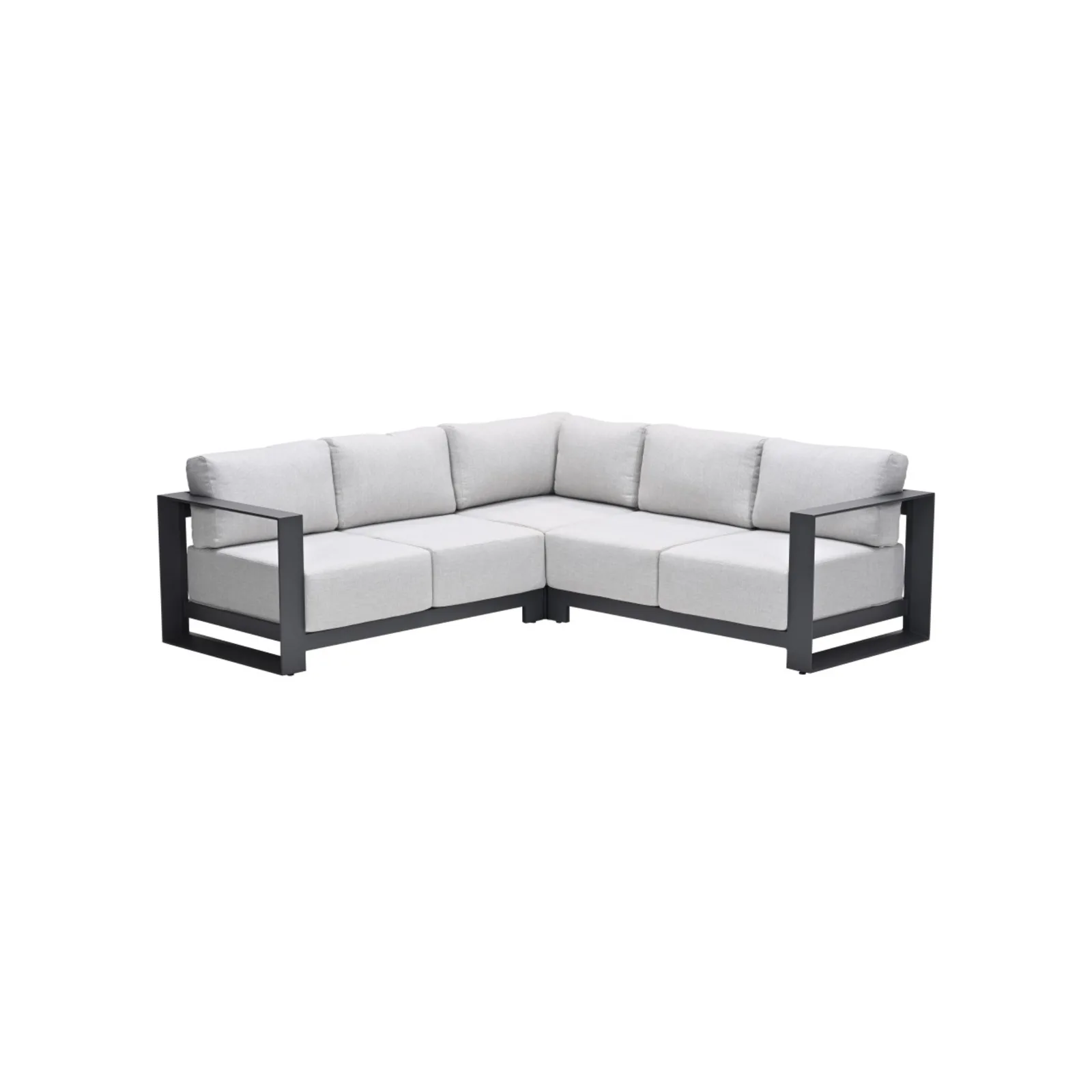
Modern: Levanto corner set
View set →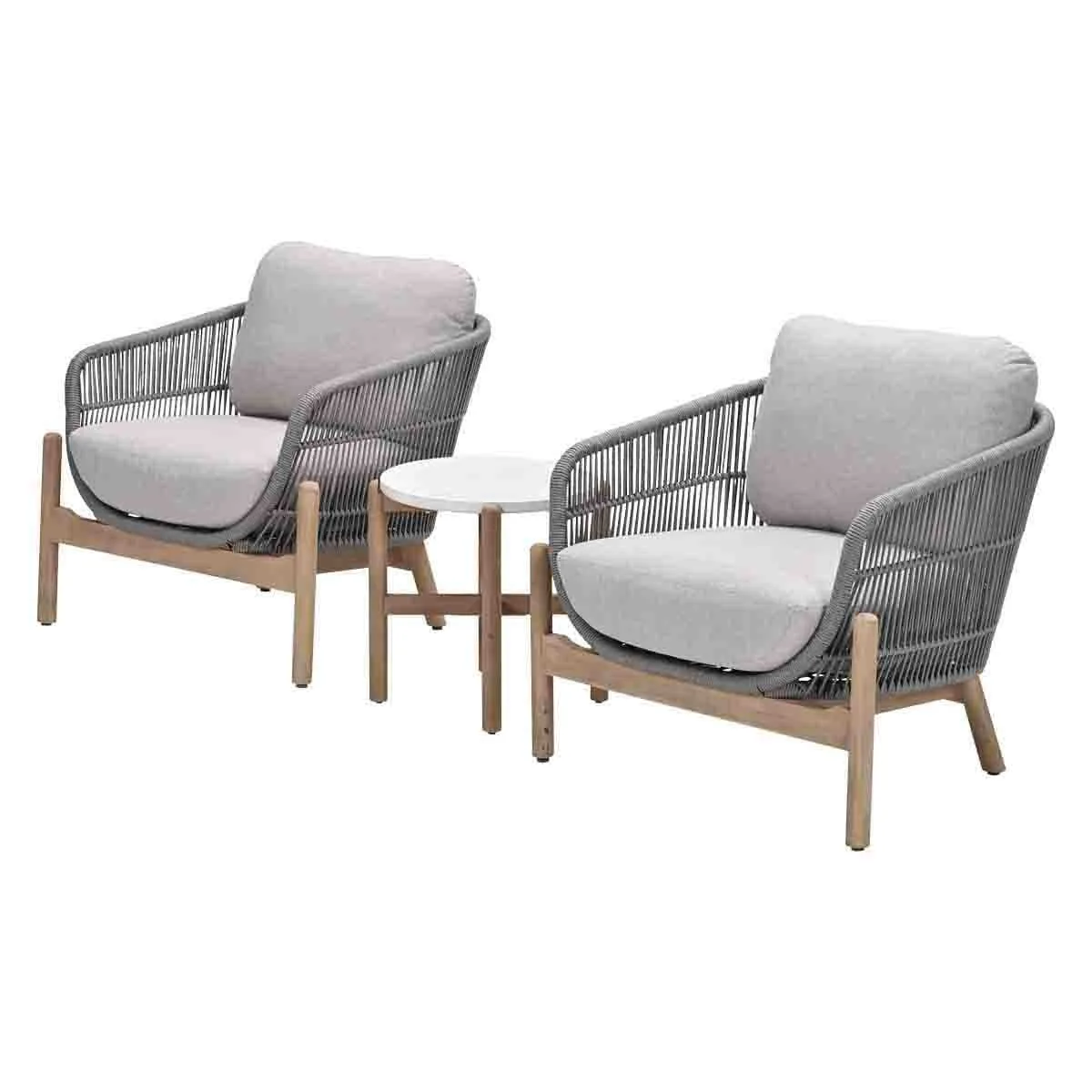
Japandi: Talara lounge set
View set →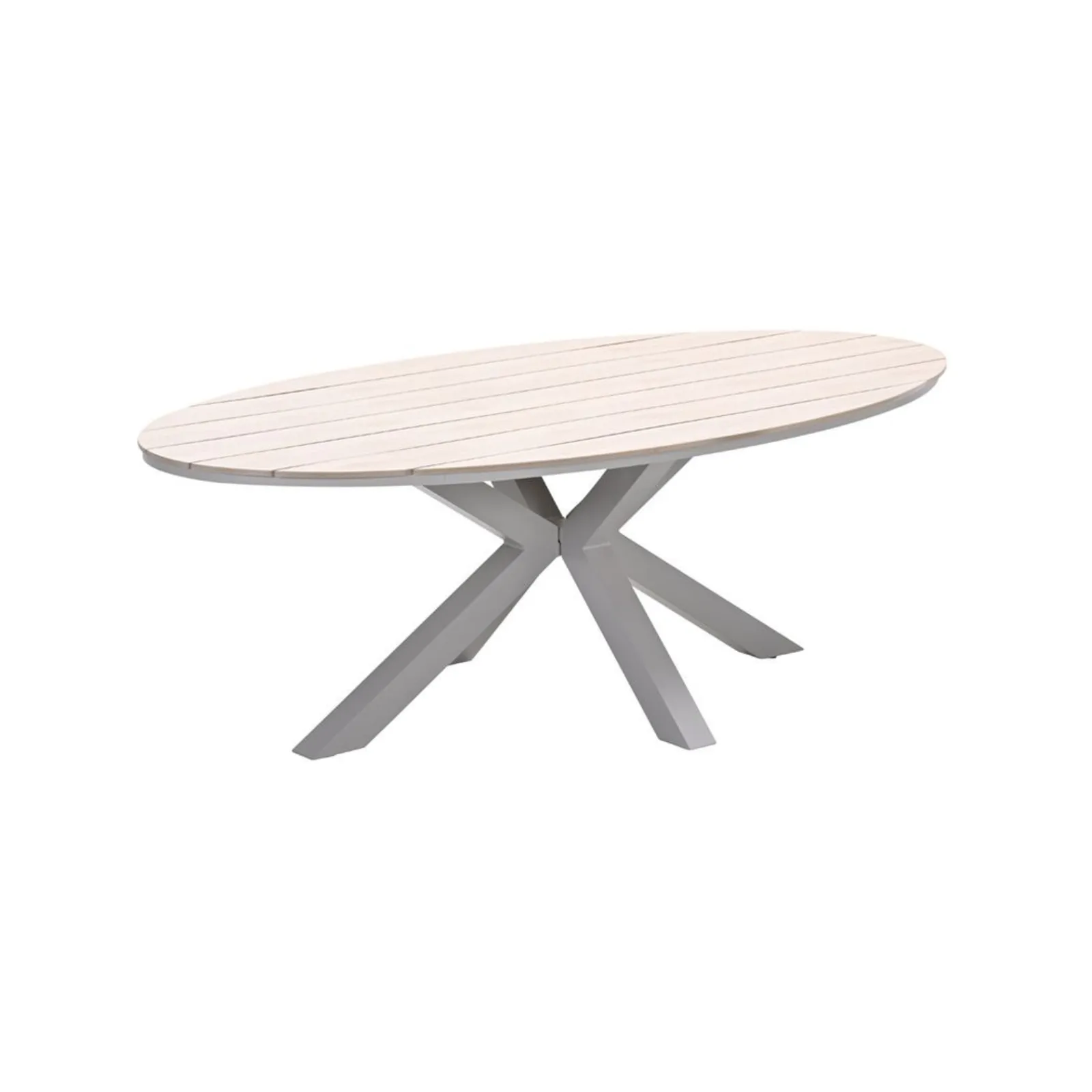
Rustic: Edison garden table
View table →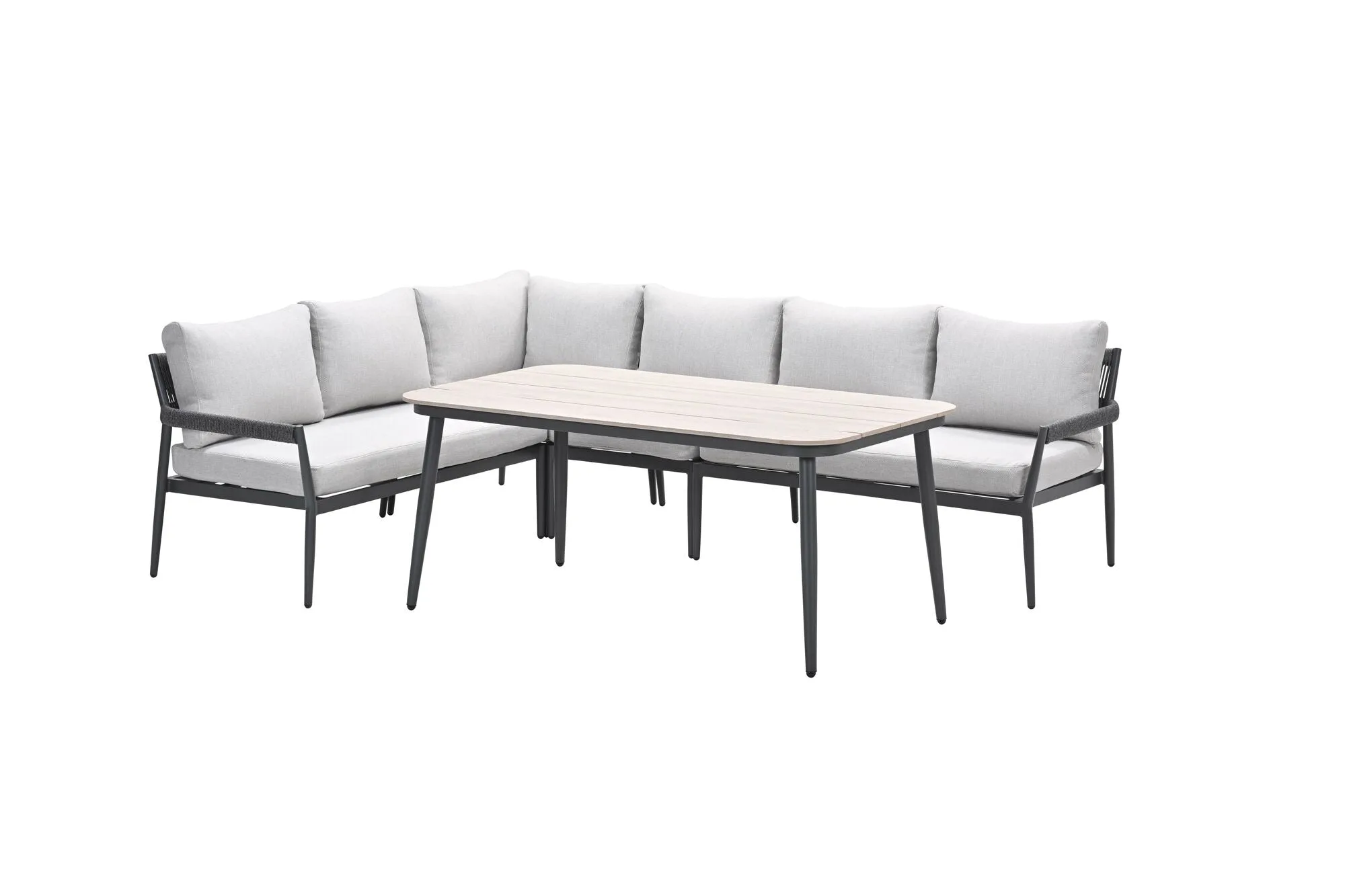
Industrial: Barcelona
View set →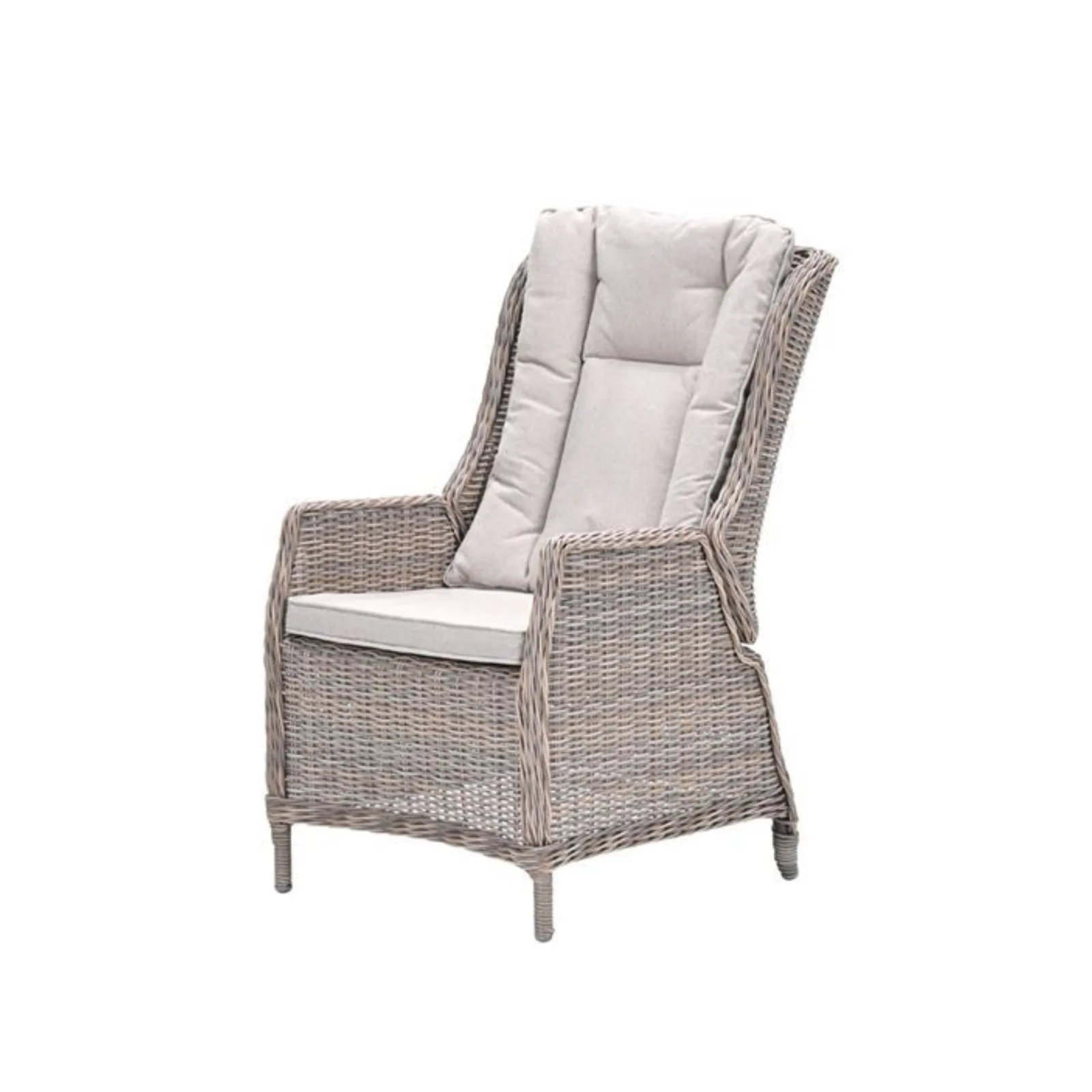
Bohemian: Osborne chair
View chair →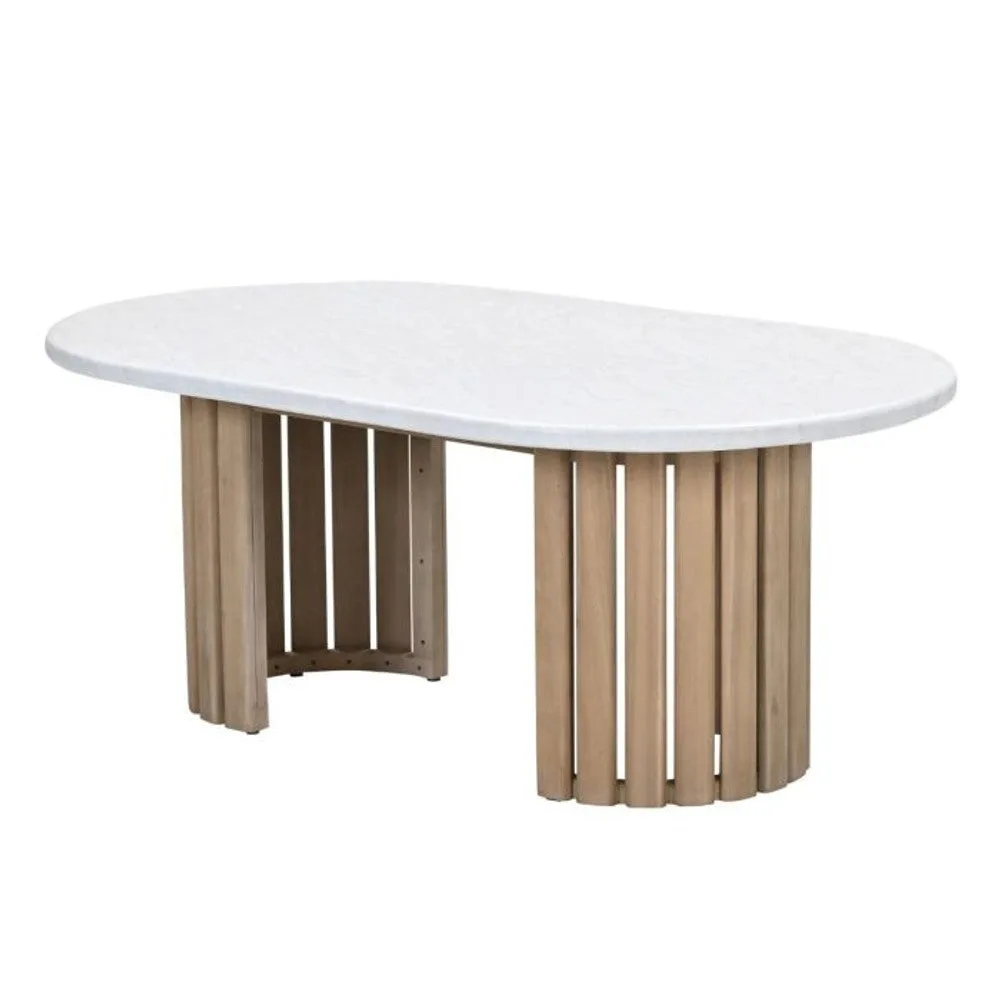
Ibiza: lounge-dining table
View table →Three examples looked at more closely, so you can see how a product carries a style. The current prices are shown on the cards.
Modern: Levanto corner lounge set
Sleek, dark and calm. The Levanto has an aluminium frame in carbon black with sand-coloured cushions. Both sides are 231.5 cm long and with cushions 25 cm thick you sit deep and relaxed. Suits a mood board with anthracite, large tiles and ornamental grass.
Levanto corner lounge set 3-piece
Japandi: Talara lounge set
Light wood, soft rope and little fuss. The Talara consists of two lounge chairs in FSC-certified acacia wood in white wash with rope, plus a round terrazzo side table. Compact enough for a small terrace or balcony.
Talara lounge set 3-piece
Bohemian: Osborne adjustable garden chair
Woven and warm. The Osborne has an aluminium frame with hand-woven wicker in vintage willow and a stepless adjustable backrest. Combine it with an outdoor rug, decorative cushions in ochre or moss green and fairy lights for a true bohemian corner.
Osborne adjustable garden chair
You'll find more choice per style on the garden styles pages, or browse all lounge sets, garden sets and wooden garden tables.
Style test: which garden style suits your mood board?
Your mood board is full, but which style is it now? Answer four short questions and each time choose the answer that most resembles your board.
Which garden style suits your mood board?
Which colours do you see most often on your board?
- Anthracite, black and grey
- Sand, taupe and light natural tones
- Soft green, cream and warm wood
- Black, rust brown and concrete grey
- Ochre, terracotta and moss green
- White, beige and sand
Which material would you most like to touch?
- Smooth, powder-coated aluminium
- Light wood with soft rope
- Solid wood with a slatted top
- Steel, concrete and dark metal
- Rattan, wicker and woven fabric
- White-washed wood and natural weaving
Which plant must certainly not be missing?
- Neatly clipped blocks and ornamental grass
- A maple, moss and ferns
- Roses, lavender and a flowering border
- Large foliage plants in black pots
- Hanging plants and pots in all sizes
- Olive tree, palms and lavender
What does your perfect summer evening look like?
- Calm, tidy and with few belongings
- Sitting quietly outside with a cup of tea
- Long dinners with family at a big table
- Drinks with friends in the city garden
- Cushions, rugs and lights until late
- A holiday feeling with bare feet on the terrace
Modern garden Your mood board is sleek and calm, with a dark frame and few materials. Choose aluminium furniture in carbon black or anthracite and repeat a few plants.
View the modern garden style or read how to furnish a modern garden.
Japandi garden You're looking for calm with natural materials: light wood, soft rope and a limited palette of sand and taupe.
View the japandi garden style or read how to furnish a japandi garden.
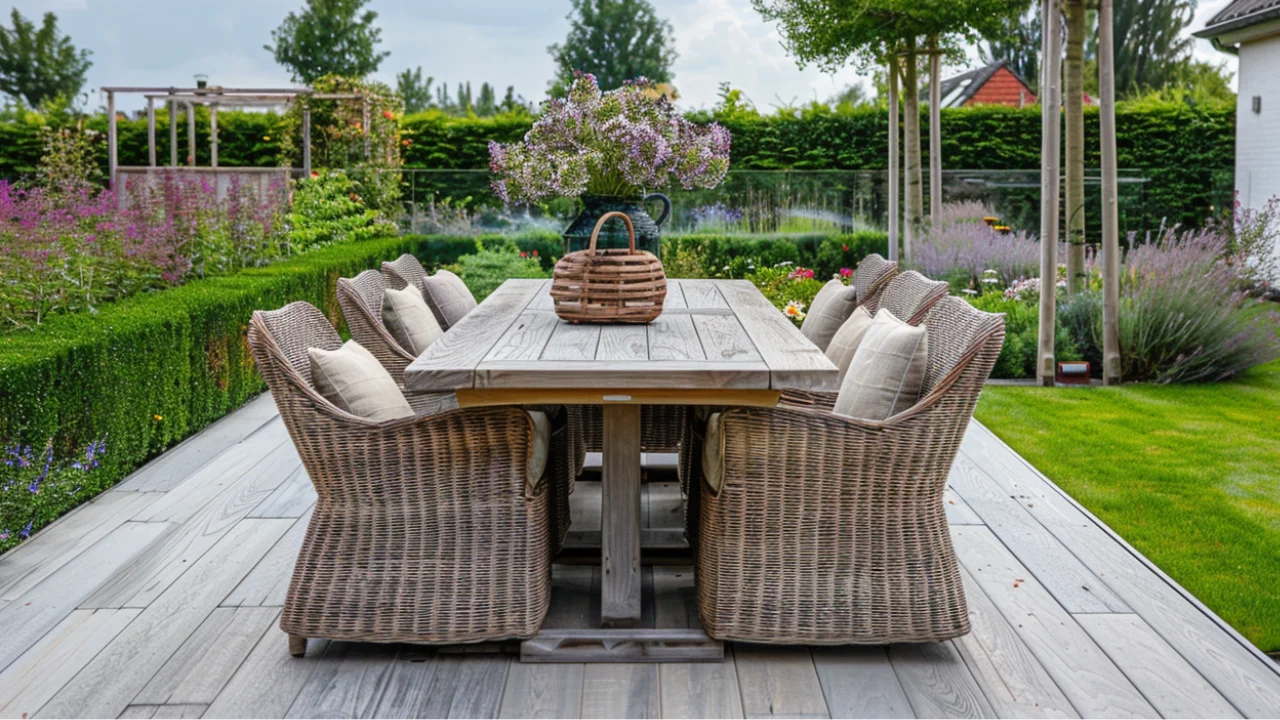
Rustic garden Your mood board radiates cosiness: wood, flowering borders and a large table where everyone fits.
View the rustic garden style or read how to furnish a rustic garden.
Industrial garden You love bold and urban: black metal, concrete and wood, with large plants and warm light as a counterbalance.
View the industrial garden style or read how to furnish an industrial garden.
Bohemian garden Your mood board is cheerful and full: woven materials, warm colours, rugs, cushions and lots of greenery.
View the bohemian garden style or read how to furnish a bohemian garden.
Ibiza garden You want a bit of holiday all year round: white and sand, natural wickerwork and Mediterranean plants.
View the Ibiza garden style or read Ibiza style in your garden.
From mood board to garden
Is your mood board finished? Then you have a clear basis for furnishing your garden. This is how you turn it into real choices:
- Make a floor plan to scale and draw where you eat, lounge and walk. Check where the sun is at the times you sit outside.
- Start with the large pieces: terrace and furniture determine the most. Keep 60 to 90 cm of walking space free at the open sides of a lounge set or table. You can read more about this in how much space you need for a lounge set.
- Place every product next to your board. Does the frame colour fit? Does the material fit in your row of three? If not, keep looking.
- Finish with greenery, textiles and lighting. These you can adjust per season without changing the base. Also read creating atmosphere with garden lighting.
Torn between a lounge set or a garden set, or unsure which size you need? The selection guide helps you on your way with a few questions. You can read more general tips on layout in furnishing your garden: 11 tips.
Buy in stages
You don't have to buy everything in one season. With a mood board as a guide, you can choose the lounge set this year and the parasol or lighting next year, while everything still fits together.
Common mistakes
Too many styles on one board
A sleek black lounge set, a rustic wooden bench and bohemian rugs all mixed together: your garden becomes restless. Choose one main style and borrow at most one accent from another.
Only collecting summer photos
Inspiration images are often taken in full summer. Also think about how your garden looks in winter: evergreen plants and a cover or storage spot for cushions belong there too.
Forgetting the size of your garden
A large corner sofa looks gorgeous on a mood board, but will it fit on your terrace? Always place your board next to a floor plan with real measurements.
Judging colours only on a screen
A colour on your phone looks different outside in daylight. Where possible, look at a real sample or product photos in different light.
Forgetting lighting
Many mood boards stop at furniture and plants. But in the evening, lighting sets the atmosphere. Put at least one example of wall lighting or mood lighting on your board.
Checklist: your mood board is complete when...
Tick off what is already on your board. Your browser remembers your progress.
- You have three words that describe the feeling of your garden
- There is a base colour, a textile colour and one or two accents on it
- You have chosen a maximum of three main materials
- There is an example of your lounge set or table on it
- You have chosen plants that suit the atmosphere and your garden
- There is at least one example of lighting on it
- You know which garden style you're choosing
- You have placed the board next to a floor plan with real measurements
How to keep your mood board useful
- A small selection is better than everything you find beautiful
- Real samples wherever possible, alongside photos
- One frame colour for all furniture
- Textiles and lighting as the place for colour and atmosphere
- Always hold up each purchase next to the board first
Frequently asked questions
What is a moodboard for the garden?
A garden moodboard is a collage of photos, colours, materials and products that together show how your garden should feel. It isn't a construction drawing but a visual compass: at a glance you can see whether a lounge set, tile or plant suits the atmosphere you're after.
Is it better to make a garden moodboard digitally or on paper?
Both work. Digitally, for example with a board on Pinterest or a collage on your computer, is quick and easy to adjust. On paper or a noticeboard you can add real samples, such as a piece of tile, fabric or wood. Many people gather ideas digitally first and then make a smaller board with real materials.
How many images should you put on a garden moodboard?
Start by collecting plenty, but keep a limited selection for the final board, say around 15 to 25 images. Too many images make the board busy, so it's harder to see which direction you're choosing. Every image should have a reason to be there.
How do I choose a garden style with my moodboard?
Look at which colours, materials and shapes keep recurring. Lots of black, aluminium and clean lines point to a modern garden, natural tones and wood to Japandi or rustic, and woven materials with warm colours to bohemian or Ibiza. If you're unsure, take the style test in this article.
What do I do with my moodboard once it's finished?
Use it as a checklist for every purchase. Hold a lounge set, table, parasol or plant next to your board and ask whether it fits in. Combine the moodboard with a scale plan so you can also be sure the furniture will fit.
Should planting go on a garden moodboard too?
Yes. Plants shape a large part of the atmosphere: ornamental grasses and clipped hedges create calm, flowering borders give a garden a cottage feel, and olive trees or lavender suggest a Mediterranean mood. Include the colour of flowers and foliage on your board too, so they match your furniture and cushions.