
A garden bench is not something you buy every year. For this reason, the choice of material is so important: it determines how much maintenance you'll need to do, how long the bench will last and how it will look after a couple of seasons. The three most common materials are wood, aluminium and stainless steel. In this article we compare them fairly side by side.
Wooden garden bench
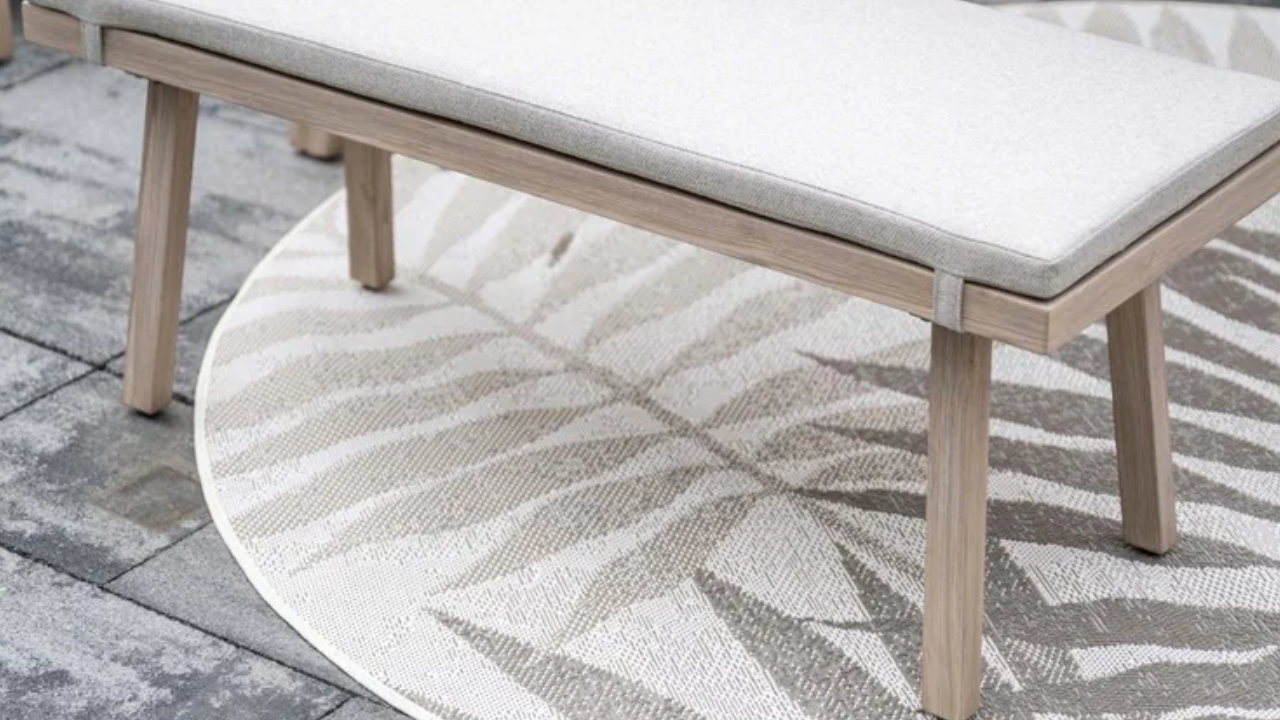
A wooden garden bench has a timeless, warm appearance that suits almost any garden style. The most popular wood types for outdoor use are teak, acacia and eucalyptus. Teak is the most durable choice: the wood naturally contains oils that prevent rotting and warping, meaning a good quality teak garden bench will last for decades.
The disadvantage of wood is maintenance. Untreated wood will turn grey, which can look attractive but is not to everyone's taste. If you want to keep the warm brown colour, you treat the bench annually with teak oil or hardwood oil. Read more about maintaining teak garden furniture for a complete approach.
- Durability: high (teak 20+ years, acacia 10–15 years)
- Maintenance: moderate to intensive
- Weight: heavy
- Appearance: warm, natural
Aluminium garden bench
Aluminium is the most popular material for modern garden benches. It is rust-proof, lightweight and virtually maintenance-free. You can leave an aluminium garden bench outside without worry, even in winter. Rinse it off with water from time to time and it will look the same years later.
Modern aluminium is powder-coated, which protects the colour and prevents scratches. The most popular colours are anthracite, taupe and white. Aluminium is also durable: the material is fully recyclable. Read more about maintaining aluminium garden furniture.
- Durability: very high (15–25 years)
- Maintenance: minimal
- Weight: light
- Appearance: modern, sleek
Stainless steel garden bench
Stainless steel is used less often for garden benches, but has specific advantages. It is extremely strong and has a sleek, industrial appearance. Stainless steel is resistant to salt and moisture, making it suitable for coastal areas.
One disadvantage: stainless steel can get hot in the sun. It also requires the occasional polish to remove fingerprints and water marks. Read more in our article about maintaining stainless steel garden furniture.
- Durability: very high
- Maintenance: low to moderate
- Weight: heavy
- Appearance: industrial, modern
Which material is right for you?
Choose teak or acacia if you love a natural, warm appearance and are willing to treat the wood annually. Choose aluminium if you want minimal maintenance and prefer a modern look. Choose stainless steel if you live in a damp or salty climate and are looking for a robust, industrial bench.
Check our full range of garden benches to compare options by material. Do you have any questions? Our garden experts are happy to help via the contact page.