Pizza accessories
Pizza Accessories for the Barbecue | Pizza Stone, Peel & Cutter
A pizza stone turns your barbecue into a pizza oven. Thanks to the even radiant heat of ceramic or cordierite, you get a crispy base and perfectly melted cheese — just like a wood-fired oven. At Boender Outdoor you'll find pizza stones,…


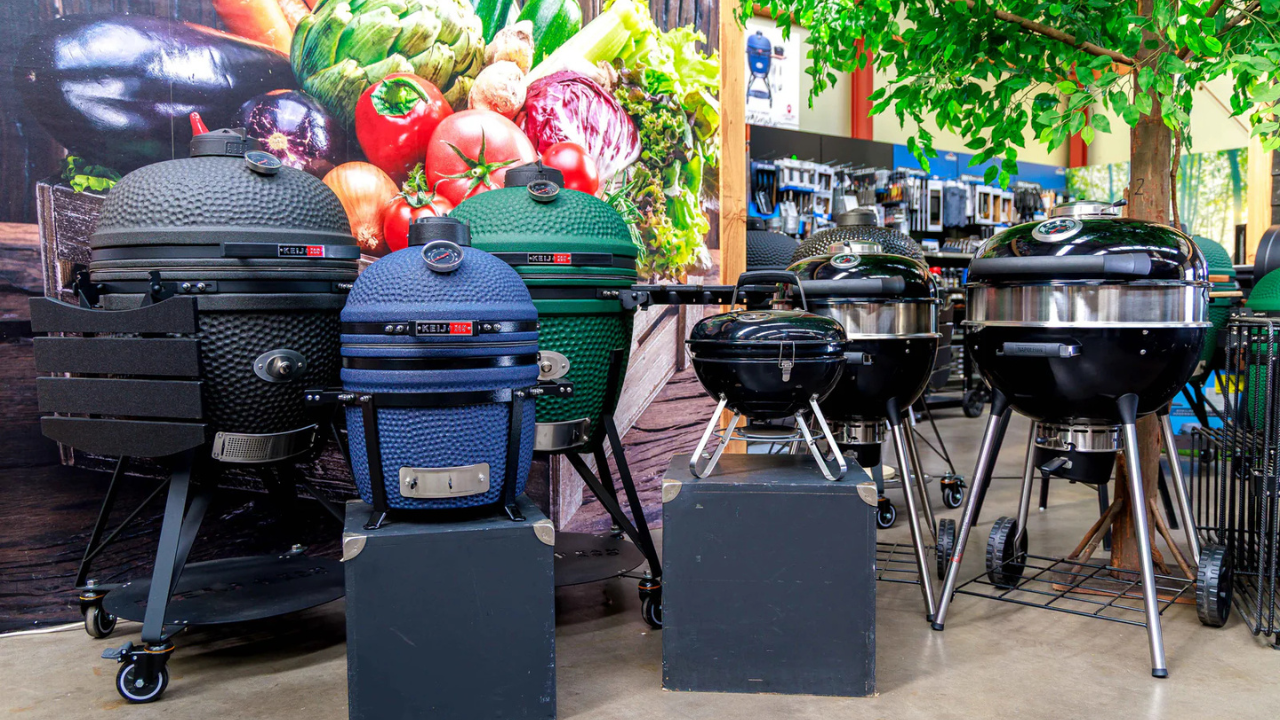
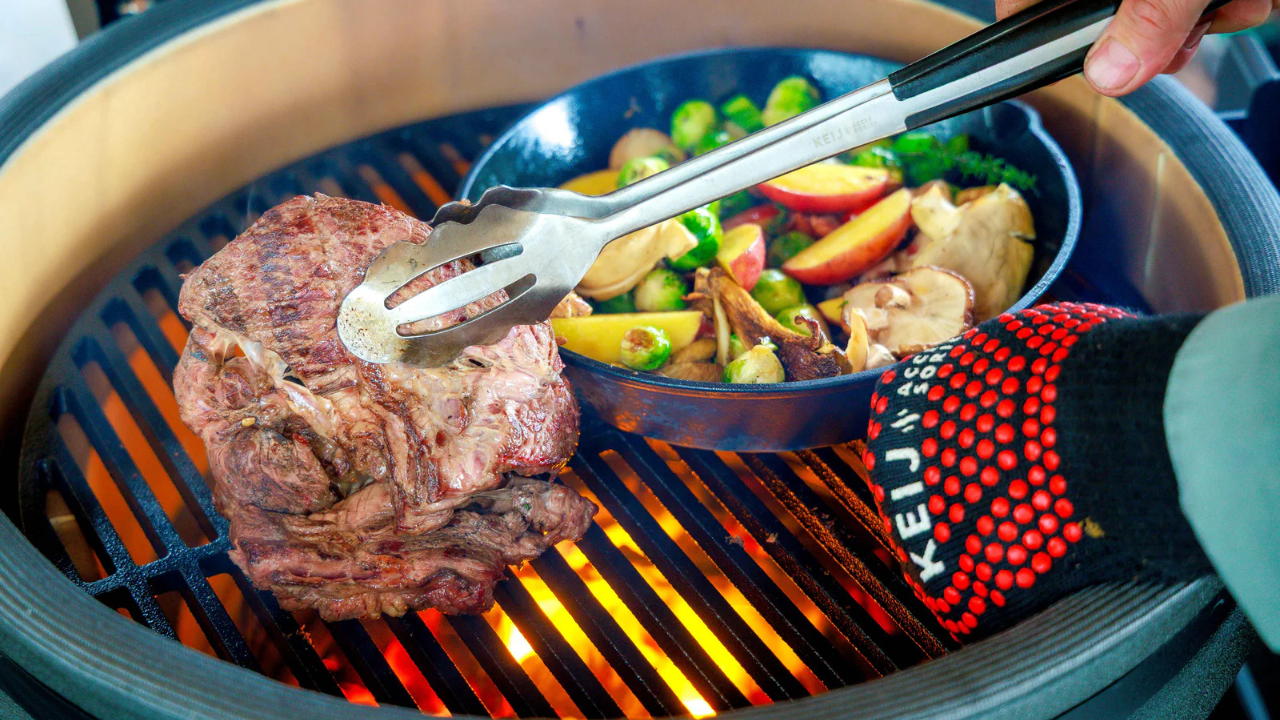


Keij Accessories - Pizza cutter - wooden handles - 35 cm

Pizza cutter – 35 cm

SALE DAYS
Get extra savings on garden furniture


Compact pizza set - 29,5 cm pizza stone, pizza peel, pizza cutter

Large pizza set - 38 cm pizza stone, pizza peel, pizza cutter

Pizza set Small - 26 cm pizza stone, pizza peel, pizza cutter


Pizza set XS - 23 cm pizza stone, pizza peel, pizza cutter

Pizza stone - Large - 38 cm

Compact pizza stone - 29,5 cm

XS pizza stone - 23 cm


Round BBQ pizza stone 36cm
Sold outYou save: 5,01 (-14%)

Keij Accessories - Pizza peel - detachable handle
Sold outPizza Accessories for the Barbecue | Pizza Stone, Peel & Cutter
A pizza stone turns your barbecue into a pizza oven. Thanks to the even radiant heat of ceramic or cordierite, you get a crispy base and perfectly melted cheese — just like a wood-fired oven. At Boender Outdoor you'll find pizza stones, pizza peels, pizza cutters and complete pizza sets for the Keij Kamado. Also check out the full range of accessories.
Baking pizza on a kamado — step by step
- Place the pizza stone on the grate (possibly with a plate setter underneath for extra indirect heat)
- Heat the kamado to 300–350°C — allow 30–40 minutes for the stone to heat through fully
- Dust the pizza peel with flour or semolina so the pizza slides off easily later
- Slide the pizza onto the hot stone with one confident motion
- At 300–350°C, a Neapolitan-style pizza is done in 60 to 90 seconds, with a slightly charred, crispy base
Which pizza stone fits my kamado?
| Kamado size | Pizza stone diameter |
|---|---|
| XXS/XS variants | approx. 20.6–23 cm |
| Compact (15") | approx. 26–29.5 cm |
| Large (21") | approx. 38 cm — room for a full-size pizza |
A complete pizza set (pizza stone + peel + cutter) is the easiest way to get started right away without having to combine separate parts.
More than just pizza
A pizza stone is also excellent for baking bread, focaccia and flatbread. The stone absorbs moisture during baking, giving an extra crispy crust — a technique restaurant bakers have used in wood-fired ovens for decades.
Caring for your pizza stone
Never clean a pizza stone with soap — ceramic and cordierite are porous and absorb smells and flavours. Scrape off residue dry with a spatula or brush once it's cooled down. Small discolourations are normal and don't affect baking quality; in fact, a well-seasoned pizza stone often works even better.
Round off your pizza night with a thermometer to closely monitor kamado temperature, and check out our pizza tools for the right peel and cutting knife.
 9.5
9.5183 reviews
Our customers love us!
We score an average of 9.5 on KiYoh — based on real, certified customer reviews.
Frequently asked questions
How hot does my kamado need to be to bake pizza?
For an authentic, quick-baking pizza with a crispy base, heat your kamado (with the pizza stone inside) to 300–350°C. Allow 30–40 minutes of preheating so the stone heats through properly.
Can I clean a pizza stone with soap?
No, ceramic and cordierite pizza stones are porous and will absorb soap smells. Remove residue dry with a brush or spatula once cooled.
What size pizza stone fits my Keij Kamado?
For the Compact (15") choose a stone of around 26–29.5 cm, for the Large (21") a stone of around 38 cm. Check your model's exact interior measurement for the best fit.
Can I bake pizza on a gas barbecue with a pizza stone too?
Yes, a pizza stone also works on a gas barbecue with a lid, provided it can reach a sufficient temperature (ideally 300°C+). The result is comparable, though a kamado typically reaches higher and more stable temperatures thanks to the ceramic.
Can I bake bread on a pizza stone too?
Absolutely. A pizza stone is also excellent for bread, focaccia and flatbread — the stone absorbs moisture during baking, giving an extra crispy crust.
Why do pizza stones sometimes crack?
This usually happens due to sudden temperature shocks, for example a cold stone exposed too quickly to high heat, or moisture that suddenly evaporates. Always let the stone heat up gradually along with the kamado.
Read also
11 Tips for the Perfect Garden Design
A well-designed garden is an extension of your home. It is a place to relax, enjoy yourself and spend time wit…
18 Tips for a Maintenance-Free Garden
A garden is meant to be enjoyed. Relaxing with a book, enjoying meals outdoors with friends, or simply unwindi…

Garden Designs with a Mood Board - Read How!
Do you dream of a garden that suits you perfectly? A place where you can relax, enjoy time with friends or fin…