
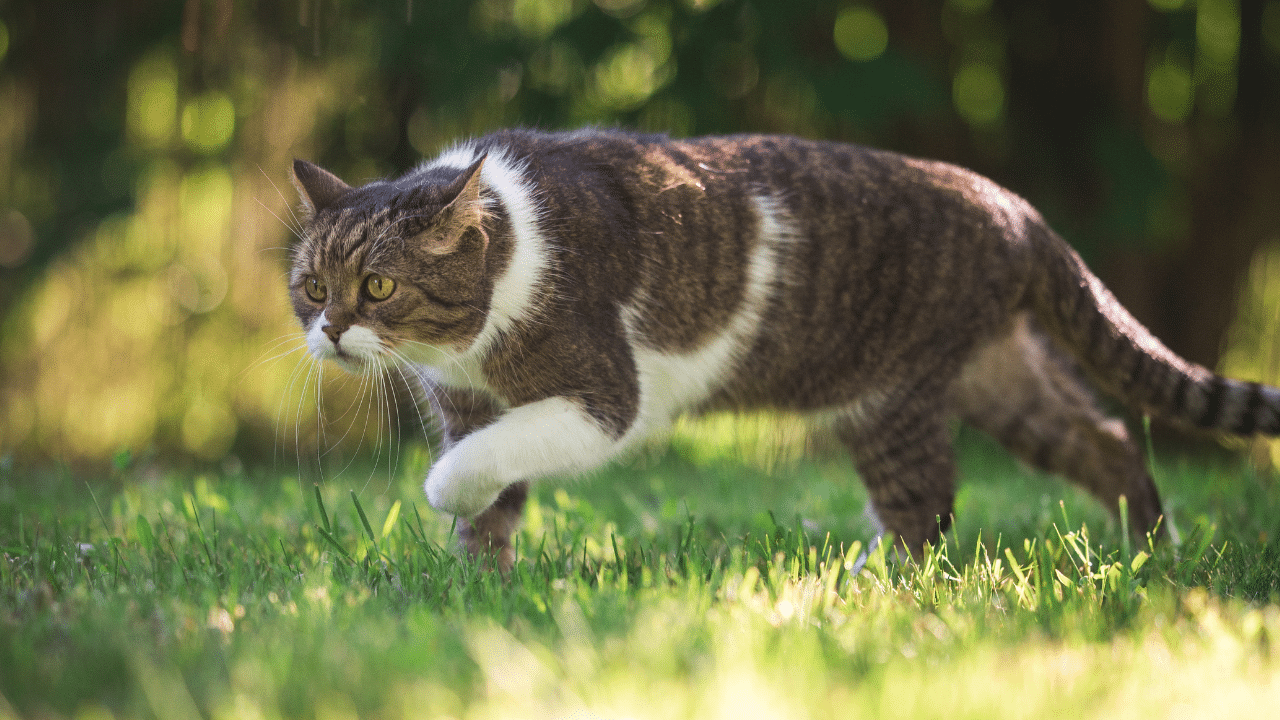

A cat digging in your borders, using your sandpit as a toilet or curling up on your lounge cushions every afternoon: it's one of the most common garden questions. Cats are often charming visitors, but you still want a clean garden. The good news is that you don't need poison or harsh chemicals. A few clever adjustments make your garden much less appealing to cats. In this article you'll read why cats are drawn to your garden, which wildlife-friendly methods work, what you're better off not doing, and how to keep your garden furniture and cushions cat-free.
In brief: first find out why the cat is coming: to dig, to lie down or to mark its territory. Cover bare soil or plant it up densely, close off the sandpit and put cushions away in a cushion box or cushion bag. In fixed spots, use a deterrent such as a sprinkler with a motion sensor. No single method works for every cat, so combine methods and be patient.
Why do cats come into your garden?
If you want to keep cats out, you first need to know what they're looking for. A cat rarely wanders in by chance: your garden offers something it can't find as easily elsewhere. Usually it's one of these four things.
- Loose soil to dig in: cats prefer to bury their business in soft, loose earth or sand. A freshly dug border, a vegetable bed or an open sandpit is an ideal litter tray for a cat.
- A warm, soft place to lie: a sunny terrace with cushions on the lounge set is an invitation to nap. A cover that heats up in the sun can also attract cats.
- Territory: cats mark their area with scent, by spraying or scratching. Once a cat has marked a spot, it and other cats will keep coming back.
- Food and hunting: food scraps, an open rubbish bin or a bird feeder that attracts birds make your garden extra appealing.
So first take a good look: where do you see signs, and at what time does the cat show up? That tells you which approach will get the best results.
10 wildlife-friendly methods at a glance
Below are the best-known wildlife-friendly methods. To be fair, how well they work varies by cat and by garden. What helps one cat instantly may leave another completely unbothered. That's why a combination of a few methods usually works better than a single solution.
| Method | How | Watch out |
|---|---|---|
| 1. Covering bare soil | Mesh or twigs on the border | Plants grow through them |
| 2. Coarse ground cover | Coarse bark or pebbles | Fine gravel actually invites them |
| 3. Dense planting | Ground cover plants, no bare patches | Takes a season |
| 4. Scented plants | Coleus canina, lavender, rosemary | Effect is limited and inconsistent |
| 5. Citrus peel | Laid around fixed spots | Replace after rain |
| 6. Sprinkler with motion sensor | Aimed at the regular route | May also hit you and the neighbours |
| 7. Ultrasonic deterrent | Aimed at the fixed spot | Doesn't work on every cat |
| 8. Covering and storing | Sandpit closed, cushions away | Requires daily consistency |
| 9. A dedicated corner | Sandy spot far from your terrace | Only if you want to |
| 10. Talking to the owner | Looking for a solution together | Stay friendly |
Soil and plants: the basics
You'll often get the most effect from the soil. Cats love digging in loose, bare earth. Remove that, and the main reason for them to visit disappears.
- Mesh or twigs: lay chicken wire or plastic mesh flat over the soil between your plants, or push a good number of thin twigs upright into the ground. A cat can't dig comfortably then, and your plants will simply grow through.
- Coarse ground cover: coarse bark chippings, pine cones or large pebbles are less pleasant to walk on and dig in. Fine gravel and sand often backfire: to a cat, they look like cat litter.
- Dense planting: choose ground cover plants or fill your border more fully so no bare patches remain. This takes a season of patience, but in the long run it's the most peaceful solution.
- Planters and vegetable beds: lay mesh over the soil until the plants are big enough, or add a layer of coarse bark on top.
You'll read a lot about scented plants. Coleus canina (the scaredy-cat plant), lavender and rosemary are mentioned most often. They look lovely in a border or a pot on the terrace, but don't expect miracles: the effect varies from cat to cat and usually doesn't extend beyond the plant itself. Treat them as a supplement, not the solution.
A cat is looking for a place to dig, not necessarily your garden. Make digging difficult and keep a sandy spot free somewhere else, and the cat will often choose that other spot on its own.
Scents and deterrents
If the cat keeps turning up in the same places, you can target those spots directly. Again, try it for a few weeks and see what works.
Sprinkler with motion sensor
A garden sprinkler with a motion sensor on Amazon sprays a short burst of water as soon as something walks past. Cats don't like water and often learn to avoid the spot quickly, without any harm coming to them. You'll need a garden hose and an outdoor tap, and in winter you switch it off to prevent frost damage. Aim it so it doesn't spray onto the path or the neighbours' garden.
Ultrasonic cat deterrent
These devices emit a high-pitched tone when they detect movement, which most adults can't hear. Results vary: some cats stay away, while others get used to it. Dogs and other animals can hear the sound too, so check with the neighbours if they have a dog.
Citrus peel
Many cats dislike the smell of citrus. Orange or lemon peel around a fixed digging spot is free and harmless, but the scent fades quickly after rain. So replace it regularly. Don't use concentrated essential oils: they can be harmful to cats.
A cat that has already marked a spot will return as long as the scent lingers. Rinse such a spot thoroughly with water and then use an enzymatic cleaner. It breaks down the odour molecules, whereas an ordinary soapy solution often just masks the smell.
How to tackle it in 5 steps
Don't want to try everything at once? Then follow this step-by-step plan. Start with the things that make your garden less attractive, and only then add deterrents.
For a week, note where you see signs and when the cat turns up. Is it digging in the border, lying on the cushions or marking near the door? Each problem needs a different approach.
Close the sandpit with a lid or cloth, put cushions away, keep the bin shut and clear up food scraps. Hang a bird feeder high up and in the open, so a cat can't creep up on it unseen.
Cover bare soil with mesh, twigs or coarse bark, or fill up the border with more plants. Focus on the spots from step 1 in particular.
If the cat still comes to the same spot, aim a sprinkler with a motion sensor or an ultrasonic deterrent at it. Clean marked spots with an enzymatic cleaner.
If you don't want to keep the cat out completely, keep a sandy corner free, far from your terrace and vegetable patch. If you know whose cat it is, politely let the owner know what's going on. Neighbours are often happy to help.
Keeping garden furniture and cushions cat-free
A sunny lounge set with soft cushions is a dream spot for a cat. The result is hair, paw prints and sometimes a puddle. The simplest solution: don't leave cushions outside when you're not using them. That's better for the cushions anyway, as the covers are usually water-repellent rather than waterproof.
- Cushion box: with the lid closed, a cat can't get to the cushions. Place it somewhere dry so the cushions don't get damp.
- Cushion bag with zip: light and easy to take to the shed or loft, and it closes with a zip.
- Protective cover over the whole set: a cover over a sofa or lounge set keeps hair and paws off the frame and seat. Choose a cover that fits well and secure it.
- Scratching: cats sometimes scratch rope, wicker or wooden legs. A cover helps, as does a scratching spot elsewhere in the garden, such as an old tree stump.
Below you'll find a few storage boxes and cushion bags from our range. You can see current prices on the cards.
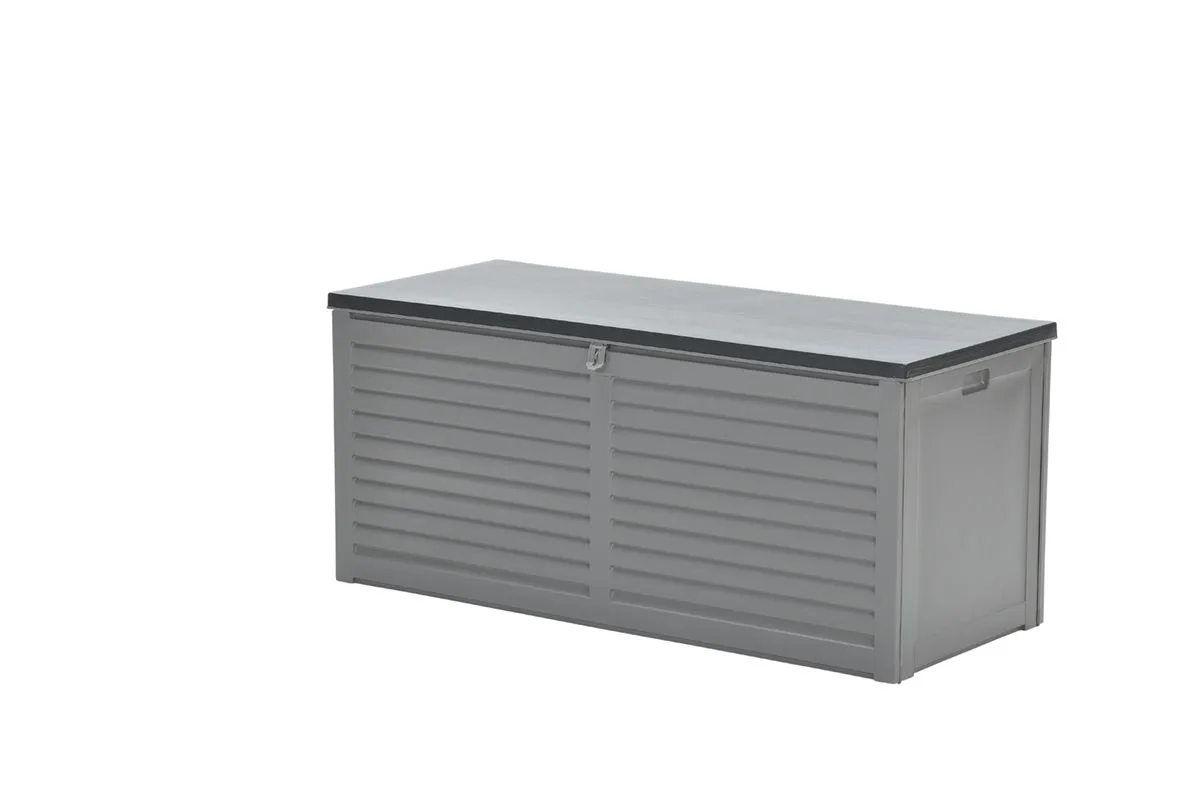
Primo cushion box 490L
Why: a spacious plastic cushion box with a lid. Cushions stay dry and out of reach of cats, and you can simply place it on the terrace.
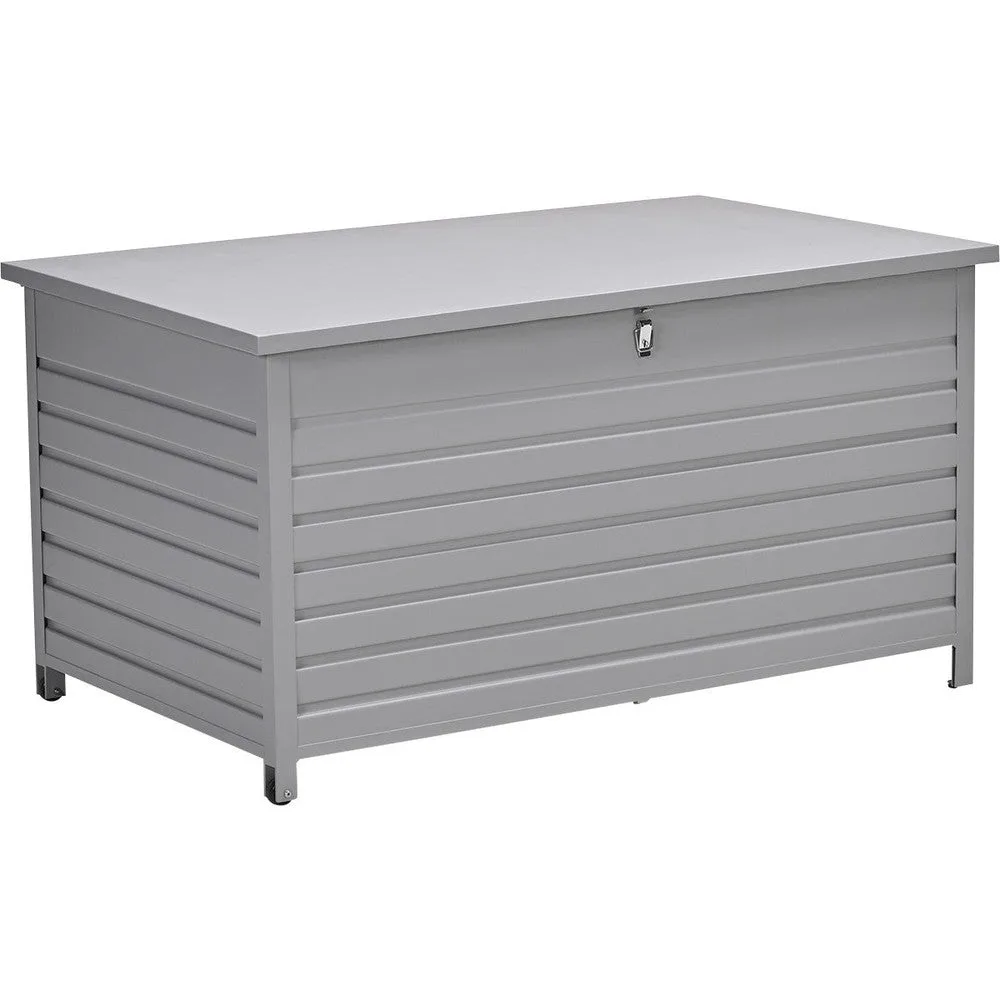
Cambridge cushion box taupe
Why: a larger cushion box with an aluminium frame in taupe. It suits an aluminium lounge set and has room for the cushions of a complete set.
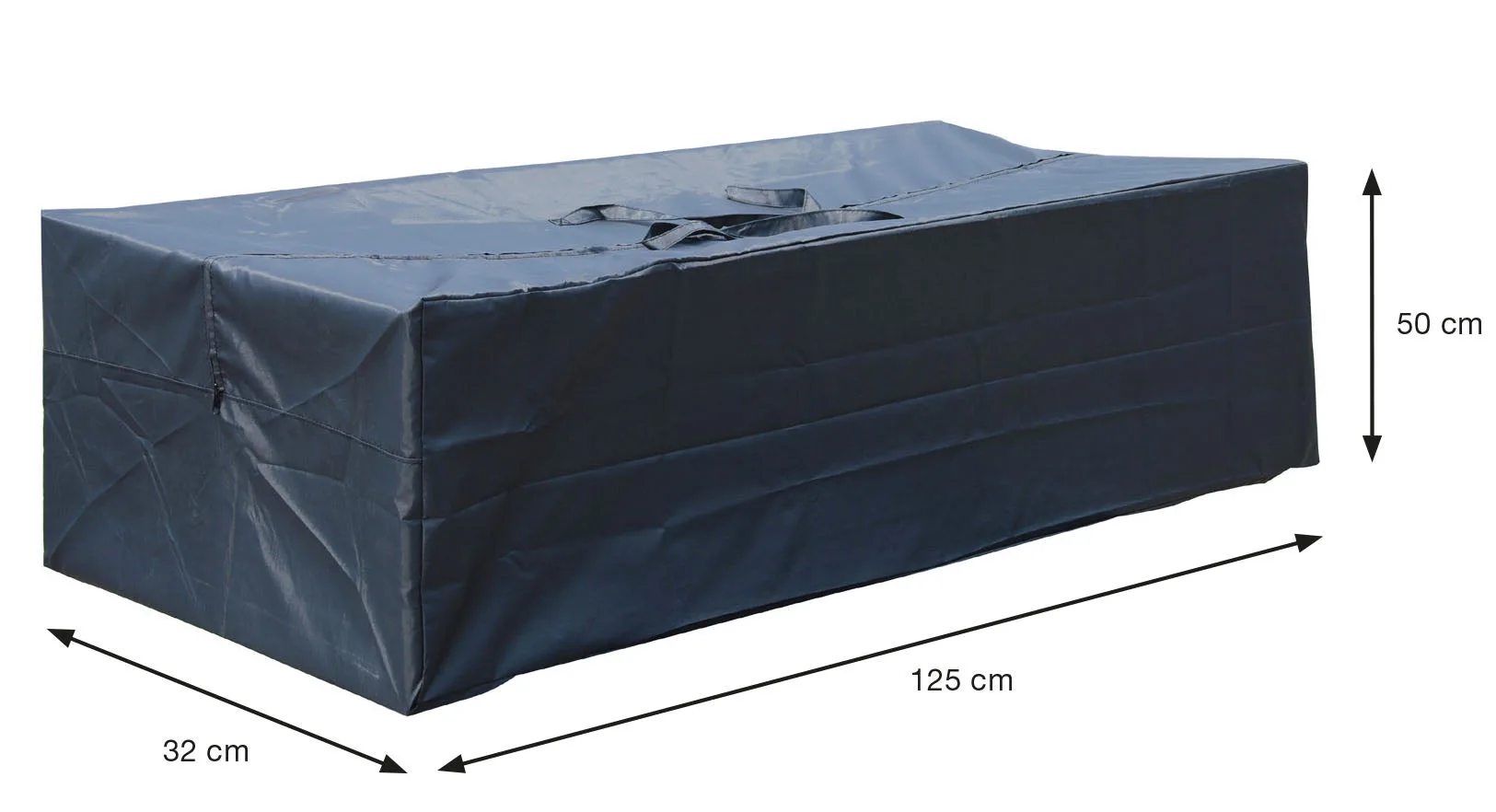
Coverit cushion bag 125 x 32 x 50 cm
Why: a slim cushion bag with a zip for seat and back cushions. Breathable, so moisture and condensation can escape.
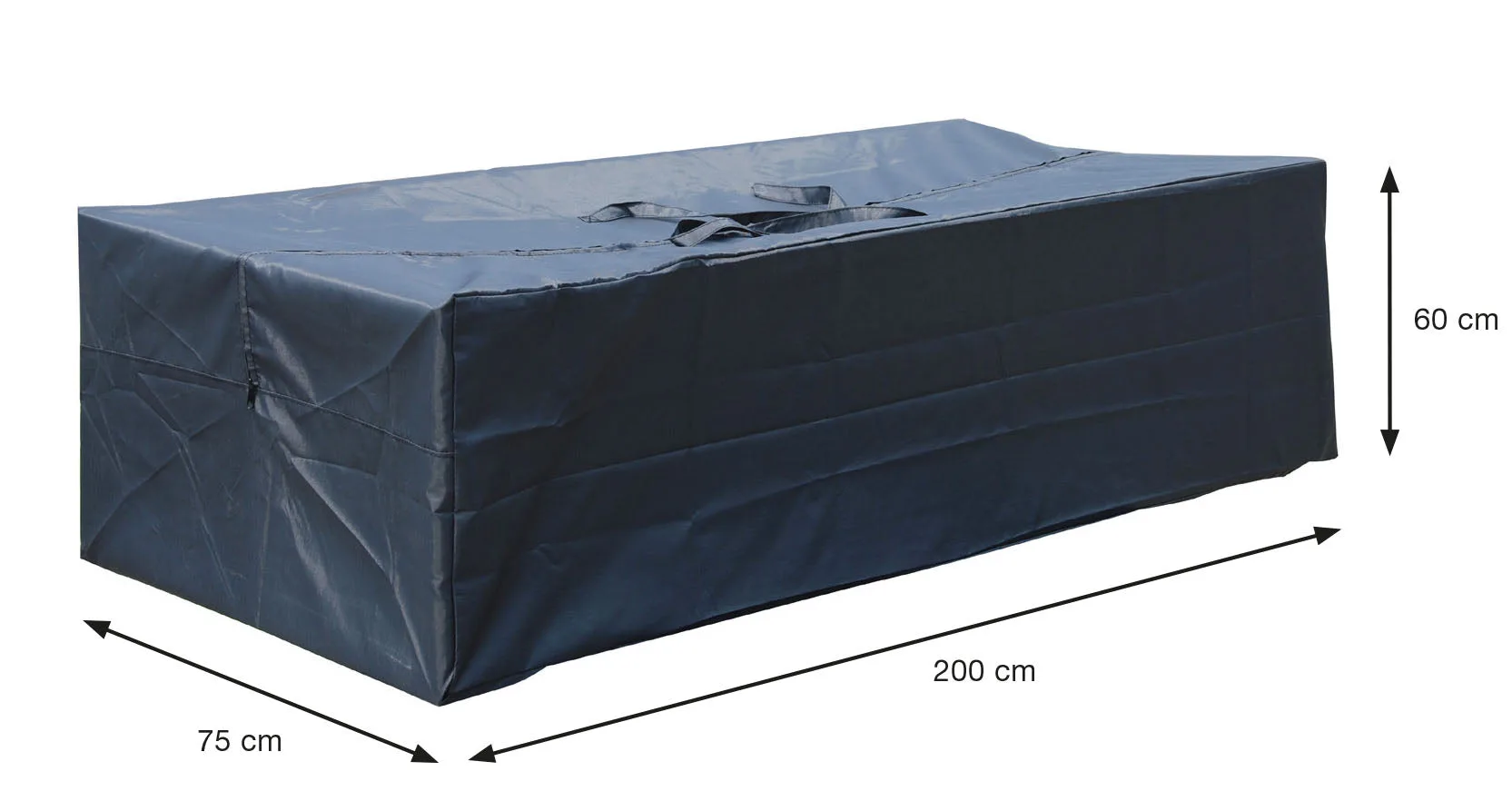
Coverit lounge set cushion bag 200 x 75 x 60 cm
Please note: a cushion bag is water-repellent, not fully waterproof. Don't leave it somewhere water can pool, or store it indoors.
You'll find more options in our storage boxes, protective covers and lounge set covers.


To find out which cover and size you need, read how to cover garden furniture. For tips on storing cushions, see storing garden cushions, and if your cushions are already dirty, read cleaning garden cushions. If you're still looking for new garden furniture, our buying guide can help you on your way.
What you're better off not doing
As annoying as it is, some products are dangerous or cruel to animals. They can also harm other animals, children or your own pets.
Poison, granules and mothballs
Poison and chemical granules are dangerous to cats, but also to hedgehogs, birds, dogs and children playing outside. Mothballs are toxic too. Never use them in the garden.
Sharp points, glue and traps
Barbed wire, nails, sharp strips and glue traps cause pain and injury. That's cruel to animals and may even be illegal. Opt for mesh, twigs or coarse bark instead.
Pepper, chilli and essential oils
Sprinkled pepper or chilli powder can seriously irritate a cat's eyes and nose. Concentrated essential oils can be harmful. Citrus peel is a gentler choice.
Ammonia as a cleaning product
To a cat, ammonia smells like urine and can actually encourage it to mark the spot again. Clean marked spots with water and an enzymatic cleaner.
Trying everything at once or giving up too soon
A cat won't change its habits in a few days. Start with the soil and storing your cushions, and give each step a few weeks before you try something new.
Checklist: a cat-free garden
Tick off what you've already done. That way you can quickly see where there's still room for improvement.
- I know where the cat comes and what it does there
- Bare soil is covered with mesh, twigs or coarse bark
- The sandpit is closed off with a lid or cloth
- Cushions are kept in a cushion box or cushion bag when I'm not using them
- Rubbish bin is shut and there are no food scraps in the garden
- Marked spots have been cleaned with an enzymatic cleaner
- There's a sprinkler or deterrent at the fixed spot
- I've had a friendly chat with the cat's owner
How to keep it wildlife-friendly
- Make the garden less attractive instead of punishing the cat
- Combine a few methods and give them time
- Never use poison, sharp points or glue
- Store cushions away: good for keeping cats off and good for the cushions
Are you already giving your garden a makeover? Then also read getting your garden spring-ready and garden design: 11 tips.
Frequently asked questions
What is the best way to keep cats out of the garden?
There is no solution that works for every cat. The best results usually come from combining measures: covering bare soil or planting it up, fencing off cushions and the sandpit, and using a deterrent such as a motion-activated sprinkler in the spots where cats regularly turn up. Give it a few weeks, as cats are creatures of habit.
Does an ultrasonic cat deterrent really work?
Experiences vary. Some cats avoid the area, others get used to it or ignore it altogether. Point the device at the spot where the cat comes in and bear in mind that dogs and other animals can hear the sound too.
Which plants keep cats out of the garden?
Scaredy cat plant (Plectranthus caninus), lavender and rosemary are often mentioned, as cats are said to dislike their scent. The effect varies from cat to cat and is usually limited to the immediate area around the plant. Dense planting, so there is no bare soil left to dig in, often helps more.
How do I keep cats off my lounge cushions?
Don't leave cushions outdoors when you're not using them. Store them in a cushion box or a zipped cushion bag, or cover the whole set with a protective cover. If a cat has already urinated on them, clean the spot with an enzyme cleaner so the smell really disappears and the cat doesn't come back.
Am I allowed to chase cats out of my garden?
Yes, as long as you do so in an animal-friendly way. Poison, glue traps, spikes and other measures that cause pain or injury are cruel and may also be illegal. If you know whose cat it is, speak to the owner first.
How do I get cat urine out of the garden or off garden furniture?
First rinse the spot thoroughly with water, then use an enzyme cleaner, which breaks down the odour-causing compounds. Don't use ammonia, as its smell resembles urine and may actually encourage the cat to mark the spot again. Loose cushion covers can be washed according to the label.