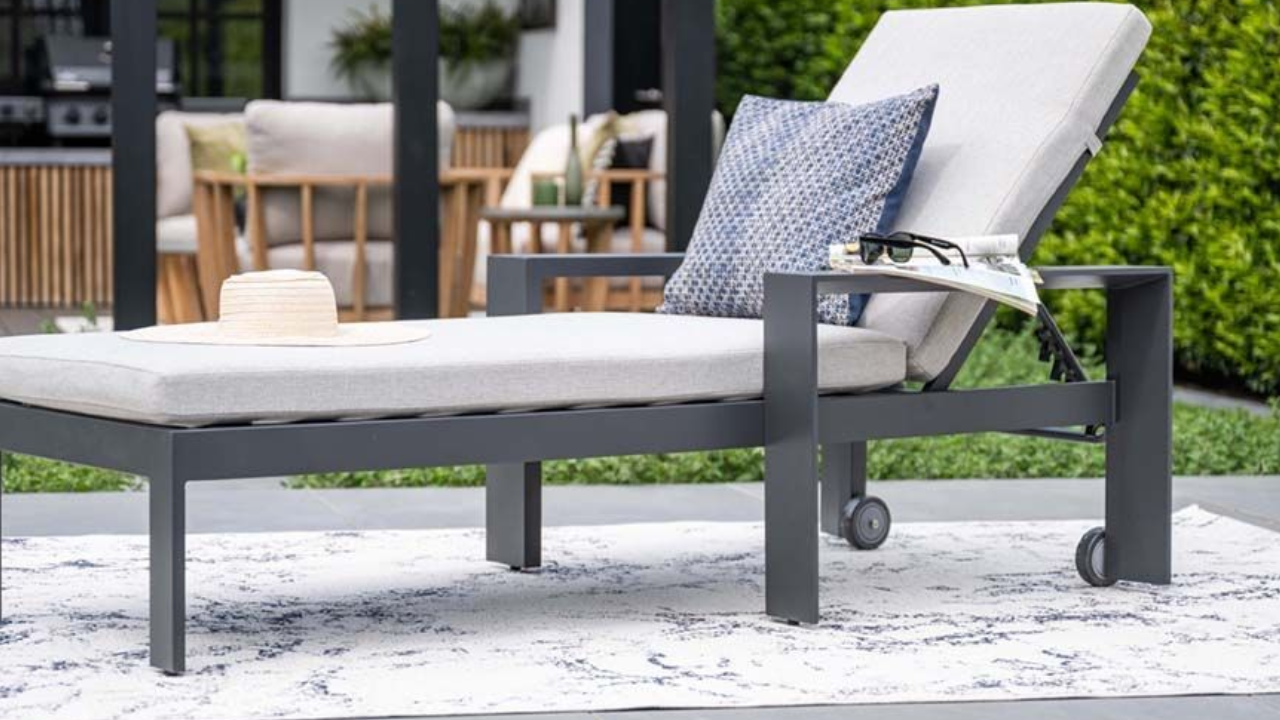

Rope or wicker? When you're going to buy a loungeset, this is probably the first major choice you'll encounter. Both materials look great, are durable and suitable for outdoors — but they are fundamentally different in terms of look, feel, maintenance and suitability for certain garden styles. In this article, we'll explain exactly what the difference is, so you can make a choice you won't regret for years to come.
What is rope?
A rope loungeset has a frame made of welded, anodised or powder-coated aluminium. Around this frame, PE rope (polyethylene rope) is wrapped or woven tightly. Each strand of rope is applied by hand, resulting in a tight, stylish and consistent finish.
The PE rope used for outdoor furniture is not comparable to ordinary rope. It is UV-resistant, moisture-repellent and colour-fast. High-quality rope sets from brands such as Garden Impressions and Boender Outdoor use thick ropes of at least 5–8 mm diameter for maximum durability and feel.
The appearance of rope is sleek and modern. The straight lines and taut upholstery give a neat, almost architectural look. Rope has grown enormously in popularity in recent years, partly because it fits well with contemporary garden styles featuring concrete, steel and neutral colours. Explore our range of rope loungesets.
What is wicker?
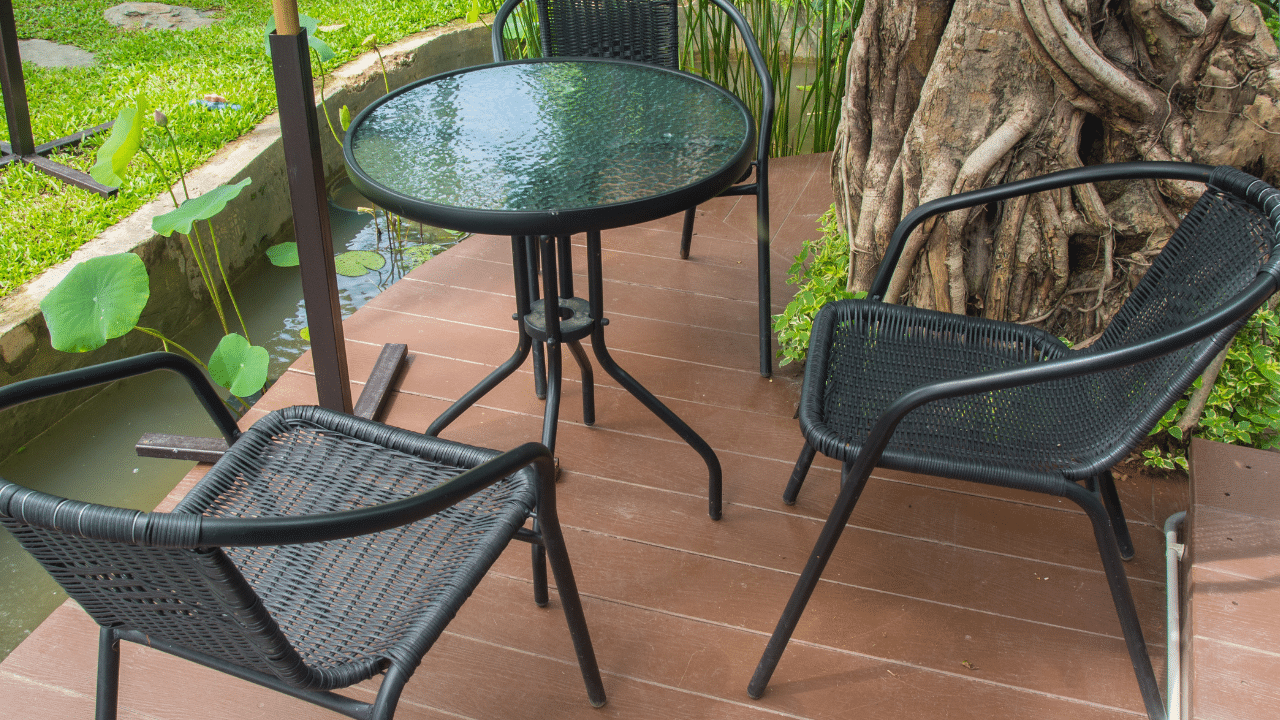
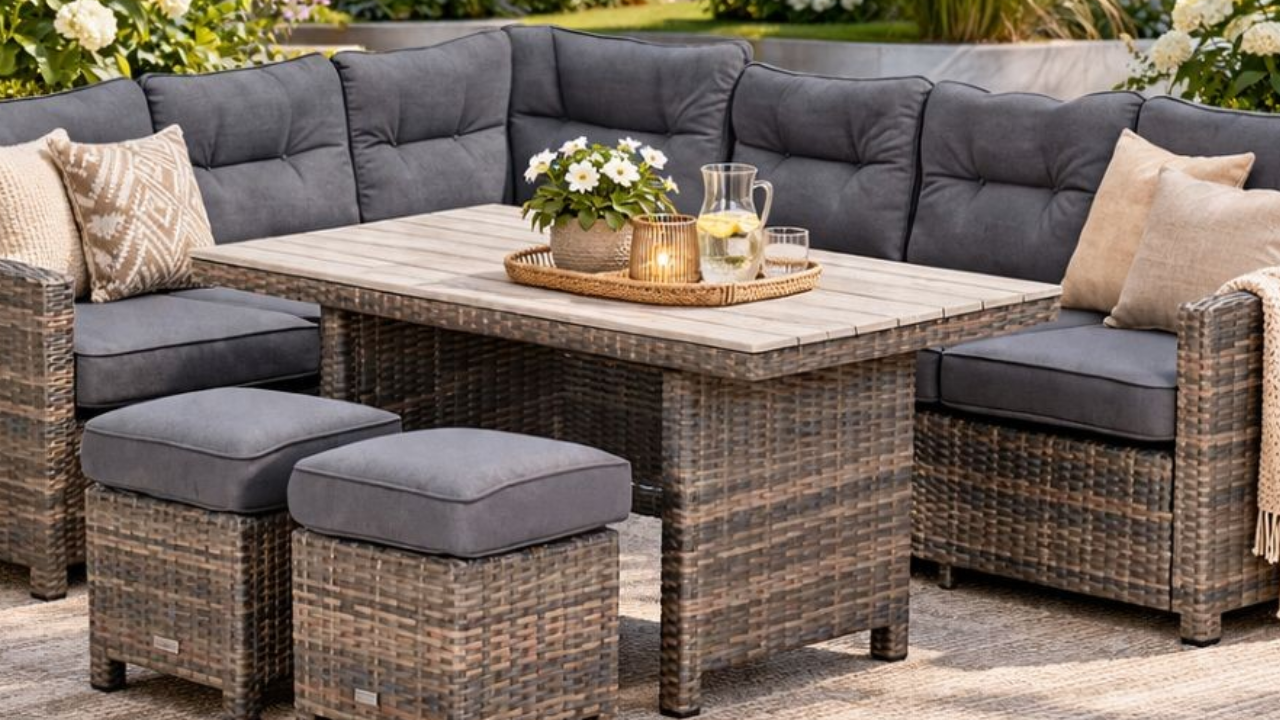
Wicker (also called PE-rattan or artificial rattan) also has an aluminium frame as its base. The difference is in the upholstery: here the frame is woven with PE-rattan fibres. These fibres are guided through a hole in the frame and woven around it, creating a typical weave pattern.
Previously, wicker furniture was made from real rattan, willow or bamboo — materials that quickly deteriorated outdoors. Modern outdoor wicker is synthetic PE-rattan, which has all the advantages of classic weaving without the drawbacks. It is UV-resistant, water-repellent and can stand outside for years without problems. Discover our wicker loungesets.
The appearance of wicker is warmer and more organic than rope. The woven structure has texture and playfulness, which fits better with Mediterranean, Ibiza, bohemian or classic garden styles.
Appearance and style: which is suitable for which garden?
Rope: modern and sleek gardens
Rope is the preferred choice for modern, minimalist or industrial gardens. The sleek lines and taut upholstery work extremely well with:
- Concrete or composite terrace surfaces
- Steel or concrete garden walls
- Minimalist planting
- Dark colour palettes (anthracite, black, navy)
Wicker: classic and warm gardens
Wicker fits better with a warm, inviting garden atmosphere. Think of:
- Mediterranean or Ibiza gardens with white walls and terracotta
- Cottage style with plenty of greenery and flowers
- Wooden or stone terrace flooring
- Light colour palettes (white, beige, light grey)
Comfort: how do they sit?
Both material categories sit comfortably, but there are subtle differences.
Rope has a firm, somewhat taut seating surface. This provides a straighter, more active sitting position. With cushions added, it is completely comfortable for hours of sitting. Without cushions, rope sits firmer but not hard.
Wicker has a slightly more springy seating surface due to the woven structure. Depending on the weave pattern and thickness of the fibres, it can give a little more. With cushions, there is no real comfort difference between the two.
The real comfort difference is therefore not so much in the frame material, but in the quality of the cushions. Always invest in good cushions, regardless of which material you choose. Explore our range of garden cushions for the best options.
Durability and weather resistance
Both materials are made for outdoor use and have good weather resistance. Yet there are subtle differences.
Rope
- UV resistance: Excellent. Quality PE rope fades hardly at all.
- Moisture resistance: Good. Water dries quickly because air flows past the ropes.
- Wear and tear: The rope can loosen or wear through with intensive use over the years, particularly at corners. Quality sets solve this with well-attached end knots and thicker rope material.
- Leaving outside: Can stay outside all year round, but a cover in winter is recommended.
Wicker
- UV resistance: Good with PE-rattan. Cheap wicker can discolour or become crumbly, quality wicker does not.
- Moisture resistance: Good. The weave pattern allows water through and the aluminium frame does not rust.
- Wear and tear: Loose threads can occur after years, particularly at sharp corners or if something regularly rubs against it. Quality wicker has seamless transitions.
- Leaving outside: Can also stay outside, but a cover in winter significantly extends the lifespan.
Maintenance: which requires more attention?
The good news: both materials require relatively little maintenance. But there are small differences.
Rope maintenance:
- Wiping down with water and mild soap is sufficient.
- For stubborn dirt, you can use a soft brush along the ropes.
- Check annually that the ropes are tight and that there are no loose end knots.
Wicker maintenance:
- Wipe down with water and mild soap — make sure the weave dries properly.
- Use a soft brush or toothbrush to get into the weave for deeper cleaning.
- Be aware: leaf debris and dirt can build up in the weave openings. A thorough rinse with a garden hose a couple of times a season is ideal.
Colour choice and availability
Rope is available in a wide colour range for the rope: from sand and beige to grey, black and sometimes colours such as olive green or rust brown. The colour of the aluminium frame is usually anthracite, white or black.
Wicker is usually available in natural brown, greyish-brown, anthracite, white or light grey. The weave pattern itself adds visual texture, so the colour choice is less decisive for the appearance.
Which should you choose?
Here is a practical summary to help with your decision:
- Choose rope if you have a modern, minimalist garden, like sleek lines, and value distinctive design.
- Choose wicker if your garden is decorated warmly and classically, you like woven texture, or you want to create a Mediterranean atmosphere.
- Choose rope if you want easy and quick cleaning without having to clean into crevices.
- Choose wicker if you want a familiar, timeless feel that never goes out of fashion.
Still unsure? Visit our showroom and sit in both types of sets for a while — you'll feel the difference immediately. Or browse our full range of loungesets for a comparative overview, including aluminium loungesets and chair-sofa loungesets as additional categories. Already certain about a corner loungeset? Then read our complete buying guide buying a corner loungeset: what to watch out for? Or check out our top 10 best loungesets of 2026 for concrete recommendations per category.
Frequently asked questions about rope and wicker loungesets
Which is more durable: rope or wicker?
At equal quality levels, both materials are approximately equally durable. The aluminium frame of both types lasts for decades. The PE rope (rope) and PE-rattan (wicker) are UV-resistant and weather-resistant. Quality sets from brands such as Garden Impressions last easily 10 to 15 years with normal use and a cover in winter.
Can a rope or wicker loungeset stay outside in winter?
Yes, both materials are weather-resistant. The cushions are best brought inside or stored in a dry cushion box. A protective cover over the frame is recommended to prevent soiling and unnecessary wear. The frame itself can handle the cold and moisture well.
Which material is easier to clean?
Rope is slightly easier to clean: you can simply run a cloth or soft brush over it. Wicker has a woven pattern with small openings where dirt can nest — here you need to work more thoroughly. For both: water and mild soap are sufficient.
Does a rope loungeset suit a classic garden?
Rope is mainly associated with a modern style, but this depends greatly on the colour choice. Warm colours such as sand or natural beige rope can also fit in a classic garden. Wicker generally gives the classic, warm appearance that suits a traditional garden more readily.