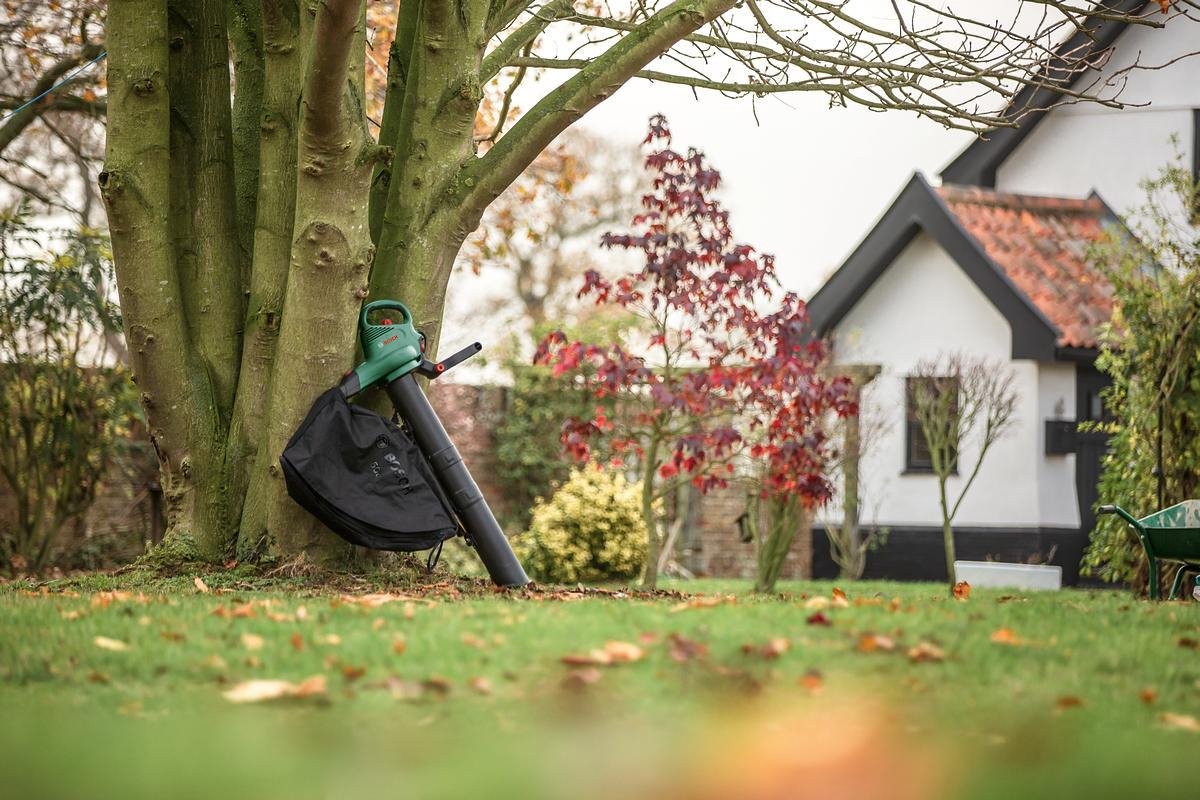

In October and November the leaves fall faster than you can keep up. A rake does the job well on a small lawn, but if you have a driveway, a patio with jointed paving or a garden with big trees, you'll soon be looking at a leaf blower. Then the choosing begins: battery, corded or petrol? Blower only, or also vacuum? And what do all those numbers mean? In this buying guide you'll read where each type excels, what to look out for and which leaf blower suits your garden. There's also a choice test and examples from Bosch, Makita, Einhell, Greenworks and Kärcher.
In short: first choose the type: a battery leaf blower suits most gardens, a corded model suits a small garden close to the house, and petrol is mainly for a large site. If you already own battery tools, stick with the same battery system. Then look at blowing power, weight and noise, and whether you also want to vacuum.
Battery, corded or petrol: the differences
The biggest choice is the drive type. It determines how free you are, how long you can keep going, how much noise you make and how much maintenance the machine needs.
| Type | Strong points | Watch out for | Suited to |
|---|---|---|---|
| Battery | No cable, quick to grab, quieter than petrol | Runtime depends on the battery | Patio, driveway, small to medium garden |
| Corded | No battery that runs flat, often also vacuums | Extension cable, limited reach | Small garden close to a power socket |
| Petrol | Lots of power, refuel any time | Noise, exhaust fumes, maintenance | Large site with lots of trees |
Battery: the all-rounder
A battery leaf blower is the choice of most garden owners. You take it out of the shed, click the battery in and off you go. No cable catching behind a plant pot, no petrol. The runtime depends on the battery: a battery with more ampere-hours (Ah) lasts longer, and on the highest setting it runs flat faster. Many battery leaf blowers are also sold without a battery (often as "solo" or "bare tool"). That's good value if you already have batteries from the same brand and system.
Corded: simple and always ready
An electric corded leaf blower has no battery that runs out halfway through. Many models combine a blower and a vacuum, such as the Bosch UniversalGardenTidy 3000. The drawback is the cable: you need an outdoor power socket and an extension cable, and the cable has to come along everywhere. In a small garden that's no problem, but on a large driveway it is.
Petrol: power for large areas
A petrol leaf blower is made for large surfaces: a long driveway, a yard or a garden with lots of trees. You refuel and carry on. On the other hand, a petrol engine makes more noise, gives off exhaust fumes and needs maintenance, such as the right fuel, an air filter and a spark plug. At Boender Outdoor you mainly compare battery and corded models; for an ordinary garden, in practice that is also the logical choice.
Choice test: which leaf blower suits you?
Still undecided? Answer four questions and see which type suits your garden best.
Battery, corded or petrol: which leaf blower suits your garden?
How large is the area where you want to remove leaves?
- A patio, driveway or garden up to a few hundred square metres
- A small garden or patio close to the house
- A large site or a yard with lots of trees
Do you already own battery tools?
- Yes, and I want to use the same battery
- No, and I don't want to bother with batteries either
- No, I prefer a motor that I refuel
How important is noise to you and your neighbours?
- Important: I prefer to work quietly and briefly
- Important, but I only blow for a few minutes
- Less important: I have space around me
Where do you blow the most?
- Everywhere: from the path, the patio and between the borders
- In a small area where I'd rather vacuum up the leaves
- Long stretches of lawn, driveway and yard
A battery leaf blower suits you. Free movement, quick to grab and relatively quiet. If you already have batteries, choose a solo model from the same system.
A corded leaf blower suits you, preferably a blower-vacuum combo. No battery to charge and the leaves go straight into the bag.
A powerful blower for large sites suits you. Look at petrol models or a heavy-duty battery blower with a large battery system, and plan on hearing protection.
Read which battery system to choose
Do you already own battery tools?
This is the question that saves you the most money. Many brands build their garden tools around one battery system: the same battery then fits your hedge trimmer, grass trimmer, lawnmower and leaf blower. If you buy a leaf blower from the same system without a battery, you only pay for the machine.
| Brand | System in the title | Example |
|---|---|---|
| Bosch | POWER FOR ALL 18V | UniversalLeafBlower 18V-130 |
| Gardena | 18V P4A (POWER FOR ALL) | PowerJet 18V P4A |
| Husqvarna | Aspire P4A | Aspire B8X-P4A |
| Makita | LXT 18V, or 2 x 18V | DUB362Z (2 x 18V) |
| Einhell | Power X-Change | GE-UB 18/250 Li E |
| Greenworks | 24V, 40V, 48V (2 x 24V), 60V | 40V blower and vacuum |
| Kärcher | 18V or 36V | LBL 4 Battery |
Pay close attention to the name of the system, not just the voltage. Two 18-volt batteries from different systems usually won't fit each other's machines. You can read how the systems of Bosch, Gardena, Makita, Einhell, Greenworks and Husqvarna relate to each other in one battery for all your garden machines: which battery system should you choose?
Don't just count the price of the leaf blower, but also that of the battery and the charger. A cheap blower from a system you don't have yet is often more expensive than a solo model from the system already in your shed.
Blowing or vacuuming too?
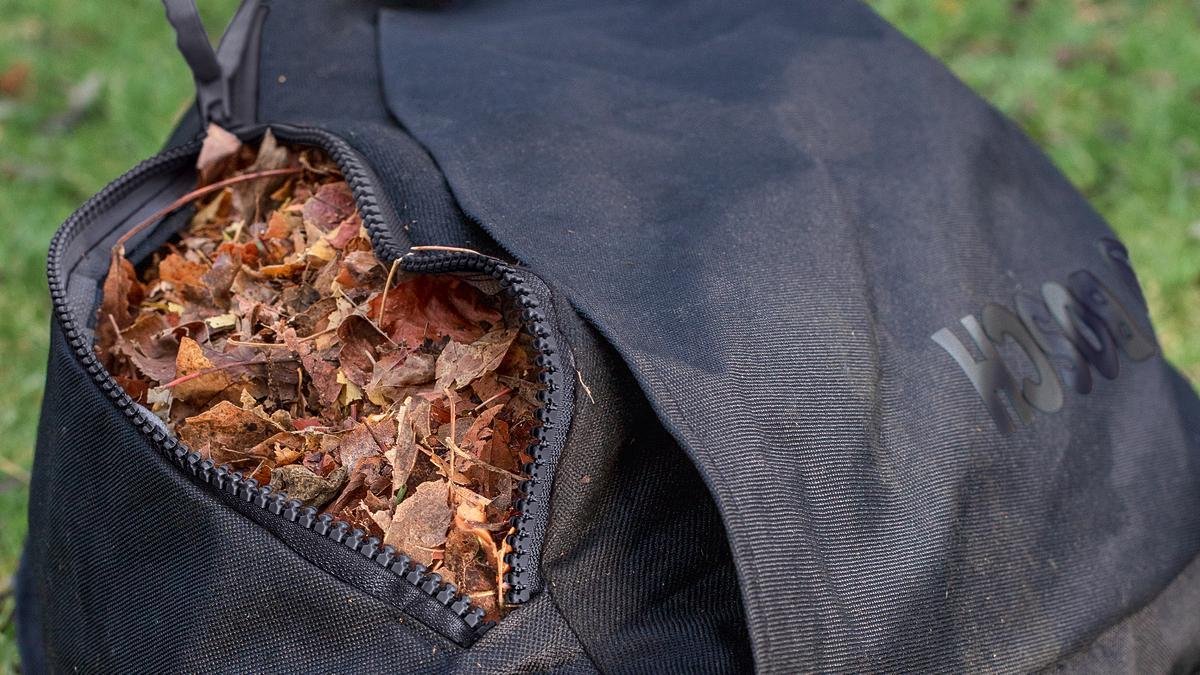
A standard leaf blower blows the leaves into a pile. A blower-vacuum combo can also vacuum: the leaves travel through the tube into a collection bag. On many combos the leaves are shredded on the way, so more fits in the bag.
| Blowing only | Blowing and vacuuming | |
|---|---|---|
| Weight | Usually lighter and more compact | Heavier, with the bag fitted to the machine |
| Speed | Fast on large areas | Slower, but the leaves are gone immediately |
| Handy on | Lawn, driveway, patio | Balcony, patio, gravel, corners |
| Examples | Bosch UniversalLeafBlower | Bosch UniversalGardenTidy 3000, Greenworks 40V |
For a lawn with lots of leaves, blowing them into a pile and then scooping them up is usually faster. A leaf rake stays handy for this, for example the Fiskars ergonomic leaf rake, 51 cm wide. Vacuuming is especially useful in places where you can't blow the leaves anywhere.
What should you look for in a leaf blower?
There are lots of numbers on the box. These are the most important ones, and what they mean for you:
| Feature | What it means | What to look for |
|---|---|---|
| Air speed (km/h) | How hard the air comes out of the tube | Higher helps with wet and stuck-on leaves |
| Air volume (m³/h or m³/min) | How much air passes through per unit of time | Higher moves large piles faster |
| Voltage and Ah | Power and capacity of the battery | More Ah means working for longer |
| Power (W) | For corded models: how much electricity it uses | Says something about power, not everything |
| Weight | What you hold in your hand | Weigh it with the battery fitted |
| Noise (dB) | How loud the machine is | Lower is nicer for you and your neighbours |
- Speed and volume go together. High air speed with low volume gives a narrow jet; lots of volume at low speed pushes a wide pile. Look at both, and at reviews from buyers at the shop.
- Adjustable speed or turbo setting. Blow gently between the plants, go full power on the driveway. A turbo setting is handy, but it drains the battery faster.
- Balance and grip. A blower that hangs forward feels heavy after ten minutes. A top handle and the battery at the back help the balance.
- Battery and charger included? With "solo", "bare tool" or "without battery", no battery or charger is included. With "kit" or "set" there usually is. Check this in the title and the product information.
Hearing protection is not an unnecessary luxury
A battery leaf blower also makes quite a lot of noise, especially close to your ears. For longer jobs, wear hearing protection and safety glasses: a blower also lifts sand and small stones.
Six leaf blowers from the comparison
To make the choice concrete, below you'll find six available leaf blowers from different brands and systems. The specs come from the title and the product information; you'll see the current price and shop on the cards.
| Leaf blower | Drive | Special feature |
|---|---|---|
| Bosch UniversalLeafBlower 18V-130 | Battery 18V | POWER FOR ALL |
| Makita DUB186ZX1 | Battery 18V | Solo, LXT |
| Einhell GE-UB 18/250 Li E Kit | Battery 18V | Kit with battery and charger |
| Greenworks 40V | Battery 40V | Blowing and vacuuming |
| Kärcher LBL 4 Battery | Battery 36V | With battery and charger |
| Bosch UniversalGardenTidy 3000 | Corded, 3000 W | Blowing and vacuuming |
Bosch UniversalLeafBlower 18V-130: for the POWER FOR ALL system
A compact blower that runs on POWER FOR ALL 18V batteries, Bosch's system that Gardena also uses. Handy if you already have a Bosch or Gardena machine with one of these batteries.
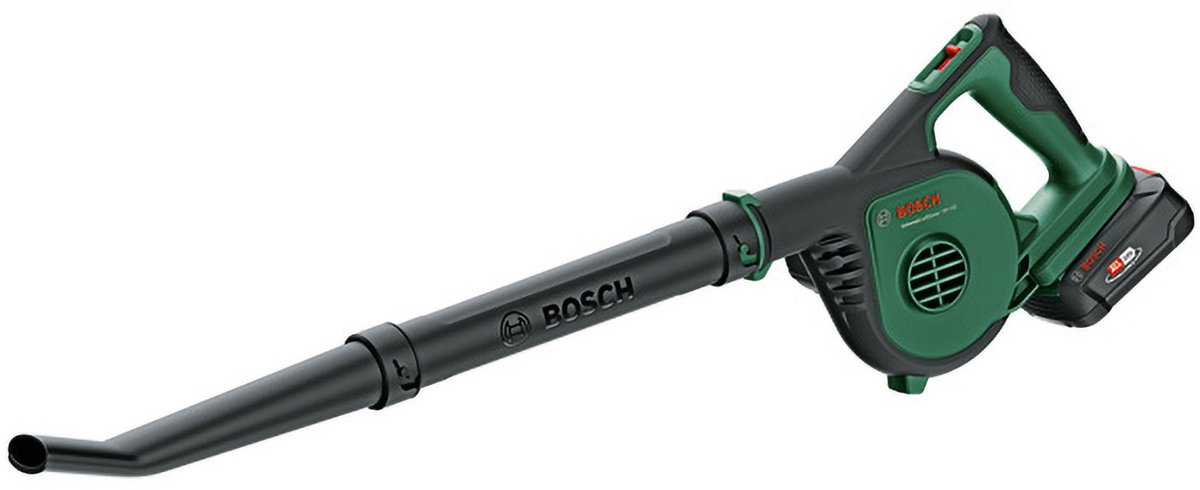
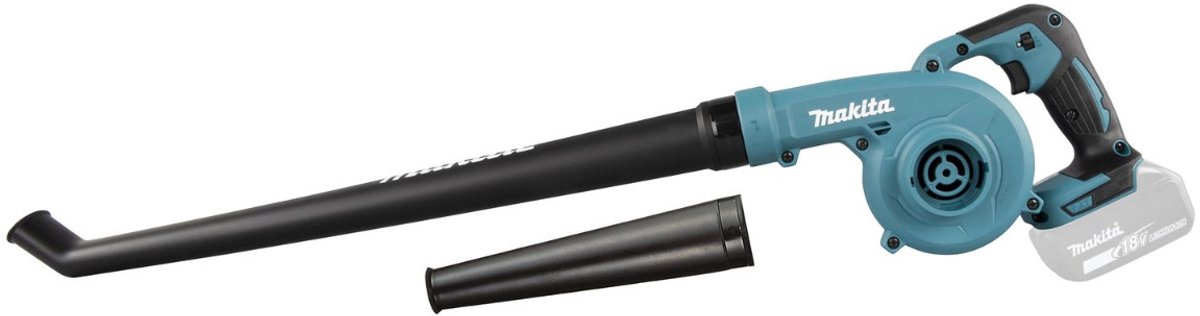
Makita DUB186ZX1: solo for those who already have LXT
An 18V Makita blower without battery and charger. If you already have Makita tools with LXT batteries at home, this is a good-value way to add a blower.
Einhell GE-UB 18/250 Li E Kit: complete in the box
A universal blower from Einhell on the Power X-Change system. The kit includes a battery and a charger, so you can get started straight away. If you want more machines later, the same battery fits other Power X-Change devices.
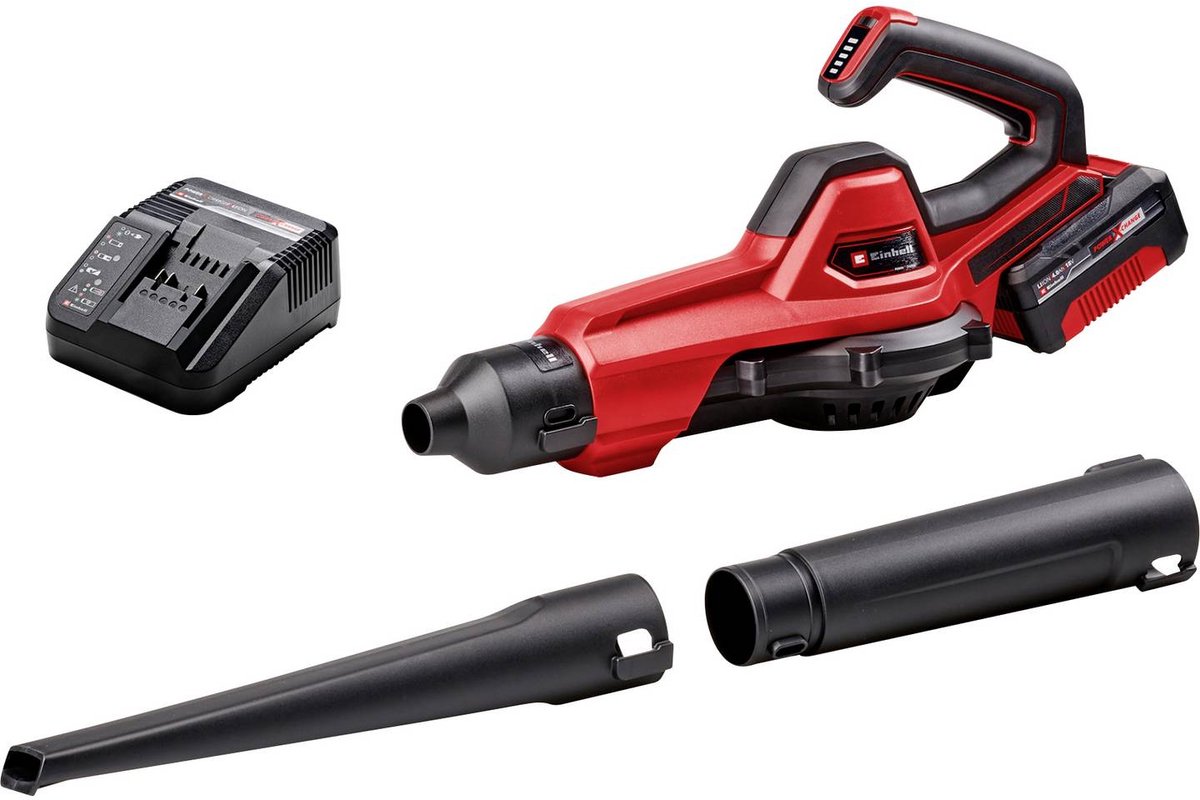
GE-UB 18/250 Li E Kit
Greenworks 40V: blowing and vacuuming on battery
A blower-vacuum combo on 40 volts, with two 2 Ah batteries. Handy if you prefer to vacuum up the leaves on a patio or balcony rather than blow them away, and without a cable.
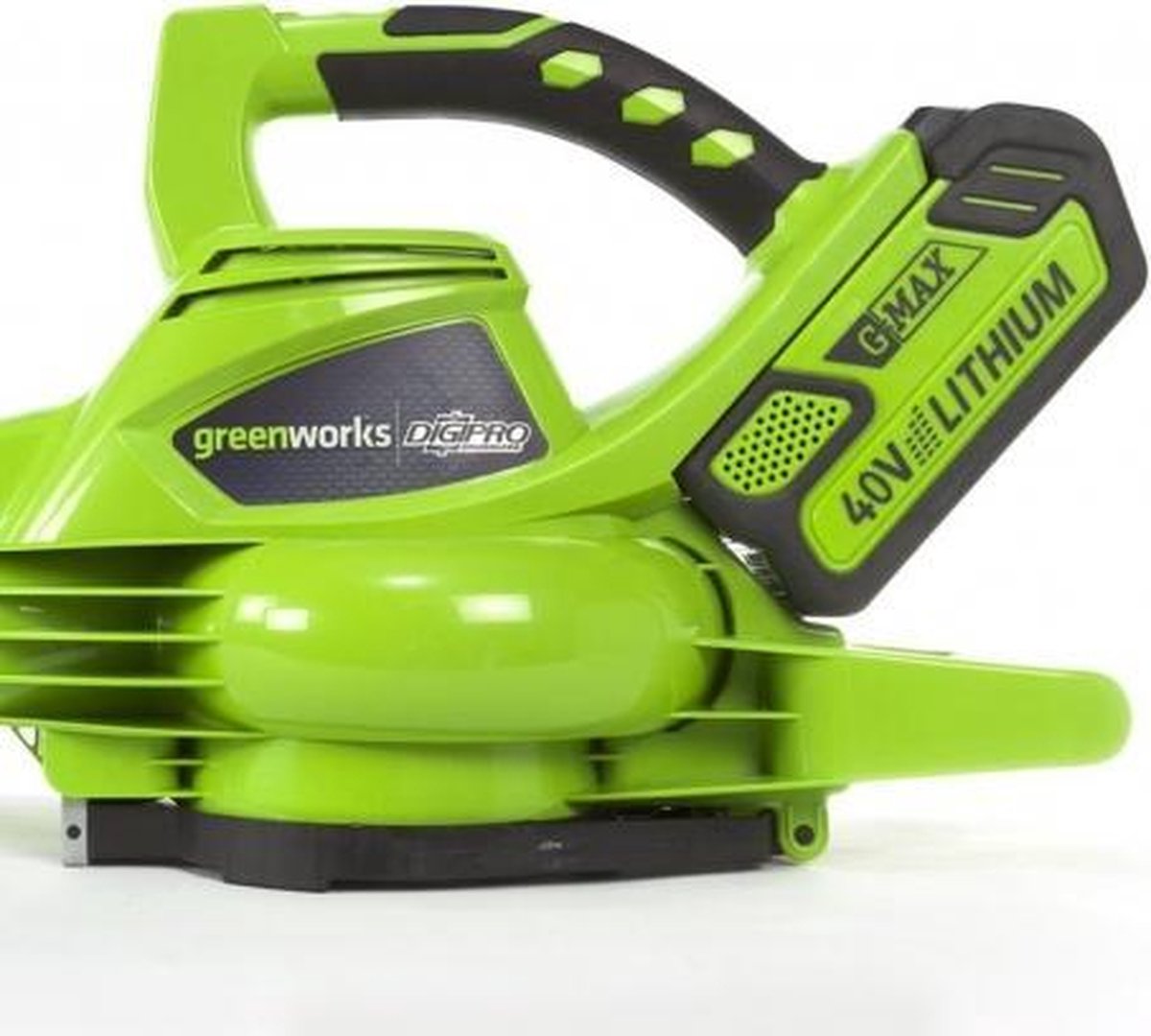
Leaf blower and leaf vacuum 40V
Kärcher LBL 4 Battery: 36 volts for more work
A Kärcher cordless blower on 36 volts, supplied with a battery and charger. A logical choice if you already have Kärcher machines on the 36V system, or if you have a somewhat larger garden.
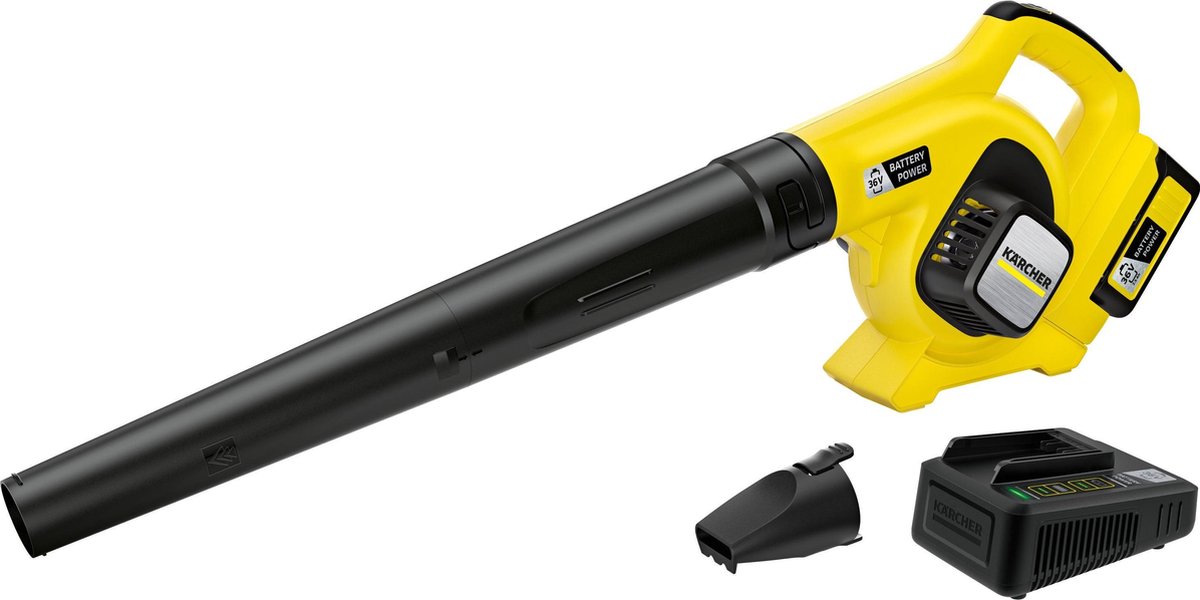
LBL 4 Battery 36V
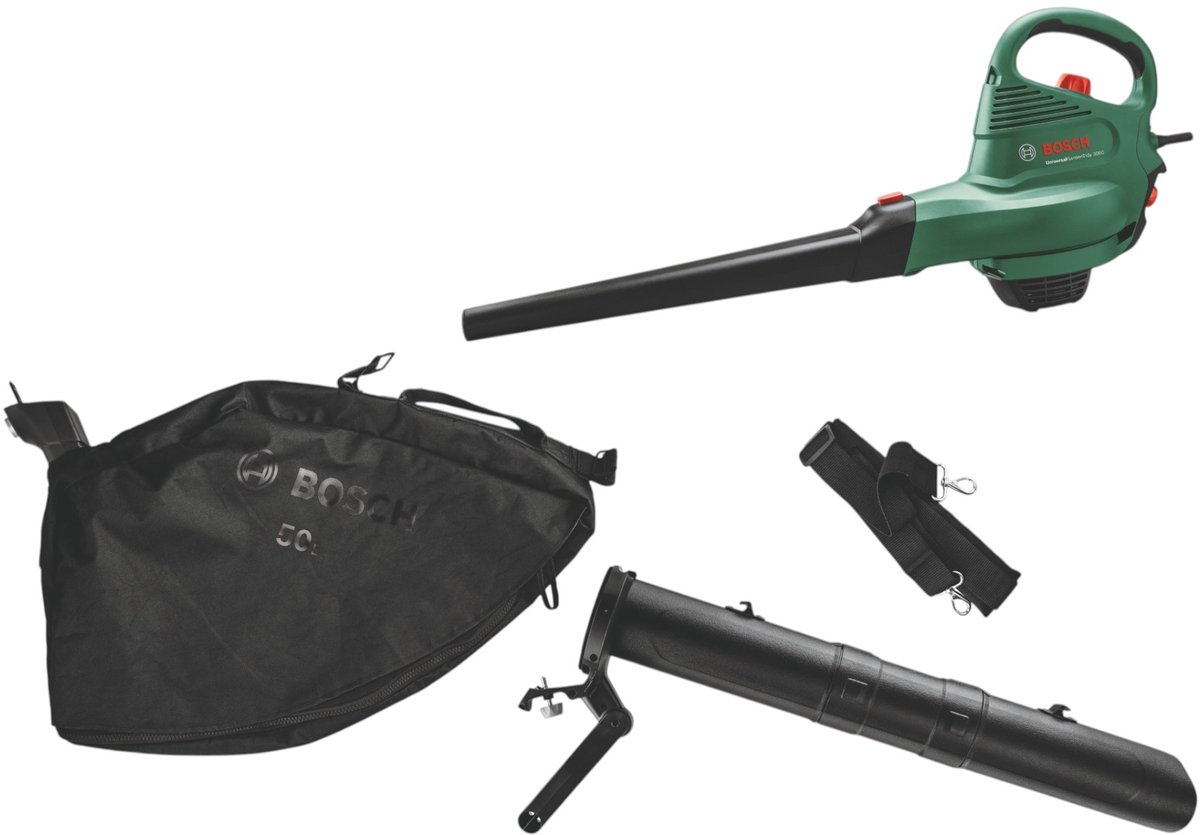
Bosch UniversalGardenTidy 3000: corded, blowing and vacuuming
An electric blower-vacuum combo of 3000 W. No battery to charge: plug it in and go. When vacuuming, the leaves go into the collection bag. Ideal for a small garden close to a power socket.
Also worth a look:

Makita DUB362Z: 2 x 18V
View blower →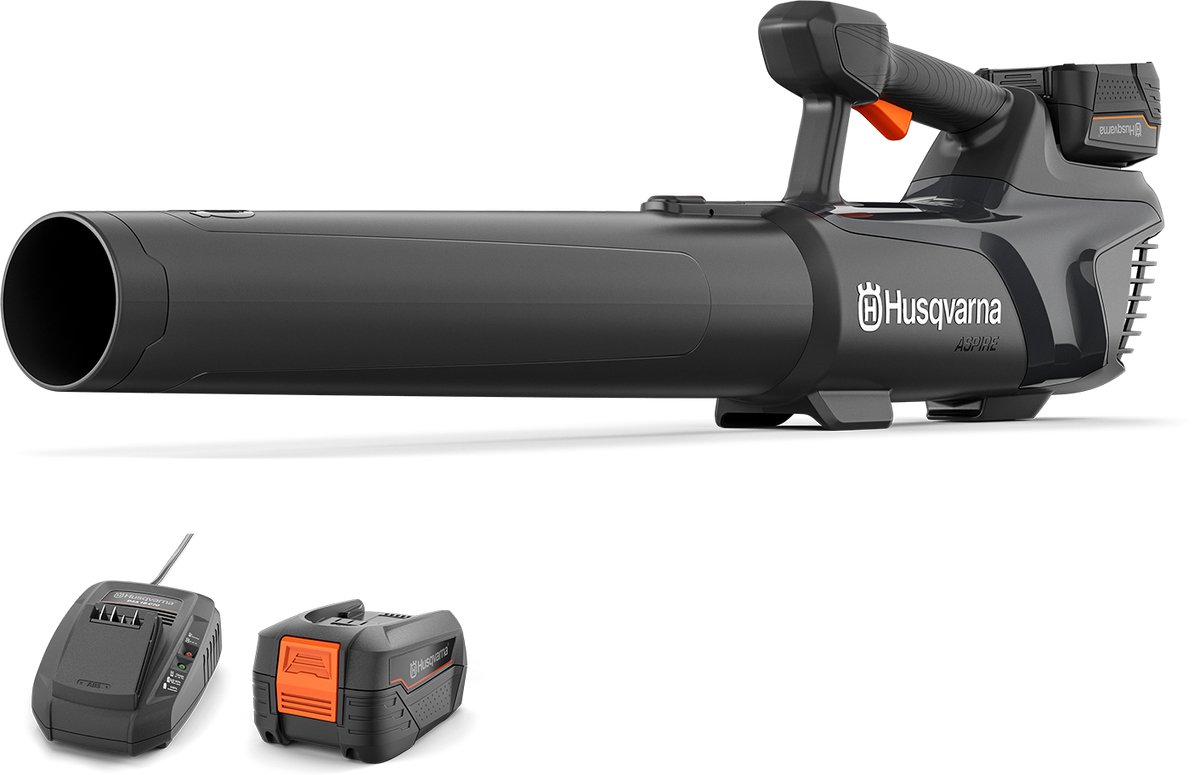
Husqvarna Aspire B8X-P4A
View blower →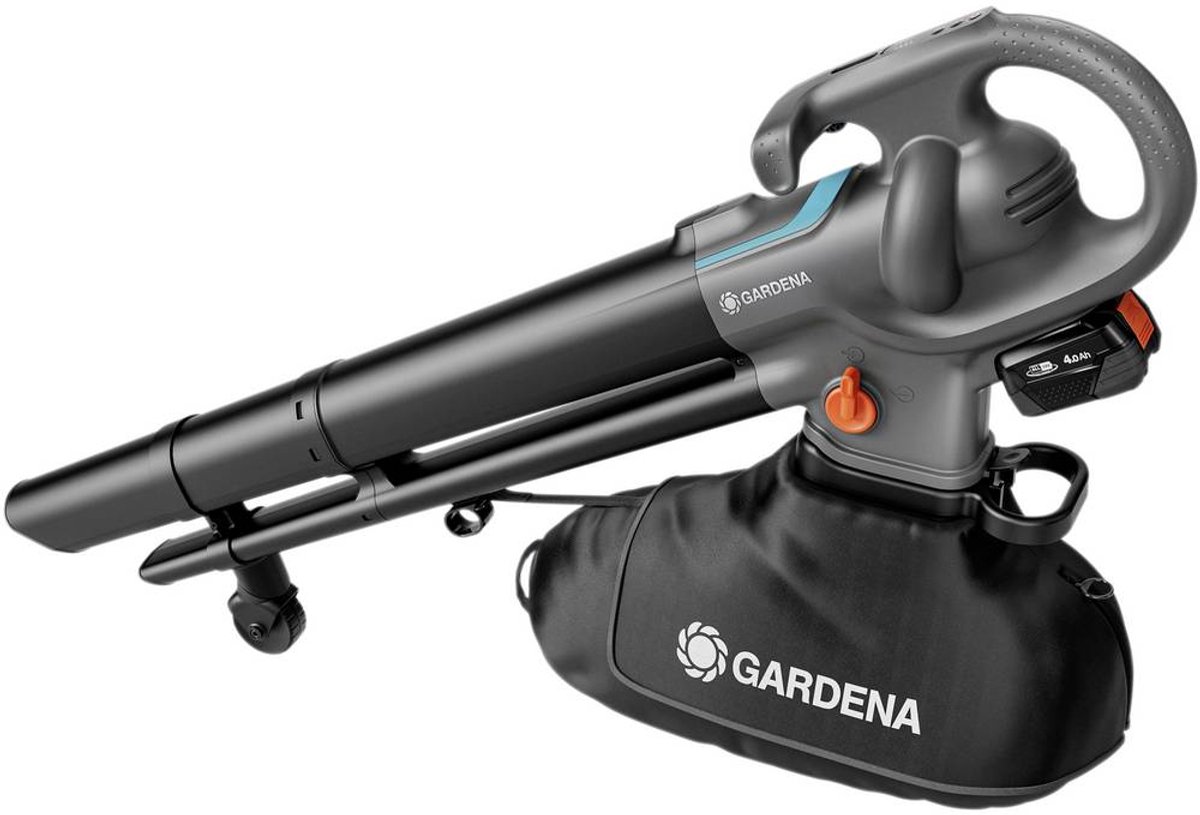
Gardena PowerJet 18V P4A
View blower →How to choose quickly
- Small garden close to the house: corded, preferably blowing and vacuuming
- Ordinary garden, patio and driveway: battery
- Large site with lots of trees: petrol or a heavy-duty battery blower
- Batteries already at home: choose a solo model from the same system
- Pay attention to air speed and air volume, weight with battery and noise
How to blow smartly: step by step
With the right approach you'll be finished in half the time. Here's how to go about it:
Dry leaves blow much more easily than wet leaves that stick to the paving. After a few dry hours, most of the leaves come loose on their own.
Blow in the direction the wind is blowing. Against the wind, the leaves will blow back to where you just were.
Choose a corner or a sheet on the lawn and blow everything in strips towards that spot. That way you only have to scoop up once.
Start gently between plants and on gravel, and only switch to the highest setting on open areas. That saves the battery and your plants.
Shovel the leaves into the green waste bin, onto the compost heap or under the shrubs. Some can stay in the border as a natural blanket.
Leaves in borders and under shrubs can often simply stay put: they protect the soil against frost and provide shelter for insects and hedgehogs. Do remove them from the lawn, paths and patio, where they become slippery and cause green algae. You can read more about this in removing green algae from your patio and cleaning your patio by surface type.

Common mistakes
Buying a blower from a new battery system
If you already have batteries from one brand, a blower from another system means paying twice: another battery, another charger. First check what is already in your shed.
Only looking at km/h
A high air speed on its own says little. Without enough air volume, the machine blows a narrow jet and you move few leaves at once.
Blowing wet leaves away
Wet leaves stick to the ground and need much more power. Your battery runs flat faster and the result is messy. Wait for a dry day or use a leaf rake.
Vacuuming up gravel and pebbles
With a blower-vacuum combo, twigs, stones and pebbles don't belong in the tube. So don't vacuum too close to the ground on gravel, or blow the leaves to an open spot first.
Starting early in the morning
A leaf blower is easy to hear. Your neighbours will thank you if you don't start at seven o'clock on a Sunday morning.
Checklist before you order
- You know whether you want battery, corded or petrol
- You've checked which battery system you already have at home
- You know whether a battery and charger are included (solo or kit)
- You've chosen between blowing only or also vacuuming
- You've looked at air speed, air volume and weight
- You have hearing protection and safety glasses
- You know where the leaves are going: green waste bin, compost or border
After the leaves, your hedge is next: read trimming your hedge in autumn. And before winter arrives: getting garden tools ready for winter, with tips on storing your batteries. You can compare all machines at garden tools.
Frequently asked questions
Which is better: a battery leaf blower or a corded one?
It depends on your garden. A battery leaf blower is cordless and quick to grab, ideal for a patio, driveway and small to medium-sized garden. A corded leaf blower has no battery that can run flat and often can also vacuum, but you're tied to a power socket and an extension cable. If you already own cordless tools from a brand, a battery model from the same system is usually the smartest choice.
How long does a leaf blower battery last?
This varies greatly by model, by battery and by setting. A battery with a higher amp-hour (Ah) rating lasts longer, and on the highest setting or with a turbo button it runs down faster. Check the product information for the stated runtime with a specific battery, and for a large garden, plan on a second battery.
Is a leaf vacuum useful?
A blow-vacuum combination sucks up leaves into a collection bag. It's handy for places where you can't blow the leaves to, such as a balcony, patio or gravel. For large amounts of leaves on a lawn, blowing them into a pile and scooping them up is often quicker. When vacuuming, watch out for twigs and stones: they don't belong in the bag.
When should I remove leaves from the lawn?
As soon as there's a layer of leaves on the grass that blocks the light. If leaves lie for weeks, the grass gets too little light and bare or yellow patches can develop in the lawn. Leaves in the flower border can often be left in place: they protect the soil and provide shelter for insects and hedgehogs.
Does Boender Outdoor sell leaf blowers itself?
No. Boender Outdoor compares garden tools and shows you where you can buy them. You order and pay at that shop, and that's also where you arrange delivery, returns and warranty.