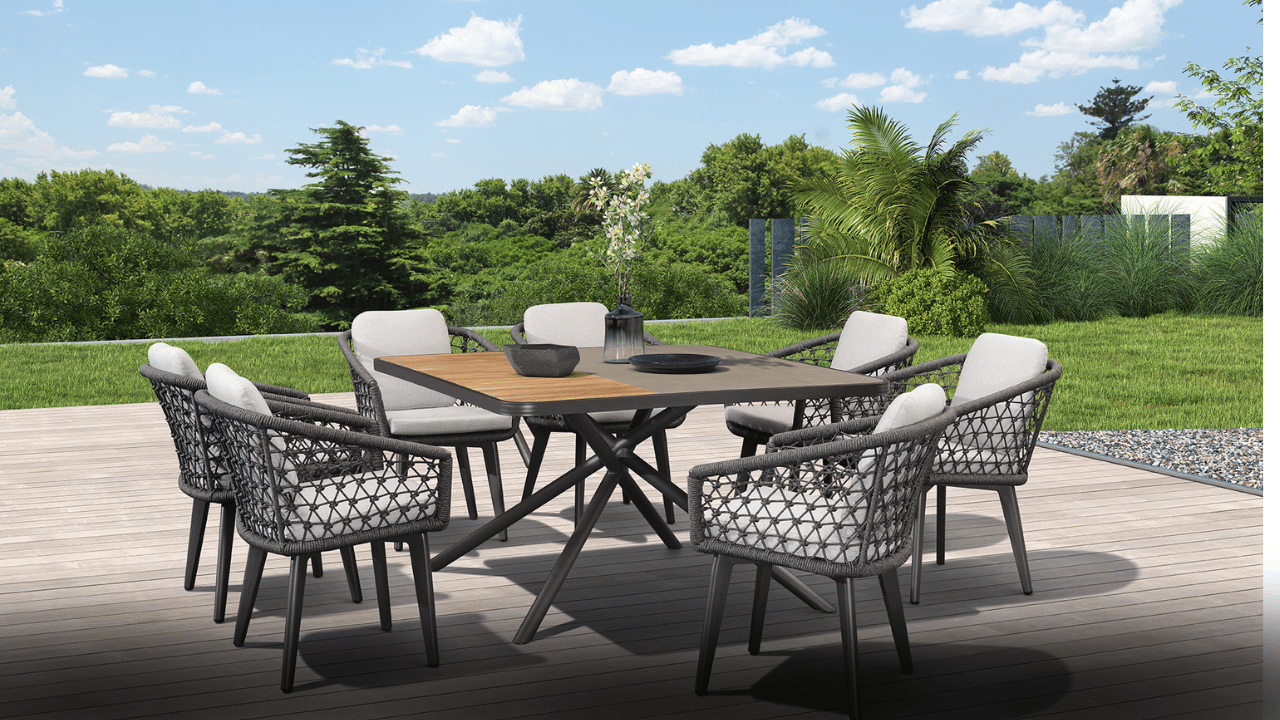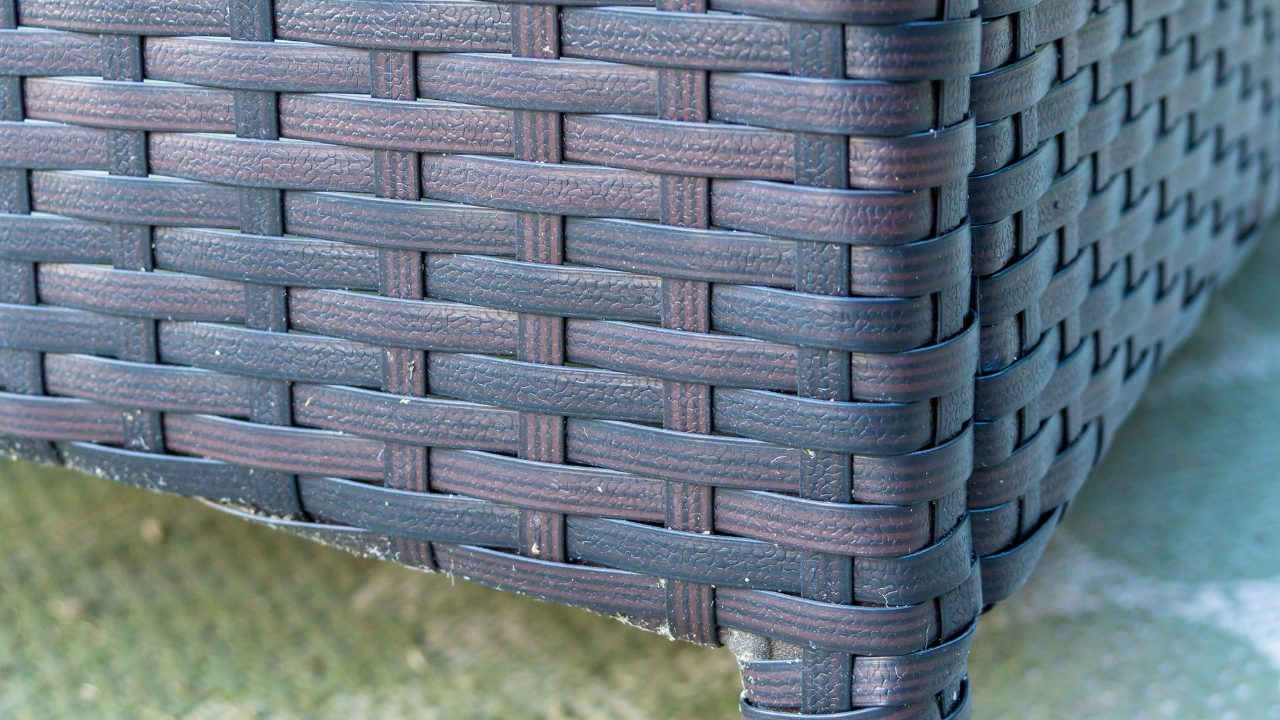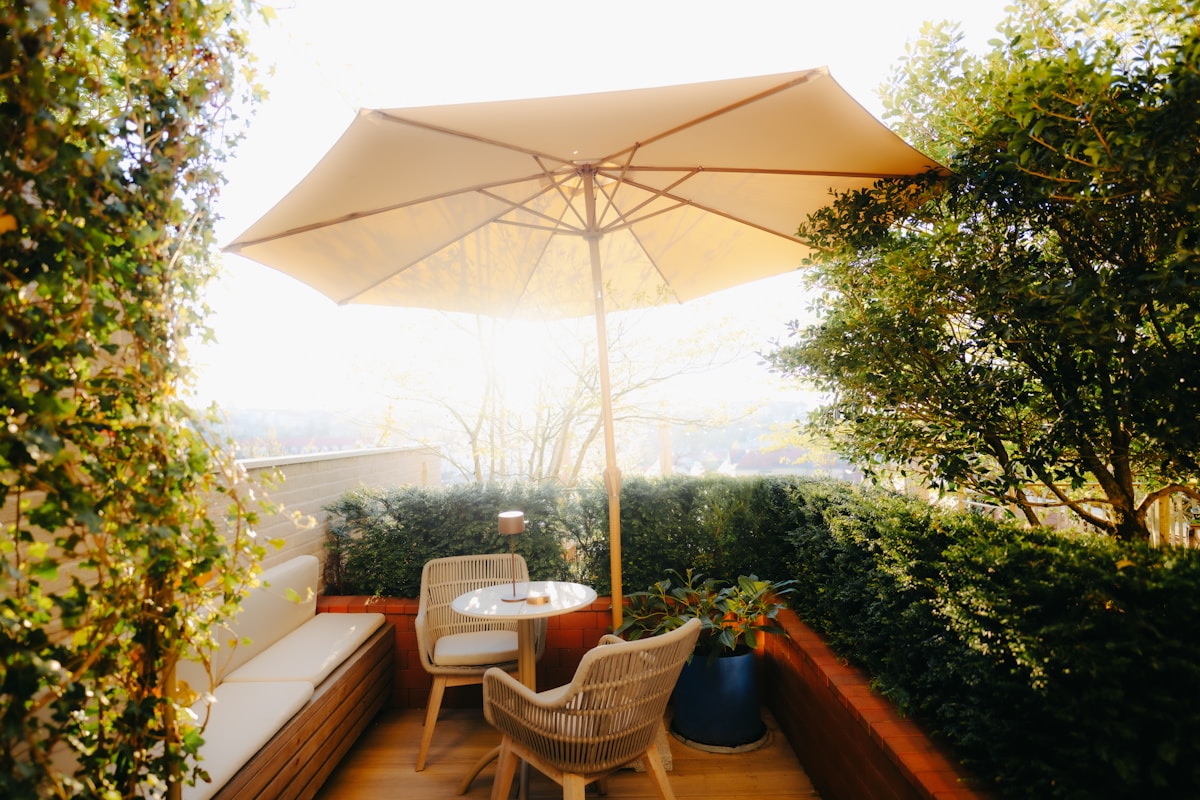


A garden chair, a table, a parasol and a sunbed: anyone furnishing a terrace from scratch is often shocked by the total. Why does a garden chair cost more than a chair for indoors, and why does one parasol look exactly like another in the photo while the price is worlds apart? In this article you'll read what you're really paying for with garden furniture: materials, weather resistance, construction, cushions, transport and the season. For each product group you'll see where the difference lies and what to look out for, with examples from the range. That way you can tell when a higher price is worth it, and when it isn't.
In short: garden furniture is expensive because it has to cope with sun, rain and frost all year round, is made from weather-resistant material, and is delivered as a large, heavy package within a short season. You get good value by paying for what you notice every day (frame, tabletop, fabric) and saving on size and extras you rarely use. Compare the specifications, not the photo, and check the price chart before you order.
Where does the price difference come from?
Indoor furniture stands in a dry place, on a flat floor and at room temperature. Garden furniture stands in harsh sun, in the rain, sometimes in frost, and on a terrace that isn't always level. Everything that has to withstand this costs more in material, more processing or a more expensive base material. The table below shows the parts that make the biggest difference, and what to look for in the product information.
| Component | Where the difference lies | What to look for |
|---|---|---|
| Frame | Material and coating | Aluminium, steel or wood; maintenance |
| Tabletop | Stone, ceramic, wood or plastic | Scratch-resistant, all weather, weight |
| Upholstery | Textilene, rope or cushion | Dries quickly, max. load |
| Parasol canopy | Fabric type and gsm | Coating, colourfastness, UV |
| Cushions | Filling and cover | Thickness, water-repellent, washable |
| Construction | Joints and mechanisms | Adjustment, sturdiness, warranty |
| Delivery | Large and heavy package | Packaging size, delivery |
Brand and design also play a part. A distinctive look or a well-known name makes a piece more expensive, but that doesn't automatically mean it will last longer. You can read how to assess a brand in what is a good garden furniture brand. If you're specifically looking for information on lounge sets, with wicker and large cushion sets, read why are lounge sets so expensive.
Materials: frame, top and fabric
Material is the biggest price factor, and that applies to every type of garden furniture. Look at each component separately: the frame, the tabletop or seat, and for parasols, the canopy.
The frame
Plastic is lightweight and usually the cheapest, but less sturdy and can fade in the sun. Steel is strong, but heavy and will rust if the coating is damaged. Aluminium is lightweight, doesn't rust like steel and needs little maintenance; that's why you see it on many garden chairs, tables, sunbeds and parasols. Wood such as acacia or teak gives a warm look, but needs oil to stay beautiful. You can read more about aluminium in what is aluminium, and about wood in popular wood types for garden furniture.
The tabletop
With tables, a large part of the price is in the top. An aluminium top is simple. Vironwood gives the look of wood without sanding or oiling (read what is Vironwood). Stone and ceramic tops, such as Centostone, are heavier and usually fall into a higher price bracket, but they are very scratch-resistant. You can read how to care for such a top in what is a Centostone garden table.
Fabric and upholstery
A chair or sunbed with textilene upholstery doesn't need thick cushions: the fabric is sturdy, open-woven and dries quickly. A chair with cushions is softer to sit on, but those cushions need to be stored dry. With parasols, the biggest differences are in the canopy: polyester, acrylic or an open-woven HDPE fabric, each with its own gsm. You can find more about this under parasols.
Weather resistance
Weather resistance isn't a yes-or-no quality. It's about how well a piece of furniture copes with sun, water and temperature changes, and how much effort it takes you to keep it that way. This is what you pay for:
- Coating: a powder coating on aluminium or steel gives colour and protects the metal. An even, dense layer without bare spots lasts longer.
- UV: sunlight fades plastic, fabric and wood. Fabrics with UV protection or a colourfast canopy keep their colour for longer.
- Water: a water-repellent coating lets raindrops run off, but it is not the same as waterproof. That's why you should always dry cushions and canopies before storing them.
- All weather: some products are listed as All Weather in the specifications. Even then, a protective cover keeps out dirt, leaves and moisture.
You can read which materials can best handle the Dutch weather in which garden furniture is weather-resistant. If you want to spend as little time as possible looking after your furniture, have a look at all weather garden furniture.
When working out the price, don't just count what you pay today, but also what the furniture will ask of you afterwards. A wooden chair that needs oil every season and a chair you can keep clean with a bit of soapy water may cost the same in the shop, but not in time or maintenance products.
Construction and finish
You rarely see how a piece of furniture is put together from a product photo, but you notice it after a few seasons. A sturdy construction requires more material and more work:
- Joints: neatly finished welds and joints that don't wobble. A chair you screw together yourself needs tightening from time to time.
- Mechanisms: an adjustable backrest, a tilting parasol or a height-adjustable table has extra parts. These make the furniture more expensive, and they need to keep working for years.
- Load: chairs and sunbeds often list a maximum load in the specifications. That says something about how sturdy the frame is.
- Finish: caps on the feet, rounded edges and a coating without bare spots. Small details, but they determine whether a piece still looks neat after a few years.
Warranty is a useful yardstick. Many garden furniture items in our comparison list a 2-year manufacturer's warranty in the specifications, including more expensive models. A higher price therefore doesn't automatically mean longer peace of mind. You can read how long furniture lasts in practice in which garden furniture is the most sustainable and how long do garden chairs last.
Cushions and filling
Cushions are often seen as a minor detail, but they add quite a lot to the price of a chair, sofa or sunbed. Each cushion consists of a filling and a cover, and outdoors both need to withstand moisture.
- Filling: thicker foam feels softer but dries more slowly. Quick-drying foam lets water pass through more easily; read about quick dry foam.
- Cover: most outdoor cushions have a polyester cover, often water-repellent. A removable, washable cover makes cleaning easier.
- Included or separate: a chair without cushions looks like better value, but if you want a soft seat, you'll have to buy them separately. So always compare with and without cushions.
A chair or sunbed with textilene upholstery doesn't need a cushion and dries by itself after a shower. That saves storage space and an extra purchase. Need to replace or add cushions? Have a look at garden cushions.
Transport, volume and delivery
Garden furniture is bulky, and you notice that in the price. A 230 cm long table won't fit in an ordinary box: according to the specifications, the Scotland garden table is delivered in a package measuring 123 x 238 x 20 cm. A large cantilever parasol like the Platinum Icon has a packaging length of 295 cm and the package weighs 38 kg. Packages like these take up a lot of space, in the warehouse, during transport and in the delivery van.
That also explains why shops sell off stock after the summer: large furniture that spends a winter in the warehouse takes up space. For you, it means checking the delivery options and lead time at the shop, and making sure you can receive the package and get it into your garden.
The season
Garden furniture sells mainly in spring and early summer. Everyone wants a new table or parasol at the same time, and discounts are rare. After the summer holidays, demand drops and shops clear their stock. You can read the monthly pattern in when to buy a garden set and when do garden furniture sales start. Around Black Friday there are deals, but even then, check whether a price is really lower than in the weeks before.
Look at the price chart, not the discount
On every product page you can see the price history with the lowest and highest price for each period. If today's price isn't below the lowest price of the past 30 days, set up a price alert. You'll need a free account for that. Everything currently priced below the original price can be found under deals.
What you pay for by product group
The factors above apply to all garden furniture, but for each type of furniture, some weigh more heavily than others. Here's what to look for in each product group.
| Product | Where the difference lies | Check in the specs |
|---|---|---|
| Garden table | Tabletop and size | Top material, all weather |
| Garden chair | Frame, seat, adjustment | Upholstery, max. weight |
| Parasol | Canopy, pole, mechanism | Fabric, gsm, base |
| Sunbed | Frame and lying surface | Positions, weight, load |
| Garden bench | Material and length | Wood or aluminium, maintenance |
Garden tables: the top determines the price
With a table, you mainly pay for the top and the size. A larger top means more material, and a stone or ceramic top is heavier and more expensive than aluminium or plastic. In return, you get a top that is scratch-resistant and can stay outside. Also check the space under the table if you plan to add chairs with armrests. More in the best garden table of 2026.
Garden chairs: seat and adjustment
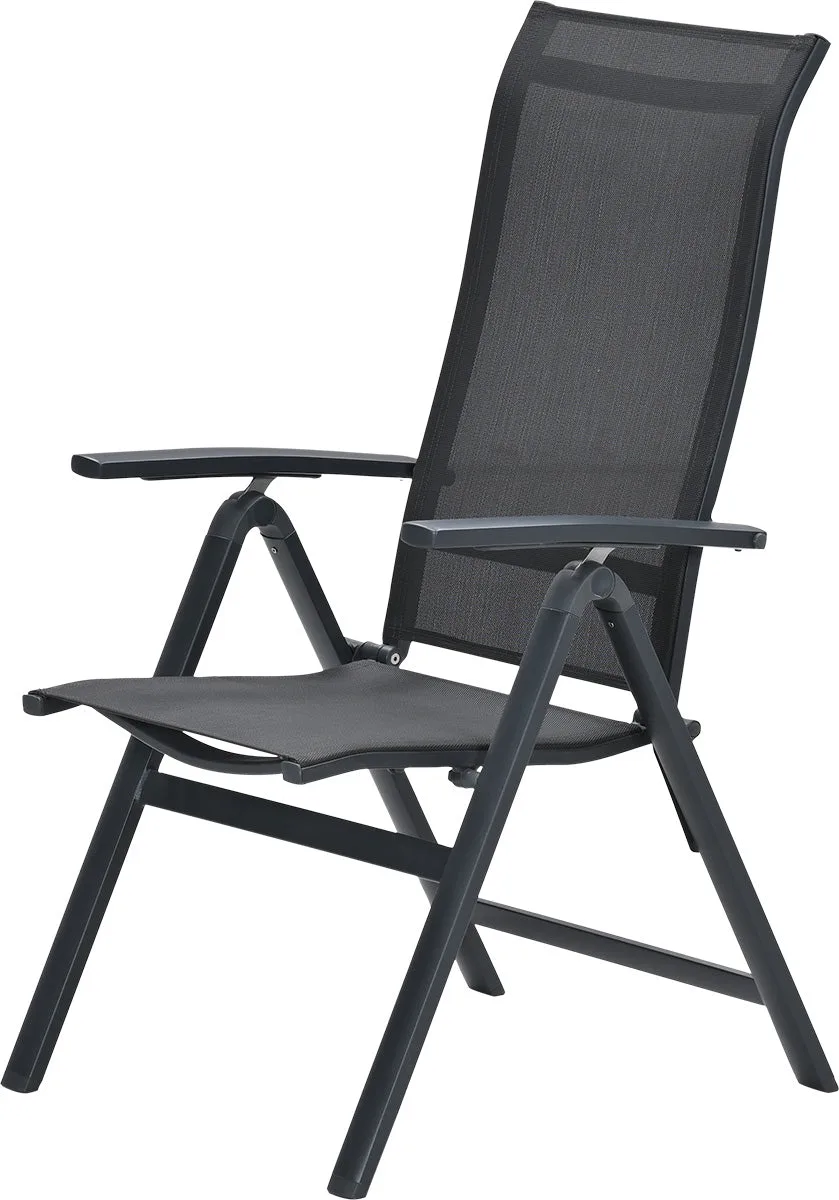
With chairs, the difference lies in the frame, the seat and the features. An adjustable backrest has more parts than a fixed back. Textilene upholstery needs little maintenance, while a wooden chair needs oiling. And because you usually buy four or six chairs, every difference in price counts several times over.
Parasols: the canopy and the pole
With a parasol, you pay for the canopy, the pole and the mechanism. A polyester canopy with coating, an acrylic canopy described as colourfast, or an open HDPE canopy that lets wind and water through: they each behave very differently. A cantilever parasol also has an arm and often a rotating and tilting mechanism. Don't forget the base: it isn't always included. Read buying a cantilever parasol, what to look out for and which parasol base do you need.
Sunbeds: frame and lying surface
With sunbeds, look at the frame, the lying surface and the adjustment. An aluminium frame with textilene is lightweight and dries quickly; a sunbed with a thick cushion is softer to lie on but needs storage space. The number of backrest positions and the maximum load are usually listed in the specifications.
Five examples from the range
To make the quality features from this article concrete, here are five products available from us. Each product shows one feature you pay for. The specs come from the product information; you can see the current price on the card.
Tabletop: Scotland garden table with Centostone
A 230 x 115 cm garden table for 6 people with a Centostone top on a dark grey aluminium frame. The specifications list it as All Weather. A stone top is heavier and more expensive than aluminium, but scratch-resistant and low-maintenance. Note the large packaging measuring 123 x 238 x 20 cm.
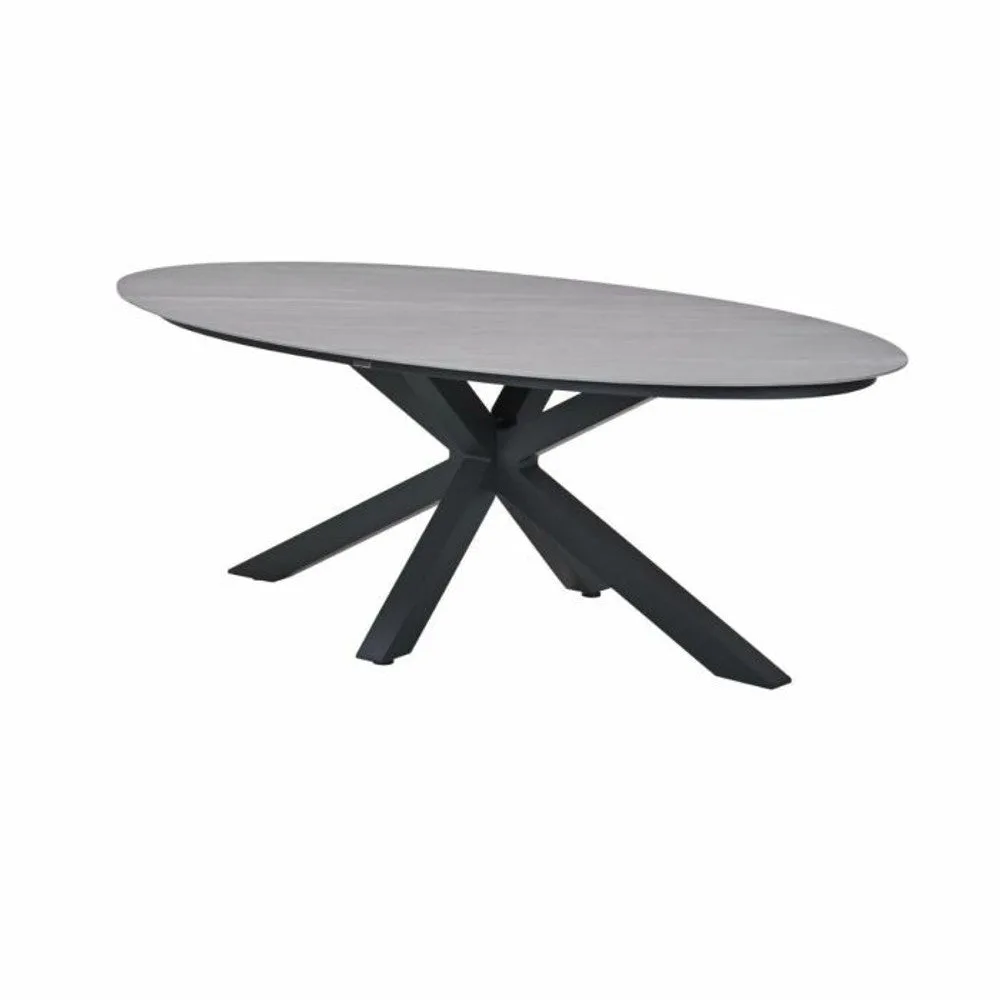
Scotland garden table 230x115 cm
Upholstery and adjustment: Osaka adjustable garden chair
A garden chair with an aluminium frame, textilene upholstery and an adjustable backrest. Here you see two things you pay for: low-maintenance upholstery that dries quickly, and a mechanism that lets you lean back. The seat height is 43 cm and, according to the specifications, the chair holds a maximum of 100 kg.
Osaka adjustable garden chair
Wood and maintenance: Ibiza acacia dining chair
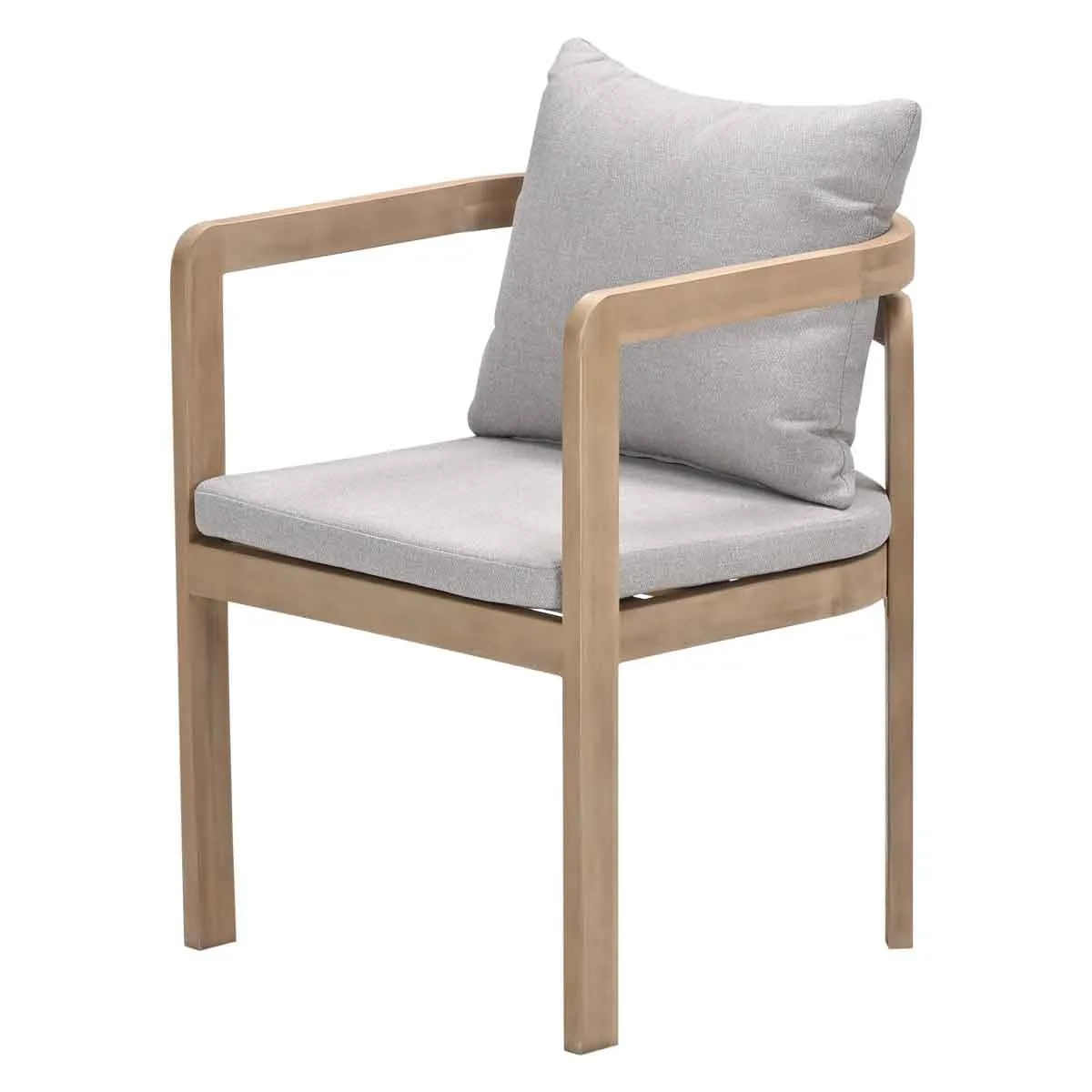
A dining chair in acacia wood with a white wash finish and 2 polyester cushions, 5 cm thick. Wood gives a warm, natural look. According to the product information, you apply wood protection oil or wax 1 to 2 times per season. That maintenance is part of the price of wood.
Ibiza acacia dining chair
Parasol canopy: Platinum Icon Premium cantilever parasol
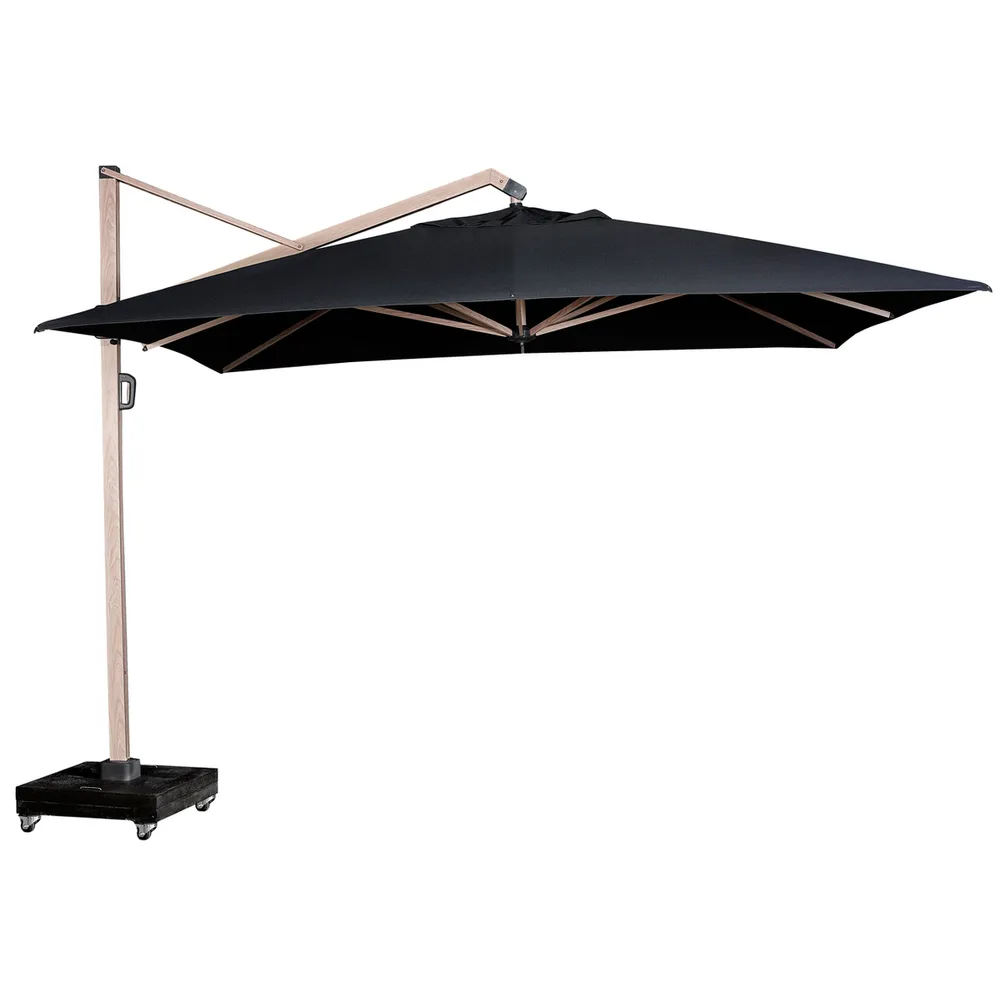
A rectangular cantilever parasol measuring 400 x 300 cm with a 240 gsm canopy. Spun acrylic, which Platinum describes as colourfast and water- and dirt-repellent. The frame is aluminium, with heavy-duty ribs and a wind stabiliser. According to the specifications, a parasol base is not included: factor it into your budget.
Platinum Icon Premium 400x300
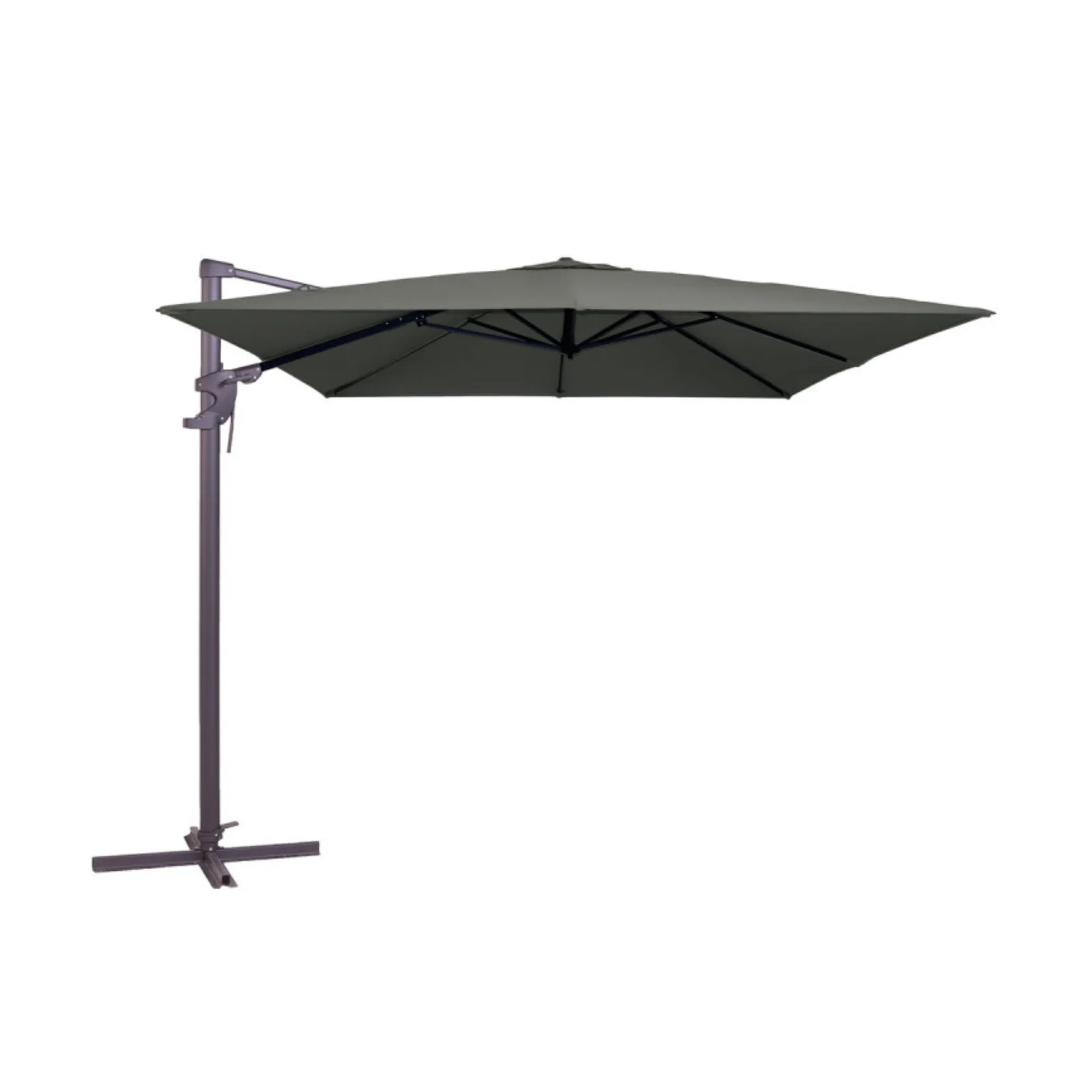
For comparison: the Madison Monaco Flex III has a polyester canopy (220 g/m²) with PA coating, and the Nesling Coolfit has an open-woven HDPE canopy (285 g/m²) that lets wind and water through.
Monaco Flex III: polyester
View parasol →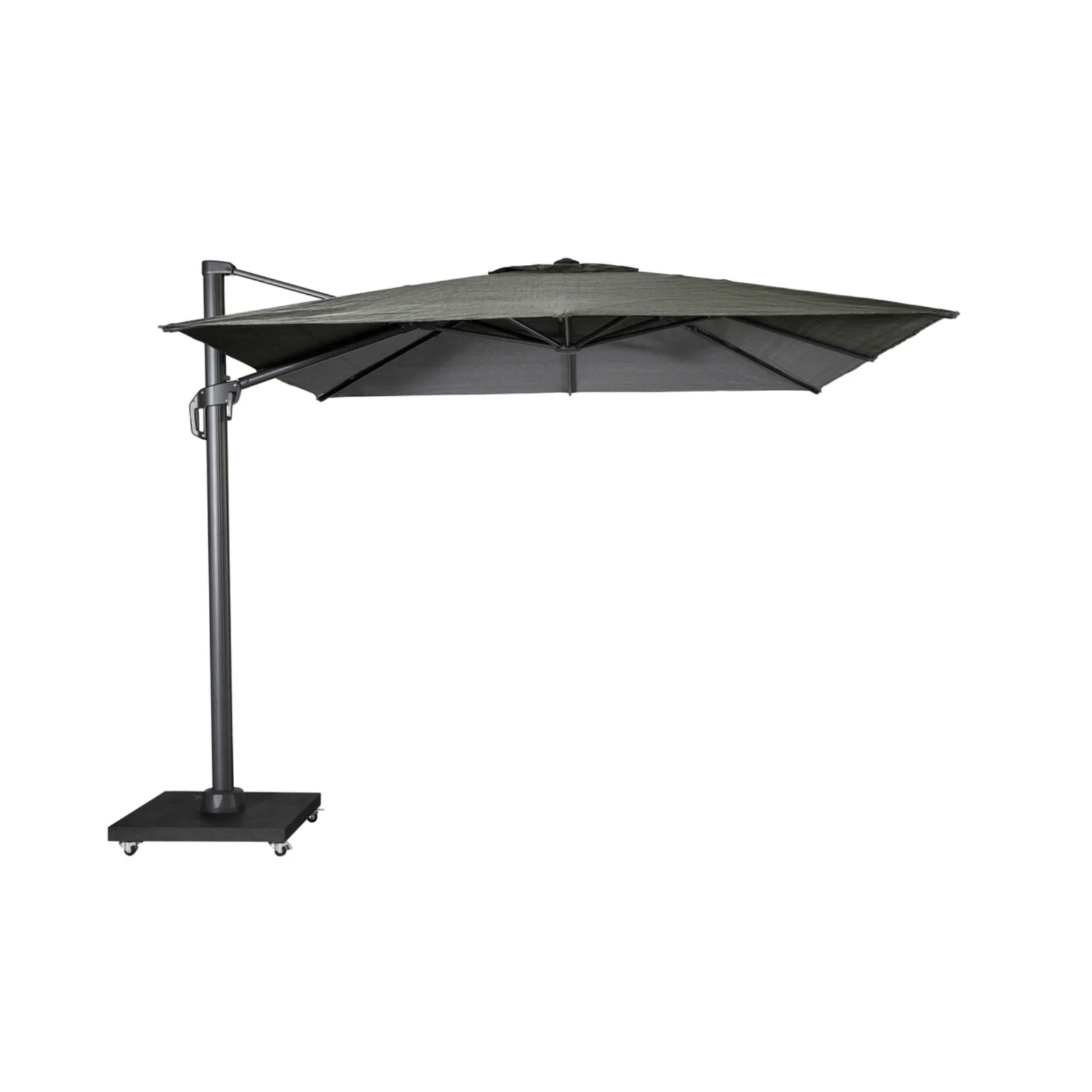
Nesling Coolfit: HDPE
View parasol →
All cantilever parasols
View range →Lightweight and weather-resistant: Limone sunbed
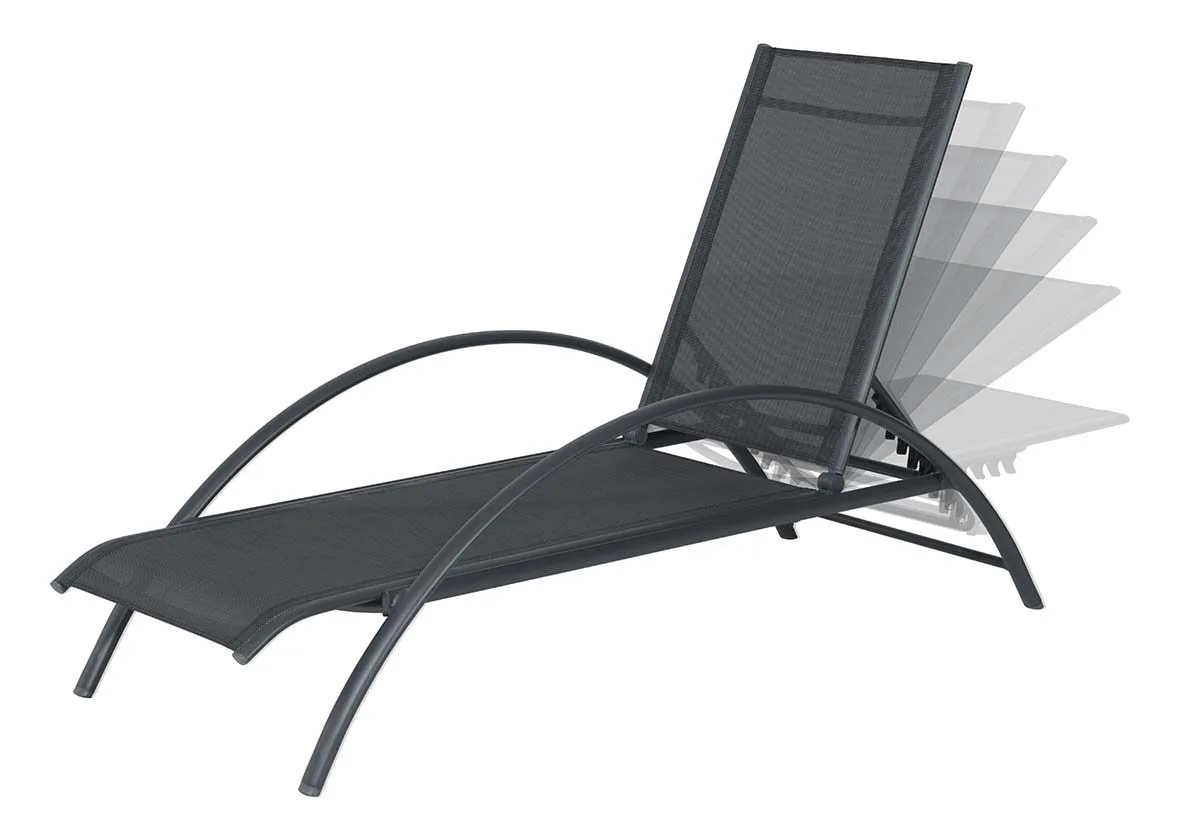
A 203 cm long sunbed with an aluminium frame and textilene upholstery, All Weather according to the specifications. The backrest has 6 positions, the sunbed weighs 18.8 kg and holds a maximum of 100 kg. No thick cushion you have to bring indoors: here you're paying for convenience.
Limone sunbed carbon black

How to get value for money in 5 steps
Expensive or cheap says little on its own. What matters is whether you're paying for what you actually use. These steps will help you weigh that up.
Will the furniture stay outside all year, or go into the shed in winter? Does it stand in full sun or under a canopy? If everything is left outside, you'll benefit more from weather-resistant material than someone who tidies up every autumn.
Put two products side by side and look at the material of the frame and top, the fabric, the maximum weight, the number of positions and the warranty. That way you can see whether a price difference is based on something real.
Add what else you'll need: cushions for a chair without cushions, a base for a parasol, a protective cover for winter and wood oil for wooden pieces. Only then is your comparison fair.
It's better to spend more on the frame, the tabletop and the parasol canopy. Save on size and on extra features you rarely use. A table for six that is mostly used by four is money you could have spent elsewhere.
Follow the price of the model you want in the price chart and set up a price alert. After the summer and around Black Friday you'll often see deals, but only the chart shows whether a price is genuinely low.
Where it's worth paying a little more
- Frame: a material that suits how long the furniture will be outside
- Tabletop: scratch-resistant and suitable for outdoor use if the table stays out
- Parasol canopy: a fabric that keeps its colour and shape
- Seating comfort: a seat height and upholstery you can sit on for hours
Not sure yet which type of furniture suits your terrace? Try the buying guide. If you want to know what a complete garden set with a table and chairs costs, and how to set your budget, read what does a garden set cost.
Checklist before you order
Tick off these points before you order garden furniture. That way you'll know the price matches what you get.
- I know whether the furniture will stay outside or spend the winter indoors
- I have compared the material of the frame, top or canopy with another model
- I know what maintenance the material requires and am willing to do it
- I have checked whether cushions, a base or a cover are included
- The size suits how I'll actually use the furniture
- I have checked the warranty and the maximum load
- I can receive the package and get it into the garden
- I have looked at the price chart or set a price alert
4 common mistakes when choosing on price
Comparing only the price of the furniture
A chair without cushions or a parasol without a base looks like better value, until you buy the rest. Always compare what is and isn't included.
Leaving cheap material outside
Furniture that isn't made for outdoor use will rust, fade or rot faster. Then you end up buying twice. If you leave your furniture outside, choose weather-resistant material and a protective cover.
Paying for features you don't use
A height-adjustable table or a chair with multiple positions is handy, but only if you use those features. Otherwise you're paying for mechanisms that just need extra maintenance.
Thinking more expensive always lasts longer
A higher price often reflects brand, design or size. Look at material, finish and warranty, and look after your furniture properly: that makes more of a difference. You'll find tips in cleaning garden furniture.
Buy in stages
You don't have to buy everything at once. Start with what you use most, such as a good table and chairs, and buy a parasol or sunbed later, for example when it goes into a sale.
Frequently asked questions
Why is garden furniture more expensive than indoor furniture?
Garden furniture is exposed to sun, rain, wind and frost. That's why it's made from materials that can withstand these conditions, such as powder-coated aluminium, treated hardwood, Textilene or a stone tabletop, and why its cushions have water-repellent covers. In addition, these are large, heavy packages that take up a lot of space in storage and delivery, and they are mainly sold over a few months of the year.
Are expensive garden furniture pieces always better?
Not always. A higher price often means a more weather-resistant material, a heavier parasol canopy or an extra feature such as an adjustable backrest, but brand and design also play a part. So compare the specifications: the material of the frame and tabletop, the fabric, the maximum weight and the warranty. Many garden furniture items in our comparison come with a 2-year manufacturer's warranty, including more expensive models.
Where is the best place to save on garden furniture?
On size, quantity and extra features you rarely use. A table for six that is almost always used by four, or an adjustable chair you never lean back in, costs more than you need. It's better not to skimp on the frame, the tabletop and the parasol canopy, as these determine how long you'll enjoy them.
When is garden furniture at its cheapest?
Often after the summer, when shops clear their stock, and around Black Friday. There is no fixed date. To see whether a price is genuinely low, check the price history chart on the product page: compare today's price with the lowest price of the past 30 days, and set a price alert on the model you want.
Why is a parasol so expensive?
With a parasol, you mainly pay for the canopy and the frame. A heavier canopy with a good coating or a colourfast fabric keeps its colour and shape for longer, and a cantilever parasol has a sturdy mast, an arm and a tilt and rotation mechanism. Also consider the base: it isn't always included and must be heavy enough for the size of the parasol.