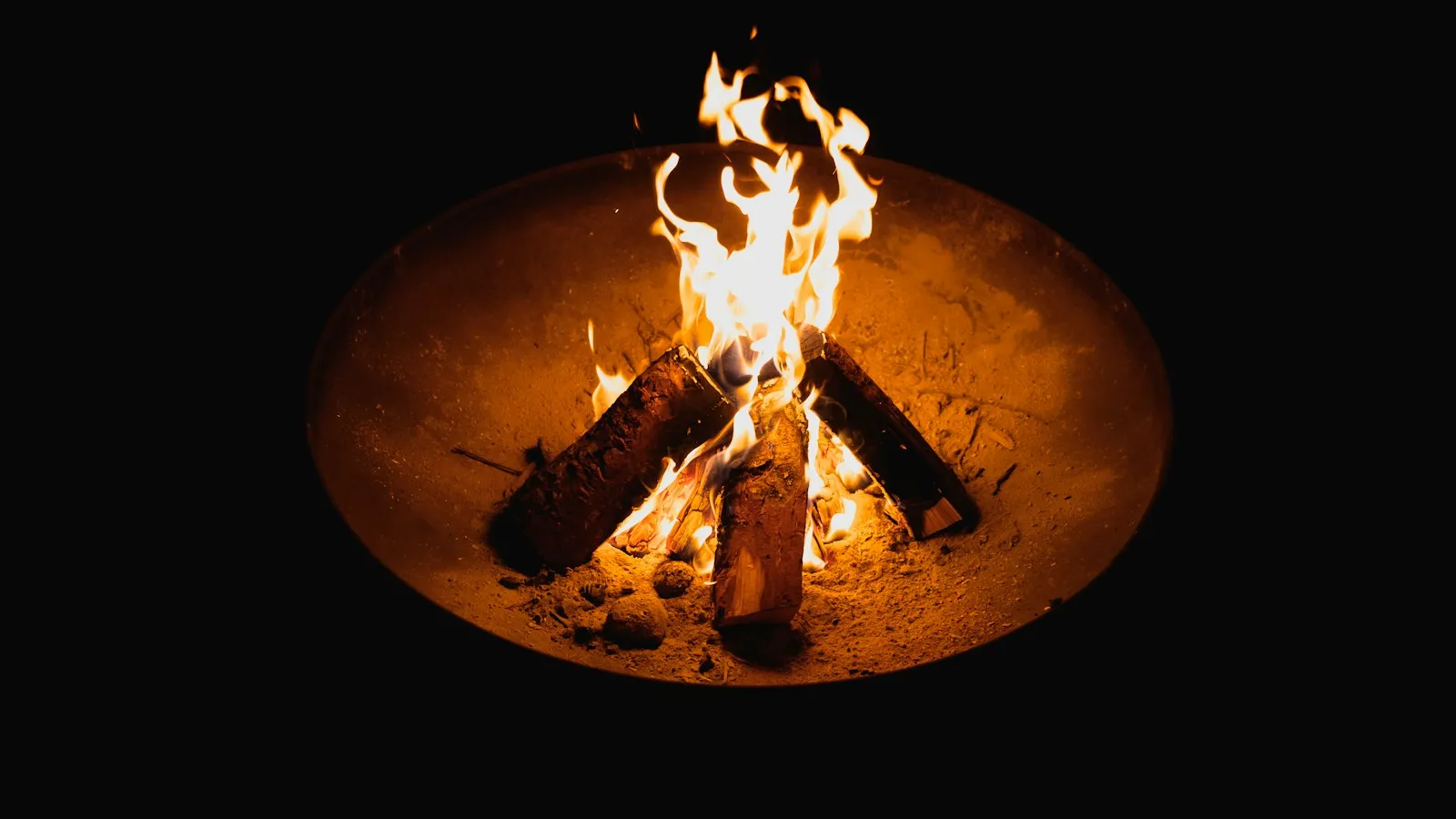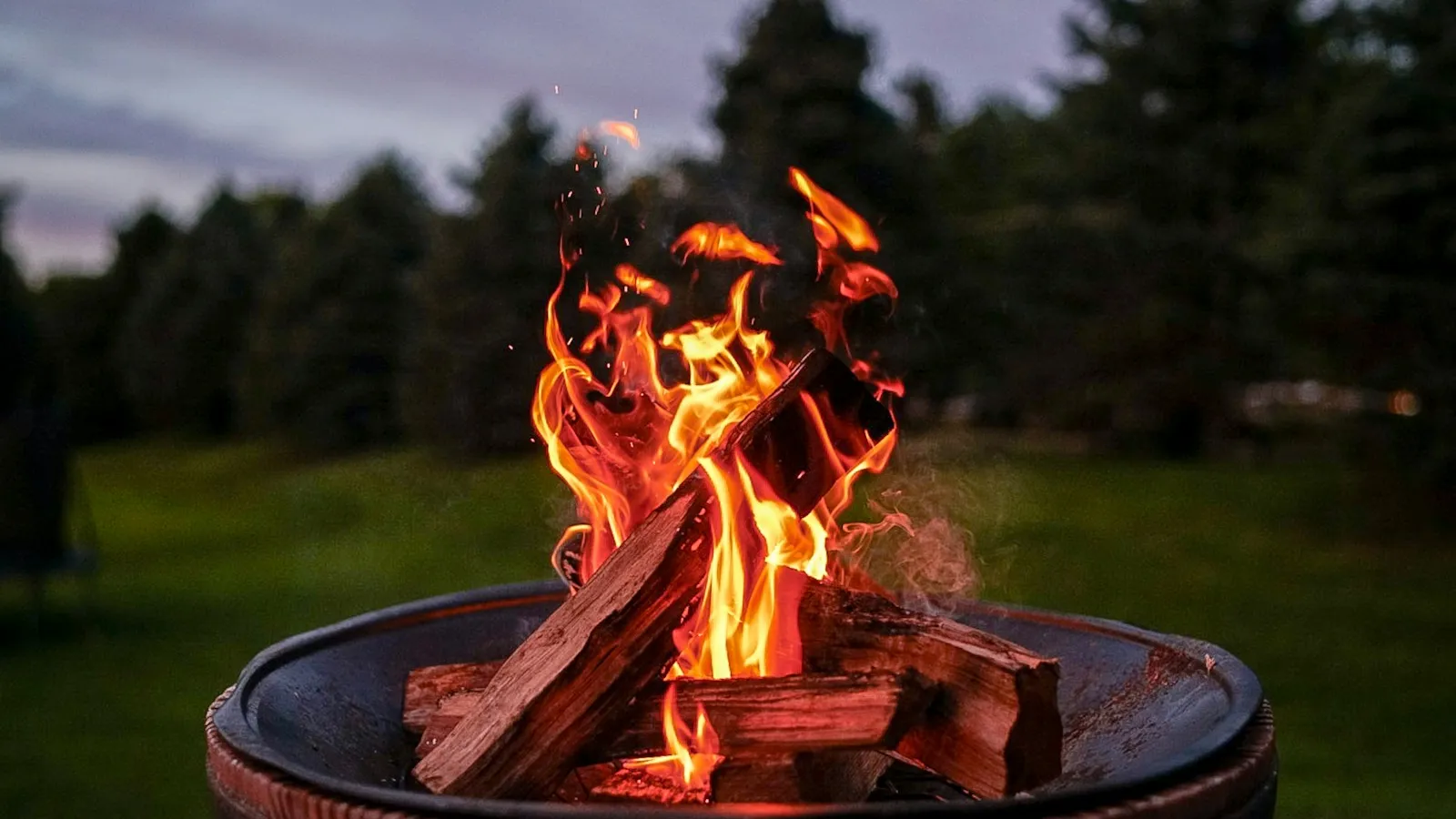
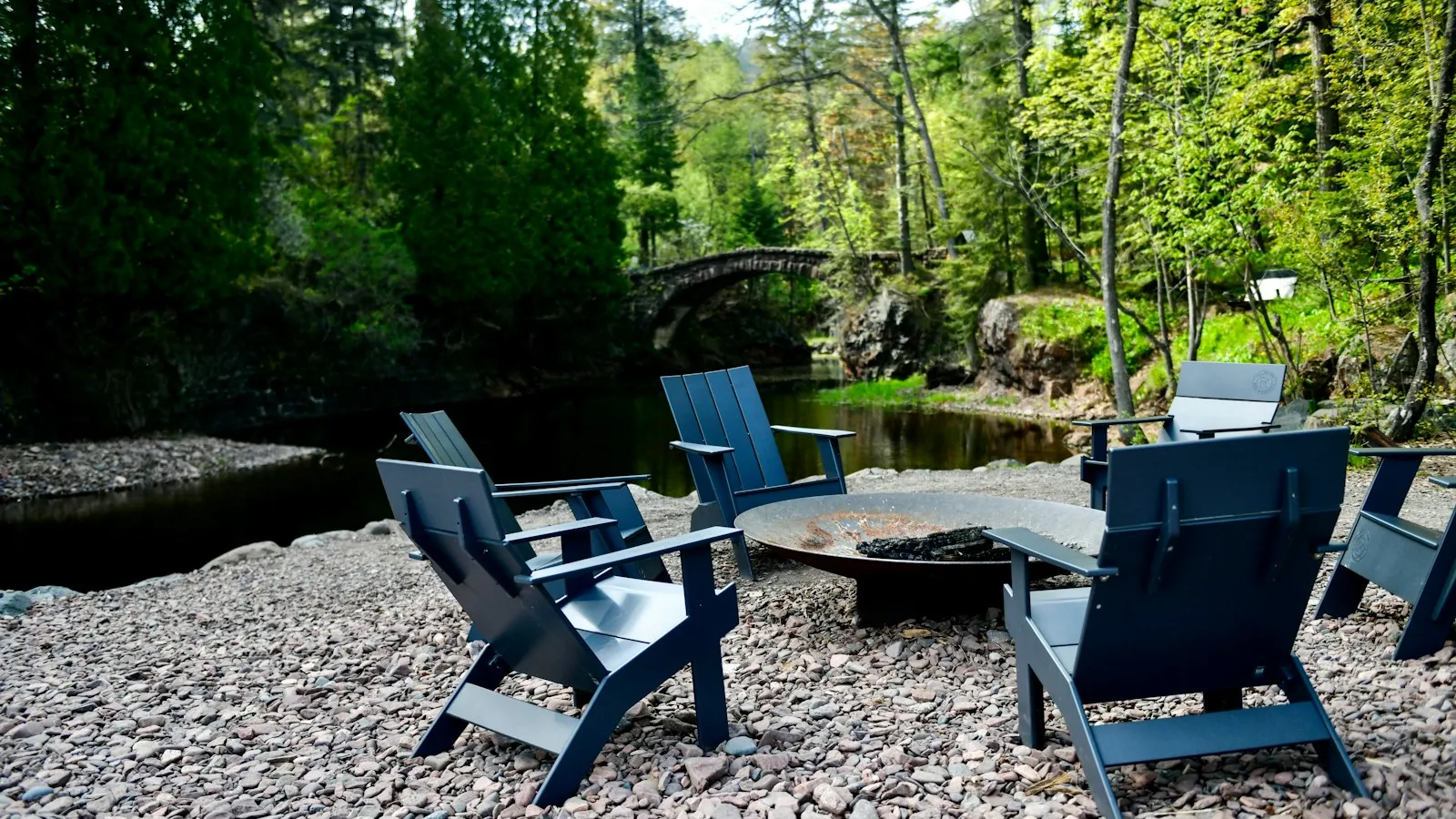

A fire pit makes an autumn evening outdoors a lot cosier. But where do you put it, how much space do you keep clear and are you even allowed to light a fire in your garden? This guide explains how to use a fire basket or fire bowl safely: from your municipality’s rules and the Stookwijzer to the right surface, the right wood and putting the fire out at the end of the evening. With a quiz, tables, a step-by-step plan and accessories.
In short: first check your municipality’s rules and the Stookwijzer. Place the fire pit in an open spot, well away from the house, fence, trees, canopy and parasol, on a non-combustible surface. Only burn dry, untreated wood, light it without methylated spirits or petrol and keep something to put it out within reach. Never leave the fire unattended and only clear the ash once it is completely cold.
Are you allowed to use a fire pit in your garden?
In many municipalities you may use a fire basket or fire bowl in your own garden, but it is not a given. Dutch municipalities set rules on open fires and burning in their APV, the local general bylaws. These rules differ from one municipality to the next, so check your municipality’s website to see what applies where you live.
Even where it is allowed, one rule applies everywhere: you must not cause your neighbours a nuisance. Smoke that drifts into a bedroom window or a garden full of washing for hours is a reason for many people to complain. So have a word with your neighbours, especially if someone nearby has breathing problems.
Still unsure about the type? Read fire basket or fire bowl: which suits your garden? Or see all models on the fire pits and fire bowls page.
Quiz: can you safely light a fire tonight?
Answer three questions and see whether tonight is a good time to light the fire pit, or whether you had better sort something out first.
Can you light a fire tonight?
What is the weather like tonight?
- Dry, with a light breeze
- Foggy or completely still
- Dry, but the spot isn’t suitable yet
- Strong wind or gusts
Where would the fire pit stand?
- In an open spot on paving or gravel, well away from everything
- In an open spot, but the smoke blows towards the neighbours
- On the lawn or a wooden deck without a base plate
- Under the canopy or next to the parasol
What have you got ready?
- Dry firewood, firelighters and a bucket of water or sand
- Wood, but I haven’t checked the Stookwijzer yet
- Wood, but no ash tray or stand yet
- Actually, I mostly want warmth without smoke
You can light a fire safely. Keep the fire small, stay with it and only clear the ash once it is cold.
Wait a little longer. Check the Stookwijzer and the wind direction: in fog or still weather the smoke hangs around.
Sort out the spot first. An ash tray, base plate or stand protects the surface.
Choose something else tonight. In strong wind or under a roof, a fire pit is not a good idea. A gas fire table or a patio heater can work there.
Stookwijzer and stookalert: when is it better not to light a fire?
The Stookwijzer is the wood-burning advice from the Dutch RIVM, which many people still know as the stookalert. It looks at the weather and air quality at your location and shows whether it is a good moment to burn wood. Check it shortly before you light the fire, as the advice can change during the day.
In fog and still weather, smoke stays low between the houses instead of rising. In strong wind or gusts, sparks and glowing bits of wood are blown far away, and the fire suddenly gets a lot of oxygen. A dry evening with a light breeze blowing away from the houses is the best weather for a fire.
Watch out in dry spells
After weeks without rain, grass, hedges and leaves are bone dry. A spark that would otherwise die out can then start a fire. In such periods a municipality or safety region may call on people not to burn; always follow that advice.
How much distance should you keep from the house, fence and trees?
There is no fixed distance that applies to every fire pit. The manual for your model is leading; it states how much clearance the manufacturer requires. What does apply to every wood fire: place it in an open spot outdoors, well away from anything that can burn or melt.
- House and façade: keep your distance from windows, doors, air vents and plastic frames or gutters. Smoke gets inside and heat deforms plastic.
- Fence and hedge: a wooden fence, reed screen or dry hedge catches fire faster than you might think.
- Trees and shrubs: look up. Overhanging branches and dry leaves above the fire pit do not belong there.
- Canopy, pergola and parasol: never underneath. The product information of many fire pits says it literally: outdoors only and never under a canopy, parasol or roof.
Under a roof, heat and smoke build up, and sparks easily find something to land on. Want to sit warm under your veranda or louvred roof? Choose a heat source designed for that. What can and cannot go under a roof is explained in patio heating under a canopy and veranda or canopy. If you have a parasol on the patio, close it and move it well away; more on that in protecting your parasol.
What surface should a fire pit stand on?
A fire pit belongs on a level, stable and non-combustible surface. The bottom of the basket or bowl gets hot, and the surface underneath feels it. This is how to place it:
| Surface | Suitable? | Watch out |
|---|---|---|
| Gravel or grit | Good | Level it so the fire pit does not lean |
| Sand or compacted soil | Good | Keep dry grass and leaves away from it |
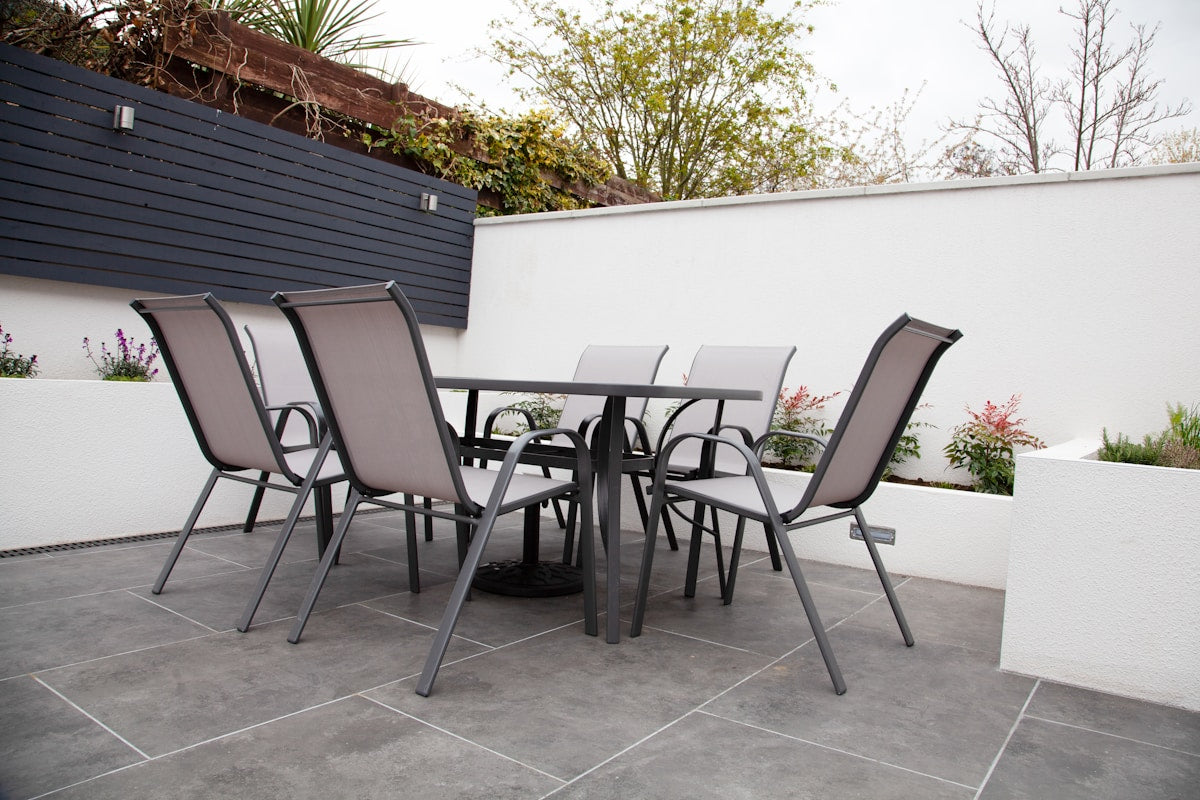
| Paving, natural stone or concrete | Possible, with protection | Heat can cause discolouring or cracks; corten steel can leave rust stains. Use an ash tray, base plate or stand |
| Lawn | Preferably not | The grass gets scorched and dry grass can catch fire. Put stones or a plate underneath |
| Wooden or composite deck | Only if the manufacturer allows it | Only with the stand or base plate the manufacturer specifies |
| Artificial grass or outdoor rug | No | Melts or scorches from heat and sparks |
An ash tray or base plate catches ash and falling embers and keeps the bottom of the fire pit slightly off the ground. For the Solo Stove Bonfire 2.0 with stand, the product information mentions an ash pan that also acts as a heat shield, and a stand that lets you use it on more heat-sensitive surfaces. Check for each model which surface the manufacturer allows; what applies to one model does not automatically apply to another.
Which wood can and can’t you burn in a fire pit?
The drier and cleaner the wood, the better it burns and the less smoke it produces. Damp wood smoulders and smokes, producing exactly the smoke that bothers the neighbours.
| Do burn | Don’t burn |
|---|---|
| Dry, untreated firewood | Fresh or wet wood |
| Kindling made of untreated wood | Painted, varnished or treated wood, such as old fence panels |
| Firelighters made for wood fires | Chipboard, MDF and glued wood |
| Wood pellets, but only in a fire pit designed for them | Pallets when you do not know how they were treated |
| Waste, plastic, garden waste and large amounts of paper or cardboard |
Store your wood dry and well ventilated, and only keep what you need for the evening next to the fire pit, out of reach of sparks. Don’t make the fire bigger than necessary either: a small fire that stays neatly below the rim is safer and smokes less than a tall stack of logs.
Want as little smoke as possible? Look at a double-walled fire pit. How that works and what you can expect from it is explained in low-smoke fire pit: how does it work? and on the low-smoke fire pits page.
How do you light a fire pit safely?
Methylated spirits, petrol, lamp oil or any other flammable liquid has no place near a fire pit. They can cause a flare-up, especially if you pour them onto a fire that is already smouldering. Use firelighters and thin kindling instead.
Is the fire pit level and stable, in an open spot, well away from the house, fence, branches, parasol and garden furniture? Is the wind not too strong and is the smoke not blowing towards the neighbours?
Put a bucket of water or sand, a garden hose or a fire blanket within reach before you strike the first match.
Place one or two firelighters at the bottom, thin kindling on top and a few small logs above that. Leave room for air.
Use a long lighter or long matches and don’t lean over the fire pit. Keep hair and loose clothing away.
Only add larger logs once the kindling is burning well. Use gloves or a poker, and place the wood in rather than throwing it.
Sparks, wind, children and pets: how do you keep it safe?
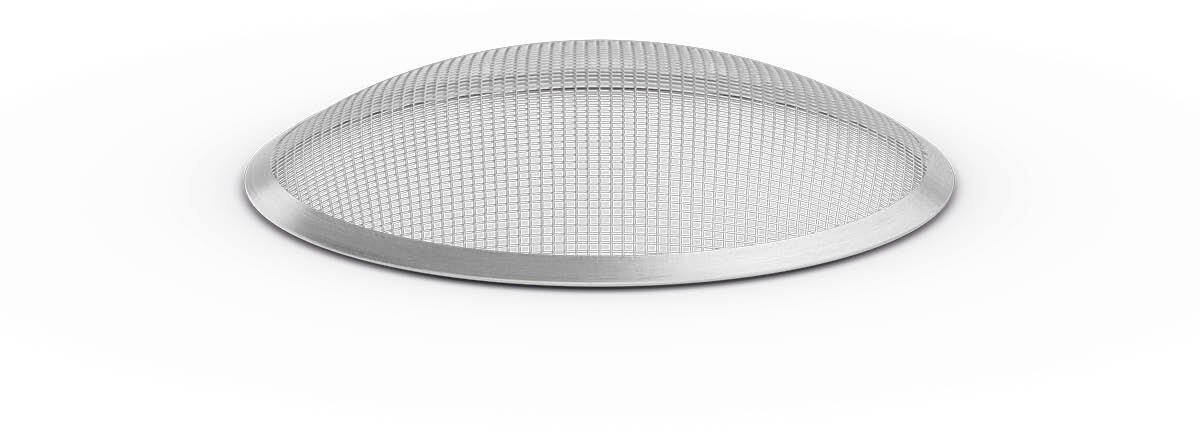
Wood crackles and spits, especially if it still contains some moisture. A spark screen on the fire pit keeps most sparks in while you can still see the flames. In strong wind, even a screen is not enough; then it is better not to light the fire at all.
With children around, agree clear rules beforehand: no running or rough play around the fire, no poking the fire with sticks and nothing thrown into it. Place the chairs in a wide circle so nobody can trip against the fire pit. Keep pets on a lead or indoors; a wagging tail or a curious nose gets close to the fire faster than you think.
Never leave a burning fire unattended, not even for a moment to fetch something from the house.
Never leave a burning fire unattended, not even for a moment to fetch something from the house. A sober adult always stays with it. Want to cook or grill over the fire? Have a look at the fire pit accessories.
What should you keep ready to put out a fire pit?
Get your extinguishing means ready before you light the fire:
- Bucket of water or a connected garden hose: for an ember in the grass or an edge that starts to smoulder.
- Bucket of sand: handy for smothering a fallen ember or a small patch of fire.
- Fire blanket: for a small fire or burning clothing.
Some manufacturers advise against dousing a hot bowl or basket with a lot of cold water at once, as the metal can warp. Check the manual to see what applies to your model.
If you do get burned, cool the area straight away with lukewarm running water. If in doubt, call your GP or the out-of-hours GP service, and for a serious burn call 112. If there is a fire you cannot put out yourself, get to safety and call 112.
Putting out a fire pit and clearing the ash: how to do it
A fire pit is only safely out when the ash is cold, not when the flames are gone. Embers can stay hot for a long time, even if you can no longer see anything burning.
Stop adding wood well before you want to go inside, so the fire can burn down.
Spread the last embers across the bottom with a poker so they cool down faster.
Put a suitable lid or spark screen on the fire pit and stay with it until nothing glows any more.
Scoop the ash into a metal bucket with a lid and put it on a stone surface, away from the house and fence. Never in a wheelie bin, cardboard box or plastic bucket.
Wait until the ash is completely cold. Then dispose of it according to your municipality’s rules.
After use, keep the fire pit as dry as possible so it rusts less quickly and rainwater does not collect in the bottom. Only put on a lid or cover once the fire pit has cooled completely. In winter, preferably store it under a shelter or in the shed; see also getting garden furniture ready for winter.
Which accessories make a fire pit safer?
With a few accessories you keep sparks, ash and heat better under control. Check the size and the model.
Solo Stove Bonfire 2.0 with stand: ash pan and stand
A double-walled fire pit with a stand underneath. According to the product information, the removable ash pan also acts as a heat shield and the stand lets you use it on more heat-sensitive surfaces. More models at Solo Stove.

Solo Stove Bonfire 2.0 with stand
Esschert Design folding spark guard
A metal spark guard you place over a fire bowl or fire basket. According to the product information, it folds open halfway so you can add wood without removing it. It measures 59 x 60 x 29.5 cm, so check that it fits your bowl. More from this brand at Esschert Design.

Esschert Design folding spark guard
RedFire ash tray 45 x 45 cm
A steel tray to go under the fire pit. According to the product information, raised edges keep fallen ash on the tray and it stands on small feet. Other models at RedFire.

BonFeu lid for 60 cm fire bowl
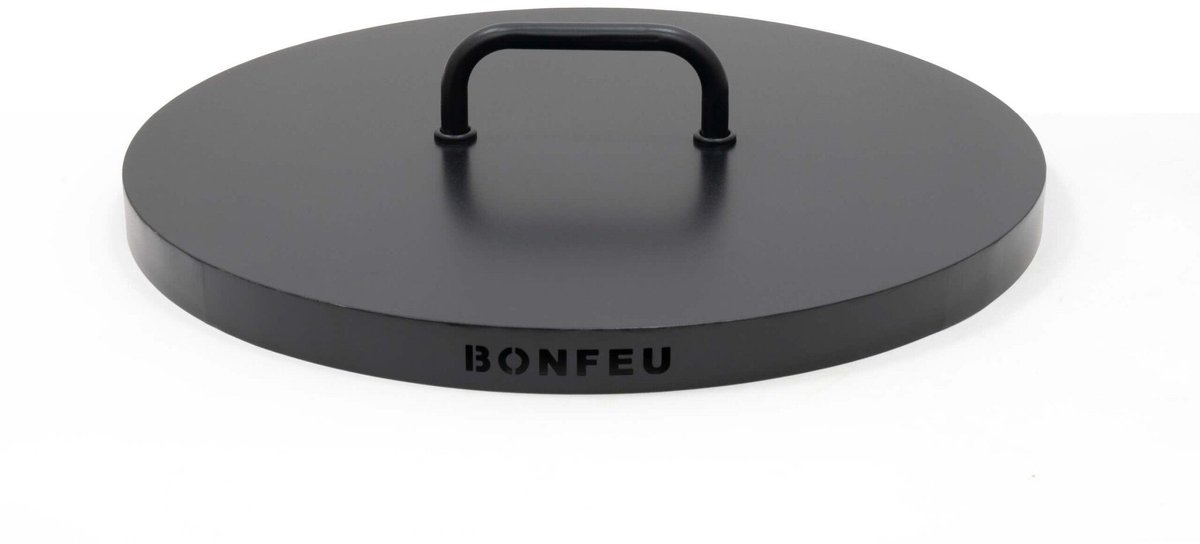
A steel lid for the 60 cm BonFeu fire bowl. According to the product information, ash residue cools down faster when you cover the bowl after the fire, and rainwater stays out. More from this brand at BonFeu.
Höfats Moon spark guard
View spark guard →
Solo Stove Bonfire screen
View screen →
Esschert Design round base plate
View base plate →
RedFire Denver with ash tray
View fire pit →Burn safely
- Open spot, never under a roof or parasol
- Ash tray or stand on paving
- Spark screen when the wood crackles
- Extinguisher ready, always someone present
Common mistakes with a fire pit
Click each pitfall you already avoid.
Burning under the canopy or parasol
Under a roof, heat and smoke build up, and sparks can reach the fabric or wood. A fire pit belongs in the open air.
Lighting with methylated spirits or petrol
A flammable liquid can cause a flare-up. Firelighters and thin kindling work just as well.
Burning old fence panels or pallets
Treated or glued wood gives off harmful smoke. Only burn dry, untreated firewood.
Burning in fog, still weather or strong wind
In fog and still air the smoke hangs around; in strong wind sparks fly far. Check the Stookwijzer and the wind.
Checklist before you light the fire pit
Tick off what you have sorted; your browser remembers it.
- I know what my municipality says about burning in the garden
- I have checked the Stookwijzer and the wind direction
- The fire pit is in an open spot, well away from the house, fence, trees, canopy and parasol
- The surface is level and non-combustible, or there is an ash tray or stand underneath
- I have dry, untreated wood and firelighters, no methylated spirits or petrol
- A bucket of water or sand, a hose or a fire blanket is ready
- An adult stays with the fire all evening
- Children and pets know the rules around the fire
- A metal bucket with a lid is ready for the ash
Still looking for a model? Have a look at fire baskets, fire bowls or low-smoke fire pits. Want the atmosphere without wood smoke? A fire table is an alternative; what to watch out for is in buying a fire table: safety. For targeted warmth without a fire, see patio heaters.
Frequently asked questions
Am I allowed to use a fire pit in my garden?
In many municipalities you are, but the rules differ. Check your municipality’s local bylaws (the APV in the Netherlands) or its website to see what applies to open fires in a garden. Even where it is allowed, you must avoid causing a nuisance: smoke that keeps drifting into your neighbours’ home can lead to complaints.
What is the Stookwijzer?
The Stookwijzer is the wood-burning advice from the Dutch RIVM, which many people still know as the stookalert. It shows per location whether the weather and air quality are suitable for burning wood. Check it shortly before you light the fire, as the advice can change during the day.
Can a fire pit stand on paving or a wooden deck?
On paving it can, but the heat may discolour or crack tiles, and corten steel can leave rust stains. An ash tray, base plate or stand helps. On a wooden deck, only use a model the manufacturer says is suitable, with the stand or base plate that goes with it.
What is the quickest safe way to put out a fire pit?
First let the fire burn down as far as possible and stop adding wood. Spread out the last embers, place a suitable lid or spark screen on top and stay with it until nothing glows any more. Only scoop the ash into a metal bucket with a lid once it has cooled completely.
Which wood should you not burn in a fire pit?
Do not burn painted, varnished, treated or glued wood, such as old fence panels, chipboard or pallets when you do not know how they were treated. Waste, plastic and large amounts of paper or cardboard do not belong in it either. Choose dry, untreated firewood.